For more information about senior living options: (866) 208-4318
2.5 from 62 reviews
5 stars
16
4 stars
7
3 stars
1
2 stars
3
1 stars
35
Overall Review of Cheswick Rehabilitation And Wellness Center
common14 reviews mention this
Staff care is a major strength
Residents and families frequently describe the staff as supportive, knowledgeable, and kind.
Many reviews say the staff treats residents with genuine care and respect, and that they’re helpful when families need to coordinate appointments and follow-up. Several people specifically call out nursing support and rehab team members as being attentive and invested in the resident’s well-being. A number of residents also describe an improvement after management changes, with more dedication and attention to detail.
caveat12 reviews mention this
Care responsiveness raises concerns
Some reviews say communication and day-to-day care can be inconsistent, especially around calls and medication timing.
A recurring complaint is that families have difficulty getting updates or reaching staff, and that call-bell or assistance requests may not be answered promptly. Multiple reviews also mention delayed medications, skipped medications, or care that didn’t match instructions, including concerns about medication orders and wound-related treatment. Some reviewers attribute problems to staffing shortages and say the issues became serious enough to require hospital care.
differentiator5 reviews mention this
Rehab therapy gets praise
Reviews highlight physical and occupational therapy as a key part of recovery experiences.
Several residents and families describe positive outcomes from therapy, including preparation for life back at home after a skilled stay. Reviews repeatedly mention occupational and physical therapy teams as strong, and at least one person specifically praises wound care support. There are also negative reviews, but the overall pattern of therapy-focused feedback remains strongly present.
common4 reviews mention this
Activities can feel limited
Some residents enjoy planned activities, while others describe the routine as boring.
Positive feedback mentions making friends, resident-run and scheduled activities, and an activities team that residents look forward to. Other reviews, however, say there isn’t much going on and that the overall atmosphere can feel depressing or too quiet for residents. Even when the facility appears clean and the staff is good, reviews differ on how engaging day-to-day life feels.
common6 reviews mention this
Food quality is mixed
Reviews describe both acceptable meals and frequent dissatisfaction with meal quality and timing.
Some residents and families say the food was fine and delivered in a timely way, with at least one review pairing that with a generally positive experience. Others complain about cold meals, poor quality, or dietary handling issues, including concerns tied to diabetic needs and meal-related medication timing. Reviews also mention that beverage and dietary restrictions may not always be handled as expected.
caveat6 reviews mention this
Cleanliness and odors divide reviews
Multiple reviews raise concerns about cleanliness, smells, and maintenance conditions.
Negative reviews repeatedly mention urine odors, unpleasant smells, and concerns about how clean the facility feels on certain floors. There are also comments about visible maintenance problems like mold, broken items, and general shabbiness, which some reviewers link to the overall care experience. A smaller set of reviews says it is clean, but the odor and cleanliness concerns come up often enough to stand out.
How we summarize
Counts show how many written reviews mention each theme; a review can touch several themes, and only frequently mentioned themes are displayed.
Features
Housing
121 resident community capacity
Types of Care
Skilled Nursing Facility
Amenities
Air-conditioning
Beauty salon
Cable or satellite TV
Computer center
Dining room
Fitness room
Fully furnished
Gaming room
Garden
Housekeeping services
Kitchenette
Move-in coordination
Outdoor space
Private bathrooms
Restaurant-style dining
Small library
Telephone
Wellness center
Wi-Fi/high-speed internet available
Transportation
Pittsburgh International (20 miles away)
Community operated transportation
Transportation arrangement
Transportation arrangement (non-medical)
Transportation to doctors appointments
Care Services
12-16 hour nursing
24-hour call system
24-hour supervision
Activities of daily living assistance
Assistance with bathing
Assistance with dressing
Assistance with transfers
Diabetes diet
Meal preparation and service
Medication management
Mental wellness program
Special dietary restrictions
Dining
Diabetes diet
Special dietary restrictions
Activities
Community-sponsored activities
Concierge services
Fitness programs
Planned day trips
Resident-run activities
Scheduled daily activities
Nearby Places of Interest
Restaurants
Narsici Winery (1.5 miles)
Grieco's Carefree Inn & Restaurant (2.1 miles)
Strange Roots Experimental Ales (2.8 miles)
Eat'n Park Restaurant (4 miles)
Chili's Grill & Bar (4 miles)
Primanti Bros. Restaurant and Bar Allison Park (4 miles)
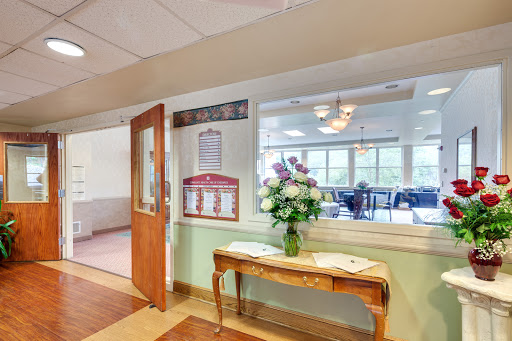
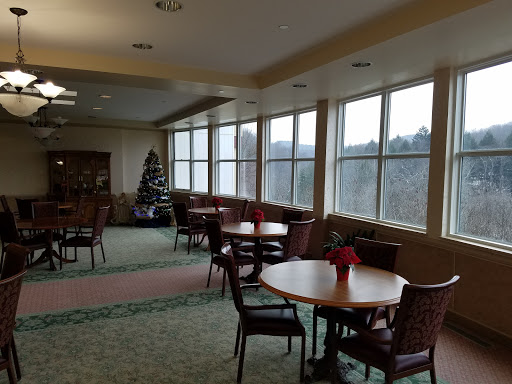
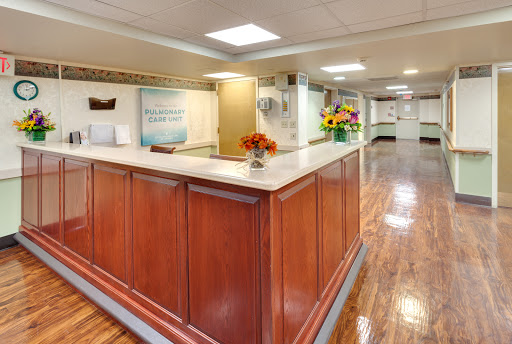
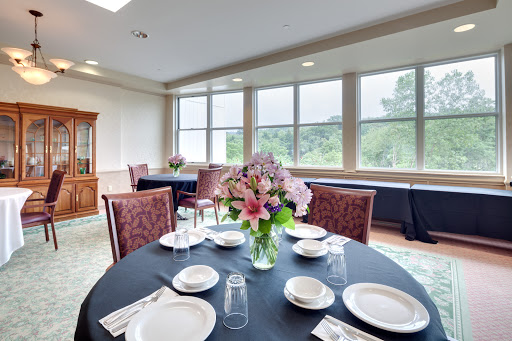
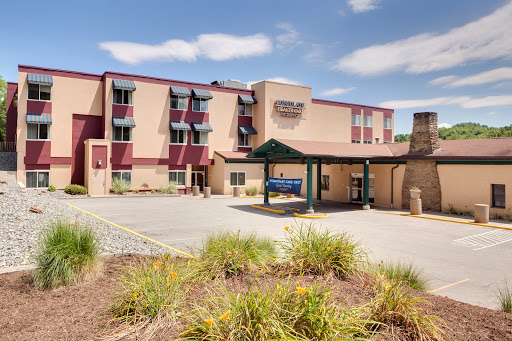
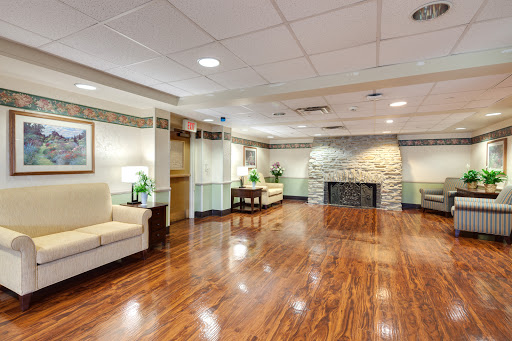
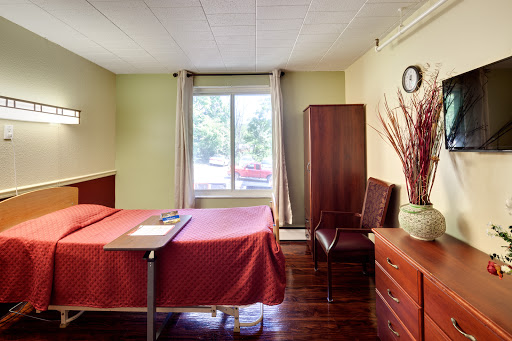
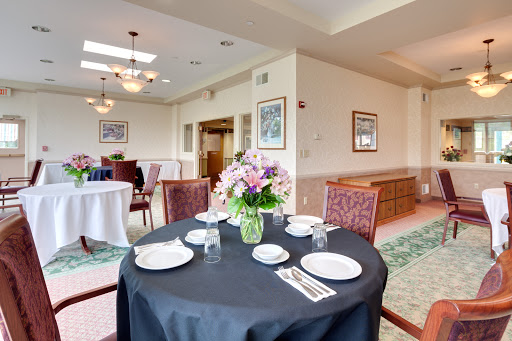
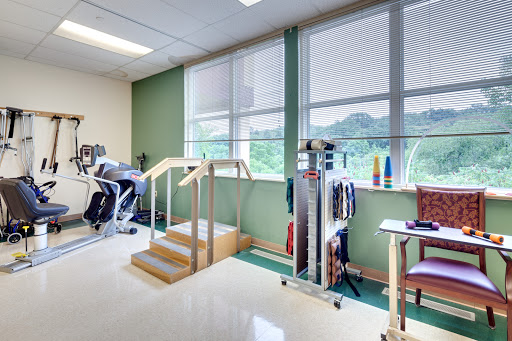
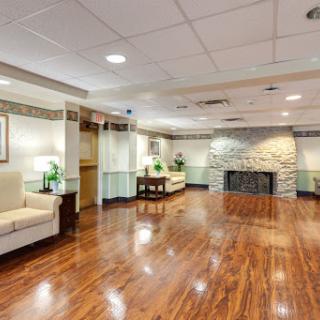
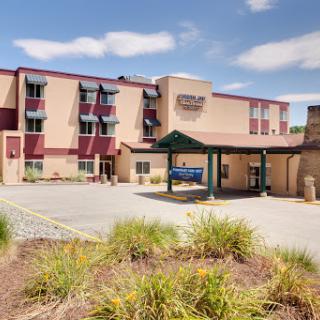
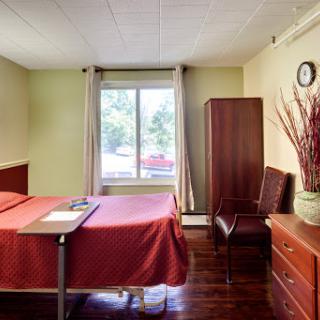
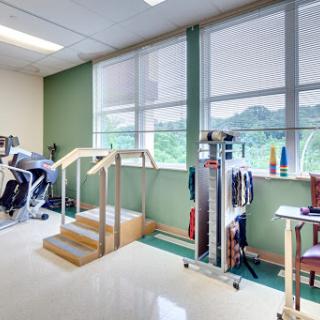
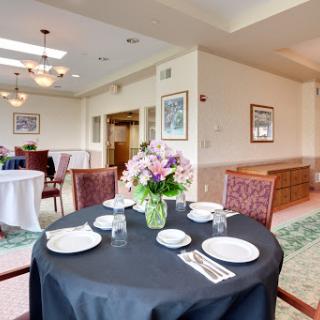
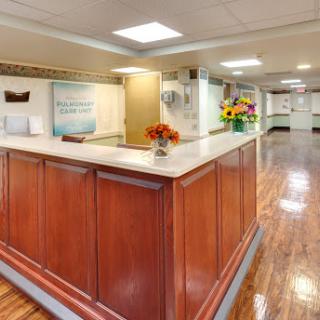
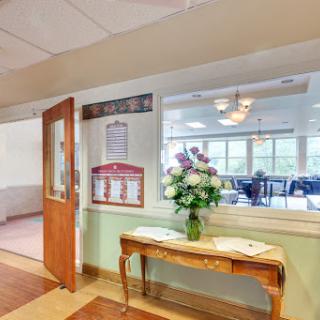
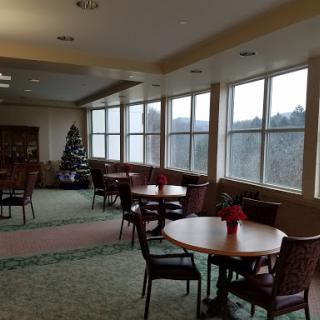
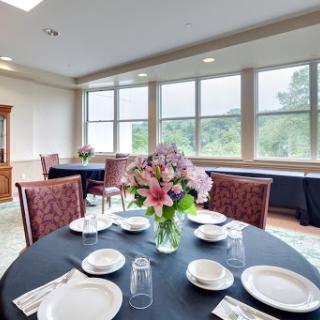
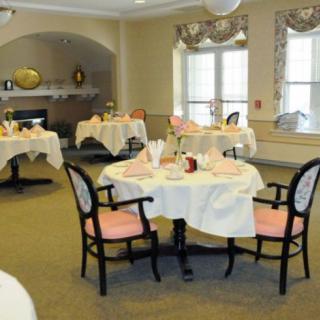
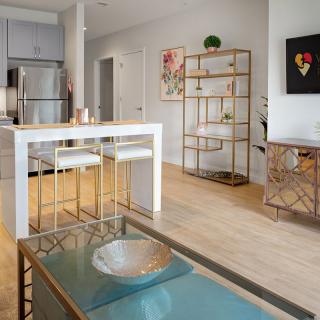
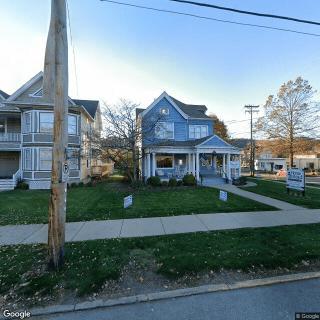
Cheswick Rehabilitation And Wellness Center on seniors.fyi includes 10 photos including images showing interior, lobby, windows, dining, decor, lighting, tree, stone wall, and more.
Nearby Communities
Sunrise of Fox Chapel
Cheswick, PA
4.8 from 6 reviews
$4,230 to $5,010 / month
Comprehensive memory care with on-site services and active programs.
Concordia Of Fox Chapel
Cheswick, PA
4.7 from 12 reviews
$4,620 to $5,760 / month
Caring, professional staff with engaging memory-care activities and strong family communication.
Concordia at Rebecca Residence
Allison Park, PA
3 from 37 reviews
$1,850 to $3,100 / month
Clean, well-maintained facility with spacious rooms and effective therapy services.
Merakey Pennsylvania
RUSSELLTON, PA
4 from 4 reviews
Convenient access to nearby cafes, parks, pharmacies, physicians, restaurants, and entertainment.
Nhs Russellton Pch
Russellton, PA
Fully furnished suites with 24-hour supervision, ADL support, meals, and transportation; plus outdoor spaces.
Hartwood Personal Care Home
Pittsburgh, PA
2 from 3 reviews
Cozy, personalized care in a homelike setting with engaged daily activities and caring staff.
Terrace Place at Vincentian
Allison Park, PA
4.9 from 16 reviews
$2,175 / month
Friendly, supportive staff; bright, social lobby; well-maintained apartments with engaging activities
Fawn Personal Care Home
Tarentum, PA
4.8 from 9 reviews
$2,500 / month
Small family-style setting with attentive medication care, transportation to appointments, and on-site grooming in a peaceful rural setting.
Home Instead - Oakmont, PA
Oakmont, PA
4.9 from 65 reviews
$4,875 / month
Compassionate, reliable caregivers with a responsive, supportive office team.
Dogs can greatly improve the lives of older adults by offering emotional support and encouraging physical activity, with factors such as size, temperament, and grooming needs being crucial in selecting a suitable breed. Senior dogs often make ideal companions for this demographic, promoting social connections and requiring care routines that align with seniors' capabilities.
The guide on blood pressure charts for older adults stresses the importance of understanding normal and high blood pressure readings influenced by age, genetics, and lifestyle, while emphasizing regular monitoring and lifestyle modifications to prevent serious health issues. It provides insights into blood pressure categories, dietary recommendations, medication considerations, and the role of caregivers in supporting healthy habits.
The article explores the complexities of using Social Security to finance long-term nursing home care in the U.S., detailing eligibility requirements and misconceptions, while emphasizing that these benefits often do not cover full costs and highlighting the need for strategic financial planning and professional guidance.
Cheswick Rehabilitation And Wellness Center photos
×
Interior
Decor
Building
Bedroom
Windows
Dining
Lighting
Seating Area
Lobby
Interior
Decor
Bedroom
Dining
Landscaping, Building, Entrance, Exterior, and Grass
Windows
Lighting
Seating Area
Lobby
Exercise Equipment, Gym, Rehabilitation, Physical Therapy, Fitness, and Staircase
Office and Reception
Waiting Area and Stone Wall
Tree
Get PricingAsk A QuestionSchedule A TourContact Senior Advisor
By clicking submit, you agree to our Partner's Terms of Use. You
also consent to receive calls and texts, which may be autodialed, from our Partner. Your consent is not a condition to
using our Partner's service. Please visit our Partner's Privacy Policy for information about their privacy practices.


 121 resident community capacity
 Skilled Nursing Facility
 Air-conditioning
 Beauty salon
 Cable or satellite TV
 Computer center
 Dining room
 Fitness room
 Fully furnished
 Gaming room
 Garden
 Housekeeping services
 Kitchenette
 Move-in coordination
 Outdoor space
 Private bathrooms
 Restaurant-style dining
 Small library
 Telephone
 Wellness center
 Wi-Fi/high-speed internet available
 Pittsburgh International (20 miles away)
 Community operated transportation
 12-16 hour nursing
 24-hour call system
 Activities of daily living assistance
 Assistance with bathing
 Assistance with dressing
 Assistance with transfers
 Diabetes diet
 Medication management
 Mental wellness program
 Special dietary restrictions
 Concierge services
 Planned day trips
 Comprehensive memory care with on-site services and active programs.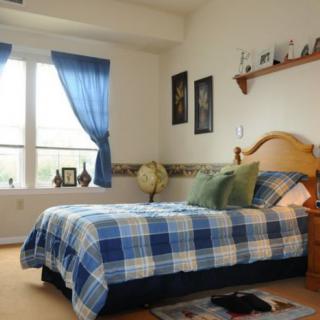

 Top Canine Companions for Older Adults
 Comprehensive Guide to Blood Pressure Charts for Older Adults: Understanding Normal and High Readings by Age
 Financing Long-Term Nursing Home Care Through Social Security: A Thorough Exploration