Hartwood Personal Care Home in Pittsburgh, PA

3666 Saxonburg Boulevard, Pittsburgh, PA 15238

For more information about senior living options: (844) 490-3973

2 from 3 reviews
5 stars
0
4 stars
1
3 stars
0
2 stars
0
1 stars
2

Assisted Living Board and Care Home

Overall Review of Hartwood Personal Care Home

Pros

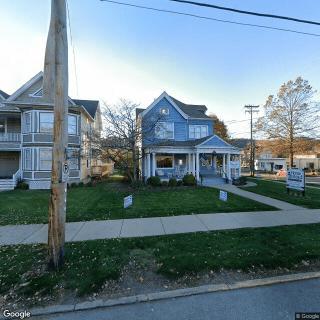
  • pro The facility is small and home-like, not institutional.
  • pro It is state certified.
  • pro The administrator is good.
  • pro The staff is helpful.
  • pro The food is great.
  • pro There is limited turnover of residents.
  • pro It has a very nice front porch.
  • pro All things considered, it is definitely worth a visit.

Cons

  • pro The facility has spotty phone and cell reception.
  • pro Some residents cannot speak much.
  • pro There is no sidewalk or paved area around the building for walking.
  • pro The facility did not provide 30 days' notice, leading to missed medications for a resident.
  • pro Gabapentin was not dispensed as expected, despite being filled for the month.
  • pro The reviewer would not recommend this place to anyone.

Review

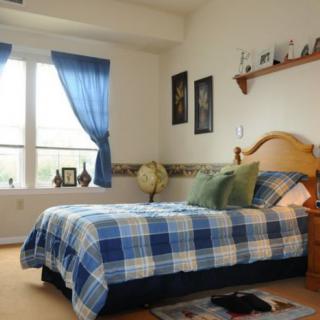
Hartwood Personal Care Home in Pittsburgh is best suited for families seeking a small, home-like setting where residents are treated with personal attention, not processed as a number. The community's size and design feel non-institutional, which can lessen the stress of transition for someone who dislikes the typical "facility" atmosphere. The setting is clearly state-certified and appears to lean on a steady, capable administrator and responsive staff. Meals are described as a strength, contributing to daily satisfaction and nutrition, while a limited turnover of residents reduces the churn and relocation trauma that can come with larger buildings. For caregivers prioritizing comfort, cleanliness, and a calm pace over bells-and-whistles programming, Hartwood checks a lot of the practical boxes that matter day to day.

Those weighing Hartwood against alternatives should recognize who may want to explore other options. Residents with high medical needs, complex medication regimens, or significant behavioral or cognitive challenges often require more robust oversight, memory-care features, or a stronger pharmacological safety net. The one review highlighting a serious medication mismanagement issue - missing prescriptions and timing problems - cannot be ignored. Families should also consider whether a paved, walkable outdoor area and stronger on-site social or therapeutic programming are essential. For anyone seeking a facility with deeper clinical support, more structured dementia care, or wider staffing coverage, alternatives may be more reliable.

On the upside, the positives paint a coherent case for Hartwood as a place where daily life can feel comfortable and predictable. The home-like atmosphere, small scale, and low turnover can contribute to residents establishing routines and relationships. An engaged administrator and supportive staff can translate into quicker issue resolution and a sense that the facility cares about individual residents rather than processing them through. The ambiance on the front porch and the quality of food contribute to a nourishment-focused environment that many families value, particularly when mobility or social anxiety makes larger activity calendars overwhelming. In sum, for families prioritizing warmth, stability, and straightforward care, these advantages can be decisive.

Yet the negatives cannot be dismissed. Spotty phone reception is more than an irritant; it can disrupt communication with family, pharmacy, or medical providers. For residents who rely on regular contact with loved ones or who participate in therapies by telehealth, this limitation quickly becomes material. A notable portion of residents in one review could not engage in much conversation, which raises questions about social opportunities and cognitive engagement for those who most need stimulation. The absence of a sidewalk or paved area to walk around the building matters for residents who value outdoor time or require safe, accessible space for ambulation. Most seriously, the medication incident - an alarming lapse affecting a resident's prescription - signals a potential gulf in clinical safeguards that families must verify directly before committing.

Taken together, the pros and cons point to a cautious, but not dismissive, recommendation. Hartwood offers a compelling package for families prioritizing a small, homelike environment with dependable staff, solid meals, and a stable resident community. Those who can tolerate or mitigate the highlighted risks - by asking pointed questions about med-management protocols, staffing ratios, and visible safeguards - will likely find it a worthy option to visit. However, for families where medical complexity, rigorous medication controls, continuous social programming, or active outdoor access are non-negotiables, it is prudent to compare with larger assisted living facilities or dedicated memory-care communities. Do not make a move without a structured tour, a clear contract review, and direct confirmation of the facility's medication procedures, emergency response systems, and plans for resident who can't verbally communicate effectively. In short, Hartwood stands as a viable fallback for certain seniors, but it demands verification and alignment with exact care expectations before choosing it over stronger-clinical or more feature-rich competitors.

Features

Housing

  • 10 resident community capacity 10 resident community capacity

Types of Care

  • Assisted Living Assisted LivingAssisted living facilities provide crucial support and care for seniors who may need help with daily tasks such as medication management, bathing, and meal preparation. These communities offer a safe and comfortable environment where seniors can maintain their independence while receiving the assistance they need to thrive in their golden years.
  • Board and Care Home Board and Care HomeBoard and care homes provide a smaller, more intimate setting for seniors who require assistance with daily tasks but do not need the level of care offered by a nursing home. They offer personalized care, meals, and social activities in a homelike environment, ensuring that seniors receive individualized attention and support in their golden years.

Amenities

  • Cable or satellite TV Cable or satellite TVCable or satellite TV is important for seniors because it provides entertainment, news, and companionship, helping to combat loneliness and boredom. It also offers a wide range of programming options tailored to different interests and preferences.
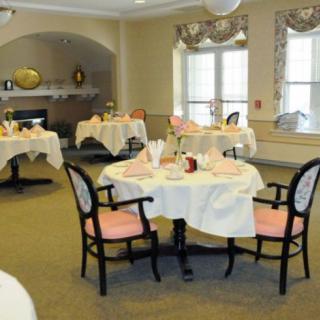
  • Dining room Dining roomDining rooms are important for seniors as they provide a space for socialization, connection, and nutritious meals. They offer opportunities for residents to bond over shared meals, foster a sense of community, and promote healthy eating habits. Dining rooms also ensure that seniors have access to well-balanced meals tailored to their dietary needs and preferences.
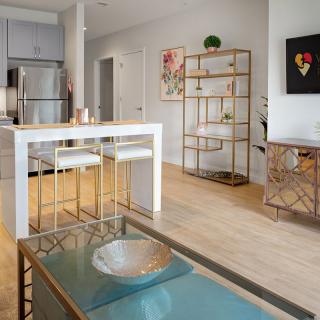
  • Fully furnished Fully furnishedFully furnished senior living communities are important for seniors because they provide convenience, comfort, and a hassle-free moving experience. Seniors can easily settle into their new living space without the stress of having to buy and move furniture. This allows them to focus on enjoying their new home and community.
  • Garden GardenGardens are important for seniors as they provide a peaceful and therapeutic environment for relaxation, physical activity, and socialization. Being in nature has been shown to reduce stress, improve mood, and promote overall well-being. Gardens also offer opportunities for seniors to engage in gardening activities, which can improve mobility, flexibility, and cognitive function. Additionally, gardens create a sense of community and connection with others who share a passion for plants and outdoor spaces.
  • Housekeeping services Housekeeping servicesHousekeeping services are important for seniors because they help maintain a clean and safe living environment, promote independence, and reduce the risk of accidents or illnesses. Additionally, having assistance with household chores can alleviate physical strain and allow seniors to focus on other aspects of their well-being.
  • Move-in coordination Move-in coordinationMove-in coordination is important for seniors because it helps ease the transition into their new living environment. It ensures that all logistics, such as packing, organizing movers, and setting up utilities are taken care of, allowing seniors to focus on settling in and adjusting to their new home. Having a smooth move-in process can alleviate stress and anxiety, making the transition smoother and more enjoyable for seniors.
  • Outdoor space Outdoor spaceOutdoor spaces are important for seniors as they provide opportunities for physical activity, social interaction, exposure to natural light and fresh air, and a sense of connection to nature. Having access to outdoor spaces can improve overall well-being and quality of life for older adults living in senior communities.
  • Telephone TelephoneTelephones are important for seniors as they provide a lifeline for communication with loved ones, emergency services, and healthcare providers. They offer a sense of security and independence, enabling seniors to stay connected and access assistance when needed.
  • Wi-Fi/high-speed internet available Wi-Fi/high-speed internet availableWi-Fi/high-speed internet is important for seniors to stay connected with loved ones, access online resources, and participate in virtual activities to combat feelings of loneliness and isolation. It also allows them to easily manage healthcare needs, access entertainment, and engage in lifelong learning opportunities.

Transportation

  • Pittsburgh International (18 miles away) Pittsburgh International (18 miles away)

Care Services

  • 24-hour supervision 24-hour supervision24-hour supervision is important for seniors to ensure their safety, well-being, and access to immediate assistance in case of emergencies or health issues. This constant support provides peace of mind for both seniors and their loved ones, allowing them to age in place with dignity and security.
  • Activities of daily living assistance Activities of daily living assistanceActivities of daily living assistance are important for seniors because they provide essential support with tasks such as eating, bathing, dressing, and mobility. This assistance helps seniors maintain their independence, dignity, and overall quality of life as they age.
  • Assistance with bathing Assistance with bathingAssistance with bathing is crucial for seniors as it helps maintain personal hygiene, prevents infections, and ensures their overall well-being and comfort. It also provides a sense of dignity and independence for seniors who may struggle with this task on their own.
  • Assistance with dressing Assistance with dressingAssistance with dressing is important for seniors because it helps maintain their independence, promotes personal hygiene, prevents accidents and injuries, and improves overall quality of life. This service ensures that seniors can continue to dress comfortably and confidently, despite any physical limitations they may have.
  • Assistance with transfers Assistance with transfersAssistance with transfers is crucial for seniors as it helps prevent falls and injuries, maintains their independence, and ensures they can safely navigate their living environment. It also provides peace of mind for both seniors and their loved ones.
  • Coordination with health care providers Coordination with health care providersCoordination with health care providers is crucial for seniors to ensure proper medical care, medication management, and overall well-being. This collaboration helps prevent overlapping treatments, track progress more effectively, and provide comprehensive support tailored to individual needs.
  • Diabetes diet Diabetes dietA diabetes diet is crucial for seniors as it helps manage blood sugar levels, reduce risks of complications, and improve overall health and well-being. By following a balanced and nutritious diet tailored to their specific needs, seniors can better control their diabetes and enhance their quality of life.
  • Meal preparation and service Meal preparation and serviceMeal preparation and service are crucial for seniors as they may have limited mobility or energy to cook nutritious meals. Having access to healthy and convenient food options can ensure they are getting the proper nutrition needed to maintain their overall health and well-being.
  • Medication management Medication managementMedication management is crucial for seniors to ensure they are taking the right medications at the correct dosages and times. This helps prevent adverse drug interactions, reduces the risk of medication errors, and promotes overall health and well-being. Proactive management also allows for adjustments as needed based on changing health conditions or new prescriptions.
  • Special dietary restrictions Special dietary restrictionsSpecial dietary restrictions are important for seniors because age-related changes in metabolism and health conditions can make it difficult for their bodies to process certain foods. By following a diet tailored to their specific needs, seniors can maintain their overall health and well-being, manage chronic conditions, and reduce the risk of complications such as malnutrition or food interactions with medications.
  • Transportation arrangement (medical) Transportation arrangement (medical)Transportation arrangements for medical purposes are essential for seniors as they may have difficulty driving themselves to appointments or accessing public transportation. Having reliable and safe transportation options ensures that seniors can receive timely medical care and maintain their health and well-being.
  • Transportation to doctors appointments Transportation to doctors appointmentsTransportation to doctors' appointments is crucial for seniors as it ensures they have access to necessary medical care and support for their health needs. Without reliable transportation, seniors may struggle to attend important appointments, leading to potential delays in treatment and health complications. Providing transportation services helps seniors maintain their overall well-being and quality of life.
Dining

  • Diabetes diet Diabetes dietA diabetes diet is crucial for seniors as it helps manage blood sugar levels, reduce risks of complications, and improve overall health and well-being. By following a balanced and nutritious diet tailored to their specific needs, seniors can better control their diabetes and enhance their quality of life.
  • Special dietary restrictions Special dietary restrictionsSpecial dietary restrictions are important for seniors because age-related changes in metabolism and health conditions can make it difficult for their bodies to process certain foods. By following a diet tailored to their specific needs, seniors can maintain their overall health and well-being, manage chronic conditions, and reduce the risk of complications such as malnutrition or food interactions with medications.

Activities

  • Community-sponsored activities Community-sponsored activitiesCommunity-sponsored activities are important for seniors as they provide opportunities for social interaction, mental stimulation, and physical activity. These activities can help improve overall well-being, combat loneliness and isolation, and promote a sense of belonging and purpose among older adults.
  • Scheduled daily activities Scheduled daily activitiesScheduled daily activities are important for seniors because they provide structure, socialization, mental stimulation, and physical activity. Engaging in regular activities can improve overall well-being and quality of life for seniors living in a community setting.

Description

Hartwood Personal Care Home in Pittsburgh, PA is a cozy and welcoming assisted living community that provides a range of services to meet the needs of its residents. As a board and care home, Hartwood offers personalized care in a homelike environment.

Residents at Hartwood enjoy a variety of amenities to enhance their comfort and convenience. The dining room provides nutritious meals prepared by experienced staff, accommodating special dietary restrictions as needed. The residents' living spaces are fully furnished and housekeeping services ensure that their surroundings are clean and tidy. Outdoor spaces and gardens provide opportunities for relaxation and enjoyment of nature. Additionally, Wi-Fi/high-speed internet and telephones are available to help residents stay connected with loved ones.

The professional and compassionate staff at Hartwood Personal Care Home are dedicated to assisting residents with activities of daily living such as bathing, dressing, and transfers. They also work closely with health care providers to coordinate medical care for residents. Medication management ensures that medications are taken correctly and on schedule.

Residents can look forward to engaging in scheduled daily activities that stimulate both mind and body. These activities provide opportunities for socialization, entertainment, and personal growth.

Located in the heart of Pittsburgh, Hartwood Personal Care Home benefits from its convenient location near various amenities. There are two cafes nearby for outings or meeting friends for coffee. Additionally, there is easy access to parks for outdoor strolls or picnics. Residents can conveniently visit pharmacies, physicians' offices, restaurants, and places of worship within close proximity.

At Hartwood Personal Care Home, seniors can expect high-quality care in a supportive environment where their individual needs are met.

Nearby Places of Interest

Physicians

  • Harmarville Health South Rehab (1.9 miles)
  • Sherer Family Medicine-Upmc (4.7 miles)
  • Renaissance Family Practice (5.1 miles)
  • Advanced Dermatology (5.3 miles)
  • North Pittsburgh Oral Surgery (6.7 miles)
  • Allegheny Rheumatology (7.1 miles)

Restaurants

  • Grieco's Carefree Inn & Restaurant (2 miles)
  • Narsici Winery (2.8 miles)
  • Primanti Bros. Restaurant and Bar Allison Park (3.1 miles)
  • Strange Roots Experimental Ales (3.7 miles)
  • Eat'n Park (4 miles)
  • The Pub At 333 (4.6 miles)
  • Eat'n Park (4.8 miles)

Pharmacies

  • CVS Pharmacy (3.4 miles)
  • Walgreens (4.1 miles)
  • Walgreens (4.2 miles)
  • Rite Aid (4.6 miles)
  • Rite Aid (4.7 miles)
  • Medicine Shoppe (4.7 miles)
  • Rite Aid (4.8 miles)

Cafes

  • Panera Bread (3.4 miles)
  • Starbucks (5 miles)
  • Starbucks (5.4 miles)
  • Panera Bread (5.5 miles)
  • Starbucks (6.5 miles)
  • Panera Bread (6.6 miles)
  • The Abbey on Butler Street (7.3 miles)

Parks

  • Fall Run Park (3.8 miles)
  • Deer Lakes Park (5.3 miles)
  • Aspinwall Riverfront Park (5.6 miles)
  • Rachel Carson Park (5.8 miles)
  • Leslie Park Field (7.4 miles)

Places of Worship

  • St Irenaeus Church (4.5 miles)
  • Bethlehem Lutheran Church (4.6 miles)
  • St Richard's Church (5.8 miles)
  • Mount Saint Peter Roman Catholic Church (7.1 miles)

Theaters

  • Cinemark (5.3 miles)
  • Cinemark North Hills And Xd (6.4 miles)

Hospitals

  • Department of Radiology (5.5 miles)
  • St Margaret's Hospital Emergency Department (5.6 miles)
  • Passavant Hospital Emergency Room (6.1 miles)
  • UPMC Passavant (6.2 miles)
  • Southwestern Veterans Center (6.3 miles)
  • UPMC Children's Hospital of Pittsburgh (7.7 miles)

Frequently Asked Questions

Where is Hartwood Personal Care Home?

Nearby Communities

  • Concordia Of Fox Chapel

    Concordia Of Fox Chapel

    Cheswick, PA

    4.7 from 12 reviews
    $4,620 to $5,760 / month

    pro Caring, professional staff with engaging memory-care activities and strong family communication.

  • Sunrise of Fox Chapel

    Sunrise of Fox Chapel

    Cheswick, PA

     
    $4,230 to $5,010 / month

    pro Comprehensive memory care with on-site services and active programs.

  • Remed Recovery Care Centers

    Remed Recovery Care Centers

    Pittsburgh, PA


    pro Small, intimate board-and-care with comprehensive care, meals, transportation, and activities.

  • Concordia at Rebecca Residence

    Concordia at Rebecca Residence

    Allison Park, PA

    3 from 37 reviews
    $1,850 to $3,100 / month

    pro Clean, well-maintained facility with spacious rooms and effective therapy services.

  • Cheswick Rehabilitation And Wellness Center

    Cheswick Rehabilitation And Wellness Center

    Cheswick, PA

    2.4 from 55 reviews
     

    pro Clean facility with caring staff.

  • Hampton Fields

    Hampton Fields

    Allison Park, PA

    4.9 from 10 reviews
     

    pro Excellent access to numerous nearby amenities for convenience.

  • Terrace Place at Vincentian

    Terrace Place at Vincentian

    Allison Park, PA

    4.9 from 15 reviews
    $2,175 / month

    pro Friendly, supportive staff; bright, social lobby; well-maintained apartments with engaging activities

  • Orion Personal Care Residence

    Orion Personal Care Residence

    Allison Park, PA

    4.6 from 22 reviews
    $3,740 to $4,010 / month

    pro Experienced staff delivering a warm, home-like environment with fresh meals.

  • Home Instead - Oakmont,  PA

    Home Instead - Oakmont, PA

    Oakmont, PA

    4.8 from 56 reviews
    $4,875 / month

    pro Compassionate, reliable caregivers with a responsive, supportive office team.

Related Resources

  • assisted living activitiesBeyond the Bingo Hall: 50+ Enriching Activities for Seniors in Assisted Living

    Assisted living communities offer diverse activities beyond traditional games to enhance seniors' physical health, cognitive well-being, emotional enrichment, and social connections, including fitness classes, creative expression, and intergenerational interactions. These enriching programs foster community bonds and support residents' independence and happiness.

  • assisted living vs memory careUnderstanding the Distinctions: Assisted Living and Memory Care Explained

    The article differentiates between assisted living and memory care, explaining that assisted living supports seniors with daily activities while promoting independence, whereas memory care provides specialized services for individuals with dementia, focusing on secure environments and cognitive support. It also addresses staff training, safety considerations, costs, family involvement, and transition strategies for families navigating these care options.

  • elderly parent refuses assisted livingGuiding Elderly Parents Who Refuse Assisted Living: 6 Practical Steps

    Family caregivers face emotional, legal, and practical challenges when elderly parents refuse assisted living, often due to fears of losing autonomy. Open conversations and professional assessments can help address these concerns while exploring alternatives and ensuring safety, potentially leading to legal guardianship if necessary.