Springfield Crossings offers competitive pricing for its residents when compared to both Delaware County and the broader Pennsylvania region. The cost for a semi-private room is notably lower at $2,930, significantly undercutting the county average of $4,559 and even the state average of $3,542. For those seeking more privacy, the studio option at Springfield Crossings is priced at $3,700, which remains a fair choice compared to Delaware County's $3,922 and aligns closely with Pennsylvania's average of $3,737. Meanwhile, the one-bedroom units are available at $4,995; while this is slightly above the averages for Delaware County ($4,528) and Pennsylvania ($4,006), it reflects an overall value when considering the amenities and care offered at Springfield Crossings. These figures suggest that residents can enjoy high-quality living arrangements without exceeding their budget in comparison to surrounding areas.
Floor plans
Springfield Crossings
Delaware County
Pennsylvania
Semi-Private
$2,930
$4,559
$3,542
Studio
$3,700
$3,922
$3,737
1 Bedroom
$4,995
$4,528
$4,006
Assisted Living communities with a similar price nearby
Several residents and families report slow or missed call-button responses at night.
A few reviews describe serious care-response problems, including delays after using the call button and trouble getting staff to respond promptly at night. One family also reported the need to repeatedly call for staff attention when a resident said they were in pain, and another mentioned being understaffed with long wait times to respond to calls. Reviews also include complaints about neglect-style care, medication issues, and needing the family to advocate for basic needs.
differentiator4 reviews mention this
Rehab and therapy support
Residents receiving therapy describe strong support from the rehab team.
Multiple reviews highlight physical therapy and occupational/rehab work as a positive part of the experience. One reviewer praised PT and OT as especially effective after an injury, while another described the therapy team pushing a mobility improvement plan. A separate review mentions receiving physical therapy and care during a stay, and another calls out the rehab setup as a key strength.
common4 reviews mention this
Activities keep residents engaged
Many reviews mention frequent activities and outings.
Residents and families describe a busy calendar that includes social and hands-on options, from craft-style activities to movies and taste testing. Several reviews also mention residents joining events, dancing, and other group engagement. A review about a stay also notes a wide range of daily activities, while another family highlights how active their loved one has felt after moving in.
common5 reviews mention this
Restaurant-style dining and food
Dining is a common point of feedback, with both praise and food-temperature complaints.
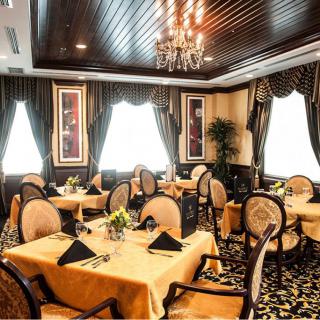
Some residents and families say they like the meals and describe the dining room as restaurant-style rather than cafeteria-like. One review also mentions the kitchen making an alternate meal for a resident’s preference. At the same time, a few reviews raise issues about meals arriving not hot enough or food quality being poor, including one account describing cold, inedible food.
caveat4 reviews mention this
Pricing varies by unit
Pricing comes up often, with some families calling it reasonable and others saying it was too expensive.
A handful of reviews discuss cost: one family compares the community’s pricing favorably against other tours, while another calls it reasonably priced. There are also complaints that prices increased slightly and that cost was a major factor in deciding not to move forward. These mixed reactions align with published unit pricing ranges that differ by room type.
How we summarize
Counts show how many written reviews mention each theme; a review can touch several themes, and only frequently mentioned themes are displayed.
Features
Housing
1-bedroom apartments
Studio apartments
Types of Care
Assisted Living
Pets
Cats allowed
Dogs allowed
Amenities
Activities on-site
Air-conditioning
Beautician on-site
Cable or satellite TV
Computer center
Devotional services on-site
Garden
Ground floor units
Guasts at mealtime
Handicap accessible
Housekeeping services
Indoor common areas
Kitchenette
Laundry
Outdoor common areas
Private bathrooms
Respite or short term stays offered
Wheelchair accessible showers
Wi-Fi/high-speed internet available
Transportation
Philadelphia International (7 miles away)
New Castle County (22 miles away)
Transportation & parking
Care Services
Ambulatory care
Diabetic care
High acuity care
Hospice care
Incontinence care
Medication management
Physical therapy
Dining
Gluten-free
Guest meals
Kosher
Low / no sodium
Meals provided
No Sugar
Restaurant style dining
Room service
Special dietary restrictions
Vegan
Vegetarian
Activities
Activities off-site
Art classes
Arts and crafts
Catholic services
Day trips and outings
Devotional activities on-site
Educational speakers / life long learning
Forever fit
Games
Gardening club
Happy hour
Karaoke
Live dance or theater performances
Live musical performances
Stories
Visiting chaplain or priest
Wii bowling
Wine tasting
Yoga / chair yoga
Nearby Places of Interest
This part of Springfield, Pennsylvania offers a variety of conveniences and amenities that could be beneficial for seniors looking to settle in the area. There are several pharmacies located within a short distance, making it easy to access medication and healthcare services. In addition, there are numerous parks nearby for outdoor recreation and relaxation. Several cafes provide opportunities for socializing and enjoying a good cup of coffee. For medical needs, there are reputable physicians and hospitals in close proximity. Transportation options are also available for easy access to neighboring areas. Places of worship offer spiritual support and community connection. Overall, this part of Springfield provides a mix of essential services and recreational opportunities that could make it a comfortable and convenient location for senior living.
Pharmacies
GIANT Pharmacy (0.4 miles)
Walmart Pharmacy (0.7 miles)
Walgreens (2 miles)
CVS Pharmacy (2.1 miles)
CVS Pharmacy (2.2 miles)
CVS Pharmacy (2.6 miles)
CVS Pharmacy (2.8 miles)
Parks
Ellson Glen Park (2 miles)
Ridley Creek State Park (5.5 miles)
Clem MacRone Memorial Park (6.7 miles)
Fairmount Park (8.3 miles)
Market Square Memorial Park (8.7 miles)
Cafes
320 Market Cafe (2.6 miles)
Starbucks (4.6 miles)
Starbucks (7.7 miles)
Starbucks (8.4 miles)
Physicians
Dr Madonna's Family Practice (3.6 miles)
Mid Atlantic Retina (5.2 miles)
CHOP Buerger Center for Advanced Pediatric Care - Raymond G. Perelman Campus (8.3 miles)
Children's Hospital of Philadelphia (8.3 miles)
Restaurants
Cracker Barrel (3.7 miles)
McDonald's (3.8 miles)
Chick-Fil-A (4.4 miles)
Wendy's (4.4 miles)
Wing Hing Chinese Restaurant (4.5 miles)
Chick-Fil-A (4.9 miles)
Wendy's (6 miles)
Transportation
SEPTA: 101/102 Lansdowne Avenue Station (3.9 miles)
Darby Transportation Center (4.6 miles)
Terminal A West (6.4 miles)
Philadelphia International Airport (PHL) (6.5 miles)
Dollar Rent A Car (6.5 miles)
Hertz Rent A Car (6.5 miles)
Baggage Claim A (6.5 miles)
Places of Worship
St Anastasia Rectory (4.3 miles)
Willistown United Methodist Church (8.1 miles)
Hospitals
Riddle Hospital (4.5 miles)
Lankenau Medical Center (6.2 miles)
Bryn Mawr Hospital (6.4 miles)
Philadelphia VA Medical Center (8 miles)
Veterans Administration Community Living Center (8.1 miles)
Springfield Crossings offers competitive pricing for its residents when compared to both Delaware County and the broader Pennsylvania region. The cost for a semi-private room is notably lower at $2,930, significantly undercutting the county average of $4,559 and even the state average of $3,542. For those seeking more privacy, the studio option at Springfield Crossings is priced at $3,700, which remains a fair choice compared to Delaware County's $3,922 and aligns closely with Pennsylvania's average of $3,737. Meanwhile, the one-bedroom units are available at $4,995; while this is slightly above the averages for Delaware County ($4,528) and Pennsylvania ($4,006), it reflects an overall value when considering the amenities and care offered at Springfield Crossings. These figures suggest that residents can enjoy high-quality living arrangements without exceeding their budget in comparison to surrounding areas.
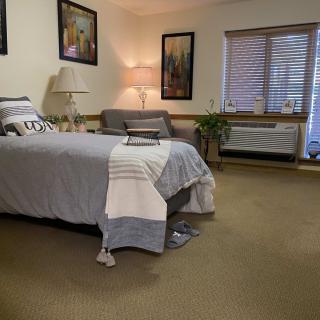
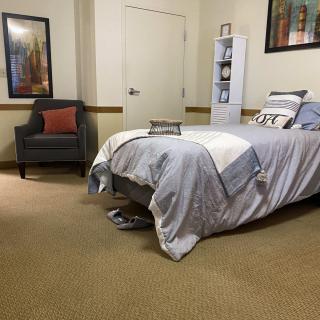
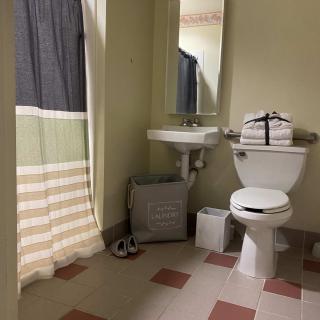
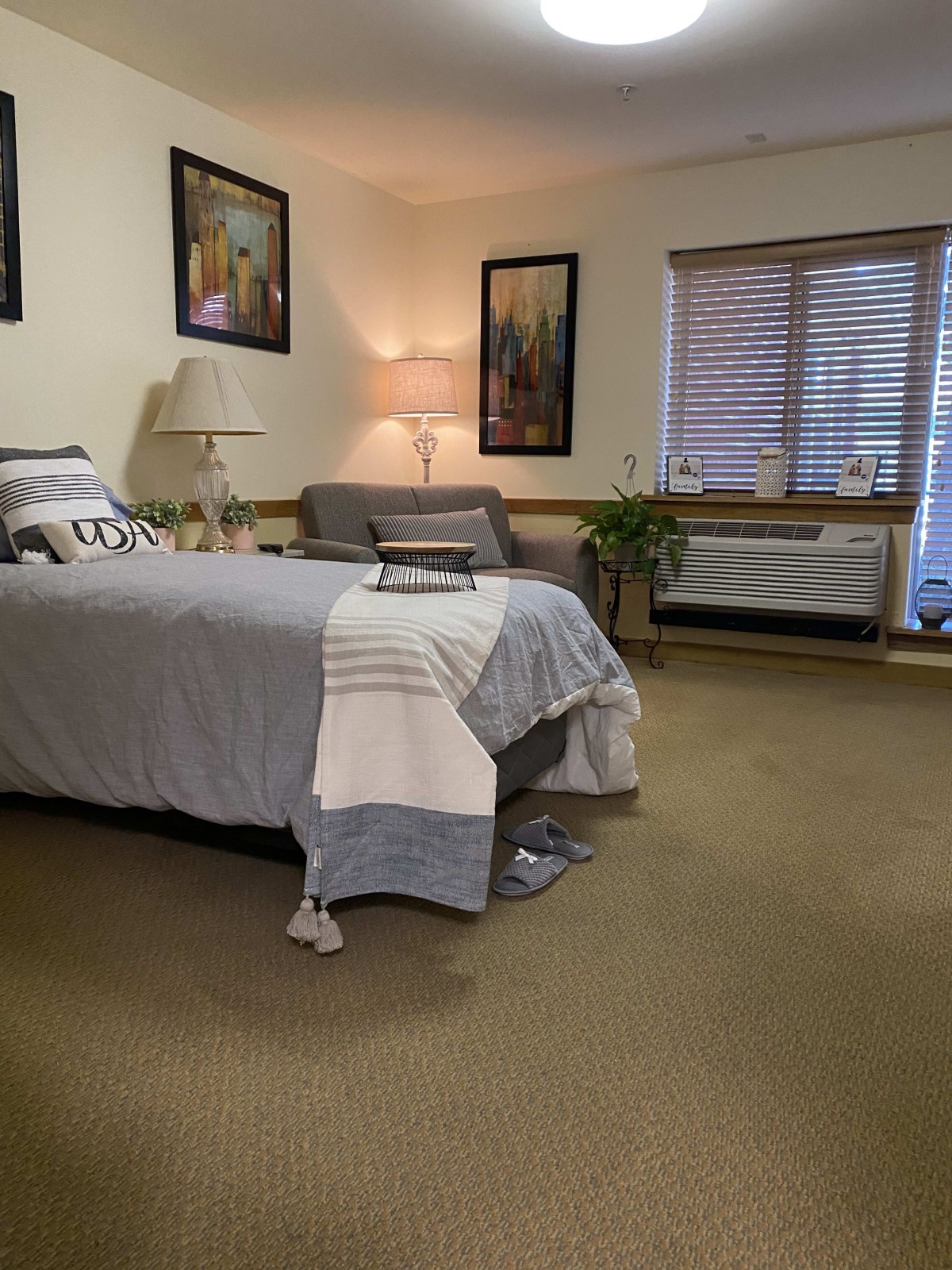
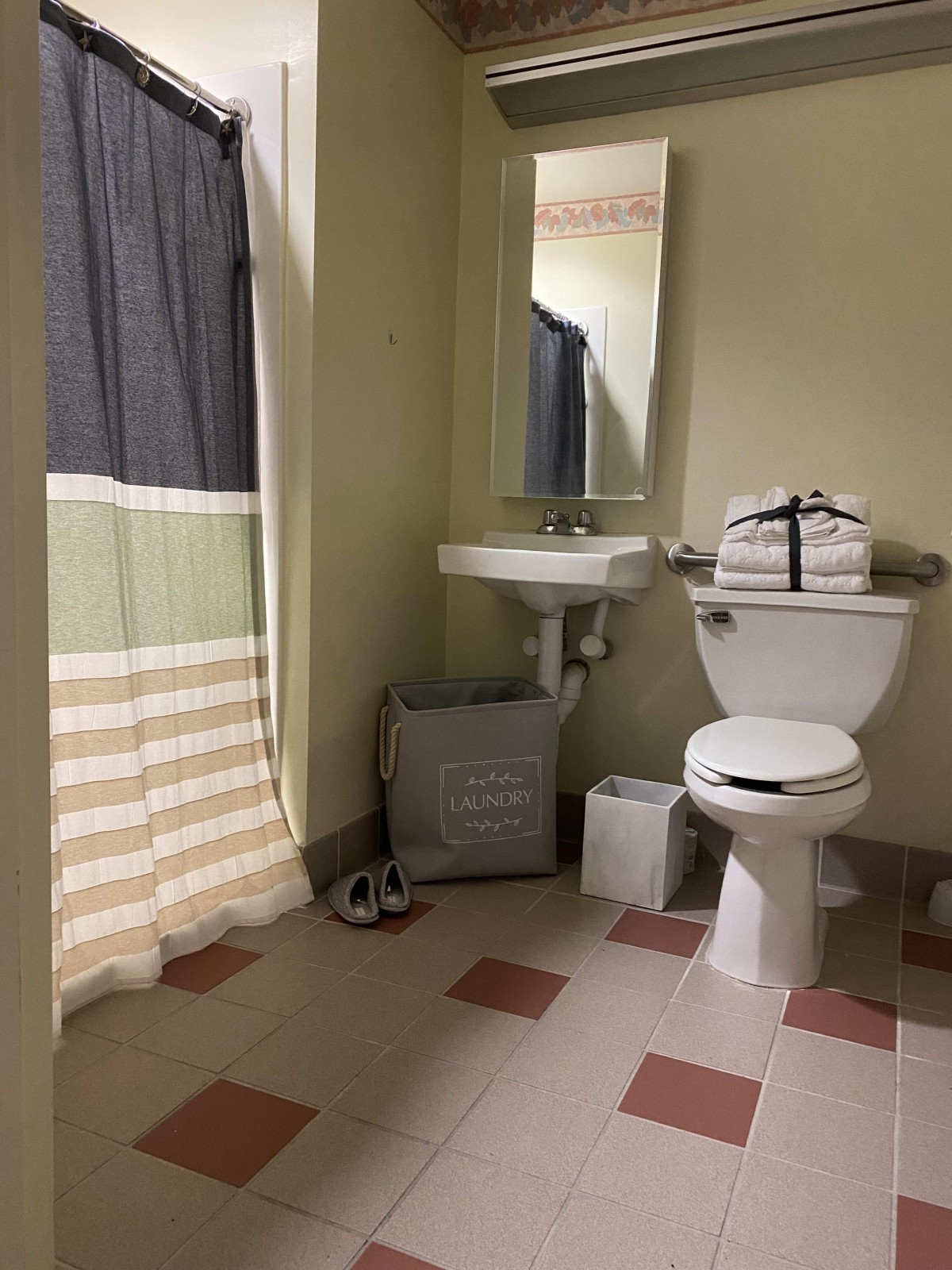
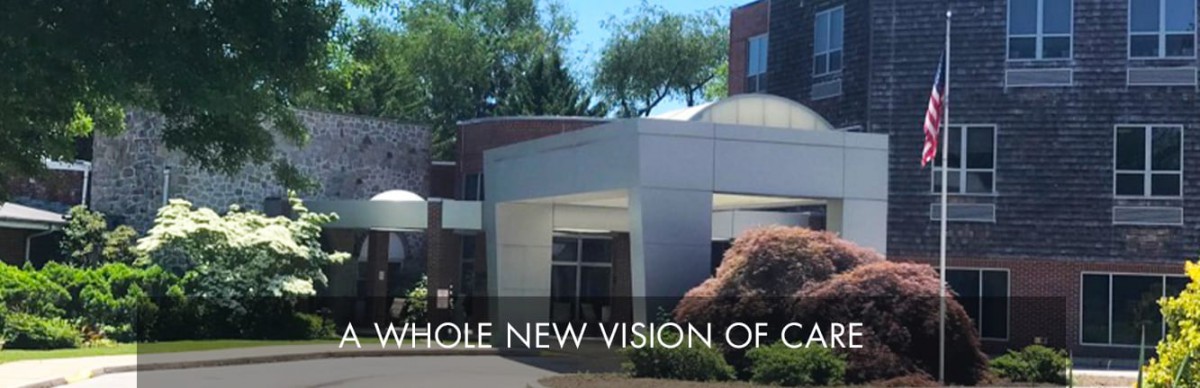
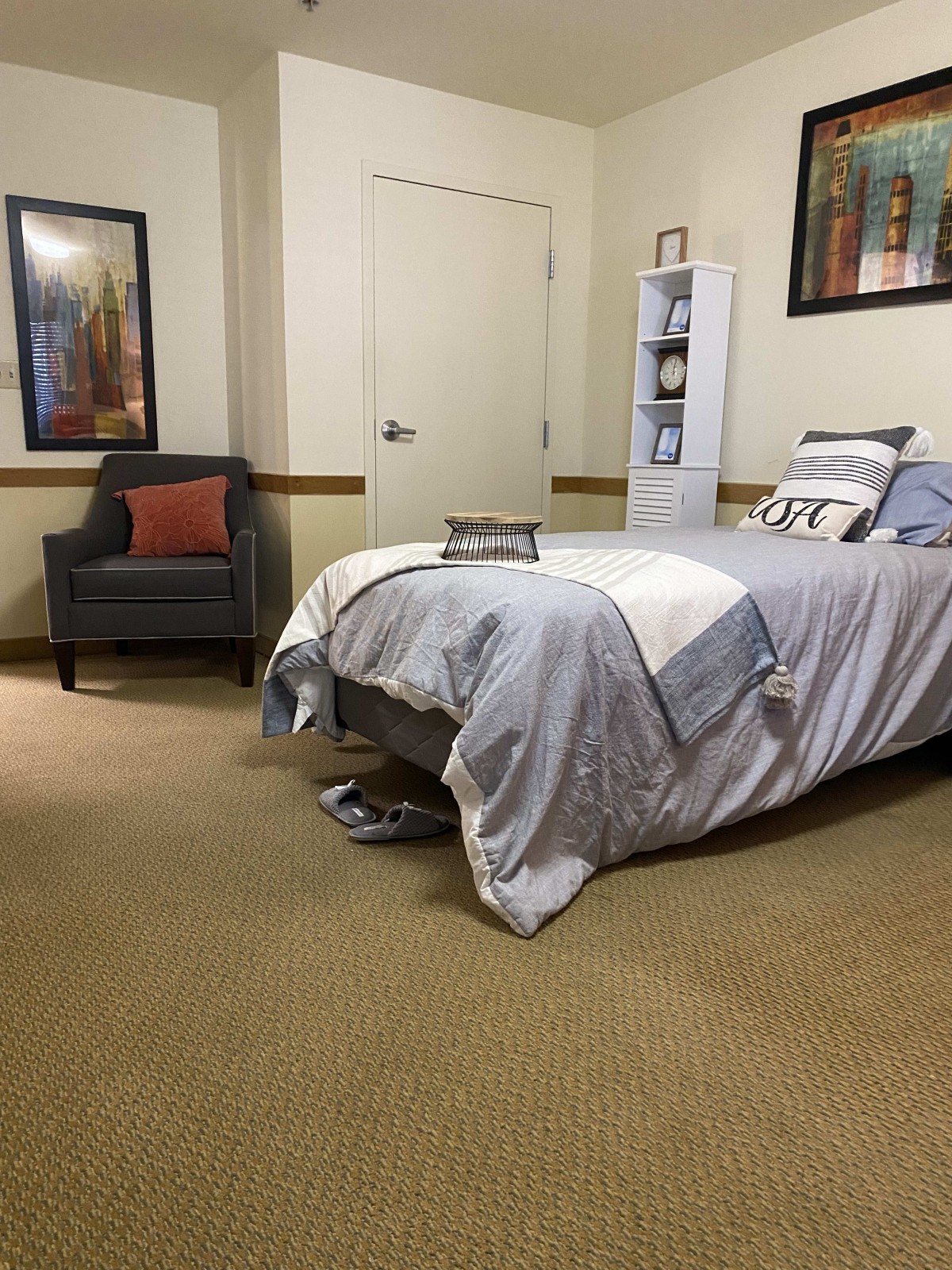
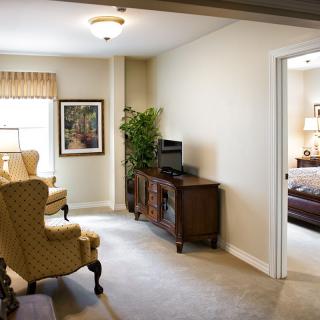
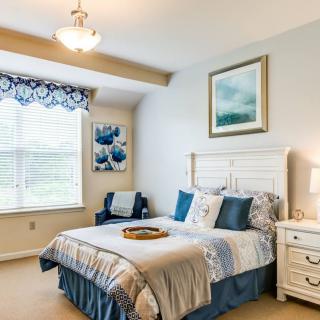
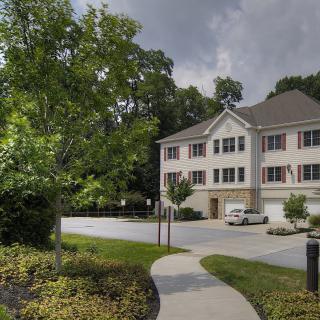
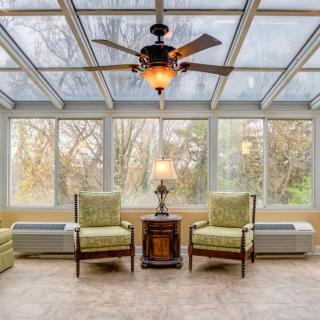
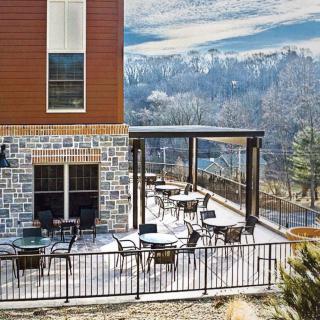
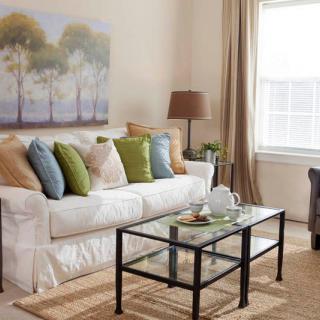
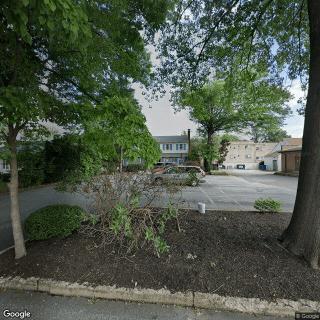
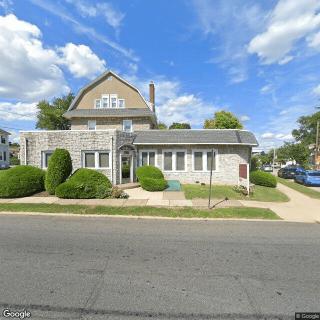
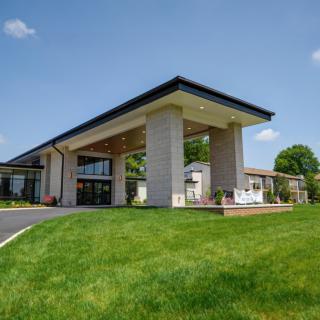
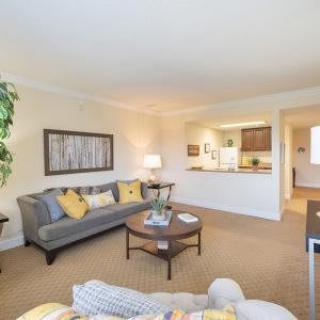
Springfield Crossings on seniors.fyi includes 6 photos including images showing bedroom, bathroom, interior, decor, windows, building, architecture, entrance, and more.
Nearby Communities
Harlee Manor
Springfield, PA
3.8 from 19 reviews
Compassionate rehab/therapy staff; attentive nurses; good meals in a spacious dining area.
Comfort Keepers of Springfield
Springfield, PA
4.5 from 34 reviews
Convenient location with ample nearby amenities and healthcare access.
Plush Mills Senior Living
Wallingford, PA
4.5 from 93 reviews
$4,400 to $6,600 / month
Caring, attentive staff and a warm, social community.
Rose Tree Place
Media, PA
4.6 from 171 reviews
$2,995 to $5,095 / month
Attentive staff, clean facilities, and engaging activities.
Right At Home
Media, PA
4.6 from 42 reviews
$4,143 / month
Competitive private-room pricing at $4,143/mo, below Delaware County and PA averages.
Core Assure Companions LLC
Drexel Hill, PA
4.3 from 6 reviews
Proximity to healthcare and nearby amenities.
Home Helpers
Drexel Hill, PA
5 from 10 reviews
Compassionate, professional caregivers who form positive, trusting relationships with seniors.
Wesley Enhanced Living Main Line a CCRC
Media, PA
4.1 from 104 reviews
$1,816 to $3,150 / month
Warm, welcoming community with attentive staff and extensive amenities.
Chestnut Ridge Wallingford
Wallingford, PA
4.2 from 111 reviews
$3,090 / month
Friendly staff, clean surroundings, and good dining options.
Assisted living provides moderate support for seniors seeking independence, while memory care offers specialized support for individuals with dementia or cognitive impairments through structured routines and trained staff. Key differences include care approaches, environment security measures, staff training levels, activity types, and cost considerations.
Assisted living communities offer diverse activities beyond traditional games to enhance seniors' physical health, cognitive well-being, emotional enrichment, and social connections, including fitness classes, creative expression, and intergenerational interactions. These enriching programs foster community bonds and support residents' independence and happiness.
The article differentiates between assisted living and memory care, explaining that assisted living supports seniors with daily activities while promoting independence, whereas memory care provides specialized services for individuals with dementia, focusing on secure environments and cognitive support. It also addresses staff training, safety considerations, costs, family involvement, and transition strategies for families navigating these care options.
Landscaping, Building, Architecture, Outdoor, and Entrance
Windows
Bathroom
Artwork
Additional Photos
Get PricingAsk A QuestionSchedule A TourContact Senior Advisor
By clicking submit, you agree to our Partner's Terms of Use. You
also consent to receive calls and texts, which may be autodialed, from our Partner. Your consent is not a condition to
using our Partner's service. Please visit our Partner's Privacy Policy for information about their privacy practices.

 1-bedroom apartments
 Assisted Living
 Cats allowed
 Dogs allowed
 Activities on-site
 Air-conditioning
 Beautician on-site
 Cable or satellite TV
 Computer center
 Devotional services on-site
 Garden
 Ground floor units
 Guasts at mealtime
 Handicap accessible
 Housekeeping services
 Indoor common areas
 Kitchenette
 Laundry
 Outdoor common areas
 Private bathrooms
 Respite or short term stays offered
 Wheelchair accessible showers
 Wi-Fi/high-speed internet available
 Philadelphia International (7 miles away)
 Transportation & parking
 Ambulatory care
 Diabetic care
 High acuity care
 Hospice care
 Incontinence care
 Medication management
 Physical therapy
 Gluten-free
 Special dietary restrictions
 Art classes
 Catholic services
 Day trips and outings
 Educational speakers / life long learning
 Forever fit
 Games
Games Happy hour
 Karaoke
 Live dance or theater performances
 Live musical performances
 Stories
 Wii bowling
 Wine tasting
 Yoga / chair yoga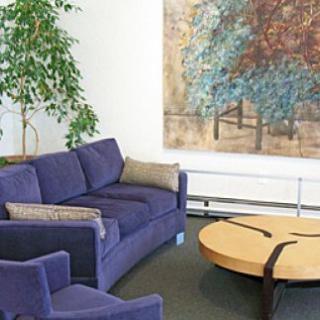
 Compassionate rehab/therapy staff; attentive nurses; good meals in a spacious dining area.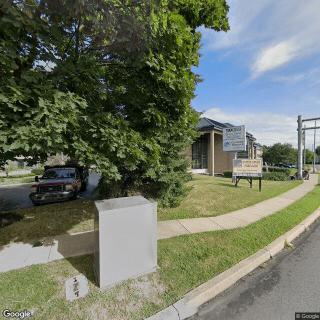
 Assisted Living and Memory Care: Understanding Their Core Differences
 Beyond the Bingo Hall: 50+ Enriching Activities for Seniors in Assisted Living
 Understanding the Distinctions: Assisted Living and Memory Care Explained