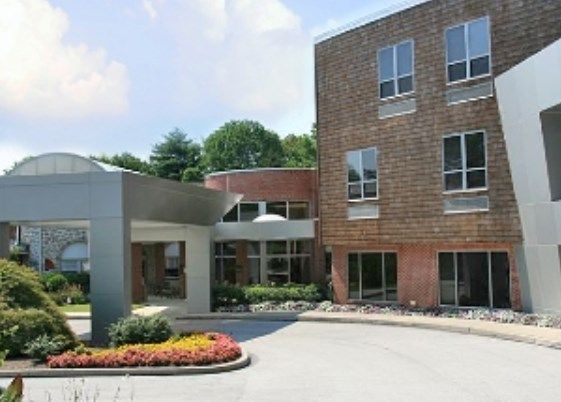

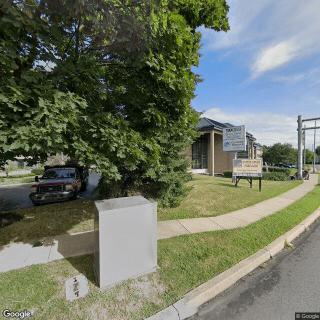
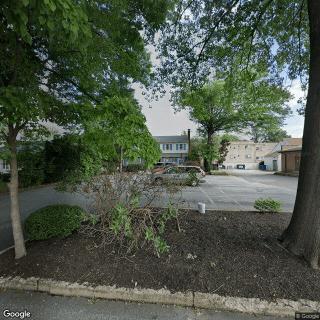
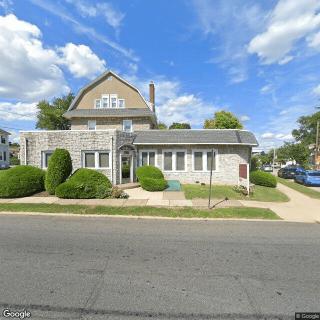
463 West Sproul Road, Springfield, PA 19064
For more information about senior living options: (866) 208-4318
Overall Review of Harlee Manor
Pros
 Harlee Manor provides a family atmosphere that residents and families appreciate.
- The rehab staff are very good and very attentive.
- The staff coordinate care very well and arrange transportation efficiently.
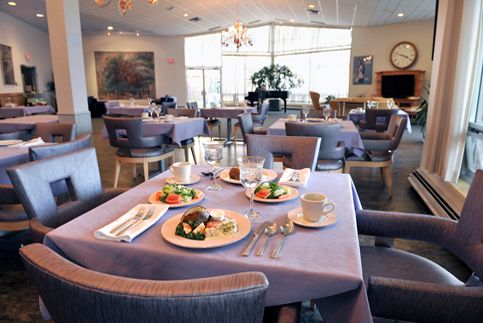
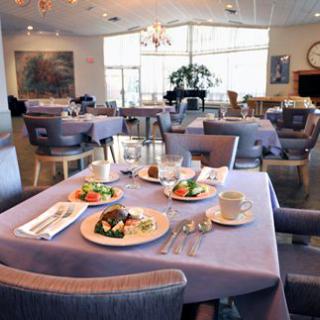
- The meals are excellent and residents enjoy their food.
- The care is timely and the staff are readily available to support families.
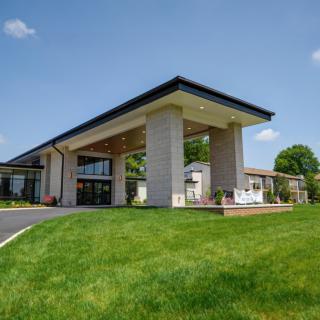
- Harlee Manor is a well-maintained facility with friendly staff.
- The activities department offers a diverse calendar and engaging social options.
- The caregivers are excellent and the staff go above and beyond for residents.
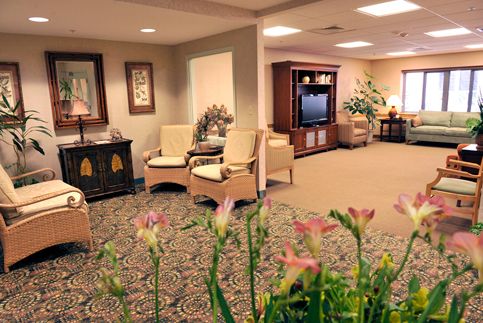
- The dining room is beautiful and meals are served in a home-like setting.
- The staff develop personal connections with residents and provide compassionate care.
Cons
 One reviewer described Harlee Manor as a neglectful facility with disgraceful care and warned others not to send loved ones there.
- Another reviewer reported a staff member yelling at a resident to stand up, after which the resident fell and later suffered a severe stroke and death.
- A reviewer labeled the place a "death dump" and stated they would hate to send a loved one there.
- Several reviews claimed staff were rude and that service was not always prompt, implying inconsistent care.
- A reviewer said the senior commons side was unbending and rude, failing to offer a reasonable rate.
- A reviewer claimed there was neglect and lack of transparency after a loved one died, with administrators not reachable.
- A reviewer noted missing hangers and careless staff.
Review
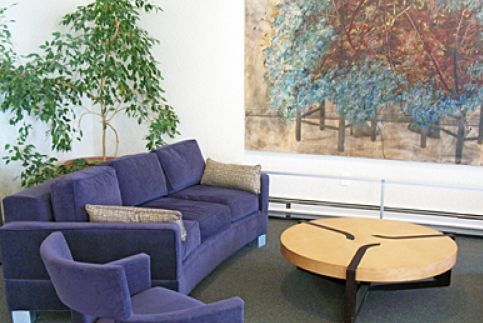
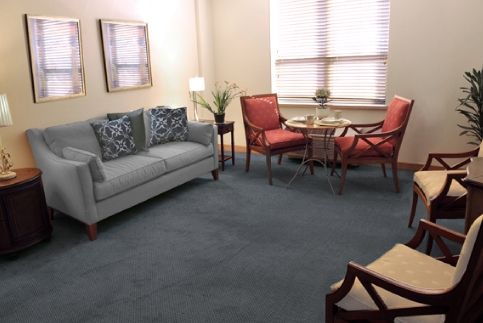
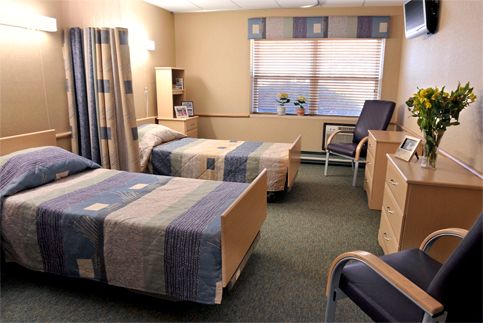
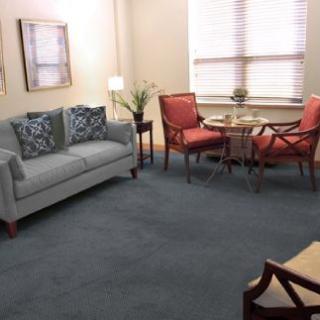
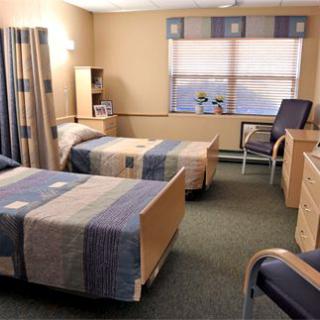
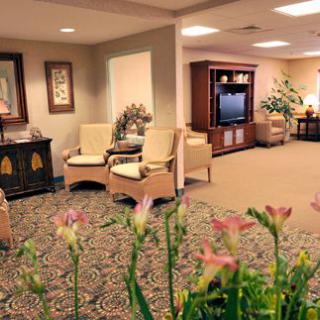
Harlee Manor in Springfield, PA is best suited for families seeking a rehab-forward, intimate community where therapy is the backbone and care feels personal. This is a setting that works well for older adults who respond to a warm, home-like atmosphere, where therapists and nurses coordinate closely to keep rehab progress steady, meals feel inviting, and daily life resembles a supported, connected routine. The facility’s size supports meaningful interaction, there are regular activities like music and horticulture, and opportunities for trips, that help residents stay engaged rather than drift into an institutional rhythm. For families that want hands-on involvement and direct access to the care team, Harlee Manor delivers a pragmatic, reachable option that can feel like a bridge between hospital rehab and longer-term living.
Still, Harlee Manor may not be the right fit for every scenario. For families prioritizing ironclad safety oversight and consistently predictable admin communication, alternatives should be considered. Several reviews raise red flags about safety and incident handling, including a reported bed fall and questions about why bed railings aren’t used under certain circumstances. The lack of uniform, transparent, timely responses from some administrative channels also appears in the feedback, which can be a deal-breaker for those needing unwavering assurance during a loved one’s recovery. Additionally, some accounts point to friction around pricing and access on the Senior Commons side, suggesting that an in-depth price-and-coverage discussion is essential before committing. When safety certainty and steady administrative clarity are top priorities, other local options may be preferable.
The strongest case for Harlee Manor rests on its care teams and the everyday lived experience they create. The rehab and therapy staff are repeatedly praised for attentiveness and effectiveness, with nurses and aides described as available and coordinated in real time, important when a resident is navigating intensive therapy or a return-to-function plan. Families note the ability to contact the nursing staff at any time, and to have complicated care coordinated, from physicians to transportation, without friction. The environment supports recovery through practical routines and a responsive rhythm: timely therapies, supportive speech and occupational therapy, and a culture of personal touches from aides and activities staff. Food quality and dining experiences, along with a palpable sense of resident and family warmth, also surface as meaningful positives that reinforce engagement and morale.
Yet the cons aren’t easy to dismiss. The most consequential concerns orbit safety perception and reliability of care oversight. Reports of falls, questions about bed safety measures, and occasional accounts of delayed or less-than-ideal handling of incidents create a sense that safety can vary by shift or staff mix. On the administrative side, several voices describe uneven experiences in communication and responsiveness, which can complicate decision-making during a stressful rehab journey. The contrast between stories of extraordinary compassion and moments of perceived neglect or brisk handling underscores a fundamental tension: Harlee Manor can deliver remarkable, person-centered rehab, but the experience appears to hinge on staffing patterns and the ability to secure consistent, transparent leadership contact when issues arise.
For families weighing Harlee Manor, the practical takeaway is clear. If the priority is high-quality rehabilitation delivered in a supportive, home-like setting, with engaged activities, good food, and front-line staff who make an effort to know residents, Harlee Manor is a credible, capable choice. Proceed with a disciplined in-person tour focused on the rehab unit, and press for direct conversations with the director and several frontline staff to gauge responsiveness and safety protocols. Probe specific safety practices around bed positioning, fall prevention, and incident reporting; ask for current staffing ratios on shifts and how care plans are updated when a resident’s condition changes. If these conversations reveal consistent, transparent accountability and a strong safety posture, Harlee Manor can be an excellent fit.
The bottom line is firm: Harlee Manor is a solid option for families seeking active rehab, a protective but personable environment, and a community where staff relationships feel authentic. It succeeds when care teams are engaged, communication is accessible, and the resident’s social and nutritional needs are met with consistency. It falters when safety oversight becomes uncertain or administrative replies feel evasive, or when pricing and access create friction for long-term planning. If a loved one requires unwavering uniform safety and rock-solid admin accountability, or if past experiences with perfunctory responses weigh heavily, exploring other local facilities with a sterner safety and governance profile is warranted. In the right circumstances, Harlee Manor delivers meaningful recovery, dignity, and connection that families will value.
 84 resident community capacity
 Assisted Living
 Continuing Care Retirement Community (CCRC)
 Independent Living
 Memory Care
 Respite Care
 Skilled Nursing Facility
 Air-conditioning
 Beauty salon
 Cable or satellite TV
 Computer center
 Fitness room
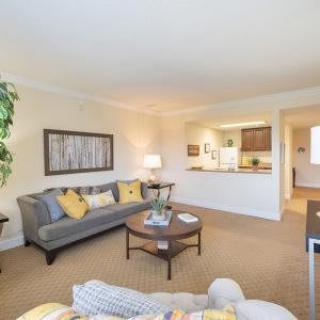
 Fully furnished
 Gaming room
 Garden
 Guasts at mealtime
 Housekeeping services
 Kitchenette
 Move-in coordination
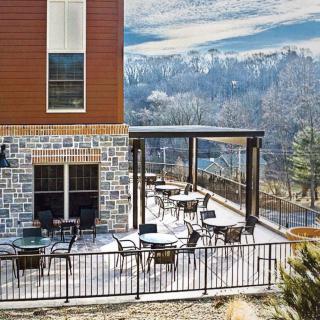
 Outdoor space
 Private bathrooms
 Restaurant-style dining
 Security gate
 Small library
 Spa
Spa Telephone
 Wi-Fi/high-speed internet available
 Philadelphia International (7 miles away)
 Community operated transportation
 24-hour call system
 Activities of daily living assistance
 Assistance with bathing
 Assistance with dressing
 Assistance with transfers
 Diabetes diet
 Medication management
 Special dietary restrictions
 Concierge services
 Planned day trips
 English

 Delirium and Dementia: Unraveling the Key Differences
 Are Dementia and Alzheimer's Disease Lethal? A Comprehensive Exploration
 Exploring the Power of Reminiscence Therapy for Individuals With Dementia