Plymouth Manor Personal Care Center Costs & Pricing
Plymouth Manor Personal Care Center offers competitive pricing for its services compared to Luzerne County and the broader Pennsylvania region. With a semi-private room costing $1,500 per month, residents find significant savings, as this rate is notably lower than the county average of $3,056 and the state average of $3,542. For those seeking more privacy in a one-bedroom accommodation, Plymouth Manor remains economical at $1,950 per month, again undercutting both local and statewide averages of $3,622 and $4,006 respectively. This positioning not only makes Plymouth Manor an attractive option for potential residents but also reflects its commitment to providing quality care at accessible prices.
Floor plans
Plymouth Manor Personal Care Center
Luzerne County
Pennsylvania
Semi-Private
$1,500
$3,056
$3,542
1 Bedroom
$1,950
$3,622
$4,006
Overall Review of Plymouth Manor Personal Care Center
common17 reviews mention this
Staff care stands out
Residents and families consistently describe kind, attentive staff.
Across many reviews, residents are described as well cared for, with staff who are friendly, responsive, and willing to help. Multiple reviewers emphasize how staff worked with families during harder moments, including dementia-related behavior and end-of-life needs. Residents also describe being treated with “family” support, including regular check-ins and welcoming visits for loved ones. The community also provides structured support such as medication management and incontinence and diabetic care.
common8 reviews mention this
Cleanliness and upkeep
Reviews repeatedly mention a clean, well-maintained environment.
Several reviews highlight that Plymouth Manor is clean and well maintained, with a building and grounds people notice during visits. Reviewers also mention day-to-day attention like laundry being taken care of, along with pride in the property’s condition. The amenity list supports ongoing upkeep with housekeeping services and indoor and outdoor common areas.
common6 reviews mention this
Small, family-like feel
Many reviewers describe a family-oriented, close-knit atmosphere.
Reviews frequently use family language to describe the day-to-day feel, including how staff interact with residents and how residents connect with one another. People also describe it as smaller and easier to navigate, with a community feel that’s different from a larger facility. One reviewer explicitly contrasts it with other options they considered, while others say residents seemed comfortable and happy in the space.
common2 reviews mention this
Activities keep residents engaged
Residents are described as having social activities to participate in.
At least a couple of reviews mention activities that help residents stay social, including time spent in common spaces and outings. One reviewer notes the community added transportation so a resident could go to the library again, while another describes an active social life and activities for when residents are bored. The community offers on-site and off-site activities, games, gardening, and devotional activities, plus transportation and parking.
differentiator2 reviews mention this
Convenient location and easy access
Reviews mention an easy, convenient setup near local spots.
Two reviews specifically call out convenience, including being within walking distance to stores and food and the practical benefit of a one-floor layout with parking. Another reviewer mentions proximity to a small-town area with nearby shopping and a local view spot. The surrounding area includes nearby pharmacies and restaurants, supporting the “close to local” feel described in reviews.
How we summarize
Counts show how many written reviews mention each theme; a review can touch several themes, and only frequently mentioned themes are displayed.
Features
Housing
1-bedroom apartments
3-bedroom apartments
Studio apartments
Types of Care
Assisted Living
Memory Care
Skilled Nursing Facility
Amenities
Activities on-site
Bath tubs
Beautician on-site
Devotional services off-site
Dining room
Garden
Housekeeping services
Indoor common areas
Laundry
Outdoor common areas
Respite or short term stays offered
TV room
VA Benefits Consultation
Wi-Fi/high-speed internet available
Transportation
Wilkes-Barre Scranton International (13 miles away)
Transportation & parking
Care Services
Ambulatory care
Diabetic care
Incontinence care
Meal preparation and service
Medication management
Dining
Meals provided
Activities
Activities off-site
Activities on-site
Devotional activities offsite
Games
Gardening club
Languages Spoken
English
Nearby Places of Interest
Located in Plymouth, Pennsylvania, this area offers a variety of amenities that cater to seniors looking for convenience and accessibility. With multiple pharmacies nearby such as CVS Pharmacy and Harrold's Pharmacy & Home Infusion, residents can easily access their medication needs. There are also several physicians' offices including Intermountain Medical Group and Geisinger-South Wilkes-Barre for healthcare services. For dining options, there are local restaurants like The Big House Bar and III Guys, providing a range of choices for meals. Nearby places of worship such as St Peter & Paul Ukranian Catholic Church offer spiritual support, while parks like Barney Farms Park provide opportunities for outdoor recreation. Hospitals in the vicinity include Geisinger Health System and Wilkes-Barre General Hospital for any medical emergencies. Additionally, cafes like Mattern's Floral and Furnishings and Starbucks offer comfortable spots to socialize or enjoy a cup of coffee. Overall, this neighborhood provides a well-rounded living environment with easy access to essential services for seniors.
Pharmacies
CVS Pharmacy (0.1 miles)
CVS Pharmacy (1.2 miles)
Harrold's Pharmacy & Home Infusion (1.8 miles)
Turkey Hill, LP (2.7 miles)
RLS (2.7 miles)
Gerrity's Supermarkets (2.7 miles)
Walgreens (2.7 miles)
Physicians
Intermountain Medical Group (0.1 miles)
Geisinger-South Wilkes-Barre (1.7 miles)
Geisinger Pediatrics At Mercy Hospital (1.8 miles)
Klynowsky Family Practice (2 miles)
Women's Imaging Center (2.5 miles)
Gastroenterology Consultants (2.5 miles)
Fiume Thomas J MD (2.6 miles)
Restaurants
The Big House Bar (0.6 miles)
Raub's Restaurant (0.8 miles)
III Guys (2.2 miles)
Wendy's (2.2 miles)
Ollie's Restaurant (2.4 miles)
Taco Bell (2.5 miles)
Josie's Italian Water Ice (2.5 miles)
Places of Worship
St Peter & Paul Ukranian Catholic Church (0.7 miles)
Luzerne United Methodist Church (3.9 miles)
Nebo Baptist Church (4.1 miles)
Saint Thereses Catholic Church (4.9 miles)
Parks
Barney Farms Park (1.6 miles)
Kirby Park (2.7 miles)
Hospitals
Geisinger Health System (1.7 miles)
Geisinger South Wilkes-Barre Emergency Department (1.7 miles)
Wilkes-Barre General Hospital (2.2 miles)
Wyoming Valley Health Care (3 miles)
First Hospital (3.4 miles)
First Hospital Wyoming Vly Nesbitt Memorl Health Center (3.4 miles)
Plymouth Manor Personal Care Center offers competitive pricing for its services compared to Luzerne County and the broader Pennsylvania region. With a semi-private room costing $1,500 per month, residents find significant savings, as this rate is notably lower than the county average of $3,056 and the state average of $3,542. For those seeking more privacy in a one-bedroom accommodation, Plymouth Manor remains economical at $1,950 per month, again undercutting both local and statewide averages of $3,622 and $4,006 respectively. This positioning not only makes Plymouth Manor an attractive option for potential residents but also reflects its commitment to providing quality care at accessible prices.
Plymouth Manor Personal Care Center's medication management ensures that residents receive the correct medications at the right times, which is crucial in managing symptoms and preventing complications associated with dementia and Alzheimer's disease. The meal preparation and service focus on providing nutritious, well-balanced meals tailored to individual dietary needs, promoting both physical health and cognitive function essential for those facing memory challenges. Additionally, incontinence care offers dignity and comfort by addressing personal hygiene needs sensitively; this support helps reduce anxiety often experienced by residents, allowing them to focus more on social interactions and engagement rather than their conditions, thereby enhancing their overall quality of life.
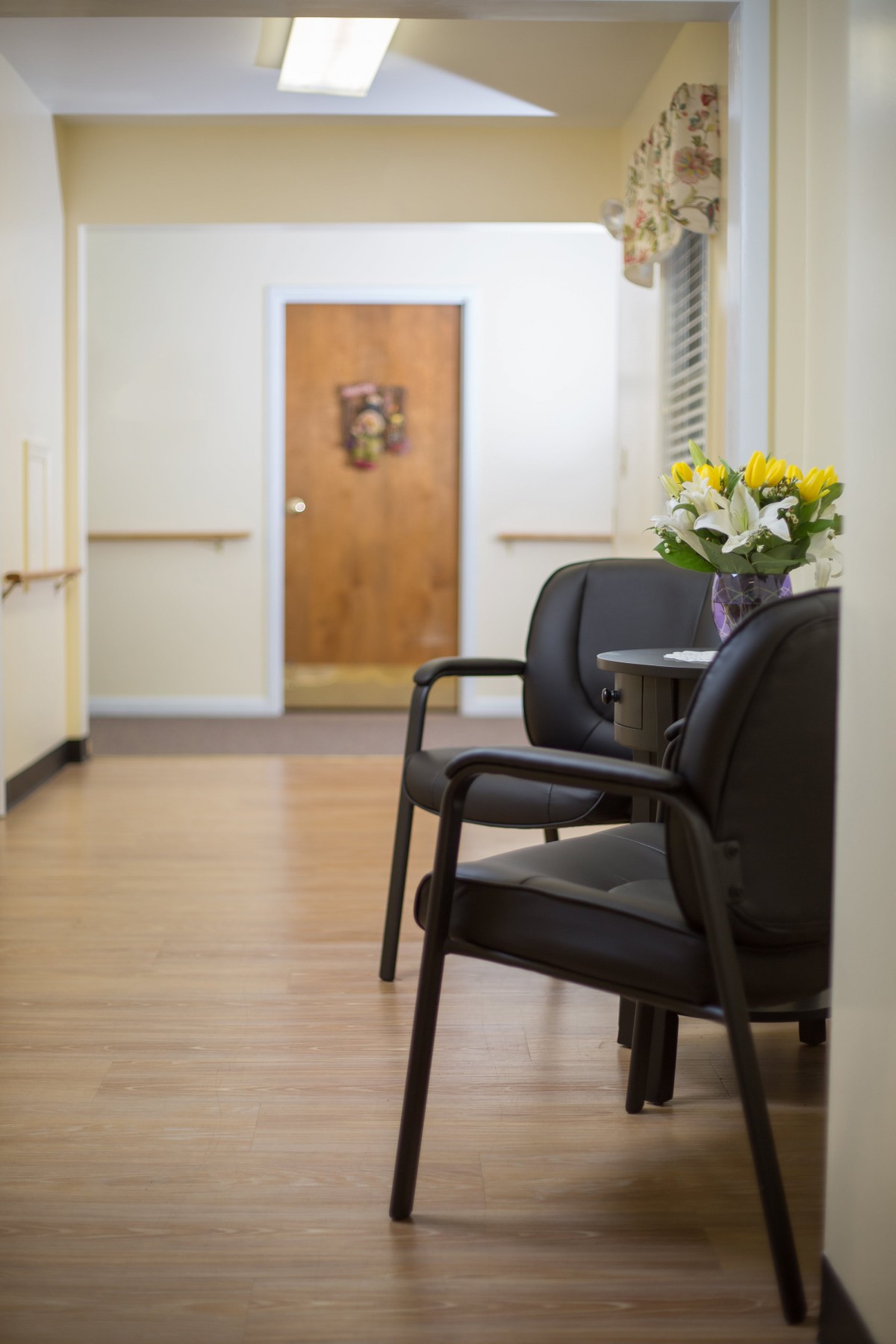
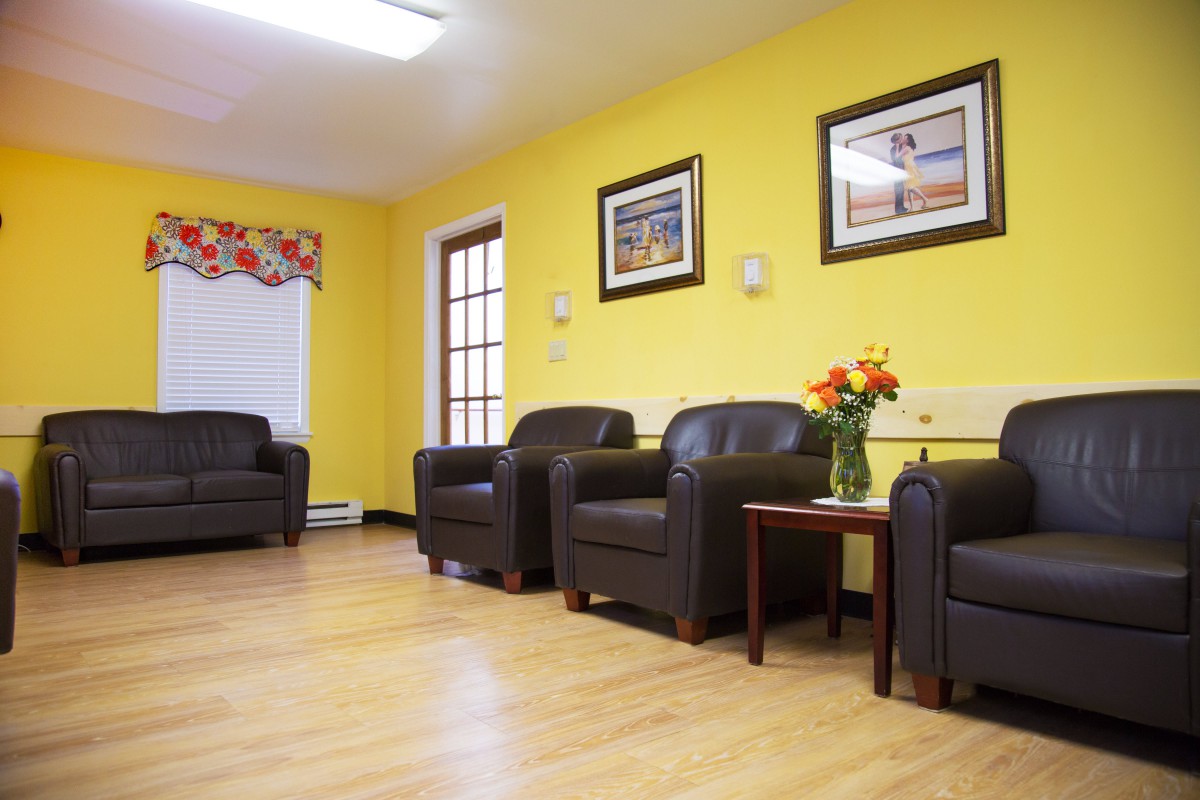
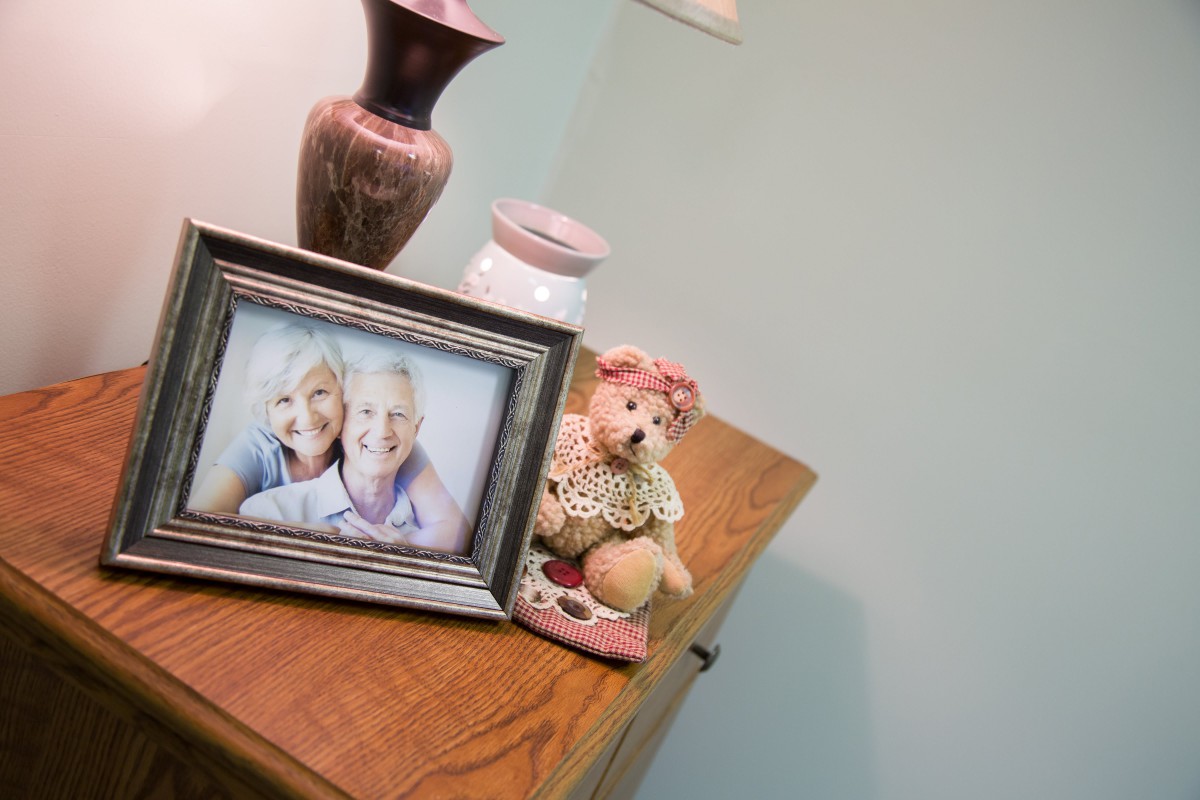
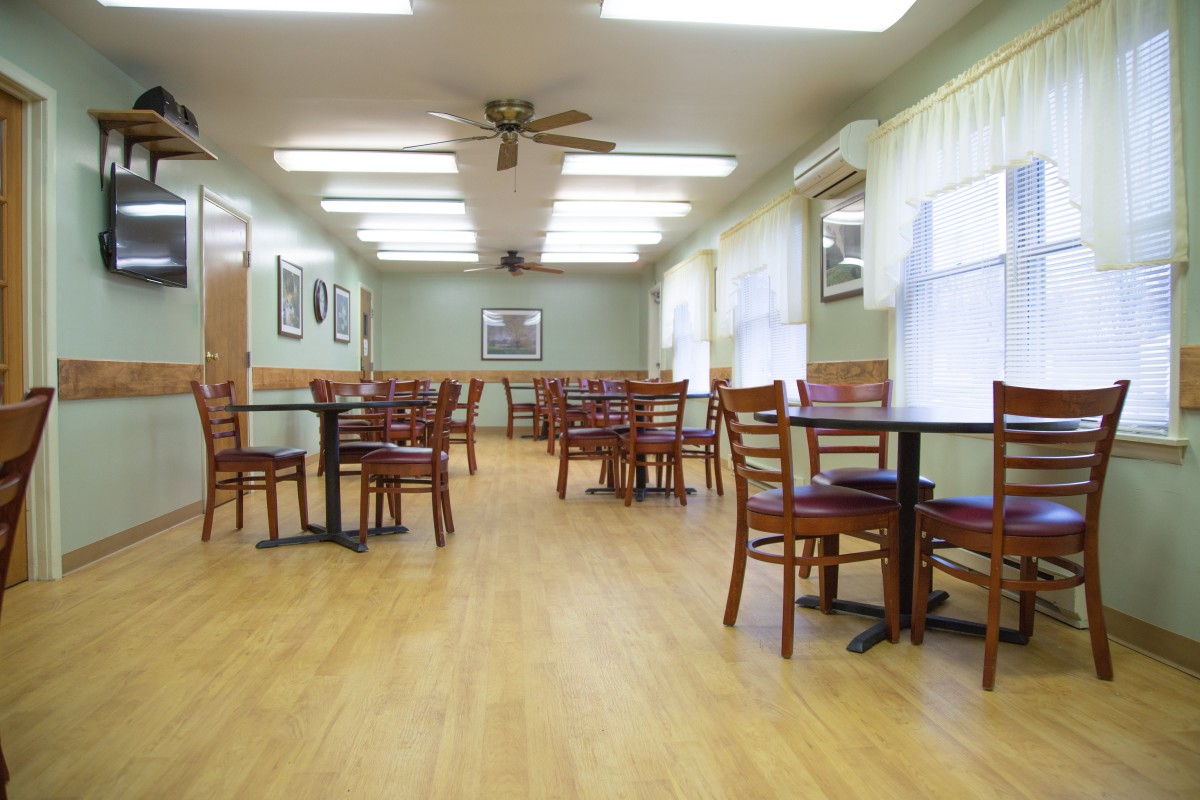
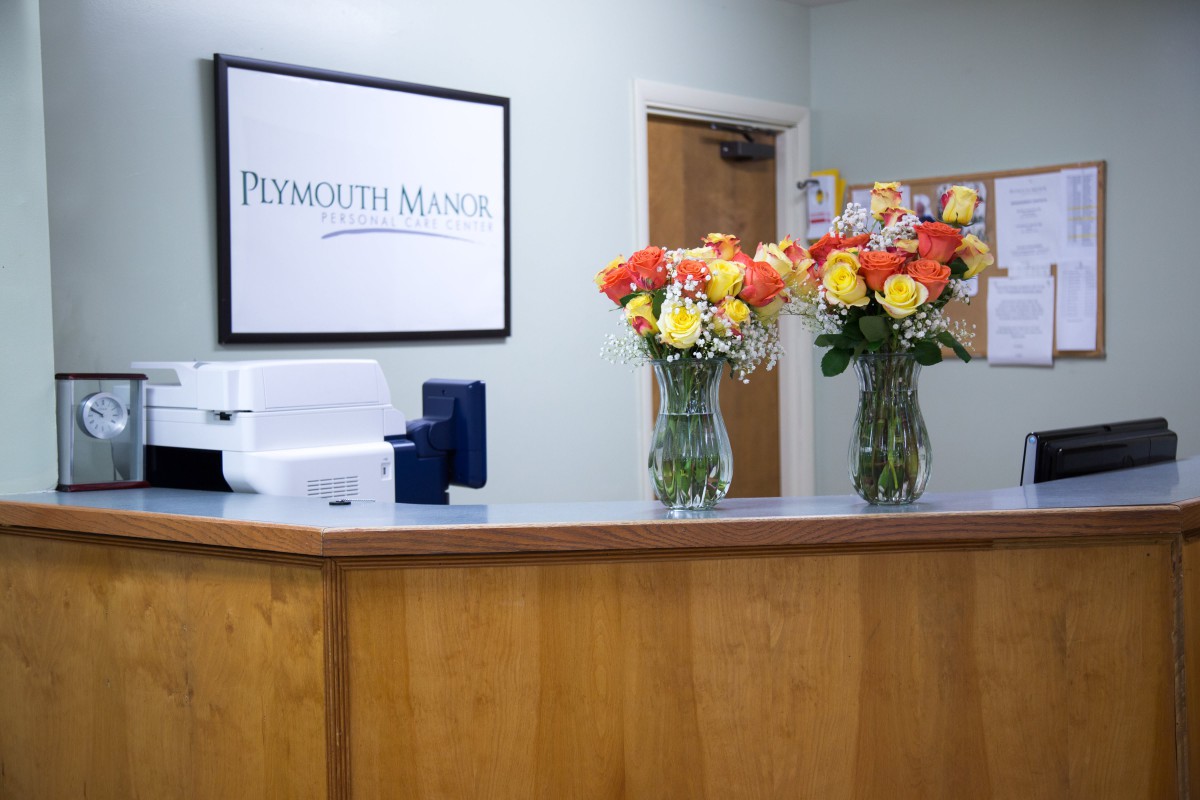
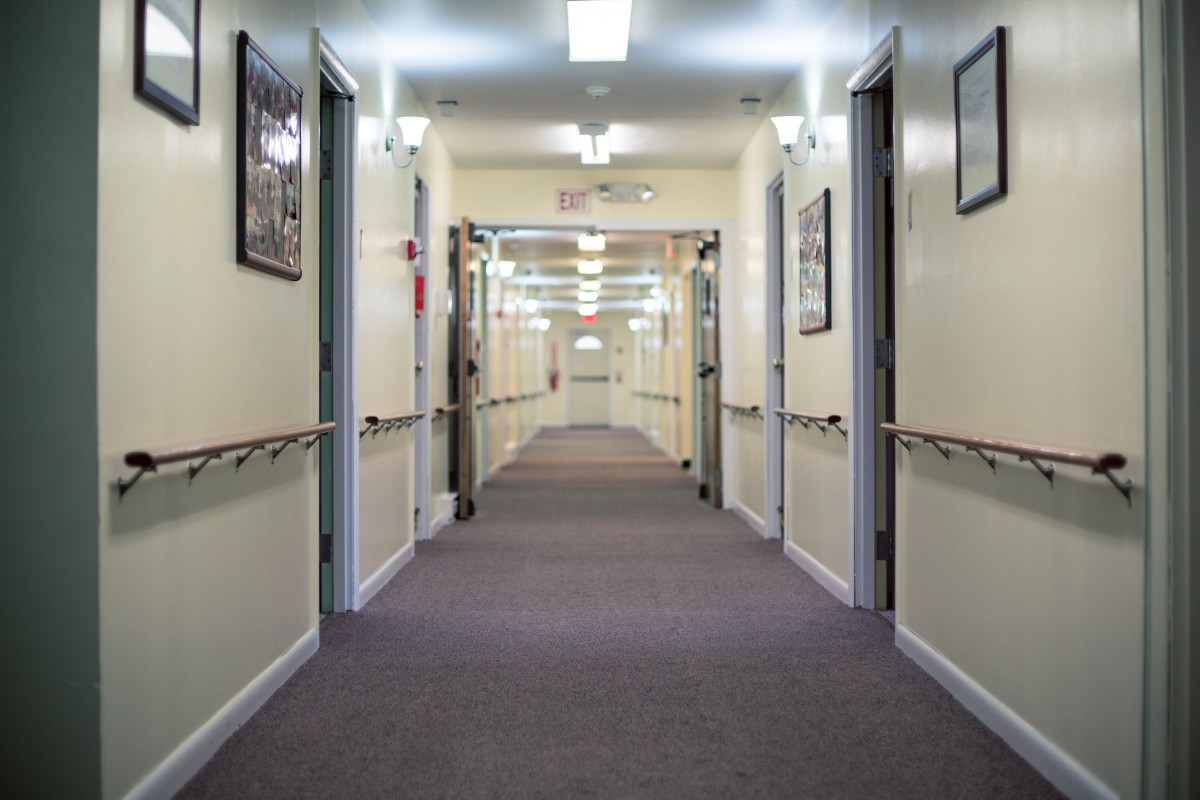
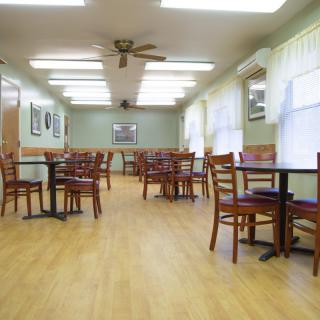
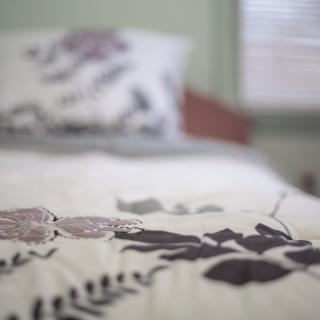
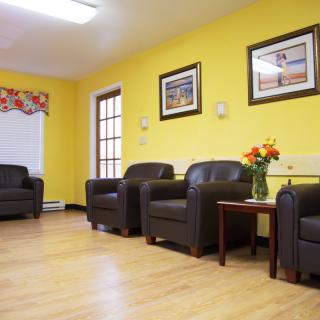
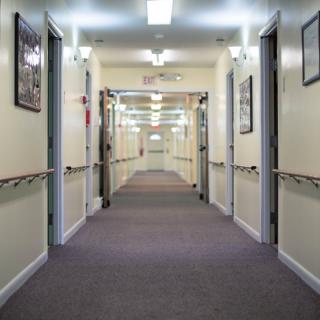
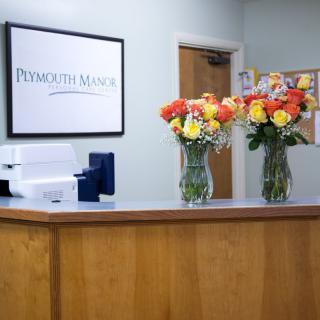
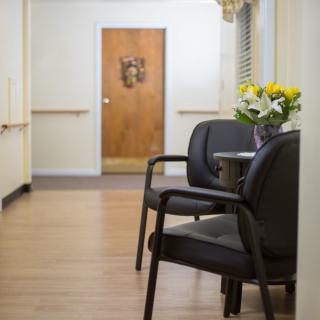
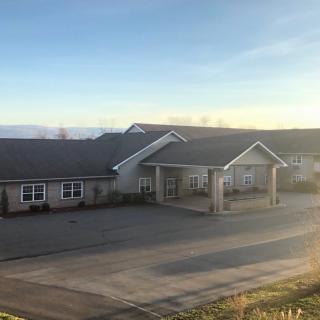
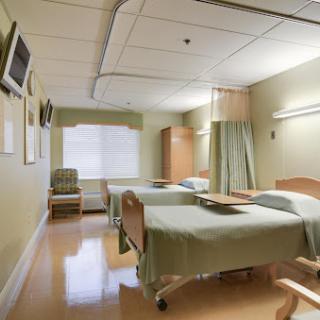
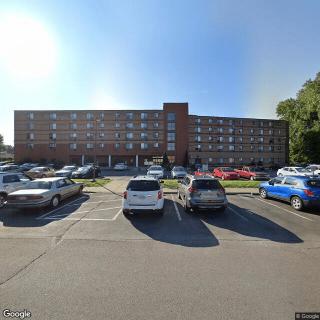
Plymouth Manor Personal Care Center on seniors.fyi includes 9 photos including images showing interior, decor, dining, hallway, bedroom, reception desk, office, doors, and more.
Nearby Communities
Sullivan Place Apartments
Hanover, PA
3 from 6 reviews
Clean, well-maintained grounds and spacious apartments with helpful staff.
Keystone Garden Estates
Larksville, PA
3 from 18 reviews
Broad amenities and 24/7 staff with furnished private rooms.
Cambridge Riverview
Larksville, PA
3.3 from 15 reviews
$3,975 to $5,500 / month
Clean, welcoming environment with friendly staff and good value.
Marion Terrace Apartments
Wilkes Barre, PA
3.7 from 46 reviews
Diabetes care available with on-site activities and meals.
Hampton House
Wilkes Barre, PA
3.8 from 57 reviews
Extensive on-site care options and wide range of amenities.
Hanover Village Apartments
Wilkes Barre, PA
3.3 from 48 reviews
Extensive nearby amenities and healthcare access for seniors (restaurants, pharmacies, physicians, parks, hospitals).
Valley View Terrace
Wilkes Barre, PA
2.8 from 4 reviews
Diabetic care and on-site activities with meals provided.
Temple Apartments
Edwardsville, PA
4.8 from 18 reviews
$763 to $897 / month
Strong value pricing relative to local averages.
Serenity Care Kingston
Kingston, PA
3.4 from 31 reviews
$3,460 to $4,800 / month
Specialized memory care with compassionate staff and engaging activities.
Transitioning from assisted living to memory care is driven by an individual's cognitive decline and specific needs, requiring careful evaluation of indicators like increased confusion and wandering. The process involves consulting medical professionals, researching suitable communities, considering financial and legal aspects, and ensuring effective communication for personalized care plans.
The article differentiates between assisted living and memory care, explaining that assisted living supports seniors with daily activities while promoting independence, whereas memory care provides specialized services for individuals with dementia, focusing on secure environments and cognitive support. It also addresses staff training, safety considerations, costs, family involvement, and transition strategies for families navigating these care options.
The article outlines effective communication strategies for interacting with loved ones with dementia, highlighting the need for empathy, patience, and understanding while emphasizing supportive approaches like using simple language, minimizing distractions, and focusing on feelings over facts to maintain dignity and foster connection. It also suggests seeking professional guidance when needed as communication challenges evolve.
Get PricingAsk A QuestionSchedule A TourContact Senior Advisor
By clicking submit, you agree to our Partner's Terms of Use. You
also consent to receive calls and texts, which may be autodialed, from our Partner. Your consent is not a condition to
using our Partner's service. Please visit our Partner's Privacy Policy for information about their privacy practices.


 1-bedroom apartments
 Assisted Living
 Memory Care
 Skilled Nursing Facility
 Activities on-site
 Bath tubs
 Beautician on-site
 Devotional services off-site
 Dining room
 Garden
 Housekeeping services
 Indoor common areas
 Laundry
 Outdoor common areas
 Respite or short term stays offered
 TV room
 VA Benefits Consultation
 Wi-Fi/high-speed internet available
 Wilkes-Barre Scranton International (13 miles away)
 Transportation & parking
 Ambulatory care
 Diabetic care
 Incontinence care
 Meal preparation and service
 Medication management
 Games
Games English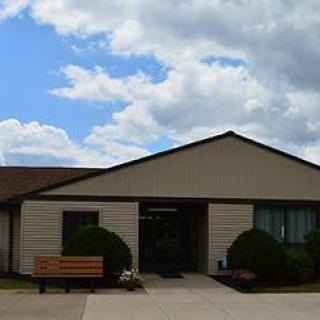
 Clean, well-maintained grounds and spacious apartments with helpful staff.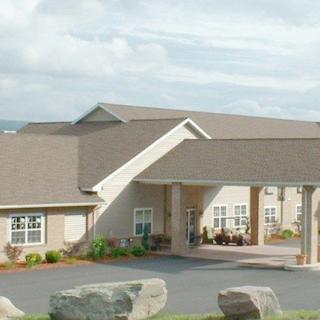

 When to Transition from Assisted Living to Memory Care: Key Indicators, Steps, and Finding the Right Community
 Understanding the Distinctions: Assisted Living and Memory Care Explained
 How to Communicate with a Loved One Living with Dementia: 10 Supportive Strategies