

800 village drive, Pitsburg, PA 15237
To contact a resident: (412) 779-7022
For more information about senior living options: (866) 208-4318
Overall Review of Meadows at Stonebrook Village
Pros
 The aunt loves The Commons at Stonebrook Village.
- The move to The Commons made it easier for her to get around.
- She has made new friends there.
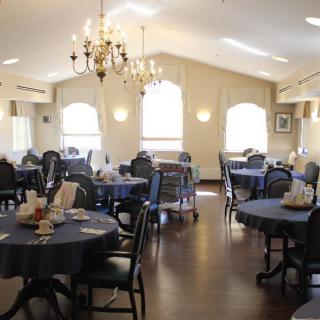
- She participates in the activities and loves the food there.
- She is living closer to her family, so they see her more.
- The family is grateful to Lutheran Senior Care at The Commons.
Cons
 It was very hard for her to give up her two story house.
- It was getting harder for her to get around with all the steps.
Review
Meadows at Stonebrook Village is best suited for seniors who are moving away from a multi‑level home and want a single‑level, activity‑driven setting that centers on social connection and practical support. The reviews consistently highlight a life rhythm built around friendly faces, regular programming, and good meals, all of which translate into steady engagement and predictable daily routines. For a loved one who values companionship as much as safety, this campus offers enough structure and opportunity to feel connected without navigating stairs or maintaining a large property. In practice, the key message is clear: this is a good fit for someone who wants to trade home maintenance and isolation for community, convenience, and regular social contact.
Those most likely to want alternatives are residents whose needs exceed light assistance or who require more comprehensive medical oversight. If 24/7 nursing coverage, memory care, or highly specialized clinical support is essential, or if a resident prefers a more independent, privacy-forward setting, it makes sense to explore other options. Programs specifically targeting advanced dementia care or skilled nursing on site, broader continuum-care campuses, or smaller, more intensely private communities can be better matches for such requirements. The Meadows campus, with its social emphasis and meals, may not deliver the level of medical outreach some families anticipate for complex cases.
The strongest pros, social vitality, accessible living, and reliable meal service, tend to offset the main drawbacks for many families. Residents reportedly form new friendships quickly, participate in a range of activities, and enjoy everyday dining, which reduces loneliness and the sense of leaving a familiar neighborhood. The shift from stairs and a house full of maintenance to a community designed around easy navigation, safety features, and staff-supported routines translates into tangible improvements in daily living. When family members can visit without logistical hurdles, oversight becomes more consistent, and peace of mind grows as the person stays engaged rather than isolated.
But potential gaps deserve careful consideration. The most noticeable limitation in the available feedback is the lack of explicit detail about the depth of ongoing medical and memory-care services. For families tracking costs, care levels, and long‑term planning, this means questions must be answered directly: what level of on-site nursing is available, how transportation for appointments is handled, and how care plans evolve as needs change? Another practical caveat is the environment’s inherently communal nature; residents may experience less privacy or fewer opportunities for totally unscheduled solitude than in a smaller, more independent setup. These are not deal-breakers for many families, but they are real trade-offs.
The bottom line is pragmatic: for an adult who no longer wants to manage a house with stairs, who values social engagement and dependable meals, and who benefits from visible family proximity, Meadows at Stonebrook Village delivers a compelling, well-rounded option. The key strength, an active, engaged community, produces a quality-of-life premium that frequently outweighs the potential downsides, provided the expected level of care aligns with the resident’s needs. Families should enter with confidence about daily life being livable, sociable, and safer, while validating expected medical support and future-care pathways to avoid any mismatch between needs and services.
Practical next steps are clear. Schedule a visit to the Stonebrook Village campus and walk through a typical day to gauge how lively the social calendar feels and whether the dining options meet the resident’s tastes. Ask for specifics on staffing ratios, the process for escalating care, and what happens when mobility or medical needs change. Inquire about the scope of activities that match personal interests and whether there are quiet or hobby-focused spaces as well as communal gathering areas. Finally, compare costs and contract terms with nearby options that offer different balances of independence, medical support, and memory-care services; if memory care or higher-level supervision becomes necessary, have a clear plan for transitioning to a more appropriate setting. This approach ensures a well-founded decision that aligns with the resident’s rhythm of life, safety, and social fulfillment.
 Active Adult Communities (55+)
 Pittsburgh International (10 miles away)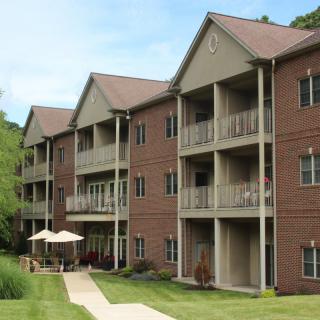




 Is a Geriatric Care Manager the Right Choice for Your Family?
 Compassionate Conversations: How to Comfort Someone Who Is Grieving
 Home Health Care Aides: Understanding Their Role and Supporting Your Family