Overall Review of Manorcare Health Services - North Hills
differentiator
16 reviews mention this
Physical therapy earns strong praise
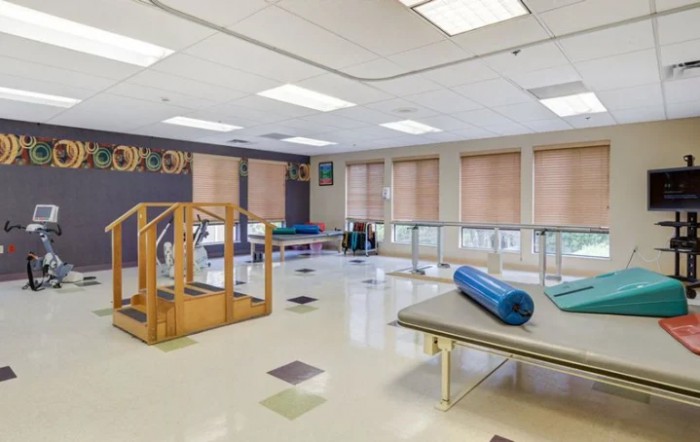
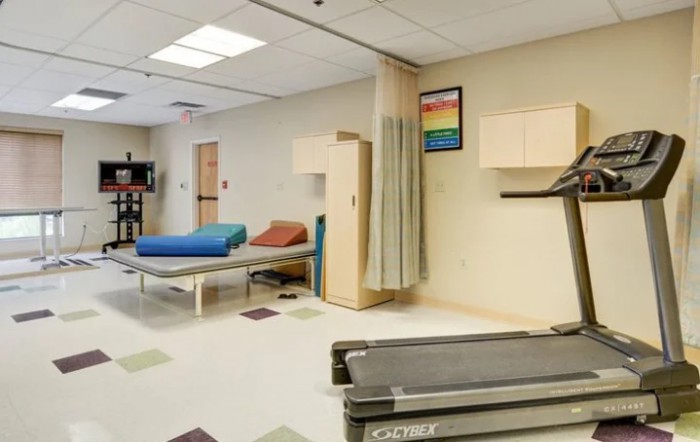
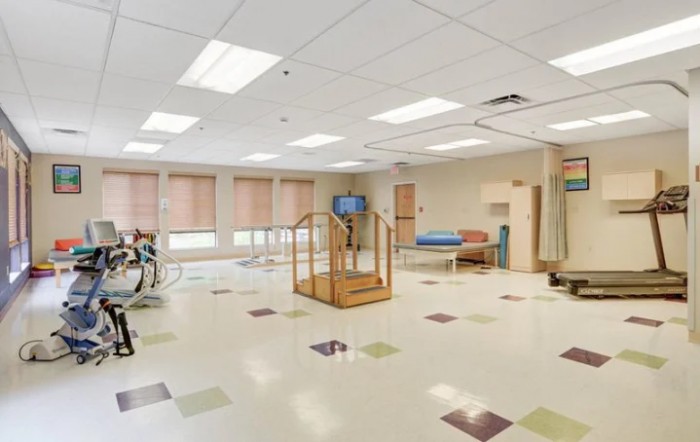
Residents and visitors repeatedly single out physical therapy as a standout part of care.
Across many reviews, people describe physical therapy as the most effective and memorable part of the rehab experience. Several mention specific therapists and say therapy helped with mobility goals, including getting someone back walking. There are also critiques that some residents did not receive enough rehab, but even those comments often acknowledge that therapy staff were among the better parts of the stay.
common
18 reviews mention this
Clean, well-kept spaces come up often
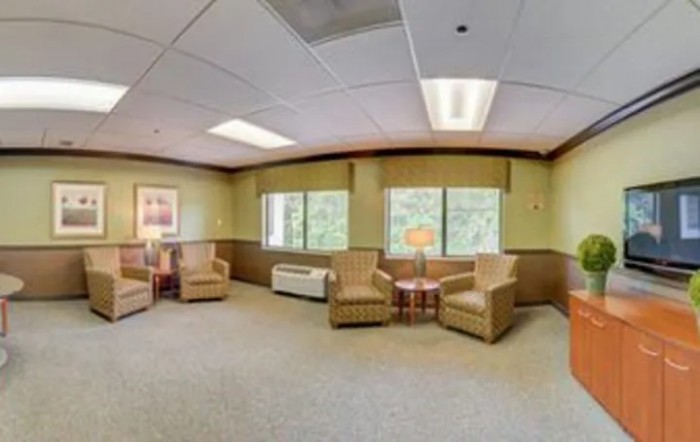
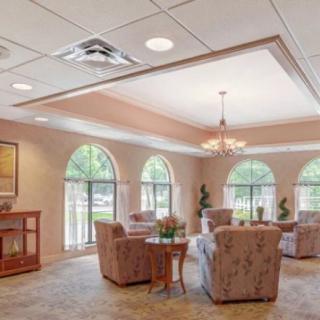
Many reviewers describe the facility as clean and well kept.
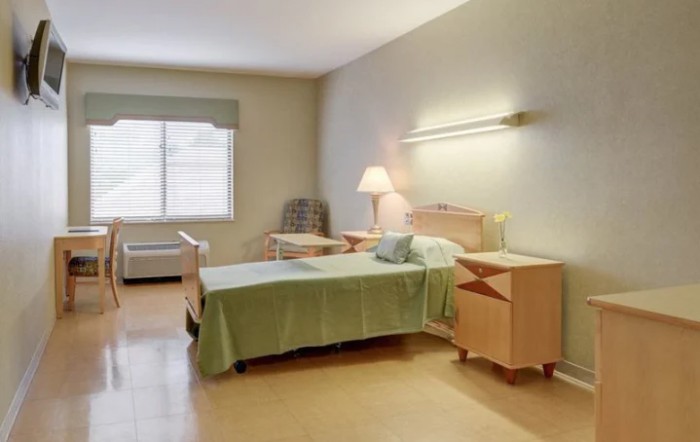
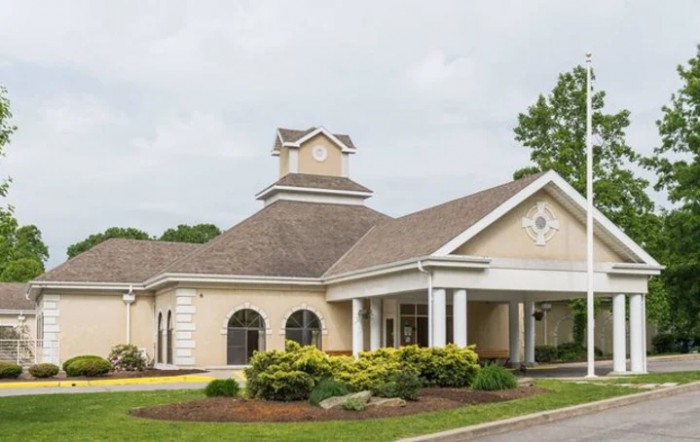
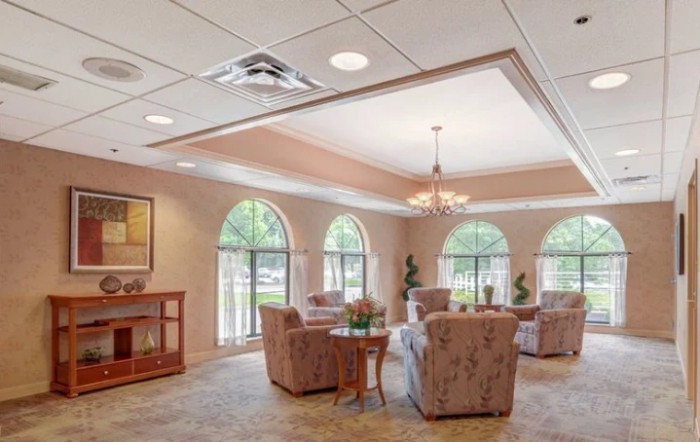
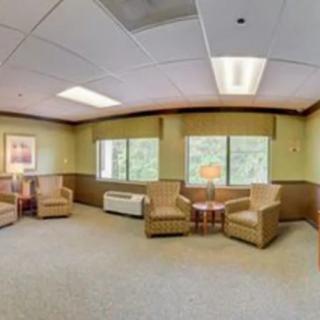
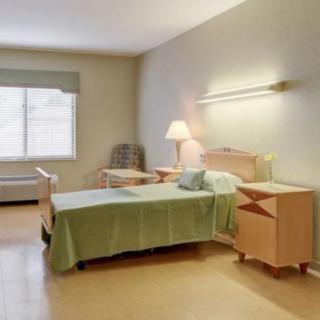
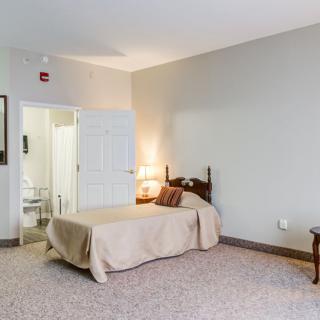
Cleaning and overall upkeep are recurring themes, with multiple reviews calling out rooms and common areas as spotless, fresh, and comfortable. Some reviewers specifically praise housekeeping for keeping spaces tidy and welcoming for patients and visitors. A smaller set of reviews contradict that and describe unsanitary conditions, soaked linens, and odors, so cleanliness appears to vary by stay and unit.
common
26 reviews mention this
Staff kindness is frequently mentioned
Reviews repeatedly mention caring, friendly staff members who communicate and respond.
A large share of reviews highlight staff who feel compassionate, respectful, and supportive, including nurses, aides, and social workers. Several people say staff were attentive to daily needs, helped families navigate next steps, and offered updates. At the same time, a consistent minority of reviews complain about call-bell responsiveness, rude interactions, and feeling ignored—suggesting staff experience can differ widely across shifts and situations.
caveat
21 reviews mention this
Care quality and follow-through draw complaints
Some residents describe gaps in basic care, assistance, and medical follow-through.
While many reviews report that residents were kept clean, fed properly, and cared for with dignity, others describe serious breakdowns. Complaints include missed bathing, delayed help after call buttons, inadequate diapering and wound care, medication not given on time, and residents left in wet or soiled conditions. Several reviews also mention needing to advocate repeatedly to get appropriate attention, and some describe failures serious enough that families sought urgent care elsewhere.
caveat
10 reviews mention this
Communication and calls are inconsistent
A recurring concern is difficulty getting information or reaching staff promptly.
Some reviewers say staff were responsive and kept family members informed, including calling with updates and explaining care plans. Other reviews describe long delays returning calls, unanswered phone lines, and limited information from social workers or nursing leadership. A few reviewers also describe needing to escalate concerns to get action, reinforcing that communication can be uneven.
caveat
7 reviews mention this
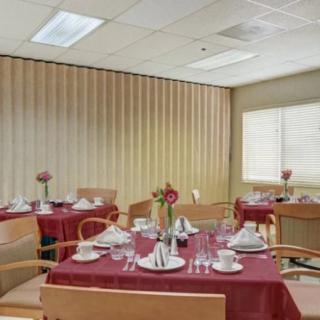
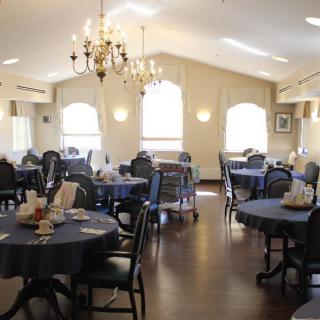
Dining is mixed across stays
Food quality and service appear to vary, with both praise and complaints in reviews.
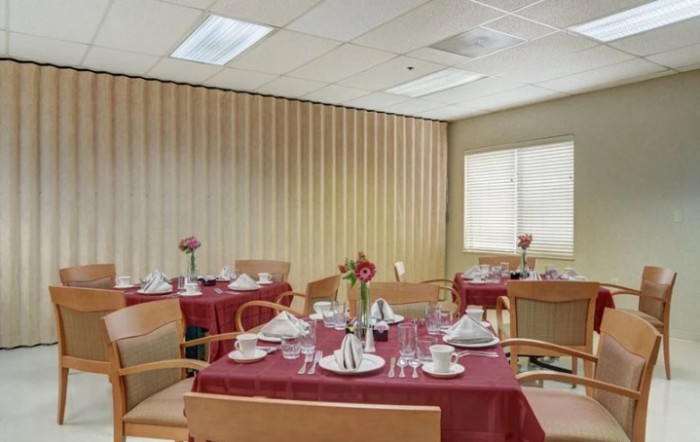
Several reviews mention residents liking the food and describe meals as acceptable, while others report cold food, subpar menu items, and diet-management problems. Some reviewers specifically connect concerns to timing and whether residents received what they were supposed to eat. Because both positive and negative dining experiences appear in the reviews, families may want to pay close attention to meal service during a visit.
How we summarize
Counts show how many written reviews mention each theme; a review can touch several themes, and only frequently mentioned themes are displayed.

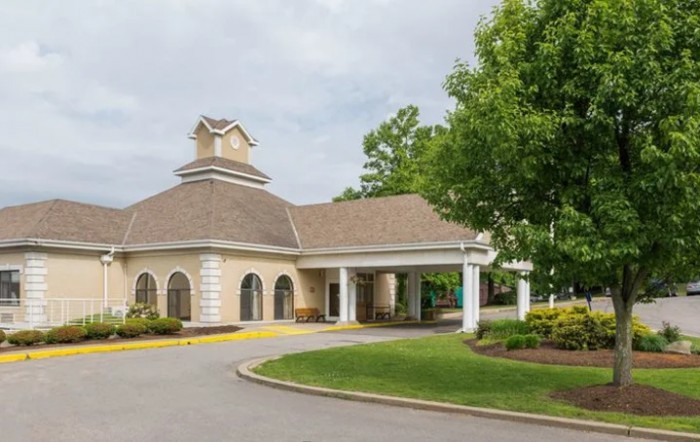


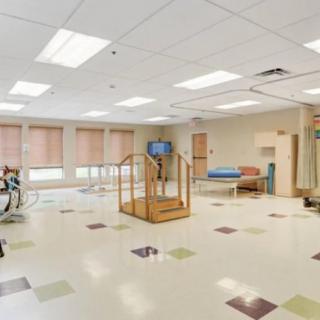

 200 resident community capacity
 Skilled Nursing Facility
 Air-conditioning
 Beauty salon
 Cable or satellite TV
 Computer center
 Dining room
 Fitness room
 Fully furnished
 Gaming room
 Garden
 Housekeeping services
 Kitchenette
 Move-in coordination
 Outdoor space
 Private bathrooms
 Restaurant-style dining
 Small library
 Telephone
 Wellness center
 Wi-Fi/high-speed internet available
 Pittsburgh International (11 miles away)
 Community operated transportation
 12-16 hour nursing
 24-hour call system
 Activities of daily living assistance
 Assistance with bathing
 Assistance with dressing
 Assistance with transfers
 Diabetes diet
 Medication management
 Mental wellness program
 Special dietary restrictions
 Concierge services
 Planned day trips
 Long-tenured staff, engaging activities, and compassionate care in a welcoming, well-kept environment.
 Comprehensive Insights and Practical Strategies to Help Older Adults Avoid Falls
 6 Crucial Ways an Elder Law Attorney Assists Families
 Navigating the Tax Landscape of Caregiving: Credits, Deductions, and Beyond