
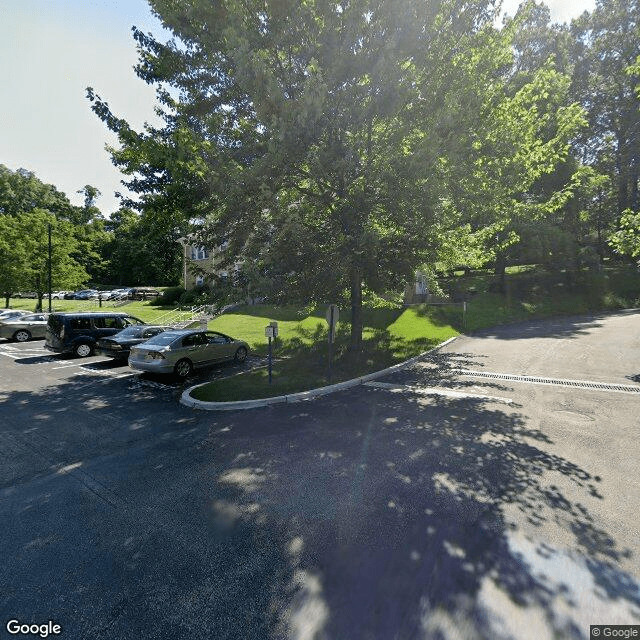
489 Castle Shannon Blvd, Pittsburgh, PA 15234
To contact a resident: (412) 563-6550
For more information about senior living options: (866) 208-4318
Baptist Homes Costs & Pricing
At Baptist Homes, the monthly cost for a studio room is set at $5,500, which significantly exceeds the average pricing in both Allegheny County and across Pennsylvania. In comparison, residents in Allegheny County can expect to pay approximately $3,637 per month for similar accommodations, while the statewide average stands at around $3,737. This notable difference indicates that Baptist Homes likely offers specialized services or amenities that justify their higher rates. Prospective residents and their families should carefully weigh these costs against the potential benefits when considering long-term care options.
| Floor plans | Baptist Homes | Allegheny County | Pennsylvania |
|---|---|---|---|
| Studio | $5,500 | $3,637 | $3,737 |
Assisted Living communities with a similar price nearby
-
from -$940 / mo

Mt. Assisi Place
$4,560 / month9.0 miles away -
from -$880 / mo

Concordia Of Fox Chapel
$4,620 to $5,760 / month16.7 miles away -
from -$300 / mo

Anthology Of Mc Candless
$5,200 to $7,400 / month13.3 miles away -
from -$205 / mo
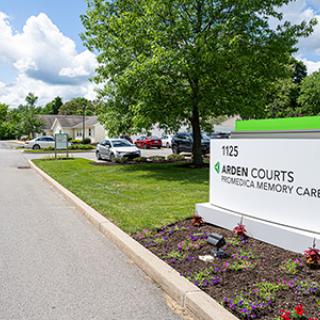
Arden Courts Of North Hills
$5,295 to $6,400 / month12.0 miles away -
About the same

Apple Blossom
$5,475 to $6,615 / month14.9 miles away
Overall Review of Baptist Homes
Pros
 The staff are described as very friendly, and concerns are checked into quickly when contacted.
- Residents are said to be treated well by the staff.
- The facility offers a lot of activities for residents.
- The food is reported to be good, with dinners especially enjoyed.
- The location is an older building but is kept up decently.
Cons
 The facility is closing and residents must relocate by December, with no clear place for them to go.
 - The review says the new CEO plans to tear down buildings, which is described as a shame given the institution’s long history.
- The place is terrible and should be avoided, with alleged mistreatment of residents and staff, dirty and under-kept conditions, and management described as terrible.
- Aides are on their phones while patients’ call bells go unanswered, with residents begging for assistance and management labeled horrific.
- Residents are afraid of office staff and face eviction threats, with harassment claims and inspections conducted without notice.
- Management is accused of not following its mission, with residents bullied by staff and elders not treated well.
- There are reports that delirium was not properly addressed, along with poor room furniture and food and too few professional staff, leading to strong disrecommendation.
- One reviewer notes the location is an old building that is not ideal for skilled nursing care.
Review
Baptist Homes in Pittsburgh is best suited for families that want a long-established, traditional nursing home environment and are prepared to confront substantial and potentially rapid changes in operation. The facility rests on a century-plus history and delivers a classic, old-building care model that can feel navigable for residents who do not require the most modern amenities. Yet the current trajectory, significant leadership turnover and an imminent closure plan, casts a long shadow over whether this setting can reliably meet ongoing care needs.
Those considering alternatives should pay close attention to stability, transparency, and the ability to guarantee uninterrupted service. If a loved one requires predictable access to skilled nursing, consistent staffing, and clear communication from administration, this is not an option to accept on faith. Families should actively compare peers’ commitments to ongoing operation and evacuation plans, especially given news that all personal care and skilled nursing will be relocated by December and that a new CEO appears poised to repurpose the campus.
The strongest positive signals in the reviews, the warmth of some staff, the responsiveness when concerns are raised, and residents who appreciate the meals and activities, do not meaningfully offset the weight of the major failings. Positive comments about friendly aides and engaging programming are counterbalanced by pervasive reports of dirtiness and neglect in certain wings, inconsistent supervision, and a sense that basic responsibilities are unevenly carried out. When a facility alternates between praise for small conveniences and urgent warnings about safety and dignity, the sum total points decisively toward caution.
The most troubling themes center on management and consistency. Reviewers describe a culture where residents fear the office, where eviction threats punctuate interactions, and where transparency about changes in ownership or service lines seems lacking. Allegations of mistreatment by staff, bullying in the apartment area, and a perception that leadership does not align with the stated mission and values compound the risk. In a setting that is supposed to feel like a safe, protective home, these dynamics erode trust and raise immediate concerns about long-term safety and well-being.
For families proceeding with due diligence, several practical steps are essential. Verify the current status of the closing plan and obtain a concrete, written relocation strategy for residents, including timelines, transport coordination, and guarantees of continued care level. Schedule unannounced visits to observe staffing patterns, response times to call bells, and the overall cleanliness of common and private areas. Speak with multiple residents and family councils to gauge consistency of experience, and request current incident logs or quality metrics. In parallel, identify several strong-alternative communities in the same region that demonstrate stable operation, transparent governance, and clear care trajectories for both short-term rehabilitation and long-term residence.
Ultimately, the balance of evidence, significant operational uncertainty, reports of management strain and eviction pressure, and a historic but fragile care environment, leans toward steering families away from long-term placement here. The facility may still offer occasional warmth and usable programming, but those positives are far outweighed by the risk of abrupt relocation, inconsistent care, and the cloud of closure hanging over every day. For any family prioritizing predictability, safety, and continuity of care, serious consideration of other options is essential, with Baptist Homes reserved for situations where a well-planned exit strategy is already in place and the need is explicitly short-term.
 Assisted Living
 Activities on-site
 Air-conditioning
 Bath tubs
 Beautician on-site
 Cable or satellite TV
 Devotional services on-site
 Full kitchen
 Ground floor units
 Handicap accessible
 Indoor common areas
 Outdoor common areas
 Private bathrooms
 Wi-Fi/high-speed internet available
 Pittsburgh International (13 miles away)
 Ambulatory care
 Diabetic care
 High acuity care
 Incontinence care
 Medication management
 Gluten-free
 Catholic services
 Cooking classes
 Day trips and outings
 Educational speakers / life long learning
 Live dance or theater performances
 Live musical performances





 When to Transition from Assisted Living to Memory Care: Key Indicators, Steps, and Finding the Right Community
 Assisted Living and Memory Care: Understanding Their Core Differences
 Beyond the Bingo Hall: 50+ Enriching Activities for Seniors in Assisted Living