Residents and visitors frequently mention community activities and events.
Several reviews describe scheduled or community-sponsored activities, including social events like bingo and using the activity room. A few comments also frame these activities as part of what makes visits feel easier and more engaging for residents. While activity quality isn’t described in detail every time, it comes up often enough to feel consistent.
caveat7 reviews mention this
Food quality is mixed
Food quality is an ongoing point of feedback.
Some reviewers report problems with meals, including food that’s hard or burnt and difficulty getting an alternative. Other residents and visitors describe meals more positively, including comments that the food was good at events. Overall, dining feedback isn’t uniform, with complaints appearing alongside a smaller set of positive notes.
caveat6 reviews mention this
Cleanliness draws strong reactions
Cleanliness concerns show up repeatedly in reviews.
A number of negative reviews describe conditions like dirty rooms, bad odors, and pests, sometimes including specific examples such as feces-related messes or urine smells. These comments stand alongside other reviews that say the facility is clean and odor-free, which suggests the experience may vary by unit or timing. Taken together, cleanliness is clearly a recurring topic for families and visitors.
caveat2 reviews mention this
In-room TV issues come up
Some reviewers report problems with in-room televisions.
At least two reviews mention TV access issues, including a broken TV that wasn’t resolved during a visit and reports that rooms may not have working TVs. These concerns connect to the day-to-day experience families describe when trying to help a loved one feel comfortable. Even when other aspects are described positively, the TV problem is singled out as important.
How we summarize
Counts show how many written reviews mention each theme; a review can touch several themes, and only frequently mentioned themes are displayed.
Features
Housing
6 resident community capacity
Types of Care
Assisted Living
Board and Care Home
Amenities
Cable or satellite TV
Dining room
Fully furnished
Garden
Housekeeping services
Move-in coordination
Outdoor space
Telephone
Wi-Fi/high-speed internet available
Transportation
Philadelphia International (13 miles away)
Trenton-Mercer County (24 miles away)
Care Services
24-hour supervision
Activities of daily living assistance
Assistance with bathing
Assistance with dressing
Assistance with transfers
Coordination with health care providers
Diabetes diet
Meal preparation and service
Medication management
Special dietary restrictions
Transportation arrangement (medical)
Transportation to doctors appointments
Dining
Diabetes diet
Special dietary restrictions
Activities
Community-sponsored activities
Scheduled daily activities
Nearby Places of Interest
Restaurants
McDonald's (0.3 miles)
McDonald's (1.4 miles)
Chick-Fil-A (1.5 miles)
Dalessandro's Steaks (3 miles)
Custard & Cakes Creamery (3.3 miles)
Chick-Fil-A (3.4 miles)
Texas Chicken & Burgers (4.5 miles)
Pharmacies
Rite Aid (0.6 miles)
Rite Aid (0.7 miles)
Walgreens (1.6 miles)
CVS Pharmacy (2.4 miles)
Walgreens (2.4 miles)
Rite Aid (3.2 miles)
Rite Aid (3.3 miles)
Hospitals
Albert Einstein Employee Health Center (1.2 miles)
Temple University Hospital (3.3 miles)
Chestnut Hill Emergency Room (3.6 miles)
St Christopher's Hospital for Children (3.6 miles)
Fox Chase Cancer Center (3.7 miles)
Episcopal Hospital (4.5 miles)
Aria Health (4.6 miles)
Physicians
Simms Hank Md Albert Einstein Medical Center Philadelphia (1.2 miles)
Activities of Daily Living (ADLs) are fundamental tasks vital for an individual's independence, particularly in older adults over 85, and include functions like bathing and dressing; assessing ADLs alongside Instrumental Activities of Daily Living (IADLs) helps determine the level of required assistance due to age-related health challenges. Tailored support plans, involving family and community resources, are essential for maintaining dignity and autonomy in assisted living environments.
Medicare does not cover assisted living costs, as it focuses on acute medical needs and short-term care, with exceptions for certain medically necessary services like physical therapy. Individuals must explore other options such as Medicaid, veterans' benefits, or long-term care insurance to manage these expenses effectively.
Choosing between assisted living and nursing homes involves evaluating emotional and financial factors, with assisted living offering independence and support for daily activities at a lower cost, while nursing homes provide intensive medical care for individuals with significant health needs. The decision is influenced by personal preferences, health status, cognitive function, and varying Medicaid coverage across states.
Get PricingAsk A QuestionSchedule A TourContact Senior Advisor
By clicking submit, you agree to our Partner's Terms of Use. You
also consent to receive calls and texts, which may be autodialed, from our Partner. Your consent is not a condition to
using our Partner's service. Please visit our Partner's Privacy Policy for information about their privacy practices.

 6 resident community capacity
 Assisted Living
 Board and Care Home
 Cable or satellite TV
 Dining room
 Fully furnished
 Garden
 Housekeeping services
 Move-in coordination
 Outdoor space
 Telephone
 Wi-Fi/high-speed internet available
 Philadelphia International (13 miles away)
 24-hour supervision
 Activities of daily living assistance
 Assistance with bathing
 Assistance with dressing
 Assistance with transfers
 Diabetes diet
 Meal preparation and service
 Medication management
 Special dietary restrictions
 Transportation arrangement (medical)
 Transportation to doctors appointments
 New management and renovations improving staff compassion and facility conditions.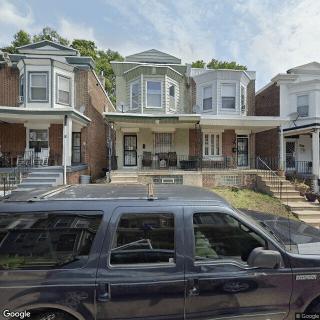


 Comprehensive Insights into Activities of Daily Living (ADLs) and Their Assessment
 Medicare Coverage for Assisted Living: An In-Depth Exploration
 Choosing the Right Senior Care: A Detailed Exploration of Assisted Living and Nursing Homes