Wyncote Place

Save

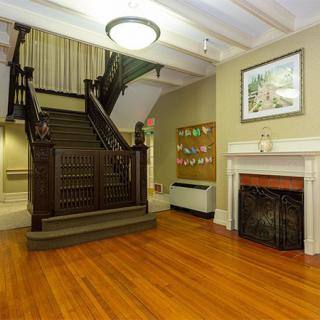
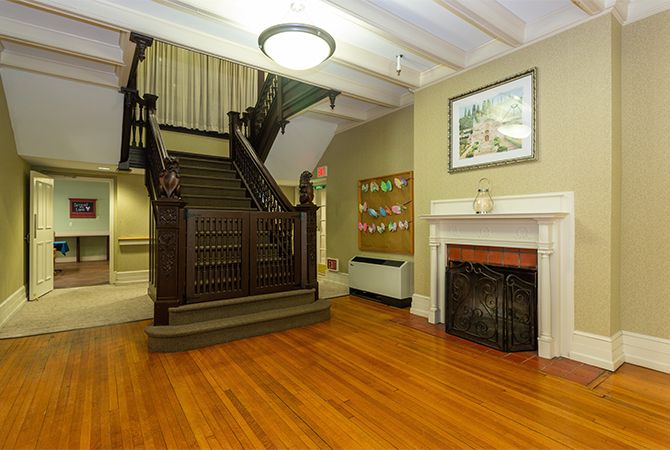
  • Interior

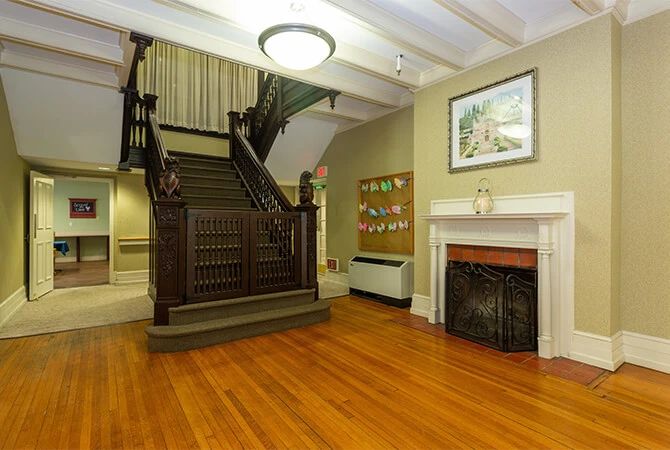
    A classic interior featuring a wooden staircase and fireplace with elegant decor.
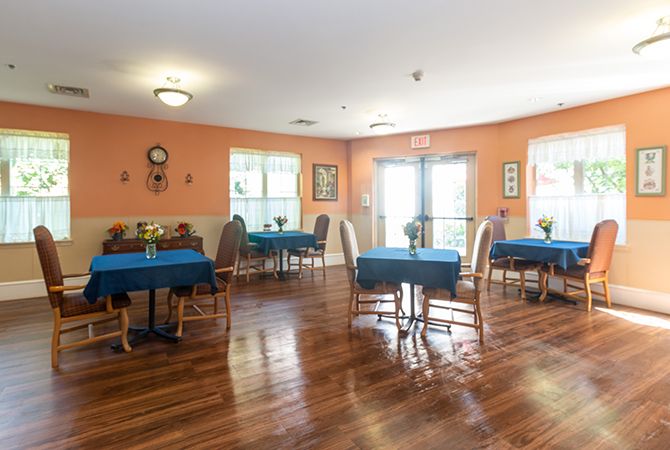
  • Decor

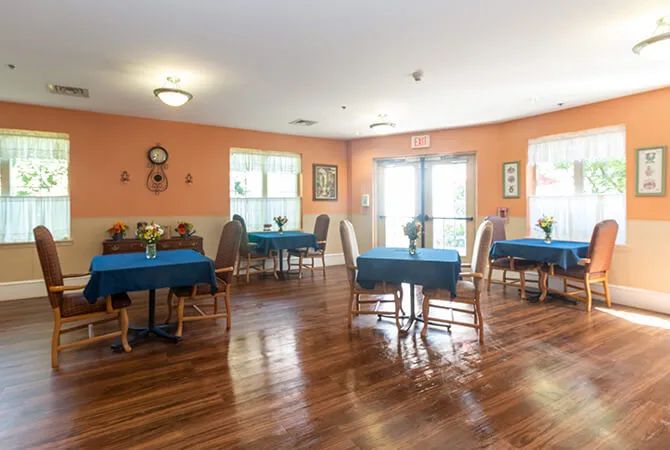
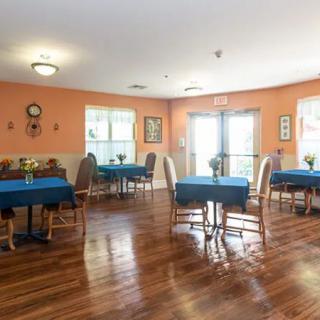
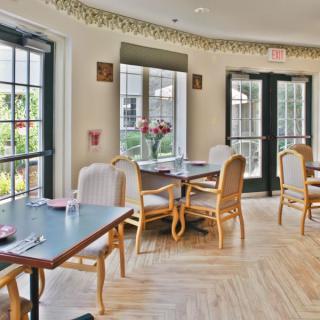
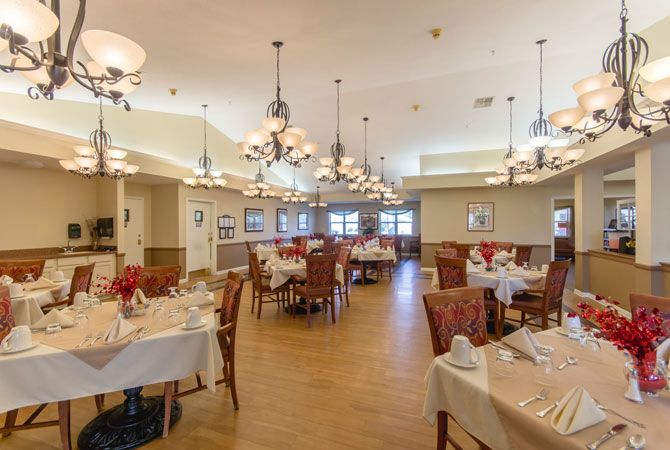
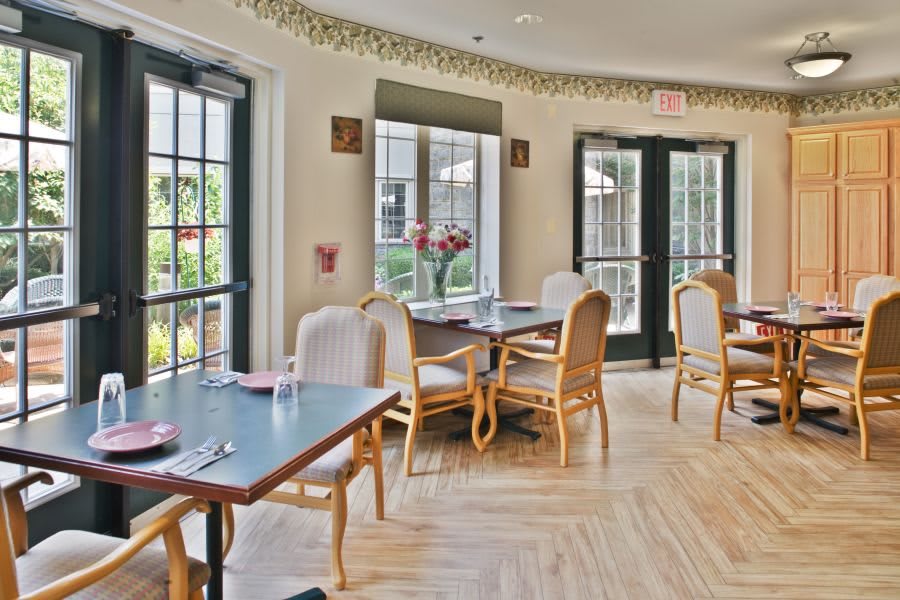
    A cozy dining room with several tables and chairs, featuring wooden flooring and bright lighting.
  • Living Room

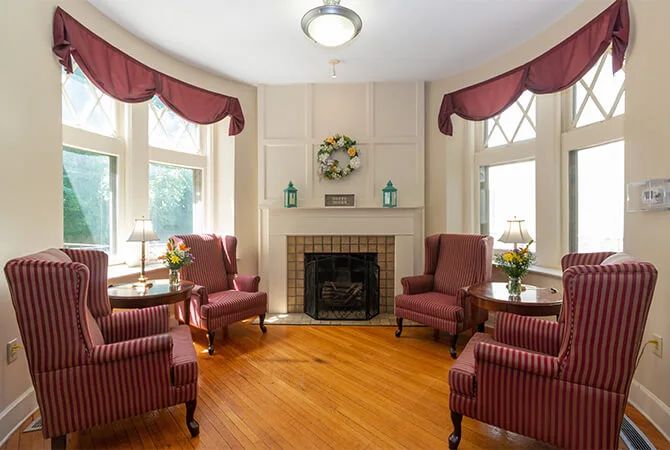
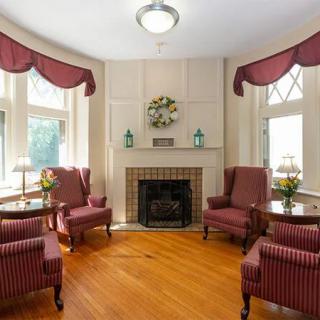
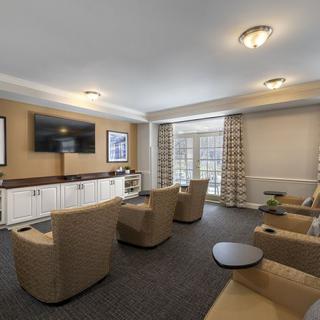
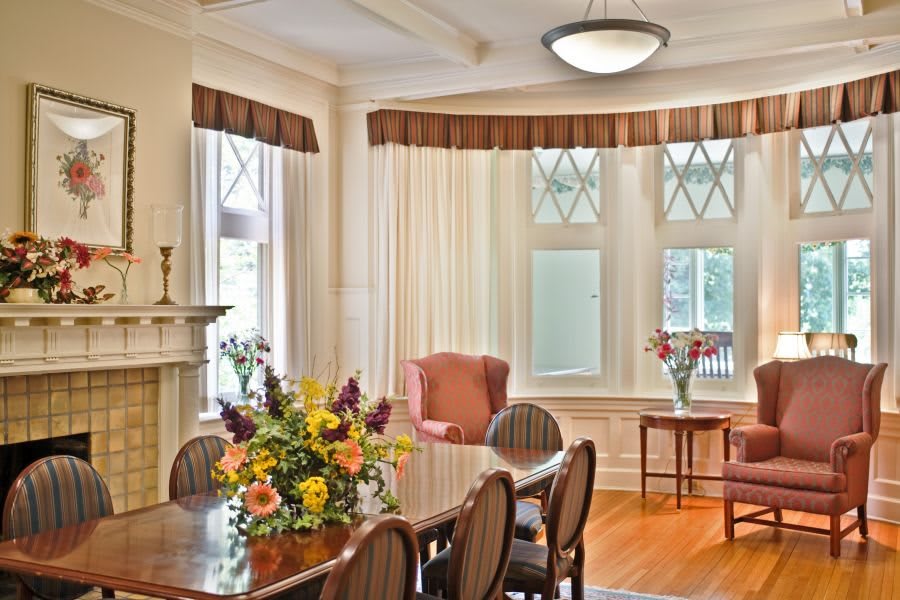
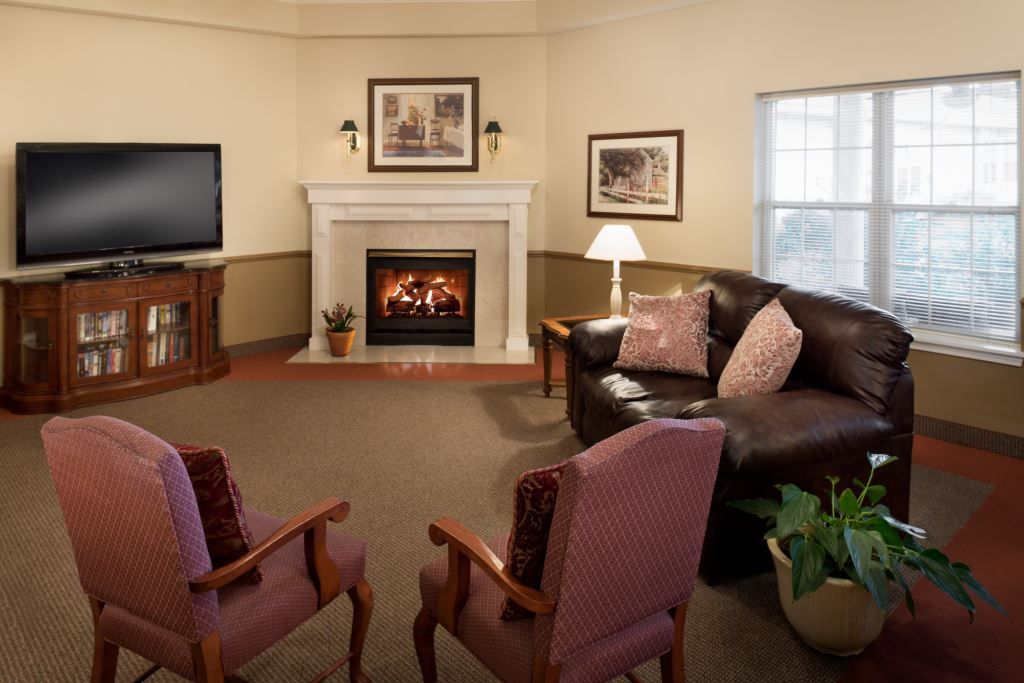
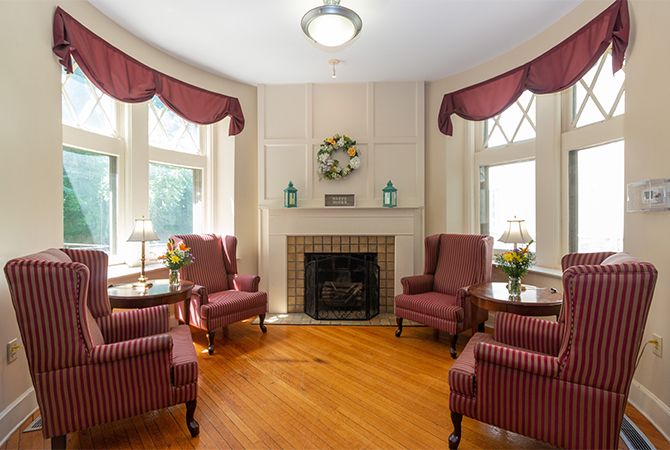
    A cozy living room with a fireplace, adorned with traditional decor and comfortable armchairs.
  • Building

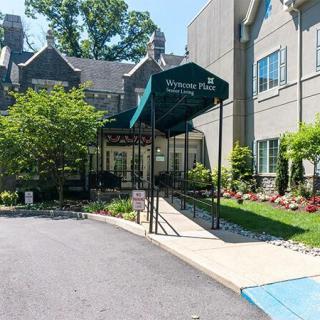
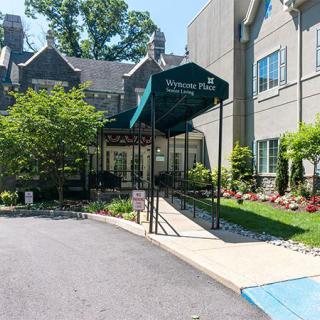
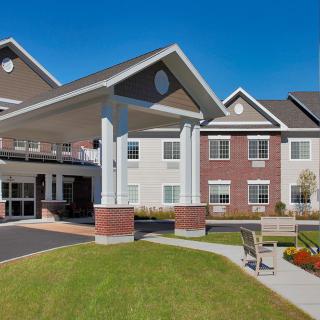
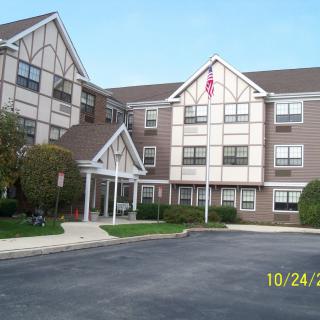
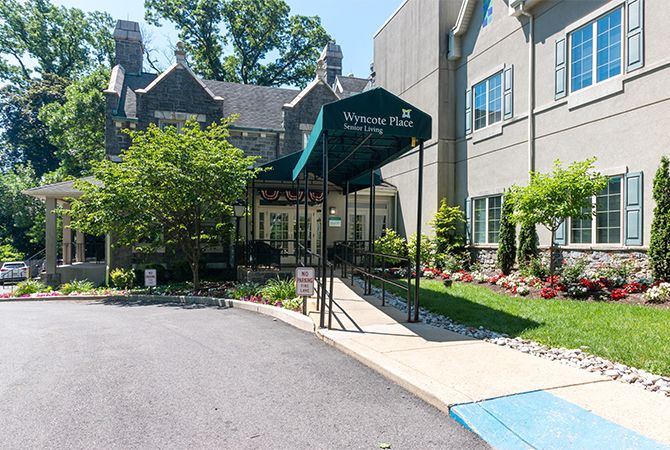
    Entrance to a hotel with an awning and landscaped surroundings.
  • Architecture

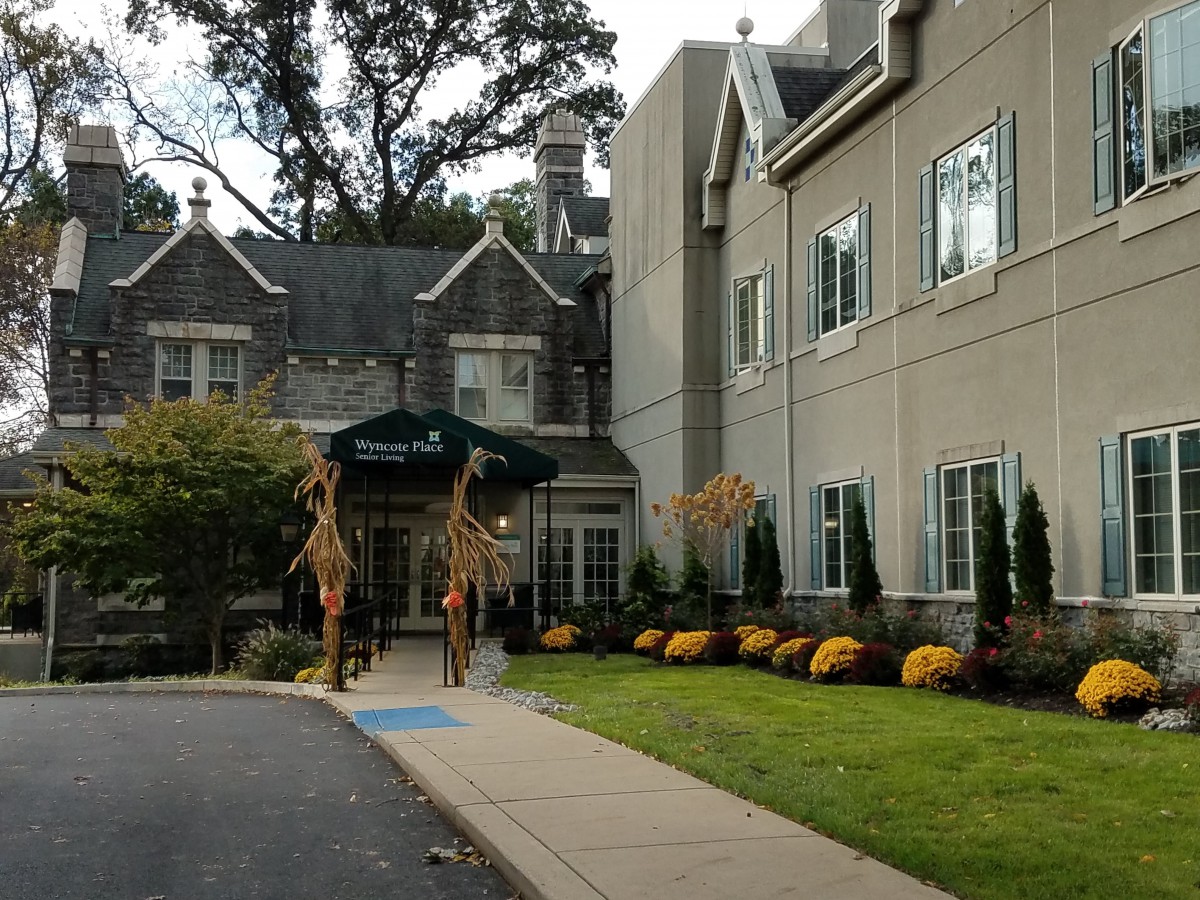
    A building entrance with autumn decorations and well-maintained landscaping.
  • Bedroom

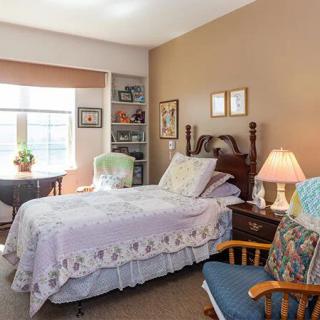
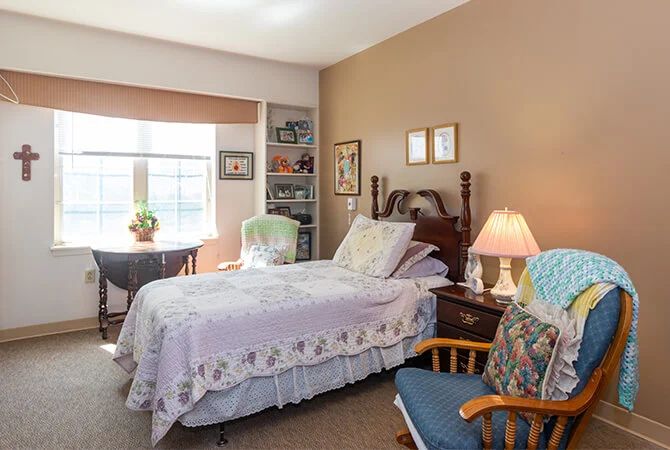
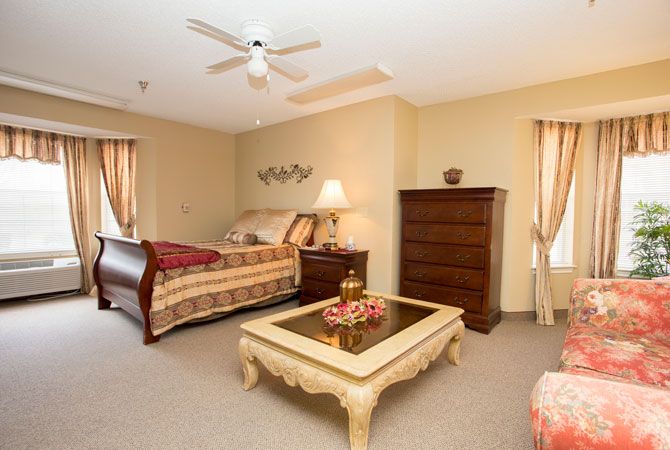
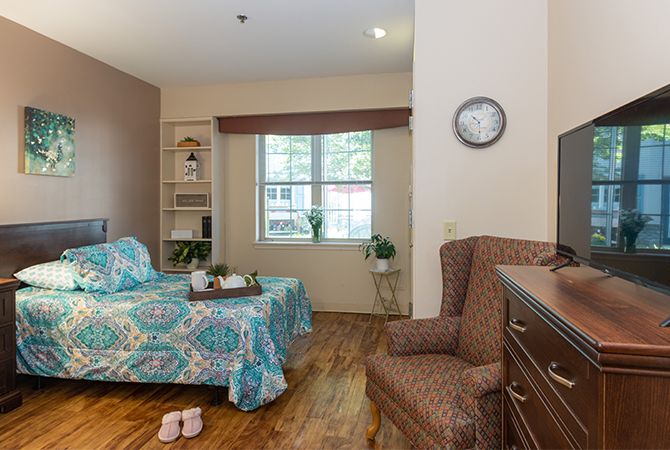
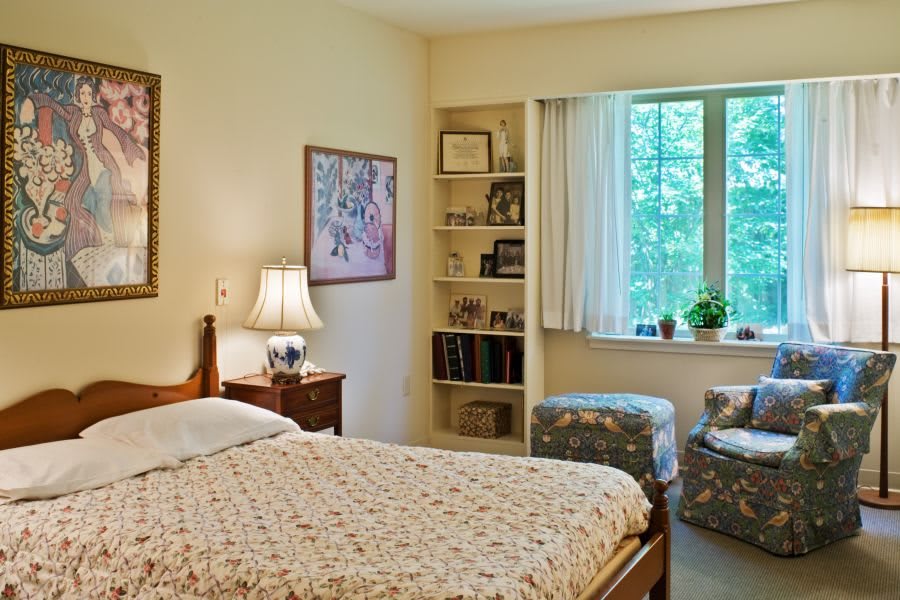
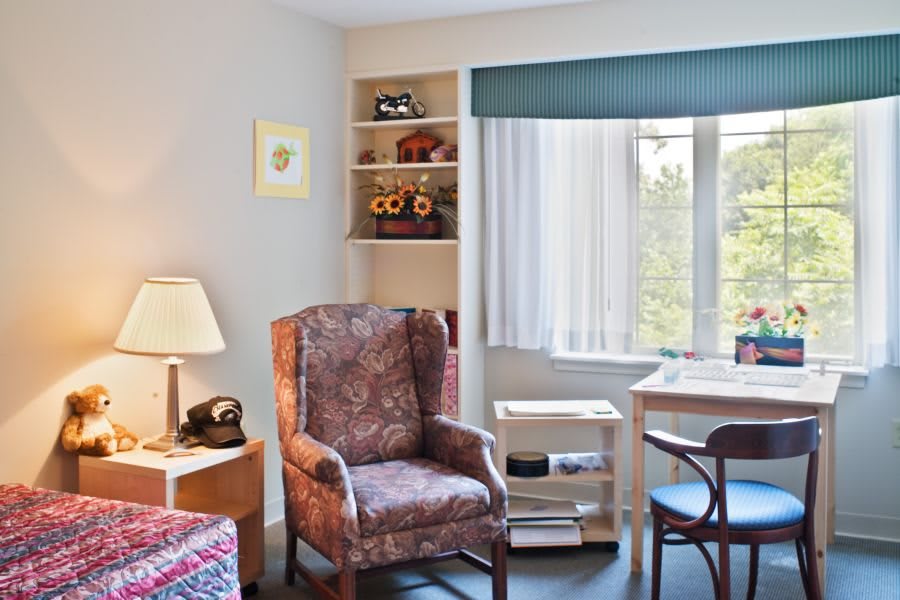
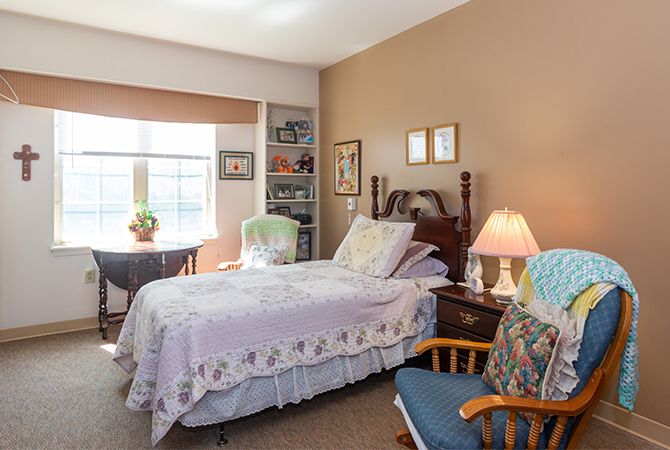
    A cozy bedroom with a single bed, a bedside table with a lamp, and a comfortable chair by the window.
  • Trees

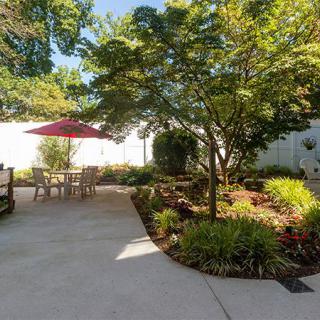
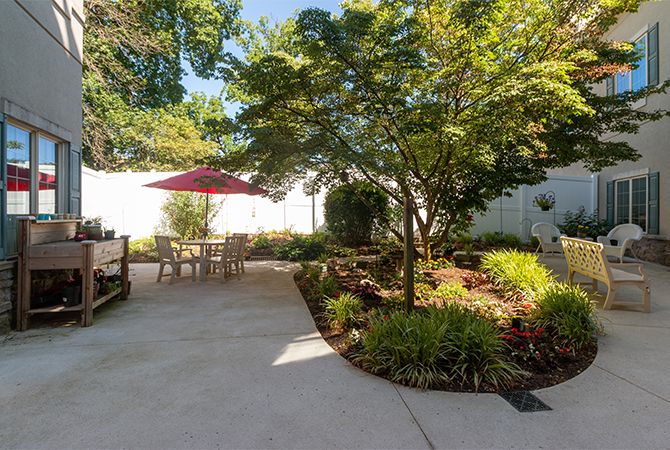
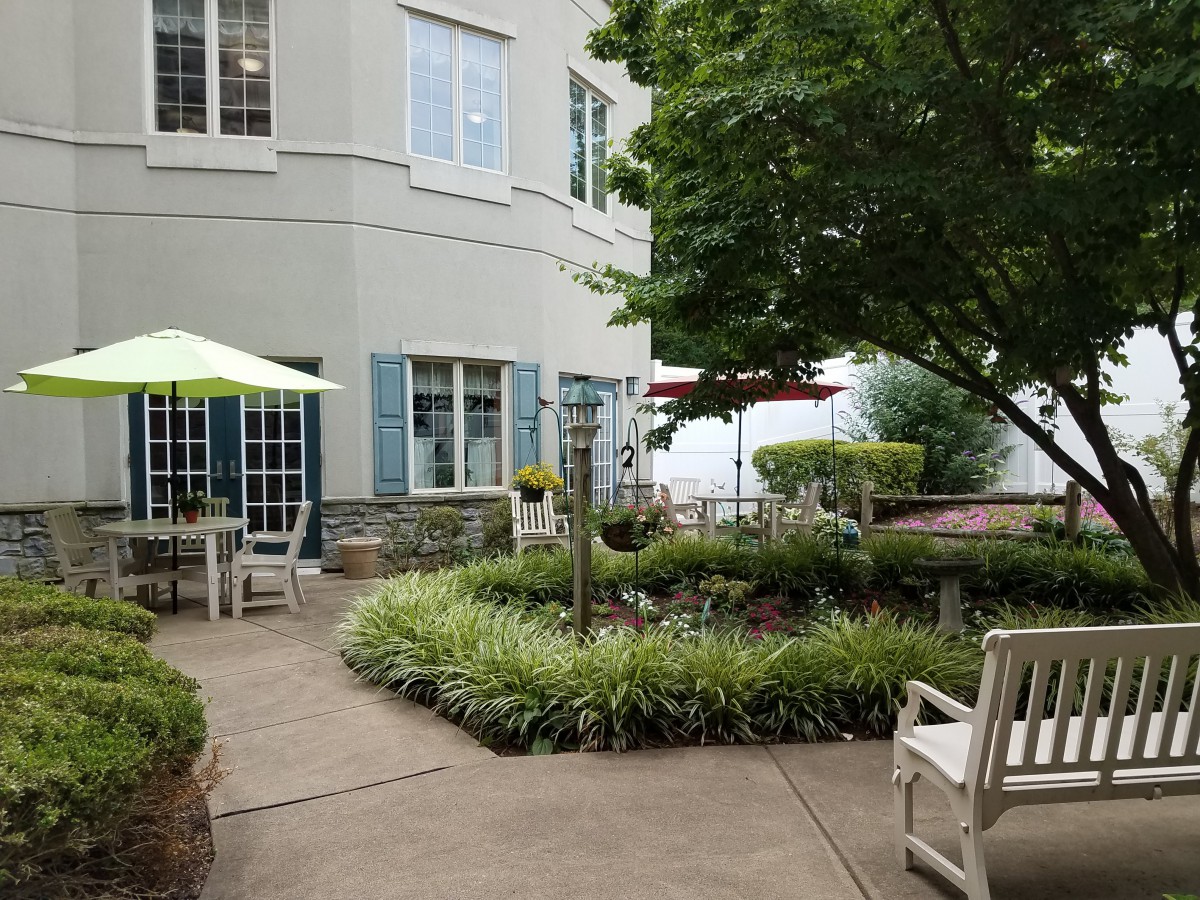
    A peaceful garden patio with outdoor seating and lush greenery on a sunny day.
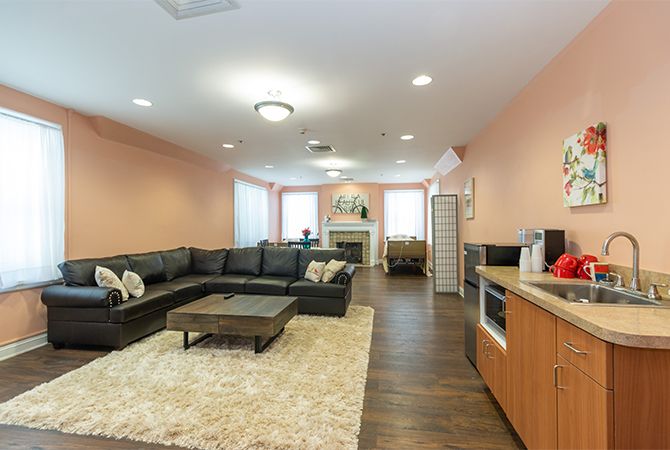
  • Windows

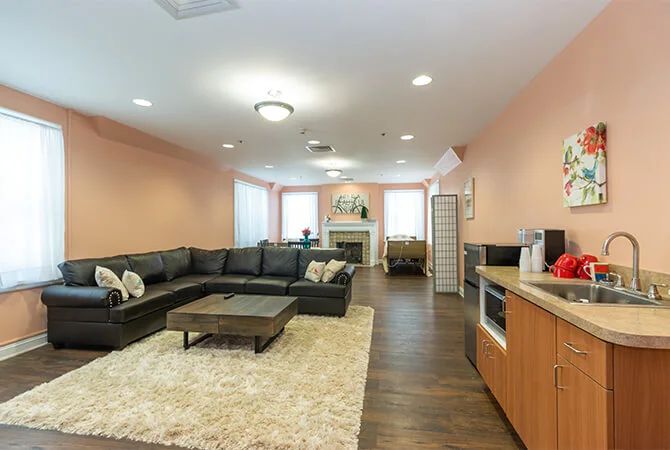
    A spacious living room with a large sectional sofa, coffee table, and fireplace.
  • Dining

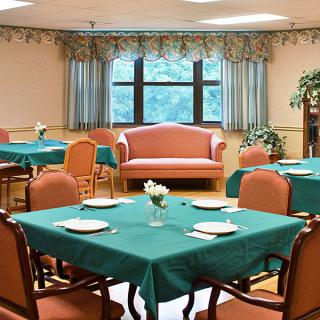
    A spacious dining area with neatly arranged tables and chairs, decorated with elegant chandeliers.
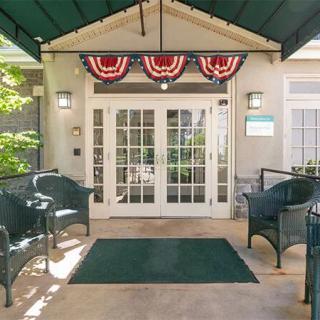
  • Landscaping

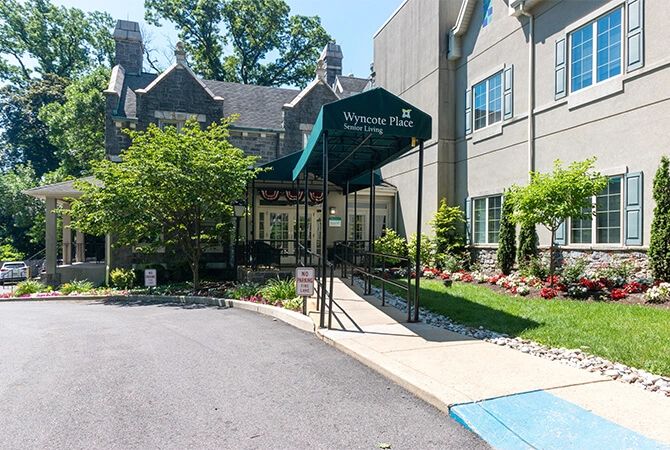
    A welcoming entrance to a building with a green awning and well-maintained landscaping.
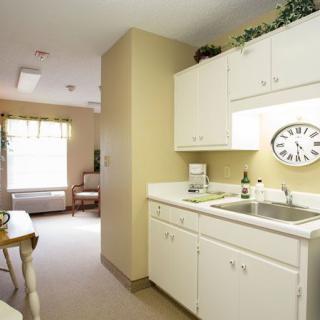
  • Kitchen

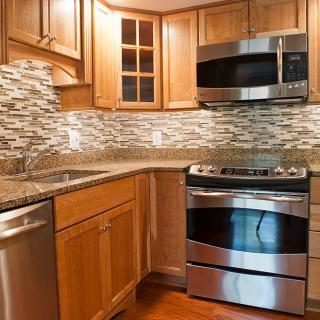
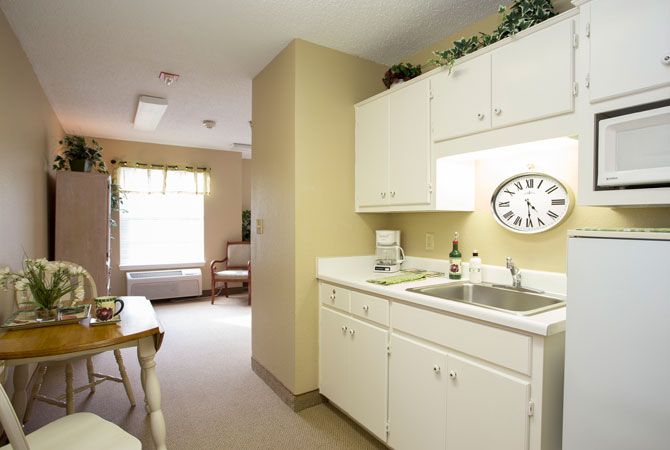
    Bright kitchen area with white cabinets and a clock on the wall.
  • Garden

    A serene outdoor patio area with seating and lush greenery.
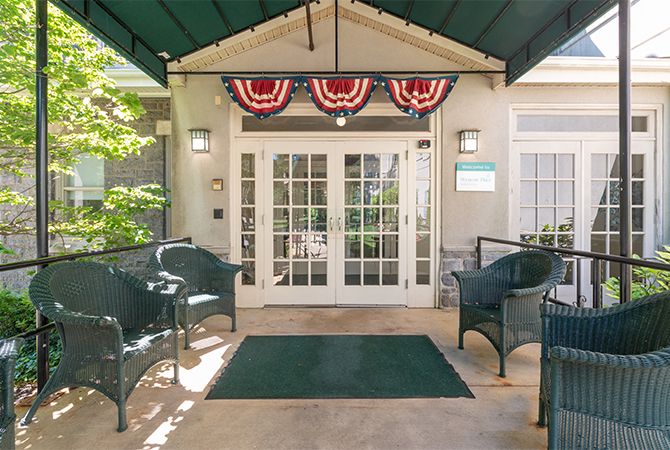
  • Entrance

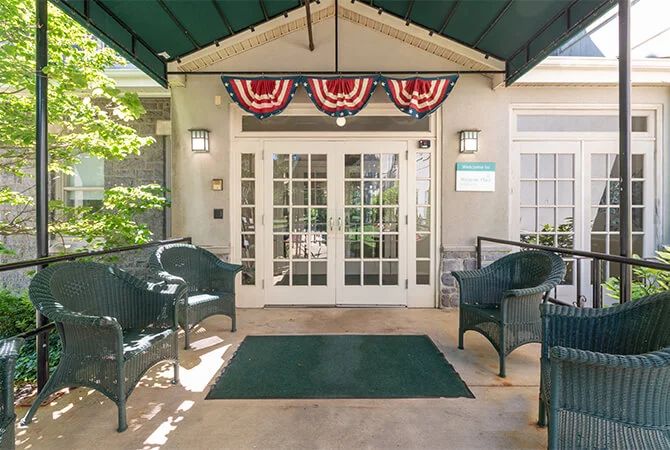
    A welcoming entrance with seating, adorned with patriotic bunting.
  • Artwork

    A spacious hallway featuring a wooden staircase, polished wooden floors, and a fireplace with artwork above.

Wyncote Place in Wyncote, PA

240 Barker Road, Wyncote, PA 19095

For more information about senior living options: (844) 490-3973

4.4 from 76 reviews
5 stars
49
4 stars
18
3 stars
2
2 stars
2
1 stars
5

Memory Care

Wyncote Place Costs & Pricing

Wyncote Place offers a range of accommodation options that reflect its commitment to quality care and comfortable living, albeit at a premium. For a semi-private room, residents can expect to pay $5,600 per month, which is notably higher than the average costs in Montgomery County ($4,587) and Pennsylvania as a whole ($3,542). Similarly, the studio option at Wyncote Place is priced at $7,880, surpassing both county ($4,393) and state averages ($3,737). This pricing underscores Wyncote Place's focus on delivering exceptional services and amenities that cater to those seeking an enhanced lifestyle in their senior years. While the costs are significantly above regional averages, many families find value in the personalized attention and supportive community environment offered by Wyncote Place.

Floor plansWyncote PlaceMontgomery CountyPennsylvania
Semi-Private$5,600$4,587$3,542
Studio$7,880$4,393$3,737

What level of care are you interested in?

Assisted Living

Memory Care

Independent Living

Skilled Nursing Facility

Continuing Care Retirement Community (CCRC)CCRC

Other


Request a tour at Wyncote Place

    Overall Review of Wyncote Place

    Pros

    • pro The caregivers are kind and thoughtful.
    • pro It is a smaller, intimate community with a very involved staff.
    • pro The staff are engaged, pleasant, and helpful.
    • pro Residents receive outstanding care and are kept safe.
    • pro Rooms are private, spacious, and nicely appointed.
    • pro The facility feels like a warm, home-like environment.
    • pro Activities are varied and engaging, with plenty of social opportunities.
    • pro The staff know residents by name and go the extra mile.
    • pro The care team is highly trained, professional, and dedicated.
    • pro Families feel relief and confidence in the care their loved ones receive.
    • pro The building is clean, well maintained, and comfortable.
    • pro Moving a loved one there has been a life-changing, positive decision; they thrive.

    Cons

    • pro They described Wyncote Place as a horrible place with fake management and poor care, including roaches.
    • pro They claimed the administration is understaffed and disorganized and fails to deliver what is promised.
    • pro They asserted the food is worse than school lunch and that the facility is a dump with disrespectful staff.
    • pro They stated staff hardly interact with residents, engaging only during tours or state inspections.
    • pro They reported the care as poor, with issues like untreated pressure sores and residents left in diapers all day.
    • pro They reported financial mismanagement, including an extra $10,000 withdrawal from their account and a delayed refund.
    • pro They described the overall experience as the worst possible, citing lack of planning and poor communication.
    • pro They noted visiting hours were limited and access to common areas was restricted, making it difficult for families.

    Review

    Wyncote Place in Wyncote, PA is best suited for families seeking a memory-care?focused, small-scale setting where residents live in a warm, home-like environment and staff know them by name. This community excels for seniors whose dementia requires steady, compassionate supervision delivered on a intimate footprint, rather than a large campus with a bustling, impersonal vibe. It's especially fitting for families who want frequent access to caregivers, visible involvement in daily life, and a setting that feels less clinical and more homelike. Private rooms, secure outdoor spaces, and a steady rhythm of purposeful activities contribute to a climate where residents tend to show greater calm, familiarity, and engagement.

    Alternatives should be considered for those whose needs go beyond memory care or whose circumstances demand different operational strengths. If medical acuity requires robust 24/7 nursing oversight, or if a larger campus with broader medical services is essential, other communities may better suit. Families budgeting for long-term care who must tightly control monthly costs or who anticipate frequent add-ons may find all-inclusive models elsewhere more predictable. For those prioritizing around-the-clock accessibility, quicker administrative responsiveness, or a looser structure for visiting and family integration, it pays to compare options with facilities that emphasize those specific strengths.

    The strongest positives at Wyncote Place converge around staff engagement, resident dignity, and purposeful programming. Reviewers consistently praise an attentive, compassionate team that knows residents' histories, preferences, and routines, with long-tenured caregivers who maintain continuity of care. The memory-care specialization is clear: staff are trained to respond thoughtfully to cognitive needs, to diffuse agitation, and to tailor activities - music, crafts, games, and out-of-room engagement - to individual abilities. Family members repeatedly emphasize confidence that loved ones are safe, well cared for, and treated with respect, which in turn eases the burden on relatives and supports the resident's sense of belonging.

    Where the conversation turns more cautious, a few recurring concerns temper the overall tone. Several reviews point to limited on-floor communication channels (at one point there were no public phones on certain floors, which hindered contact for distant families), visiting hours that feel restrictive, and occasional operational hiccups that ripple into family experience. A minority of critiques highlight perceptions of understaffing at times or administrative gaps, and a very small number describe negative care interactions or financial missteps. Taken in aggregate, these drawbacks are not universal, but they are real enough to matter to families weighing daily quality of life, transparency, and the reliability of service.

    Despite these concerns, the cadence of care at Wyncote Place generally offsets the rough edges through a robust ecosystem of care resources. The facility's hospice-suite capabilities, availability of on-site therapies, and willingness to coordinate with families and outside providers create a comprehensive, end-to-end experience that is rare in a smaller memory-care setting. Residents commonly benefit from a calm, curated social calendar, an environment that feels safe to wander, and staff who routinely go the extra mile to accommodate personal routines. The result is a climate where families often report relief, knowing that the care narrative for a loved one can stay consistent and personal over time.

    For families evaluating options, practical due diligence matters most: request up-front clarity on the base rate versus any add-ons, verify the level of memory-care training across shifts, and observe how staff interact with residents during a tour or a first few days of transition. Inquire about visiting policies, the availability of family meetings, and how care plans are reviewed and updated. Confirm the presence of restorative therapies (PT/OT/Speech) and hospice support, and ask for concrete examples of how resident dignity is preserved in daily routines. A candid read of reviews suggests a strong cultural fit for many, but also highlights the importance of confirming operational transparency and ongoing staffing stability before committing.

    The bottom-line recommendation is clear: Wyncote Place stands out as a top choice for families who value an intimate, memory-care?oriented home where staff form real bonds with residents and families, and where end-of-life care is supported within the same community. It is ideally suited for dementia-focused care where personalized attention, meaningful activities, and a home-like atmosphere are priorities. Those needing broader medical acuity, larger-scale programming, or a pricing structure with fewer potential surprises should consider alternatives and interview multiple options to compare how each facility balances clinical capability with the emotional realities of memory care. In the end, Wyncote Place offers a compelling, much-pavored combination of compassion, competence, and cadence - laudable factors for families prioritizing dignity, safety, and consistent, attentive care.

    Features

    Housing

    • 60 resident community capacity 60 resident community capacity

    Types of Care

    • Memory Care Memory CareMemory care is crucial for seniors as it provides specialized support and services for individuals with dementia or Alzheimer's disease. These programs offer a safe and secure environment where residents receive personalized care, cognitive stimulation, and help with daily activities. Memory care helps seniors maintain their independence, quality of life, and dignity while also providing peace of mind for their families.

    Amenities

    • Activities off-site Activities off-siteEngaging in off-site activities is crucial for seniors to maintain social connections, stay active, and stimulate their minds. It promotes overall well-being and helps combat feelings of isolation and loneliness.
    • Activities on-site Activities on-siteActivities on-site are important for seniors because they provide opportunities for socialization, mental stimulation, physical activity, and overall well-being. Engaging in activities can help seniors stay active, maintain their independence, and improve their quality of life.
    • Air-conditioning Air-conditioningAir conditioning is important for seniors as they are more vulnerable to heat-related illnesses and may have underlying health conditions that make it difficult for them to regulate their body temperature. It helps to keep them comfortable, safe, and healthy in hot weather.
    • Beautician on-site Beautician on-siteHaving a beautician on-site at a senior living community is important for seniors as it allows them to easily access grooming and personal care services, boosting their self-esteem and overall well-being. It also provides convenience and helps seniors maintain their sense of independence and personal style.
    • Beauty salon Beauty salonBeauty salons are important for seniors because they provide a space for them to feel pampered, socialize, and maintain their personal grooming and hygiene. Regular visits to a beauty salon can help boost seniors' self-esteem and overall well-being.
    • Cable or satellite TV Cable or satellite TVCable or satellite TV is important for seniors because it provides entertainment, news, and companionship, helping to combat loneliness and boredom. It also offers a wide range of programming options tailored to different interests and preferences.
    • Computer center Computer centerA computer center is essential for seniors as it provides access to technology, communication tools, and resources that can enhance their daily lives. It allows them to stay connected with loved ones, engage in online activities, and learn new skills, ultimately promoting socialization and mental stimulation.
    • Devotional services on-site Devotional services on-siteDevotional services on-site provide seniors with spiritual support and a sense of community, as well as an opportunity for reflection and guidance during their senior living experience. This can promote emotional well-being and connection to others, leading to a more fulfilling and enriching lifestyle in their later years.
    • Dining room Dining roomDining rooms are important for seniors as they provide a space for socialization, connection, and nutritious meals. They offer opportunities for residents to bond over shared meals, foster a sense of community, and promote healthy eating habits. Dining rooms also ensure that seniors have access to well-balanced meals tailored to their dietary needs and preferences.
    • Fitness room Fitness roomHaving a fitness room in a senior living community is essential for seniors to stay active, maintain their physical health, and improve their overall well-being. Regular exercise can help prevent falls, reduce the risk of chronic diseases, and promote mental sharpness. It also provides social opportunities for residents to connect with others and enjoy a sense of community.
    • Fully furnished Fully furnishedFully furnished senior living communities are important for seniors because they provide convenience, comfort, and a hassle-free moving experience. Seniors can easily settle into their new living space without the stress of having to buy and move furniture. This allows them to focus on enjoying their new home and community.
    • Gaming room Gaming roomGaming rooms are important for seniors as they provide a fun and engaging environment for socializing, cognitive stimulation, and physical activity. Games can improve memory, problem-solving skills, and overall mental well-being while fostering friendships and reducing feelings of isolation.
    • Garden GardenGardens are important for seniors as they provide a peaceful and therapeutic environment for relaxation, physical activity, and socialization. Being in nature has been shown to reduce stress, improve mood, and promote overall well-being. Gardens also offer opportunities for seniors to engage in gardening activities, which can improve mobility, flexibility, and cognitive function. Additionally, gardens create a sense of community and connection with others who share a passion for plants and outdoor spaces.
    • Ground floor units Ground floor unitsGround floor units are important for seniors because they provide easy accessibility, reduced risk of falls and injuries, and convenience for those with mobility issues. Seniors can avoid climbing stairs or using elevators, making daily tasks and activities more manageable and enjoyable.
    • Handicap accessible Handicap accessible"Handicap accessible" amenities are crucial for seniors to ensure they can easily navigate and access facilities, services, and activities without barriers or limitations due to physical impairments. This promotes independence, safety, and inclusivity for seniors in senior living communities.
    • Housekeeping services Housekeeping servicesHousekeeping services are important for seniors because they help maintain a clean and safe living environment, promote independence, and reduce the risk of accidents or illnesses. Additionally, having assistance with household chores can alleviate physical strain and allow seniors to focus on other aspects of their well-being.
    • Indoor common areas Indoor common areasIndoor common areas are crucial for seniors as they provide a space for socialization, recreation, and community engagement, promoting overall well-being and reducing feelings of isolation and loneliness.
    • Kitchenette KitchenetteKitchenettes are important for seniors living in senior living communities because they provide the convenience and independence of being able to prepare simple meals and snacks in the comfort of their own living space. This can help promote a sense of autonomy and well-being for seniors, allowing them to maintain some level of control over their dietary choices and daily routines.
    • Move-in coordination Move-in coordinationMove-in coordination is important for seniors because it helps ease the transition into their new living environment. It ensures that all logistics, such as packing, organizing movers, and setting up utilities are taken care of, allowing seniors to focus on settling in and adjusting to their new home. Having a smooth move-in process can alleviate stress and anxiety, making the transition smoother and more enjoyable for seniors.
    • Outdoor common areas Outdoor common areasOutdoor common areas are important for seniors as they provide a space for socialization, physical activity, and relaxation. Being outside in nature can improve mood and overall well-being, while also encouraging movement and engagement with others. These spaces can help combat feelings of isolation and promote a sense of community among residents.
    • Outdoor space Outdoor spaceOutdoor spaces are important for seniors as they provide opportunities for physical activity, social interaction, exposure to natural light and fresh air, and a sense of connection to nature. Having access to outdoor spaces can improve overall well-being and quality of life for older adults living in senior communities.
    • Private bathrooms Private bathroomsPrivate bathrooms are important for seniors in senior living communities because they provide independence, dignity, and comfort. Having a private bathroom allows seniors to maintain their personal hygiene routines without the need for assistance, promoting a sense of autonomy and privacy. Additionally, private bathrooms help prevent the spread of infections and provide a safe and clean environment for seniors to navigate safely.
    • Respite or short term stays offered Respite or short term stays offeredRespite or short term stays provide seniors with a temporary solution when their regular caregiver is unavailable, offering them the opportunity to receive additional care and support during times of need, while also giving caregivers a chance to rest and recharge.
    • Restaurant-style dining Restaurant-style diningRestaurant-style dining is important for seniors because it allows them to enjoy delicious, nutritious meals in a social and upscale setting. This enhances their dining experience, promotes healthy eating habits, and fosters socialization with fellow residents, ultimately contributing to their overall well-being and quality of life.
    • Small library Small librarySmall libraries are important for seniors as they provide access to a variety of reading materials, including books, newspapers, and magazines. This can help stimulate their minds, keep them engaged, and provide a sense of community through book clubs and other social activities. Additionally, reading has been shown to improve cognitive function and overall mental well-being in older adults.
    • Telephone TelephoneTelephones are important for seniors as they provide a lifeline for communication with loved ones, emergency services, and healthcare providers. They offer a sense of security and independence, enabling seniors to stay connected and access assistance when needed.
    • Wellness center Wellness centerWellness centers are important for seniors because they offer a variety of programs and services that promote physical, mental, and emotional well-being. These centers provide opportunities for exercise, socialization, education, and relaxation, helping seniors maintain their overall health and quality of life.
    • Wi-Fi/high-speed internet available Wi-Fi/high-speed internet availableWi-Fi/high-speed internet is important for seniors to stay connected with loved ones, access online resources, and participate in virtual activities to combat feelings of loneliness and isolation. It also allows them to easily manage healthcare needs, access entertainment, and engage in lifelong learning opportunities.

    Transportation

    • Philadelphia International (16 miles away) Philadelphia International (16 miles away)
    • Trenton-Mercer County (22 miles away) Trenton-Mercer County (22 miles away)
    • Community operated transportation Community operated transportationCommunity operated transportation is crucial for seniors as it provides them with the means to access essential services, social activities, and medical appointments. It allows seniors to maintain their independence and quality of life by ensuring they can participate in activities outside of their homes. Additionally, community-operated transportation services offer a safe and reliable way for seniors to travel without having to rely on family or friends for assistance.
    • Transportation arrangement Transportation arrangementTransportation arrangements are crucial for seniors as they may face challenges with driving, mobility, or access to public transportation. Having reliable transportation services ensures that seniors can easily attend appointments, social activities, and maintain their independence and quality of life.
    • Transportation arrangement (non-medical) Transportation arrangement (non-medical)Transportation arrangements are essential for seniors as they provide access to essential services, activities, and social interactions outside the home. This service helps maintain independence, mobility, and overall well-being for seniors who may have limited transportation options.
    • Transportation to doctors appointments Transportation to doctors appointmentsTransportation to doctors appointments is crucial for seniors as it ensures they have access to necessary medical care and support, promoting their health and well-being. It allows them to receive timely treatment, monitor existing conditions, and address any new health concerns efficiently. Additionally, transportation services can help seniors maintain their independence and quality of life by enabling them to stay connected with their healthcare providers.

    Care Services

    • 12-16 hour nursing 12-16 hour nursing12-16 hour nursing care is crucial for seniors in order to ensure around-the-clock monitoring, timely medication administration, and prompt response to any health concerns or emergencies. This level of care helps to promote the overall well-being and safety of seniors living in senior living communities.
    • 24-hour call system 24-hour call system24-hour call systems are important for seniors because they provide peace of mind and immediate assistance in case of emergencies. This technology ensures that help is always available, promoting safety and security for elderly individuals living alone or in assisted living facilities.
    • 24-hour supervision 24-hour supervision24-hour supervision is important for seniors to ensure their safety, well-being, and access to immediate assistance in case of emergencies or health issues. This constant support provides peace of mind for both seniors and their loved ones, allowing them to age in place with dignity and security.
    • Activities of daily living assistance Activities of daily living assistanceActivities of daily living assistance are important for seniors because they provide essential support with tasks such as eating, bathing, dressing, and mobility. This assistance helps seniors maintain their independence, dignity, and overall quality of life as they age.
    • Ambulatory care Ambulatory care"Ambulatory care services provide essential medical support and treatment to seniors without requiring hospitalization, allowing them to maintain their independence and quality of life while managing chronic conditions or receiving routine medical care."
    • Assistance with bathing Assistance with bathingAssistance with bathing is crucial for seniors as it helps maintain personal hygiene, prevents infections, and ensures their overall well-being and comfort. It also provides a sense of dignity and independence for seniors who may struggle with this task on their own.
    • Assistance with dressing Assistance with dressingAssistance with dressing is important for seniors because it helps maintain their independence, promotes personal hygiene, prevents accidents and injuries, and improves overall quality of life. This service ensures that seniors can continue to dress comfortably and confidently, despite any physical limitations they may have.
    • Assistance with transfers Assistance with transfersAssistance with transfers is crucial for seniors as it helps prevent falls and injuries, maintains their independence, and ensures they can safely navigate their living environment. It also provides peace of mind for both seniors and their loved ones.
    • Coordination with health care providers Coordination with health care providersCoordination with health care providers is crucial for seniors to ensure proper medical care, medication management, and overall well-being. This collaboration helps prevent overlapping treatments, track progress more effectively, and provide comprehensive support tailored to individual needs.
    • Dementia waiver Dementia waiverDementia waivers are essential for seniors as they provide critical protections and accommodations for those experiencing cognitive decline. These waivers ensure individuals with dementia receive appropriate care, support, and resources to maintain their quality of life and dignity as they navigate the challenges of this progressive condition.
    • Diabetes diet Diabetes dietA diabetes diet is crucial for seniors as it helps manage blood sugar levels, reduce risks of complications, and improve overall health and well-being. By following a balanced and nutritious diet tailored to their specific needs, seniors can better control their diabetes and enhance their quality of life.
    • Diabetic care Diabetic careDiabetic care is crucial for seniors as they are more susceptible to developing diabetes due to aging and other health conditions. Proper management of diabetes can help prevent complications such as heart disease, vision loss, and nerve damage, improving the overall quality of life for seniors in senior living communities.
    • High acuity care High acuity careHigh acuity care is important for seniors because it provides specialized medical attention and support for individuals with complex medical needs. This level of care ensures that seniors receive the appropriate treatment and assistance to maintain their health and quality of life as they age.
    • Hospice waiver Hospice waiverHospice waivers are important for seniors because they allow individuals to receive specialized end-of-life care and support at home or in a hospice facility. This waiver ensures that seniors can access the necessary resources and services to maintain comfort and dignity during their final days.
    • Incontinence care Incontinence careIncontinence care is essential for seniors to maintain their dignity, hygiene, and overall quality of life. By addressing incontinence issues promptly and effectively, seniors can enjoy a sense of independence and comfort in their daily activities.
    • Meal preparation and service Meal preparation and serviceMeal preparation and service are crucial for seniors as they may have limited mobility or energy to cook nutritious meals. Having access to healthy and convenient food options can ensure they are getting the proper nutrition needed to maintain their overall health and well-being.
    • Medication management Medication managementMedication management is crucial for seniors to ensure they are taking the right medications at the correct dosages and times. This helps prevent adverse drug interactions, reduces the risk of medication errors, and promotes overall health and well-being. Proactive management also allows for adjustments as needed based on changing health conditions or new prescriptions.
    • Mental wellness program Mental wellness programMental wellness programs are essential for seniors as they promote cognitive stimulation, emotional support, and social engagement. These programs help prevent isolation, depression, and cognitive decline, ultimately enhancing the overall quality of life for older adults.
    • Mild cognitive impairment Mild cognitive impairment"Mild cognitive impairment" is important for seniors because it is an early stage of cognitive decline that can potentially progress to more severe conditions such as dementia. Recognizing and addressing mild cognitive impairment can help seniors receive appropriate care and support to maintain their quality of life and independence for as long as possible.
    • Special dietary restrictions Special dietary restrictionsSpecial dietary restrictions are important for seniors because age-related changes in metabolism and health conditions can make it difficult for their bodies to process certain foods. By following a diet tailored to their specific needs, seniors can maintain their overall health and well-being, manage chronic conditions, and reduce the risk of complications such as malnutrition or food interactions with medications.
    • Specialized memory care programming Specialized memory care programmingSpecialized memory care programming is crucial for seniors with cognitive impairments such as dementia or Alzheimer's disease. These programs provide a safe and supportive environment tailored to the unique needs of individuals with memory loss, helping them maintain their independence, dignity, and quality of life.
    • Transportation arrangement (medical) Transportation arrangement (medical)Transportation arrangements for medical purposes are essential for seniors as they may have difficulty driving themselves to appointments or accessing public transportation. Having reliable and safe transportation options ensures that seniors can receive timely medical care and maintain their health and well-being.
    • Transportation to doctors appointments Transportation to doctors appointmentsTransportation to doctors appointments is crucial for seniors as it ensures they have access to necessary medical care and support, promoting their health and well-being. It allows them to receive timely treatment, monitor existing conditions, and address any new health concerns efficiently. Additionally, transportation services can help seniors maintain their independence and quality of life by enabling them to stay connected with their healthcare providers.

    Dining

    • Diabetes diet Diabetes dietA diabetes diet is crucial for seniors as it helps manage blood sugar levels, reduce risks of complications, and improve overall health and well-being. By following a balanced and nutritious diet tailored to their specific needs, seniors can better control their diabetes and enhance their quality of life.
    • Low / no sodium Low / no sodiumLow/no sodium options are important for seniors because excessive sodium intake can lead to high blood pressure, heart disease, and other health issues commonly experienced by older adults. By choosing low/no sodium foods, seniors can better manage their health and reduce their risk of developing these conditions.
    • Meals provided Meals provided"Meals provided" are crucial for seniors in assisted living communities as it ensures they have access to nutritious, balanced meals without the stress of meal planning and preparation. This can help promote overall health and well-being for seniors who may have limited mobility or cognitive abilities.
    • Special dietary restrictions Special dietary restrictionsSpecial dietary restrictions are important for seniors because age-related changes in metabolism and health conditions can make it difficult for their bodies to process certain foods. By following a diet tailored to their specific needs, seniors can maintain their overall health and well-being, manage chronic conditions, and reduce the risk of complications such as malnutrition or food interactions with medications.

    Activities

    • Art classes Art classesArt classes are important for seniors because they provide a creative outlet, improve cognitive function, reduce stress and anxiety, promote socialization, and enhance overall well-being and quality of life.
    • Brain fitness Brain fitnessBrain fitness is important for seniors as it helps to maintain cognitive function, memory, and overall mental well-being. Engaging in activities that challenge the brain can help prevent cognitive decline and promote a healthier, more fulfilling quality of life in older adults.
    • Community-sponsored activities Community-sponsored activitiesCommunity-sponsored activities are important for seniors as they provide opportunities for social interaction, mental stimulation, and physical activity. These activities can help improve overall well-being, combat loneliness and isolation, and promote a sense of belonging and purpose among older adults.
    • Concierge services Concierge servicesConcierge services are essential for seniors as they provide assistance with daily tasks and errands, enhance their quality of life by offering convenience and personalized care, and promote a sense of safety and security.
    • Cooking classes Cooking classesCooking classes are important for seniors as they provide opportunities for social interaction, enhance cognitive skills, promote healthy eating habits, and boost confidence in the kitchen.
    • Day trips and outings Day trips and outingsDay trips and outings are important for seniors as they provide opportunities for socialization, mental stimulation, physical activity, and a break from daily routines. These experiences can enhance overall well-being and quality of life for older adults living in senior communities.
    • Devotional activities on-site Devotional activities on-siteDevotional activities on-site provide seniors with a sense of community, spiritual fulfillment, and emotional support, promoting overall well-being and a positive sense of purpose in their lives.
    • Fitness programs Fitness programsFitness programs are crucial for seniors as they help improve strength, flexibility, balance, and overall well-being. Staying active can reduce the risk of chronic diseases, improve mental health, and enhance quality of life in older adults.
    • Gardening club Gardening clubGardening clubs are important for seniors because they provide a sense of community, promote physical activity and mental well-being, and offer opportunities for socialization and connection with nature. Gardening can also improve cognitive function and overall quality of life for seniors.
    • Karaoke KaraokeKaraoke provides seniors with a fun and social activity that can boost mood, confidence, and cognitive function. It encourages social interaction, physical movement, and creative expression, making it an important form of entertainment for senior living communities.
    • Live dance or theater performances Live dance or theater performancesLive dance or theater performances are important for seniors because they provide opportunities for socialization, mental stimulation, and emotional engagement. These performances can help combat feelings of isolation and loneliness, while also offering a sense of connection to the arts and culture. Additionally, watching live performances can bring joy and create lasting memories for seniors in their later years.
    • Live musical performances Live musical performancesLive musical performances can provide seniors with a sense of joy, nostalgia, and connection. Music has the power to evoke emotions and memories, improve mood and cognitive function, and foster social interaction among seniors. It can also serve as a form of therapy and stress relief for older adults, making it an important activity to include in senior living communities.
    • Planned day trips Planned day tripsPlanned day trips are important for seniors because they offer opportunities for socialization, mental stimulation, and physical activity. They provide a change of scenery and help seniors stay engaged and connected to their community, promoting overall well-being and quality of life.
    • Resident-run activities Resident-run activitiesResident-run activities are important for seniors as they encourage social interaction, creativity, and a sense of autonomy. These activities empower seniors to stay engaged and active in their community while fostering meaningful connections with their peers.
    • Scheduled daily activities Scheduled daily activitiesScheduled daily activities are important for seniors because they provide structure, socialization, mental stimulation, and physical activity. Engaging in regular activities can improve overall well-being and quality of life for seniors living in a community setting.
    • Tai Chi Tai ChiTai Chi is important for seniors because it promotes balance, strength, flexibility, and mental relaxation. It can help prevent falls, improve mobility, and reduce stress and anxiety, making it an excellent form of exercise for older adults to maintain their overall health and well-being.
    • Trivia games Trivia gamesTrivia games are important for seniors because they provide mental stimulation, social interaction, and a fun way to keep the mind sharp. They can help improve memory, cognitive function, and overall well-being in older adults.
    • Wii bowling Wii bowlingWii bowling is important for seniors as it provides a fun and engaging way to stay active, socialize, and improve hand-eye coordination. It can help prevent isolation, boost mental well-being, and promote physical fitness in a safe and accessible manner.
    • Yoga / chair yoga Yoga / chair yogaYoga and chair yoga are important for seniors as they promote flexibility, balance, strength, and overall wellbeing. These practices can help improve mobility, reduce stress, and enhance mental clarity, ultimately leading to a higher quality of life in their senior years.

    Description

    Wyncote Place is an exceptional assisted living community located in Wyncote, PA. With a wide range of amenities and care services, residents can enjoy a comfortable and fulfilling lifestyle. The community offers a variety of on-site activities to engage residents, including gaming rooms, fitness rooms, and small libraries. In addition, there are numerous outdoor spaces and gardens for residents to relax and enjoy nature.

    The apartments at Wyncote Place are fully furnished and include air-conditioning and private bathrooms for maximum comfort. Residents can also take advantage of the community-operated transportation service for outings or doctor's appointments. Wi-Fi/ high-speed internet is available throughout the premises to keep residents connected.

    When it comes to care services, Wyncote Place ensures that every resident's needs are met. The 24-hour call system and supervision ensure their safety and security at all times. Trained staff provide assistance with daily activities such as bathing, dressing, and transfers. Medication management is also offered to ensure proper medication administration.

    The dining options at Wyncote Place cater to various dietary needs with low/no sodium meals provided as well as special dietary restrictions accommodated. Meal preparation and service are included so that residents can enjoy nutritious meals without any hassle.

    Residents at Wyncote Place have plenty of opportunities for social engagement through a variety of activities such as brain fitness programs, live performances, cooking classes, gardening clubs, Tai Chi, yoga, trivia games, and more. Community-sponsored activities and planned day trips allow residents to bond with fellow residents while exploring new experiences.

    Conveniently located near cafes, parks, pharmacies, physicians' offices, restaurants, hospitals,and transportation options,Wyncote Place ensures that residents have easy access to everything they need.

    Overall,Wyncote Place provides a vibrant and supportive assisted living community where seniors can thrive in a warm and caring environment while receiving the personalized care they deserve.

    Nearby Places of Interest

    Located in Wyncote, Pennsylvania, this area offers a convenient and diverse range of amenities that cater to the needs of seniors. With multiple transportation options such as SEPTA stations within a few miles, getting around is easy. Pharmacies like Walgreens and Rite Aid are close by for any medical needs, while hospitals such as Abington Memorial Hospital and Holy Redeemer Hospital provide quality healthcare services. Additionally, there are various dining options including Chick-Fil-A and Dalessandro's Steaks nearby, as well as cafes like Starbucks for socializing or enjoying a cup of coffee. Parks like Homestead Park and Womrath Park offer outdoor spaces for relaxation and exercise. Overall, this area in Wyncote provides a comfortable and accessible environment for senior living with a variety of amenities to enjoy.

    Transportation

    • SEPTA Jenkintown-Wyncote Station (0.8 miles)
    • Stenton Station (2.4 miles)
    • Septa Wayne Junction Station (4.6 miles)
    • Ambler Station (5.8 miles)
    • Septa Warminster Train Stn (8.1 miles)

    Pharmacies

    • Walgreens (1 miles)
    • Rite Aid (2.2 miles)
    • CVS Pharmacy (2.8 miles)
    • Rite Aid (3.2 miles)
    • CVS Pharmacy (3.2 miles)
    • Walgreens (3.4 miles)
    • CVS Pharmacy (3.9 miles)

    Restaurants

    • Chick-Fil-A (1.1 miles)
    • McDonald's (2.3 miles)
    • McDonald's (3.8 miles)
    • Chick-Fil-A (4.9 miles)
    • Chick-Fil-A (5 miles)
    • Dalessandro's Steaks (5 miles)
    • Custard & Cakes Creamery (5.4 miles)

    Hospitals

    • Abington Hospital, Widener Building (2.6 miles)
    • Abington Memorial Hospital (2.7 miles)
    • Chestnut Hill Emergency Room (3.3 miles)
    • Fox Chase Cancer Center (3.5 miles)
    • Albert Einstein Employee Health Center (3.6 miles)
    • Holy Redeemer Hospital (4 miles)
    • Temple University Hospital (5.8 miles)

    Cafes

    • Starbucks (3.2 miles)
    • Starbucks (5.1 miles)
    • Pilgrim Roasters (5.8 miles)
    • Backyard Beans Coffee (5.8 miles)
    • The Landing Kitchen (6 miles)
    • Panera Bread (6.4 miles)
    • Starbucks (6.5 miles)

    Physicians

    • Simms Hank Md Albert Einstein Medical Center Philadelphia (3.6 miles)
    • AMS Cardiology (5 miles)
    • Frankford Avenue Health Center (6.2 miles)
    • Mid Atlantic Retina (6.5 miles)
    • Hatboro Medical Associates (7 miles)

    Parks

    • Champion Park Playground (4.5 miles)
    • Homested Park (6.4 miles)
    • Womrath Park (6.4 miles)
    • Fairmount Park (7.7 miles)
    • Palmer Doggie Depot (7.9 miles)
    • Palmer Park Farmers Market (7.9 miles)
    • Piazza Dog Park (8.5 miles)

    Theaters

    • AMC Plymouth Meeting Mall 12 (6.9 miles)

    Frequently Asked Questions

    How much does it cost to live at Wyncote Place in Wyncote, PA?
    Where is Wyncote Place?
    Does Wyncote Place provide care for residents with dementia or Alzheimer's disease?
    What photos are available for Wyncote Place in Wyncote, Pennsylvania?

    Nearby Communities

    • Hillcrest Center

      Hillcrest Center

      Wyncote, PA

      4.3 from 109 reviews
      $7,380 to $7,770 / month

      pro Attentive staff and a clean, home-like environment.


    • Phoebe Wyncote

      Phoebe Wyncote

      Wyncote, PA

      4.2 from 133 reviews
       

      pro Friendly, attentive staff in a quiet suburban setting; affordable studio living.

    • Hopkins Center I

      Hopkins Center I

      Wyncote, PA

      3.9 from 80 reviews
       

      pro Vibrant, well-equipped assisted living with full services and daily activities.

    • Park View at Cheltenham

      Park View at Cheltenham

      Elkins Park, PA

      2.8 from 12 reviews
      $696 to $850 / month

      pro Affordable, spacious apartment layouts with on-site activities in a convenient Elkins Park location.

    • Salisbury Behavioral Health 2

      Salisbury Behavioral Health 2

      Glenside, PA


      pro Fully furnished living spaces with 24/7 supervision, ADL assistance, meals, and medical transport.

    • Affinity Home Care

      Affinity Home Care

      Cheltenham, PA

      1 from 1 review
       

      pro Convenient access to nearby amenities and healthcare.

    • Edgehill Nursing Home & Rehab

      Edgehill Nursing Home & Rehab

      Glenside, PA

      4 from 21 reviews
       

      pro Attentive staff with personalized care in a clean, smaller facility.

    • Rydal Waters

      Rydal Waters

      Jenkintown, PA

      3.9 from 113 reviews
       

      pro Broad range of care levels and attractive amenities with generally courteous staff.

    • The Terrace at Chestnut Hill

      The Terrace at Chestnut Hill

      Philadelphia, PA

      4.4 from 223 reviews
      $3,100 to $3,364 / month

      pro Compassionate staff and a welcoming, engaging community with good value.

    Related Resources

    • when to move from assisted living to nursing home8 Key Indicators That Suggest It May Be Time to Transition from Assisted Living to Skilled Nursing Care

      The transition from assisted living to skilled nursing care is often prompted by complex medical needs that assisted living cannot meet, with key indicators including frequent health declines, increased falls, severe memory issues, and caregiver burnout. Families should recognize these signs early to discuss options with healthcare providers and prepare for the emotional and logistical aspects of moving to a facility that offers comprehensive medical support.

    • best foods for dementia patients to eatNourishing the Mind: Essential Dietary Approaches for Dementia

      Dementia is characterized by cognitive decline, with nutrition playing a vital role in brain health; while no specific diet can prevent or reverse it, a nutrient-dense diet rich in antioxidants and healthy fats may support cognitive function. The MIND diet, which emphasizes beneficial foods and limits processed items, along with proper hydration and individualized meal strategies, can enhance the well-being of dementia patients.

    • dementia behaviorsUnderstanding Dementia Behaviors: Practical Insights and Strategies for Caregivers
      Dementia affects memory and cognitive function in older adults, presenting challenges for caregivers due to behavioral changes such as confusion and mood swings. Compassionate, person-centered care that considers individual history and preferences, along with effective communication and environmental modifications, is essential for supporting both patients and their caregivers.


    Get Pricing Ask A Question Schedule A Tour Contact Senior Advisor