
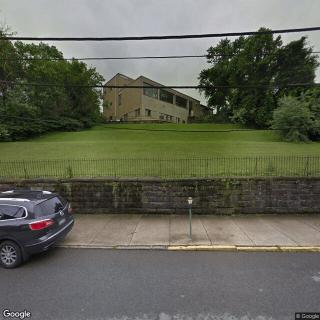
120 Sixth Street, Mc Keesport, PA 15132
For more information about senior living options: (866) 208-4318
Mckeespointe Lodge Costs & Pricing
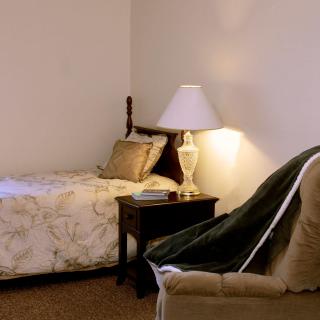
Mckeespointe Lodge offers elevated care options with pricing that reflects its comprehensive services and amenities. For a semi-private room, residents can expect to pay $4,800 per month, which is notably higher than the average costs in Allegheny County at $3,166 and Pennsylvania as a whole at $3,542. Similarly, the private rooms at Mckeespointe Lodge are available for $5,300 monthly, surpassing both county and state averages of $3,905 and $4,890 respectively. These figures suggest that while Mckeespointe Lodge may present a premium cost compared to other senior living facilities in the region, it likely emphasizes quality care and comfort tailored to meet the needs of its residents.
| Floor plans | Mckeespointe Lodge | Allegheny County | Pennsylvania |
|---|---|---|---|
| Semi-Private | $4,800 | $3,166 | $3,542 |
| Private | $5,300 | $3,905 | $4,890 |
Assisted Living communities with a similar price nearby
-
from -$240 / mo

Mt. Assisi Place
$4,560 / month14.8 miles away -
from -$180 / mo
Concordia Of Fox Chapel
$4,620 to $5,760 / month15.9 miles away -
from +$400 / mo
Anthology Of Mc Candless
$5,200 to $7,400 / month17.1 miles away -
About the same

Brookdale Latrobe
$4,860 to $9,740 / month24.8 miles away -
from +$495 / mo
Arden Courts Of North Hills
$5,295 to $6,400 / month16.4 miles away
Overall Review of Mckeespointe Lodge
Cons
 The facility smells like a toilet that has never been flushed.
- Care is horrid and the food is horrible.
- What’s on the menu is not what residents get.
- People should never let anyone they love live there.
- The reviewer suggests checking the state's citations against the facility.
- There is little to no care given to residents.
- The staff is constantly on their cell phones and the place is loud.
Review
McKeespointe Lodge in McKeesport, PA is clearly not a match for seniors who require dependable daily care, clean surroundings, and truthful, consistent meals. In practical terms, this community is best avoided by families prioritizing dignity and safety. With only two reviews on record and both rating it 1 star, the evidence points to a facility that struggles to meet basic expectations. The impression left is of a place where frail residents could be left underserved, and where choosing alternatives can meaningfully reduce risk. This is a setting that should be considered only if there are absolutely no other viable options in the area.
The most immediate red flags are cleanliness and basic caregiving. One reviewer described the environment as smelling like a toilet that hasn’t been flushed, a statement that signals serious hygiene issues. Care quality is labeled as horrid, with claims that staff do not meaningfully engage with residents and that assistance is insufficient. Food and nourishment appear to be significant problems as well, including a mismatch between what is on the menu and what residents actually receive. When meals are unreliable and environments smell, the risk of dehydration and malnutrition rises, especially for those who depend on others for assistance with eating and medication management. The tone of the reviews also suggests lax supervision, with comments about staff being absorbed by personal phone use and the atmosphere being permissive about inattentive care.
From a practical standpoint, there are essentially no redeeming positives cited in the feedback, which makes the cons hard to offset. A facility’s value proposition for an assisted living setting hinges on reliable staff presence, clean spaces, predictable meals, and respectful, consistent care. When those basics are absent or questionable, the few potential positives, such as lower cost, location convenience, or simple room options, do not compensate for ongoing neglect, substandard nutrition, and questionable regulatory compliance as suggested by the mention of state citations. The absence of favorable observations in the reviews means families cannot count on an implied upside or a turning point that could justify moving a loved one into this environment.
The risk profile here is substantial. Hygiene lapses and odor point to broader sanitation problems that could affect residents with respiratory or skin sensitivities, frailty, or chronic conditions. Inadequate supervision often correlates with missed cues for deterioration in health, medication errors, or insufficient assistance with activities of daily living. The reference to state citations raises the specter of potential regulatory concerns that families should verify independently before considering any admission. In short, the likelihood of experiencing avoidable complications appears higher than at well-regarded peers in the region, making due diligence essential for any decision-maker.
For families weighing options in the McKeesport area, the prudent path is to schedule thorough visits to competing communities that have verifiable strengths in staffing, cleanliness, and meal quality. Request to see recent inspection reports, ask about staff-to-resident ratios during peak hours, and observe interactions with residents. Verify menus, food delivery practices, and whether residents have input into meal choices. Speak with current residents and family members when possible to gauge daily living conditions, routine, and responsiveness. And compare these insights against facilities with recent positive experiences, strong dietary programs, and transparent governance. The goal is to avoid committing resources to a place where the foundational elements of care appear compromised.
Ultimately, the landscape in which McKeespointe Lodge operates does not support confident placement for most seniors seeking assisted living. Given the two 1-star reviews, the lack of evident strengths, and the palpable concerns around cleanliness, care quality, nutrition, and staff attentiveness, strong caution is advised. If any option in the area is viable, it should be pursued first. Only after exhausting alternatives, and only with robust, verifiable evidence of improvement, should a family consider re-evaluating this particular community. The verdict is clear: prioritize other facilities that can deliver consistent, respectful, and reliable care.
 77 resident community capacity
 Assisted Living
 Air-conditioning
 Beauty salon
 Cable or satellite TV
 Computer center
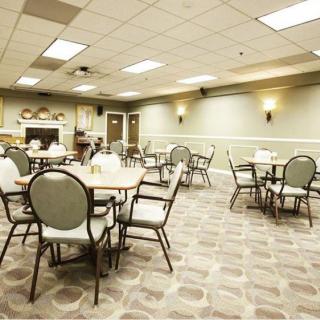
 Dining room
 Fitness room
 Fully furnished
 Gaming room
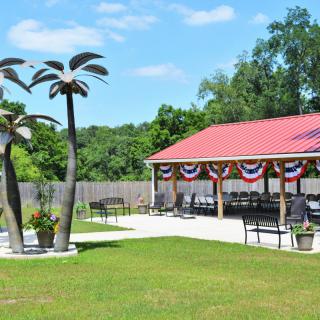
 Garden
 Housekeeping services
 Kitchenette
 Move-in coordination
 Outdoor space
 Private bathrooms
 Restaurant-style dining
 Small library
 Telephone
 Wellness center
 Wi-Fi/high-speed internet available
 Pittsburgh International (22 miles away)
 Community operated transportation
 12-16 hour nursing
 24-hour call system
 Activities of daily living assistance
 Assistance with bathing
 Assistance with dressing
 Assistance with transfers
 Diabetes diet
 Medication management
 Mental wellness program
 Special dietary restrictions
 Concierge services
 Planned day trips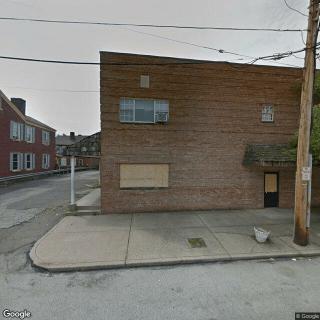
 Affordable pricing for the area with multiple care options (assisted, independent, memory care) and on-site diabetic care.


 A Detailed Exploration of Assisted Living Medicaid Waivers Across the United States
 Comprehensive Residential Support and Assisted Living Solutions for Individuals with Disabilities
 Comprehensive Supportive Living Arrangements for Adults with Disabilities