
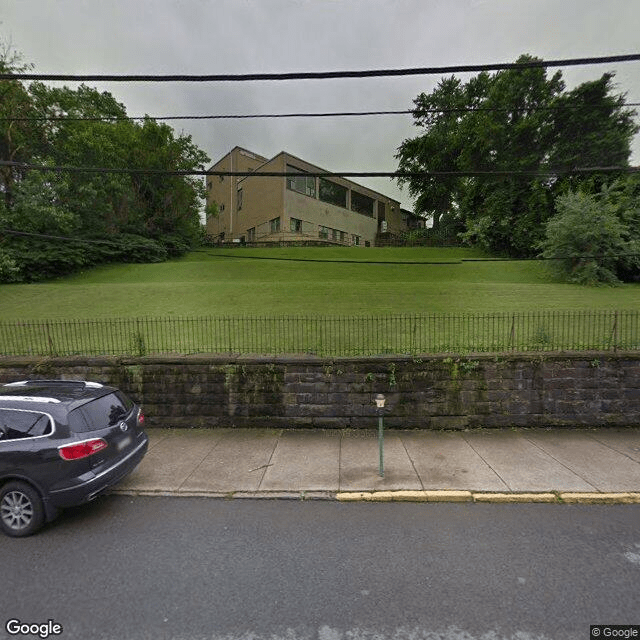
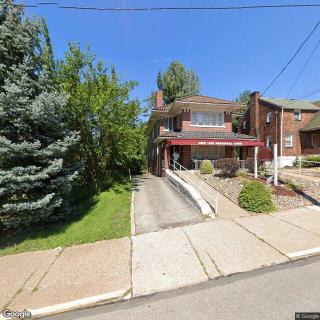
1000 5th Ave, Mc Keesport, PA 15132
To contact a resident: (412) 672-8588
For more information about senior living options: (866) 208-4318
Overall Review of St. Lufthild House
Pros
 The place is great.
- It is a decent place when placement is needed.
- Ray's heart is in the right place and he's a good guy.
- The staff are trying their best.
- There are some nice people there.
- Alberta and Ray have been in operation for many years.
Cons
 They say the place needs to be shut down.
- They describe the property as horrible and a joke.
- They report a bed bug infestation, with bites that became infected.
- They state there is a roach and mouse problem, including catching seven mice on a sticky trap and seeing another soon after.
- They claim the facility should not be a boarding house and compare it to a mental institution with many tenants who use drugs.
- They describe the place as rundown and filthy, with halls that reek of urine.
- They warn that if rent isn’t paid, meals will be withheld and laundry access denied.
- They say it’s not a place for mentally sound people to live and that some residents are frightening.
- They caution that there are pedophiles present and a bad atmosphere for children.
- They note that management is ineffective, with owners often tying the staff’s hands.
Review
St. Lufthild House is best suited for adults who must accept a very low-cost housing option and can tolerate a chaotic, minimally supervised environment. The property operates in a boarding-house mode with a mix of tenants and inconsistent oversight, making it workable only for those whose care needs are light and whose primary priority is affordability over safety, cleanliness, or regulated services. The practical takeaway is clear: this is not a facility designed around reliable routines, medical oversight, or formal assisted living standards. For families seeking a predictable, well-maintained setting with consistent tenant protections, this is not the place to pin hopes on.
Those considering alternatives should look elsewhere if safety, cleanliness, and structured support are non-negotiable. Several reviewers flag a hostile or unpredictable atmosphere, the presence of behavioral-health tenants, and residents who may be struggling with substances. The consensus is that this environment is not appropriate for children or anyone requiring stable supervision. Prospective residents who expect formal staff supervision, routine housekeeping, and a clean, safe common area will likely be disappointed. For seniors or adults with moderate care needs, the lack of regulated oversight should steer families toward licensed facilities or vetted adult-care options.
The few perceived positives do not meaningfully offset the most troubling cons. A handful of accounts praise staff effort or a sympathetic owner, yet those gestures repeatedly collide with pervasive problems: bed bugs, roaches, mice, and halls that feel unclean. Odors, infestations, and sporadic maintenance undermine daily living in a way that cannot be dismissed as cosmetic. The reality that some tenants can stay regardless of issues, while others face eviction when rent is unsettled, speaks to a fragile stability many families will find unacceptable for long-term residency. In short, minor levers of benevolence cannot compensate for health and safety risks.
If exploring this option, rigorous due diligence is essential. Prospective residents should demand current pest-control records, recent cleaning schedules, and a clear, enforceable plan for ongoing maintenance. Verify licensing status, inspection history, and any formal complaints. Speak with several current tenants to gauge day-to-day living conditions, then tour at different times to observe noise, cleanliness, and staff responsiveness. Clarify what services are included in the rent, what help is available for meal preparation, laundry, and laundry, and who is responsible for urgent repairs. The objective is to separate genuine, accountable care from a reliance on goodwill that has proved unstable in practice.
For families weighing choices, concrete alternatives exist that better align with safety, stability, and dignity in aging or disability care. Licensed assisted living, where oversight, medication management, and emergency protocols are standardized, typically offers far stronger protections and consistent routines. Adult foster-care settings with trained caregivers can provide more predictable environments than a boarding-house model. If budget constraints are real, engage local aging services or funding sources to identify subsidized or lower-cost options with verifiable quality metrics. In most cases, moving toward a higher-regulation setting will deliver measurable benefits in safety, health, and peace of mind.
Ultimately, St. Lufthild House is not a strong choice for long-term residency when safety, cleanliness, and dependable care are the priorities. It may serve as a last-resort stop only for adults without acute care needs who can tolerate significant upkeep challenges and a high-traffic, inconsistent atmosphere. For families with seniors, or any resident requiring reliable supervision, this community should be crossed off the short list in favor of better-regulated alternatives. The prudent path is to prioritize facilities with transparent pest-control histories, stable staffing, and a track record of clean, safe environments, then reserve this option only for the most constrained, time-limited housing situations.
 Assisted Living
 Activities on-site
 Devotional services off-site
 Indoor common areas
 Pittsburgh International (22 miles away)
 Ambulatory care
 Diabetic care
 Meals provided



 An Extensive Exploration of the VA Aid and Attendance Benefit
 Senior Transition Services: Understanding Their Role, Cost, and Importance
 Exploring the Path to Senior Living: A Comprehensive Look at Independent Living and Assisted Living