
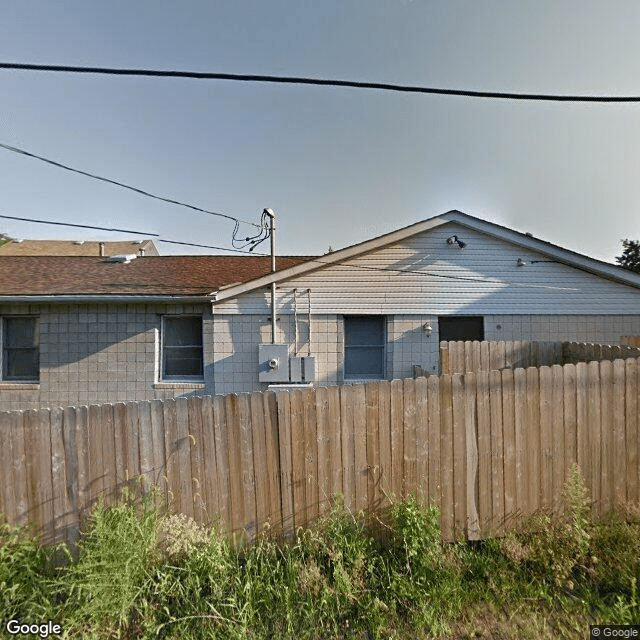
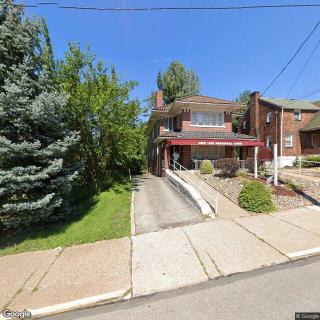
1318 Arch Street, Mc Keesport, PA 15132
To contact a resident: (412) 672-5212
For more information about senior living options: (866) 208-4318
Quiet Ridge Manor Costs & Pricing
At Quiet Ridge Manor, the costs for accommodations reflect a range that can be notably competitive compared to Allegheny County and the broader Pennsylvania averages. For semi-private rooms, residents can expect to pay between $1,410 and $4,468, which is significantly lower than the county's average of $3,166. Studio apartments at Quiet Ridge range from $2,200 to $5,808 - again positioning it favorably when compared to the county's mean of $3,637. However, for those seeking a private room, while Quiet Ridge's standard rate is set at $5,361, it exceeds both the county's average of $3,905 and the state's average of $4,890. Overall, Quiet Ridge Manor offers a variety of options that cater to different budgets while still providing high-quality care in a supportive environment.
| Floor plans | Quiet Ridge Manor | Allegheny County | Pennsylvania |
|---|---|---|---|
| Semi-Private | $1,410 to $4,468 | $3,166 | $3,542 |
| Studio | $2,200 to $5,808 | $3,637 | $3,737 |
| Private | $5,361 | $3,905 | $4,890 |
Skilled Nursing Facilities with a similar price nearby
-
from -$763 / mo
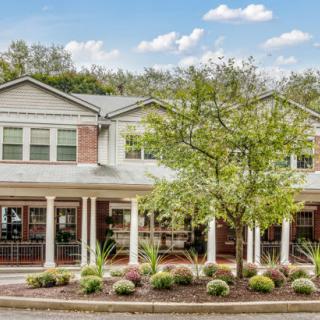
Juniper Village at Forest Hills
$3,705 to $7,360 / month5.6 miles away -
from -$468 / mo
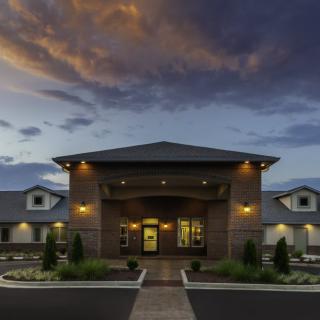
Whitetail Springs Transitional Assisted Living and Memory Care Community
$4,000 to $5,600 / month7.5 miles away -
from -$374 / mo

Locust Grove
$4,094 to $5,400 / month3.0 miles away -
from -$578 / mo
Juniper Village at Monroeville
$3,890 to $8,750 / month7.6 miles away -
from -$473 / mo
The Sheridan at Bethel Park
$3,995 to $6,695 / month8.7 miles away
Overall Review of Quiet Ridge Manor
Pros
 The staff care about the residents.
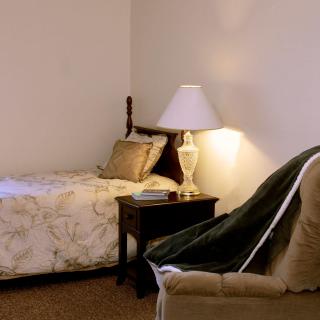
- The facility is nice and the rooms are decent.
- The place is clean and feels homey.
- There is a dedicated team of personal aides providing attentive care.
- The food is amazing and meals are well provided.
- Under new management, the facility is doing a wonderful job.
- The management has brought positive changes that improve the experience for residents.
- The facility is considered worth checking out for loved ones.
Cons
 The facility is not well-maintained or clean.
- The staff seem disengaged and lack passion for their jobs.
- Amenities are minimal, with only a common TV area.
- There are no activities, and most residents do not want to participate.
- A private bathroom costs extra, while a community bathroom is the alternative.
- The facility is described as HORRIBLE, with bed bugs, awful management, and chronic understaffing leading to minimal personal care.
- The staff are underpaid, and management speaks harshly to employees and some families.
- Residents are not well cared for, raising safety concerns.
- A resident was left sitting in a saturated diaper and not fed.
- There are serious safety deficiencies: doors are accessible to residents, with no call bell or camera system, and there is no nurse on duty at times.
- Sleeping pills are given at dinner, and the owner only visits briefly.
- The owner defends staff and discourages questions from families, indicating poor communication.
Review
Quiet Ridge Manor is best suited for families seeking a small, home‑like assisted living experience where warmth, routine, and attentive caregiving can be the centerpiece of daily life. This community appears most compatible with residents who value a personable staff, clean surroundings, and dependable daily services over highly specialized medical programming. For seniors who thrive in a compact, neighborly setting and who don’t require around‑the‑clock clinical oversight, Quiet Ridge Manor can deliver a comforting, manageable environment. Those centering their search on robust safety systems, consistent high staffing, or dementia‑specific protocols should consider alternatives that focus more intensively on medicalized care and risk management.
On the plus side, reviewers repeatedly highlight a well‑kept, comfortable atmosphere and a visible emphasis on resident well‑being. The care team is described as approachable and genuinely invested in residents’ comfort, with families noting improvements in administration and oversight under new ownership. Residents’ meals and daily routines are frequently framed as reliable and pleasant, contributing to a sense of home rather than institutional living. In a market crowded with impersonal footprints, Quiet Ridge Manor’s strength lies in its ability to project a calm, resident‑centered vibe and to respond when families raise questions about care quality.
Yet the upside is contrasted by a durable set of red flags raised by other families. Several reviews describe serious safety and care concerns, including reports of understaffing, inconsistent supervision, and tensions between staff and families that erode trust. Some families allege limited visibility into caregiving processes, insufficient response to resident needs, and troubling experiences that suggest mistreatment or neglect. Safety gaps, such as doors that are not adequately controlled, calls for assistance that go unanswered, and dementia‑specific supervision that feels lacking, have been troubling enough to color overall perceptions, even as other families express relief and gratitude for improved management.
The key value proposition, that a clean, cheerful, and responsive environment with dedicated aides can offset the downsides, holds true only to the extent the community sustains staffing levels, transparent communication, and consistent routines. When administration is engaged and turnover is low, the homey feel and dependable services become genuine strengths, alleviating families’ worries about daily logistics. However, when safety lapses or miscommunications recur, the same pros lose traction quickly. Pros offset the main cons most effectively for residents who can do with predictable schedules, clear care plans, and steady interpersonal contact with staff; they offset less well for those whose needs demand rigorous safety protocols and proven event‑driven responsiveness.
For families evaluating alternatives, the loudest signal is risk versus reassurance. If a loved one requires intensive medical attention, complex memory care, or 24/7 nursing supervision, Quiet Ridge Manor may prove insufficient without external supports. Prospective residents who place a premium on consistent activity programming and robust safety measures should compare with larger communities that offer structured dementia units, higher staff-to-resident ratios, and visible safety infrastructure. In short, Quiet Ridge Manor can be an excellent fit for a certain slice of the assisted‑living population, those who prize a homey atmosphere and reliable daily care when accompanied by an active investigation into current staffing and safety practices.
Practical steps to decide decisively include a fresh, hands‑on visit focused on real‑time operations: observe staff interactions with residents, request a current staffing schedule, and ask for specific examples of daily care plans and incident follow‑ups. Review the latest state inspection reports and ask to see recent internal quality metrics, including response times to call bells and the handling of any resident safety concerns. Meet with the administrator to gauge transparency and accountability, and talk with current residents or families about everyday experiences, not just standout moments. Finally, insist on seeing proof of ongoing improvements and asking for a concrete plan if any gaps in safety or care reappear. Only with current, verifiable conditions can families determine whether Quiet Ridge Manor’s strengths truly align with their loved one’s needs, or whether alternative communities offer a more consistently reliable platform for care and peace of mind.
 42 resident community capacity
 Assisted Living
 Respite Care
 Skilled Nursing Facility
 Activities on-site
 Beautician on-site
 Cable or satellite TV
 Devotional services off-site
 Dining room
 Fully furnished
 Garden
 Guest parking
 Housekeeping services
 Indoor common areas
 Kitchenette
 Laundry
 Move-in coordination
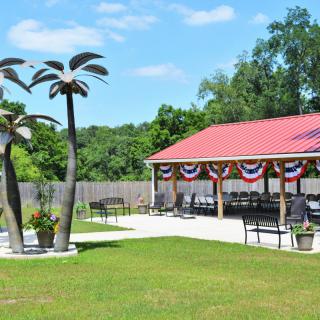
 Outdoor space
 Overnight guests
 Party space
 Restaurant-style dining
 Small library
 Telephone
 VA Benefits Consultation
 Wheelchair accessible showers
 Wi-Fi/high-speed internet available
 Pittsburgh International (22 miles away)
 24-hour call system
 Ambulatory care
 Assistance with bathing
 Assistance with dressing
 Assistance with transfers
 Diabetes diet
 Diabetic care
 Hospice care
 Medication management
 Mental wellness program
 Physical therapy
 Psychiatric care
 Special dietary restrictions
 Arts and crafts
 Book club
 Educational speakers / life long learning
 Games
Games Live musical performances


 A Detailed Exploration of Assisted Living Medicaid Waivers Across the United States
 Comprehensive Residential Support and Assisted Living Solutions for Individuals with Disabilities
 Comprehensive Supportive Living Arrangements for Adults with Disabilities