

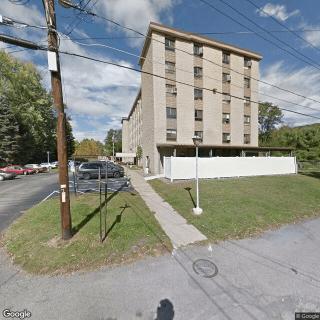
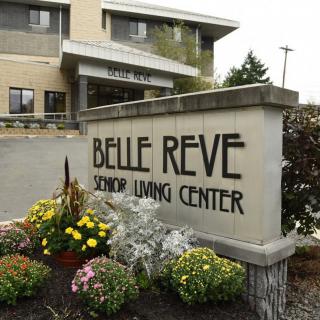
1319 Purdytown Turnpike, Hawley, PA 18428
To contact a resident: (570) 253-1400
For more information about senior living options: (866) 208-4318
Overall Review of Caregivers America
Pros
 Miguel saved the speaker's life.
- Allie is an excellent physical therapist who boosted the speaker's confidence and reduced fears of walking again.
- Allie is extremely gentle and very respectful, and she includes family members who are helping at home.
- The patient would request Allie again for future surgeries.
- The family found their current caregiver to be excellent and making a difference, and they greatly appreciate her.
- The patient expressed heartfelt gratitude for Allie's care.
Cons
 The company is accused by a current employee of exploiting payments for disabled relatives and is advised to stay away.
- The agency is criticized for frustrating, unresponsive communication and failing to reply to inquiries about a home health aide.
- It is described as dishonest and disrespectful, with allegations that staff steal items and that background checks are insufficient.
- Scheduling is mismanaged; the office closes, hours aren’t reliably covered, and two-week notices are not effectively handled.
- There are concerns that thorough background checks are not conducted and staff may have undisclosed issues.
- Temporary caregivers are often unprofessional and unqualified, leaving the home poorly kept and the care inadequate.
- Management is seen as uncaring and unresponsive, with a lack of follow-up and accountability.
Review
Caregivers America in Hawley is best suited for families who are willing to invest time and effort into actively supervising care, and who can tolerate staffing variability in exchange for the possibility of landing a few exceptionally capable aides. When a client secures a steady, skilled caregiver, someone who communicates well, respects boundaries, and demonstrates genuine competence, the results can be meaningful: safer daily routines, improved mobility, and greater confidence for both the client and family members involved. The agency’s strongest value emerges in those moments when a long-tenured, professional caregiver is paired with a determined family that stays engaged. In that light, the setting rewards persistence and selective pairing more than broad assurances.
Those who should consider alternatives are families who cannot tolerate inconsistent communication, frequent no-shows, or variable substitute coverage. The most persistent thread in the reviews is a pattern of unreturned calls, delayed responses, and scheduling gaps, especially when a regular aide is unavailable. There are also serious safety concerns raised by claims of theft and questionable background checks, alongside reports of unprofessional substitutes who do little more than occupy the client’s time. For households with high care needs, or for seniors who rely on punctual, reliable visits every day, the risk of coverage gaps and management latency makes other agencies a more reliable choice.
The positive experiences with specific caregivers illustrate the agency’s potential to deliver high-impact care. When a primary aide is well-matched to the client, demonstrating attentiveness, dependable presence, and respectful family involvement, care goals can be met and even exceeded. Instances of excellent physical therapy engagement, with therapists who push for progress and respect boundaries, reinforce that skilled professionals can drive real improvement. However, these wins tend to be unevenly distributed across staff and shifts, underscoring a fundamental imbalance between what the agency can achieve in ideal situations and what families must endure in the broader staffing network.
The predominant drawbacks revolve around process and consistency. Families repeatedly report poor outreach when substitutions are needed, forcing them to chase updates and second-guess coverage. A lack of proactive management oversight creates a reactive environment where families become de facto supervisors, a situation untenable for long-term care. Replacement caregivers frequently arrive with limited preparation, and the home atmosphere can suffer when substitutes are unprofessional or distracted. The recurring theme is a system that struggles to verify performance, align on expectations, and ensure continuous, dignified care across all visits.
Guidance for families navigating this option should center on securing firm, written safeguards before enrollment. Demand a dedicated supervisor who oversees scheduling, a guaranteed backup plan for missed or off-shift visits, and a transparent replacement policy that preserves continuity. Require comprehensive background checks, verifiable references, and a clear escalation path for concerns. Implement a short, formal trial period to assess reliability, communication, and alignment with care goals, paired with scheduled management check-ins. If a provider cannot commit to these controls or if responsiveness does not improve, pivot to alternatives with a track record of steadier oversight.
Bottom line: Caregivers America can be a viable choice for families who are prepared to stay involved and to demand strict governance, especially when a skilled caregiver is already in place. The opportunity to secure exceptional care exists, but it hinges on proactive supervision, consistent staffing, and a willingness to switch providers when standards slip. For families prioritizing dependability, clear communication, and steady, professional coverage, exploring alternatives with stronger oversight is the prudent, less risky path.







 Home Health Care Aides: Understanding Their Role and Supporting Your Family
 Urinary Tract Infections in Older Adults: Comprehensive Insights on Symptoms, Treatment, and Prevention
 California's Form 602A: An In-Depth Examination of Senior Care Assessment