
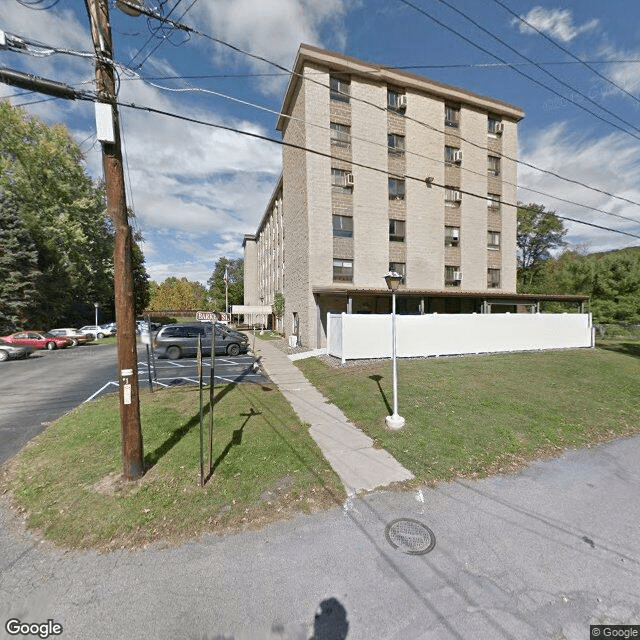
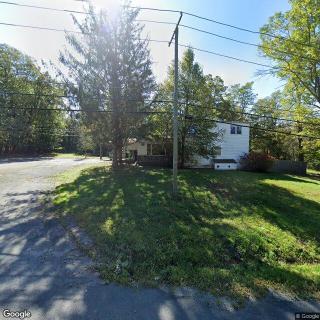
615 Barker St, Hawley, PA 18428
To contact a resident: (570) 226-3200
For more information about senior living options: (866) 208-4318
Barker Street Apartments Costs & Pricing
Barker Street Apartments offers a competitive monthly rate of $3,400 for private rooms, positioning itself slightly below the average cost in Wayne County, which stands at $3,467. This provides potential residents with a more affordable option while still benefiting from the amenities and environment that Barker Street fosters. When compared to the broader state average in Pennsylvania of $4,890, it becomes evident that Barker Street Apartments presents an attractive value proposition for individuals seeking quality accommodations without straining their budget too heavily. Overall, this pricing strategy underscores Barker Street's commitment to providing accessible living options within a desirable locality.
| Floor plans | Barker Street Apartments | Wayne County | Pennsylvania |
|---|---|---|---|
| Private | $3,400 | $3,467 | $4,890 |
Overall Review of Barker Street Apartments
Pros
 The apartment building is clean.
- It is a nice place with six floors and friendly residents.
- Everyone is following COVID distancing.
- The HUD house is clean.
- A gameroom reopening would let residents enjoy Yahtzee with friends.
Cons
 The review expresses disappointment that the gameroom is closed.
- The review describes some residents using negative terms.
Review
Barker Street Apartments in Hawley, PA is best suited for seniors seeking affordable, low-maintenance apartment living rather than a full-spectrum assisted-living experience. The building presents a straightforward, clean, six-story environment where residents largely manage their own routines, with social contact among neighbors rather than formal care programs. It works well for families that want a practical, predictable living setup in a small-town setting, where independence is respected and daily life is kept simple.
Conversely, this community is less appropriate for anyone needing daily meals, medication reminders, mobility support, memory care, or 24/7 supervision. The on-site services are not front-and-center, and social programming beyond informal gatherings can be limited. While residents may come across as friendly, there is no dedicated care staff embedded in the daily routine, which means safety oversight and timely assistance aren’t guaranteed. For families requiring ongoing caregiving or structured activity schedules, stronger alternatives will deliver more comprehensive support.
The strongest pros, cleanliness, a no-fruss environment, and a clear, navigable layout, do offset some concerns for those prioritizing independence. A well-kept building and a stable, neighborly atmosphere can provide peace of mind, especially for residents who can self-manage most needs and still enjoy casual social interactions. The six-floor structure may offer ample opportunities to meet peers and maintain a sense of community. Yet the main drawbacks remain meaningful: the absence of on-site care, and social spaces that aren’t guaranteed to be open or actively staffed, which can dampen engagement for residents craving routine group activities.
From a practical standpoint, cost and housing type matter. The mention of a HUD-like designation suggests income-based or subsidized housing, which can keep rents accessible but requires careful verification of what is included in the lease. Prospective renters should confirm utilities, maintenance fees, and the exact scope of services, as well as how emergency responses, safety features, and accessibility components function day-to-day. The six-story design underscores the need for reliable elevator service, clear pathways, and accessible common areas, all of which factor into ongoing comfort and safety for an aging resident.
Before committing, families should press for specifics: on-site staff presence (hours and duties), meal options or in-unit cooking capabilities, medication management protocols, and concrete safety features (emergency call systems, grab bars, accessible bathrooms, security). Clarify whether structured activities exist beyond informal socializing and whether the gameroom or other activity spaces operate regularly. In addition, obtain clear lease terms, renewal conditions, and what happens if care needs escalate. Ask about guest policies and whether outside caregivers can provide in-home services, plus transportation options for appointments. These questions reveal whether Barker Street can sustain a loved one’s ongoing independence or if a transition to a care-focused community is warranted.
In the final assessment, Barker Street Apartments fills a distinct niche: an affordable, independent living option with a clean environment and neighbor-driven social potential. It suits seniors who can manage daily life with minimal assistance and who value a modest, low-stress residence and casual peer connection. For families facing evolving care needs, where meals, medication support, or memory-care supervision become essential, this is not the right setting, and a move to an assisted living or memory-care-focused facility should be pursued. If independence with light social engagement aligns with budget and expectations, a thorough tour and structured questions will determine whether this community can deliver a stable, comfortable home.
 Independent Living



 Understanding the Full Cost of 24/7 In-Home Care: A Detailed Overview
 Exploring the World of Home Health Nurses: Qualifications, Roles, and Hiring Tips
 Navigating Medicare Coverage for In-Home Care Services