For more information about senior living options: (866) 208-4318
3.9 from 42 reviews
5 stars
27
4 stars
3
3 stars
0
2 stars
4
1 stars
8
Overall Review of Ellen Memorial Health Care Center
common23 reviews mention this
Care staff are often praised
Residents and families frequently describe staff as kind, attentive, and helpful.
A large share of reviewers focus on day-to-day interactions, saying staff members are polite, friendly, and responsive. Several families also describe frequent updates and quick help when call buttons are used. Even among more critical reviews, there are acknowledgments that some staff members are caring or go out of their way, though others report gaps in attention.
differentiator10 reviews mention this
Memory care gets specific attention
Residents in memory care and related supportive services are a central focus in reviews.
Reviewers who mention dementia or memory care describe ongoing reassurance about well-being and care. Others talk about skilled nursing-style support, including therapy involvement such as PT/OT/speech, and daily assistance needs. A few negative reviews raise concerns about wound care and whether certain therapy or follow-up was handled consistently, including examples from inpatient physical therapy stays.
caveat7 reviews mention this
Dining quality is a mixed point
Food quality is inconsistent across reviews, with both praise and strong complaints.
Some families report that meals are good or that their loved one likes the food, and they describe daily meal service. Others are much less satisfied, calling meals cold or unappealing, describing issues with the way food is prepared, and saying supper quality is poor. There are also severe comments in a couple of reviews about food handling and overall dining experience.
common5 reviews mention this
Activities show up in daily life
Residents and visitors commonly mention activities and engagement.
Several reviewers describe daily activities and an activities team that works to engage residents. Entertainment is mentioned more than once, including music or guitar sessions that residents reportedly enjoy. One critical review contrasts that by saying there aren’t enough stimulating activities, especially in the evening.
caveat8 reviews mention this
Rooms and atmosphere vary
Many reviewers comment on room condition, from homey to outdated.
Some reviews describe the facility as clean and say the decor feels home-like. Others report that rooms are outdated or in need of attention, and at least a few mention cleanliness concerns in hallways or rooms. A couple of reviews also include practical comfort issues, like seating or wheelchair time, suggesting room setup and comfort can affect the experience.
How we summarize
Counts show how many written reviews mention each theme; a review can touch several themes, and only frequently mentioned themes are displayed.
Features
Housing
128 resident community capacity
Types of Care
Memory Care
Skilled Nursing Facility
Amenities
Air-conditioning
Beauty salon
Cable or satellite TV
Computer center
Dining room
Fitness room
Fully furnished
Gaming room
Garden
Housekeeping services
Kitchenette
Move-in coordination
Outdoor space
Private bathrooms
Restaurant-style dining
Small library
Telephone
Wellness center
Wi-Fi/high-speed internet available
Transportation
Community operated transportation
Transportation arrangement
Transportation arrangement (non-medical)
Transportation to doctors appointments
Care Services
12-16 hour nursing
24-hour call system
24-hour supervision
Activities of daily living assistance
Assistance with bathing
Assistance with dressing
Assistance with transfers
Diabetes diet
Meal preparation and service
Medication management
Mental wellness program
Mild cognitive impairment
Special dietary restrictions
Specialized memory care programming
Dining
Diabetes diet
Special dietary restrictions
Activities
Community-sponsored activities
Concierge services
Fitness programs
Planned day trips
Resident-run activities
Scheduled daily activities
Nearby Places of Interest
Places of Worship
LDS Church (0.7 miles)
Child Evangelism Fellowship (2.1 miles)
Camp Ladore (6 miles)
Beach Lake United Methodist Church (6.5 miles)
Wallenpaupack FM Church (9 miles)
The Hub (9 miles)
First Presbyterian Church of Hawley (9.2 miles)
Physicians
Mountain Laurel Surgery Center (0.9 miles)
Honesdale Family Health Center (0.9 miles)
Wayne Physiatry (0.9 miles)
Pediatric practices (0.9 miles)
Pediatric Practice (0.9 miles)
Pediatric Practices of Northeastern PA (0.9 miles)
Highland Physicians (0.9 miles)
Hospitals
Da Vita (0.9 miles)
DaVita Honesdale Dialysis Center (0.9 miles)
Maxis Health System (11.3 miles)
Moses Taylor Regional Dialysis System (11.7 miles)
Ellen Memorial Health Care Center's range of tailored services is designed to enhance the quality of life for residents with dementia and Alzheimer's disease. Assistance with dressing and bathing helps maintain personal hygiene and dignity, while meal preparation and service ensure that nutritional needs are met in a way that is both appealing and safe. Medication management reduces the stress on residents and their families by ensuring timely and accurate adherence to prescribed treatments. Support with activities of daily living fosters independence, allowing residents to engage in familiar routines, while assistance with transfers promotes mobility, reducing the risk of falls. The 24-hour supervision provides a sense of security for both residents and their families, reassuring them that help is always available. Additionally, the implementation of a mental wellness program addresses cognitive health through social engagement and stimulation, while specialized memory care programming caters specifically to the unique challenges faced by individuals at various stages of cognitive decline. Together, these features create a supportive environment conducive to preserving dignity, fostering connections, and enhancing overall well-being for those affected by memory impairments.
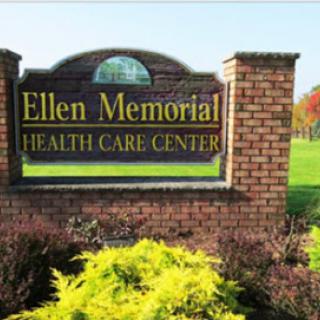
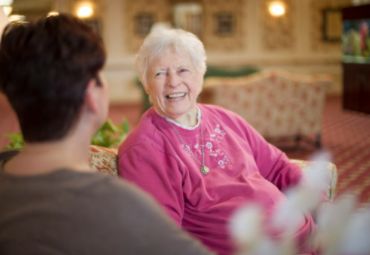
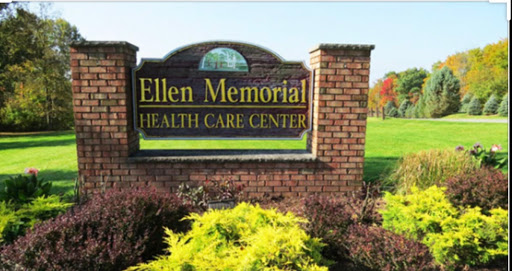
Ellen Memorial Health Care Center on seniors.fyi includes 5 photos including images showing interior, exercise, wheelchair, rehabilitation, outdoor, and more.
Nearby Communities
Phillip's Cozy Corners Care Hm
Honesdale, PA
Warm, social environment with specialized diabetic care and nearby amenities.
Bethany Village Inc
Bethany, PA
4.3 from 12 reviews
Well-kept, welcoming facility with caring staff and engaging activities.
Manor at Waymart
Waymart, PA
$2,097 to $3,087 / month
Competitive pricing below county/state averages with multiple on-site amenities (beautician, activities, devotional services) and accessible care.
Wayne Woodlands Manor
Waymart, PA
4.1 from 18 reviews
Beautiful, clean facility with friendly staff, spacious home-like rooms, and pleasant surroundings.
Mallard Meadows Residential Healthcare Center
Waymart, PA
4 from 2 reviews
Warm, caring staff and engaging activities in a welcoming setting.
Barker Street Apartments
Hawley, PA
3.4 from 7 reviews
$3,400 / month
Affordable rate below county/state averages; peaceful location near parks, dining, and worship.
Carbondale Nursing and Rehabilitation Center
Carbondale, PA
4.2 from 26 reviews
Clean, well-maintained facility with 24-hour nursing care and engaging activities.
Elan Gardens, Inc.
Clarks Summit, PA
4.5 from 36 reviews
$4,244 to $4,764 / month
Attentive staff with engaging activities in a clean, welcoming, home-like setting.
Delirium is a rapidly onset, reversible cognitive disturbance often caused by acute medical issues, while dementia is a gradual and irreversible decline due to chronic neurodegenerative diseases. Accurate differentiation between the two is essential for appropriate treatment and management in older adults.
Dementia, including Alzheimer’s disease, is often mischaracterized in terms of lethality as it leads to complications that can be fatal rather than being a direct cause of death; it causes a progressive decline in cognitive and physical health, making patients vulnerable to infections and other health crises. Effective management of nutrition, hydration, and communication is crucial in patient care, with palliative care becoming vital in advanced stages to enhance comfort and quality of life while caregivers play a key role amidst the challenges posed by the disease.
Reminiscence therapy helps individuals with dementia recall past memories through structured discussions and meaningful objects, enhancing mood, relationships, and sense of identity while celebrating their lives. It can be practiced in formal settings or at home, requiring sensitivity to personal histories and cultural backgrounds.
Get PricingAsk A QuestionSchedule A TourContact Senior Advisor
By clicking submit, you agree to our Partner's Terms of Use. You
also consent to receive calls and texts, which may be autodialed, from our Partner. Your consent is not a condition to
using our Partner's service. Please visit our Partner's Privacy Policy for information about their privacy practices.




 128 resident community capacity
 Memory Care
 Skilled Nursing Facility
 Air-conditioning
 Beauty salon
 Cable or satellite TV
 Computer center
 Dining room
 Fitness room
 Fully furnished
 Gaming room
 Garden
 Housekeeping services
 Kitchenette
 Move-in coordination
 Outdoor space
 Private bathrooms
 Restaurant-style dining
 Small library
 Telephone
 Wellness center
 Wi-Fi/high-speed internet available
 Community operated transportation
 12-16 hour nursing
 24-hour call system
 Activities of daily living assistance
 Assistance with bathing
 Assistance with dressing
 Assistance with transfers
 Diabetes diet
 Medication management
 Mental wellness program
 Special dietary restrictions
 Concierge services
 Planned day trips
 Warm, social environment with specialized diabetic care and nearby amenities.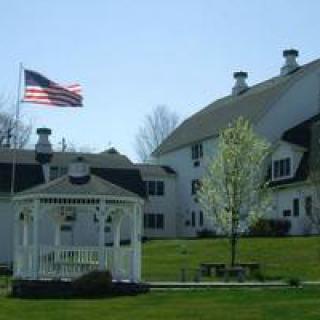




 Delirium and Dementia: Unraveling the Key Differences
 Are Dementia and Alzheimer's Disease Lethal? A Comprehensive Exploration
 Exploring the Power of Reminiscence Therapy for Individuals With Dementia