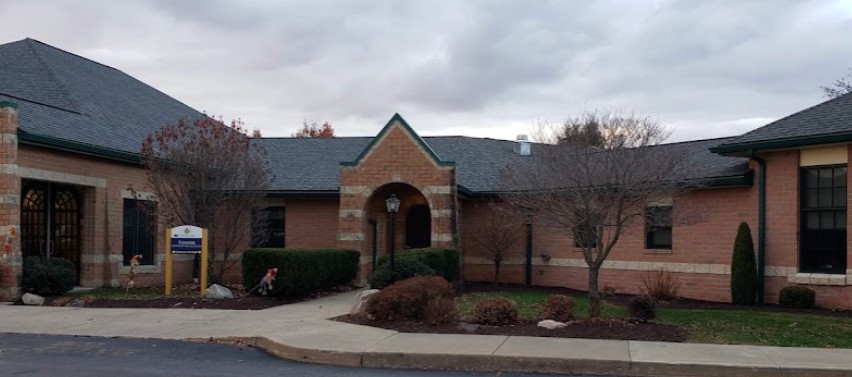
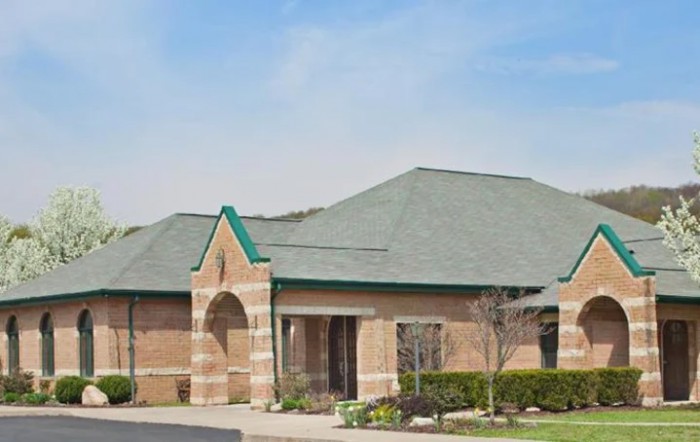



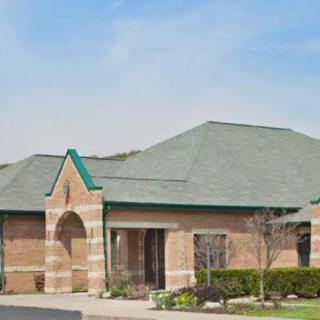
10 Hart Place, Carbondale, PA 18407
For more information about senior living options: (866) 208-4318
Overall Review of Carbondale Nursing and Rehabilitation Center
Pros
 The staff are very nice.
- They took very good care of a family member after a recent accident; the staff are kind and the facility is clean.
- The staff are friendly, the facility is clean, and the food looks good.
- They have shown professionalism and care for their mother.
- The facility is very nice with friendly staff and management.
- They took wonderful care of the grandmother during her short-term stay.
- The staff have given excellent care and kindness to their father, bringing him peace.
- They have quite a few activities.
Cons
 She was treated badly by nurses.
- They seem to be badly in need of more staff.
- There was a serious outbreak of infections and staff had no clue what infection control meant.
- In three days all residents were sick.
- The facility denied a patient's end-of-life wishes.
- The staff did not check in often unless prompted.
- The hallways can become crowded with residents in wheelchairs.
- The food was of poor quality.
Review
Carbondale Nursing and Rehabilitation Center is best suited for families that need reliable, medically oriented care with strong nursing leadership and active post-acute rehabilitation. The community operates with a cadre of nurses, aides, and physicians who have repeatedly demonstrated life-preserving competence and bedside kindness. For loved ones requiring 24-hour nursing oversight, clear updates, and steady access to rehabilitation services, this facility offers a practical, capable environment. It suits residents who benefit from a clean campus, routine physician involvement, and a staff that can deliver attentive care during a short-term stabilizing stay or ongoing medical support.
That said, this is not the right choice for every family. Alternatives should be considered by those who prioritize flawless infection control and consistently low-stress staffing levels, because several reviewers flagged outbreaks and staffing gaps as significant concerns. End-of-life care choices and how those wishes are honored also came up in the feedback, indicating a need for direct conversations about those policies before making a commitment. The dining experience appears uneven, with some residents reporting acceptable meals and others calling food quality poor, which matters for daily life and overall satisfaction.
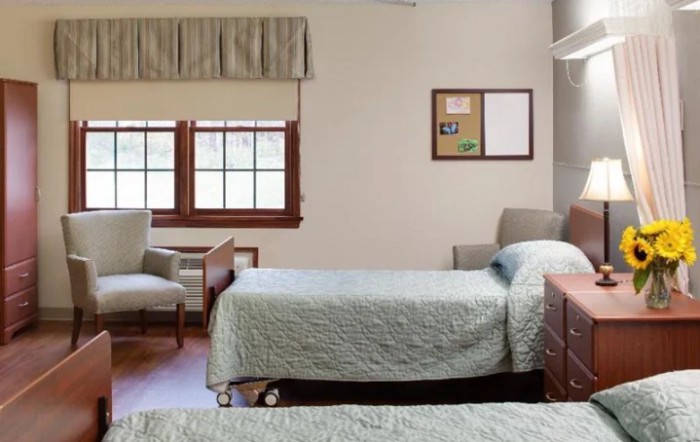
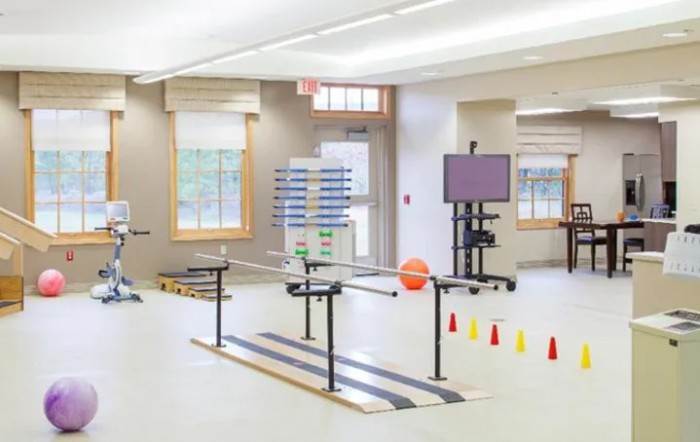
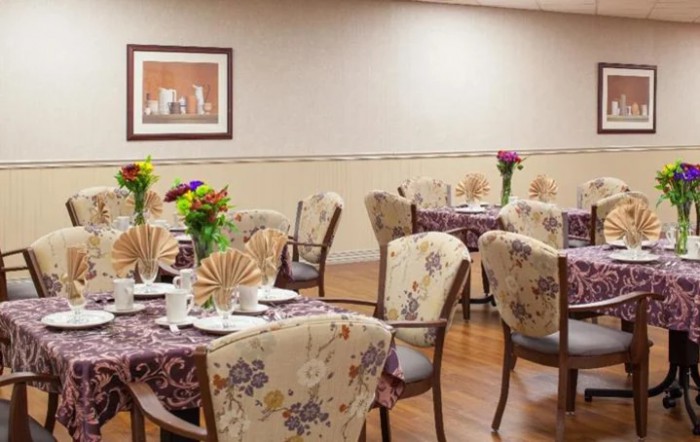
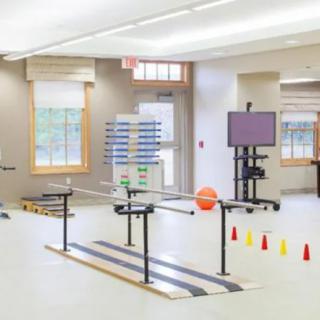
In practice, the strongest positives at Carbondale offset multiple drawbacks when the emphasis is on medical reliability and family-inclusive communication. Families repeatedly praised staff kindness and professionalism, citing nurses and aides who respond with genuine attentiveness and even life-saving care in critical moments. The facility’s cleanliness, well-maintained common areas, and accessible rehab spaces support meaningful recovery and comfort during longer stays. For residents who want ongoing 24-hour nursing coverage and a program of physical, occupational, and speech therapy, these core strengths translate into tangible daily advantages that can reduce anxiety for families worried about medical stability.
However, the main drawbacks temper those advantages. Staffing pressures can translate into slower response times, less proactive check-ins, and crowded corridors as residents move through the building in wheelchairs. Therapy sessions, while offered in a robust program, can feel rushed or impersonal when the center is at высокий throughput, which risks diminishing the perceived quality of rehab. The infection-control concerns raised by multiple reviews cast a shadow over otherwise solid medical care, suggesting a need for vigilant, demonstrable procedures and consistent staff adherence to hygiene practices. Perhaps most consequential, there are notes about end-of-life care or decision-making that did not align with every family’s expectations, underscoring the importance of clear, documented policies and conversations before admission.
For families weighing the decision, practical steps can sharpen the picture. Schedule a focused tour and observe daytime routines in both the nursing station and floors, paying attention to how quickly staff respond to calls and how often they check in without prompting. Ask for recent infection-control metrics, cleaning protocols, and specific staffing ratios during peak hours. Probe the dining program with a taste test and inquire about menu alternatives, portion sizes, and accommodations for special diets. Finally, review the facility’s approach to end-of-life care and patient wishes, requesting concrete examples of how plans are honored in practice. These conversations, taken together with a firsthand impression, will reveal whether Carbondale’s medical strengths align with a family’s non-negotiables.
Overall, Carbondale Nursing and Rehabilitation Center presents a pragmatic, capable option for families prioritizing medical reliability, compassionate staff, and a clean, orderly environment. It earns strong points for the everyday quality of nursing care, clear communication, and robust rehab infrastructure. Yet the decision hinges on comfort with variability in infection-control performance, staffing consistency, and the dining and social experience. If a family places a premium on near-perfect infection control and a consistently seamless day-to-day atmosphere, exploring alternatives may be prudent; if medical stability, responsive care, and a respectful, person-centered approach during rehabilitation or short-term stays are paramount, Carbondale stands as a solid, credible choice.
 21 resident community capacity
 Assisted Living
 Skilled Nursing Facility
 Beauty salon
 Cable or satellite TV
 Dining room
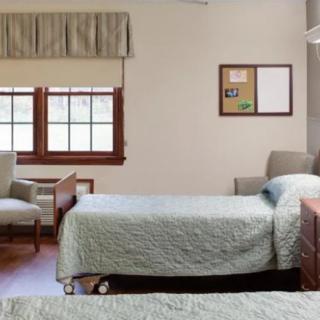
 Fully furnished
 Garden
 Housekeeping services
 Kitchenette
 Move-in coordination
 Outdoor space
 Telephone
 Wi-Fi/high-speed internet available
 Wilkes-Barre Scranton International (21 miles away)
 24-hour call system
 Activities of daily living assistance
 Assistance with bathing
 Assistance with dressing
 Assistance with transfers
 Diabetes diet
 Meal preparation and service
 Medication management
 Mental wellness program
 Special dietary restrictions
 Transportation arrangement (medical)
 Transportation to doctors appointments







 Is Assisted Living Deductible on Your Taxes? Understanding the Complexities of Assisted Living Expenses and Deductions
 Assisted Living Support for Veterans: A Complete and Detailed Overview
 Exploring the Contrasts Between Assisted Living and Skilled Nursing