
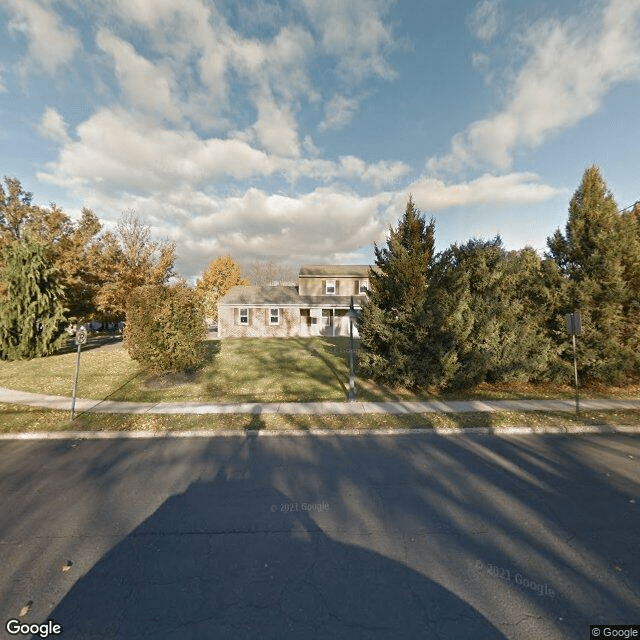
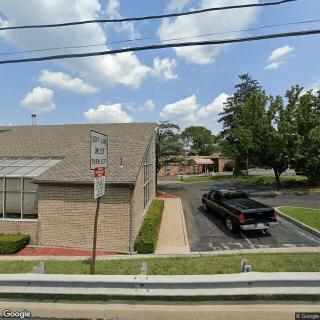
3950 Orangemans Rd, Hatboro, PA 19040
To contact a resident: (215) 441-8886
For more information about senior living options: (866) 208-4318
Overall Review of Evangelical Services For Aging
Pros
 The Welcome Project PA is a wonderful organization.
- The center is incredibly welcoming, with great community events and awesome people.
- SAGA is praised by the reviewer with a heartfelt shout-out.
Review
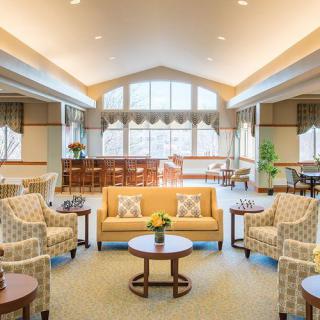
Evangelical Services For Aging in Hatboro, PA is best suited for older adults who want a faith-forward, tightly knit community where daily life is shaped by welcoming peers and regular social programming. The reviews consistently describe a setting that feels warm, personal, and engaged, with residents and families praising the center as incredibly welcoming and filled with opportunities to connect. For seniors who prioritize meaningful interaction, frequent community events, and a sense of belonging, this campus offers more than just a place to live; it provides a lifestyle anchored in shared values and steady, approachable leadership. In short, this community excels for those who want their aging years woven into a vibrant, faith-centered social fabric.
However, this environment may not fit every senior. Families seeking a highly medicalized setting with around-the-clock clinical care, or a secular atmosphere without evangelical programming, should explore other options. Those who prefer ultra-modern interiors or a broader array of non-religious activities might find that some days center more on spiritual and community life than on purely secular enrichment. The decision should recognize that the strongest asset, a warm, welcoming culture, could feel less aligned with residents who want minimal religious orientation or more neutrality in programming.
The core advantages, a welcoming reception, a robust calendar of events, and relationships with staff who create a sense of family, work together to offset potential gaps in other areas. The social energy reduces isolation, fosters accountability, and helps families feel confident that their loved ones are known well and cared for. The price of this strength, however, is an environment that tilts toward evangelical community life; residents must be comfortable with spiritual programming, chaplaincy, or faith-centered activities as a regular rhythm. For many, that alignment is precisely the point; for others, it could limit exposure to a broader, non-religious approach to aging in place.
To determine fit, prospective families should experience the community during a busy period, asking to participate in a few events to gauge the depth of connection. In conversations with staff, clarify what levels of care are available, what medical support exists on-site, and how care coordination works with outside providers. Request sample calendars, meal options, transportation logistics, and opportunities for private time or quiet spaces. Investigate the frequency and scope of religious services, volunteer opportunities, and pastoral visits to ensure that spiritual life aligns with resident needs. These conversations reveal whether the warmth translates into reliable, comprehensive care that matches expectations.
Given the evangelical identity, the best-fit residents are those who appreciate faith-based programming as a central pillar of daily life. Families should verify how inclusive the community is toward diverse beliefs, how worship services are scheduled, and whether residents who are less religious can still participate meaningfully. This orientation often accompanies a strong sense of purpose and community accountability, which can accelerate residentsā€™ engagement and satisfaction. If spirituality is a meaningful comfort and social driver, the match is particularly strong; if not, alternative settings with secular programming will likely feel more natural.
In sum, Evangelical Services For Aging stands out for seniors who want heartfelt connection, active engagement, and a welcoming, faith-inflected environment. It delivers a powerful value proposition: people matter, community matters, and daily life is designed to keep residents visible, involved, and cared for. The main decision hurdle is alignment with religious culture and the balance of social programming against medical or secular expectations. For families prioritizing companionship and purpose within a faith-centered framework, this community earns strong consideration. For those prioritizing secular ambiance or intensive clinical services, seeking alternatives will be prudent; a careful tour and frank questions will reveal whether this is the right home or a better fit lies elsewhere.
 Trenton-Mercer County (16 miles away)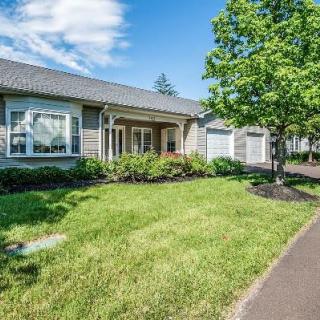



 Essential Knowledge on Pneumonia in Older Adults
 Exploring Palliative Care in the Home: A Comprehensive Overview
 Comprehensive Insights into Palliative Home Care: What It Is and What to Expect