For more information about senior living options: (866) 208-4318
3.8 from 115 reviews
5 stars
68
4 stars
14
3 stars
4
2 stars
4
1 stars
25
Garden Spring Center Costs & Pricing
At Garden Spring Center, the monthly cost for a private room is set at $7,050, which positions it above both the average rates in Montgomery County, where the typical price is approximately $6,016, and the broader state of Pennsylvania, with an average of around $4,890. This pricing reflects the specialized services and amenities offered by Garden Spring Center to ensure a high-quality living experience. While it may be higher than local and state figures, many families find that the comprehensive care and supportive environment justify the investment in their loved ones' well-being.
Floor plans
Garden Spring Center
Montgomery County
Pennsylvania
Private
$7,050
$6,016
$4,890
Skilled Nursing Facilities with a similar price nearby
Many residents and families describe staff as kind and attentive.
Across the reviews, people repeatedly describe staff members as caring, polite, and professional, including nurses, aides, therapists, and social workers. Several reviewers say they felt comfortable leaving a loved one in staff hands, even when they started with concerns. A few reviews also describe brief friendliness as part of the visit experience, like help from the front desk or receptionist.
caveat22 reviews mention this
Cleanliness is mixed
Cleanliness and upkeep are inconsistent in the reviews.
Some reviewers praise the facility for being clean, odorless, remodeled, and well kept, with clean rooms and halls. Other reviews describe the building as filthy or dirty, with issues like unpleasant odors and unkept rooms. A small number of comments also point to specific room problems that weren’t addressed quickly enough for them.
caveat15 reviews mention this
Call response and follow-through
Several reviewers raise concerns about timely responses.
While some reviewers describe staff as attentive and responsive during visits, others report difficulty getting help by phone or from the nursing station. Multiple negative reviews mention call-light or call-response problems and long waits for assistance or updates. A few reviews also describe delays or gaps in care steps that led to serious frustration.
common10 reviews mention this
Therapy and recovery support
Many reviews mention rehabilitation and therapy support.
Several reviewers describe physical therapy and rehabilitation as a key part of the experience, including staff working as a team to support progress. Families also describe feeling informed through care discussions with therapy and social work. Even among mixed experiences, reviewers frequently tie their day-to-day perception of care to whether therapy support and aftercare planning felt organized.
caveat5 reviews mention this
Private pricing runs above benchmarks
Private room pricing is higher than county and state benchmarks.
The listing’s cost positioning shows private pricing above both county and state benchmarks. Reviews that mention expenses are limited, but the overall pricing detail stands out as a potential factor for families comparing options. If cost is a deciding point, it may be worth confirming what level of care is included for the specific stay type.
How we summarize
Counts show how many written reviews mention each theme; a review can touch several themes, and only frequently mentioned themes are displayed.
Features
Types of Care
Skilled Nursing Facility
Pets
Cats allowed
Dogs allowed
Amenities
Private
Transportation
Trenton-Mercer County (18 miles away)
Philadelphia International (21 miles away)
Care Services
High acuity care
Nearby Places of Interest
Located in Willow Grove, Pennsylvania, this area offers a variety of amenities and services that cater to the needs of seniors. With multiple physicians' offices nearby such as AMS Cardiology and Kressly Pediatrics, residents have easy access to quality healthcare. The proximity of Abington Memorial Hospital and Holy Redeemer Hospital ensures that medical emergencies can be promptly addressed. In terms of dining options, residents can enjoy a range of restaurants including Chick-Fil-A and Philomena Santucci's Square Pizza. Pharmacies like CVS and Walgreens are conveniently located for medication needs. For leisure activities, parks like Homestead Park and Windlestrae Park provide opportunities for outdoor recreation. Public transportation options such as SEPTA train stations are easily accessible for those who prefer not to drive. Additionally, places of worship like Neshaminy Warwick Presbyterian Church offer spiritual support within the community. Overall, this area in Willow Grove provides a well-rounded environment suitable for senior living with its healthcare facilities, dining options, recreational spaces, and transportation convenience.
Physicians
AMS Cardiology (1.2 miles)
Hatboro Medical Associates (2 miles)
Schwarz Dermatology (6.7 miles)
Kressly Pediatrics (6.7 miles)
Stoltz and Hahn Family Practice (6.8 miles)
Central Bucks Family Practice (7.1 miles)
Simms Hank Md Albert Einstein Medical Center Philadelphia (8.4 miles)
Restaurants
Chick-Fil-A (1.4 miles)
Red Stallion (2.8 miles)
Taco Bell (3.3 miles)
Debbie's Place (3.4 miles)
Philomena Santucci's Square Pizza (3.5 miles)
Mike's York Street Bar & Grill (3.5 miles)
Brick & Barrel (3.5 miles)
Pharmacies
CVS Pharmacy (2.5 miles)
Walgreens (2.5 miles)
CVS Pharmacy (2.7 miles)
CVS Pharmacy (2.8 miles)
Eric's Rx Shoppe (3.5 miles)
CVS Pharmacy (3.6 miles)
Walgreens (5 miles)
Hospitals
Abington Memorial Hospital (2.6 miles)
Abington Hospital, Widener Building (2.7 miles)
Holy Redeemer Hospital (3.9 miles)
Fox Chase Cancer Center (6.2 miles)
Chestnut Hill Emergency Room (7.2 miles)
Albert Einstein Employee Health Center (8.3 miles)
At Garden Spring Center, the monthly cost for a private room is set at $7,050, which positions it above both the average rates in Montgomery County, where the typical price is approximately $6,016, and the broader state of Pennsylvania, with an average of around $4,890. This pricing reflects the specialized services and amenities offered by Garden Spring Center to ensure a high-quality living experience. While it may be higher than local and state figures, many families find that the comprehensive care and supportive environment justify the investment in their loved ones' well-being.
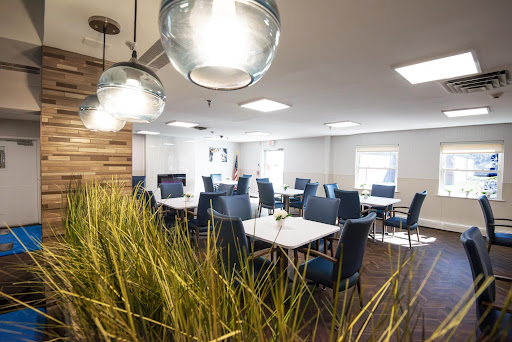
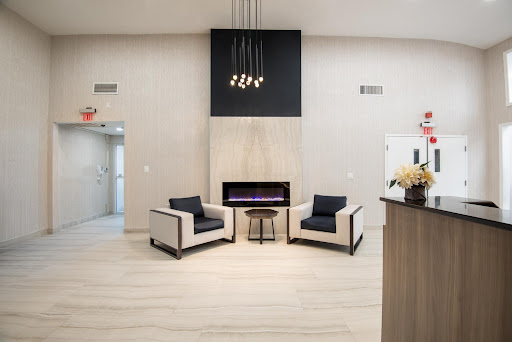
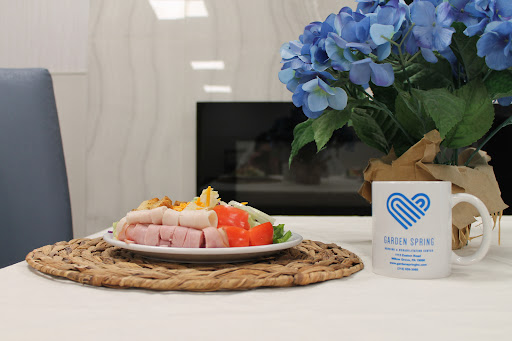
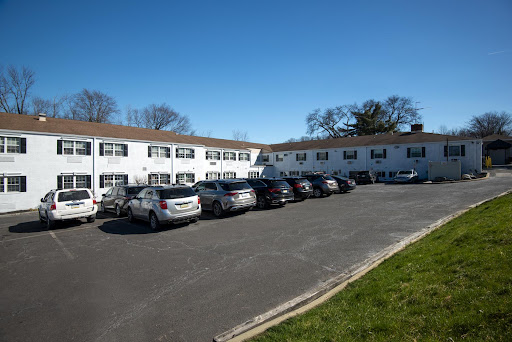
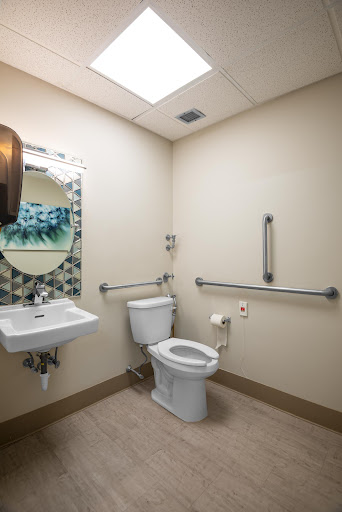
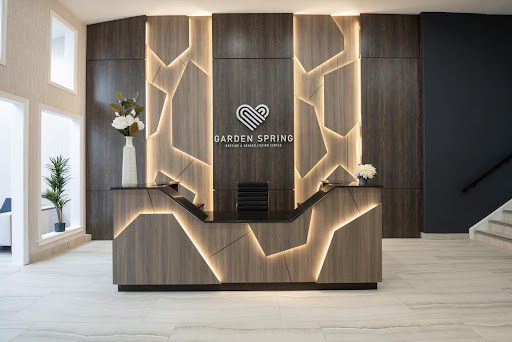
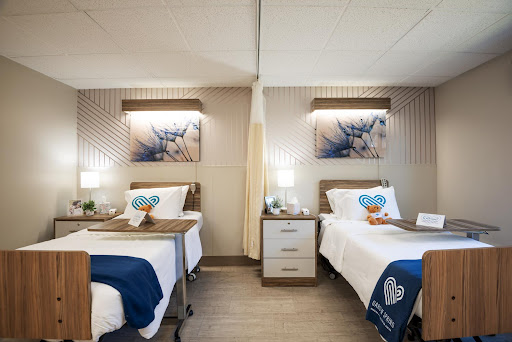
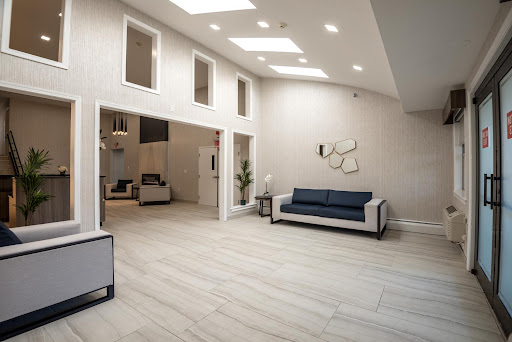
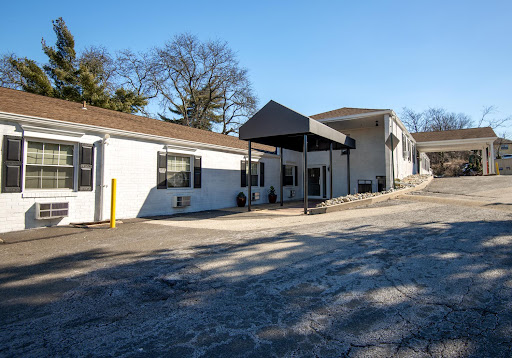
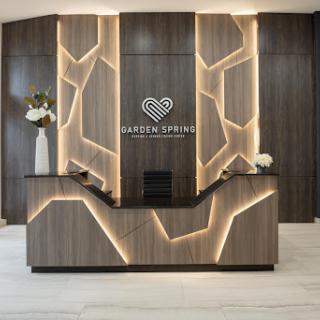
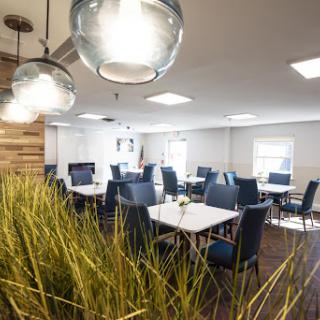
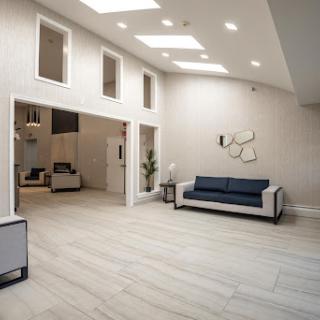
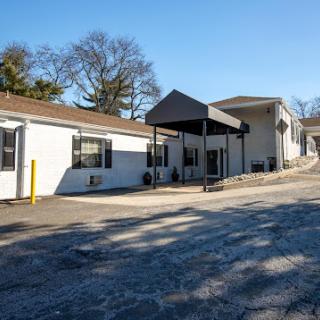
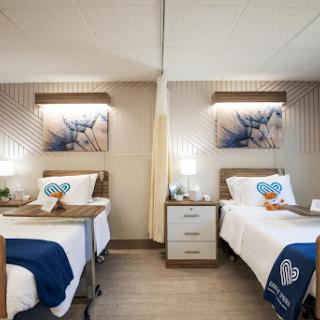
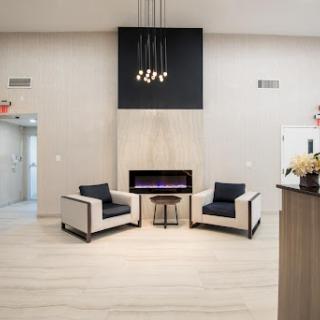
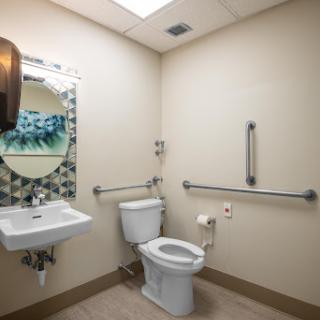
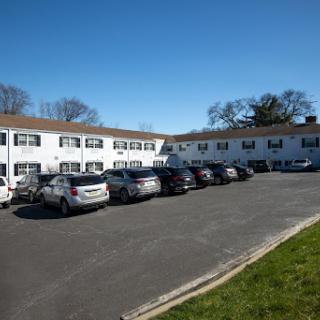
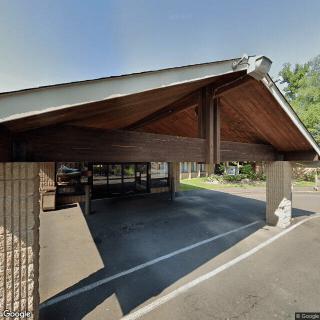
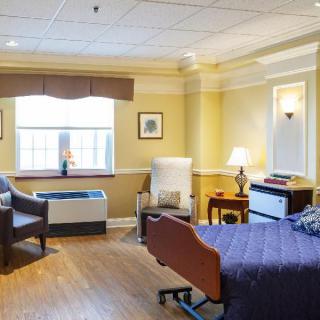
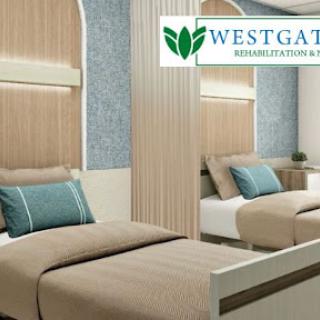
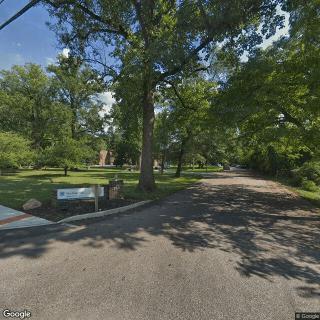
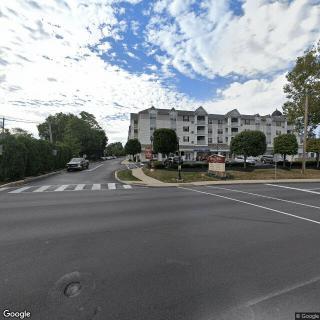
Garden Spring Center on seniors.fyi includes 11 photos including images showing interior, lighting, dining, bathroom, building, decor, fireplace, seating area, and more.
Nearby Communities
Willow Crest Manor
Willow Grove, PA
Offers skilled nursing care with convenient access to nearby pharmacies, doctors, hospitals, restaurants, theaters, and parks in Willow Grove.
Commonwealth Senior Living At Willow Grove
Willow Grove, PA
4.2 from 153 reviews
$3,390 to $4,620 / month
Kind, attentive staff with engaging activities and a homelike atmosphere.
Victorian Village
Hatboro, PA
4.4 from 38 reviews
Large, well-maintained apartments with a friendly maintenance team and a peaceful, pet-friendly atmosphere.
Assisted Home Care Inc
Hatboro, PA
4.6 from 57 reviews
Convenient access to pharmacies, hospitals, dining, and parks nearby.
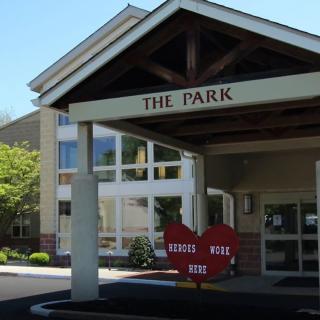
Personal Care Memory Care at The Park
Hatboro, PA
4.6 from 17 reviews
$5,000 to $5,500 / month
Clean facility with friendly staff and an all-inclusive flat fee.
Personal Care Memory Care @ The Park
Hatboro, PA
4.4 from 9 reviews
High-quality care with a clean facility, friendly staff, and outstanding dining.
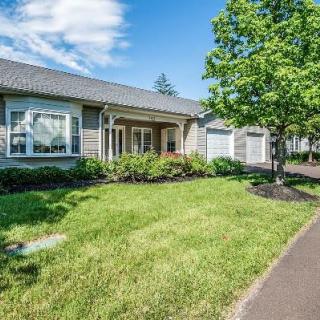
Wesley Enhanced Living Upper Moreland
Hatboro, PA
4.5 from 96 reviews
$1,551 to $2,779 / month
Warm, friendly staff; bright, well-maintained apartments and cottages with private outdoor spaces; strong sense of community with diverse activities; good value for money compared with local CCRCs.
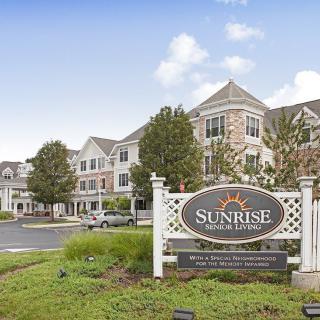
Sunrise of Dresher
Dresher, PA
4.1 from 104 reviews
$4,800 to $7,470 / month
Friendly, attentive staff with engaging activities in a well-kept setting.
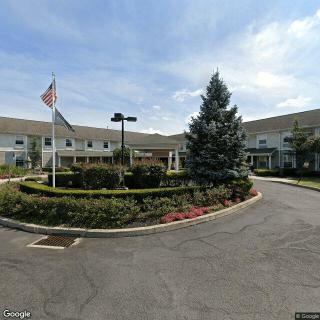
Brandywine Senior Living at Dresher Estates
Dresher, PA
3.9 from 66 reviews
$5,160 to $6,750 / month
Caring, personalized staff; clean facility with good meals and engaging activities.
Medicare covers in-home health care services, which are medical and provided by licensed professionals under a physician's supervision, whereas non-medical personal assistance is generally not covered unless part of a broader skilled care plan. Eligibility for benefits depends on being homebound and needing intermittent skilled services from a Medicare-certified agency, with specific coverage limitations and additional resources available for navigating options.
In-home care is increasingly sought after by older adults for maintaining independence, with average private home care rates in 2025 varying by state and service type, reflecting geographical and local labor market influences. As demand rises, families are considering funding options like Medicaid waivers and long-term care insurance to manage costs effectively while ensuring quality care.
Home health care has become essential for supporting independence among the aging population, offering diverse services such as skilled nursing and rehabilitation in familiar environments, while also incorporating technology for personalized care. Despite its benefits, including improved recovery rates and emotional well-being, challenges like safety, staff availability, and insurance navigation must be managed for effective implementation.
Get PricingAsk A QuestionSchedule A TourContact Senior Advisor
By clicking submit, you agree to our Partner's Terms of Use. You
also consent to receive calls and texts, which may be autodialed, from our Partner. Your consent is not a condition to
using our Partner's service. Please visit our Partner's Privacy Policy for information about their privacy practices.




 Skilled Nursing Facility
 Cats allowed
 Dogs allowed
 Private
 Trenton-Mercer County (18 miles away)
 High acuity care
 Offers skilled nursing care with convenient access to nearby pharmacies, doctors, hospitals, restaurants, theaters, and parks in Willow Grove.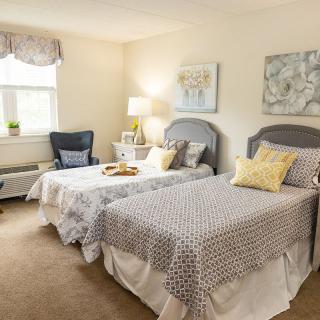

 Navigating Medicare Coverage for In-Home Care Services
 In-Home Care Costs in 2025: A Detailed State-by-State Exploration
 Understanding Home Health Care: A Comprehensive Guide