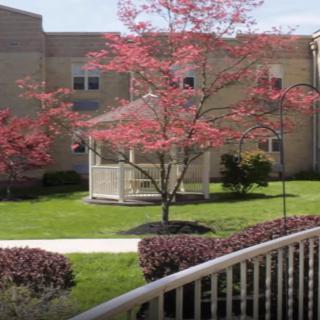

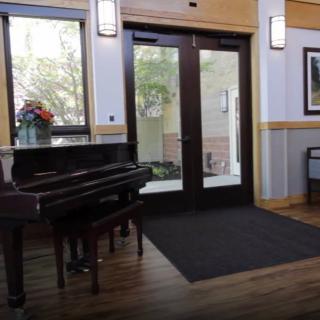
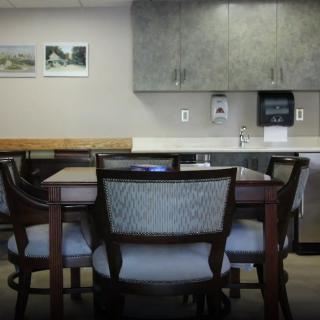
3455 Davisville Rd, Hatboro, PA 19040
To contact a resident: (215) 659-3900
For more information about senior living options: (866) 208-4318
Personal Care Memory Care at The Park Costs & Pricing
At The Park, the costs for Personal Care Memory Care reflect a commitment to providing specialized support in a nurturing environment. For residents in a studio, the monthly fee is set at $5,000, which exceeds both the average costs in Montgomery County at $4,393 and the broader state average of $3,737. Meanwhile, those opting for a one-bedroom unit can expect to pay $5,500; again, this is higher than Montgomery County's average of $4,619 and Pennsylvania's overall average of $4,006. These rates underscore The Park's focus on quality care tailored specifically for individuals with memory-related challenges while aligning with industry standards in the region.
| Floor plans | Personal Care Memory Care at The Park | Montgomery County | Pennsylvania |
|---|---|---|---|
| Studio | $5,000 | $4,393 | $3,737 |
| 1 Bedroom | $5,500 | $4,619 | $4,006 |
Memory care communities with a similar price nearby
-
from +$760 / mo
Arbor Terrace Mount Laurel
$5,760 to $8,930 / month16.0 miles away -
from +$995 / mo
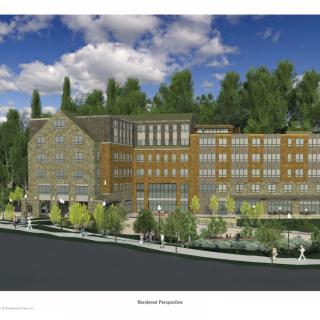
The Residence At Bala Cynwyd
$5,995 to $9,710 / month12.0 miles away -
About the same
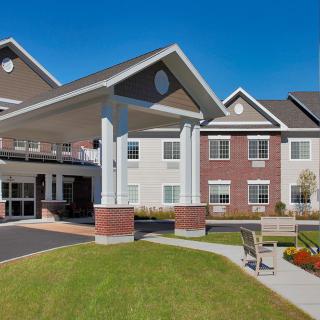
The Landing of Collegeville
$4,915 to $6,415 / month20.1 miles away -
from -$805 / mo
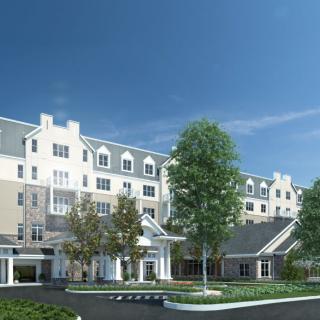
Echo Lake
$4,195 to $6,995 / month24.8 miles away -
About the same
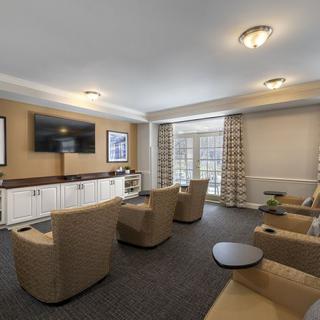
Brightview Woodbury Lake
$4,895 to $6,650 / month22.7 miles away
Overall Review of Personal Care Memory Care at The Park
Pros
 The staff have been very attentive to residents who need a lot of care.
- The staff are very compassionate and professional.
- All staff are caring and thorough, with a patient-to-staff ratio that supports individualized care.
- The activities staff are engaging and encourage residents to participate in activities.
- Families have total peace of mind that their loved ones are well cared for.
- The Park earns top ratings in every category and is highly recommended.
- The Park is clean, close to home, and has friendly staff and leaders who take time to discuss concerns and resolve them promptly.
- The Park significantly improves residents' quality of life.
- The director is competent and makes families feel comfortable and heard.
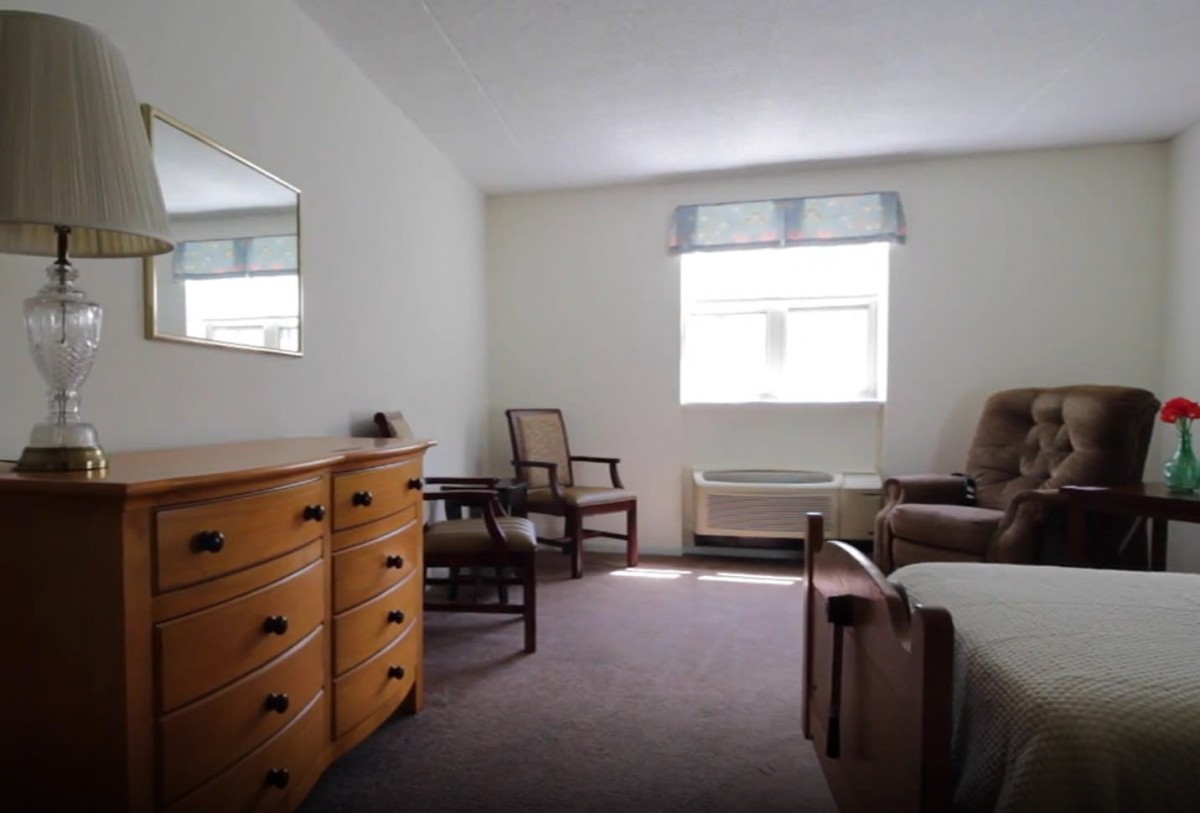
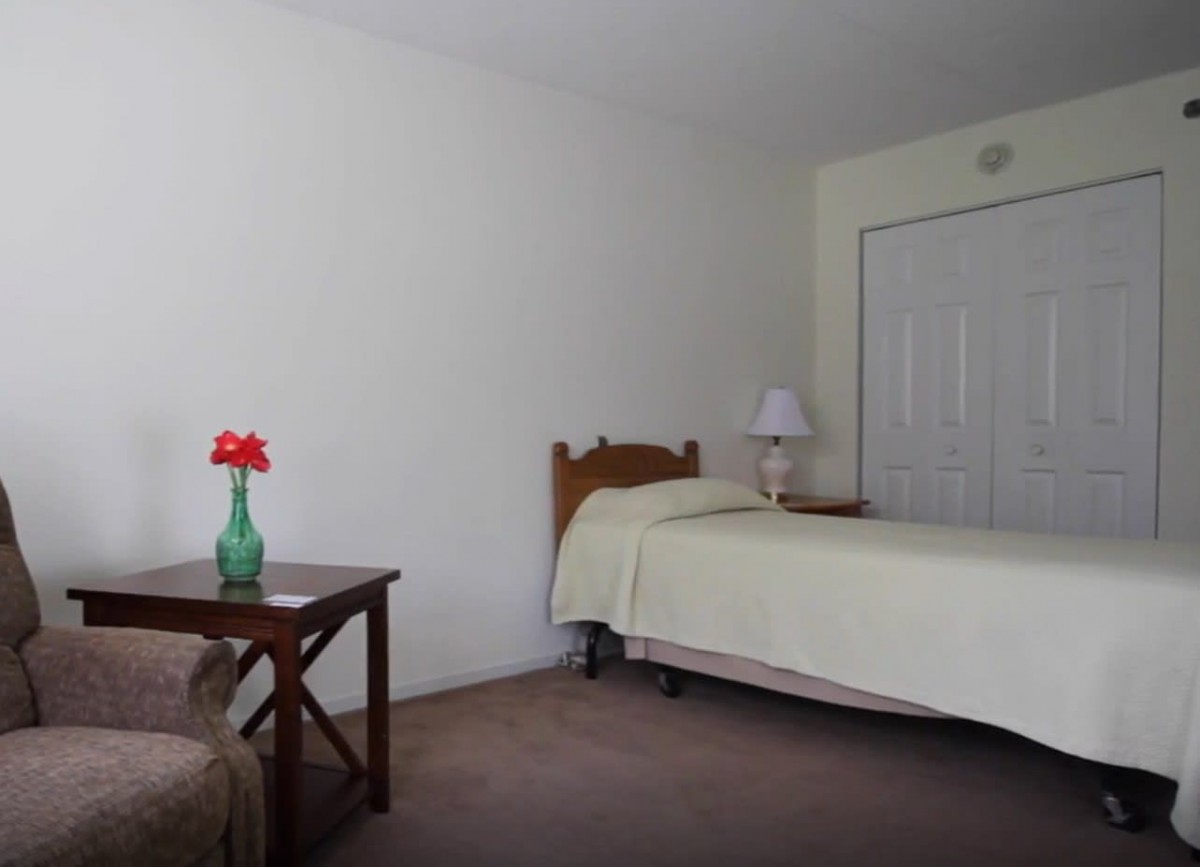
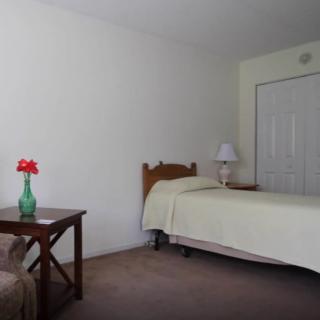
- The Park provides a bed, nightstand, and dresser at no charge for residents, and maintains clean facilities.
Cons
 Some of the staff didn't seem to care for the people living there.
- The accounting office was not accurate in determining her bill.
- Transitioning for the resident was challenging.
- The price was high, though the service was described as incredible.
Review
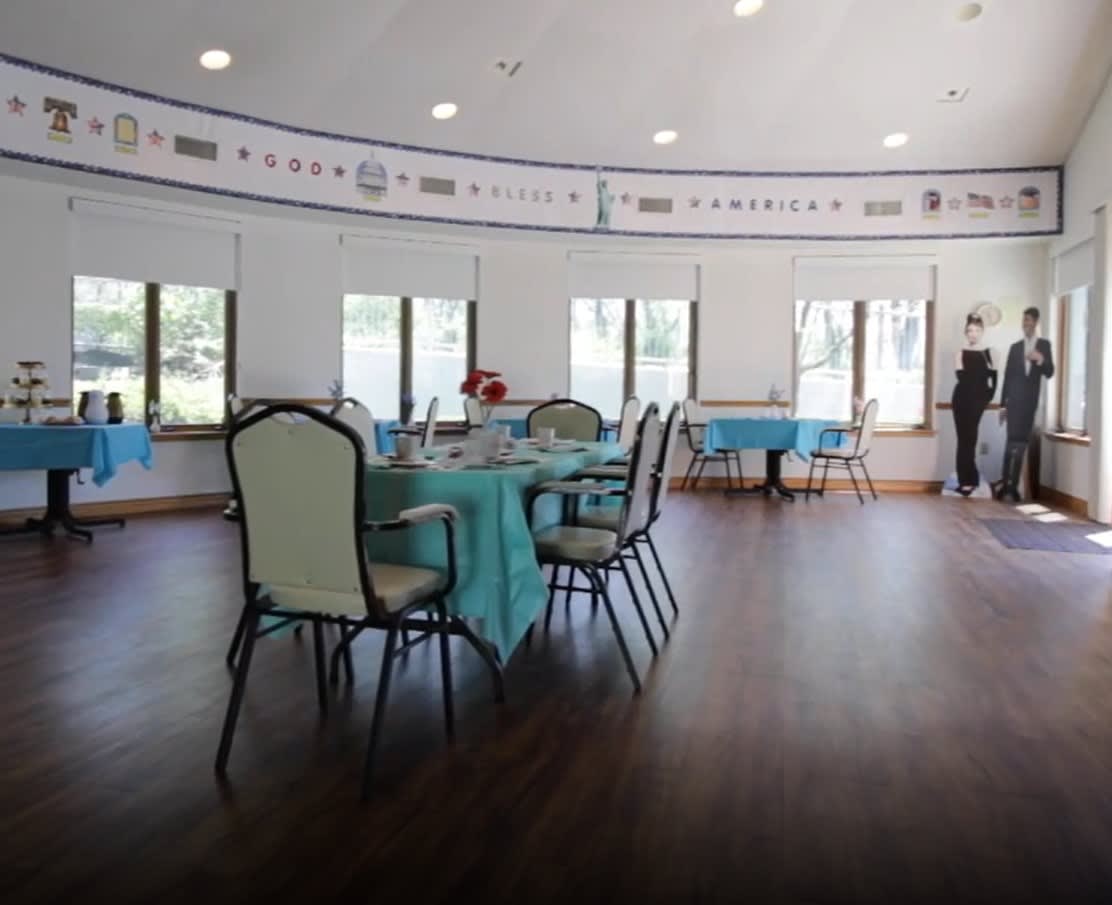
This community is best suited for families seeking a calm, all-inclusive memory-care environment on a single-floor campus where caregivers establish real, dependable relationships with residents who need daily assistance and cognitive support. It works well for seniors who require a higher level of care but do not demand acute hospital services, and for families who want peace of mind from a clean, well-maintained setting, stable staffing, and a transparent, flat-rate pricing model. The model suits those who prize attentiveness, a strong sense of safety, and the ability to have concerns addressed promptly. Those who crave a highly dynamic, hyper-varied activity calendar or extreme culinary experimentation may find the program less compelling and may want to compare options more aggressively.
Alternatives are worth considering for several reasons. If a family prioritizes a broader, more frequent menu of therapeutic activities or specialized programming, beyond what the current community typically delivers, other facilities might better meet that expectation. For residents whose needs extend into complex medical management or rehab-style services, campuses with deeper medical resources may be more appropriate. Budget-conscious families who require minimal annual increases will want to scrutinize pricing practices and any potential add-ons, because while the flat rate is a strength here, expectations about included services must be crystal clear to avoid surprises.
The strongest selling points offset some of the less desirable aspects. A consistently compassionate, professional staff and a favorable caregiver-to-resident ratio translate directly into meaningful daily support, quicker responses, and genuine peace of mind for families. The all-inclusive, flat-fee structure eliminates nickel-and-diming, which makes budgeting simpler and reduces anxiety about escalating bills as care levels change. Cleanliness, a secure one-floor layout, and a nurses-station-adjacent setup bolster safety and efficiency, while meals are described as good and reliable, contributing to overall satisfaction. These operating strengths counterbalance occasional concerns about activity variety and, in at least some cases, billing quirks.
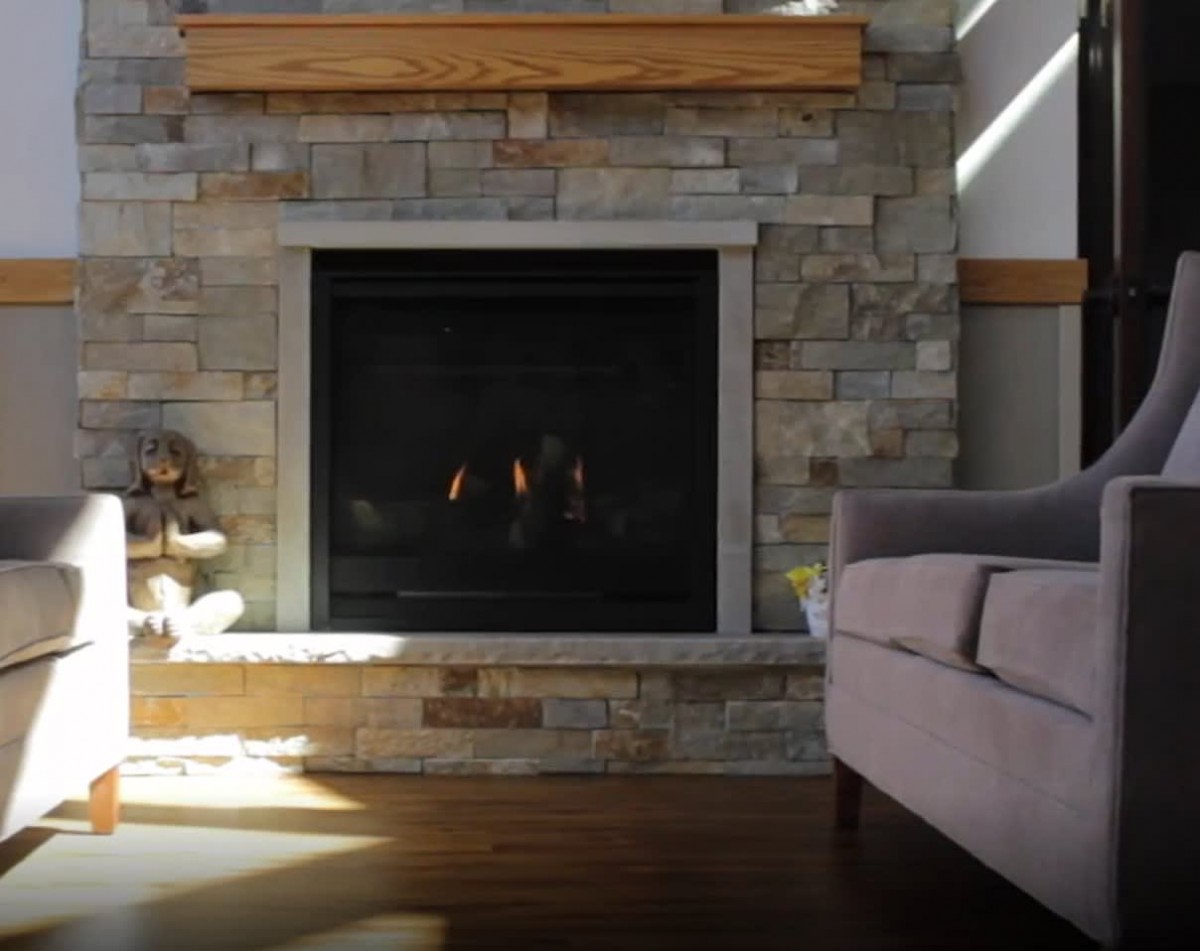
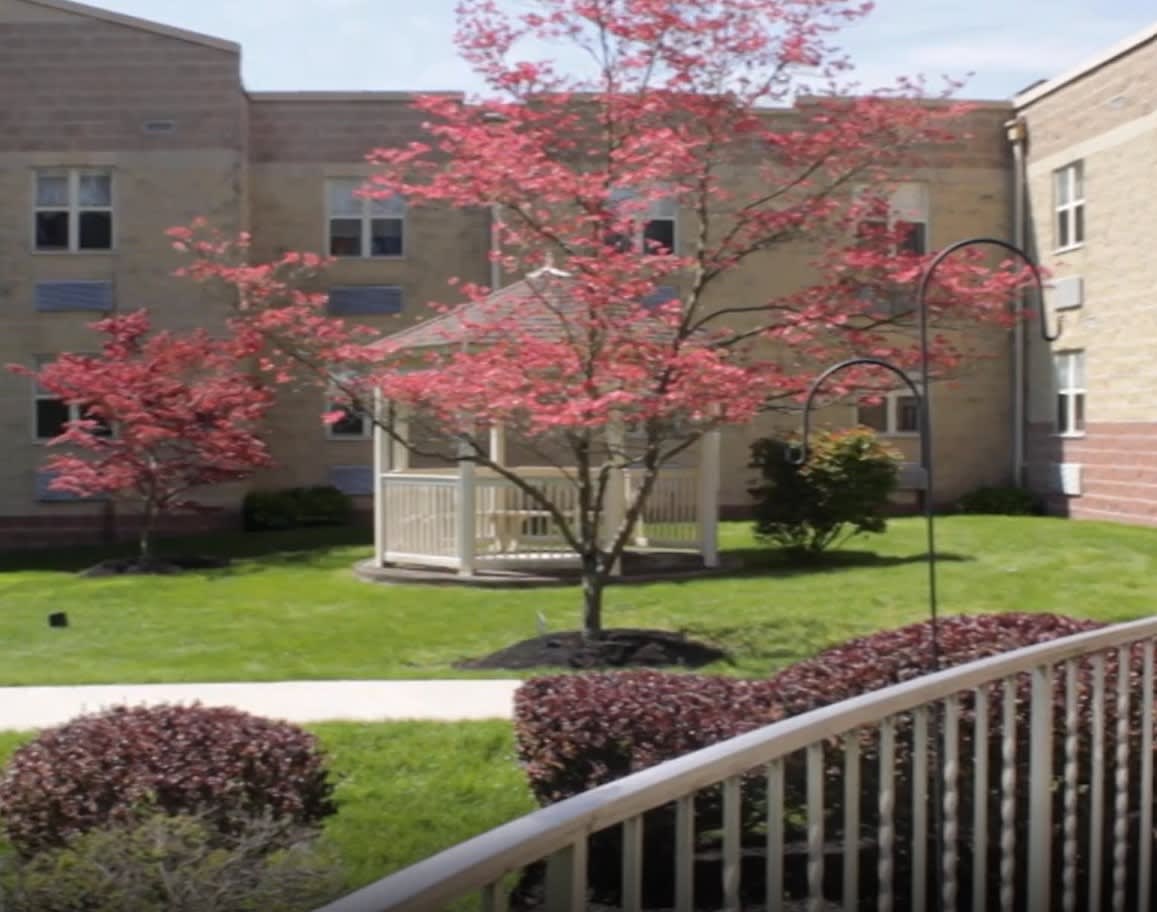
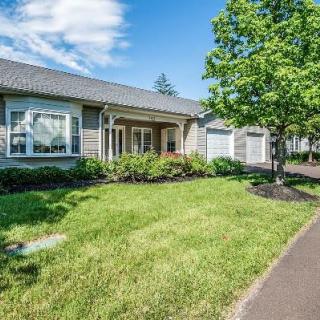
On the daily-life front, the environment plays a decisive role. The one-floor design minimizes wandering risk and simplifies supervision, a practical advantage for memory-care settings. The campus emphasizes cleanliness and a sense of home, with private rooms and furnishings that can be accommodated, alongside visible leadership, such as a director with a nursing background, who can speak to care plans with credibility. Staff continuity matters here: long-tenured employees cultivate familiarity and trust, which translates into steadier routines and more personalized attention. When transitions occurred, families noted that adaptation improved over time, producing calmer, more cooperative residents.
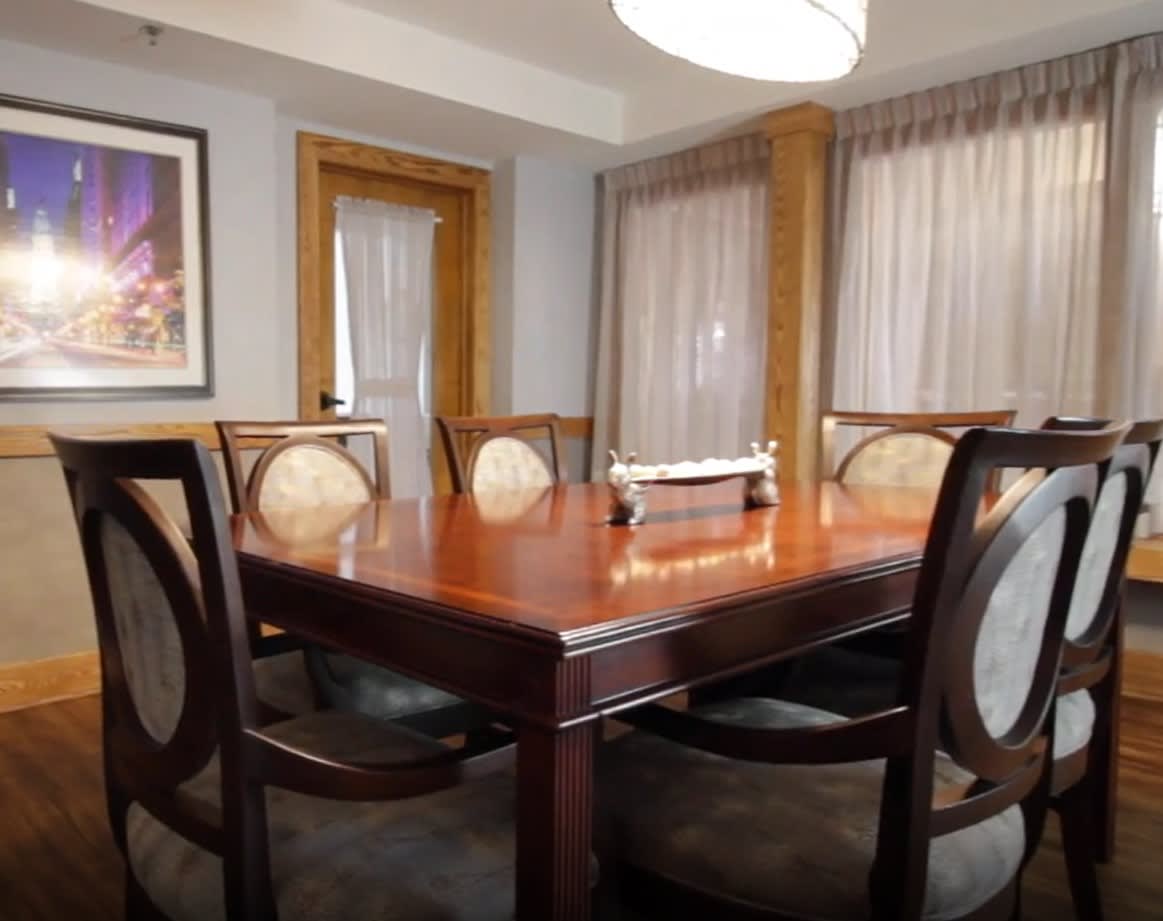
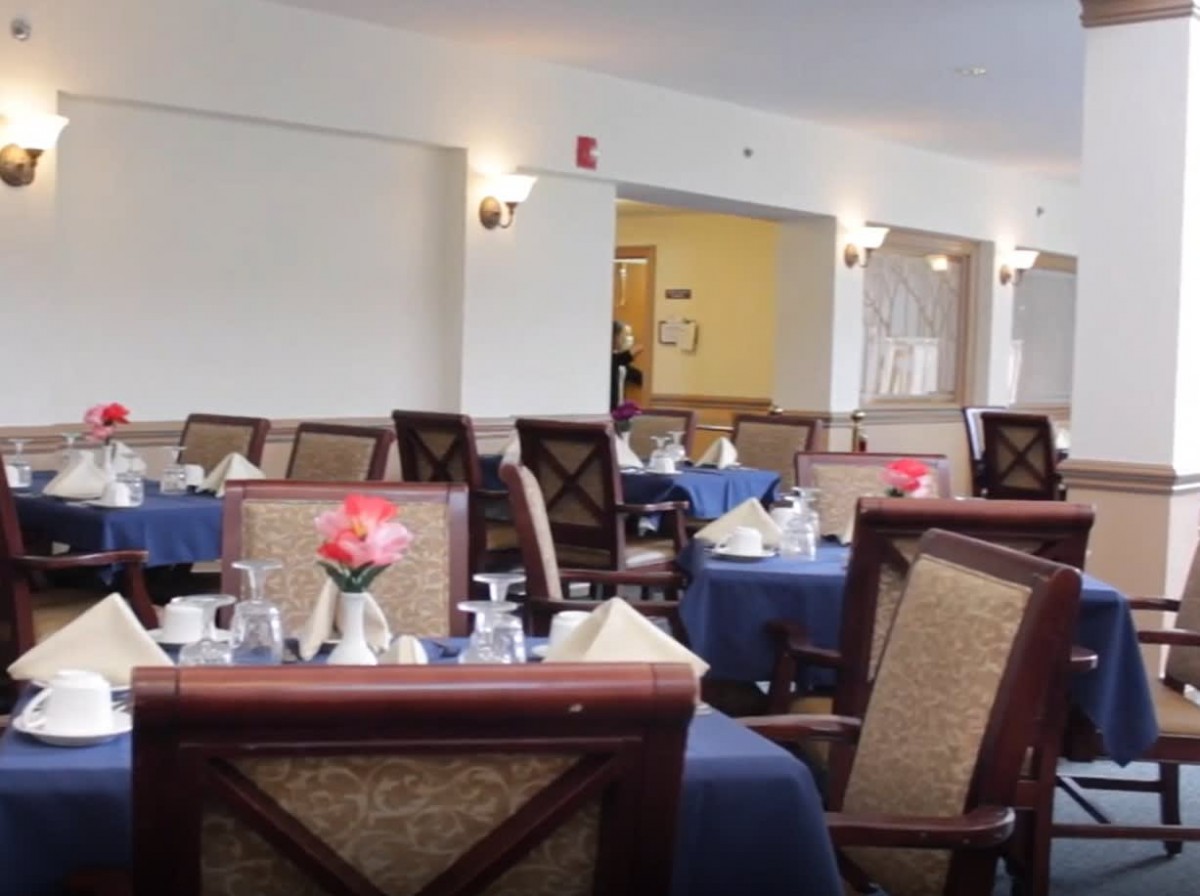
Activities and dining shape the resident experience as well. There is a solid base of structured programming, with engagement from a dedicated activities professional and ample social opportunities; residents can form friendships and participate in parties and group events. Yet perspectives vary: some residents participate actively, while others may not engage as fully, and several reviews point to a need for more variety in programming. Mealtime experiences are generally positive, with multiple meals daily and favorable opinions about the quality of food. Overall, the social fabric is strong, but families should calibrate expectations about activity diversity and tailor plans to their loved one’s interests and energy levels.
In the end, this community stands out for care quality, staff dedication, stability, and straightforward pricing. It is a compelling choice for families prioritizing dependable, compassionate care in a predictable financial structure, delivered on a accessible campus with safe, well-managed daily rhythms. Potential residents who want more intensive activity calendars or lower costs should compare alternatives and demand transparent billing histories and clear, written assurances about what is included in the flat rate. Before deciding, request a current care plan example, a week-by-week activities schedule, and assurances about staff tenure and response times, so the decision rests on concrete, actionable criteria rather than anecdotal impressions.
 Assisted Living
 Memory Care
 Activities on-site
 Air-conditioning
 Beautician on-site
 Cable or satellite TV
 Devotional services off-site
 Ground floor units
 Handicap accessible
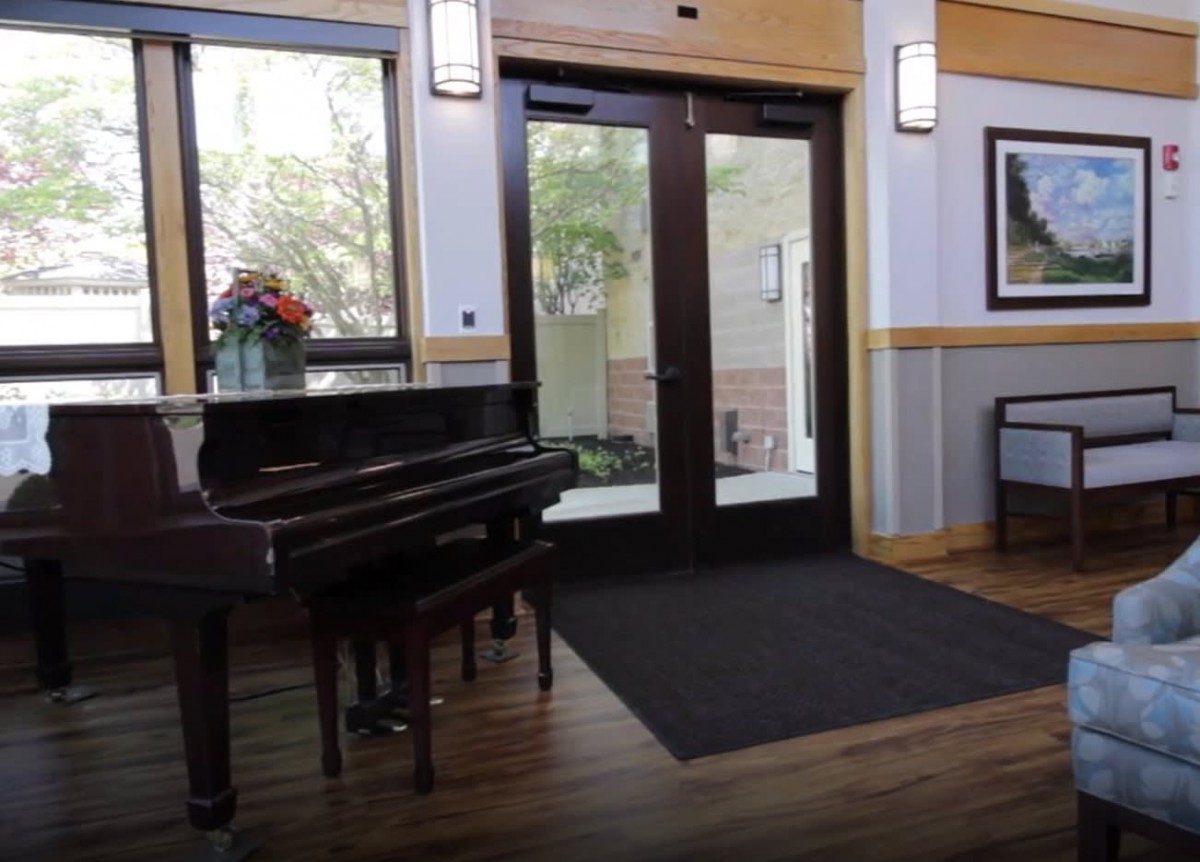
 Indoor common areas
 Outdoor common areas
 Private bathrooms
 Respite or short term stays offered
 Wheelchair accessible showers
 Wi-Fi/high-speed internet available
 Trenton-Mercer County (17 miles away)
 Ambulatory care
 Diabetic care
 High acuity care
 Incontinence care
 Medication management
 Guest meals
 Art classes
 Catholic services
 Cooking classes
 Day trips and outings
 Gardening club
 Happy hour
 Live dance or theater performances
 Live musical performances

 Understanding Medicaid Coverage for Assisted Living: A Comprehensive Guide
 How and When Medicaid May Cover Assisted Living Costs
 A Detailed Exploration of Assisted Living Medicaid Waivers Across the United States