Harmony at Harts Run offers competitive pricing when compared to the broader market in Allegheny County and across Pennsylvania. For a one-bedroom unit, residents can expect a monthly cost of $3,840, which is slightly higher than the county average of $3,798 but remains below the state average of $4,006. The studio apartments come with a monthly fee of $4,270, positioning them above both county and state averages, which stand at $3,637 and $3,737 respectively. For those seeking more space, the two-bedroom option is priced at $4,370 - under Allegheny County's average of $4,653 yet above Pennsylvania's overall average of $4,242. Overall, Harmony at Harts Run balances quality and affordability within its offerings while fostering a nurturing community environment.
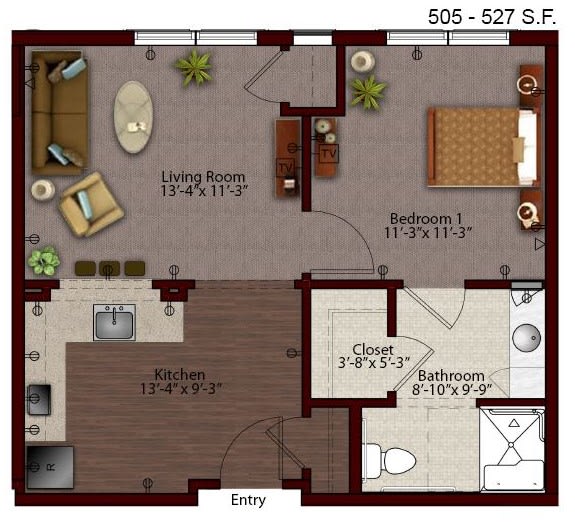
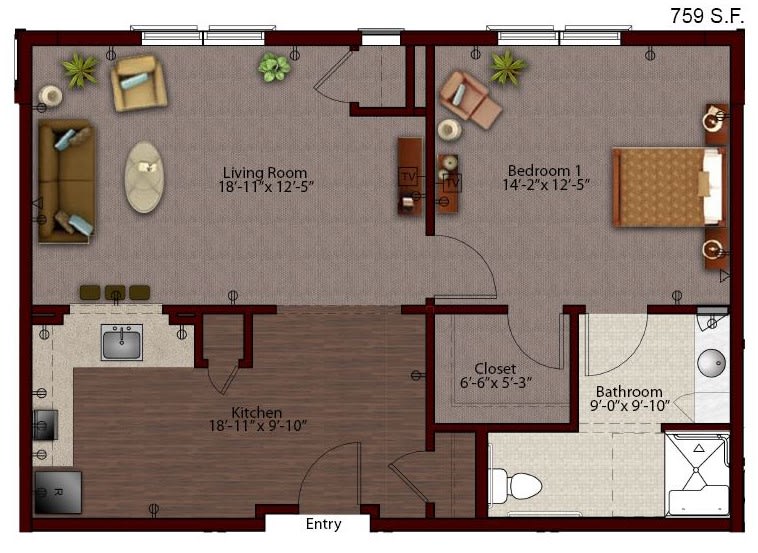
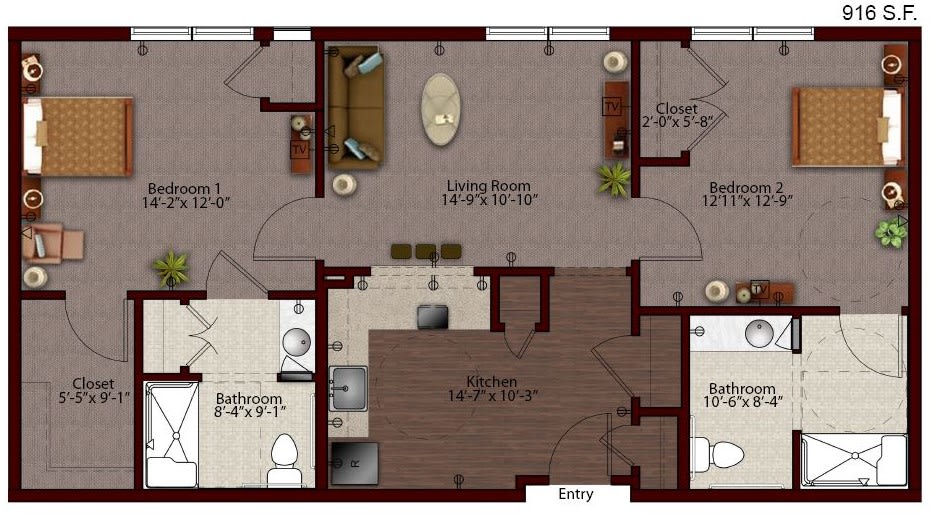
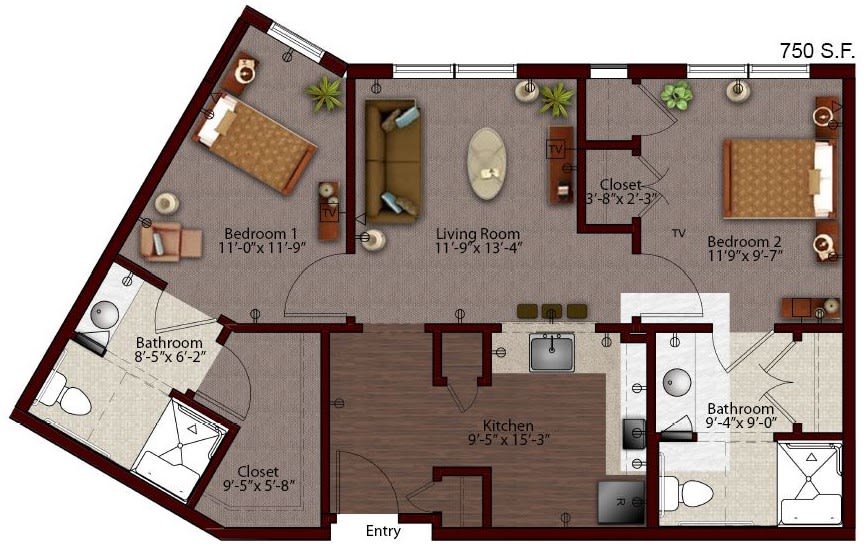
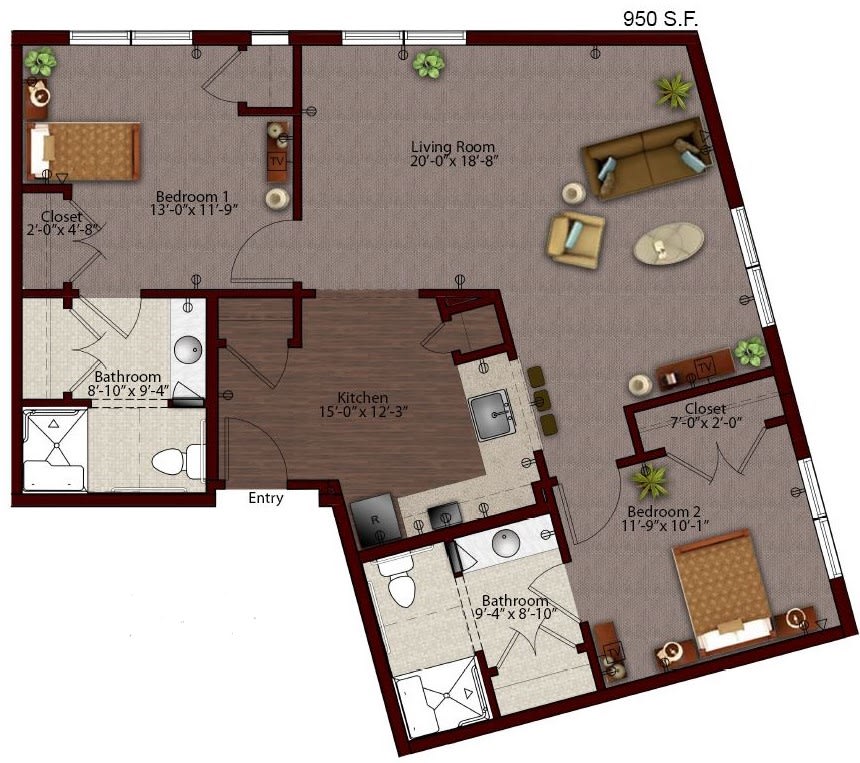
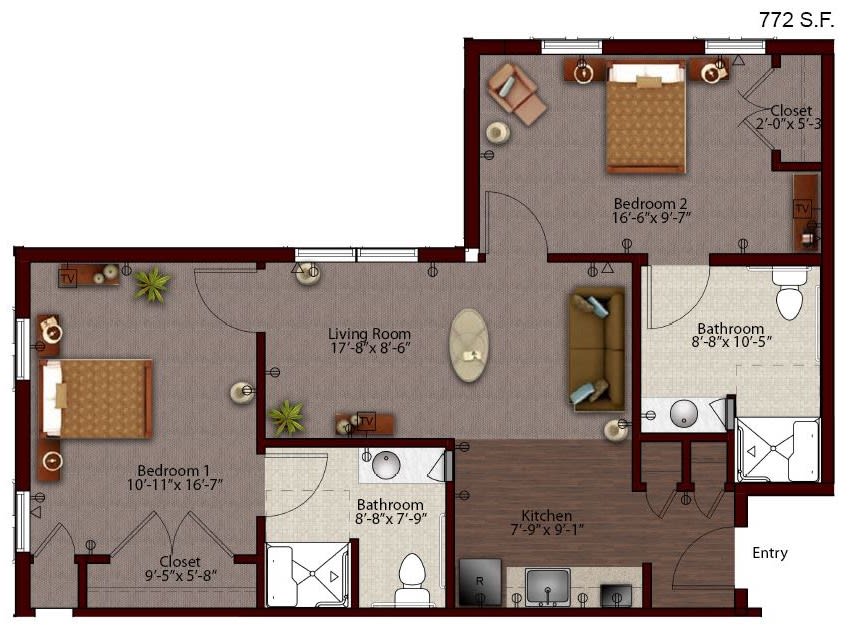
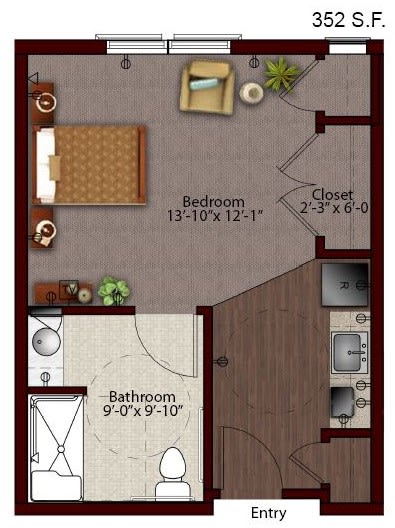
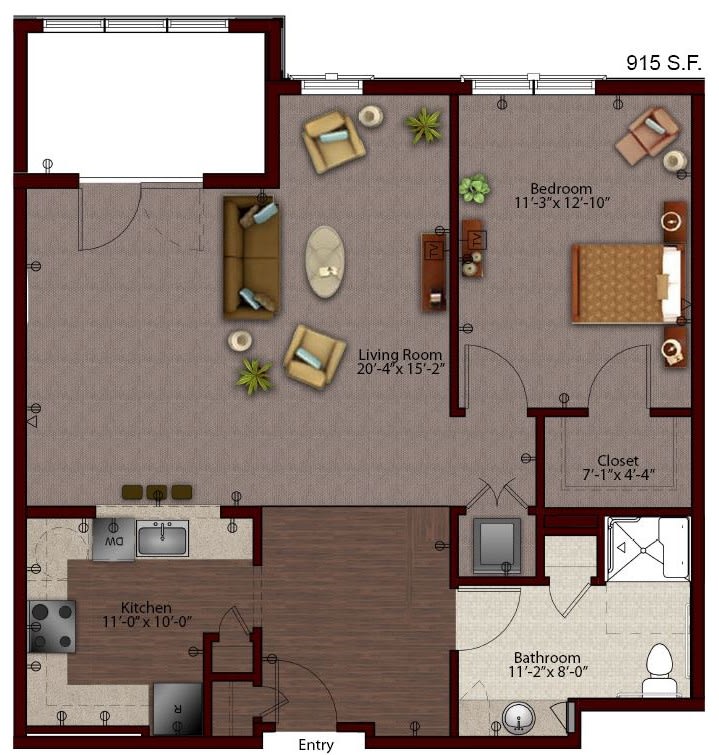
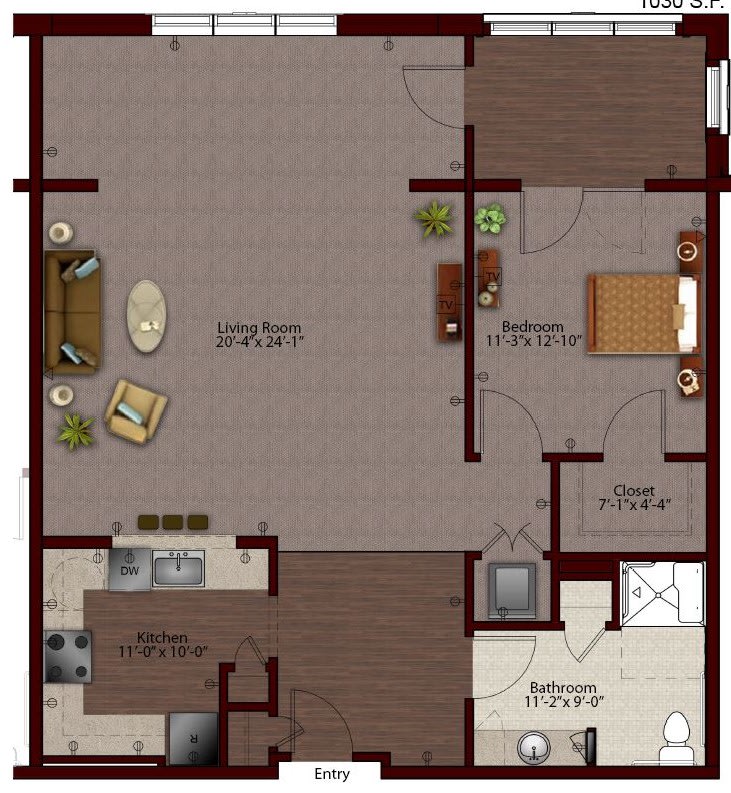
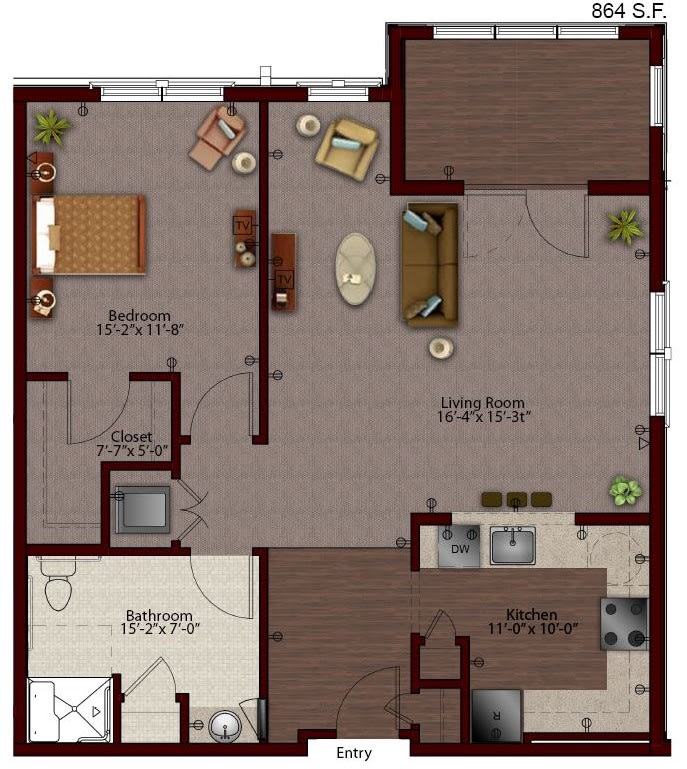
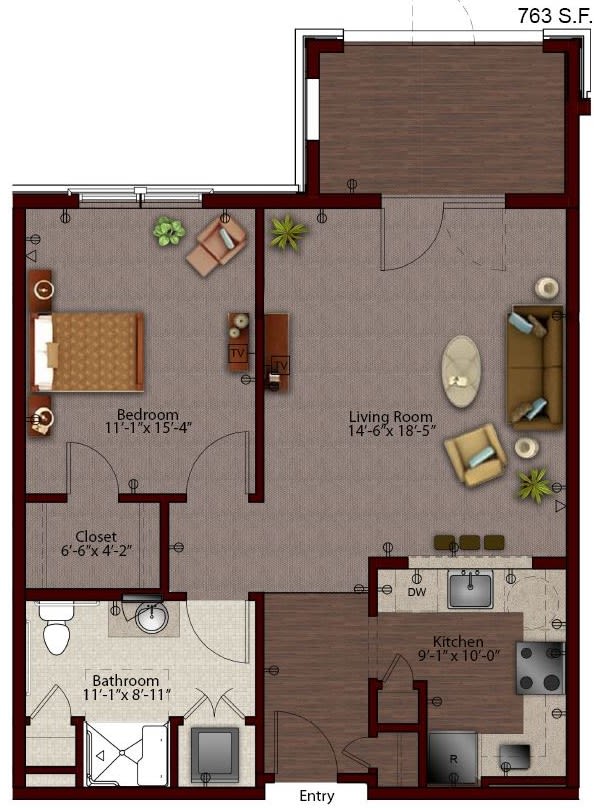
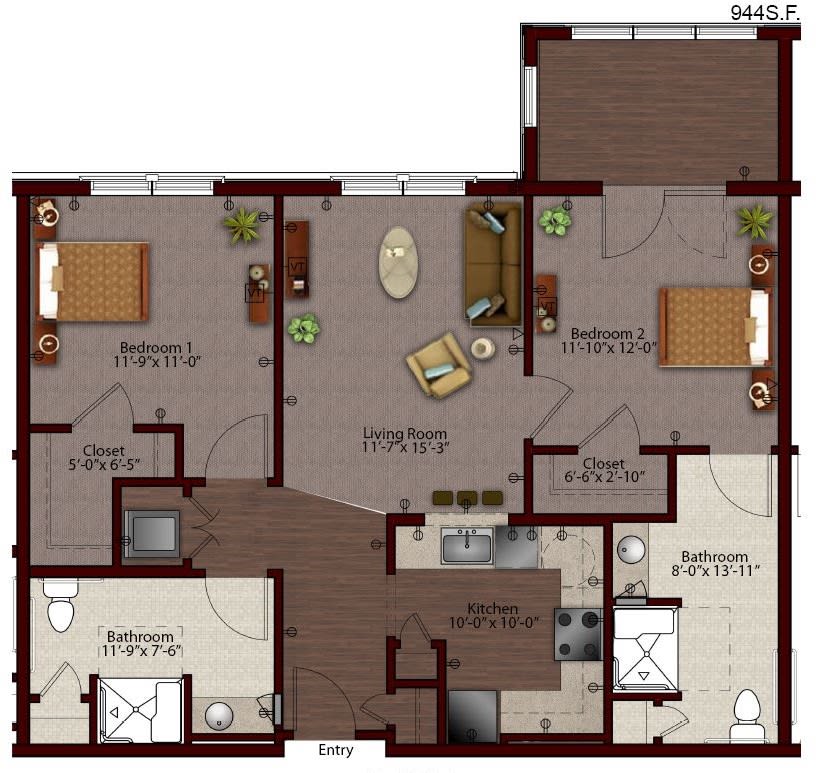
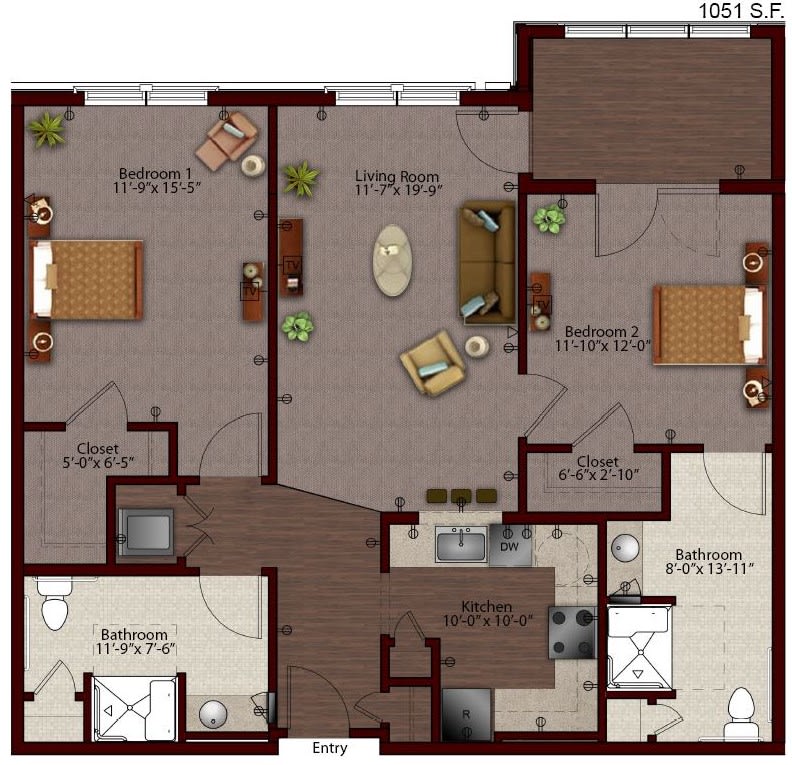
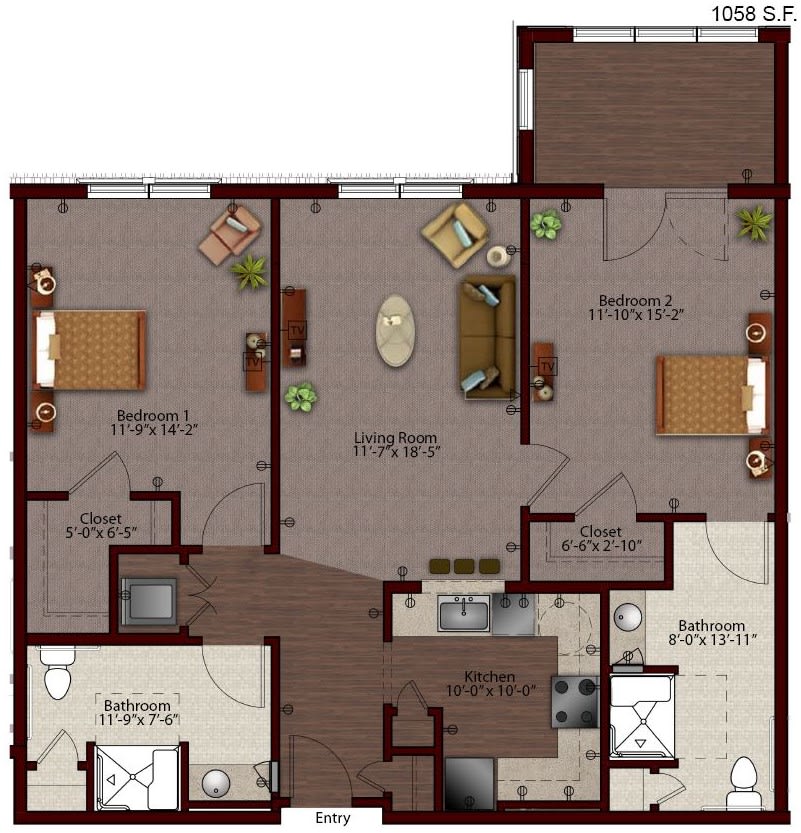
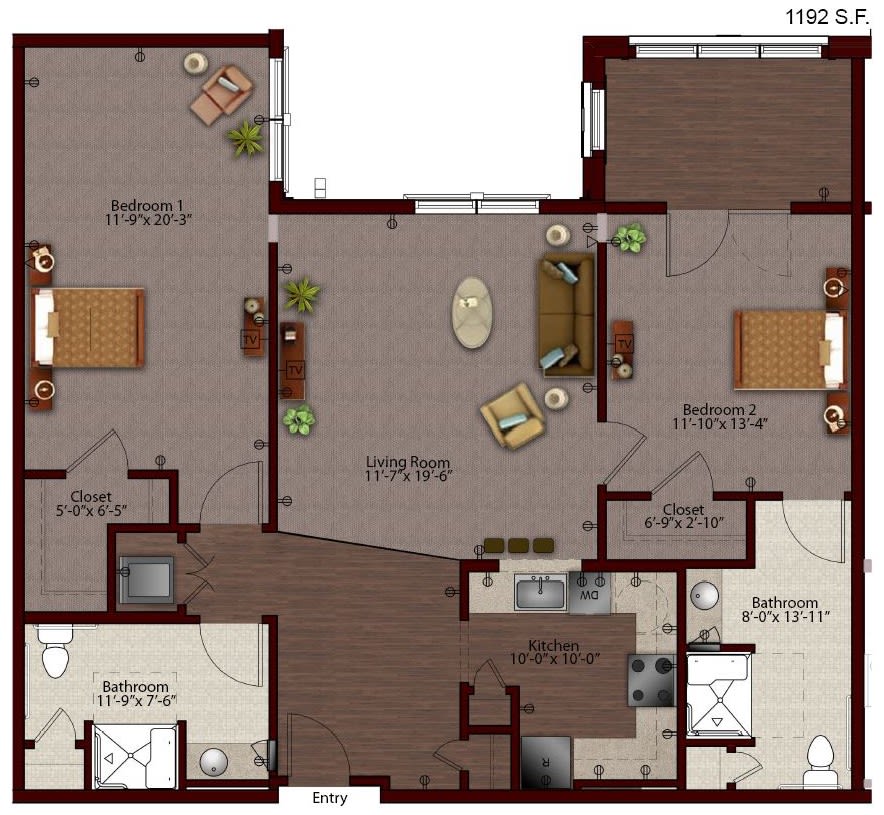
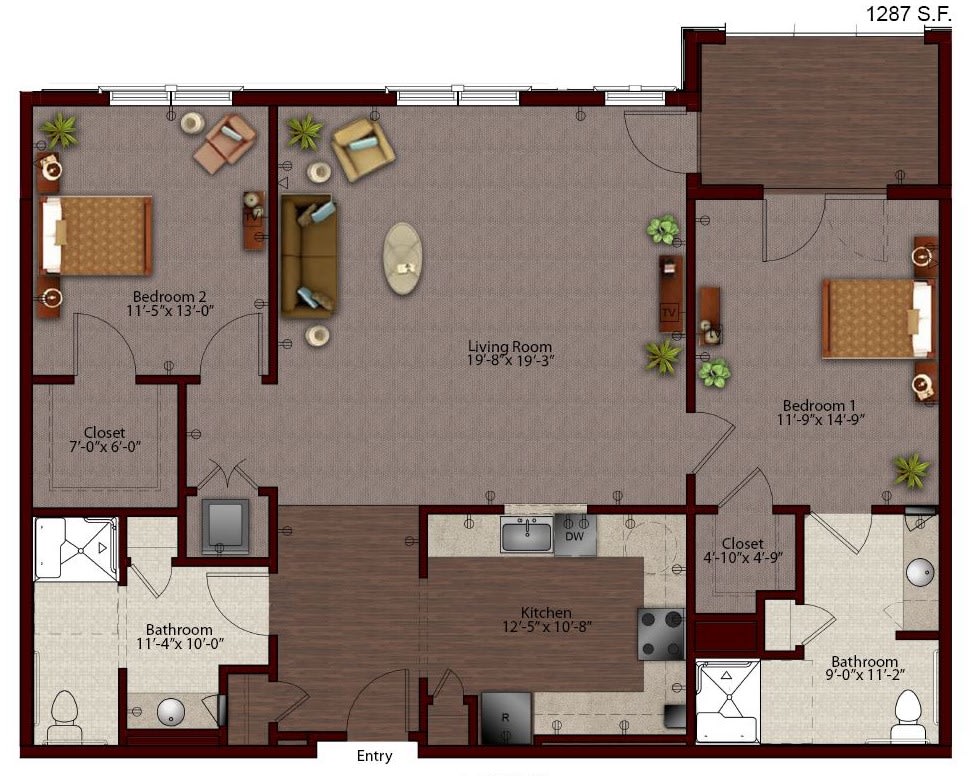
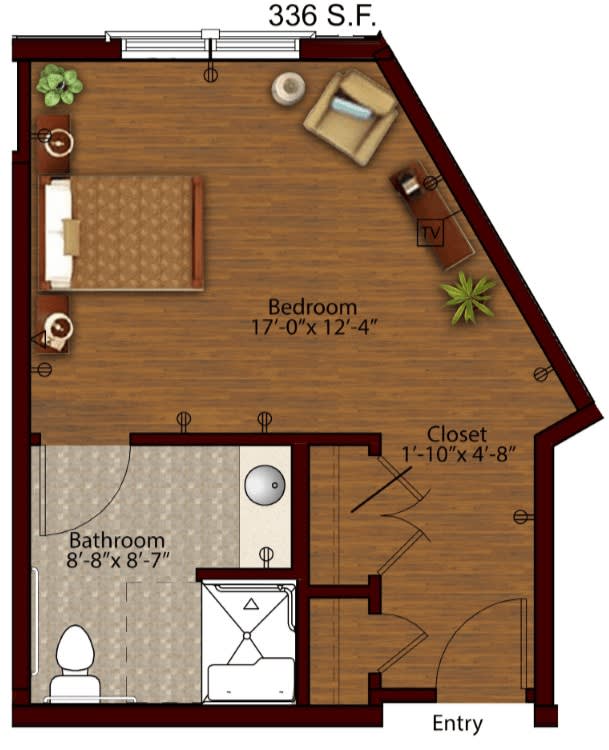
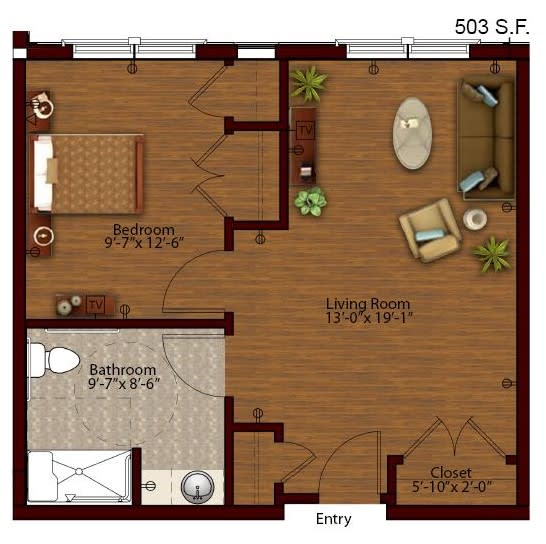
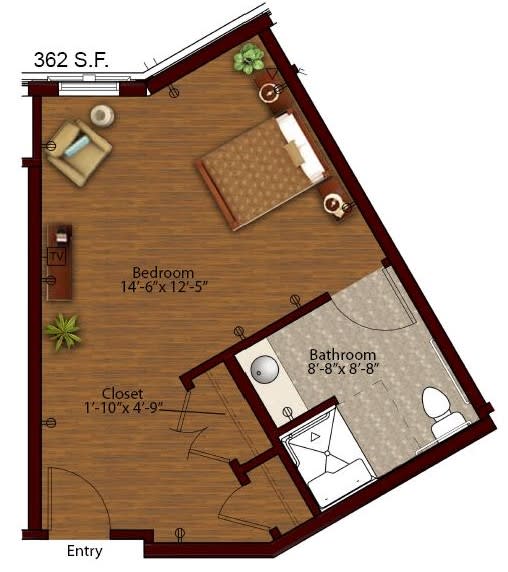
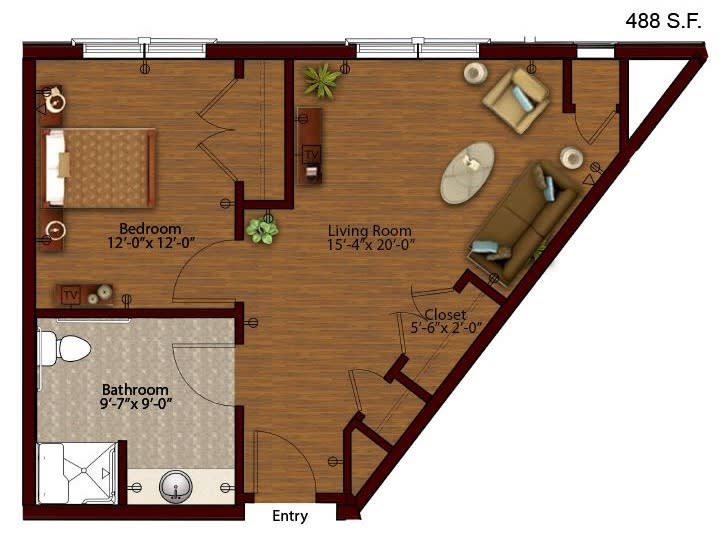
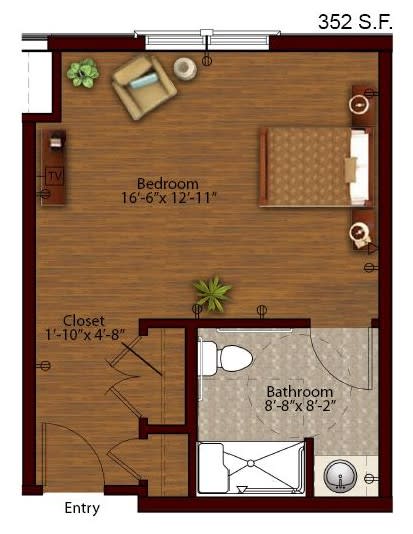
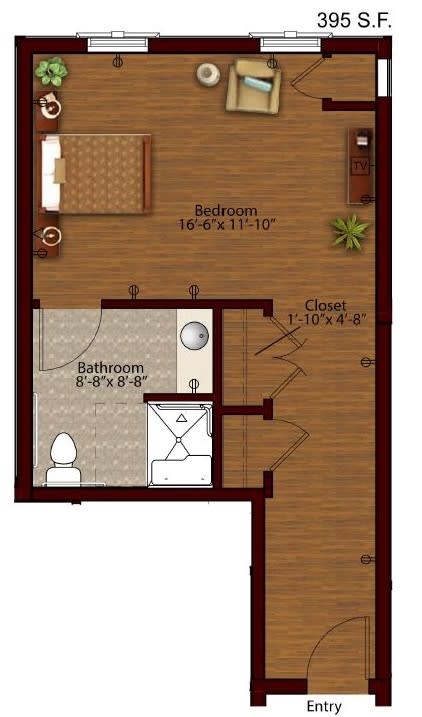
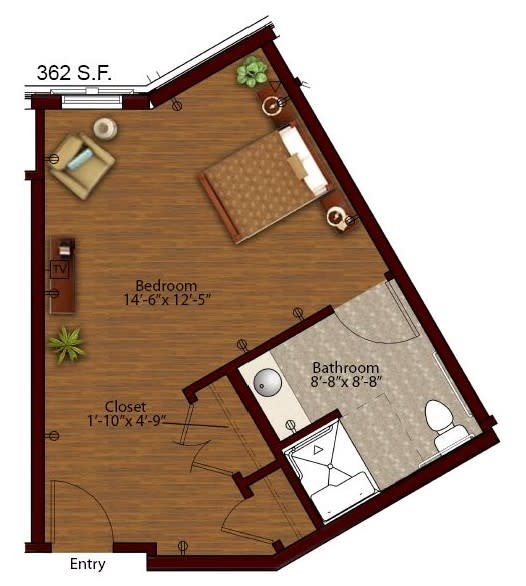
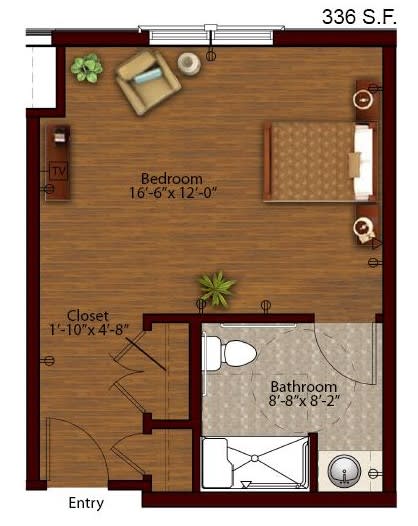
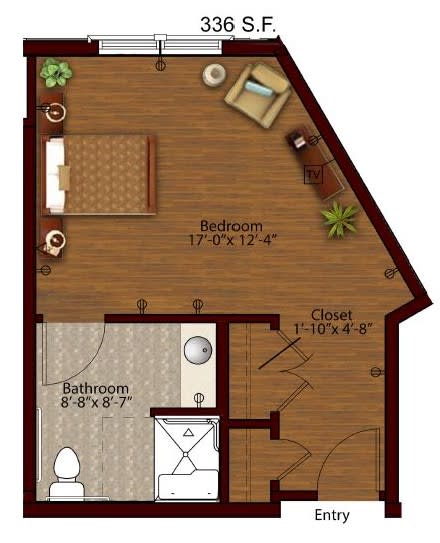
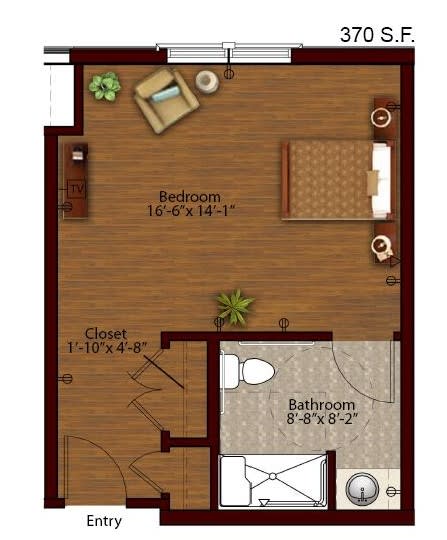
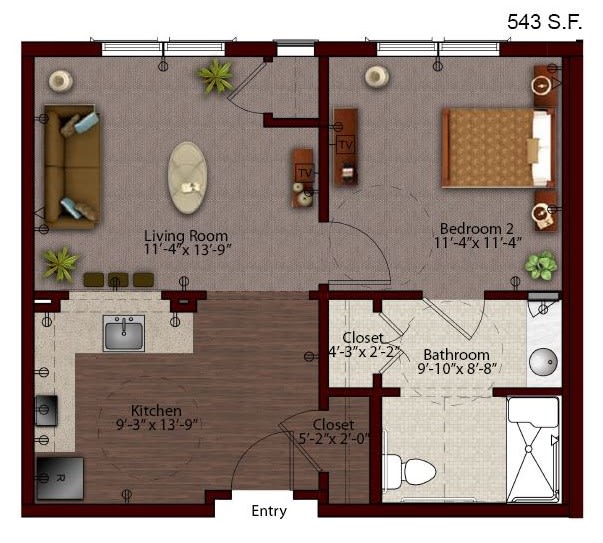
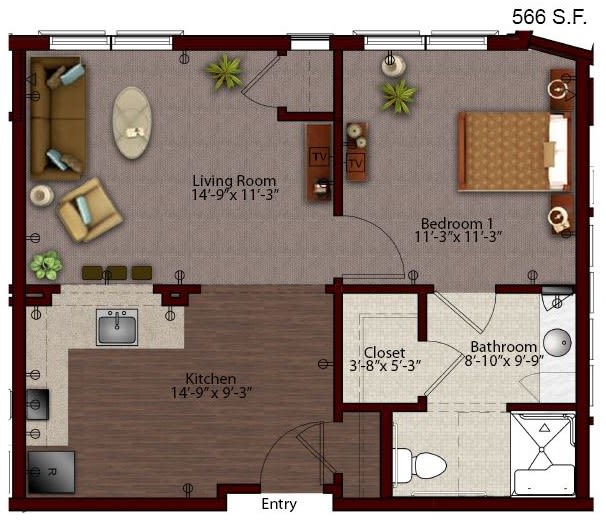
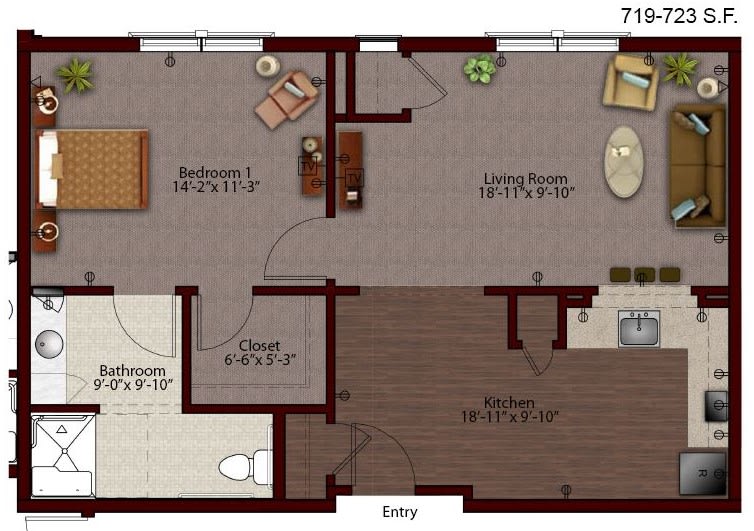
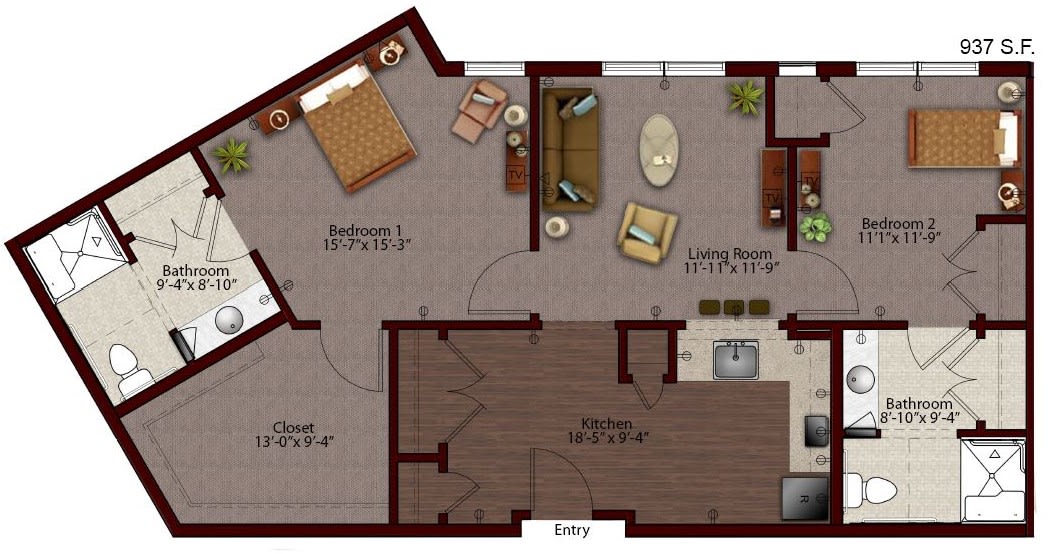
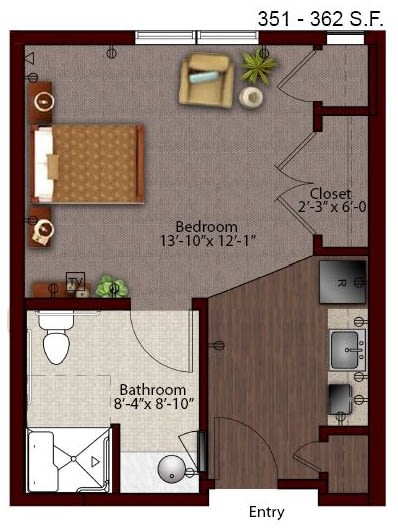
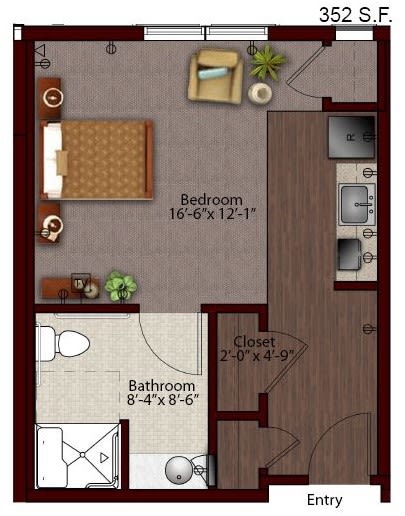
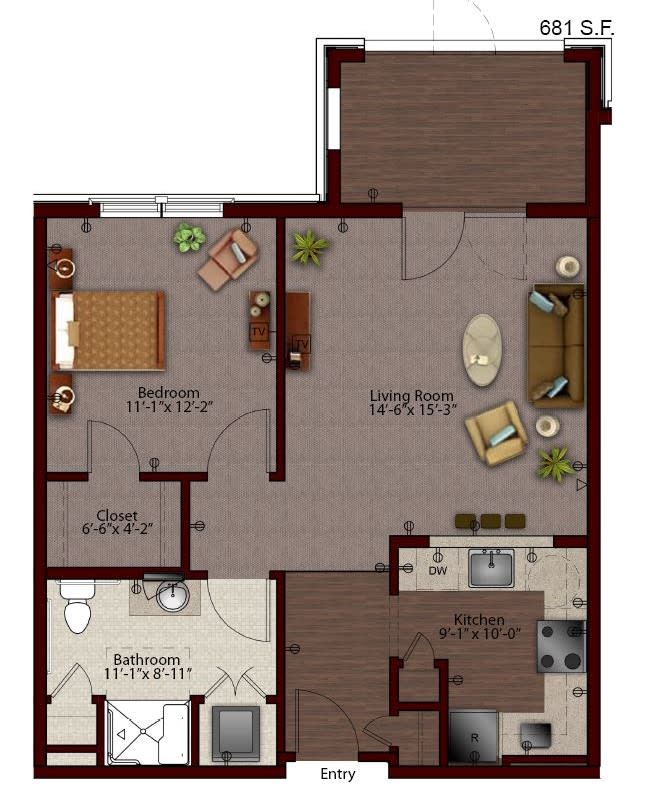
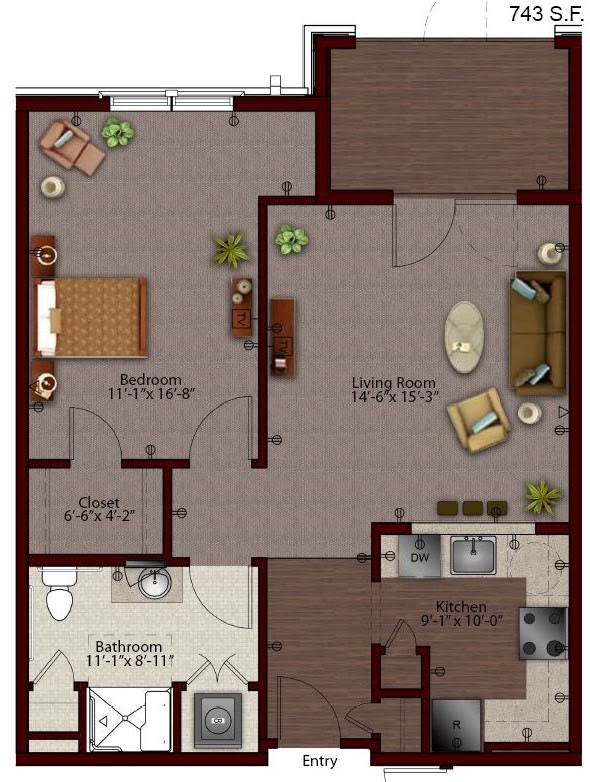
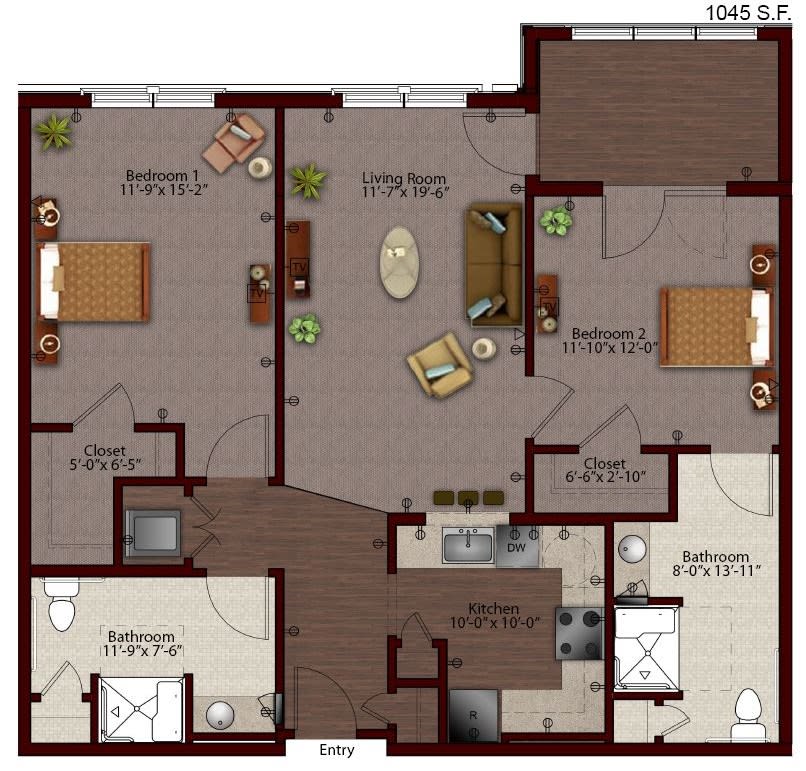
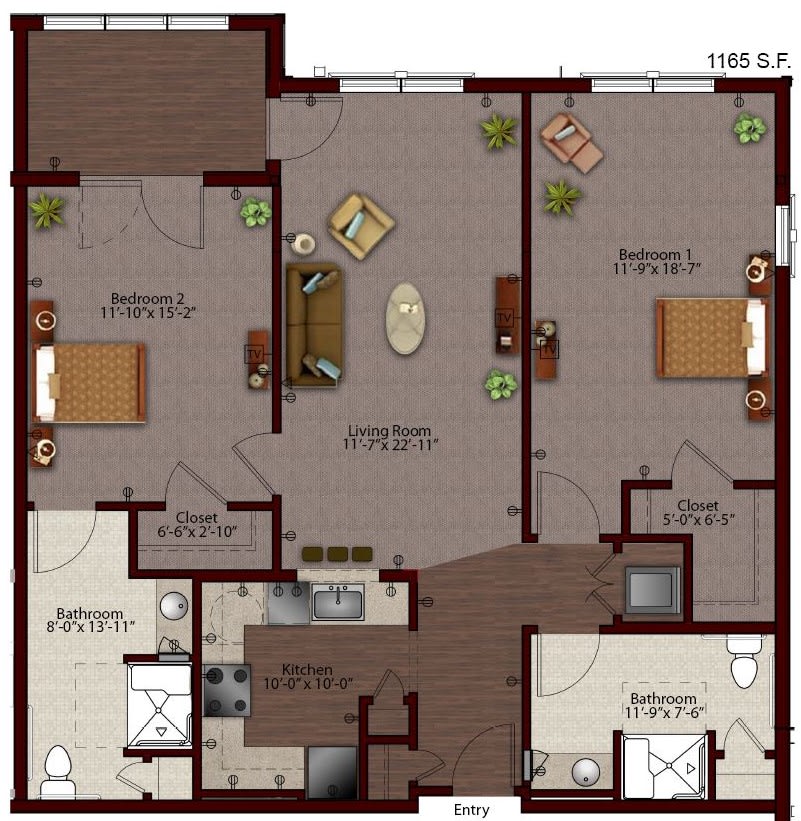
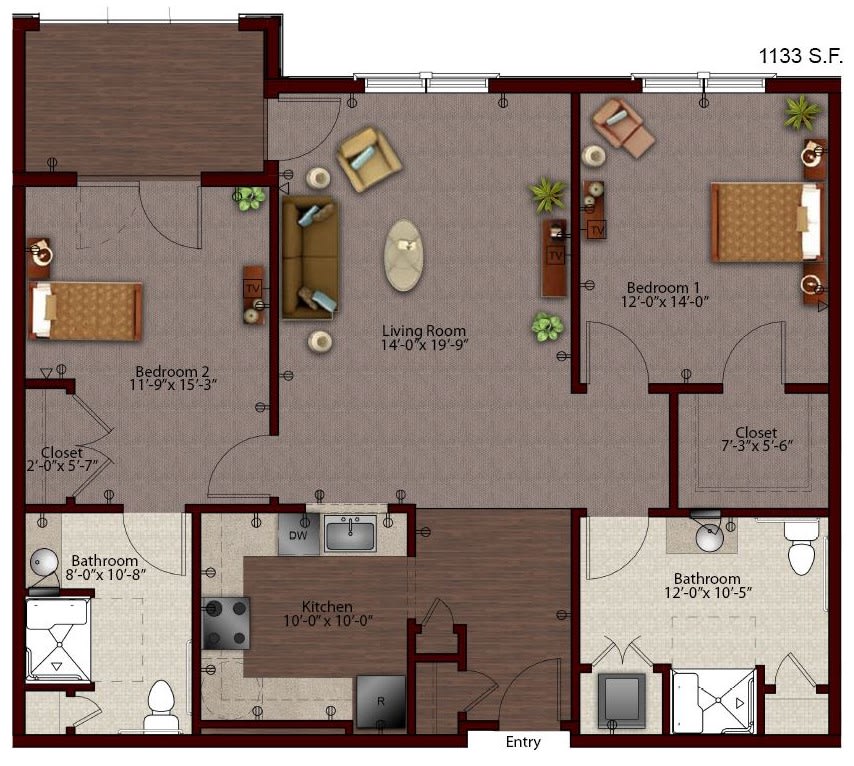
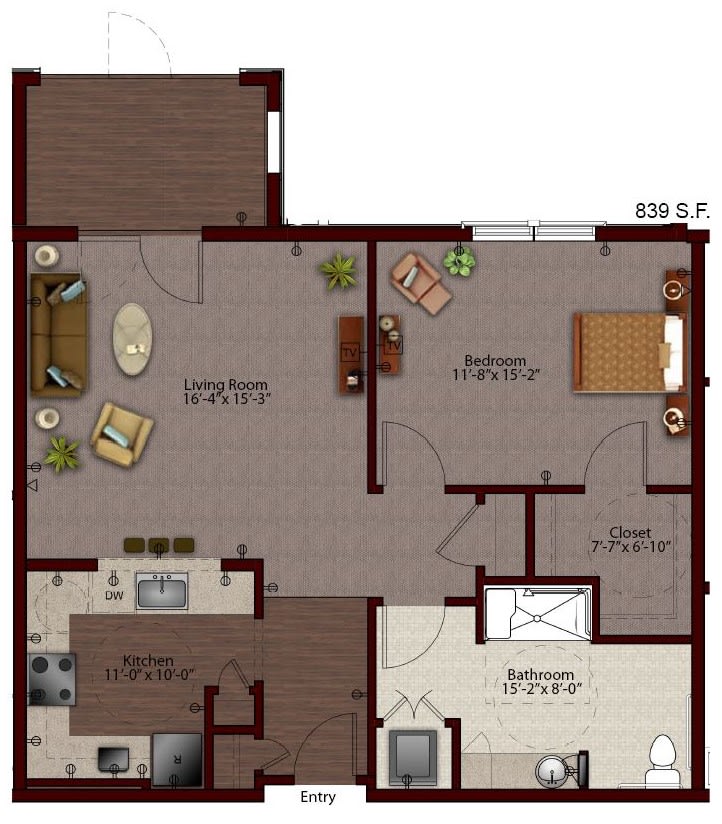
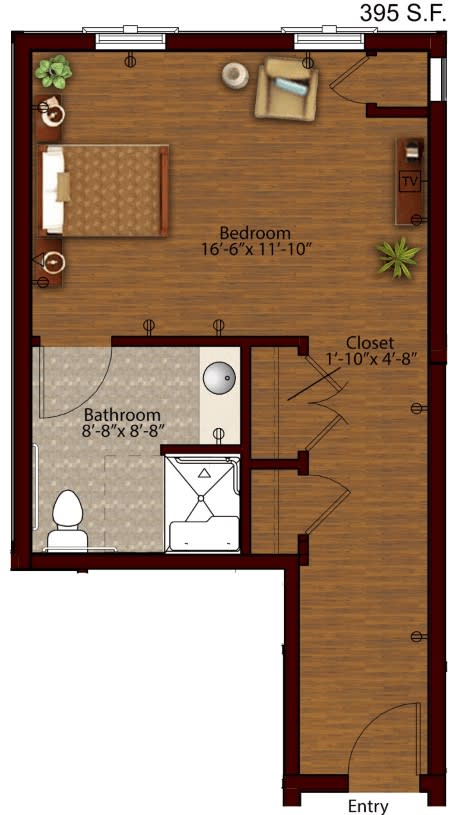
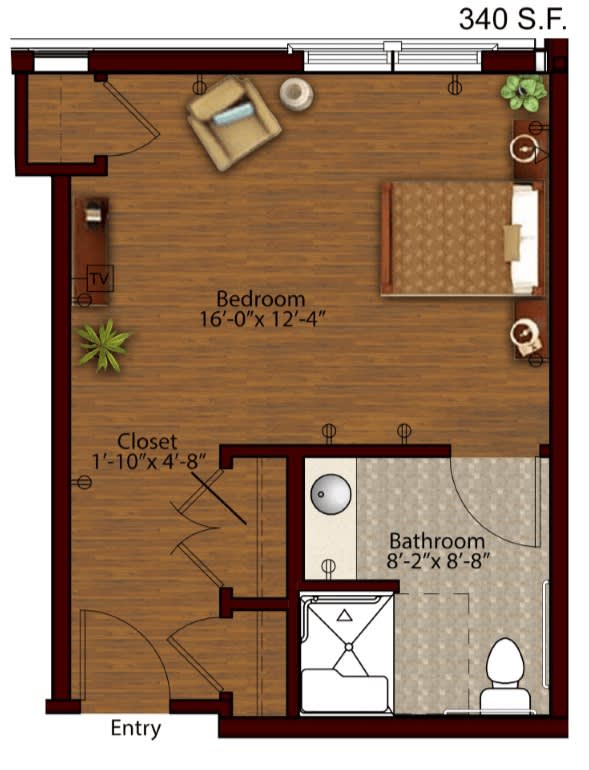
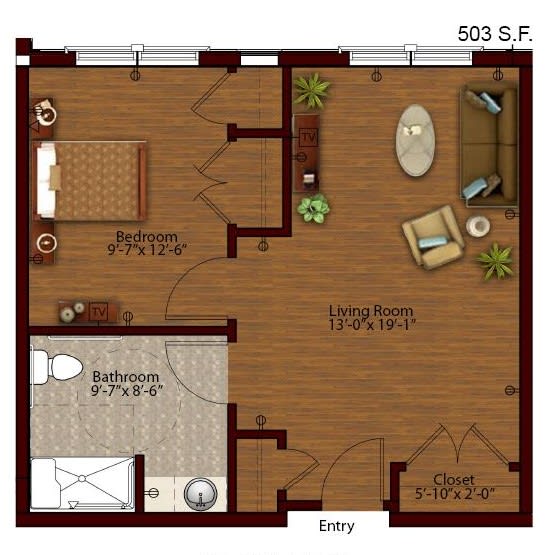
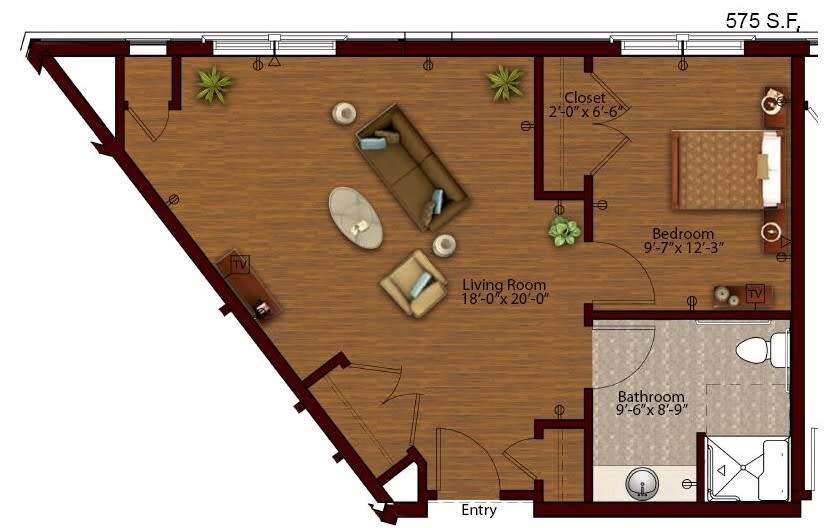
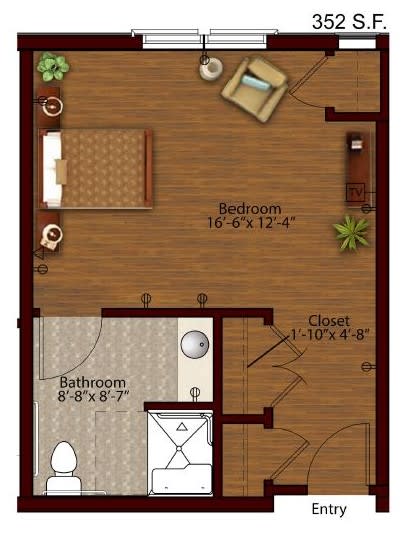
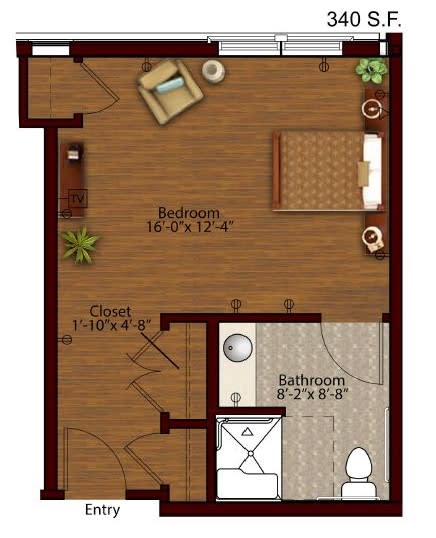
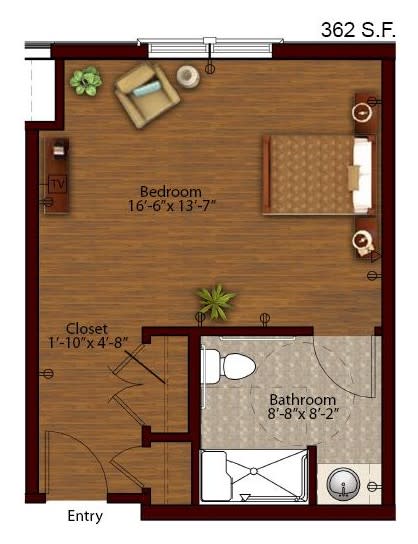
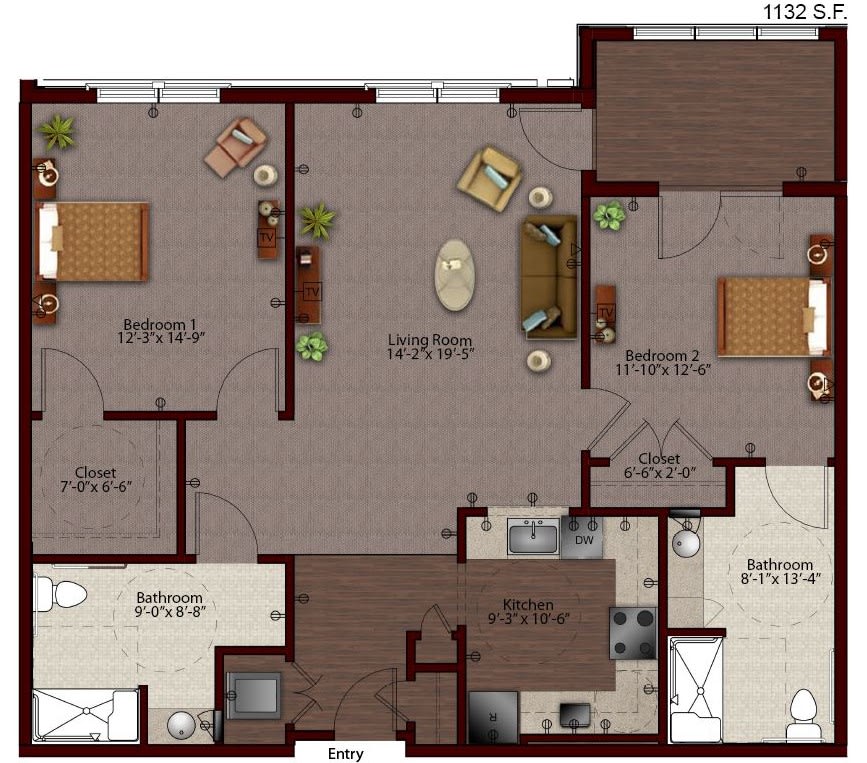
Floor plans
Harmony at Harts Run
Allegheny County
Pennsylvania
1 Bedroom
$3,840
$3,798
$4,006
Studio
$4,270
$3,637
$3,737
2 Bedrooms
$4,370
$4,653
$4,242
Memory care communities with a similar price nearby
from -$430 / mo
Holy Family Manor
4.6 from 46 reviews
$3,410 to $4,619 / month
5.2 miles away
from -$135 / mo
Juniper Village at Forest Hills
4.7 from 106 reviews
$3,705 to $7,360 / month
7.8 miles away
from +$160 / mo
Whitetail Springs Transitional Assisted Living and Memory Care Community
Several residents and families describe staffing that can affect safety and follow-through.
A recurring concern in the reviews is staffing levels and the impact it can have on care delivery. Some reviewers describe call bells not being answered promptly, residents not receiving the scheduled level of attention, and delays that showed up as issues with meals, medication, or activities. Others mention understaffing that limited bringing certain groups together for activities. There are also reports describing serious incidents and leaving residents unattended, which is presented as a major reason for concern.
common27 reviews mention this
Care and staff are often praised
Many reviews highlight caring, responsive staff who make families feel supported.
Across the positive reviews, residents and families repeatedly describe staff as kind, supportive, and responsive. Several reviewers mention feeling welcome and that questions were answered, sometimes citing help with the move and ongoing communication. A number of reviews also connect the experience to the quality of daily care, including reassurance that loved ones were safe and well cared for. A few reviews are negative about specific leadership behavior or professionalism, but the overall pattern still includes many accounts of genuine care.
caveat9 reviews mention this
Dining quality and consistency are mixed
Dining satisfaction varies, with multiple notes about food quality and timing.
Dining comes up often, but not in a single direction. Some reviewers call meals delicious and note improvements or variety, while others describe the food as disappointing or declining over time. There are also comments that dining service can be inconsistent, including delays and slower quality in certain situations. Even among positive accounts, a few reviewers still point to opportunities for better preparation or overall quality.
common7 reviews mention this
Activities help residents stay engaged
Reviews frequently mention activities that keep residents busy.
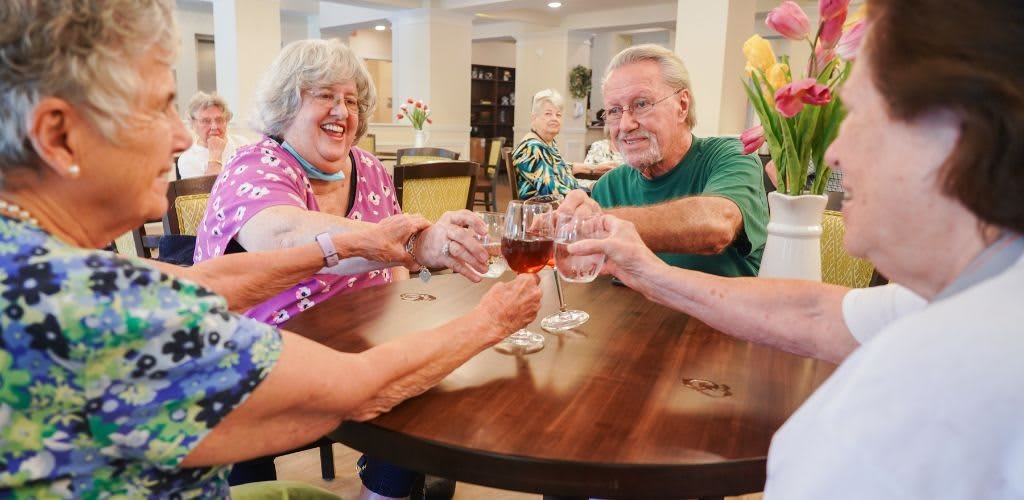
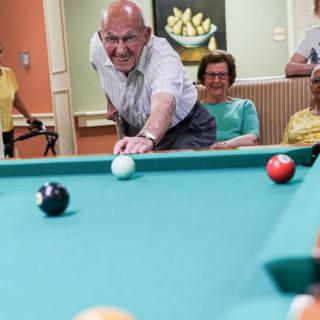
Many reviews describe regular activities that help residents stay involved, including on-site programming and off-site options. Families also mention trips and shuttle access, plus occasions like community gatherings. Some residents are described as enjoying exercise-related options and social time, while others note that activity access can be limited by staffing. Overall, the facility’s activity presence is a consistent part of the day-to-day experience for many reviewers.
differentiator13 reviews mention this
Clean, new facility stands out
Multiple reviews focus on a clean, fresh facility and comfortable spaces.
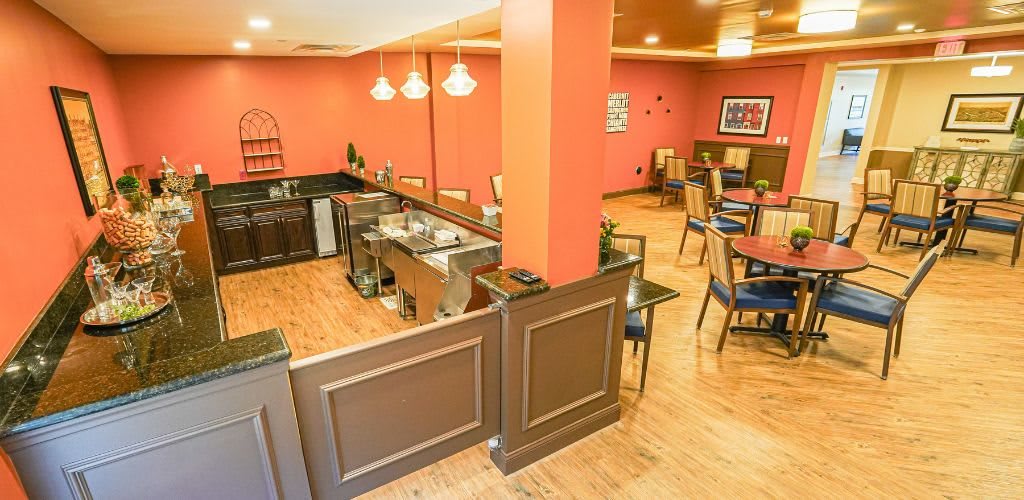
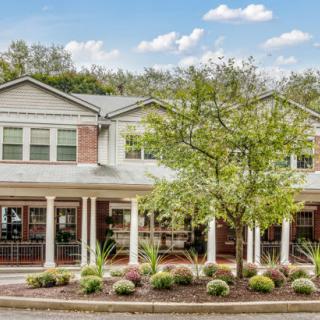
A common positive theme is how clean and well maintained the community feels. Several reviewers mention it as new or recently updated, with layouts and common areas that are easy to get around. Positive comments also point to relaxing spaces and dining areas that look cared for, along with cleanliness throughout the building. A smaller number of reviews raise housekeeping or maintenance issues, including dirty areas or slower maintenance response, but cleanliness is still repeatedly mentioned as a strength.
caveat3 reviews mention this
Price runs above county range
Some families say the monthly cost is not cheap, even when they feel it’s worth it.
Pricing is mentioned as a drawback in a few reviews, including comments that the facility is expensive and that costs can rise based on care needs. Others say they felt satisfied despite the expense, which suggests value depends on the individual care level and what’s included. The community also appears to be positioned as one with multiple pricing inputs by unit type, with some categories priced above the county average.
How we summarize
Counts show how many written reviews mention each theme; a review can touch several themes, and only frequently mentioned themes are displayed.
Features
Housing
1-bedroom apartments
2-bedroom apartments
Studio apartments
Types of Care
Assisted Living
Independent Living
Memory Care
Pets
Cats allowed
Dogs allowed
Amenities
Activities on-site
Beautician on-site
Devotional services off-site
Dining room
Garden
Housekeeping services
Indoor common areas
Respite or short term stays offered
TV room
Wi-Fi/high-speed internet available
Transportation
Pittsburgh International (15 miles away)
Transportation & parking
Care Services
Ambulatory care
Diabetic care
High acuity care
Incontinence care
Medication management
Dining
Meals provided
Activities
Activities off-site
Activities on-site
Devotional activities offsite
Virtual Tour
Videos
Nearby Places of Interest
Located in the charming town of Glenshaw, Pennsylvania, this area offers a variety of amenities and services that cater to seniors looking for a comfortable and convenient lifestyle. With several parks nearby such as Fall Run Park and Arsenal Park, residents can enjoy scenic walks and outdoor activities. There are also plenty of dining options including Eat'n Park, E Town Bar & Grill, and The Cheesecake Factory for enjoyable meals with friends and family. For shopping needs, there are pharmacies like Rite Aid and Walgreens within a short distance. Additionally, there are places of worship such as Bethlehem Lutheran Church and healthcare facilities like Renaissance Family Practice and St Margaret's Hospital Emergency Department easily accessible. With cafes like Starbucks and theaters like Cinemark North Hills And XD close by, there is no shortage of entertainment options for those considering senior living in this vibrant community.
Parks
Fall Run Park (0.5 miles)
Aspinwall Riverfront Park (3.4 miles)
Leslie Park Field (3.6 miles)
Arsenal Park (4 miles)
Restaurants
Eat'n Park (0.8 miles)
E Town Bar & Grill (2 miles)
The Allegheny Wine Mixer (2.9 miles)
Taco Bell (3.1 miles)
Grist House Brewing (3.4 miles)
La Gourmandine (3.6 miles)
The Cheesecake Factory (3.6 miles)
Pharmacies
Rite Aid (0.8 miles)
Rite Aid (0.9 miles)
Walgreens (1.4 miles)
Rite Aid (2.8 miles)
Shop 'n Save (2.8 miles)
Walgreens (3.4 miles)
Market District Pharmacy (3.7 miles)
Places of Worship
Bethlehem Lutheran Church (0.9 miles)
Calvary Episcopal Church (4.8 miles)
St Irenaeus Church (5.5 miles)
Physicians
Renaissance Family Practice (1 miles)
Harmarville Health South Rehab (4.3 miles)
Advanced Dermatology (4.4 miles)
Aiken Medical Building (4.8 miles)
Bellissimo Plastic Surgery & Medi Spa (5.2 miles)
North Pittsburgh Oral Surgery (5.5 miles)
Allegheny Cancer Center (5.5 miles)
Cafes
Starbucks (3.4 miles)
The Abbey on Butler Street (3.5 miles)
Panera Bread (3.7 miles)
Brooklyn Bagel At Arsenal (4 miles)
Trace Brewing (4.2 miles)
Redstart Roasters (4.3 miles)
Starbucks (4.3 miles)
Hospitals
Department of Radiology (3.5 miles)
St Margaret's Hospital Emergency Department (3.6 miles)
UPMC Children's Hospital of Pittsburgh (4 miles)
Southwestern Veterans Center (4.1 miles)
Western Pennsylvania Hospital (4.3 miles)
Western Pennsylvania Hospital labor and delivery (4.3 miles)
Harmony at Harts Run offers competitive pricing when compared to the broader market in Allegheny County and across Pennsylvania. For a one-bedroom unit, residents can expect a monthly cost of $3,840, which is slightly higher than the county average of $3,798 but remains below the state average of $4,006. The studio apartments come with a monthly fee of $4,270, positioning them above both county and state averages, which stand at $3,637 and $3,737 respectively. For those seeking more space, the two-bedroom option is priced at $4,370 - under Allegheny County's average of $4,653 yet above Pennsylvania's overall average of $4,242. Overall, Harmony at Harts Run balances quality and affordability within its offerings while fostering a nurturing community environment.
Harmony at Harts Run offers essential features like medication management and incontinence care that are crucial for effectively supporting residents with dementia or Alzheimer's disease. The structured medication management system ensures that individuals receive their prescribed medications on time, reducing the risk of missed doses or potential adverse reactions, which is vital in maintaining their overall health. On the other hand, incontinence care is handled with sensitivity and professionalism, providing residents with dignity while addressing their personal needs. This dedicated approach not only alleviates physical discomfort but also promotes emotional well-being, creating a supportive environment where residents can feel safe and valued as they navigate the challenges of memory loss. Together, these features contribute to a comprehensive care plan tailored to enhance the quality of life for those affected by cognitive decline.
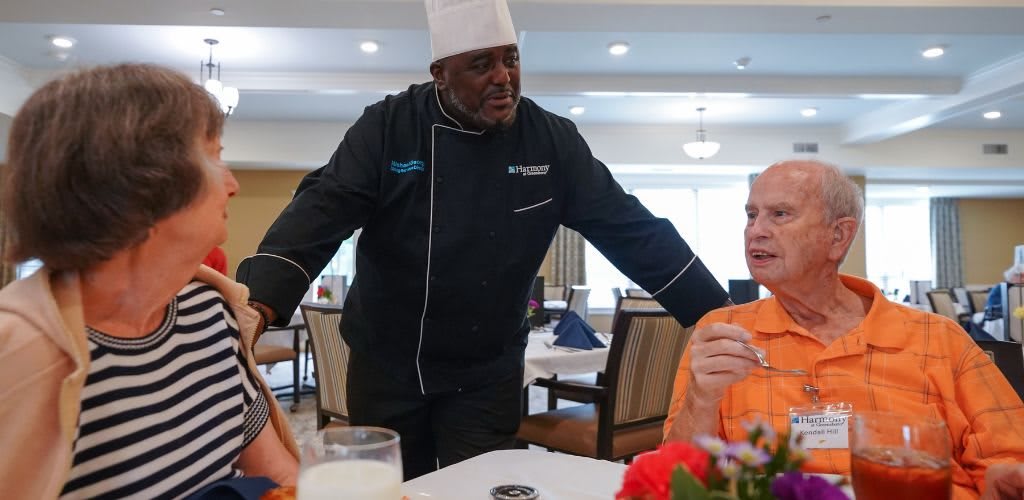
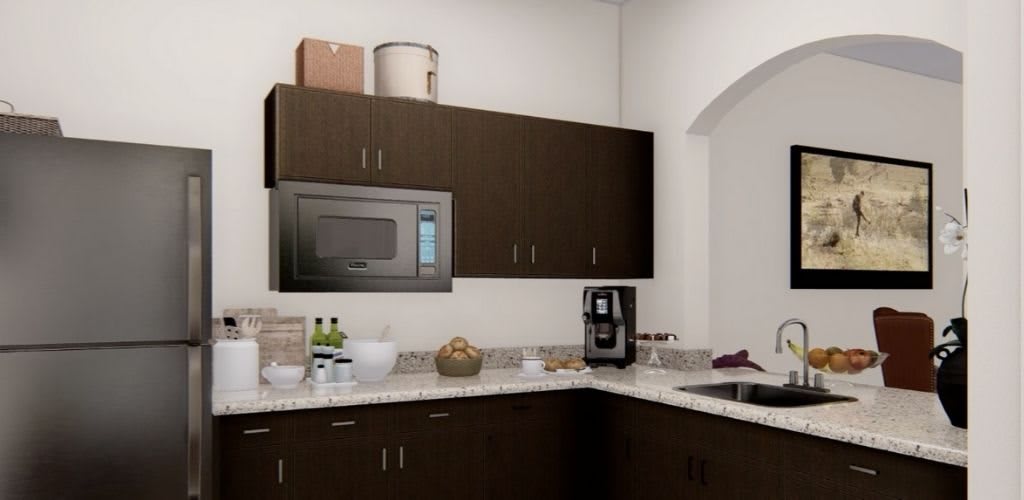
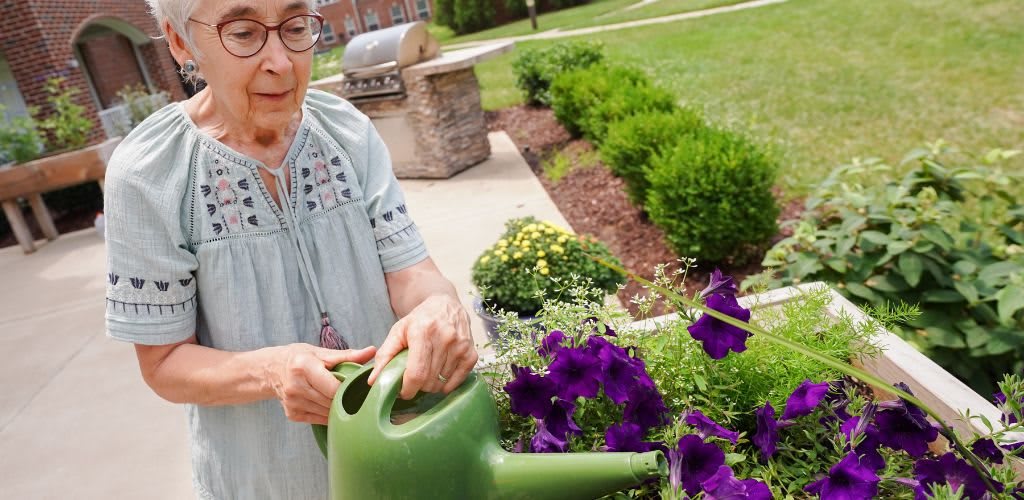
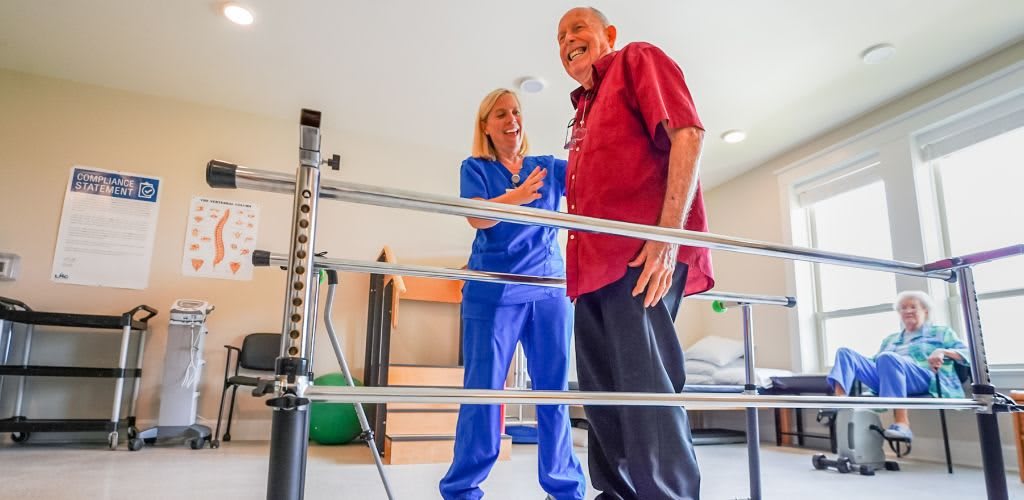
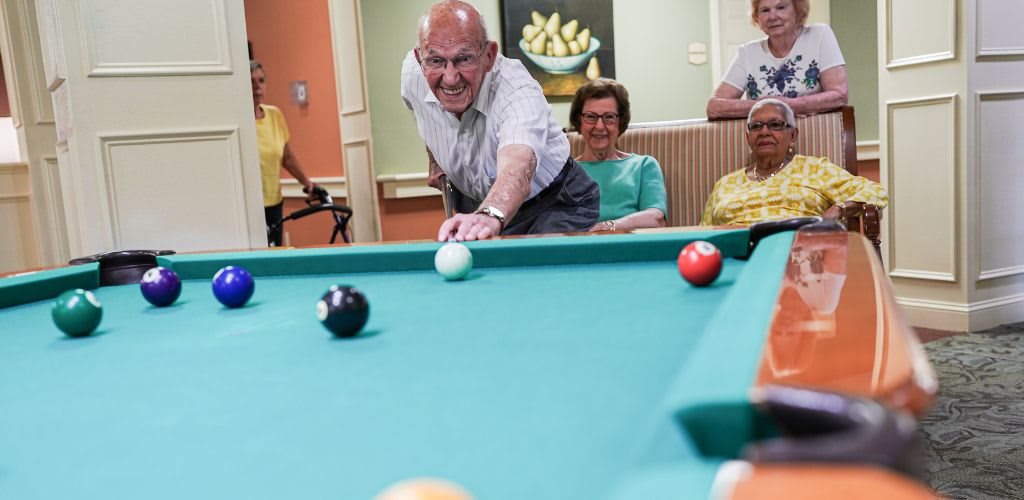
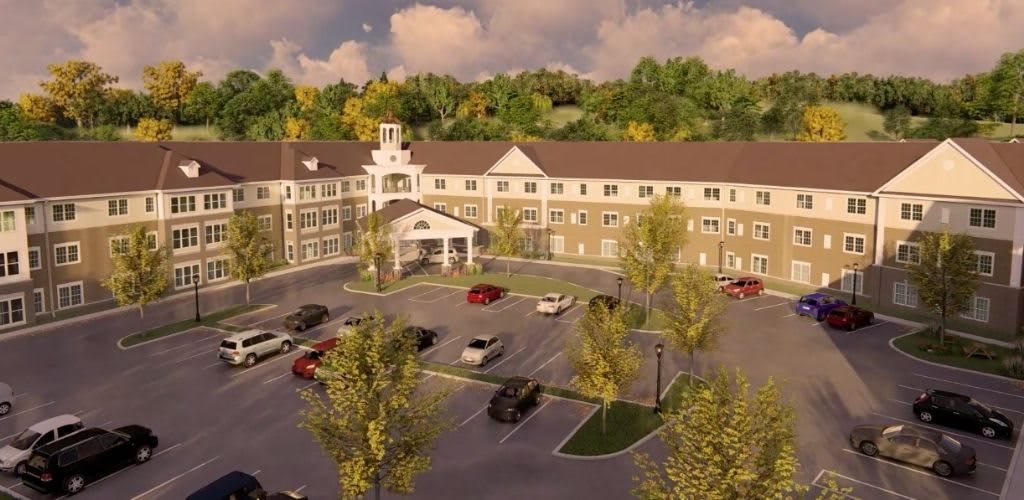
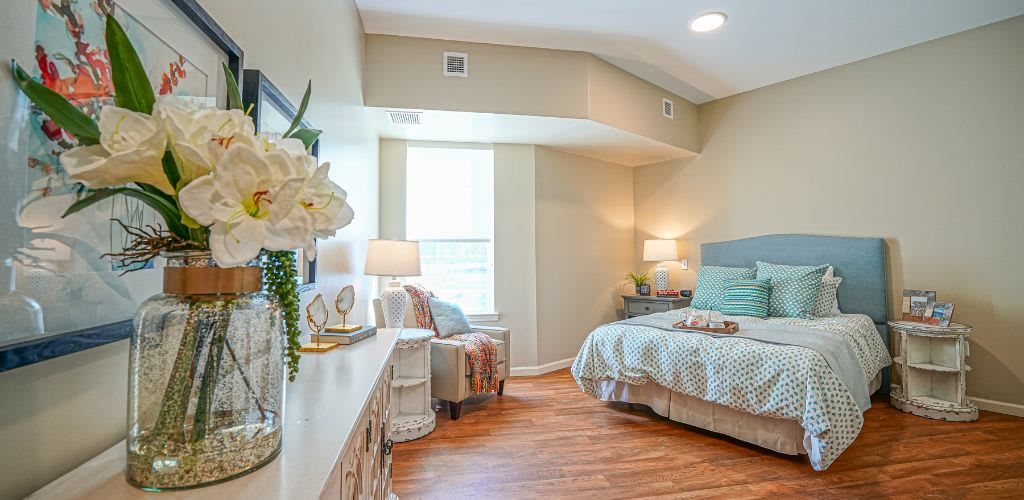
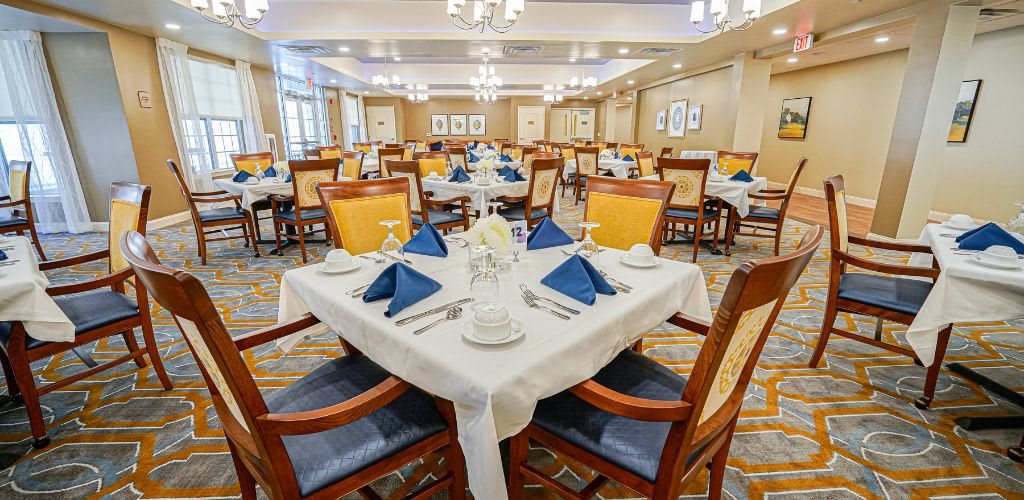
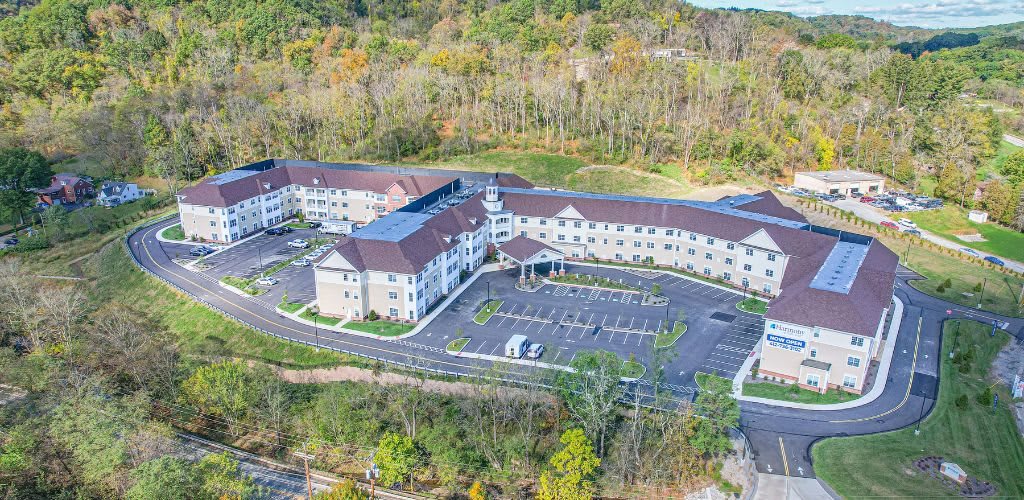
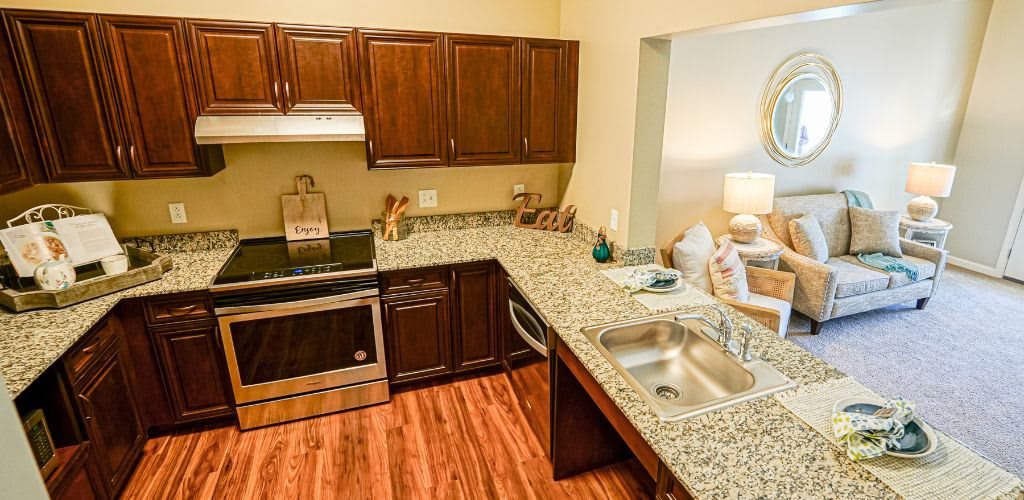
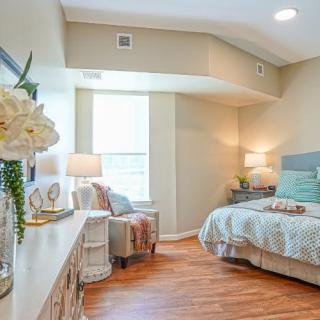
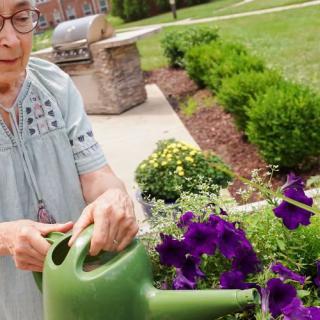
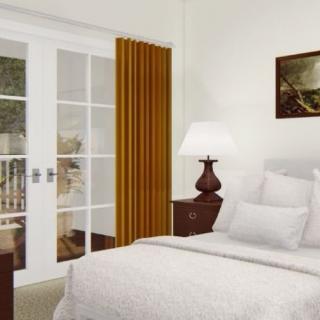
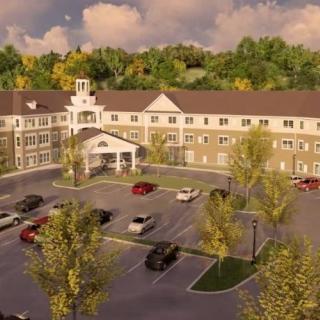
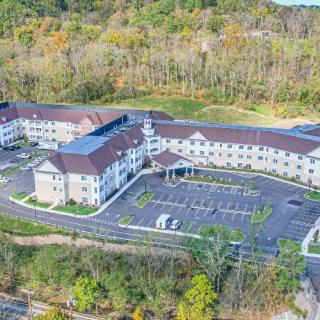
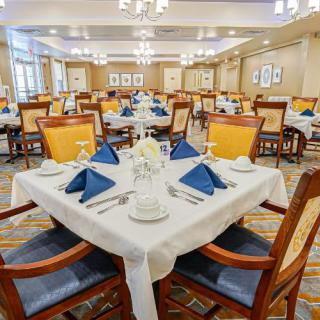
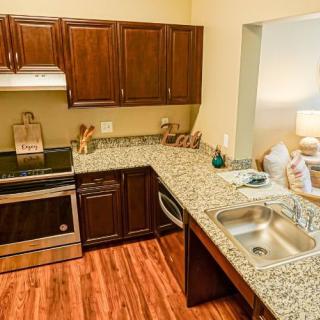
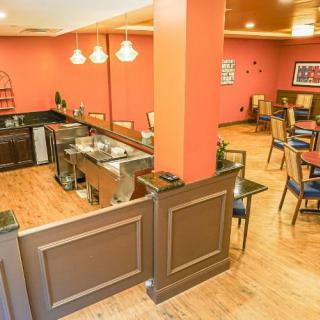
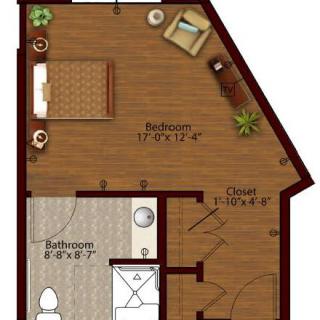
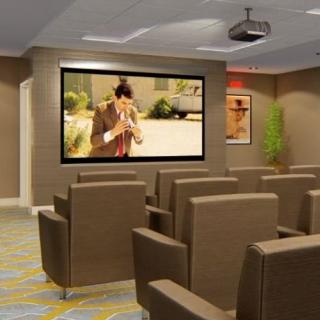
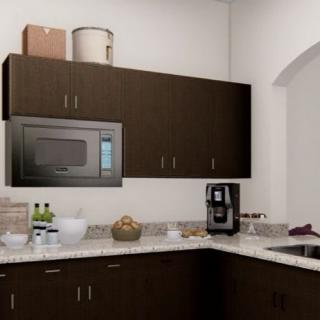
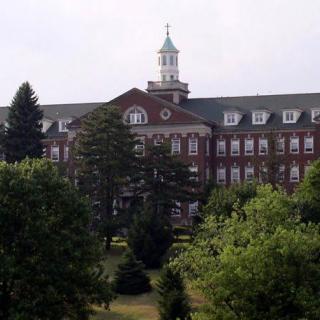
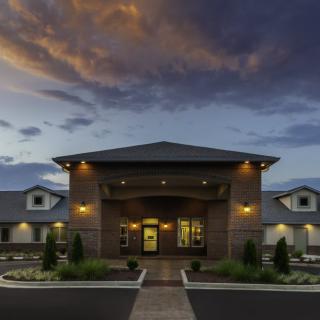
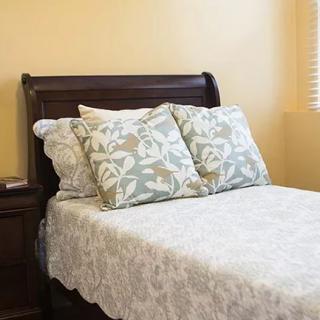
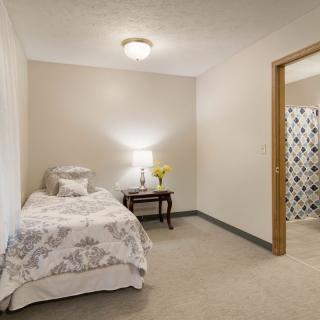
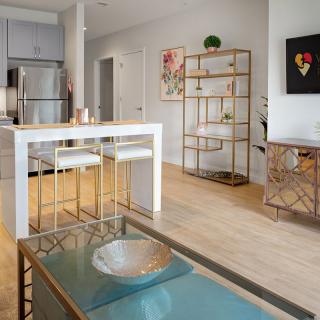
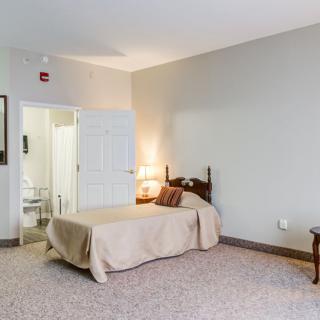
Harmony at Harts Run on seniors.fyi includes 62 photos including images showing floor plan, bedroom, bathroom, interior, kitchen, living room, closet, dining, and more.
Nearby Communities
Angels 211
Pittsburgh, PA
4.1 from 33 reviews
Compassionate staff with RN oversight in a home-like setting.
Remed Recovery Care Centers
Pittsburgh, PA
Small, intimate board-and-care with comprehensive care, meals, transportation, and activities.
Orion Personal Care Residence
Allison Park, PA
4.7 from 23 reviews
$3,740 to $4,010 / month
Experienced staff delivering a warm, home-like environment with fresh meals.
Orion Personal Care
Allison Park, PA
4.6 from 21 reviews
Specialized memory care with 24-hour supervision and medication management, plus engaging activities and a mental wellness program in a comfortable, furnished setting with restaurant-style dining and outdoor spaces.
Evergreen I
Pittsburgh, PA
Respite-focused assisted living with 24/7 supervision, medication management, and restaurant-style dining.
Celebration Villa of Allison Park
Allison Park, PA
4.3 from 79 reviews
$4,188 to $6,156 / month
One-floor layout with friendly staff and active programs.
Terrace Place at Vincentian
Allison Park, PA
4.9 from 16 reviews
$2,175 / month
Friendly, supportive staff; bright, social lobby; well-maintained apartments with engaging activities
The Haven At North Hills Senior Residence
Pittsburgh, PA
4.7 from 41 reviews
Caring, professional staff; clean environment; nutritious dining.
Highland Park Care Center
Pittsburgh, PA
2.3 from 47 reviews
Caring staff, clean facilities, and engaging resident activities.
The article examines the link between certain medications and increased dementia risk, particularly in older adults, emphasizing that long-term or high-dose use of anticholinergics, benzodiazepines, and other drug classes can exacerbate cognitive impairment. It calls for careful medication evaluation and shared decision-making to mitigate these risks while managing treatment efficacy.
The article emphasizes the significance of establishing a power of attorney for elderly parents to enable an agent to make decisions on their behalf regarding health and finances, especially during cognitive or physical decline. It outlines various types of power of attorney, the importance of consulting legal professionals, and the responsibilities and challenges faced by agents, while also discussing alternatives and common misconceptions.
Caregiver support groups are crucial for providing emotional and practical assistance to those caring for loved ones, offering resources, coping strategies, and a sense of community through various organizations and platforms. These groups help alleviate isolation and burnout while addressing the unique challenges faced by caregivers of individuals with specific conditions.
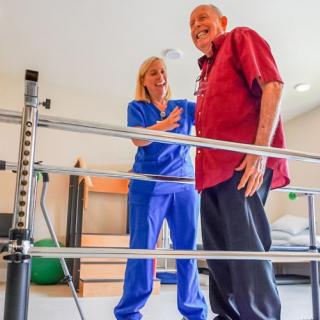
Healthcare, Rehabilitation, Physical Therapy, and Nurse
Painting
Cabinets and Coffee Station
Billiards, Swimming Pool, and Recreation
Hardwood Floor
Studio Apartment
Balcony
Kitchenette
Theater and Projector Screen
Closet
Living Area
Home Design
Architectural Drawing
Place Settings
Home Interior
Architectural Design
Apartment Design
Get PricingAsk A QuestionSchedule A TourContact Senior Advisor
By clicking submit, you agree to our Partner's Terms of Use. You
also consent to receive calls and texts, which may be autodialed, from our Partner. Your consent is not a condition to
using our Partner's service. Please visit our Partner's Privacy Policy for information about their privacy practices.



 1-bedroom apartments
 Assisted Living
 Independent Living
 Memory Care
 Cats allowed
 Dogs allowed
 Activities on-site
 Beautician on-site
 Devotional services off-site
 Dining room
 Garden
 Housekeeping services
 Indoor common areas
 Respite or short term stays offered
 TV room
 Wi-Fi/high-speed internet available
 Pittsburgh International (15 miles away)
 Transportation & parking
 Ambulatory care
 Diabetic care
 High acuity care
 Incontinence care
 Medication management
 Meals provided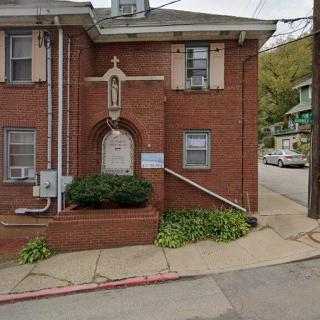
 Compassionate staff with RN oversight in a home-like setting.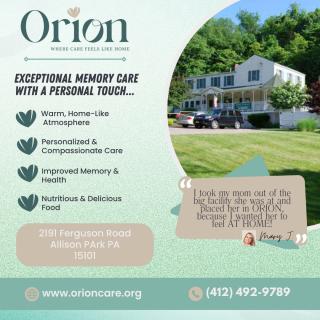

 Medications Associated with Dementia Risk: A Comprehensive Overview
 Guiding Your Journey: Understanding Power of Attorney for Elderly Parents
 22 Remarkable Caregiver Support Groups Available Online and In-Person