For more information about senior living options: (866) 208-4318
2.3 from 47 reviews
5 stars
12
4 stars
3
3 stars
2
2 stars
2
1 stars
28
Overall Review of Highland Park Care Center
common14 reviews mention this
Staff is sometimes described warmly
Many residents and families describe kind, attentive caregivers.
Several reviews say staff treated them with dignity and provided help when families called. A number of reviewers also describe positive experiences with therapy teams and day-to-day care, including being kept clean and supported with communication. Some reviewers also mention friendly staff but still raise separate concerns about staffing levels or day-to-day follow-through.
caveat4 reviews mention this
Call responsiveness and phones draw complaints
Some families report delays or problems reaching staff.
A recurring concern is difficulty getting help when residents need it, including reports that call lights were not answered promptly. Other reviews specifically mention phone issues, such as phones not working or not available in rooms, which families say can limit communication with loved ones. Taken together, these comments point to frustration around responsiveness and reliable ways to reach staff.
caveat9 reviews mention this
Care follow-through is a major concern
Residents and families describe preventable care issues at times.
Many negative reviews focus on physical care problems, including reports of bedsores, reduced mobility, and residents being kept in wheelchairs instead of staying active. Some reviews also describe communication breakdowns, such as not informing families about hospital trips or hanging up during calls. While a smaller set of reviews describes good outcomes, the repeated complaints about neglect-related issues are the most prominent theme overall.
caveat3 reviews mention this
Dining and diet needs vary in reviews
Diet details like diabetic needs and medication changes come up.
Some reviews say residents did not receive required diabetic diets or that requested diet changes were not made. Others describe concerns about incorrect medication administration and staff not responding to requests to adjust medications. At the same time, the community is described elsewhere as providing enjoyable food and meals, but diet-specific follow-through is where complaints concentrate.
caveat5 reviews mention this
Activities get mixed feedback
Activity engagement is inconsistent across reviews.
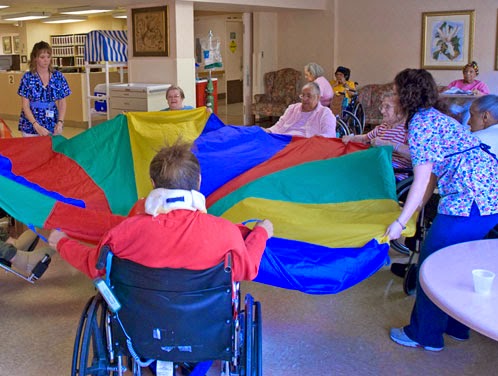
Some families report residents were kept inactive or not participating in activities, including mentions of time mostly spent in bed and limited involvement. Other reviewers say residents did enjoy scheduled activities and therapy, including being involved in programs and staying engaged. One review also describes limited entertainment like lack of TV, which adds to the theme that daily engagement can vary depending on the experience.
How we summarize
Counts show how many written reviews mention each theme; a review can touch several themes, and only frequently mentioned themes are displayed.
Features
Housing
144 resident community capacity
Types of Care
Skilled Nursing Facility
Amenities
Air-conditioning
Beauty salon
Cable or satellite TV
Computer center
Dining room
Fitness room
Fully furnished
Gaming room
Garden
Housekeeping services
Kitchenette
Move-in coordination
Outdoor space
Private bathrooms
Respite or short term stays offered
Restaurant-style dining
Small library
Telephone
Wellness center
Wi-Fi/high-speed internet available
Transportation
Pittsburgh International (16 miles away)
Community operated transportation
Transportation arrangement
Transportation arrangement (non-medical)
Transportation to doctors appointments
Care Services
12-16 hour nursing
24-hour call system
24-hour supervision
Activities of daily living assistance
Assistance with bathing
Assistance with dressing
Assistance with transfers
Diabetes diet
Hospice care
Meal preparation and service
Medication management
Mental wellness program
Special dietary restrictions
Dining
Diabetes diet
Special dietary restrictions
Activities
Community-sponsored activities
Concierge services
Fitness programs
Planned day trips
Resident-run activities
Scheduled daily activities
Nearby Places of Interest
Pharmacies
Stanton Negley Drug Company (0.3 miles)
Walgreens (0.8 miles)
Rite Aid (1 miles)
Rite Aid (1.2 miles)
Rite Aid (1.7 miles)
Shop 'n Save (1.7 miles)
CVS Pharmacy (1.8 miles)
Cafes
Redstart Roasters (0.5 miles)
Bakery Square (0.9 miles)
Arriviste Coffee Bar (1.1 miles)
Starbucks (1.5 miles)
Trace Brewing (1.7 miles)
The Abbey on Butler Street (2 miles)
Panera Bread (2 miles)
Restaurants
McDonald's (0.5 miles)
Primanti Bros. Restaurant and Bar Penn Ave (0.7 miles)
Spork (0.8 miles)
East End Brewing Company (0.9 miles)
5801 Video Lounge & Cafe (1 miles)
Wendy's (1.2 miles)
The Allegheny Wine Mixer (1.8 miles)
Places of Worship
Calvary Episcopal Church (0.9 miles)
First Presbyterian Church of Edgewood (3.2 miles)
Physicians
Aiken Medical Building (1.4 miles)
Bellissimo Plastic Surgery & Medi Spa (1.6 miles)
Western Psychiatric Institute and Clinic of UPMC (2.7 miles)
Plastic and Reconstructive Surgery (2.8 miles)
Kaufmann Medical Building (2.9 miles)
Advanced Dermatology (3.2 miles)
Renaissance Family Practice (3.6 miles)
Hospitals
Southwestern Veterans Center (1.4 miles)
Western Pennsylvania Hospital labor and delivery (1.4 miles)
Western Pennsylvania Hospital (1.4 miles)
Hillman Cancer Center (1.5 miles)
UPMC Children's Hospital of Pittsburgh (1.7 miles)
St Margaret's Hospital Emergency Department (1.9 miles)
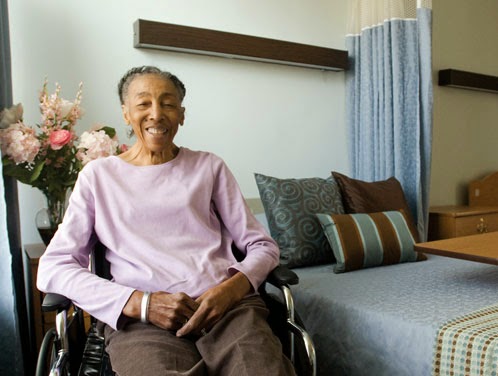
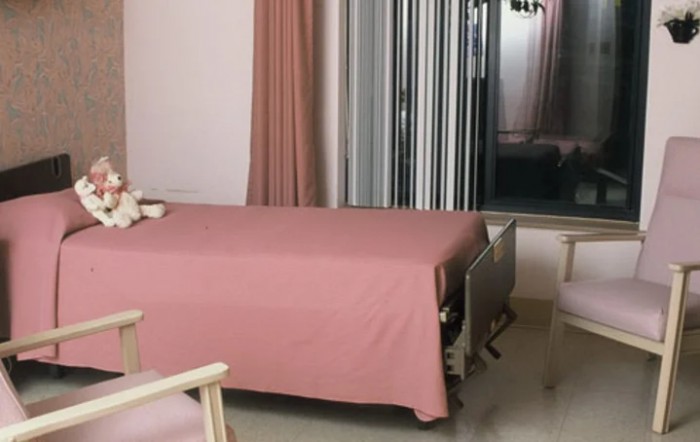
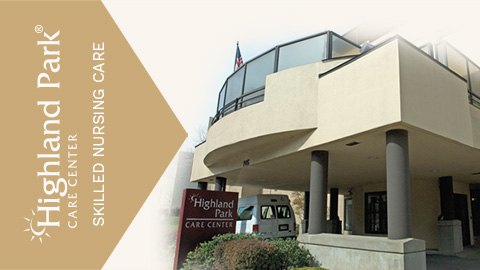
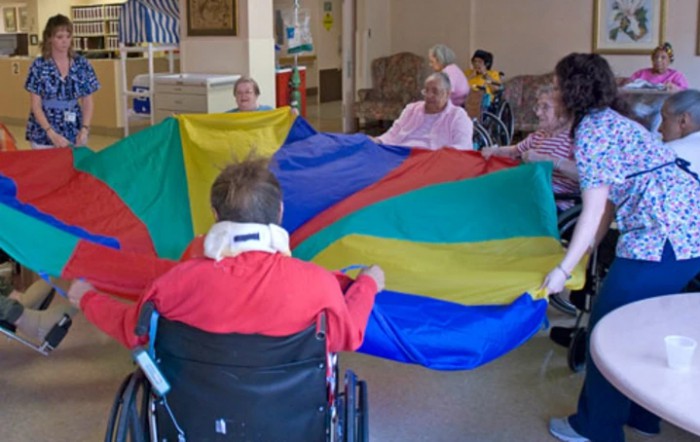
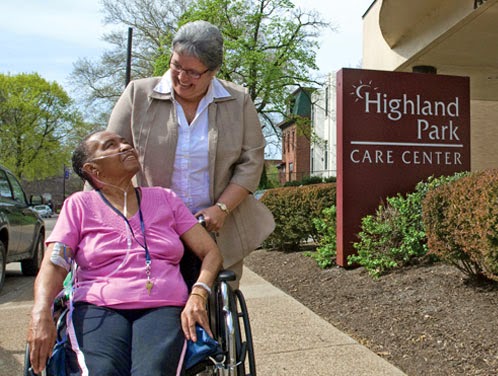
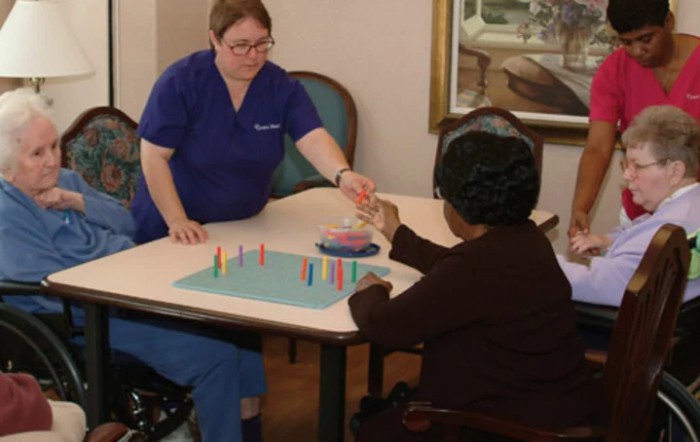
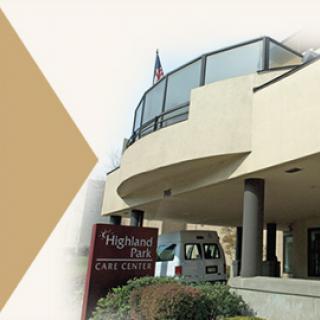
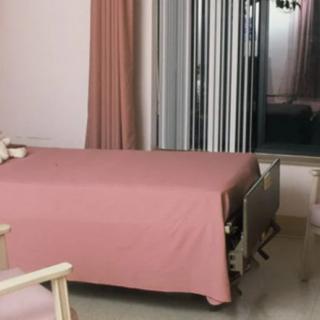
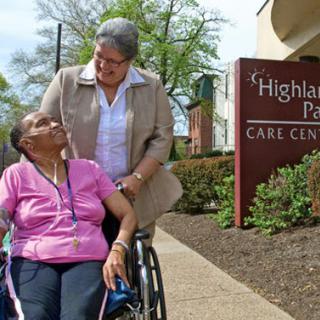
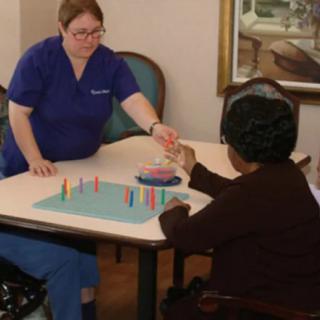
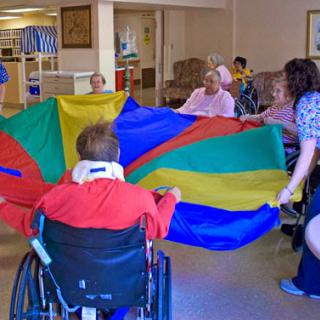
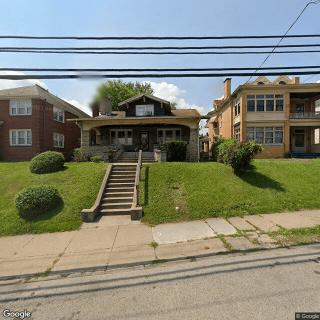
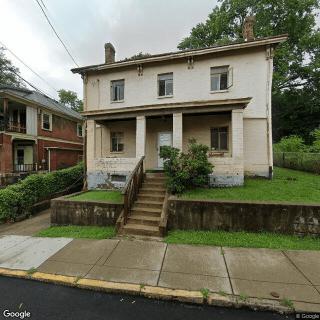
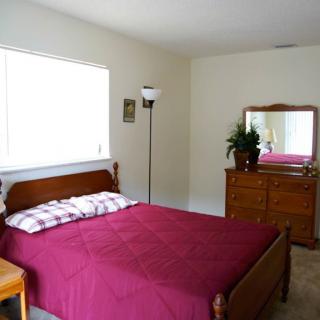
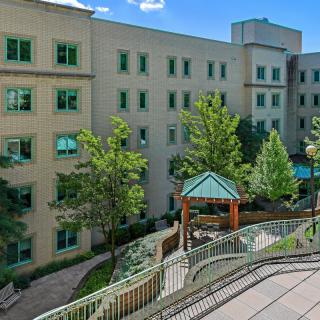
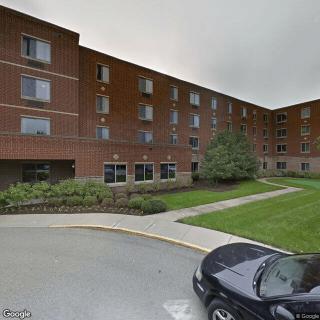
Highland Park Care Center on seniors.fyi includes 7 photos including images showing wheelchair, healthcare, interior, exterior, landscaping, entrance, caregiver, outdoor, and more.
Nearby Communities
St Francis Nursing Ctr
Pittsburgh, PA
2.2 from 44 reviews
Strong access to nearby dining, pharmacies, parks, and healthcare.
Vets Home
Pittsburg, PA
Specialized diabetic and assisted living care with on-site activities and meals.
The Angelus Convalescent Center
Pittsburgh, PA
1 from 1 review
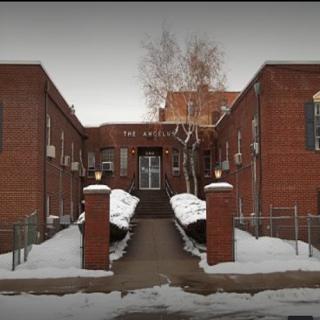
Extensive care services with restaurant-style dining and abundant amenities.
Vincentian De Marillac
Pittsburgh, PA
4.1 from 27 reviews
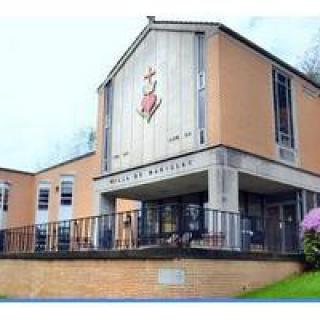
Strong, compassionate staff delivering high-quality care with good meals and a welcoming atmosphere.
Autumn Lane Personal Care Home Of Bellevue
Pittsburgh, PA
Small, personalized board-and-care with 24/7 supervision and daily activities.
St James Deaconess Home
Pittsburgh, PA
Specialized diabetic care and devotional services with comfortable indoor spaces and nearby amenities.
Canterbury Place
Pittsburgh, PA
3.9 from 72 reviews
Attentive staff with personalized activities and a family-like atmosphere.
Schenley Gardens
Pittsburgh, PA
3.8 from 81 reviews
$2,680 to $5,830 / month
Caring staff, clean environment, engaging activities and good dining options.
Lighthouse Pointe at Chapel Harbor
Pittsburgh, PA
4.4 from 33 reviews
Pleasant riverfront setting with varied activities, multiple apartment options, and friendly, accommodating staff.
The guide outlines the eligibility criteria for home health care services, emphasizing clinical requirements, insurance options, and application processes. It distinguishes between Medicare's strict and Medicaid's flexible qualifications while addressing challenges families may face in securing necessary care at home.
Elder abuse affects many older adults worldwide and includes physical, emotional, neglectful, and financial harm, with about one in six individuals over 60 experiencing abuse annually. Prevention and intervention strategies focus on awareness, support for caregivers, and mandatory reporting, while recovery necessitates comprehensive support for both physical and emotional needs.
The guide details ten essential responsibilities of senior caregivers, including personal care, mobility assistance, medication management, and emotional support, while emphasizing the importance of safety, nutrition, and maintaining a safe living environment to enhance seniors' quality of life and independence.
Get PricingAsk A QuestionSchedule A TourContact Senior Advisor
By clicking submit, you agree to our Partner's Terms of Use. You
also consent to receive calls and texts, which may be autodialed, from our Partner. Your consent is not a condition to
using our Partner's service. Please visit our Partner's Privacy Policy for information about their privacy practices.


 144 resident community capacity
 Skilled Nursing Facility
 Air-conditioning
 Beauty salon
 Cable or satellite TV
 Computer center
 Dining room
 Fitness room
 Fully furnished
 Gaming room
 Garden
 Housekeeping services
 Kitchenette
 Move-in coordination
 Outdoor space
 Private bathrooms
 Respite or short term stays offered
 Restaurant-style dining
 Small library
 Telephone
 Wellness center
 Wi-Fi/high-speed internet available
 Pittsburgh International (16 miles away)
 Community operated transportation
 12-16 hour nursing
 24-hour call system
 Activities of daily living assistance
 Assistance with bathing
 Assistance with dressing
 Assistance with transfers
 Diabetes diet
 Hospice care
 Medication management
 Mental wellness program
 Special dietary restrictions
 Concierge services
 Planned day trips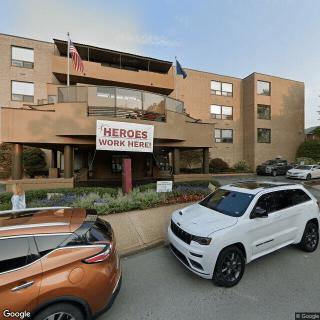
 Strong access to nearby dining, pharmacies, parks, and healthcare.
 Comprehensive Guide to Qualifying for Home Health Care Services
 Powerful Realities of Elder Abuse and the Most Effective Ways to Report It
 Ten Vital Duties of a Senior Caregiver: A Comprehensive Guide