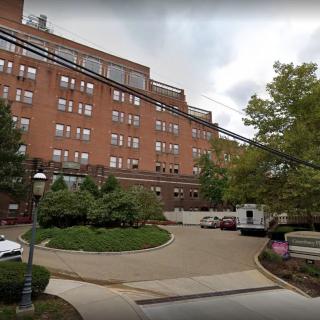
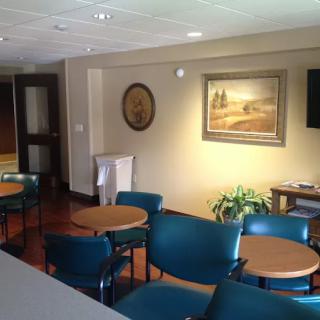
Canterbury Place in Pittsburgh, PA

Save

Canterbury Place in Pittsburgh, PA

310 Fisk Street, Pittsburgh, PA 15201

For more information about senior living options: (844) 490-3973

4 from 68 reviews
5 stars
39
4 stars
9
3 stars
8
2 stars
2
1 stars
10

Overall Review of Canterbury Place

Pros

  • pro The staff were incredible.
  • pro They took good care of residents and were very kind and helpful.
  • pro The room was clean, and the staff were friendly and attentive.
  • pro The place was peaceful and beautiful, with attentive staff.
  • pro Canterbury Place was warm and inviting, offering top-of-the-line service.
  • pro The staff were consistently caring and supportive toward families.
  • pro The doctors, nurses, and staff are amazing in their care for patients and families.
  • pro The caregivers were fantastic, providing excellent care and comfort for loved ones.
  • pro The therapists were great and helpful in recovery and rehabilitation.

Cons

  • pro They fed him a piece of toast for breakfast and nothing else.
  • pro When he came home his feet were ashy because no lotion was applied.
  • pro They don’t respond to the buzzer when paged, waiting about an hour.
  • pro They covered up a patient getting slapped in the face by another CNA so they wouldn’t be investigated.
  • pro There were roaches and rats in the facility.
  • pro They were short on staff and there weren’t enough hoyers, requiring sharing lifts.
  • pro The nurses were rude and nasty to the reviewer and their family, and they would not recommend.
  • pro Front desk service was terrible; staff spoke to people terribly and told them not to bother calling.

Review

Canterbury Place in Pittsburgh is best suited for families prioritizing compassionate hospice and end-of-life support within a full-service senior care campus, along with rehabilitation and memory-care options. The community earns trust from families who want hands-on, person-centered care during difficult transitions, and who value staff who treat the patient and the family with dignity and patience. The in-house capability to support dialysis for residents, the presence of a chapel, and a multi-level care continuum give this campus a distinct advantage for those navigating complex medical needs in a familiar setting. When end-of-life care is the focus, Canterbury Place often becomes less a facility and more a trusted partner for easing pain, coordinating family decisions, and providing ongoing emotional support.

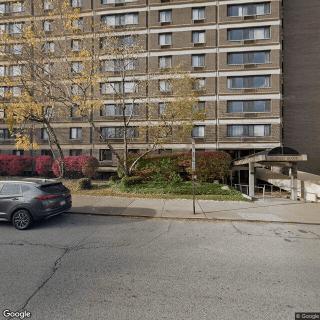
For families weighing alternatives, a clear caveat is warranted: Canterbury Place may not be the best fit for those who demand uniformly flawless daily operations, upscale amenities, or highly consistent day-to-day social programming. Several reviews flag gaps in routine service, especially around front-desk responsiveness, meal quality, and activities. The building itself has appeared in some accounts as aged and functionally limited, with reports of limited social options and smaller rooms, particularly in shared accommodations. Availability is another practical constraint; some families encounter difficulty securing preferred apartment configurations or immediate admission, which can tip the scale toward facilities with newer facilities or guaranteed updated amenities.

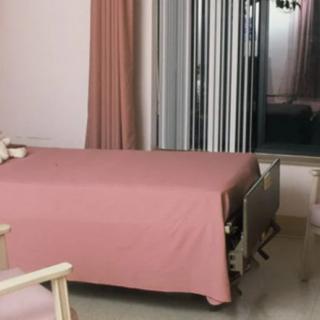
The strongest pros center on the human side of care. Across many accounts, the nurses, aides, and physicians are described as loving, patient, and genuinely dedicated to easing suffering and supporting families. End-of-life care is consistently praised for its sensitivity, with staff described as going “out of their way” to ensure comfort and pain management, and to keep families informed and reassured during the toughest times. The hospice teams are frequently cited as calm, professional, and skillful, reassuring when the patient’s comfort is the primary objective. Families also note practical strengths: clean, well-maintained hospice rooms, opportunities for family presence, access to a kitchen area in the hospice unit, and a care approach that integrates the patient’s medical needs with emotional and logistical support. The staff’s commitment to continuity, acknowledging questions, coordinating care goals, and supporting family decisions, emerges as a defining difference.

Yet the cons are real and varied, not easily dismissed. A thread of inconsistency runs through many reviews: some staff members come across as rushed or unresponsive on occasion, with delays in answering call bells or fulfilling basic requests. Several families report shortages that strain care delivery, especially during peak times or difficult shifts, and this can translate into slower response to intimate needs like hygiene or mobility assistance. There are repeated mentions of dining quality and menu options not meeting expectations, with some meals arriving cold or unappealing. The campus also shows signs of aging in places, rooms that feel small or dated and a limited slate of arranged activities that can leave residents with fewer engaging options. Hygiene concerns in a minority of reports, roaches or other issues, further complicate the overall impression for some families, underscoring the importance of in-person touring and current inspections.

Weighing the positives against the negatives, Canterbury Place still stands out for families where compassionate end-of-life care and family-centered support are non-negotiable. The pros, empathic nursing teams, a clear focus on comfort, and a care model that includes family members in decision-making, often offset the operational bumps that accompany aging facilities. For residents with specialized needs such as dialysis, the in-building service reduces logistical burden and can improve quality of life during serious illness. The presence of a memory-care option within the campus is another meaningful asset for families seeking a continuum of care in one location, allowing a smoother transition if cognitive needs evolve. In short, Canterbury Place delivers a high emotional and clinical quotient for palliative care that few rivals match, even if it requires patience with the occasional procedural hiccup.

For families seriously evaluating Canterbury Place, a practical path is essential. Ask about current staffing levels and what shifts look like on weekends and holidays, and request specific examples of response times to call bells. Inquire about the menu offerings, the process for adjusting meals to dietary restrictions, and the ability to customize dining experiences for the patient and visiting family. Tour the memory-unit and rehab areas to gauge activity calendars, social opportunities, and the perceived pace of daily life. Finally, probe into the facility’s transfer processes, room configurations, and any recent repairs or renovations that affect comfort and privacy. If the priority is serene, dignity-filled hospice care with a committed caregiving team, and the family is prepared to stay engaged and advocate when needed, Canterbury Place can be a deeply fitting choice. If, however, the emphasis centers on consistently flawless day-to-day service, abundant activities, or pristine, modern amenities, alternative options may offer a better alignment with those expectations.

Features

Housing

  • 78 resident community capacity 78 resident community capacity

Types of Care

  • Assisted Living Assisted LivingAssisted living facilities provide crucial support and care for seniors who may need help with daily tasks such as medication management, bathing, and meal preparation. These communities offer a safe and comfortable environment where seniors can maintain their independence while receiving the assistance they need to thrive in their golden years.
  • Respite Care Respite CareRespite care provides temporary relief for caregivers, allowing them to recharge and attend to their own needs. It also gives seniors the opportunity to socialize, receive professional care, and experience a change of scenery, promoting overall well-being and reducing feelings of isolation.
  • Skilled Nursing Facility Skilled Nursing FacilitySkilled Nursing Facilities are crucial for seniors as they provide round-the-clock medical care, rehabilitation services, and assistance with daily activities. These facilities ensure that seniors receive the specialized care they need to maintain their health and well-being as they age.

Amenities

  • Air-conditioning Air-conditioningAir conditioning is important for seniors as they are more vulnerable to heat-related illnesses and may have underlying health conditions that make it difficult for them to regulate their body temperature. It helps to keep them comfortable, safe, and healthy in hot weather.
  • Beauty salon Beauty salonBeauty salons are important for seniors because they provide a space for them to feel pampered, socialize, and maintain their personal grooming and hygiene. Regular visits to a beauty salon can help boost seniors' self-esteem and overall well-being.
  • Cable or satellite TV Cable or satellite TVCable or satellite TV is important for seniors because it provides entertainment, news, and companionship, helping to combat loneliness and boredom. It also offers a wide range of programming options tailored to different interests and preferences.
  • Computer center Computer centerA computer center is essential for seniors as it provides access to technology, communication tools, and resources that can enhance their daily lives. It allows them to stay connected with loved ones, engage in online activities, and learn new skills, ultimately promoting socialization and mental stimulation.
  • Dining room Dining roomDining rooms are important for seniors as they provide a space for socialization, connection, and nutritious meals. They offer opportunities for residents to bond over shared meals, foster a sense of community, and promote healthy eating habits. Dining rooms also ensure that seniors have access to well-balanced meals tailored to their dietary needs and preferences.
  • Fitness room Fitness roomHaving a fitness room in a senior living community is essential for seniors to stay active, maintain their physical health, and improve their overall well-being. Regular exercise can help prevent falls, reduce the risk of chronic diseases, and promote mental sharpness. It also provides social opportunities for residents to connect with others and enjoy a sense of community.
  • Fully furnished Fully furnishedFully furnished senior living communities are important for seniors because they provide convenience, comfort, and a hassle-free moving experience. Seniors can easily settle into their new living space without the stress of having to buy and move furniture. This allows them to focus on enjoying their new home and community.
  • Gaming room Gaming roomGaming rooms are important for seniors as they provide a fun and engaging environment for socializing, cognitive stimulation, and physical activity. Games can improve memory, problem-solving skills, and overall mental well-being while fostering friendships and reducing feelings of isolation.
  • Garden GardenGardens are important for seniors as they provide a peaceful and therapeutic environment for relaxation, physical activity, and socialization. Being in nature has been shown to reduce stress, improve mood, and promote overall well-being. Gardens also offer opportunities for seniors to engage in gardening activities, which can improve mobility, flexibility, and cognitive function. Additionally, gardens create a sense of community and connection with others who share a passion for plants and outdoor spaces.
  • Housekeeping services Housekeeping servicesHousekeeping services are important for seniors because they help maintain a clean and safe living environment, promote independence, and reduce the risk of accidents or illnesses. Additionally, having assistance with household chores can alleviate physical strain and allow seniors to focus on other aspects of their well-being.
  • Kitchenette KitchenetteKitchenettes are important for seniors living in senior living communities because they provide the convenience and independence of being able to prepare simple meals and snacks in the comfort of their own living space. This can help promote a sense of autonomy and well-being for seniors, allowing them to maintain some level of control over their dietary choices and daily routines.
  • Move-in coordination Move-in coordinationMove-in coordination is important for seniors because it helps ease the transition into their new living environment. It ensures that all logistics, such as packing, organizing movers, and setting up utilities are taken care of, allowing seniors to focus on settling in and adjusting to their new home. Having a smooth move-in process can alleviate stress and anxiety, making the transition smoother and more enjoyable for seniors.
  • Outdoor space Outdoor spaceOutdoor spaces are important for seniors as they provide opportunities for physical activity, social interaction, exposure to natural light and fresh air, and a sense of connection to nature. Having access to outdoor spaces can improve overall well-being and quality of life for older adults living in senior communities.
  • Private bathrooms Private bathroomsPrivate bathrooms are important for seniors in senior living communities because they provide independence, dignity, and comfort. Having a private bathroom allows seniors to maintain their personal hygiene routines without the need for assistance, promoting a sense of autonomy and privacy. Additionally, private bathrooms help prevent the spread of infections and provide a safe and clean environment for seniors to navigate safely.
  • Respite or short term stays offered Respite or short term stays offeredRespite or short term stays provide seniors with a temporary solution when their regular caregiver is unavailable, offering them the opportunity to receive additional care and support during times of need, while also giving caregivers a chance to rest and recharge.
  • Restaurant-style dining Restaurant-style diningRestaurant-style dining is important for seniors because it allows them to enjoy delicious, nutritious meals in a social and upscale setting. This enhances their dining experience, promotes healthy eating habits, and fosters socialization with fellow residents, ultimately contributing to their overall well-being and quality of life.
  • Small library Small librarySmall libraries are important for seniors as they provide access to a variety of reading materials, including books, newspapers, and magazines. This can help stimulate their minds, keep them engaged, and provide a sense of community through book clubs and other social activities. Additionally, reading has been shown to improve cognitive function and overall mental well-being in older adults.
  • Telephone TelephoneTelephones are important for seniors as they provide a lifeline for communication with loved ones, emergency services, and healthcare providers. They offer a sense of security and independence, enabling seniors to stay connected and access assistance when needed.
  • Wellness center Wellness centerWellness centers are important for seniors because they offer a variety of programs and services that promote physical, mental, and emotional well-being. These centers provide opportunities for exercise, socialization, education, and relaxation, helping seniors maintain their overall health and quality of life.
  • Wi-Fi/high-speed internet available Wi-Fi/high-speed internet availableWi-Fi/high-speed internet is important for seniors to stay connected with loved ones, access online resources, and participate in virtual activities to combat feelings of loneliness and isolation. It also allows them to easily manage healthcare needs, access entertainment, and engage in lifelong learning opportunities.

Transportation

  • Pittsburgh International (15 miles away) Pittsburgh International (15 miles away)
  • Community operated transportation Community operated transportationCommunity operated transportation is crucial for seniors as it provides them with the means to access essential services, social activities, and medical appointments. It allows seniors to maintain their independence and quality of life by ensuring they can participate in activities outside of their homes. Additionally, community-operated transportation services offer a safe and reliable way for seniors to travel without having to rely on family or friends for assistance.
  • Transportation arrangement Transportation arrangementTransportation arrangements are crucial for seniors as they may face challenges with driving, mobility, or access to public transportation. Having reliable transportation services ensures that seniors can easily attend appointments, social activities, and maintain their independence and quality of life.
  • Transportation arrangement (non-medical) Transportation arrangement (non-medical)Transportation arrangements are essential for seniors as they provide access to essential services, activities, and social interactions outside the home. This service helps maintain independence, mobility, and overall well-being for seniors who may have limited transportation options.
  • Transportation to doctors appointments Transportation to doctors appointmentsTransportation to doctors appointments is crucial for seniors as it ensures they have access to necessary medical care and support, promoting their health and well-being. It allows them to receive timely treatment, monitor existing conditions, and address any new health concerns efficiently. Additionally, transportation services can help seniors maintain their independence and quality of life by enabling them to stay connected with their healthcare providers.

Care Services

  • 12-16 hour nursing 12-16 hour nursing12-16 hour nursing care is crucial for seniors in order to ensure around-the-clock monitoring, timely medication administration, and prompt response to any health concerns or emergencies. This level of care helps to promote the overall well-being and safety of seniors living in senior living communities.
  • 24-hour call system 24-hour call system24-hour call systems are important for seniors because they provide peace of mind and immediate assistance in case of emergencies. This technology ensures that help is always available, promoting safety and security for elderly individuals living alone or in assisted living facilities.
  • 24-hour supervision 24-hour supervision24-hour supervision is important for seniors to ensure their safety, well-being, and access to immediate assistance in case of emergencies or health issues. This constant support provides peace of mind for both seniors and their loved ones, allowing them to age in place with dignity and security.
  • Activities of daily living assistance Activities of daily living assistanceActivities of daily living assistance are important for seniors because they provide essential support with tasks such as eating, bathing, dressing, and mobility. This assistance helps seniors maintain their independence, dignity, and overall quality of life as they age.
  • Assistance with bathing Assistance with bathingAssistance with bathing is crucial for seniors as it helps maintain personal hygiene, prevents infections, and ensures their overall well-being and comfort. It also provides a sense of dignity and independence for seniors who may struggle with this task on their own.
  • Assistance with dressing Assistance with dressingAssistance with dressing is important for seniors because it helps maintain their independence, promotes personal hygiene, prevents accidents and injuries, and improves overall quality of life. This service ensures that seniors can continue to dress comfortably and confidently, despite any physical limitations they may have.
  • Assistance with transfers Assistance with transfersAssistance with transfers is crucial for seniors as it helps prevent falls and injuries, maintains their independence, and ensures they can safely navigate their living environment. It also provides peace of mind for both seniors and their loved ones.
  • Diabetes diet Diabetes dietA diabetes diet is crucial for seniors as it helps manage blood sugar levels, reduce risks of complications, and improve overall health and well-being. By following a balanced and nutritious diet tailored to their specific needs, seniors can better control their diabetes and enhance their quality of life.
  • Hospice care Hospice careHospice care is important for seniors as it provides specialized end-of-life support, pain management, and emotional comfort for both the senior and their loved ones. It allows seniors to maintain dignity, receive personalized care, and spend their remaining time in a peaceful and comfortable environment.
  • Meal preparation and service Meal preparation and serviceMeal preparation and service are crucial for seniors as they may have limited mobility or energy to cook nutritious meals. Having access to healthy and convenient food options can ensure they are getting the proper nutrition needed to maintain their overall health and well-being.
  • Medication management Medication managementMedication management is crucial for seniors to ensure they are taking the right medications at the correct dosages and times. This helps prevent adverse drug interactions, reduces the risk of medication errors, and promotes overall health and well-being. Proactive management also allows for adjustments as needed based on changing health conditions or new prescriptions.
  • Mental wellness program Mental wellness programMental wellness programs are essential for seniors as they promote cognitive stimulation, emotional support, and social engagement. These programs help prevent isolation, depression, and cognitive decline, ultimately enhancing the overall quality of life for older adults.
  • Special dietary restrictions Special dietary restrictionsSpecial dietary restrictions are important for seniors because age-related changes in metabolism and health conditions can make it difficult for their bodies to process certain foods. By following a diet tailored to their specific needs, seniors can maintain their overall health and well-being, manage chronic conditions, and reduce the risk of complications such as malnutrition or food interactions with medications.

Dining

  • Diabetes diet Diabetes dietA diabetes diet is crucial for seniors as it helps manage blood sugar levels, reduce risks of complications, and improve overall health and well-being. By following a balanced and nutritious diet tailored to their specific needs, seniors can better control their diabetes and enhance their quality of life.
  • Special dietary restrictions Special dietary restrictionsSpecial dietary restrictions are important for seniors because age-related changes in metabolism and health conditions can make it difficult for their bodies to process certain foods. By following a diet tailored to their specific needs, seniors can maintain their overall health and well-being, manage chronic conditions, and reduce the risk of complications such as malnutrition or food interactions with medications.

Activities

  • Community-sponsored activities Community-sponsored activitiesCommunity-sponsored activities are important for seniors as they provide opportunities for social interaction, mental stimulation, and physical activity. These activities can help improve overall well-being, combat loneliness and isolation, and promote a sense of belonging and purpose among older adults.
  • Concierge services Concierge servicesConcierge services are essential for seniors as they provide assistance with daily tasks and errands, enhance their quality of life by offering convenience and personalized care, and promote a sense of safety and security.
  • Fitness programs Fitness programsFitness programs are crucial for seniors as they help improve strength, flexibility, balance, and overall well-being. Staying active can reduce the risk of chronic diseases, improve mental health, and enhance quality of life in older adults.
  • Planned day trips Planned day tripsPlanned day trips are important for seniors because they offer opportunities for socialization, mental stimulation, and physical activity. They provide a change of scenery and help seniors stay engaged and connected to their community, promoting overall well-being and quality of life.
  • Resident-run activities Resident-run activitiesResident-run activities are important for seniors as they encourage social interaction, creativity, and a sense of autonomy. These activities empower seniors to stay engaged and active in their community while fostering meaningful connections with their peers.
  • Scheduled daily activities Scheduled daily activitiesScheduled daily activities are important for seniors because they provide structure, socialization, mental stimulation, and physical activity. Engaging in regular activities can improve overall well-being and quality of life for seniors living in a community setting.

Description

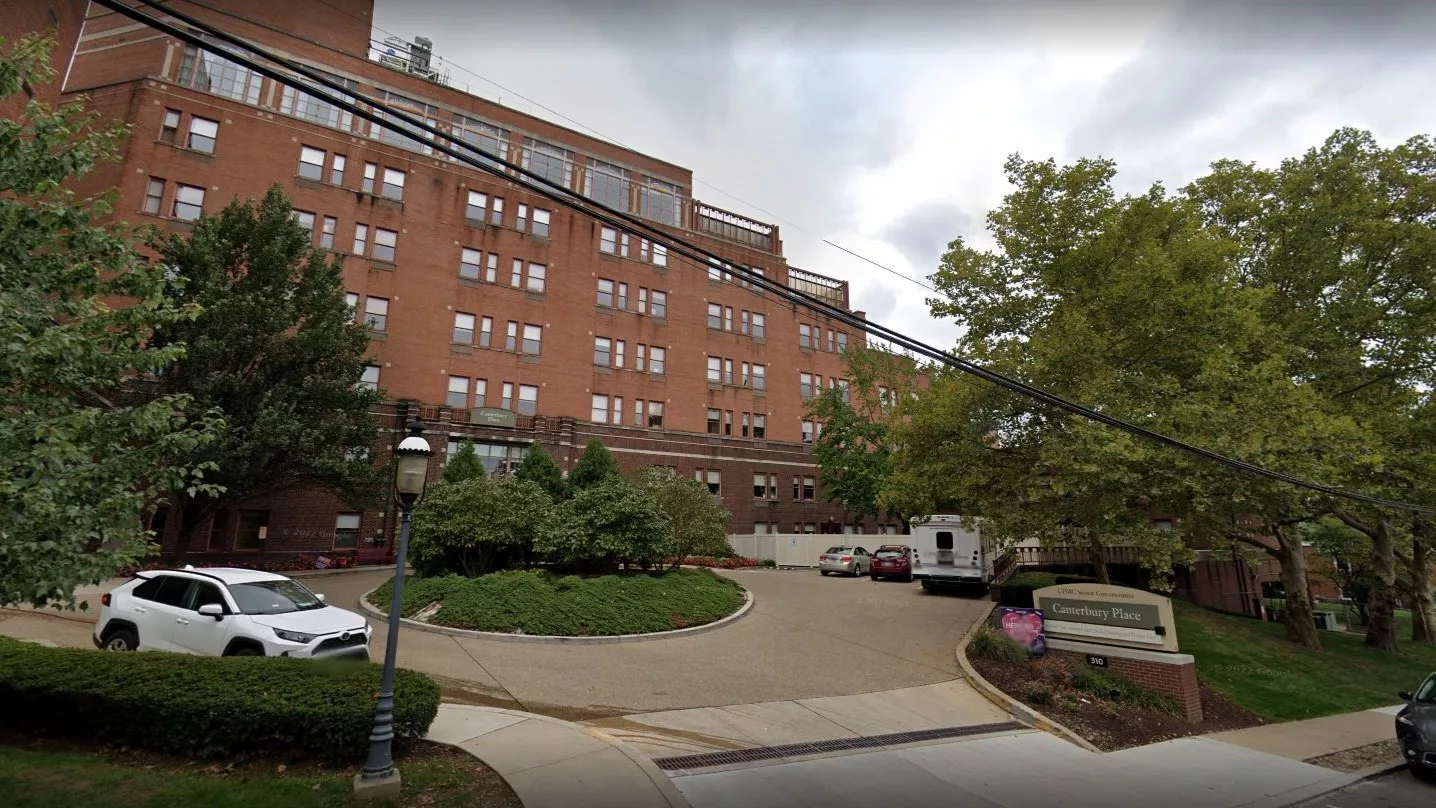
Canterbury Place is an assisted living community located in Pittsburgh, PA. We specialize in providing respite care and skilled nursing facility services for seniors in need of assistance with daily activities and medical care.

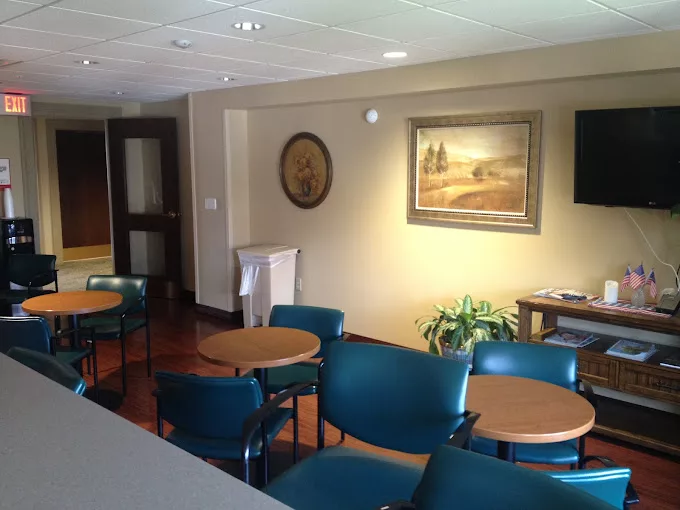
Our community offers a range of amenities to ensure the comfort and convenience of our residents. These amenities include a beauty salon for grooming needs, cable or satellite TV for entertainment, community-operated transportation for easy access to nearby destinations, a computer center for staying connected digitally, and a dining room where delicious meals are served restaurant-style.

For recreational activities, we have a fitness room to help residents stay active and healthy, a gaming room for socializing and fun, a beautiful garden for peaceful walks outdoors, and a small library for book lovers. Our residents also have access to housekeeping services to maintain cleanliness and order within their living spaces.

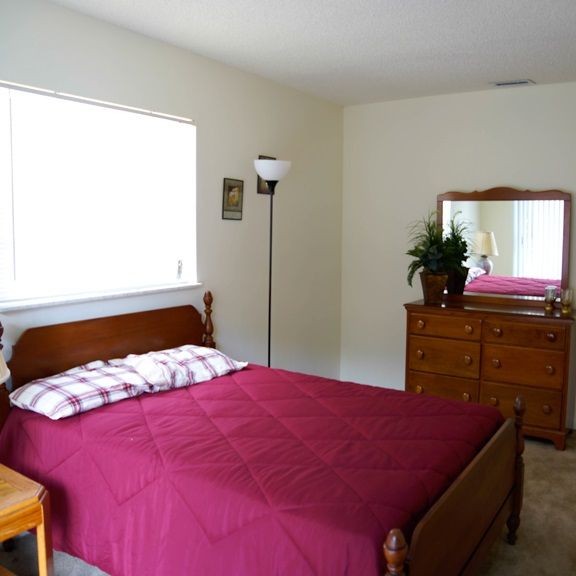
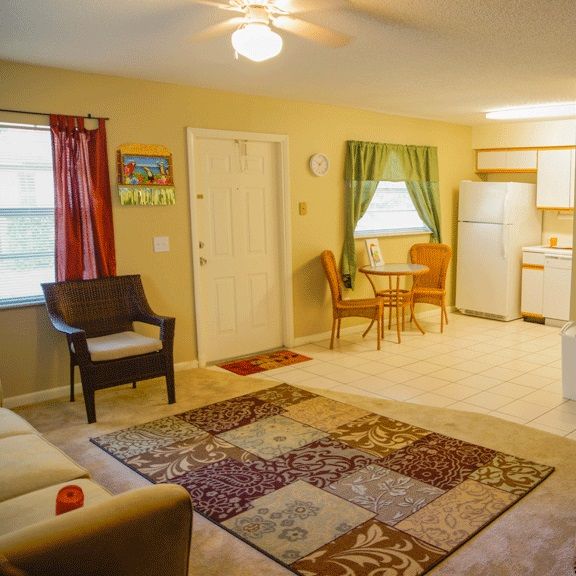
Each resident enjoys fully furnished accommodations that include private bathrooms and kitchenettes. Wi-Fi/high-speed internet is available throughout the community. Move-in coordination services are provided to ease the transition into our community.

We offer respite or short-term stays to cater to individuals who require temporary care or relief for their primary caregivers. Transportation arrangements are available both for non-medical purposes as well as transportation to doctors' appointments.

Our care services are comprehensive and personalized according to each individual's needs. We provide 24-hour call system support and supervision, assistance with activities of daily living such as bathing and dressing, help with transfers, specialized diabetes diet if required, hospice care when needed, medication management, meal preparation and service, mental wellness programs to promote emotional well-being, special dietary restriction accommodation, as well as transportation arrangement support.

Residents at Canterbury Place can look forward to engaging in various activities planned by our concierge team including fitness programs designed specifically for seniors, scheduled daily activities suitable for different interests and abilities, as well as exciting day trips organized regularly. We also encourage resident-run activities which foster a sense of community and camaraderie among our residents.

With 13 cafes, 10 parks, 16 pharmacies, 8 physicians, 35 restaurants, 4 transportation options, and places of worship nearby, our residents have easy access to necessary services and recreational opportunities. Additionally, there are 13 hospitals in the vicinity to ensure prompt medical attention if needed.

At Canterbury Place, we strive to create a nurturing and engaging environment where seniors can receive the care they need while enjoying an active and fulfilling lifestyle.

Nearby Places of Interest

Parks

  • Arsenal Park (0.2 miles)
  • Leslie Park Field (0.5 miles)
  • Schenley Park (2.3 miles)
  • Point State Park (3.1 miles)
  • Aspinwall Riverfront Park (3.3 miles)
  • Point State Park Fountain (3.3 miles)
  • Frick Park (3.4 miles)

Hospitals

  • UPMC Children's Hospital of Pittsburgh (0.3 miles)
  • Western Pennsylvania Hospital (0.7 miles)
  • Western Pennsylvania Hospital labor and delivery (0.7 miles)
  • Hillman Cancer Center (1.1 miles)
  • VA Pittsburgh Healthcare System (1.4 miles)
  • UPMC Presbyterian (1.7 miles)
  • University of Pittsburgh Medical Center (1.7 miles)

Restaurants

  • Belvedere's (0.3 miles)
  • Condado Tacos (0.3 miles)
  • La Gourmandine (0.5 miles)
  • Salem Halal Market (1 miles)
  • Redfin Blues (1 miles)
  • Grist House Brewing (1.1 miles)
  • The Allegheny Wine Mixer (1.2 miles)

Pharmacies

  • Rite Aid (0.3 miles)
  • Rite Aid (0.3 miles)
  • CVS Pharmacy (1 miles)
  • Shop 'n Save (1.3 miles)
  • Rite Aid (1.4 miles)
  • Walgreens (1.7 miles)
  • Stanton Negley Drug Company (1.7 miles)

Cafes

  • Trace Brewing (0.3 miles)
  • Brooklyn Bagel At Arsenal (0.3 miles)
  • The Abbey on Butler Street (0.5 miles)
  • Starbucks (0.6 miles)
  • Kingfly Spirits (1.3 miles)
  • El Layali Hookah (1.4 miles)
  • Arriviste Coffee Bar (1.6 miles)

Physicians

  • Aiken Medical Building (1.3 miles)
  • Western Psychiatric Institute and Clinic of UPMC (1.6 miles)
  • Plastic and Reconstructive Surgery (1.7 miles)
  • Bellissimo Plastic Surgery & Medi Spa (1.7 miles)
  • Kaufmann Medical Building (1.8 miles)
  • Allegheny Cancer Center (2.5 miles)
  • Allergy & Asthma Associates (3 miles)

Places of Worship

  • Calvary Episcopal Church (2 miles)

Transportation

  • Amtrak - Pittsburgh Station (2.3 miles)
  • Bus Station (2.4 miles)
  • North Side Station (3 miles)
  • Port Authority Allegheny Station (3.4 miles)

Frequently Asked Questions

Where is Canterbury Place?
What photos are available for Canterbury Place in Pittsburgh, Pennsylvania?

Nearby Communities

  • Ronda's Personal Care Home

    Ronda's Personal Care Home

    Lawrenceville, PA


    pro Warm, welcoming environment with strong access to nearby amenities.

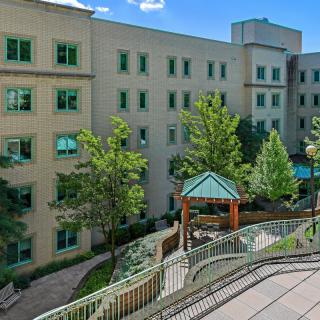
  • Vincentian Schenley Gardens

    Vincentian Schenley Gardens

    Pittsburgh, PA

    3.9 from 18 reviews
     

    pro Broad care options (incl. memory care) with strong amenities and engaging activities.

  • Schenley Gardens

    Schenley Gardens

    Pittsburgh, PA

    3.8 from 78 reviews
    $2,680 to $5,830 / month

    pro Caring staff, clean environment, engaging activities and good dining options.

  • Evergreen I

    Evergreen I

    Pittsburgh, PA


    pro Respite-focused assisted living with 24/7 supervision, medication management, and restaurant-style dining.

  • Loving Kindness Healthcare Systems

    Loving Kindness Healthcare Systems

    Pittsburgh, PA

    3.7 from 3 reviews
     

    pro Excellent access to a wide range of nearby amenities and healthcare services.

  • AUBA Senior Citizens Apts

    AUBA Senior Citizens Apts

    Pittsburgh, PA

    2.9 from 7 reviews
     

    pro Strong access to healthcare, pharmacies, restaurants, parks, and cultural amenities nearby.

  • Highland Park Care Center

    Highland Park Care Center

    Pittsburgh, PA

    2.3 from 47 reviews
     

    pro Caring staff, clean facilities, and engaging resident activities.

  • Squirrel Hill Wellness And Rehabilitation Center

    Squirrel Hill Wellness And Rehabilitation Center

    Pittsburgh, PA

    2.7 from 107 reviews
     

    pro Attractive facility with some attentive staff (e.g., speech therapy) and a broad range of amenities.

  • Village At Pennwood

    Village At Pennwood

    Pittsburgh, PA

    3 from 2 reviews
     

    pro Clean facility with attentive staff and good family communication.

Related Resources

  • activities of daily livingComprehensive Insights into Activities of Daily Living (ADLs) and Their Assessment

    Activities of Daily Living (ADLs) are fundamental tasks vital for an individual's independence, particularly in older adults over 85, and include functions like bathing and dressing; assessing ADLs alongside Instrumental Activities of Daily Living (IADLs) helps determine the level of required assistance due to age-related health challenges. Tailored support plans, involving family and community resources, are essential for maintaining dignity and autonomy in assisted living environments.

  • elderly parent refuses assisted livingGuiding Elderly Parents Who Refuse Assisted Living: 6 Practical Steps

    Family caregivers face emotional, legal, and practical challenges when elderly parents refuse assisted living, often due to fears of losing autonomy. Open conversations and professional assessments can help address these concerns while exploring alternatives and ensuring safety, potentially leading to legal guardianship if necessary.

  • luxury assisted livingYour Comprehensive Guide to Luxury Assisted Living: Elevated Facilities, Amenities, and Costs

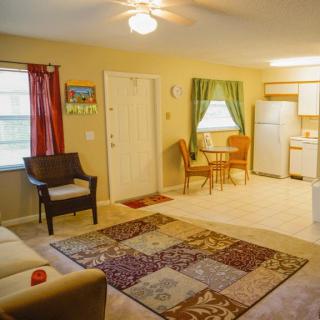
    Luxury assisted living offers high-quality senior care in a resort-like environment that combines essential medical support, gourmet dining, and personalized services to enhance residents' independence and well-being. These upscale facilities emphasize holistic health and community-building through customized care plans and social activities, catering to the growing demand for enriched senior living experiences despite higher costs.