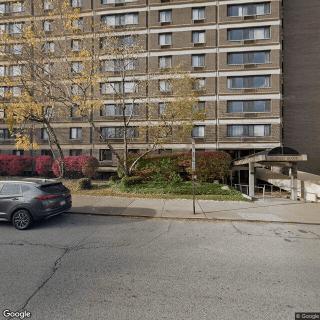
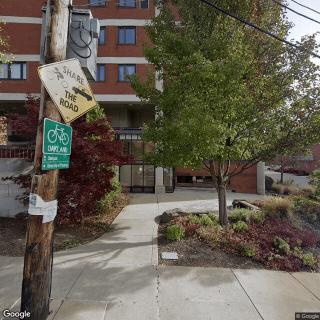
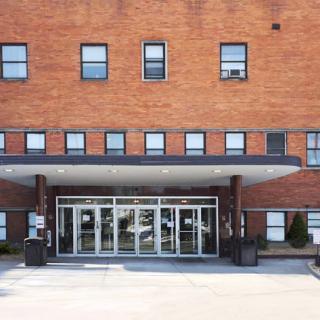
3890 Bigelow Boulevard, Pittsburgh, PA 15213
For more information about senior living options: (866) 208-4318
Overall Review of Vincentian Schenley Gardens
Pros
 The staff go above and beyond to ensure residents receive exceptional care, genuine love, and respect.
- Vincentian Schenley Gardens is described as a lovely facility with a great location.
- The program offers strong activities and programming that engage residents, reduce social isolation, and make it an enjoyable place to live.
- The multigenerational living program with graduate students is phenomenal.
- The admissions director Brenton is amazing and goes above and beyond to assist families.
- The staff are incredibly friendly, helpful, and attentive, making the facility feel beautiful, clean, and well cared for.
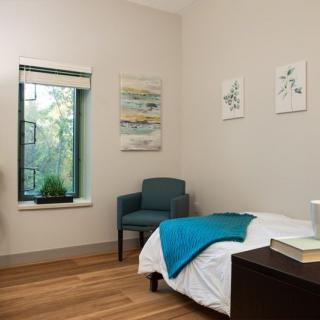
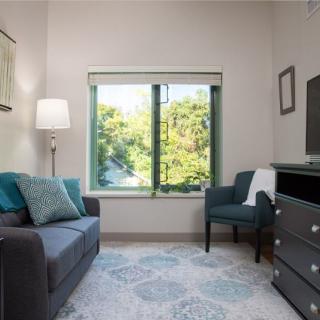
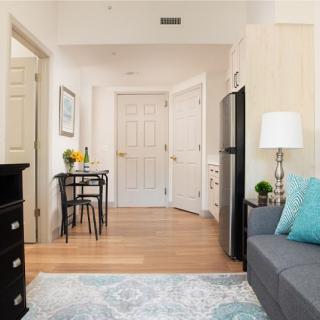
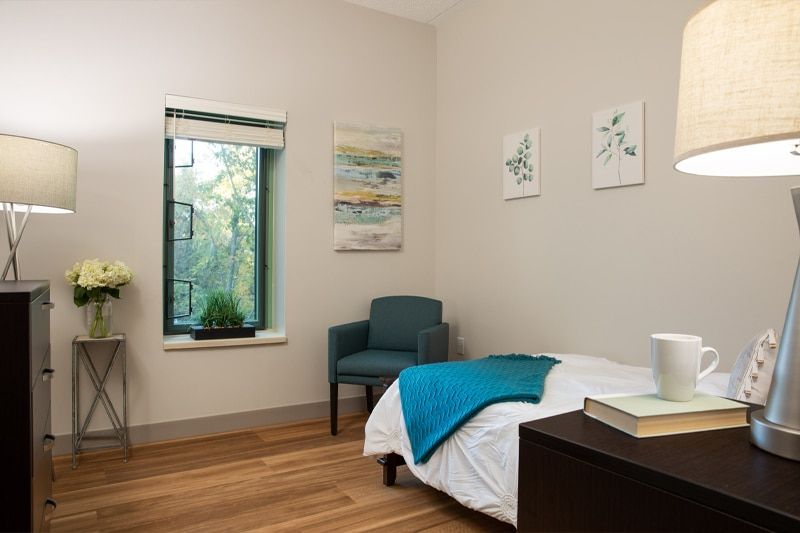
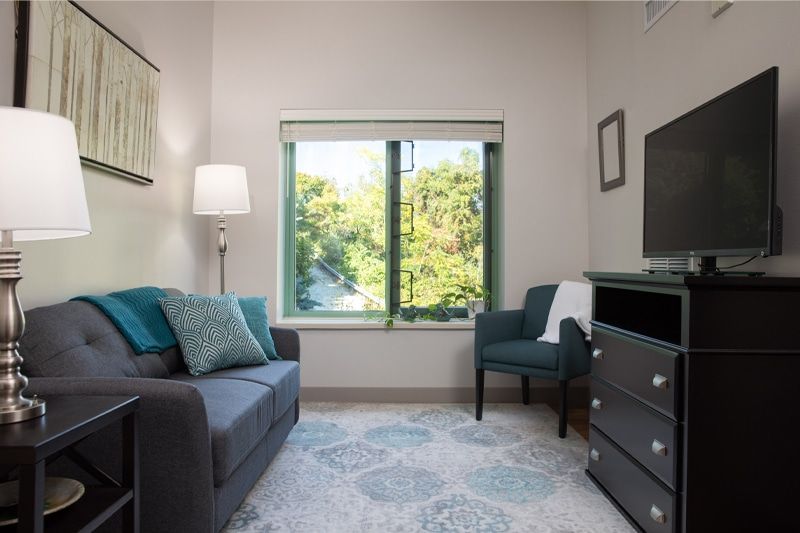
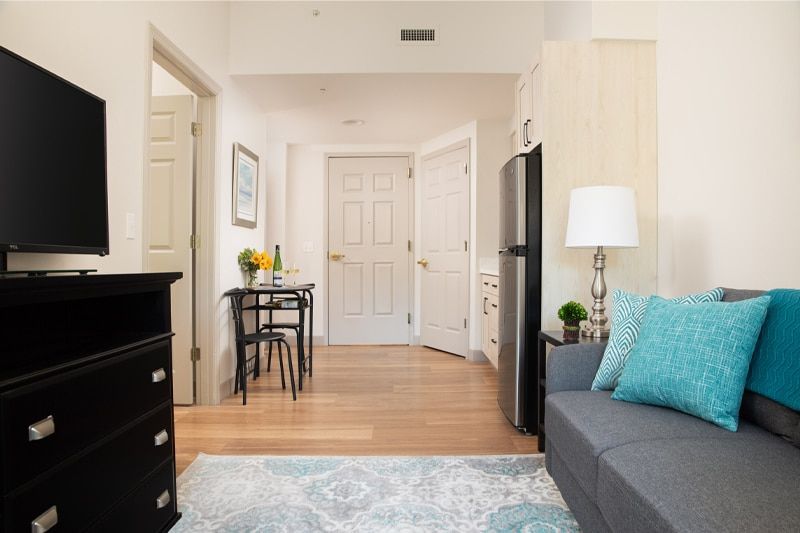
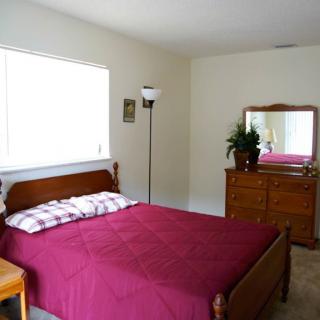
- Renovated rooms are lovely and the facility provides a comfortable, home-like environment.
- The management is responsive, available, and on top of things, ensuring issues are addressed effectively.
- The community provides reassurance through excellent communication with families and caretakers.
Cons
 The facility is consistently short-staffed in the memory care unit, often with only one aide for 14 residents, causing delayed care and long response times.
 - Ongoing understaffing places visible strain on the staff and residents, making care unreliable.
- Management is uncooperative and unwilling to take meaningful action, offering dismissive responses and little follow-through.
- Without private duty aides, residents’ comfort and well-being would be severely compromised.
- Families’ expectations of safe, attentive care are not met, rendering Vincentian Schenley Gardens unsafe and unreliable.
- Chronic understaffing and lack of accountability from management undermine safety and reliability.
- Some reviews are alleged to be written by staff to boost ratings, misleading families.
- The facility is described as short-staffed, disrespectful, and with terrible food.
- Past management was not responsive, raising concerns about lingering negative perceptions.
- The facility does not clean adequately or meet residents’ needs.
Review
Vincentian Schenley Gardens is best suited for families who prize a faith-aligned nonprofit setting, a clear sense of community, and strong programming in a convenient Pittsburgh location. The campus delivers a warm, aesthetically pleasing environment with renovated rooms, good housekeeping, reliable medication administration, and a robust slate of activities that foster social engagement and intergenerational interaction. It works well for loved ones who want a facility that feels like a neighborhood home, where staff are generally friendly, and where families can partner with a facility that emphasizes person-centered care. The key value proposition is a combination of location, cost relative to peers, and a mission-driven ethos that many families find reassuring.
Those who may want to consider alternatives are families whose top priority is consistently flawless staffing in memory care, or whose standards for food quality and direct management accountability are non-negotiable. Chronic understaffing, particularly in the memory care unit, and reports of delayed responses can undermine safety and daily comfort, even in otherwise attractive settings. If a guaranteed high staff-to-resident ratio, highly responsive on-site management, and unwavering daily reliability are essential, exploring facilities with stronger reported or audited staffing metrics may be warranted. In short, when staffing stability is non-negotiable, Schenley Gardens warrants careful comparison with other options.
The strongest pros, location, cost-to-value balance, and a vibrant activity program, often offset concerns for many families. Reviews highlight a genuine sense of community, responsive admissions support, and a staff culture that can be both friendly and attentive. The intergenerational living program with graduate students is repeatedly praised as a distinctive benefit, enriching residents’ daily lives and offering meaningful interactions beyond routine care. Residents’ rooms and shared spaces are described as bright, clean, and well maintained, with renovations that enhance comfort. For families who see programming, community feel, and affordable care as the dominant criteria, these positives can outweigh occasional drawbacks.
However, the principal con remains stubbornly present for memory care: understaffing that can translate into slow responses and uneven attention. Some reviews cite disrespectful behavior or poor experiences when staffing is stretched too thin, and this variability can erode trust if not actively managed. Food quality and consistent kitchen service surface as concerns in a minority of reports, though other residents and families praise dining as a strength. Management impressions are mixed: some families describe leadership as responsive and engaged, while others note past difficulties and dismissive responses to concerns. This dichotomy means the experience is not uniform and depends heavily on day-to-day staffing and leadership alignment.
Despite the volatility in memory care, several persistent strengths remain compelling. The admissions process is described as smooth, with staff who are genuinely helpful and communicative, qualities that reduce family stress during transitions. The location’s accessibility, proximity to family networks, and ease of visits bolster day-to-day peace of mind. Families lean on the facility’s Catholic nonprofit framework as a source of stability and a mission-driven culture that tends to emphasize respect and dignity. When memory care staffing aligns with the resident’s needs, the environment can feel intimate and well-coordinated, with caregivers who genuinely seem to care about residents’ well-being and daily happiness.
For families weighing next steps, the prudent approach is twofold: visit with a specific focus on the memory care unit’s current staffing model and response times, and request candid conversations with families who have loved ones in similar care levels. Ask for current nurse aide-to-resident ratios, shift coverage patterns, and a concrete plan for augmenting staff when needs spike. Verify how management tracks concerns, what concrete improvements have been made in the last 12 months, and how intergenerational programs are integrated into daily routines. If stability in caregiving and predictable daily rhythms are non-negotiable, prepare a backup plan and consider alternatives. If, however, proximity, community warmth, value-driven care, and a strong activity program align with the family’s priorities, and private aides are feasible to supplement gaps, Vincentian Schenley Gardens can be a thoughtful, well-suited choice.
 164 resident community capacity
 Assisted Living
 Independent Living
 Memory Care
 Air-conditioning
 Beauty salon
 Cable or satellite TV
 Computer center
 Dining room
 Fitness room
 Fully furnished
 Gaming room
 Garden
 Housekeeping services
 Kitchenette
 Move-in coordination
 Outdoor space
 Private bathrooms
 Restaurant-style dining
 Small library
 Telephone
 Wellness center
 Wi-Fi/high-speed internet available
 Pittsburgh International (15 miles away)
 Community operated transportation
 12-16 hour nursing
 24-hour call system
 Activities of daily living assistance
 Assistance with bathing
 Assistance with dressing
 Assistance with transfers
 Diabetes diet
 Medication management
 Mental wellness program
 Special dietary restrictions
 Concierge services
 Planned day trips

 Choosing the Right Senior Care: A Detailed Exploration of Assisted Living and Nursing Homes
 Safeguarding Your Memory Through the Golden Years: Eight Ways to Preserve Cognitive Health
 Comprehensive Insights into Activities of Daily Living (ADLs) and Their Assessment