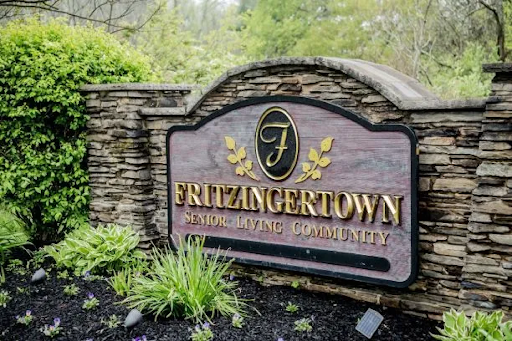
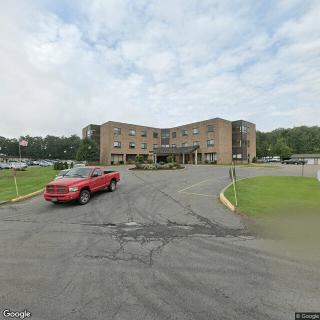
159 S. Old Turnpike Rd., Drums, PA 18222
To contact a resident: (570) 788-4178
For more information about senior living options: (866) 208-4318
Fritzingertown Senior Living Center Costs & Pricing
Fritzingertown Senior Living Center offers a competitive pricing structure for its residents, with costs that generally fall below the regional and state averages. For instance, a one-bedroom apartment at Fritzingertown is priced at $2,185 per month, significantly lower than the Luzerne County average of $3,622 and the Pennsylvania state average of $4,006. When it comes to semi-private rooms, the center's rates range from $2,965 to $4,417, which still remain more affordable compared to Luzerne County's average of $3,056 and the state's higher average of $3,542. Studio apartments at Fritzingertown are priced between $3,770 and $5,742 - again offering better value compared to both county and state figures. Lastly, private rooms at Fritzingertown are listed at $5,300 per month, which is slightly less than Luzerne County's average of $5,536 but remains above Pennsylvania's state average of $4,890. Overall, Fritzingertown Senior Living Center stands out as a cost-effective option for senior living in its region.
| Floor plans | Fritzingertown Senior Living Center | Luzerne County | Pennsylvania |
|---|---|---|---|
| 1 Bedroom | $2,185 | $3,622 | $4,006 |
| Semi-Private | $2,965 to $4,417 | $3,056 | $3,542 |
| Studio | $3,770 to $5,742 | $3,211 | $3,737 |
| Private | $5,300 | $5,536 | $4,890 |
Memory care communities with a similar price nearby
-
from +$315 / mo
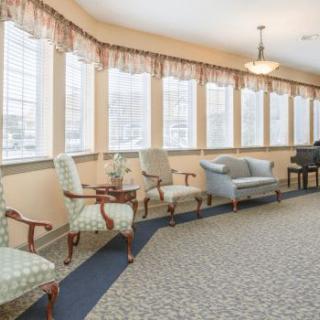
Tiffany Court At Kingston
$2,500 to $3,210 / month18.4 miles away -
from +$365 / mo
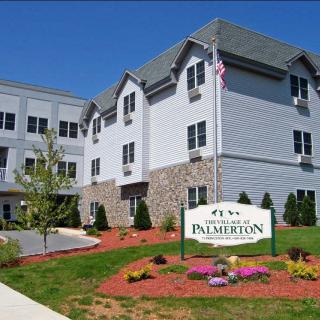
The Palmerton
$2,550 to $3,550 / month24.3 miles away
Overall Review of Fritzingertown Senior Living Center
Pros
 The facility is superb, with hardworking staff who have great love for their residents, and it is clean and well organized.
- Fritzingertown is a beautiful and homely community with charm, where residents feel at home and the staff clearly put residents' needs first, forming an amazing team.
- The community is wonderful, with helpful and kind staff.
- The community has the friendliest staff and is highly recommended.
- At Fritzingertown, the staff take really good care of residents and maintain outstanding communication, promptly informing families about changes and medical needs.
- From the first visit, the staff were friendly and informative, and there is a good relationship between staff and residents.
Cons
 They describe the facility as rude, rough, understaffed, with no compassion, and as treating staff and residents awfully, wondering why they can’t keep staff.
- They state that their son and they were scheduled to perform a music program, but were told it wasn’t happening, forcing them to stay in a hotel and incur gas and food costs, which they call disrespectful to them as artists and ministry; they will not be booking this community again.
- They thought they were moving into a senior living apartment but found it mixed with sick residents, with a neighbor who screams all night and staff who take their time attending to her, leading to no decent sleep; they advise staying away.
- They report a bad vibration/noise in their kitchen and living room from overhead, with disturbances at all hours of the early morning; attempts to address it were ignored and nothing gets done, making the place not worth the money.
Review
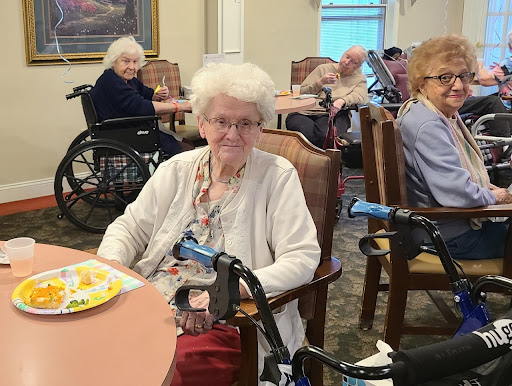
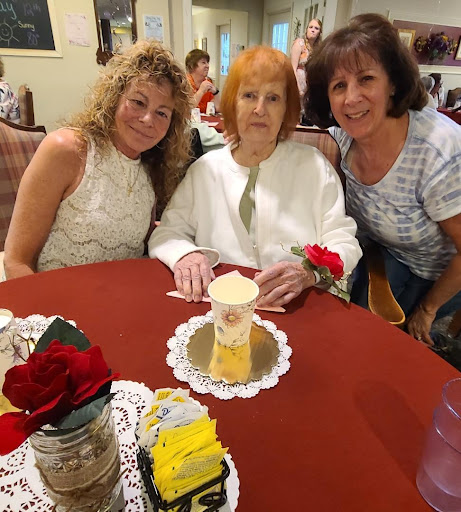
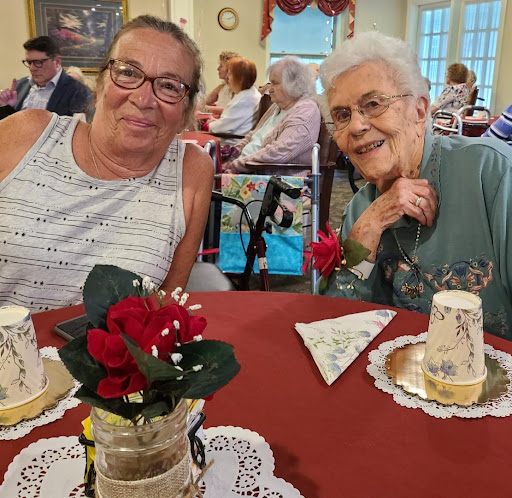
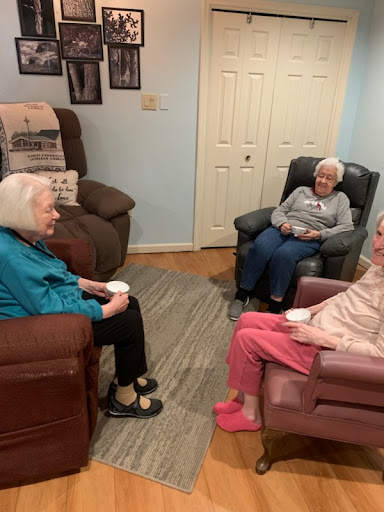
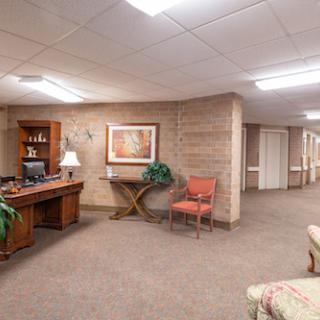
Fritzingertown Senior Living Center in Drums, PA, is best suited for families seeking a true multi-level campus where care can evolve on site. The community runs three distinct care tracks, Independent Apartments, Assisted Living, and a separate Alzheimer’s unit, within a single campus, with private apartments that offer exterior and interior access. This structure appeals to families who want continuity as a loved one’s needs shift, and who prize a home-like atmosphere, visible staff engagement, clean facilities, and reliable communication about every health update or daily event. For those who want to avoid multiple moves and value the convenience of one campus serving both independence and escalating care, Fritzingertown provides a practical, scalable solution.
Nevertheless, there are clear red flags that warrant considering alternatives. Several reviews describe rude or rough treatment, understaffing, and a lack of compassion in some shifts, which raises legitimate concerns for families prioritizing consistent, high-touch care. Nighttime sleep can be disrupted by noise or disruptive roommates in certain situations, and one recurring complaint highlights slow or incomplete attention to maintenance issues and noise disturbances overhead. Price sensitivity is also a factor for some families, with at least one review characterizing the cost as not worth the value. These reports suggest that experiences at Fritzingertown can swing significantly depending on staff coverage, time of day, and the particular living unit.
The strongest positives center on care quality when staffing is aligned with resident needs. Visitors consistently praise the warmth, friendliness, and professionalism of many staff members, and several reviews emphasize proactive communication, alerts about falls, timely doctor notifications, and transparent updates. The dining and living options on campus contribute to a sense of staying connected to home, while the apartment-focused option in the Independent Living track supports autonomy and personal autonomy with the option to rely on campus services when desired. The Alzheimer’s unit, while not described in exhaustive detail, is presented as a secure, separate space that allows families to keep loved ones close without sacrificing safety. Taken together, these attributes create real value for families seeking a transition-friendly environment with meaningful resident interaction.
However, the inconsistencies cannot be ignored. The same campus that earns praise for staff warmth can also generate anxiety when experiences vary by shift or building. Intermittent under-staffing translates into slower responses to concerns, less consistent night coverage, and a perception that residents are not always approached with the same level of vigilance. Noise concerns in common areas or from neighboring rooms can erode the sense of sanctuary that families expect when selecting an elder-care community. On balance, the pros are compelling, but they rely on stable staffing, vigilant maintenance, and a culture that treats every resident with unwavering respect, factors that may not be reliably realized in every case.
For families evaluating this community, prioritizing concrete, on-site verification is essential. Request a full tour during morning, afternoon, and evening to observe how staff interact with residents across different shifts. Speak with the administrator and care coordinators about staffing ratios, turnover, and the process for handling noise complaints or maintenance requests. Ask to review the activity calendar and sample meal menus, and insist on visiting the Alzheimer’s unit to gauge safety protocols and engagement opportunities. If possible, speak with current residents and family members about their daily experiences, and probe for consistency across units rather than relying on a single positive visit.
In sum, Fritzingertown offers a practical, potentially standout option for families who want a campus that can grow with a loved one’s needs and who value strong communication, a homelike environment, and the option to remain on one site as care intensifies. The central caveat is that success depends on dependable staffing, effective noise management, and consistent, respectful treatment across all shifts. For families for whom these conditions can be confirmed through due diligence, the community is a serious contender with meaningful advantages. For those who cannot, or who demand consistently low noise and uniformly high staffing, exploring alternatives with documented stability may be the wiser path.
 Assisted Living
 Independent Living
 Memory Care
 Activities off-site
 Bath tubs
 Beautician on-site
 Devotional services off-site
 Indoor common areas
 Outdoor common areas
 Respite or short term stays offered
 Wheelchair accessible showers
 Ambulatory care
 Diabetic care
 High acuity care
 Incontinence care
 Kosher


 Why Do Dementia Patients Sleep So Much? Understanding Oversleeping, Stages, and Care Approaches
 8 Key Indicators That Suggest It May Be Time to Transition from Assisted Living to Skilled Nursing Care
 Nourishing the Mind: Essential Dietary Approaches for Dementia