
23 Faith Drive, Hazleton, PA 18202
To contact a resident: (570) 455-7757
For more information about senior living options: (866) 208-4318
The Laurels Senior Living Community Costs & Pricing
The Laurels Senior Living Community offers competitive pricing for its residents while maintaining a comfortable living environment. For instance, a studio apartment is priced at $2,400 per month, significantly lower than the average costs in Schuylkill County at $2,759 and the statewide average in Pennsylvania of $3,737. Similarly, their one-bedroom units are available for $3,450, which again is more affordable than both the county's average of $3,753 and the state's average of $4,006. This pricing strategy not only reflects a commitment to accessible senior living but also provides an attractive option for families seeking quality care without exceeding budgetary constraints.
| Floor plans | The Laurels Senior Living Community | Schuylkill County | Pennsylvania |
|---|---|---|---|
| Studio | $2,400 | $2,759 | $3,737 |
| 1 Bedroom | $3,450 | $3,753 | $4,006 |
Assisted Living communities with a similar price nearby
-
from -$150 / mo

The Village at Greenbriar
$2,250 to $4,560 / month23.6 miles away -
About the same
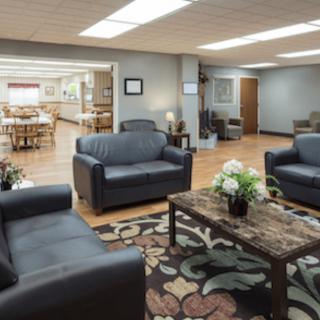
Serenity Care Wyoming
$2,450 to $3,150 / month24.1 miles away -
from -$150 / mo
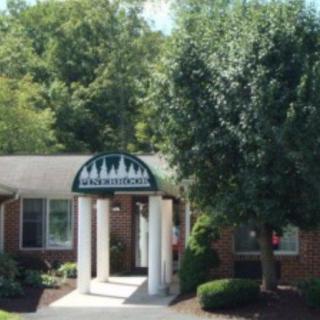
Weston Senior Living Center at Pinebrook
$2,250 to $2,500 / month24.5 miles away -
from +$100 / mo
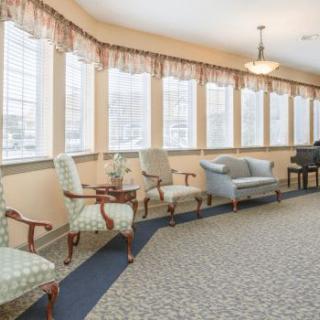
Tiffany Court At Kingston
$2,500 to $3,210 / month19.3 miles away -
from -$360 / mo
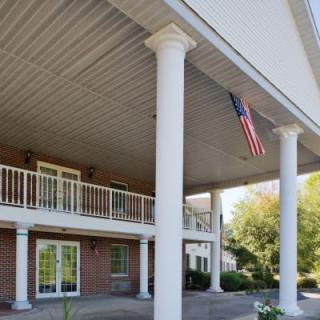
Riverview Ridge
$2,040 to $2,460 / month19.5 miles away
Overall Review of The Laurels Senior Living Community
Pros
 The staff at The Laurels are friendly and go out of their way to include residents in the community.
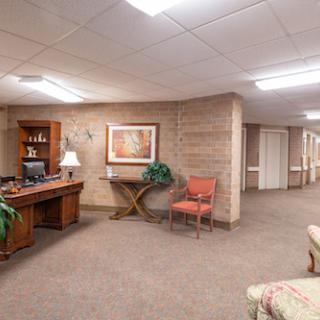
- The facility is clean, well maintained, and provides a safe environment.
- The rooms are bright and welcoming, with beautiful mountain views.
- The meals are made from scratch and of high quality.
- There is a wide range of activities daily, including social and religious options.
- Family members are welcome to join residents for meals, contributing to a warm community.
- The pricing structure is simple and easy to understand.
- The care provided to residents is exceptional and well regarded by families.
Cons
 He was unhappy about leaving his own home.
- Unfortunately, he passed away on August 6.
- The reviewer would have liked more coverage for activities.
Review
The Laurels Senior Living Community in Hazleton is best suited for families seeking a warm, well-staffed, home-like environment where daily life is structured around companionship, dependable care, and straightforward value. This community suits active seniors who want to remain engaged through a steady calendar of activities, social events, and day trips, all delivered in a bright, clean setting with mountain views. It works well for residents who appreciate a personal touch from staff, where caregivers know residents by name, and where family involvement, meals together, prayers, and holiday visits, feels natural rather than ceremonial.
Those who may want to consider alternatives include individuals who require a more secular or non-denominational environment, or who need specialized memory-care programming or advanced rehabilitative services beyond what a typical assisted-living campus of this size can offer. If the care plan demands a broader or more intensive activity slate, a larger campus, or a stronger emphasis on clinical oversight and multi-disciplinary medical support, exploring other options is prudent. While the Catholic orientation is a strength for some, it may not align with every resident’s spiritual or cultural preferences, so families seeking a strictly non-religious atmosphere should verify how devotionals and services are integrated into daily life.
The Laurels’ strongest positives offset its more modest trade-offs in meaningful ways. Staff consistently emerge as the differentiator: courteous, attentive, and genuinely invested in including residents in community life. Cleanliness and an aesthetically pleasant environment reinforce a sense of security and comfort, while the food, prepared from scratch, helps seniors maintain appetite and nutrition. The all-in pricing approach is a notable strength, with many essential services included and a simple structure that reduces sticker shock. A comprehensive activity calendar, bingo, arts and crafts, religious services, movie nights, and day trips, gives residents a reliable rhythm, and on-site conveniences such as transportation to appointments, and daily housekeeping, contribute to a low-stress routine. Even the smaller-campus feel, about 100 residents, facilitates personal attention and predictable routines that many families value during transitions.
However, there are practical considerations that influence decision-making. Some reviewers note a desire for broader activity coverage beyond what the calendar currently delivers, suggesting that while programming is solid, it may not satisfy every resident’s hunger for variety. Day trips exist, with nominal costs for securing seats, but these extras can add up for families on tight budgets. The Catholic orientation, while meaningful for many, is a potential mismatch for secular or multi-faith households, making it important to assess how religious programming affects daily life and whether participation is optional or expected. The facility’s strengths, low-key pace, close-knit culture, and involvement from owners during holidays, also imply a more intimate environment that may feel limiting for residents who crave anonymity, a wider social network, or more expansive medical resources.
For families evaluating care, the practical path is clear: verify that the resident’s priorities align with The Laurels’ strengths, community integration, dependable daily care, predictable costs, and opportunities for spiritual or social fulfillment. During tours, probe how staff introduce new residents to activities, how flexible the calendar truly is, and whether there is a memory-care alternative on-site or nearby if needs evolve. Ask to review a sample weekly calendar, speak with residents about typical day-to-day routines, and confirm how meals, religious services, and family meal opportunities are scheduled. Confirm what is included in the base rate versus what requires additional fees, and understand transportation options for medical appointments and social outings.
In the end, The Laurels stands out as a practical, well-run option for families who prize warmth, staff connection, clean facilities, and a straightforward price structure wrapped around a robust social life. It excels for residents who want a faith-flavored, community-centered environment with meaningful daily engagement and dependable support for activities of daily living. Alternatives are worth exploring for those prioritizing secular programming, a broader range of memory-care services, or a larger campus with more expansive clinical resources. With visits and frank conversations, a clear fit will emerge, the kind of choice that allows peace of mind as a loved one moves into assisted living.
 Assisted Living
 Cats allowed
 Dogs allowed
 Activities off-site
 Bath tubs
 Beautician on-site
 Devotional services off-site
 Indoor common areas
 Outdoor common areas
 Respite or short term stays offered
 Wheelchair accessible showers
 Ambulatory care
 Diabetic care
 Incontinence care
 Kosher
 Christian services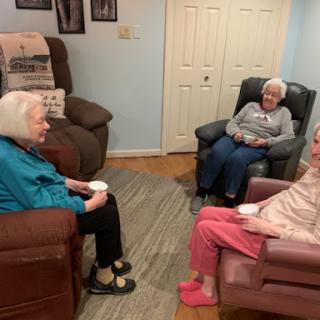

 Understanding Medicaid Coverage for Assisted Living: A Comprehensive Guide
 How and When Medicaid May Cover Assisted Living Costs
 A Detailed Exploration of Assisted Living Medicaid Waivers Across the United States