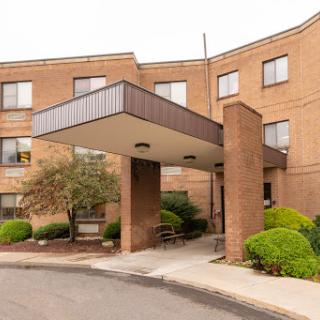
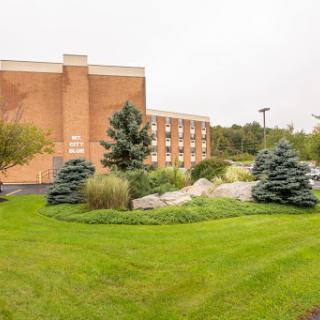
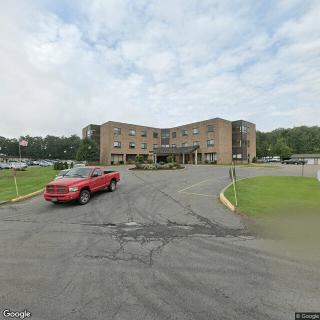
403 Hazle Township Boulevard, Hazleton, PA 18202
For more information about senior living options: (866) 208-4318
Overall Review of Mountain City Nursing & Rehabilitation Center
Pros
 The nurses and staff treated him with kindness and dignity.
- The communication and support were excellent.
- The administrator and Director of Nursing were responsive and fixed problems promptly.
- The staff were courteous and caring, creating a warm, familial atmosphere.
- Mountain City Nursing was described as wonderful, with attentive and organized care.
- The family felt grateful for the care and would consider Mountain City again for loved ones.
- The care team was organized, solicitous, and confident in their care.
Cons
 The patient was not given promised care and was kept in bed with no physical therapy or movement.
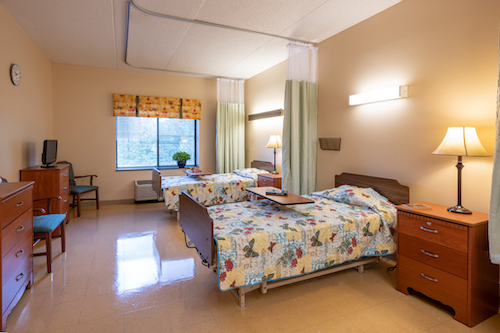
 - The facility was outdated and had a strong odor of urine and old laundry.
- The staff were severely understaffed and overworked, leading to slow responses to calls for help.
- The food was terrible, mostly canned, with nothing fresh.
- There were episodes of neglect and medication errors, including not being seen by a doctor and receiving incorrect medications.
- Call bells were ignored for long periods, resulting in humiliating accidents.
- There were robberies or thefts with no effective action taken by management.
- Administrative staff lacked good people skills and responsiveness.
Review
Mountain City Nursing & Rehabilitation Center is best suited for families that want a small-community feel with hands-on, personable nursing attention and a facility where administration can be engaged when problems arise. It can work for residents who need everyday help and moderate rehabilitation but whose families are prepared to be vigilant, visit frequently, and press for timely care when gaps appear. The strongest value tends to show up when the caregiving staff demonstrate genuine kindness and consistency, and when management is approachable and able to implement fixes quickly. This is not a hands-off, “set-it-and-forget-it” environment; it rewards persistent advocacy and clear communication between families and the care team.
Those who may want to consider alternatives are families seeking unwavering reliability, modern surroundings, and a pristine, odor-free environment. If a resident requires constant, immediate assistance, highly predictable responses, fresh food, and consistently clean facilities, this community may fall short. Potential residents with high risk of neglect, frequent doctor visibility, or heavy emphasis on advanced rehabilitation should compare options with stronger staffing ratios, verified quality metrics, and ongoing environmental upgrades. In short, when predictability and a consistently high standard of safety matter most, look elsewhere.
On the upside, several reviews highlight compassionate nursing staff and responsive administrators when problems are reported. Where the administration is proactive, sometimes with a new leadership team, the issues raised by families are addressed, and care plans are adjusted to prevent recurrence. Positive experiences often center on a familial atmosphere, timely communication, and a determination to fix shortcomings rather than ignore them. That commitment matters because it means the facility can course-correct, provided the volume and persistence of concerns justify ongoing investment in staffing and systems.
The darker counterpart is a pattern of serious, recurring concerns that cannot be dismissed as isolated incidents. Multiple accounts describe residents who were not moved for rehab, left in bed for long stretches, or given inadequate meals. Other reports cite chronic understaffing, long call-bell waits, and environmental hazards such as odors, clutter, or broken equipment. Add to this mix instances of medication mismanagement, inconsistent medical oversight, and even theft of patient items. These experiences are not one-off mishaps; they point to structural weaknesses that undermine safety and dignity, especially for residents with higher care needs or those without strong family advocacy at all hours.
From a decision-making standpoint, the key is balancing real strengths against real risks. The pros, compassionate care when staff are available, meaningful attempts at rehabilitation, and an administration capable of addressing issues, do offset some concerns if families stay engaged and demand accountability. However, when staffing gaps turn ordinary tasks into delays, when the physical plant feels outdated or unwelcoming, and when basic necessities like timely assistance and clean conditions are inconsistent, the drawbacks begin to outweigh the benefits for most aging-in-place scenarios. Families must weigh the value of a potential “local, caring staff” against the likelihood of frequent oversight, ongoing repairs, and the emotional energy required to supervise care.
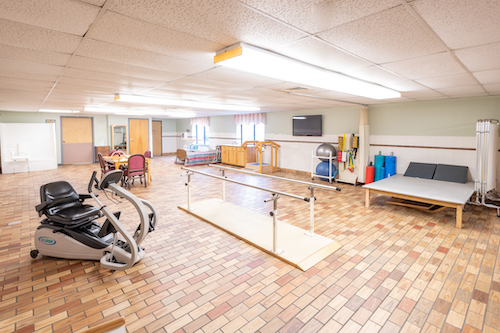
For families evaluating options, a prudent course is to visit with a specific checklist in hand: observe nurse aides and how quickly they respond to call bells; inspect cleanliness, odors, and laundry/room conditions; ask about the current staffing ratios on each shift; request to see the rehab schedule and a recent care plan; talk to families with residents in similar situations; and press for a transparent explanation of any recent staffing changes or policy updates. Clarify what happens when a concern is raised, who the point person is, and how quickly issues are documented and resolved. Finally, scrutinize meals, food quality, and dining routines, since nutrition clearly impacts recovery and daily quality of life.
Bottom line: Mountain City holds potential for families who can actively participate in care, value warmth from caregivers, and are willing to navigate occasional inconsistencies to obtain timely fixes. For those who cannot tolerate sporadic care, outdated surroundings, or repeated safety lapses, alternatives with stronger staffing guarantees and more consistent environment quality are strongly advisable. The decision hinges on the ability to advocate effectively and the resident’s tolerance for a care setting that rewards persistence over complacency.
 297 resident community capacity
 Skilled Nursing Facility
 Air-conditioning
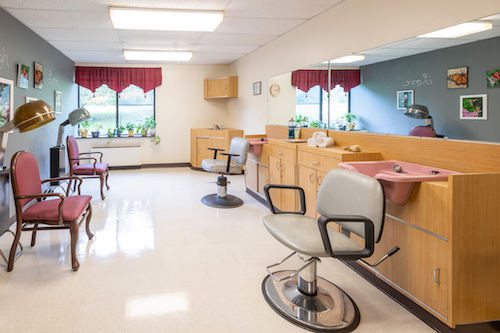
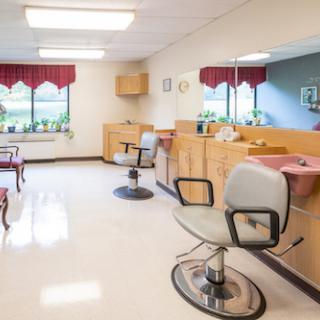
 Beauty salon
 Cable or satellite TV
 Computer center
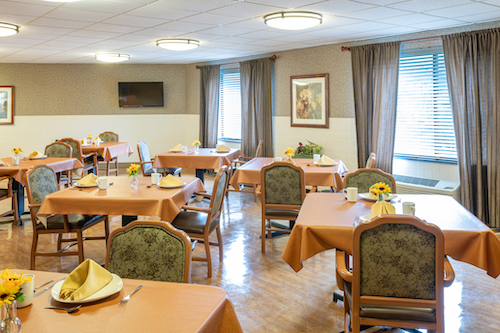
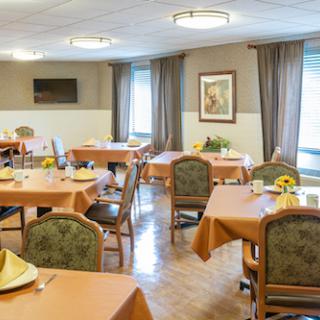
 Dining room
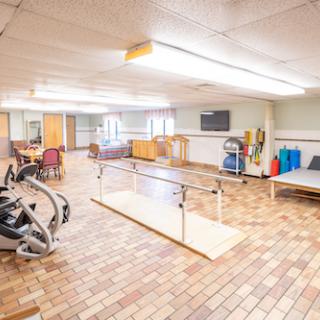
 Fitness room
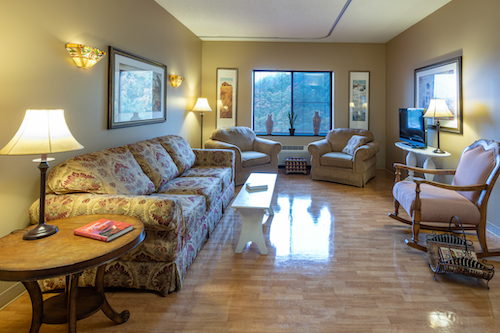
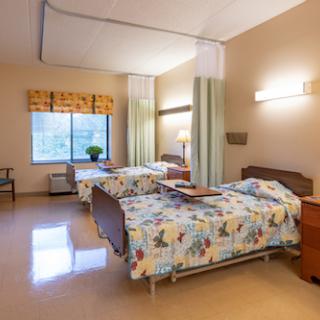
 Fully furnished
 Gaming room
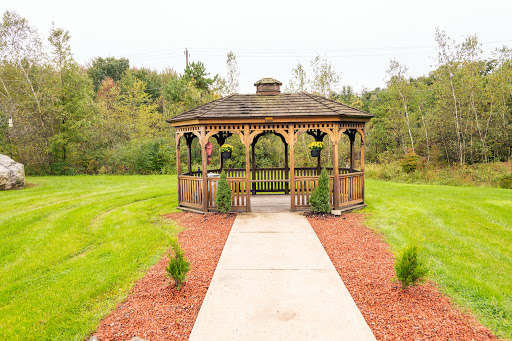
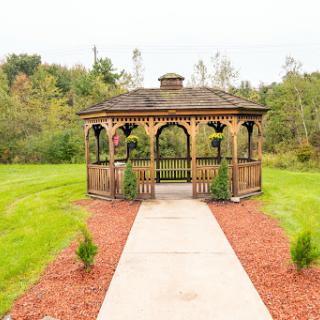
 Garden
 Housekeeping services
 Kitchenette
 Move-in coordination
 Outdoor space
 Private bathrooms
 Restaurant-style dining
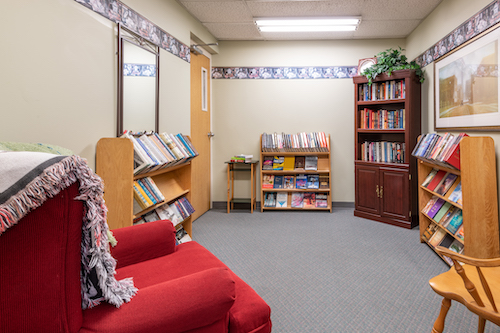
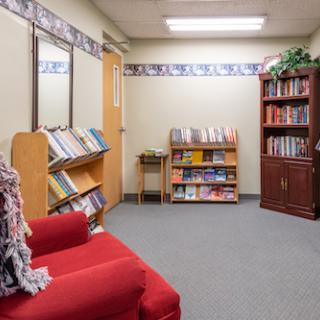
 Small library
 Telephone
 Wellness center
 Wi-Fi/high-speed internet available
 Community operated transportation
 12-16 hour nursing
 24-hour call system
 Activities of daily living assistance
 Assistance with bathing
 Assistance with dressing
 Assistance with transfers
 Diabetes diet
 Medication management
 Mental wellness program
 Special dietary restrictions
 Concierge services
 Planned day trips

 Navigating the Financial Road to Nursing Home Care: In-Depth Guidance and Resources
 Supportive Employee Benefits That Help Caregivers Attain Better Work-Life Harmony
 Top Cars for Senior Drivers and Essential Safety Innovations