For more information about senior living options: (866) 208-4318
4.4 from 80 reviews
5 stars
64
4 stars
4
3 stars
2
2 stars
1
1 stars
9
Arden Courts Of Jefferson Hills Costs & Pricing
Arden Courts of Jefferson Hills offers a premium assisted living experience with monthly costs for a studio room set at $6,975. This rate significantly surpasses the average monthly costs in Allegheny County, which stands at $3,637, and is also higher than the state average of $3,737 in Pennsylvania. The elevated pricing reflects the specialized care and services provided to residents, ensuring a supportive and enriching environment tailored to individuals with memory-related challenges. As such, while Arden Courts may represent a considerable investment compared to local averages, the facility's commitment to comprehensive care and quality amenities positions it as a valuable option for families seeking exceptional support for their loved ones.
Floor plans
Arden Courts Of Jefferson Hills
Allegheny County
Pennsylvania
Studio
$6,975
$3,637
$3,737
Memory care communities with a similar price nearby
Residents and families describe a secure memory-care setting with outdoor access.
Multiple reviews mention the community feeling safe for people with dementia, including an enclosed/fenced outdoor area that lets residents get outside without wandering off. Residents also appear to have access to landscaped grounds and courtyards, and several reviewers describe indoor spaces that support mobility rather than keeping residents confined. The community’s memory-care focus is also reflected in how families talk about the layout and the home-like “house” concept.
common12 reviews mention this
Staff care and compassion stand out
Caregivers are consistently described as compassionate, patient, and responsive.
Reviews frequently emphasize kindness and compassion from staff, describing a team that treats residents with respect and supports families during transitions. Several reviewers specifically highlight that caregivers take time with residents, learn individuals’ needs, and help manage dementia-related behaviors. Families also mention communication and updates—especially during periods when visits were limited—along with staff who feel welcoming to residents and visitors.
common5 reviews mention this
Activities keep residents engaged
Residents are described as staying engaged through varied, dementia-appropriate activities.
Several reviews say the community keeps residents involved with an activities calendar and ongoing programming rather than passively staying in rooms. Families describe residents doing things they enjoy—like music, games, crafts, and outings—and they also note the activities are oriented to dementia functioning levels. A number of reviewers also mention opportunities for family participation, plus events that include visitors.
common4 reviews mention this
Dining is a frequent positive
Dining quality and meal service are recurring bright spots in reviews.
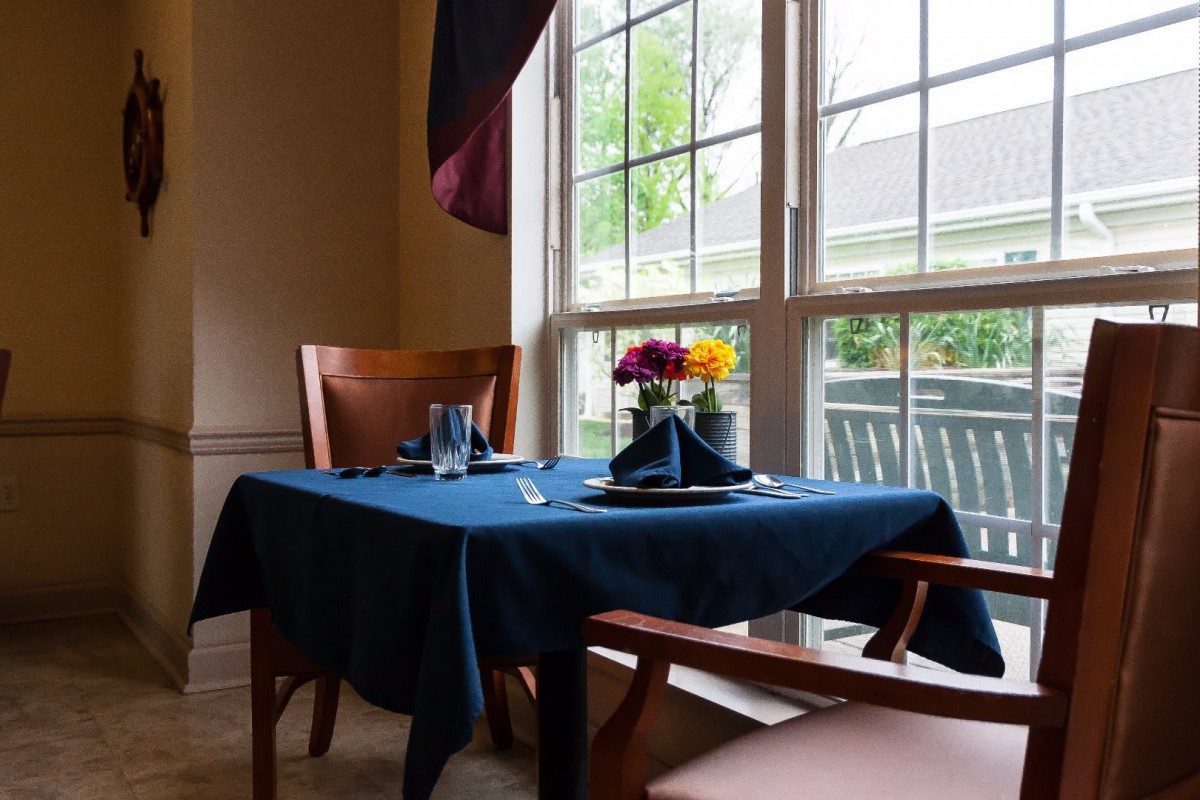
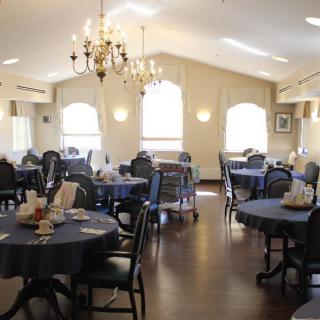
Families and residents’ experiences with meals come up repeatedly, including comments that food is delicious and residents look forward to meals. Reviewers also mention dietary consideration and preferences being handled thoughtfully, with meals prepared by a chef and served in a restaurant-style setting. The community’s meal approach aligns with its dining offering, including options for special diets.
caveat3 reviews mention this
Cost and staffing concerns appear
Reviews raise concerns about high costs alongside occasional staffing and care breakdowns.
Some reviews describe the community as expensive, including one that cites a high monthly price for a memory-care stay. A few negative reviews also point to problems like delays in assistance, falls, or insufficient staffing coverage at specific times. Others still report positive experiences, but these critical comments are the clearest caveat themes around pricing and day-to-day reliability.
How we summarize
Counts show how many written reviews mention each theme; a review can touch several themes, and only frequently mentioned themes are displayed.
Features
Housing
60 resident community capacity
1-bedroom apartments
Types of Care
Assisted Living
Memory Care
Respite Care
Amenities
Activities off-site
Activities on-site
Air-conditioning
Bath tubs
Beautician on-site
Beauty salon
Cable or satellite TV
Computer center
Devotional services on-site
Dining room
Fitness room
Fully furnished
Gaming room
Garden
Ground floor units
Handicap accessible
Housekeeping services
Indoor common areas
Kitchenette
Move-in coordination
Outdoor common areas
Outdoor space
Private bathrooms
Respite or short term stays offered
Restaurant-style dining
Small library
Telephone
Wellness center
Wheelchair accessible showers
Wi-Fi/high-speed internet available
Transportation
Pittsburgh International (21 miles away)
Community operated transportation
Transportation arrangement
Transportation arrangement (non-medical)
Transportation to doctors appointments
Care Services
12-16 hour nursing
24-hour call system
24-hour supervision
Activities of daily living assistance
Ambulatory care
Assistance with bathing
Assistance with dressing
Assistance with transfers
Diabetes diet
Diabetic care
High acuity care
Hospice care
Incontinence care
Meal preparation and service
Medication management
Mental wellness program
Personal care assistants
Physical therapy
Psychiatric care
Special dietary restrictions
Dining
Anytime dining
Diabetes diet
Gluten-free
Guest meals
Low / no sodium
Meals provided
No Sugar
Professional chef
Restaurant style dining
Room service
Special dietary restrictions
Special dining programs
Vegan
Vegetarian
Activities
Art classes
Catholic services
Community-sponsored activities
Concierge services
Cooking classes
Day trips and outings
Devotional activities on-site
Educational speakers / life long learning
Fitness programs
Karaoke
Live musical performances
Live well programs
Other religious services
Planned day trips
Protestant services
Resident-run activities
Scheduled daily activities
Visiting chaplain or priest
Nearby Places of Interest
This part of Clairton, Pennsylvania offers a variety of amenities and services in close proximity to each other, making it convenient for seniors living in the area. There are several restaurants within a few miles, ranging from casual dining options like Yoli's Cucina and Chipotle Mexican Grill to more traditional options like Primanti Bros. Restaurant and Bar. Additionally, there are pharmacies nearby for easy access to medications, as well as healthcare providers such as South Hills Pediatric Associates and Jefferson Surgery Center for medical needs. Parks like Tepes Park and Renziehausen Park offer opportunities for outdoor recreation, while places of worship like Saint Patrick Church and St Louise De Marillac Church provide spiritual support. For entertainment, seniors can visit AMC Waterfront 22 theater just a short drive away. Overall, this part of Clairton offers a blend of convenience and community that may appeal to those seeking senior living options in the area.
Restaurants
Yoli's Cucina and Crafthouse (0.8 miles)
Al's Cone Zone (1.1 miles)
Primanti Bros. Restaurant and Bar Pleasant Hills (1.8 miles)
Monkey Bar (2 miles)
Olive Garden (2.4 miles)
Chipotle Mexican Grill (2.5 miles)
Frosty Cone (3 miles)
Physicians
CCP - South Hills Pediatric Associates, Jefferson Hills Office (0.9 miles)
Steel Valley Orthopedic Associates PC (1.2 miles)
Jefferson Surgery Center (1.2 miles)
Jefferson Internal Medicine (1.2 miles)
Charles Robert Brown (2.8 miles)
Holets Henry E Jr MD (6.6 miles)
Community Family Practice (6.7 miles)
Parks
Tepes Park (1.7 miles)
Evans Fields (3.9 miles)
South Park Dog Park (4.2 miles)
Renziehausen Park (5.2 miles)
Village Green Park (7 miles)
Mt. Lebanon Park (8.5 miles)
Pharmacies
Rite Aid (2 miles)
Rite Aid (2.2 miles)
Rite Aid (2.9 miles)
Walgreens (3.5 miles)
CVS Pharmacy (3.8 miles)
Rite Aid (4.8 miles)
Rite Aid (5 miles)
Cafes
Starbucks (2.6 miles)
GetGo Café and Store (3.5 miles)
Starbucks (5.9 miles)
Parkside Cafe (6.8 miles)
De Lallo's Fort Couch Cafe (7.2 miles)
Starbucks (7.4 miles)
Al's Cafe (7.4 miles)
Transportation
U-Haul Moving & Storage of Pleasant Hills (3.4 miles)
South Hills Village Trolley Stop (7.5 miles)
Places of Worship
Saint Patrick Church (4.8 miles)
Kingdom Hall Of Jehovahs Witnesses (6.9 miles)
St Louise De Marillac Church (7.8 miles)
Hospitals
UPMC McKeesport (5.3 miles)
Fernand N Parent & Associate - Fernand N Parent Jr MD (6.8 miles)
Arden Courts of Jefferson Hills offers a premium assisted living experience with monthly costs for a studio room set at $6,975. This rate significantly surpasses the average monthly costs in Allegheny County, which stands at $3,637, and is also higher than the state average of $3,737 in Pennsylvania. The elevated pricing reflects the specialized care and services provided to residents, ensuring a supportive and enriching environment tailored to individuals with memory-related challenges. As such, while Arden Courts may represent a considerable investment compared to local averages, the facility's commitment to comprehensive care and quality amenities positions it as a valuable option for families seeking exceptional support for their loved ones.
The 24-hour supervision at Arden Courts of Jefferson Hills ensures that residents with dementia or Alzheimer's disease receive constant support and safety, allowing caregivers to respond immediately to any needs or changes in condition. Assistance with activities of daily living, including bathing, dressing, and transfers, helps maintain personal dignity while fostering independence as much as possible. Incontinence care is provided with sensitivity and respect, addressing a common challenge for those with cognitive impairments. Meal preparation and service are tailored to meet individual dietary requirements, promoting health and nutrition despite potential challenges in appetite or self-feeding abilities. Medication management ensures that residents receive their prescribed medications on time, which is crucial for maintaining overall health and stability. The mental wellness program engages residents through activities designed to stimulate cognitive function and emotional well-being, while physical therapy can enhance mobility and strength, further supporting their quality of life. Collectively, these features create a supportive environment that addresses the comprehensive needs of individuals facing memory-related challenges.
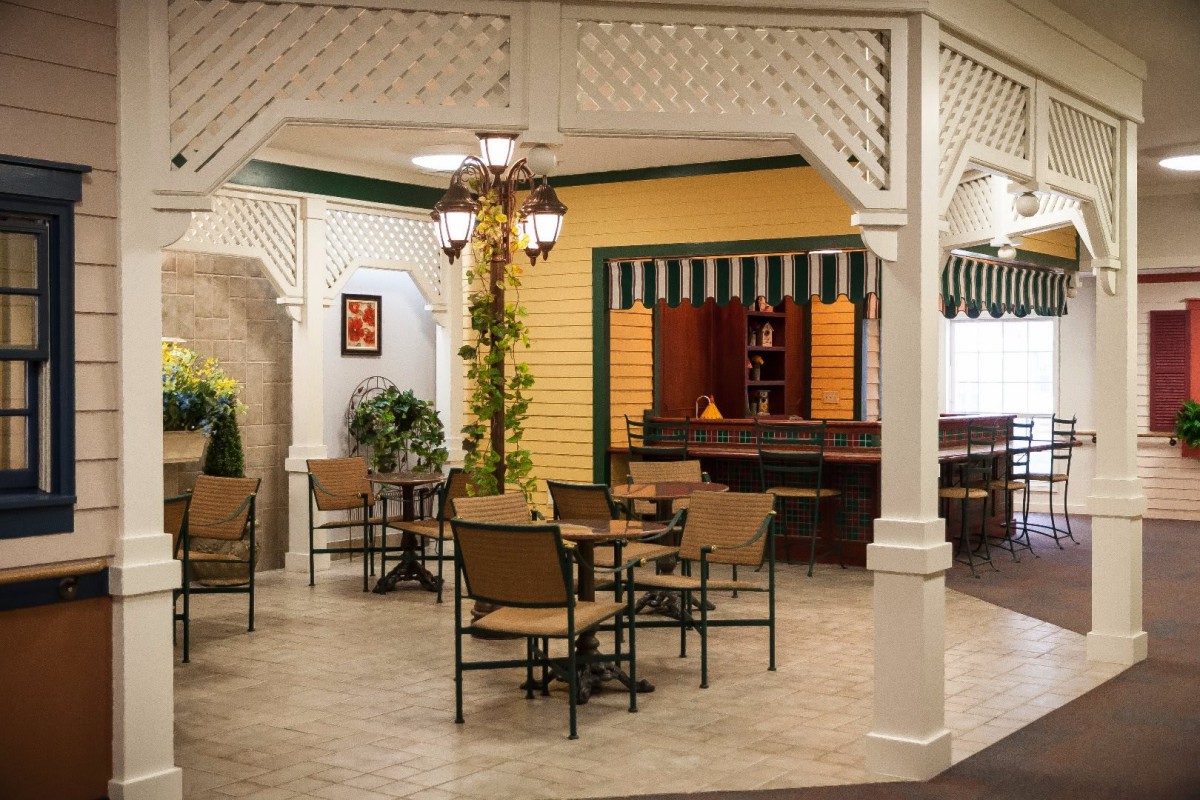
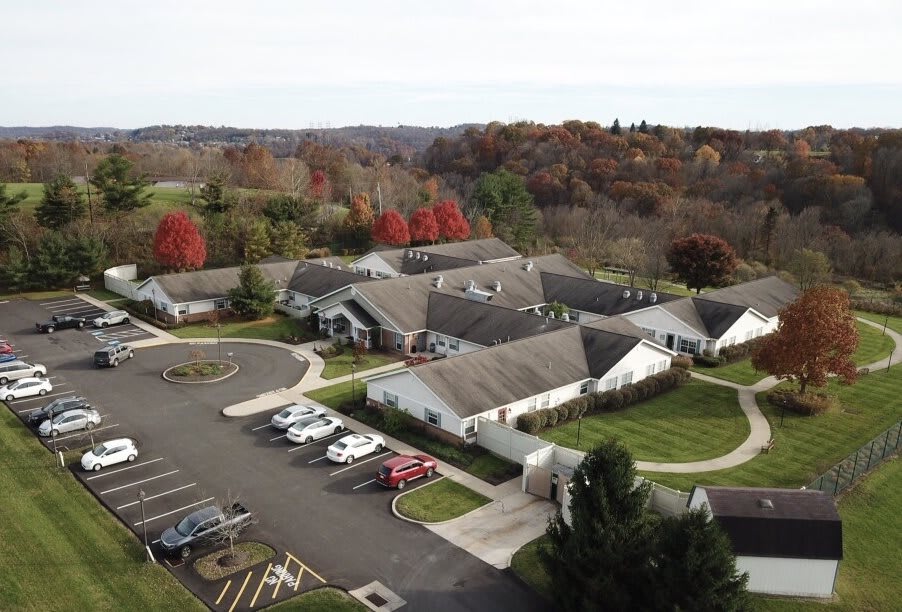
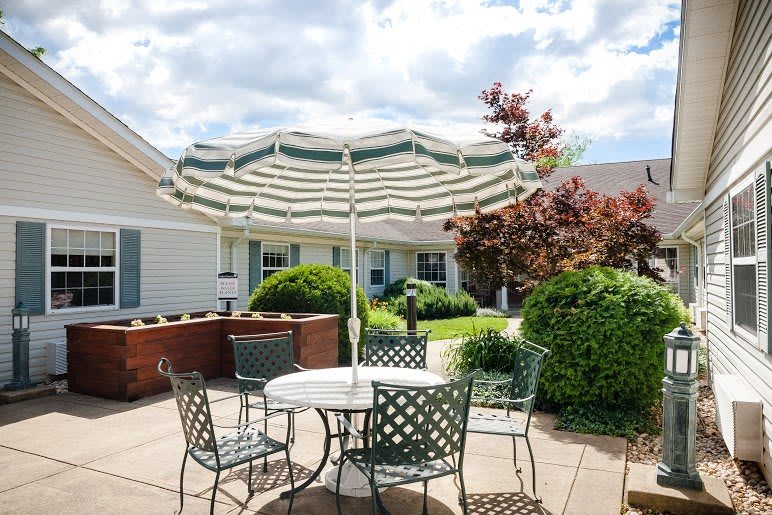
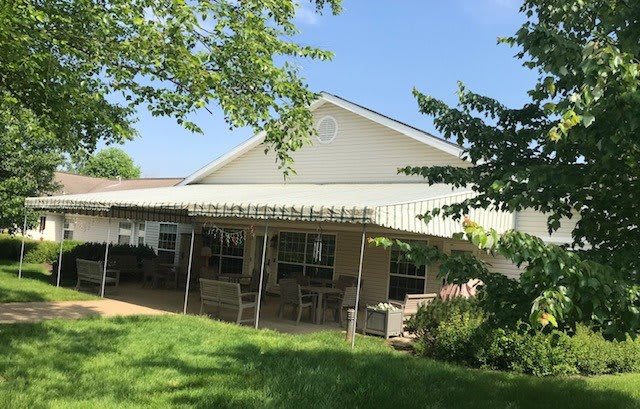
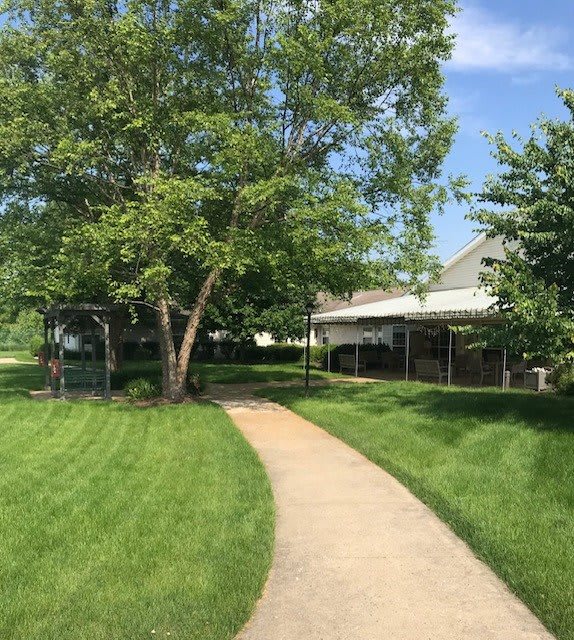
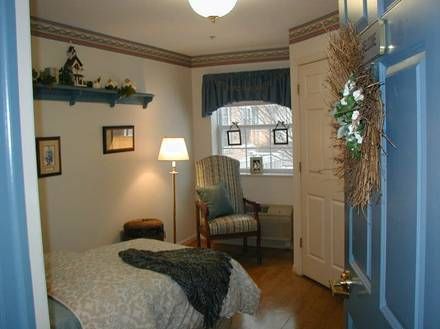
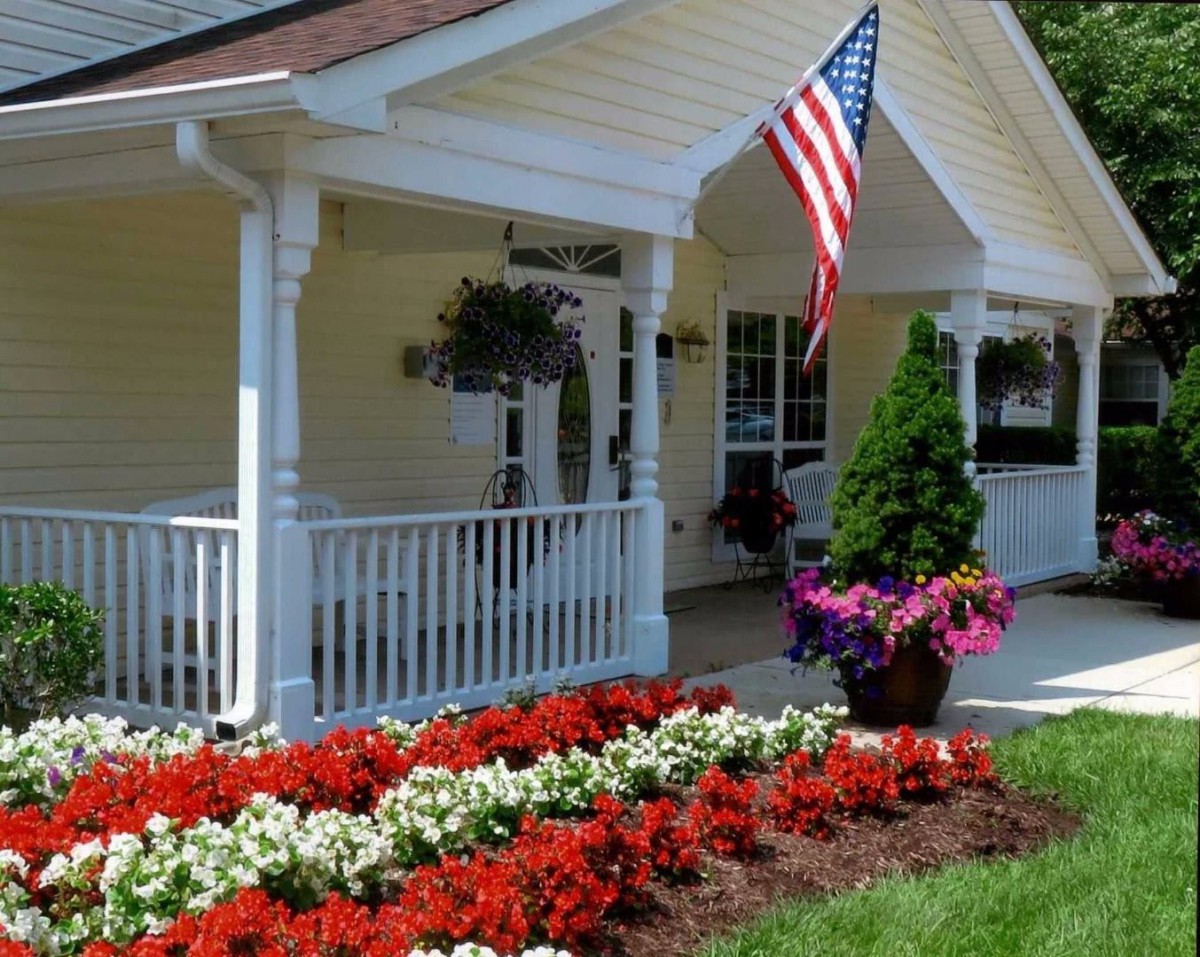
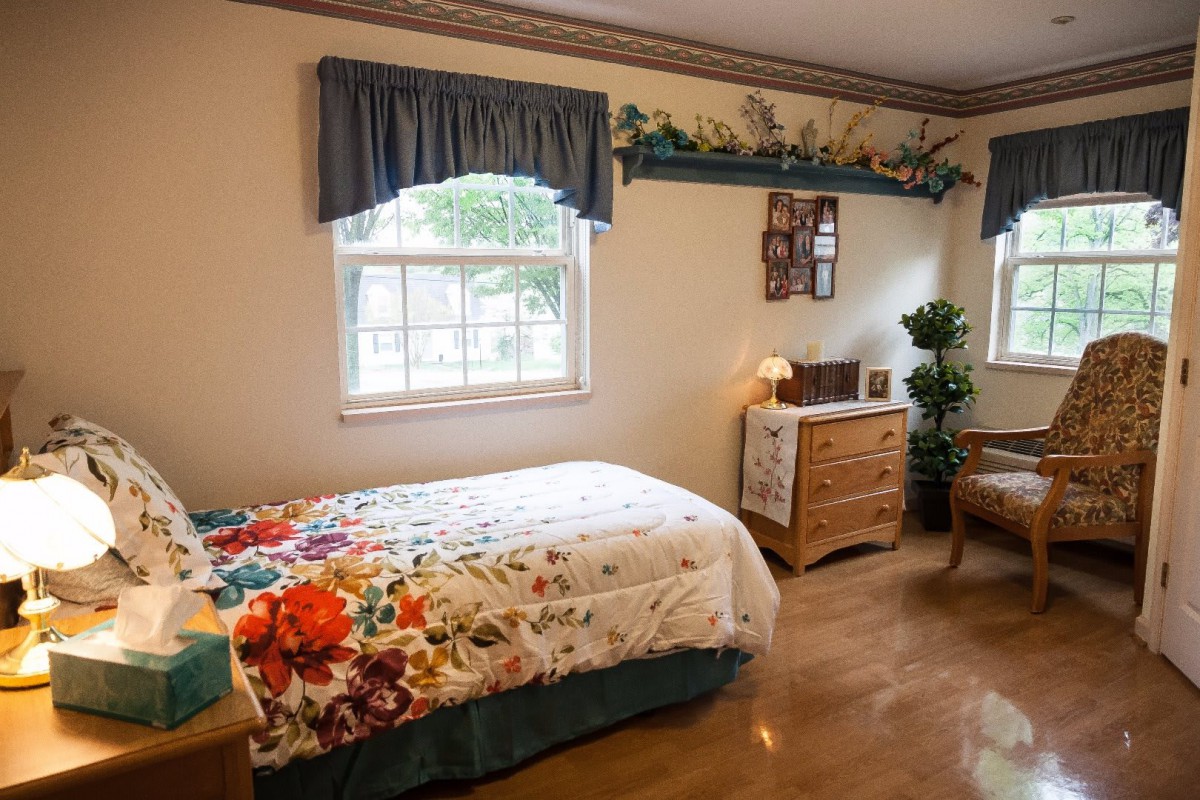
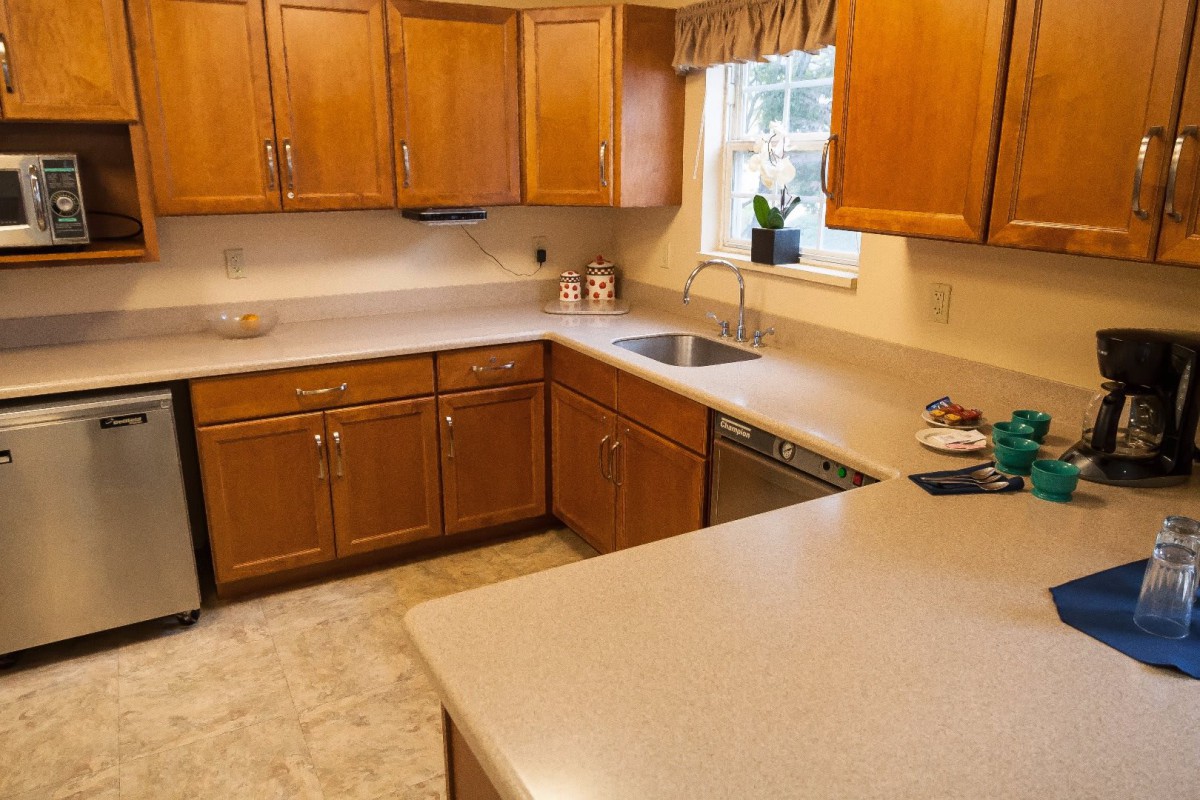
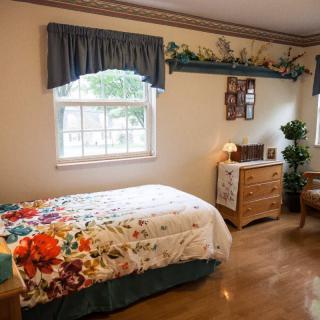
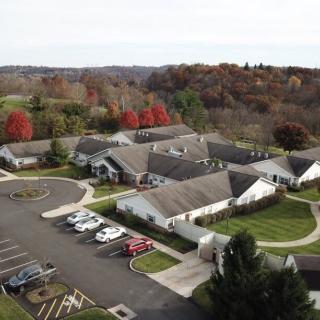
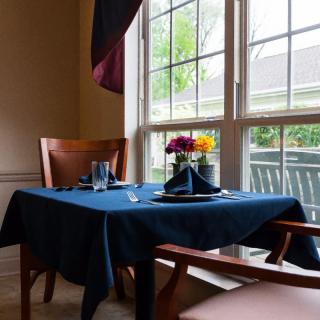
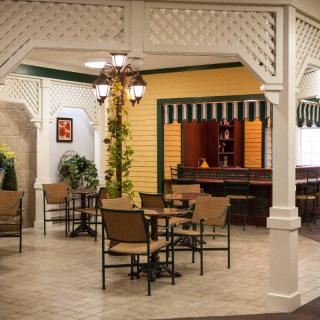
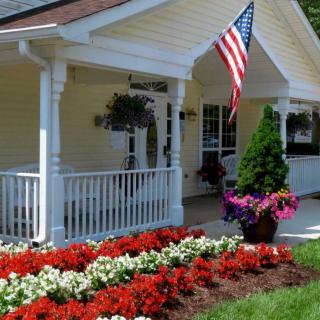
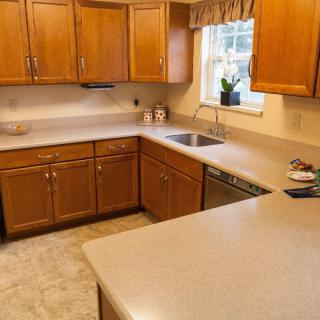
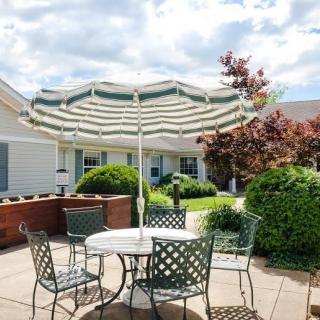
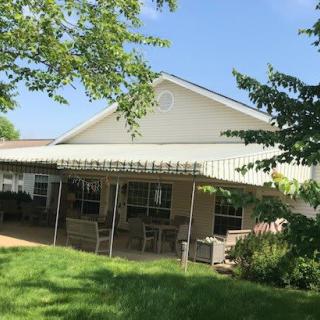
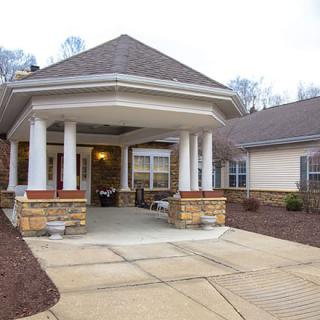
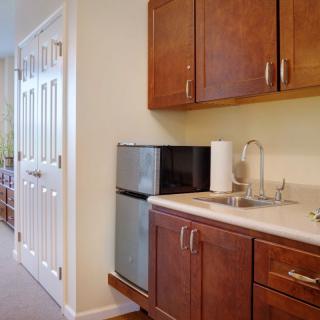
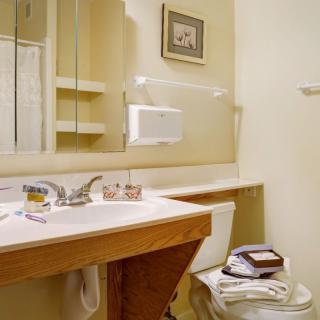
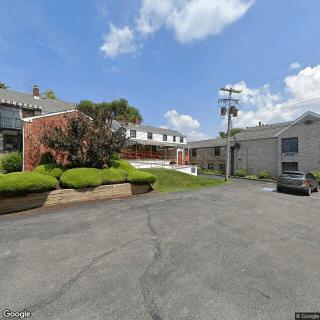
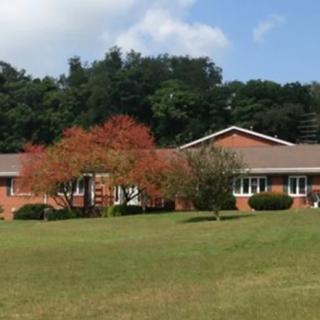
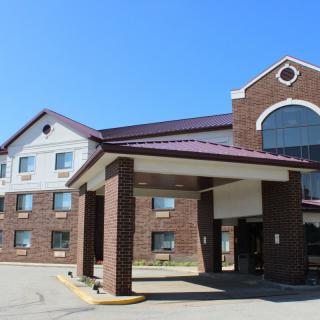
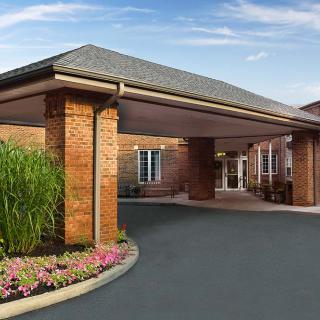
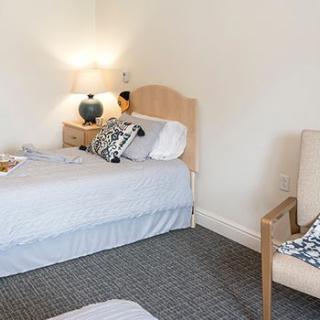
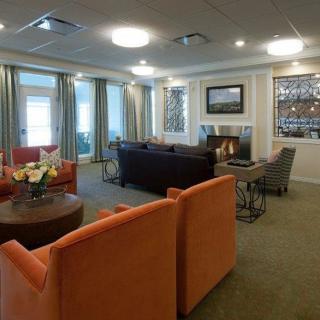
Arden Courts Of Jefferson Hills on seniors.fyi includes 10 photos including images showing interior, windows, landscaping, dining, trees, bedroom, garden, decor, and more.
Nearby Communities
The Residence at Arrowood
Pittsburgh, PA
4.5 from 59 reviews
$1,290 to $3,570 / month
Excellent value for cost with clean, spacious apartments and friendly staff.
Wilson's Family Home Care Agency, LLC
Clairton, PA
4 from 4 reviews
Warm, community-focused care with convenient nearby amenities and healthcare access.
Jefferson Hills Healthcare And Rehabilitation Cent
Clairton, PA
2.6 from 72 reviews
Compassionate staff and a broad amenity/activities program.
Jefferson Hills Manor
Clairton, PA
2.5 from 43 reviews
Caring, friendly staff and compassionate nurses.
Lawson Nursing Home
Jefferson Hills, PA
4.1 from 55 reviews
Caring staff with personalized attention and engaging activities in a clean, homey setting.
Southwestern Assisted Care Residence
Pittsburgh, PA
4.2 from 13 reviews
$2,945 to $3,441 / month
Warm, welcoming atmosphere with comfortable rooms and engaging activities.
Celebration Villa of South Hills
Pittsburgh, PA
4.2 from 79 reviews
$2,230 to $3,995 / month
Friendly staff, engaging activities, clean, welcoming atmosphere, and spacious personal rooms.
Overlook Green
Pittsburgh, PA
4.1 from 104 reviews
$2,750 to $3,600 / month
Friendly staff and engaging activities in a clean, pleasant setting.
The Sheridan at Bethel Park
Pittsburgh, PA
4.3 from 131 reviews
$3,995 to $6,695 / month
Caring staff; clean, active community with engaging activities.
The article compares assisted living and skilled nursing facilities, detailing their differing levels of assistance, medical support, cost structures, and day-to-day experiences. It emphasizes that assisted living is for those needing help with daily activities while maintaining independence, whereas skilled nursing facilities provide intensive medical care with 24-hour staff supervision.
Vibrant Senior Living emphasizes active senior living communities that promote independence and engagement through diverse amenities and activities, fostering wellness and social interaction among older adults. These communities range from independent to assisted living, with a focus on personal growth, family involvement, financial planning, and leveraging technology to enhance residents' experiences.
Assisted living provides moderate support for seniors seeking independence, while memory care offers specialized support for individuals with dementia or cognitive impairments through structured routines and trained staff. Key differences include care approaches, environment security measures, staff training levels, activity types, and cost considerations.
Get PricingAsk A QuestionSchedule A TourContact Senior Advisor
By clicking submit, you agree to our Partner's Terms of Use. You
also consent to receive calls and texts, which may be autodialed, from our Partner. Your consent is not a condition to
using our Partner's service. Please visit our Partner's Privacy Policy for information about their privacy practices.

 60 resident community capacity
 1-bedroom apartments
 Assisted Living
 Memory Care
 Respite Care
 Activities off-site
 Air-conditioning
 Bath tubs
 Beautician on-site
 Cable or satellite TV
 Computer center
 Devotional services on-site
 Dining room
 Fitness room
 Fully furnished
 Gaming room
 Garden
 Ground floor units
 Handicap accessible
 Housekeeping services
 Indoor common areas
 Kitchenette
 Move-in coordination
 Outdoor common areas
 Private bathrooms
 Restaurant-style dining
 Small library
 Telephone
 Wellness center
 Wheelchair accessible showers
 Wi-Fi/high-speed internet available
 Pittsburgh International (21 miles away)
 Community operated transportation
 12-16 hour nursing
 24-hour call system
 Ambulatory care
 Assistance with bathing
 Assistance with dressing
 Assistance with transfers
 Diabetes diet
 Diabetic care
 High acuity care
 Hospice care
 Incontinence care
 Medication management
 Mental wellness program
 Physical therapy
 Psychiatric care
 Special dietary restrictions
 Art classes
 Catholic services
 Concierge services
 Cooking classes
 Day trips and outings
 Educational speakers / life long learning
 Karaoke
 Live musical performances
 Excellent value for cost with clean, spacious apartments and friendly staff.
 Exploring the Contrasts Between Assisted Living and Skilled Nursing
 Vibrant Senior Living: A Comprehensive Guide for Active Older Adults
 Assisted Living and Memory Care: Understanding Their Core Differences