The Woods at Cedar Run offers a competitive pricing structure for its accommodations when compared to both York County and the broader Pennsylvania market. For instance, a one-bedroom unit is priced at $2,495, significantly lower than the county average of $3,266 and the state average of $4,006. Two-bedroom options are also appealing at $3,750, remaining under York County's rate of $3,920 and slightly below Pennsylvania's average of $4,242. Interestingly, their studio units are priced at $5,000 - higher than the county's average of $4,267 but surpassing the state's average of $3,737. Finally, semi-private rooms are offered at $5,250; while this exceeds both York County's rate of $3,483 and Pennsylvania's average of $3,542. Overall, The Woods at Cedar Run presents an attractive choice for potential residents seeking value without sacrificing quality in one of its more affordable room types.
Floor plans
The Woods at Cedar Run
York County
Pennsylvania
1 Bedroom
$2,495
$3,266
$4,006
2 Bedrooms
$3,750
$3,920
$4,242
Studio
$5,000
$4,267
$3,737
Semi-Private
$5,250
$3,483
$3,542
Memory care communities with a similar price nearby
Many residents’ families describe staff who communicate clearly and treat people with dignity.
Across reviews, families repeatedly mention staff being friendly, attentive, and supportive, including help during move-in and transitions as needs change. Several residents and visitors also describe frequent follow-through, including quick responses to call bells and help when questions come up. In memory care, multiple reviewers specifically describe caregivers who treat residents with grace and understanding, and keep families included in the process.
caveat18 reviews mention this
Food quality is a mixed point
Dining gets both praise for taste and criticism for quality or consistency.
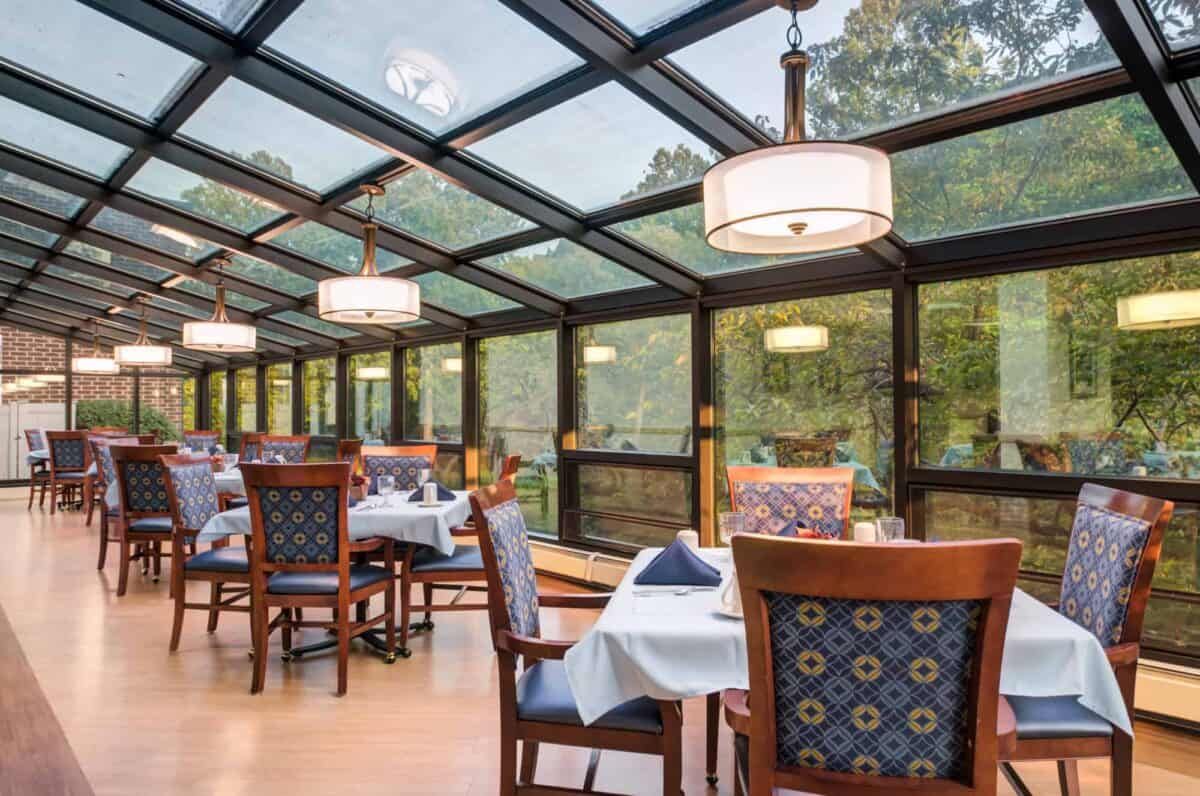
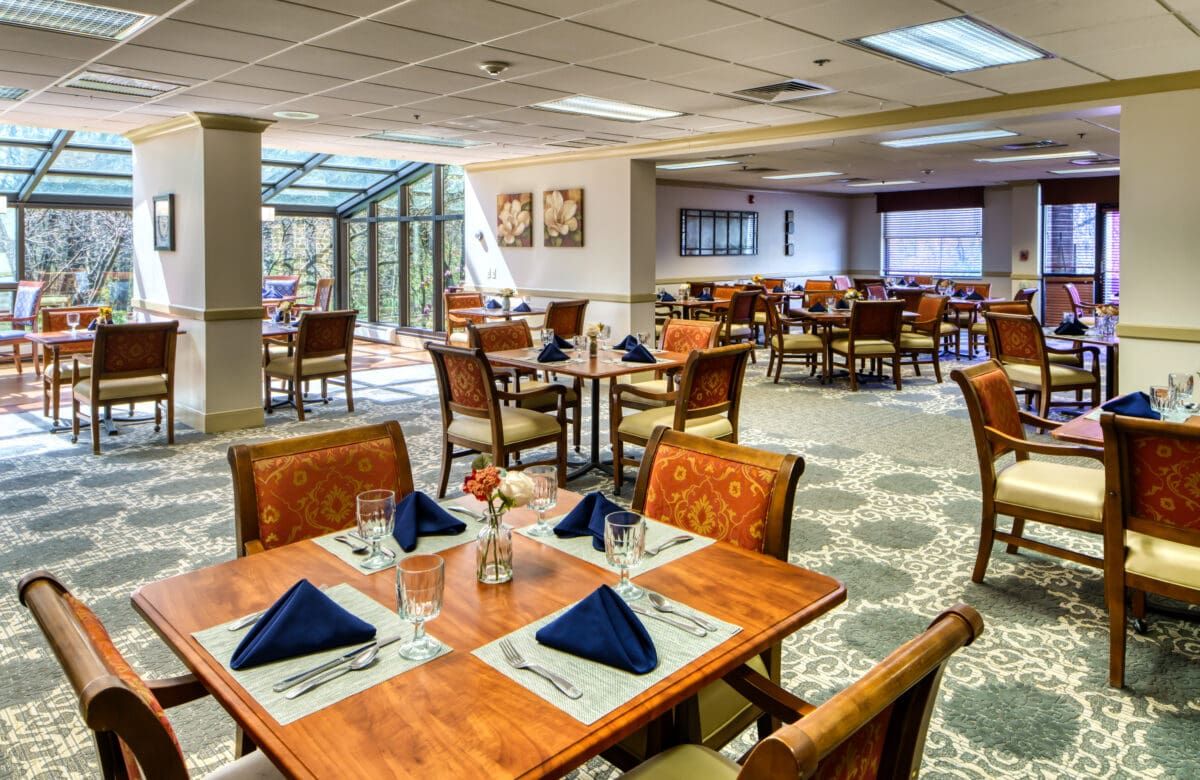
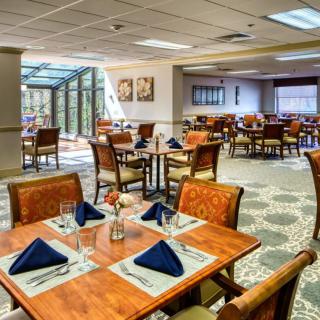
Some reviewers call the food excellent or delicious and describe meals served in an appealing dining setup. Others report food that is poor, subpar, or deteriorated over time, including concerns about menus not suiting elderly residents or meals arriving cold. A few comments focus on limited meal options or sameness, while others say meals include alternatives or fit dietary preferences.
common5 reviews mention this
Pet-friendly housing draws support
Residents value being able to keep pets with them.
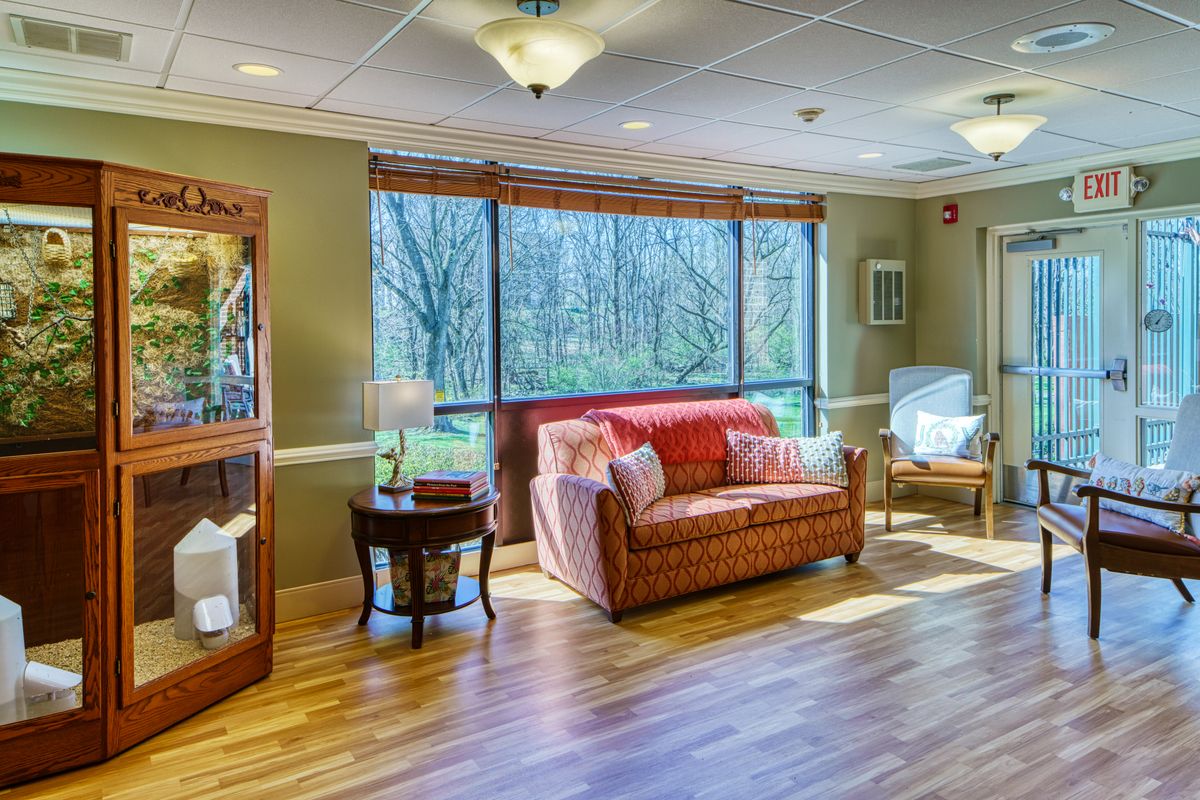
Multiple reviews highlight pets as a factor that helped residents feel comfortable, including bringing a cat to the apartment and describing the community as pet-friendly. One review also notes a poodle living at the community and enjoying walks on the grounds. Where people mention pets positively, it’s tied to daily comfort and familiarity rather than special events.
caveat4 reviews mention this
Memory care staffing is questioned
Some reviews raise concerns about staffing levels for memory care.
A recurring concern in the reviews is that memory care can be understaffed, including comments about coverage on certain shifts and a lack of follow-through on care needs. Some reviewers connect the problem to higher acuity needs, describing confusion or sundowning, and say residents did not receive the level of attention expected for the cost. At the same time, there are also positive memory care comments about kind, helpful staff, so experiences vary by reviewer.
common2 reviews mention this
Pricing looks lower than benchmarks
Reported pricing can be substantially below county and state benchmarks across unit types.
Several reviewers mention the community is expensive, but the listing’s pricing position is shown as below county and state benchmarks across the available unit types. That contrast may help explain why some families feel the pricing is fair while others still focus on affordability and value. If you’re comparing costs, it may be especially important to factor in any services that aren’t included for daily living.
How we summarize
Counts show how many written reviews mention each theme; a review can touch several themes, and only frequently mentioned themes are displayed.
Features
Housing
79 resident community capacity
1-bedroom apartments
2-bedroom apartments
Studio apartments
Types of Care
Assisted Living
Independent Living
Memory Care
Respite Care
Pets
Cats allowed
Dogs allowed
Amenities
Activities off-site
Activities on-site
Air-conditioning
Bath tubs
Beautician on-site
Beauty salon
Cable or satellite TV
Cafe
Computer center
Continuing learning programs
Devotional services off-site
Devotional services on-site
Dining room
Family education and support services
Family private dining rooms
Fitness room
Full kitchen
Fully furnished
Gaming room
Garden
Garden view
General store
Guasts at mealtime
Handicap accessible
Hiking trails
Housekeeping services
Indoor common areas
Kitchenette
Laundry
Located close to restaurants
Located close to shopping centers
Move-in coordination
Outdoor common areas
Outdoor patio
Outdoor space
Overnight guests
Pet friendly
Private bathrooms
Private patio, deck, or balcony
Religious/meditation center
Resident parking
Respite or short term stays offered
Restaurant-style dining
Security gate
Small library
TV room
Telephone
Wellness center
Wi-Fi/high-speed internet available
Transportation
Harrisburg International (8 miles away)
Community operated transportation
Transportation & parking
Transportation arrangement
Transportation arrangement (non-medical)
Transportation to doctors appointments
Care Services
12-16 hour nursing
24-hour call system
24-hour nursing
24-hour supervision
Accept incoming residents on hospice
Activities of daily living assistance
Ambulatory care
Assistance with bathing
Assistance with dressing
Assistance with transfers
Care with behavioral issues
Coordination with health care providers
Dementia waiver
Diabetes diet
Diabetic care
High acuity care
Hospice waiver
Incontinence care
Meal preparation and service
Medication management
Mental wellness program
Mild cognitive impairment
Physical therapy
Preventative health screenings
Rehabilitation program
Respite program
Same day assessments
Special dietary restrictions
Specialized memory care programming
Transportation arrangement (medical)
Transportation to doctors appointments
Dining
Diabetes diet
Gluten-free
Guest meals
Low / no sodium
Meals provided
No Sugar
Professional chef
Restaurant style dining
Room service
Special dietary restrictions
Special dining programs
Vegan
Vegetarian
Activities
Activities off-site
Art classes
Arts and crafts
Book club
Community-sponsored activities
Concierge services
Cooking classes
Cooking club
Day trips and outings
Devotional activities offsite
Devotional activities on-site
Educational speakers / life long learning
Fitness programs
Games
Gardening club
Happy hour
Karaoke
Live dance or theater performances
Live musical performances
Live well programs
Planned day trips
Religious services
Resident-run activities
Scheduled daily activities
Stories
Wine tasting
Yoga / chair yoga
Nearby Places of Interest
This section of Camp Hill, Pennsylvania offers a variety of amenities for seniors looking to settle in the area. With a selection of restaurants such as Brewhouse Grille and Bonefish Grill within close proximity, residents can enjoy dining options without having to travel far. Additionally, there are several healthcare providers nearby including Sterling Optical and Orthopedic Institute Of Pennsylvania for any medical needs. For those who enjoy coffee, there are multiple Starbucks locations and Panera Bread for a relaxing cup of coffee or tea. Access to pharmacies like Rite Aid and GIANT Pharmacy make it convenient for residents to fill prescriptions. In terms of healthcare, there are hospitals like Penn State Health Holy Spirit Outpatient Center Urgent Care and Holy Spirit Hospital- Medical Arts Building nearby in case of emergencies. Places of worship such as St Timothy's Lutheran Church and Trinity United Methodist Church offer spiritual support for those interested. Finally, the abundance of parks like City Island and Hampden Township Park provide opportunities for outdoor recreation and relaxation in nature.
Restaurants
Brewhouse Grille (0.5 miles)
Bonefish Grill (1 miles)
Primanti Bros. Restaurant and Bar Camp Hill (1 miles)
The Watershed Pub (1.1 miles)
Vito's Italian Ristorante (1.3 miles)
The Koop (1.6 miles)
Grateful Goat Brewing & Provisions (1.8 miles)
Physicians
Sterling Optical (0.8 miles)
OIp Dr Wolf (1.4 miles)
Orthopedic Institute Of Pennsylvania (1.4 miles)
Hampden Physician Associates (1.5 miles)
Miracle-Ear Hearing Aid Center (1.6 miles)
Orthopaedic Surgeons of Central Pennsylvania (1.7 miles)
Dr. James F. Rich, MD (1.8 miles)
Cafes
Panera Bread (1.2 miles)
Starbucks (1.3 miles)
Starbucks (1.3 miles)
Starbucks (1.4 miles)
Starbucks (2.2 miles)
Little Amps Coffee Roasters (3.7 miles)
Pharmacies
Rite Aid (1.3 miles)
GIANT Pharmacy (1.3 miles)
Rite Aid (1.5 miles)
Medicine Shoppe (1.7 miles)
County of Dauphin (2.9 miles)
Rite Aid (3 miles)
Rite Aid (3 miles)
Hospitals
Penn State Health Holy Spirit Outpatient Center Urgent Care (1.9 miles)
Holy Spirit Hospital- Medical Arts Building (2.1 miles)
The Woods at Cedar Run offers a competitive pricing structure for its accommodations when compared to both York County and the broader Pennsylvania market. For instance, a one-bedroom unit is priced at $2,495, significantly lower than the county average of $3,266 and the state average of $4,006. Two-bedroom options are also appealing at $3,750, remaining under York County's rate of $3,920 and slightly below Pennsylvania's average of $4,242. Interestingly, their studio units are priced at $5,000 - higher than the county's average of $4,267 but surpassing the state's average of $3,737. Finally, semi-private rooms are offered at $5,250; while this exceeds both York County's rate of $3,483 and Pennsylvania's average of $3,542. Overall, The Woods at Cedar Run presents an attractive choice for potential residents seeking value without sacrificing quality in one of its more affordable room types.
The Woods at Cedar Run offers a comprehensive suite of services that are crucial for supporting residents with dementia or Alzheimer's disease. The presence of 24-hour supervision ensures that residents receive constant care and immediate assistance as needed, promoting safety and security. Help with activities of daily living, including bathing, dressing, transfers, and incontinence care fosters dignity while maintaining personal hygiene and comfort. Coordination with healthcare providers and medication management guarantees that medical needs are adequately met, addressing both physical health and behavioral issues effectively. Specialized memory care programming is designed to engage cognitive functions through tailored activities, while the mental wellness program supports emotional well-being. Additionally, meal preparation meets dietary requirements and preferences essential for nutrition. Transportation arrangements for medical appointments further enhance accessibility to necessary health services, ensuring holistic care that caters to both physical and mental health needs throughout varying stages of cognitive decline.
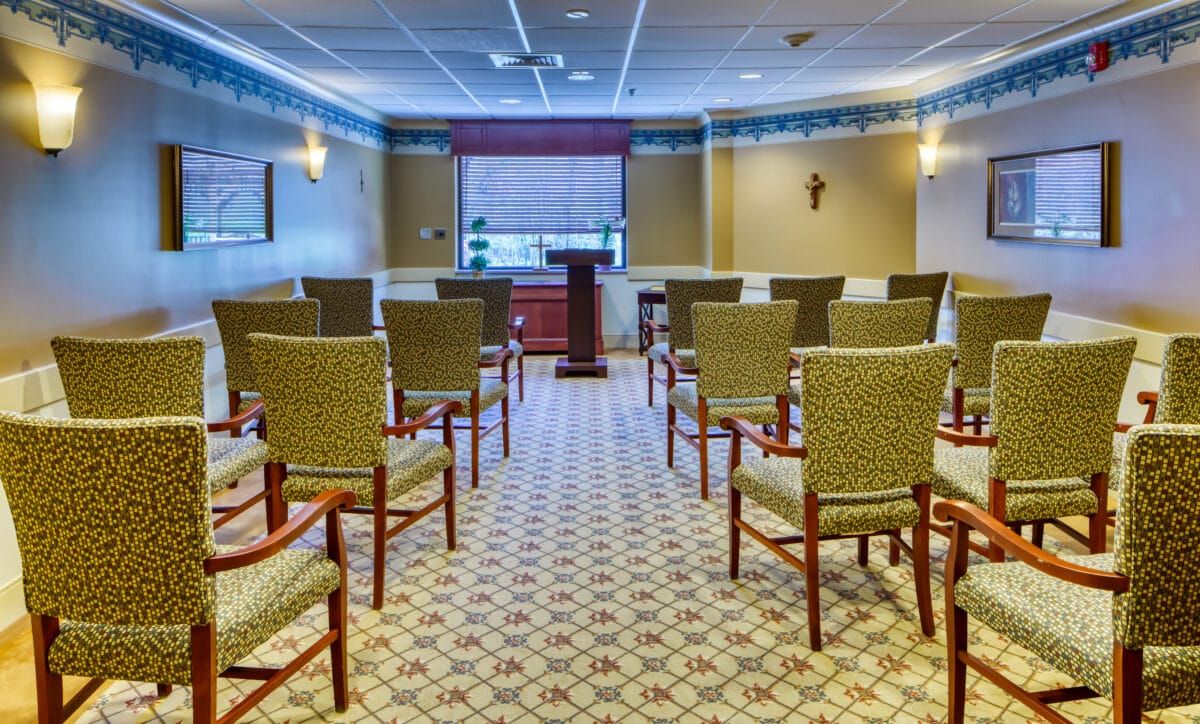
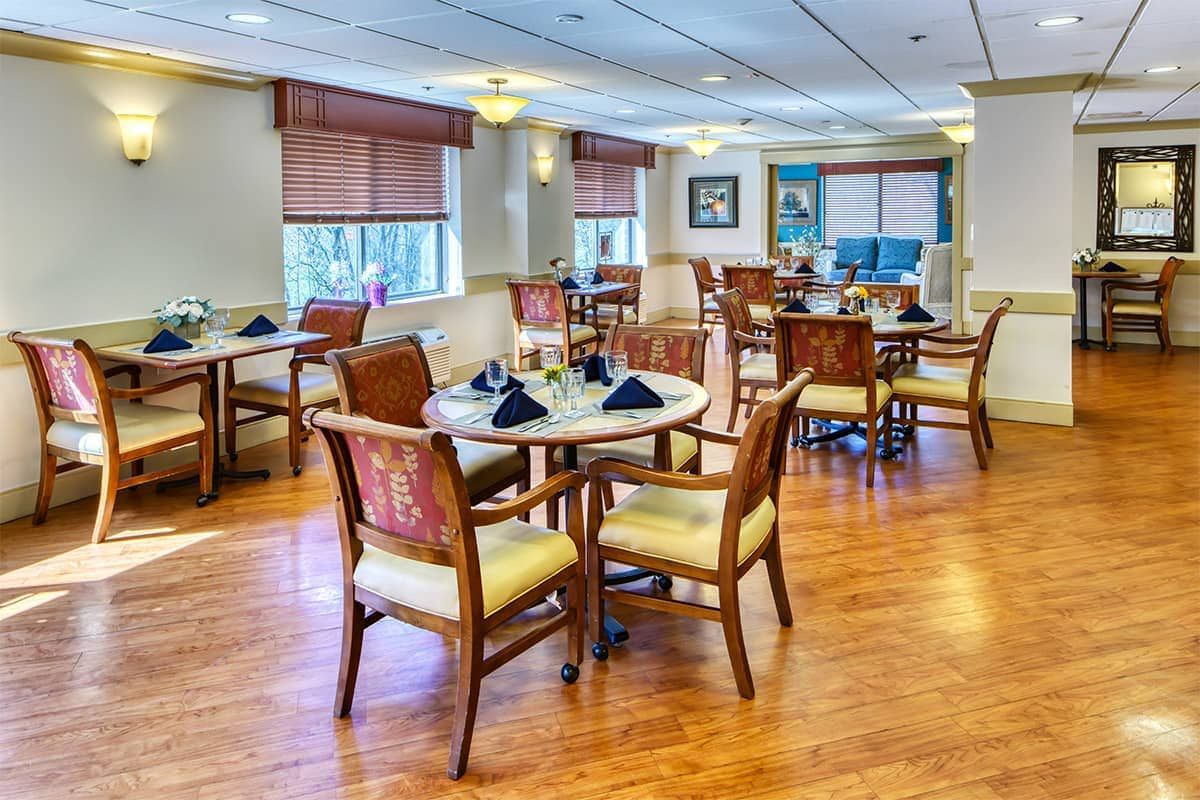
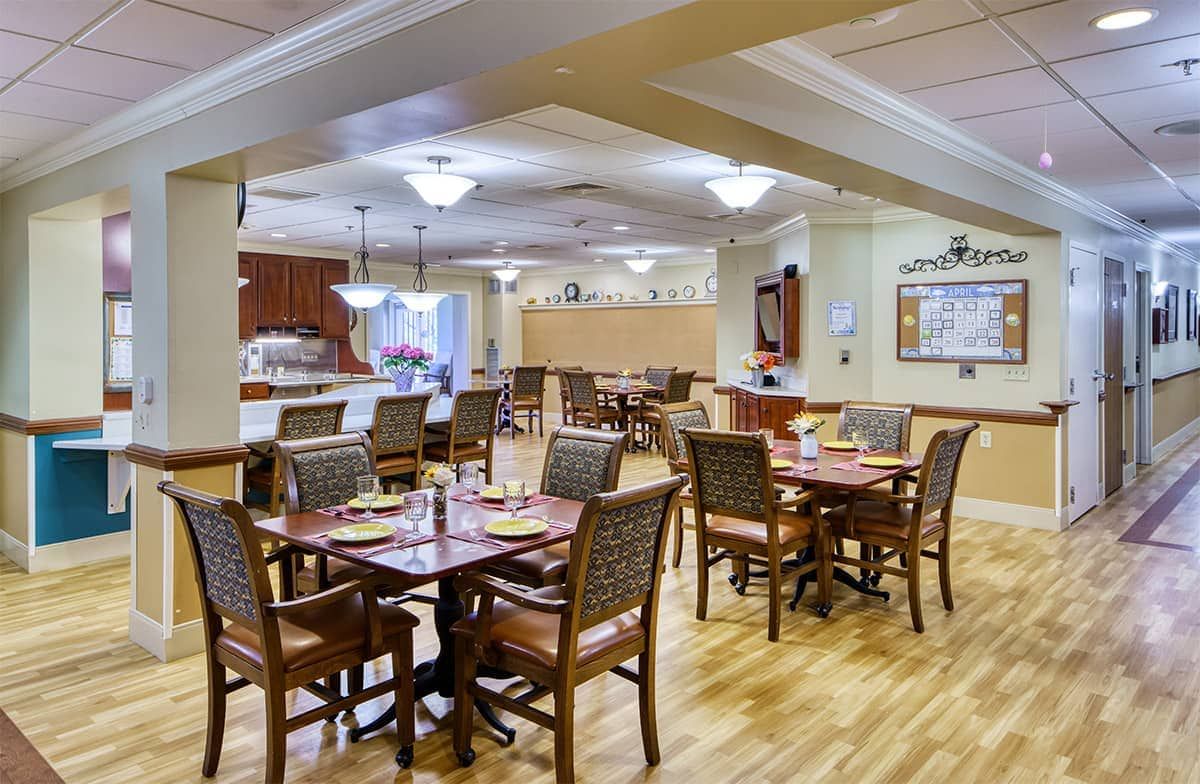
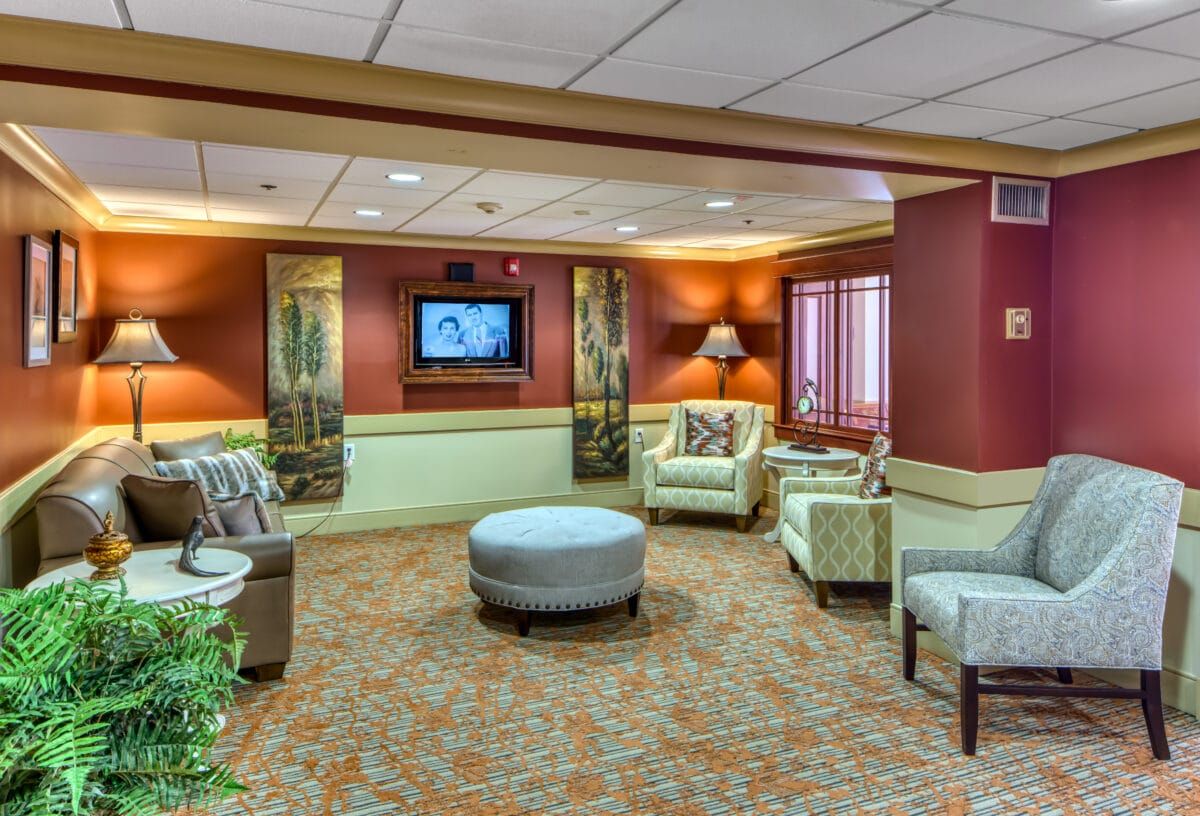
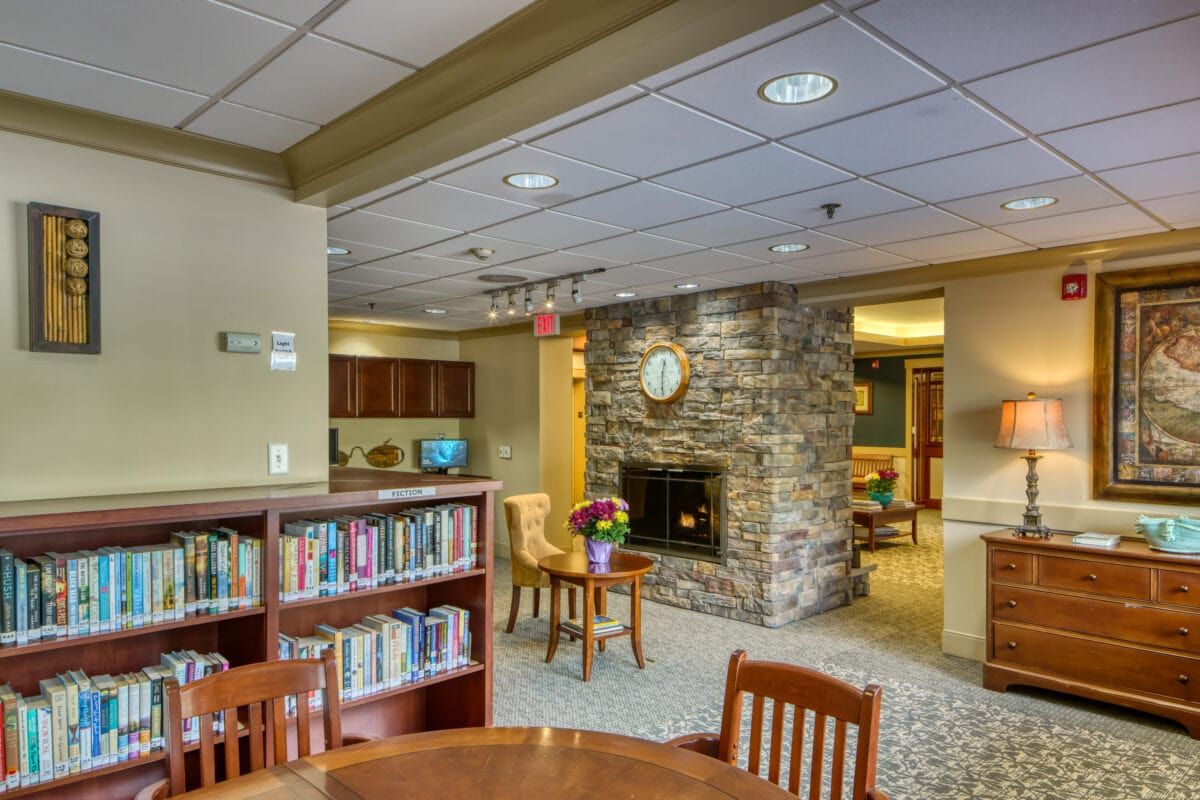
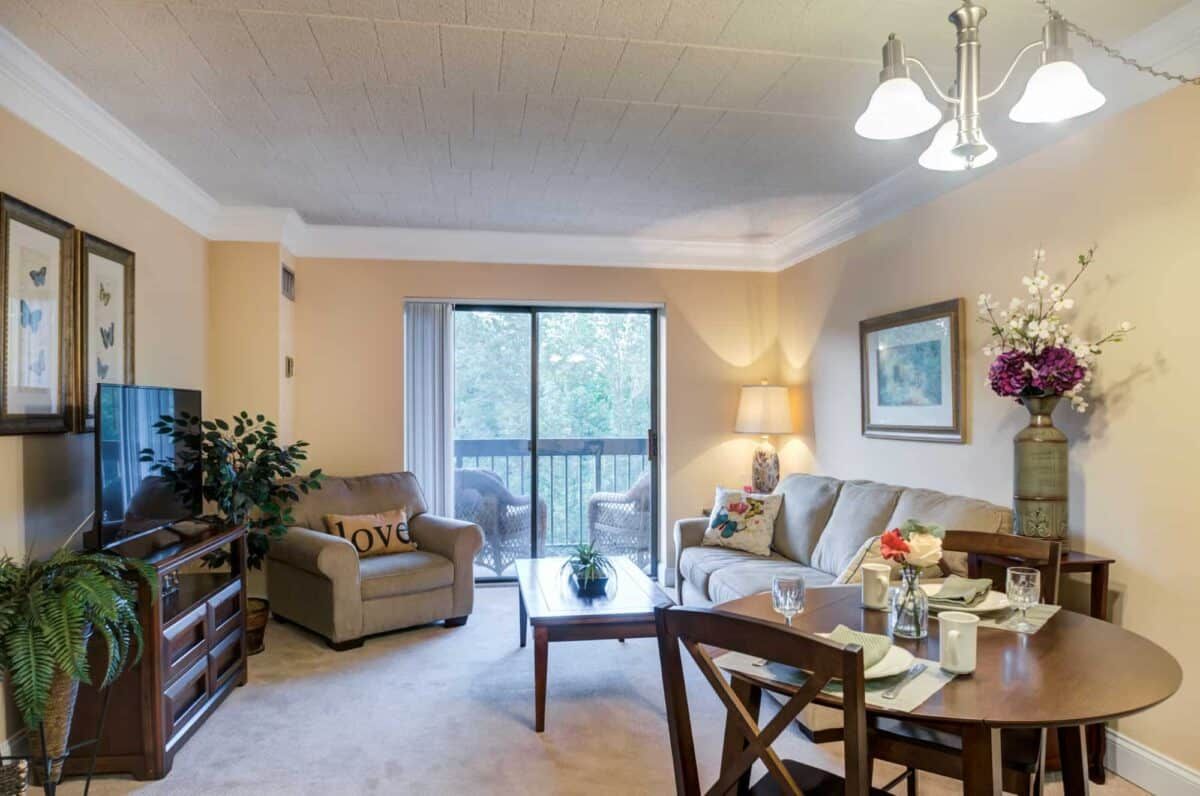
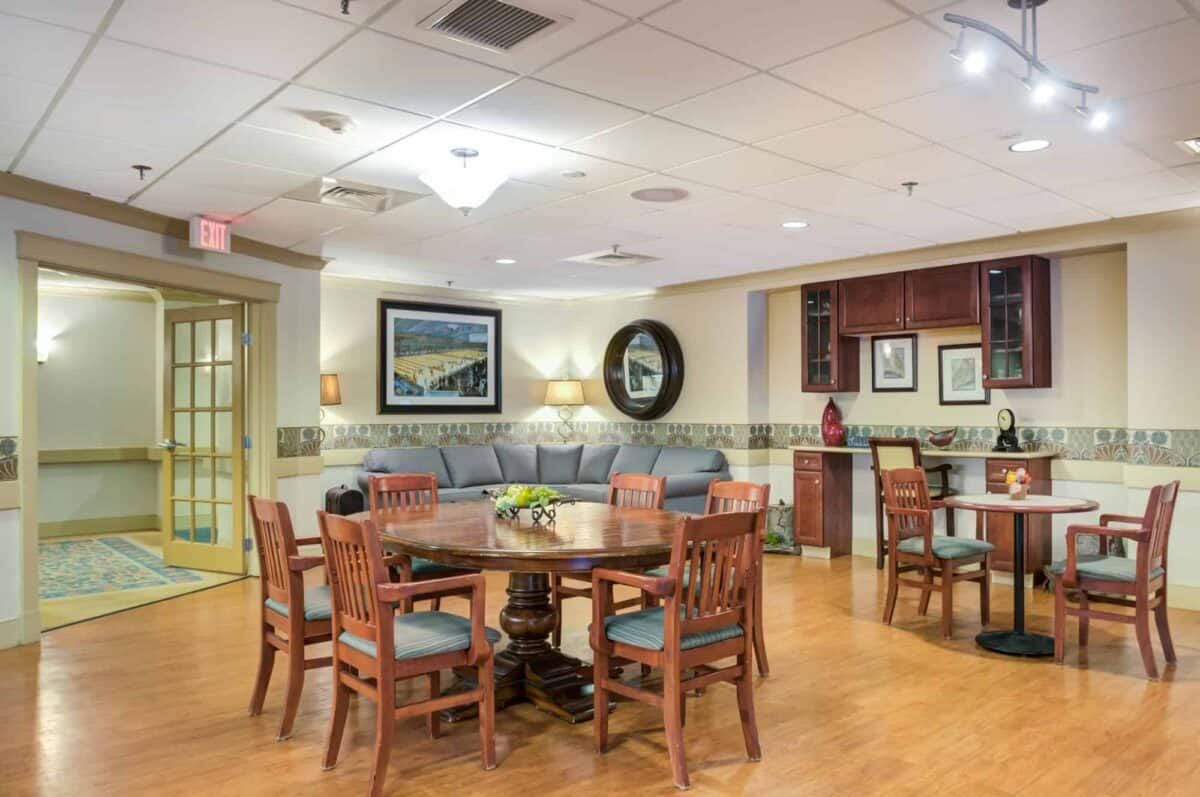
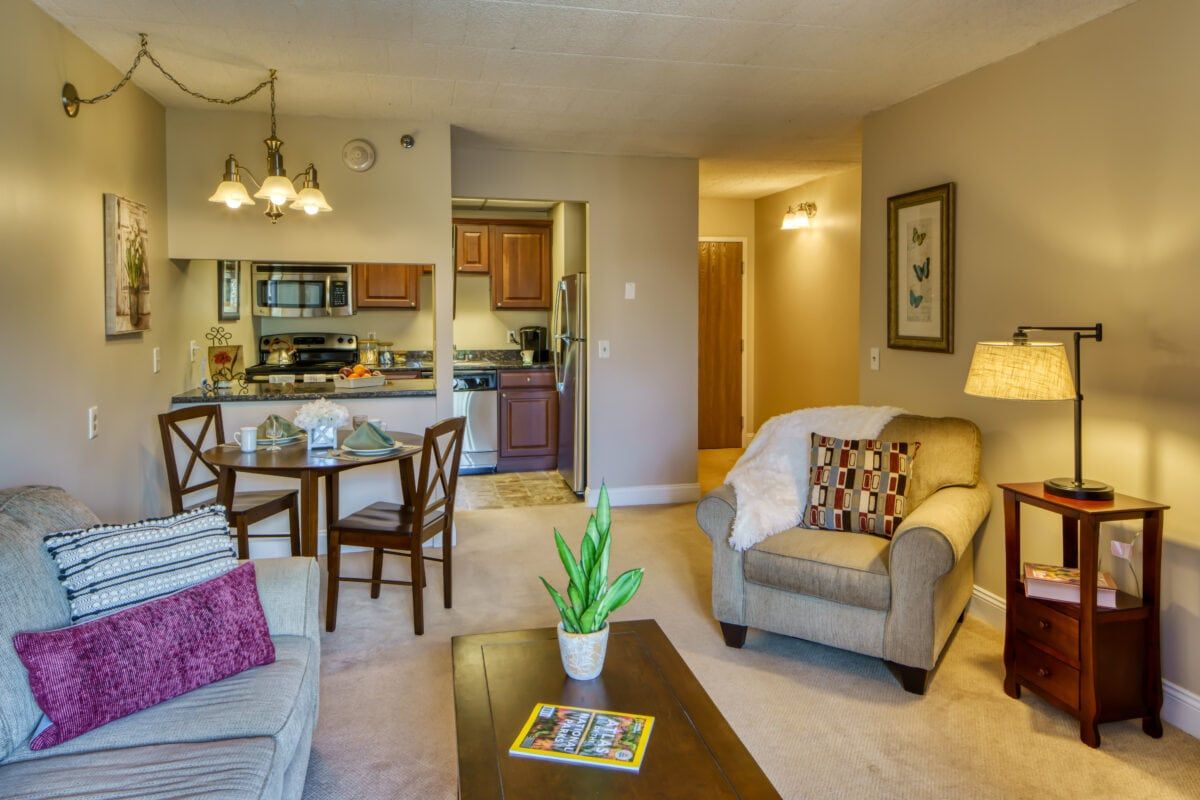
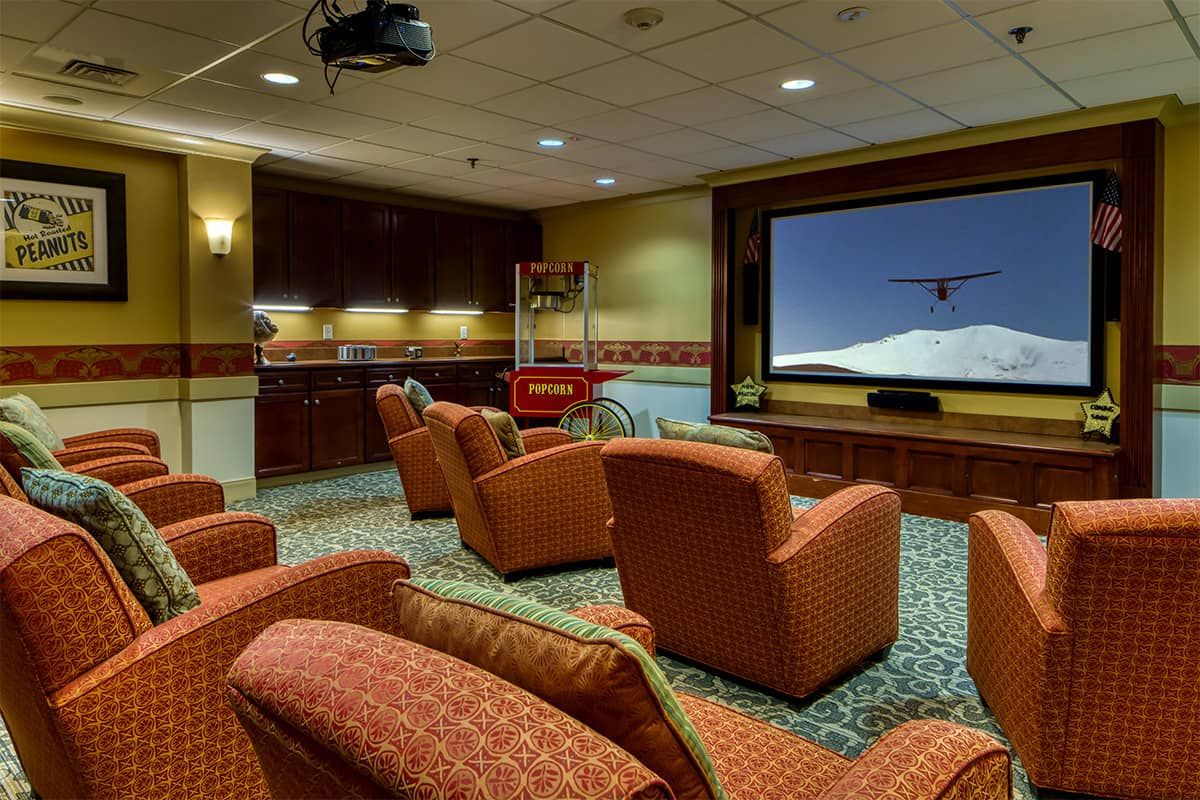
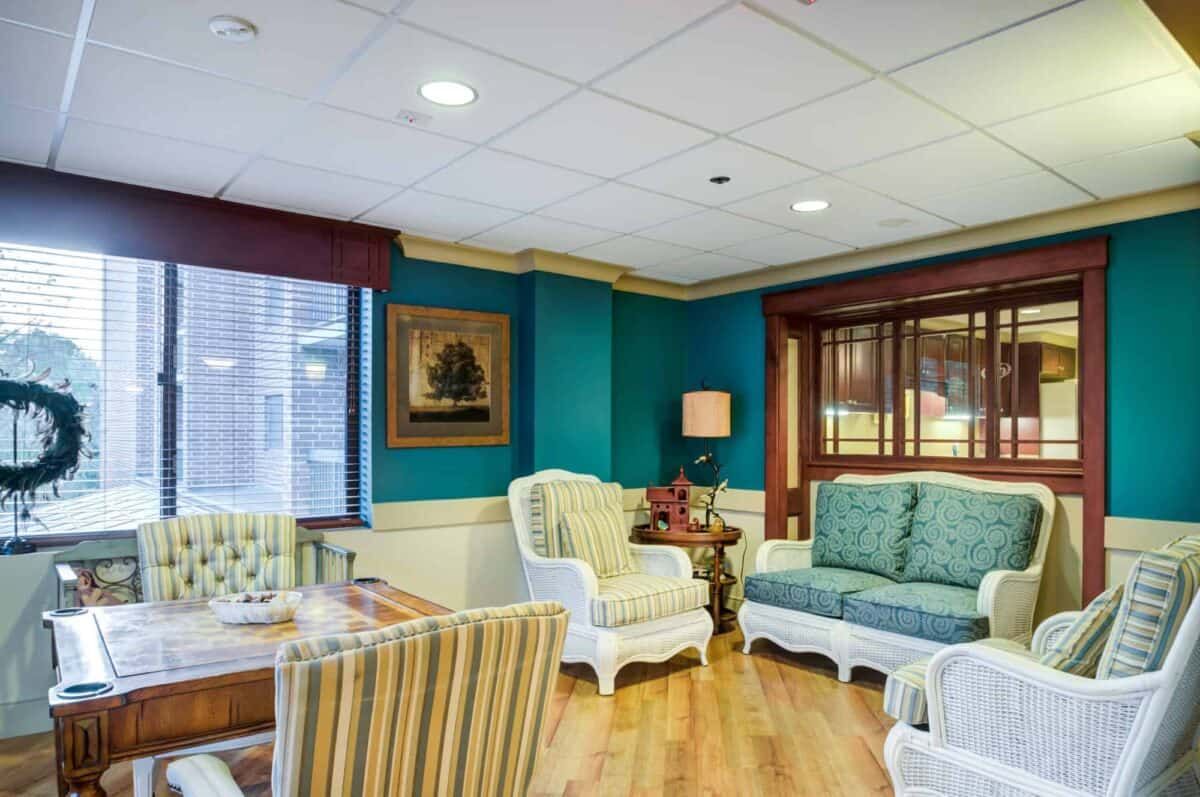
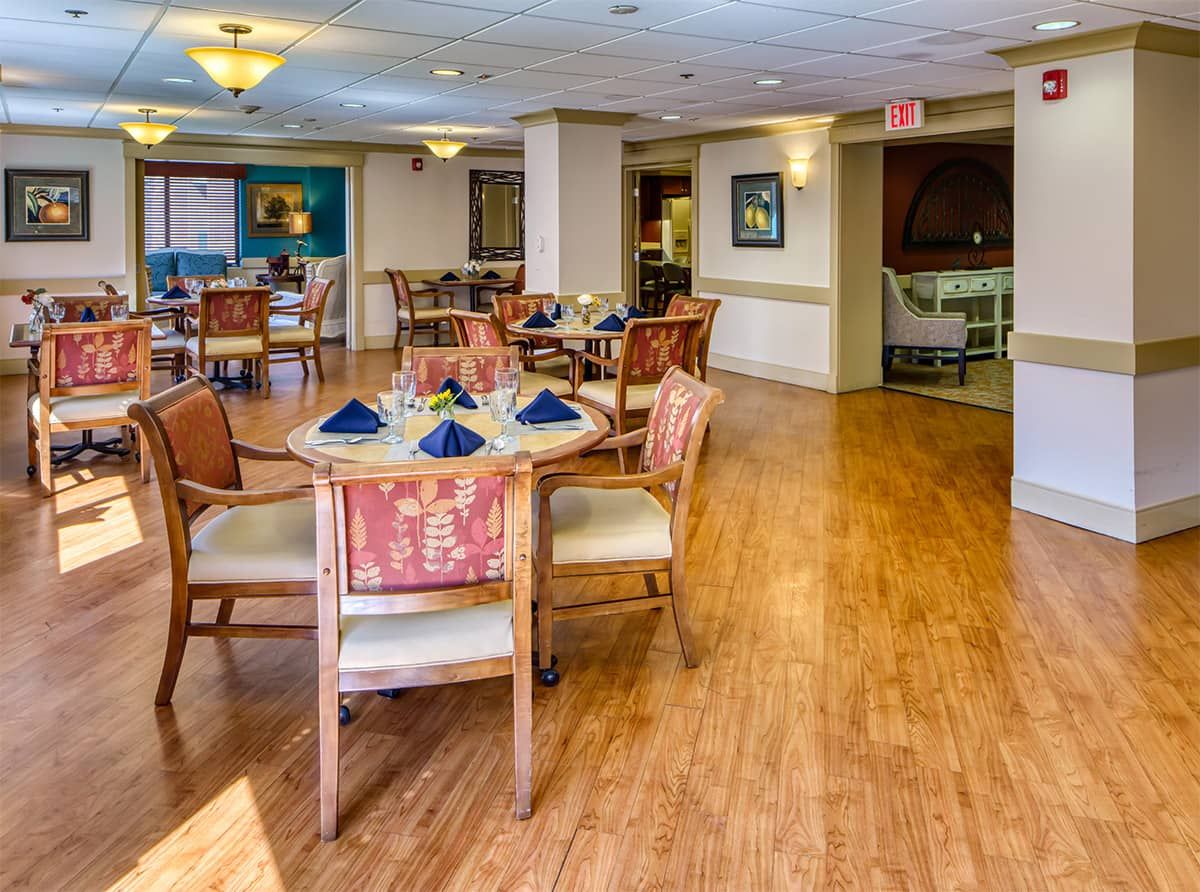
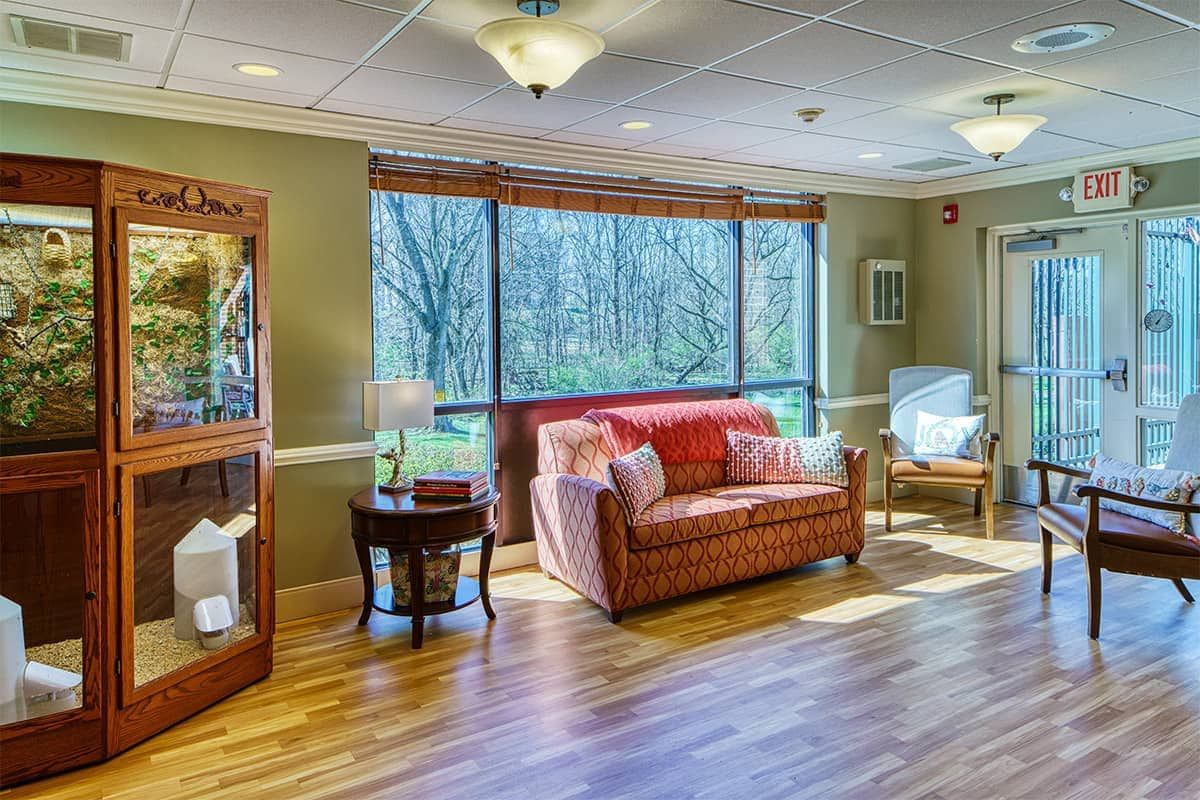
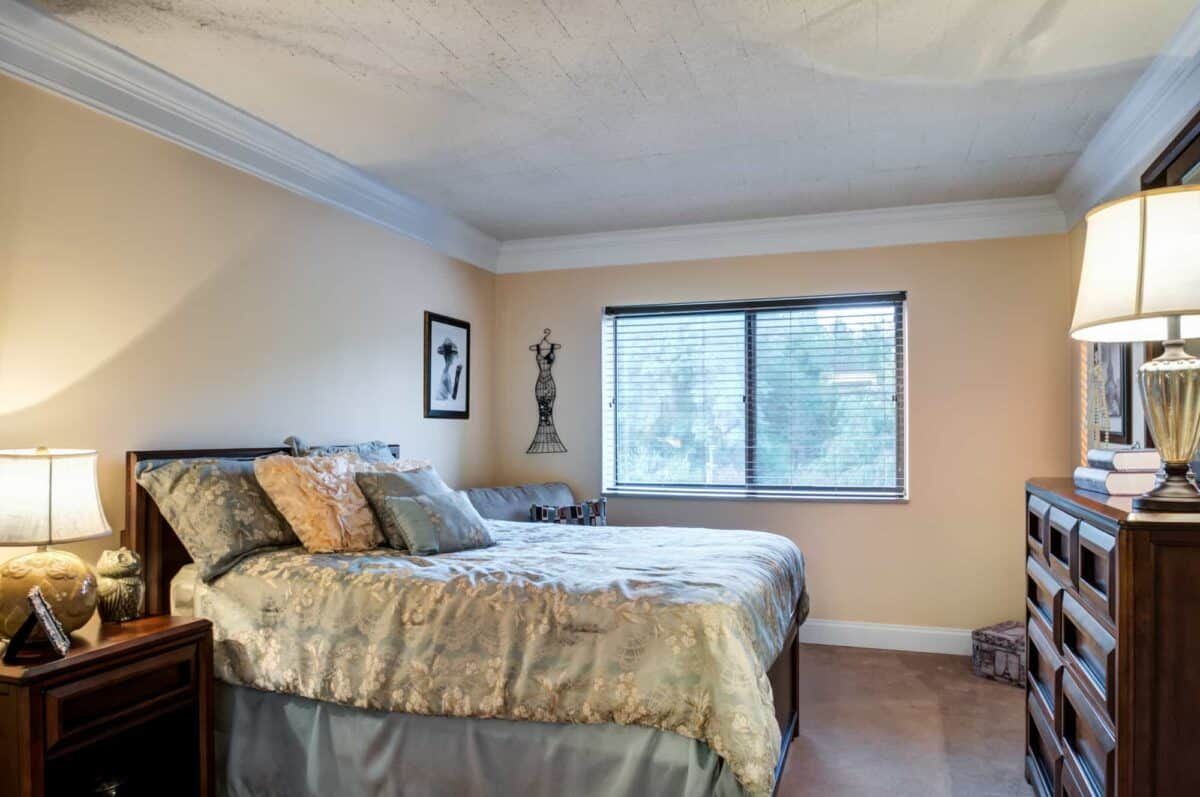
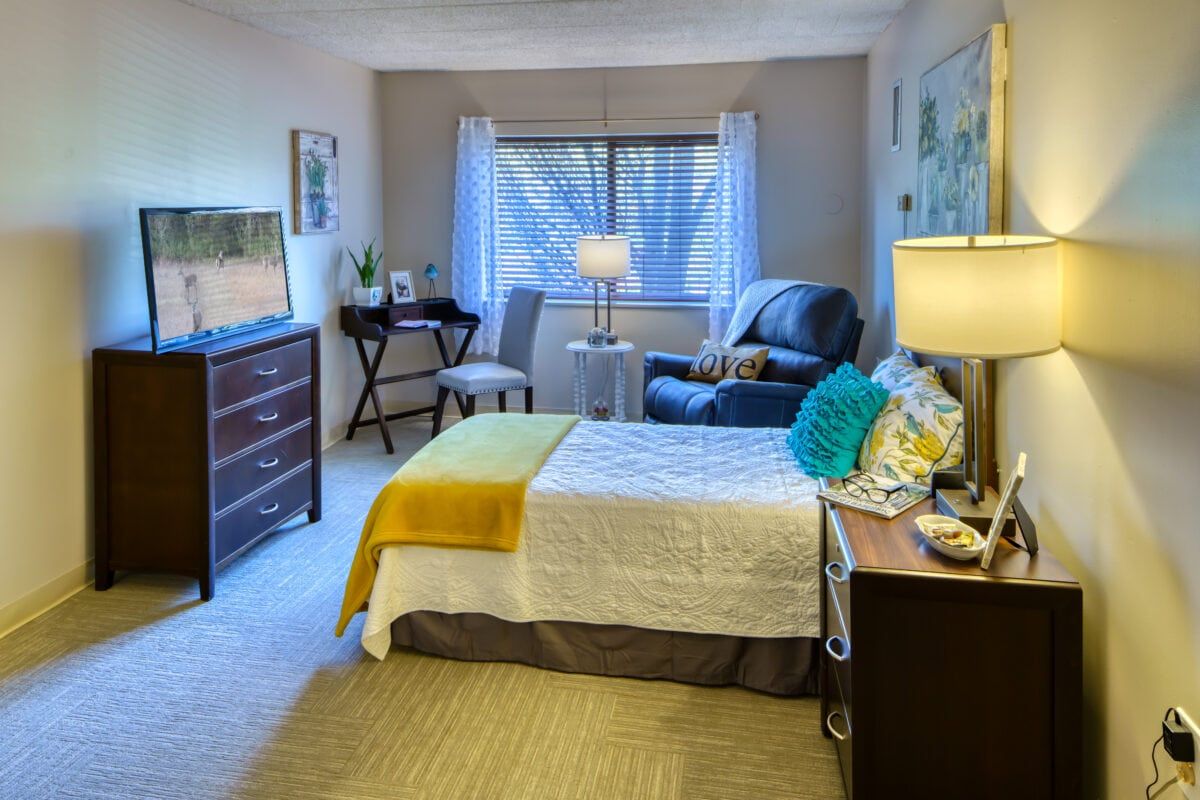
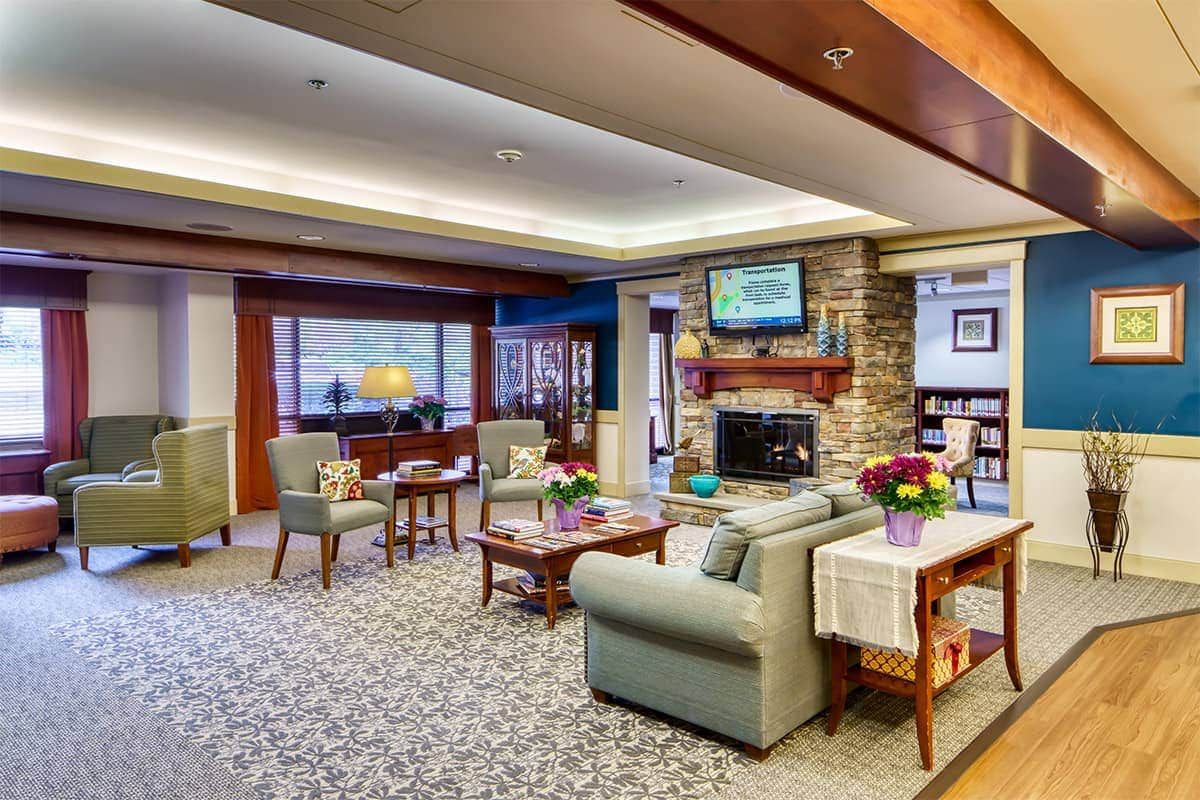
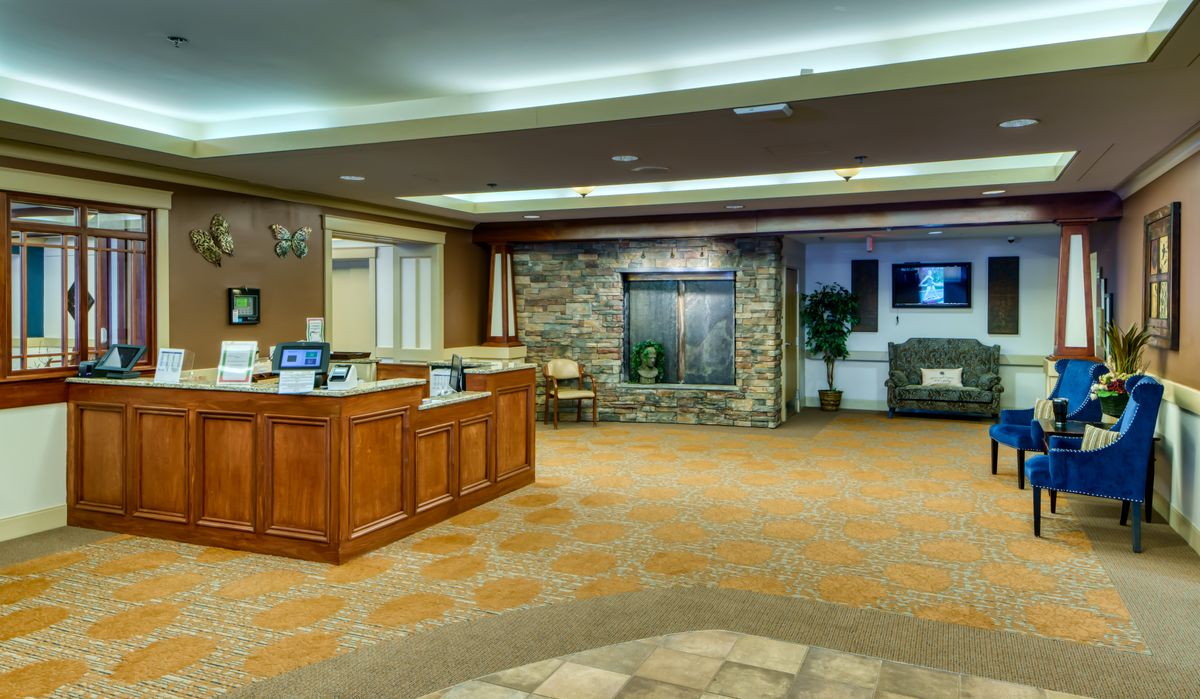
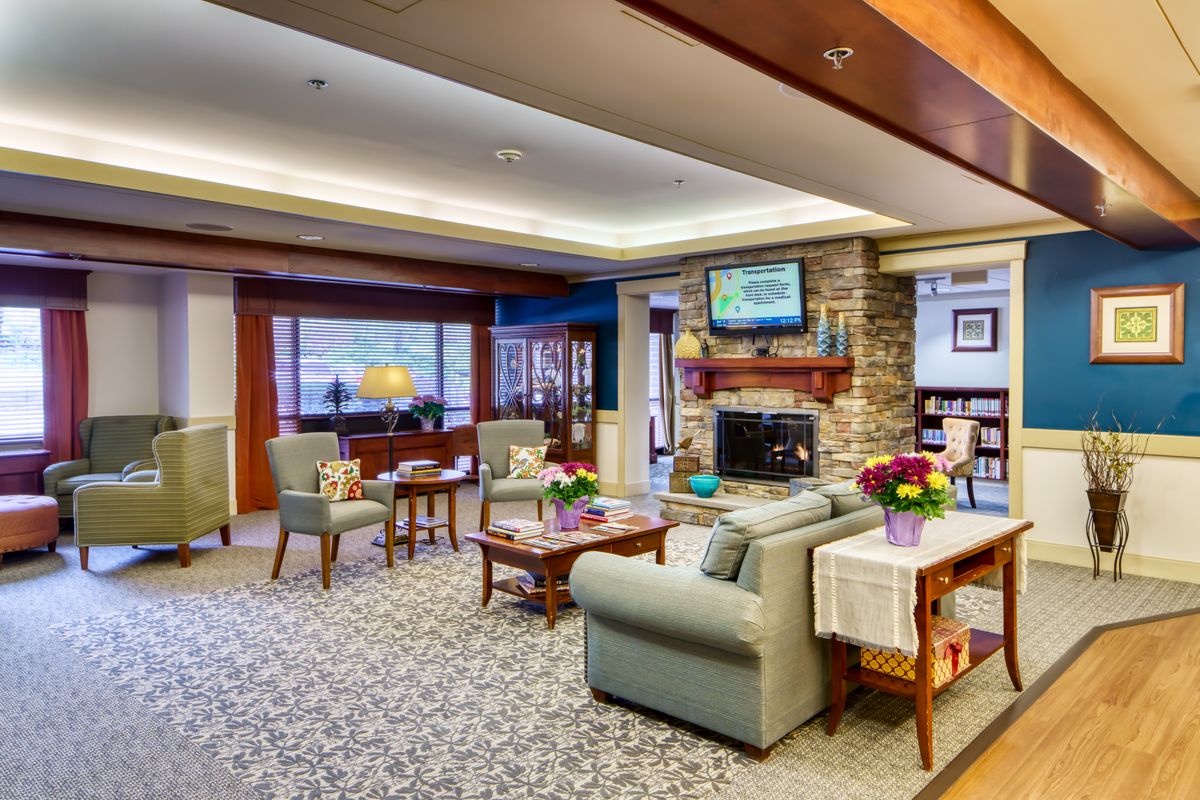
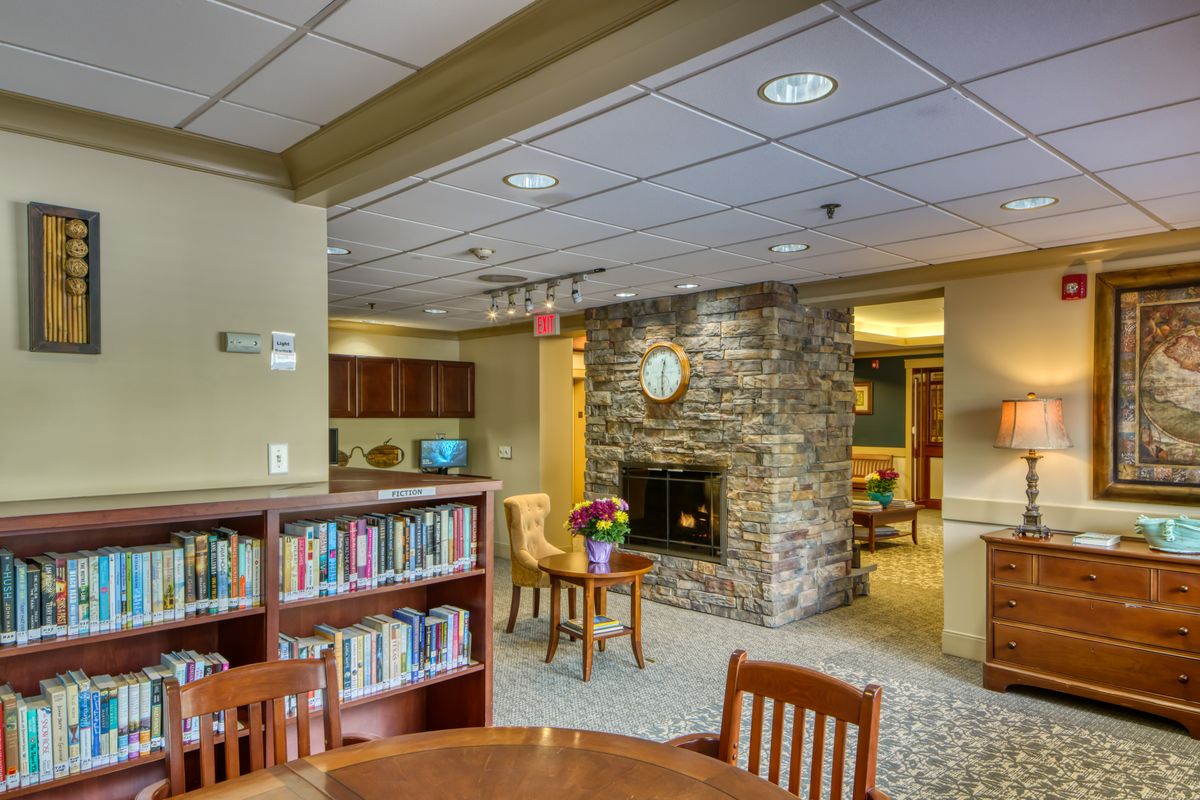
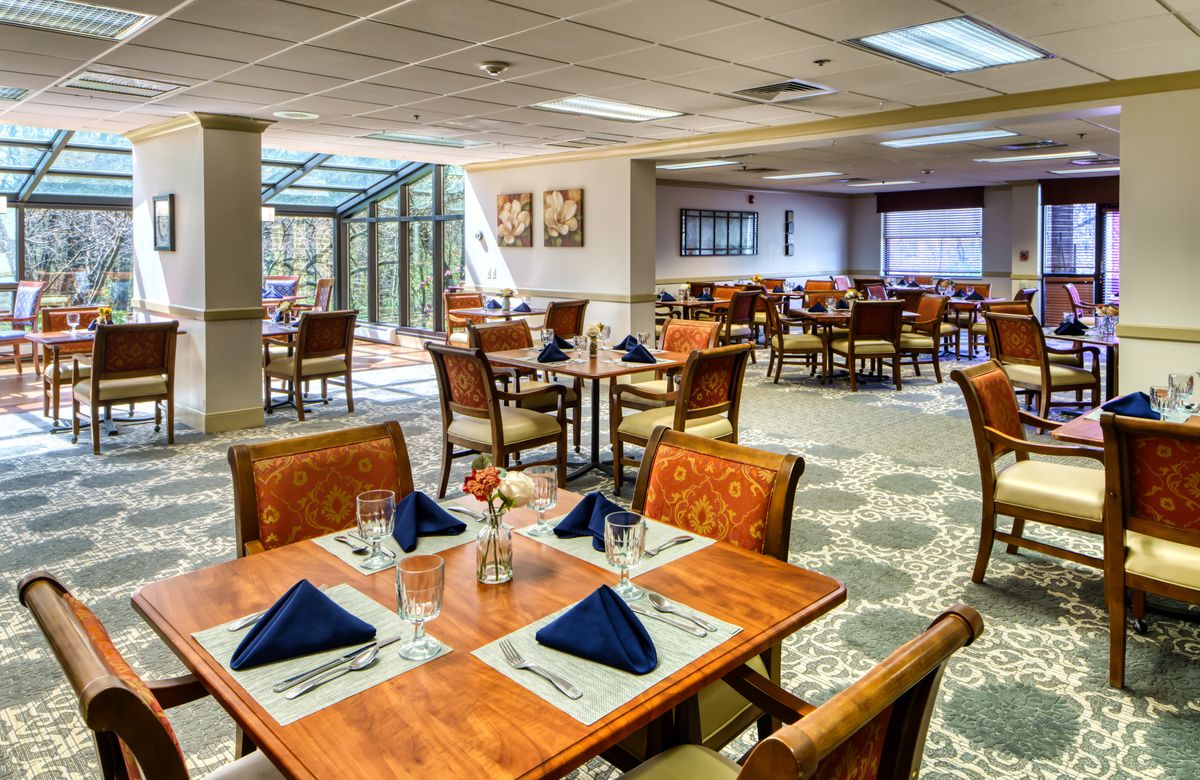
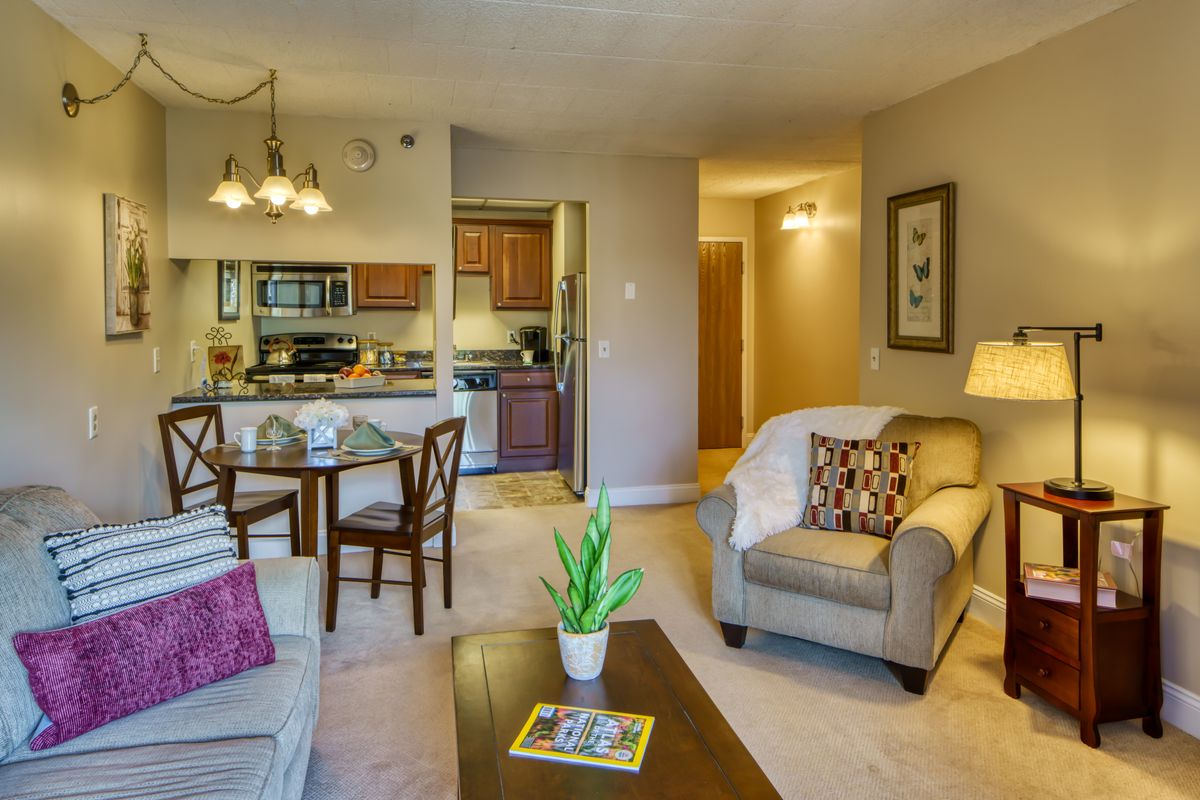
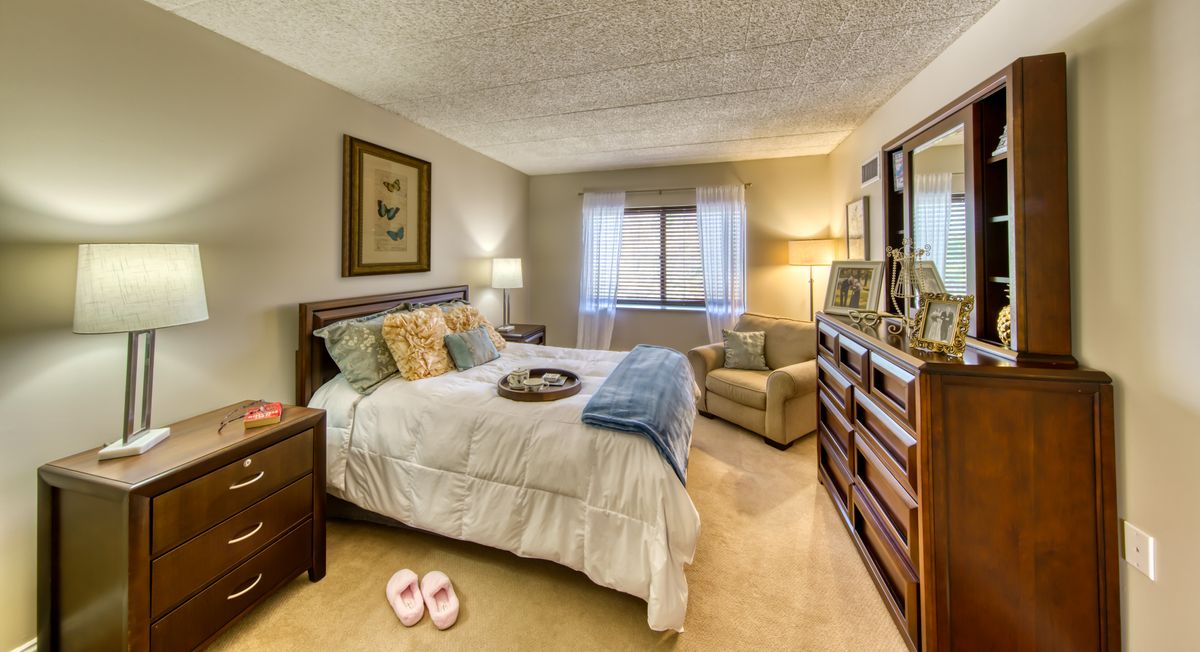
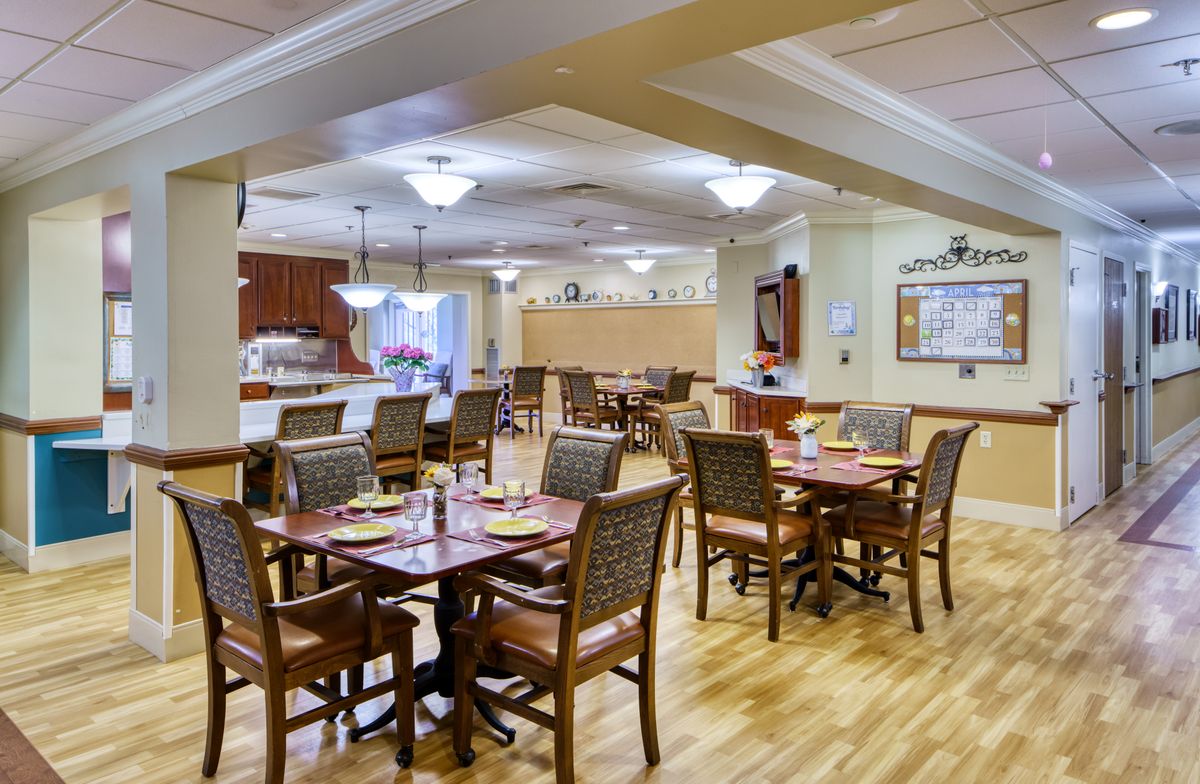
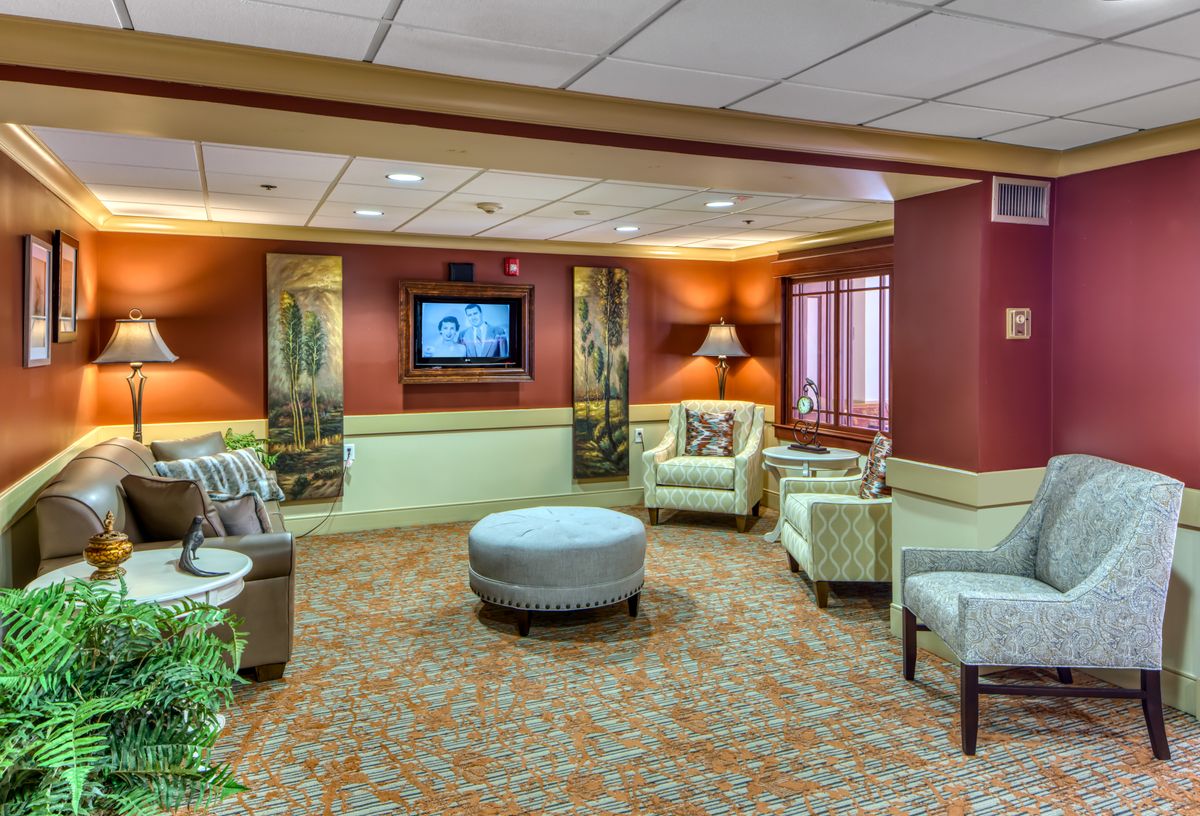
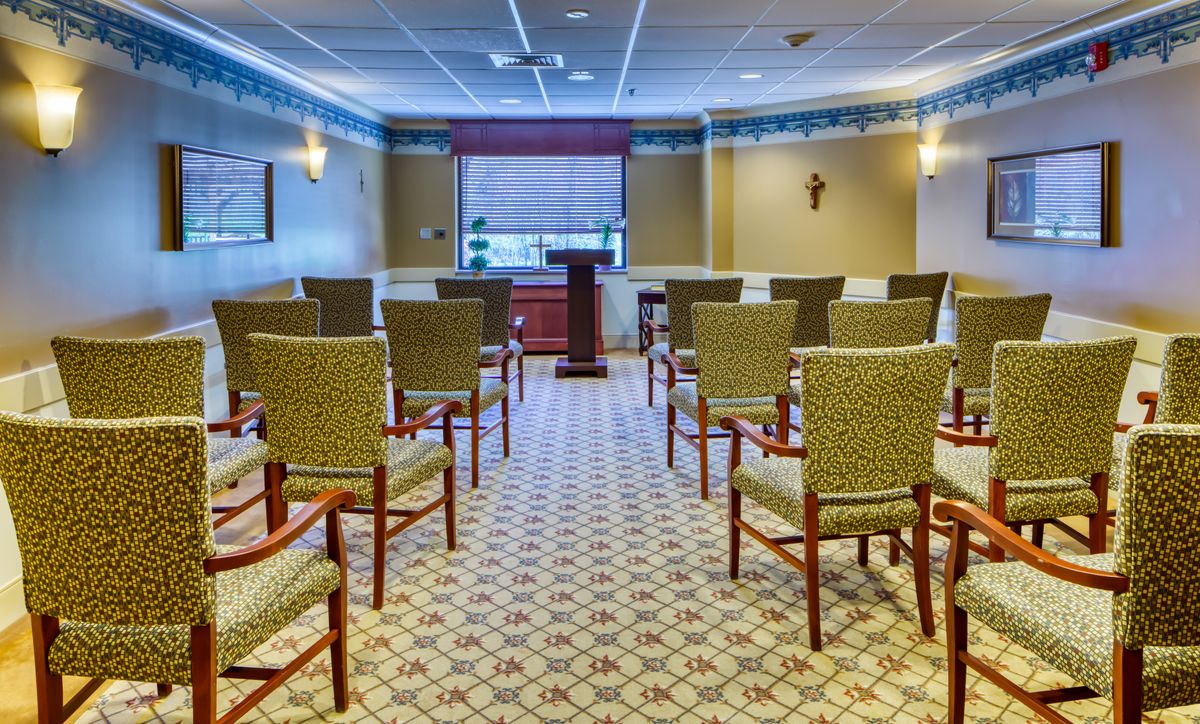
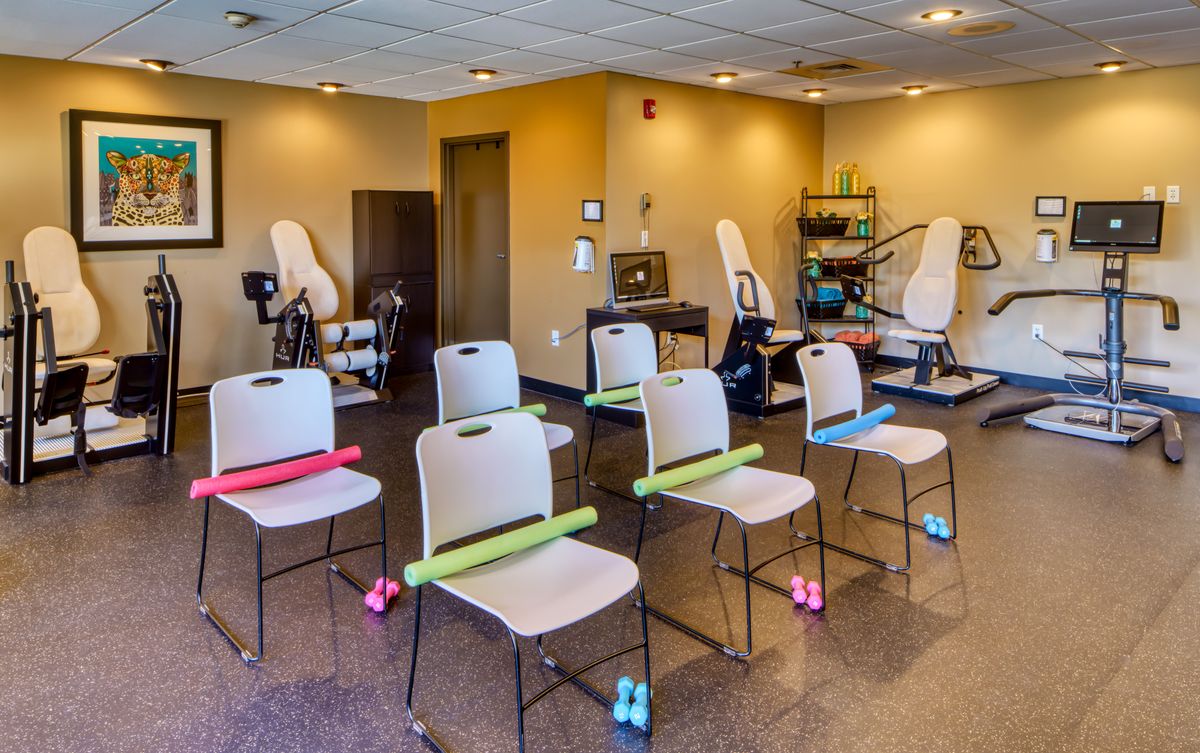
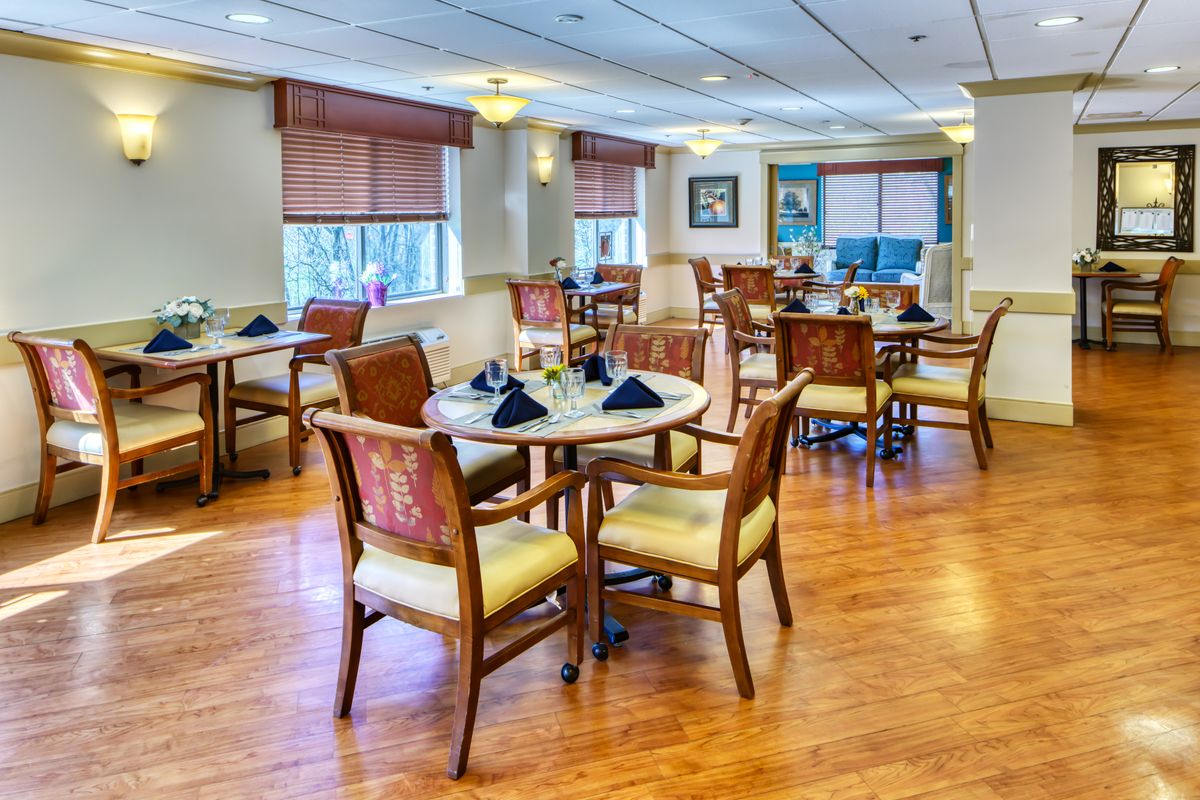
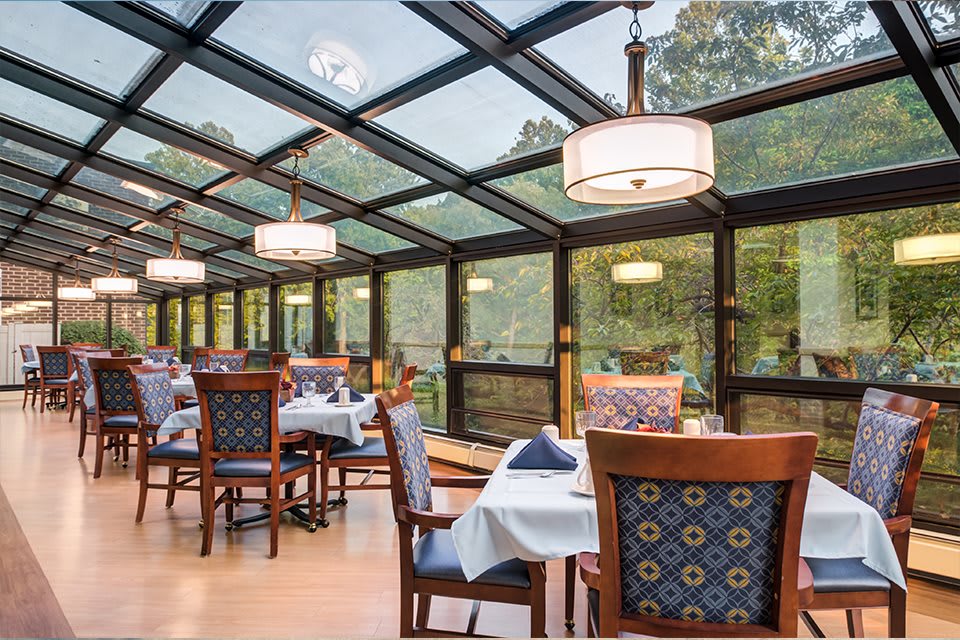
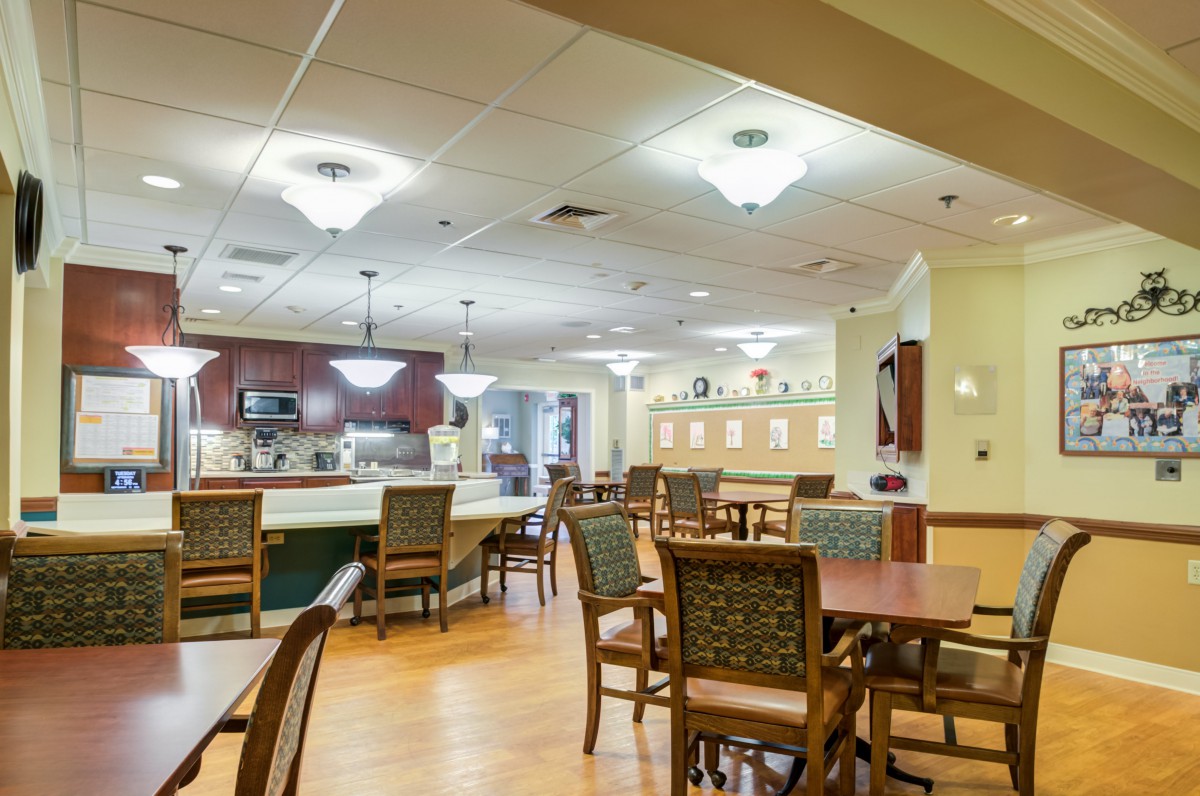
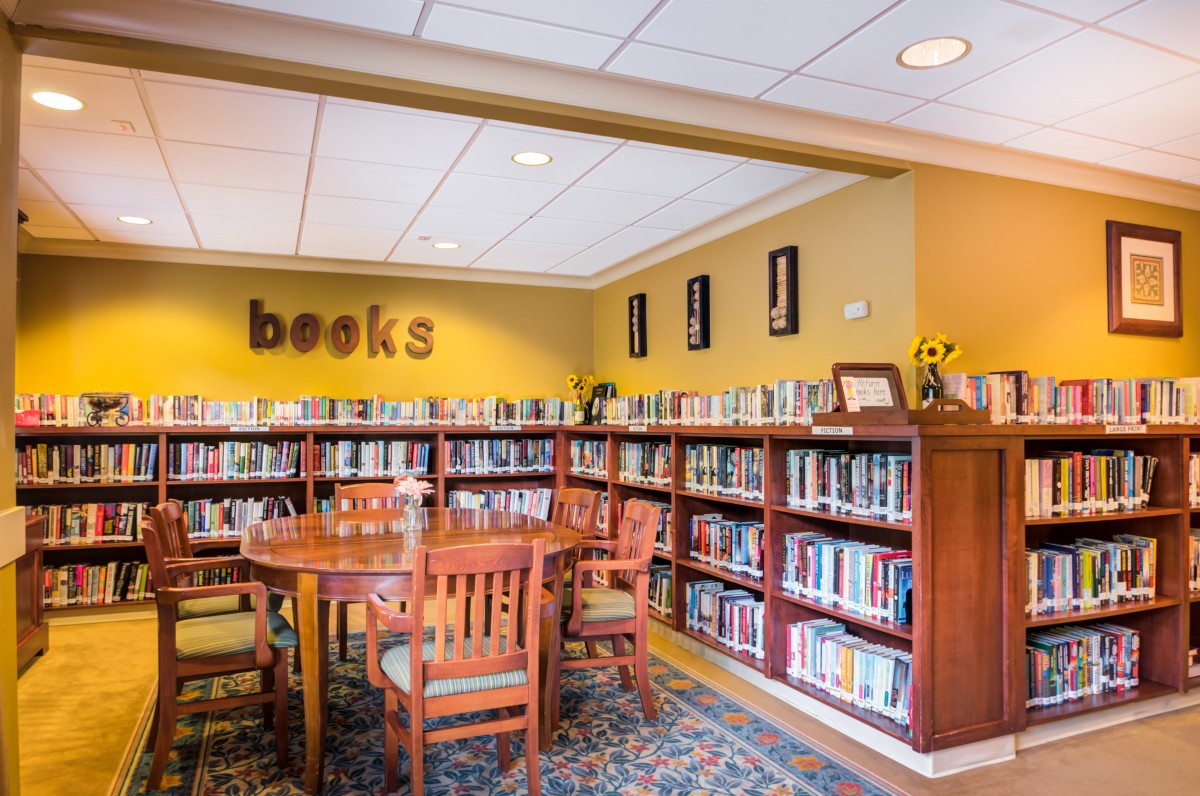
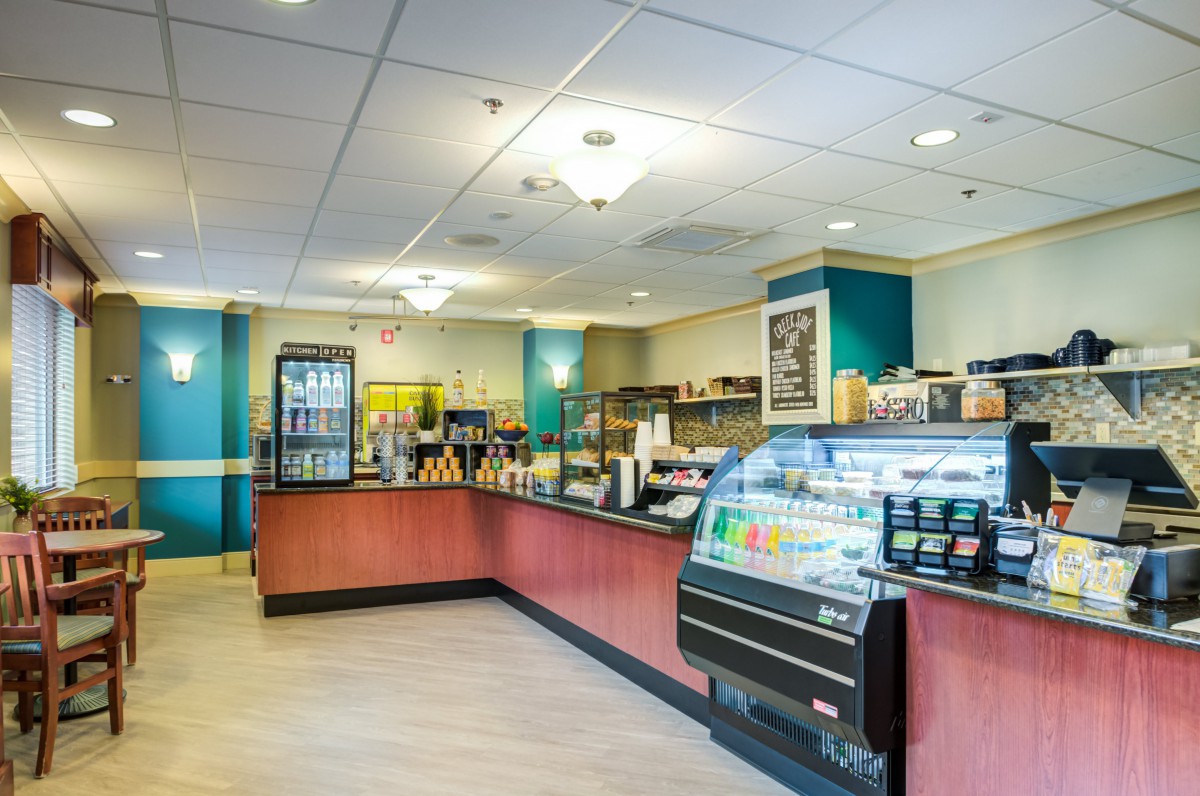
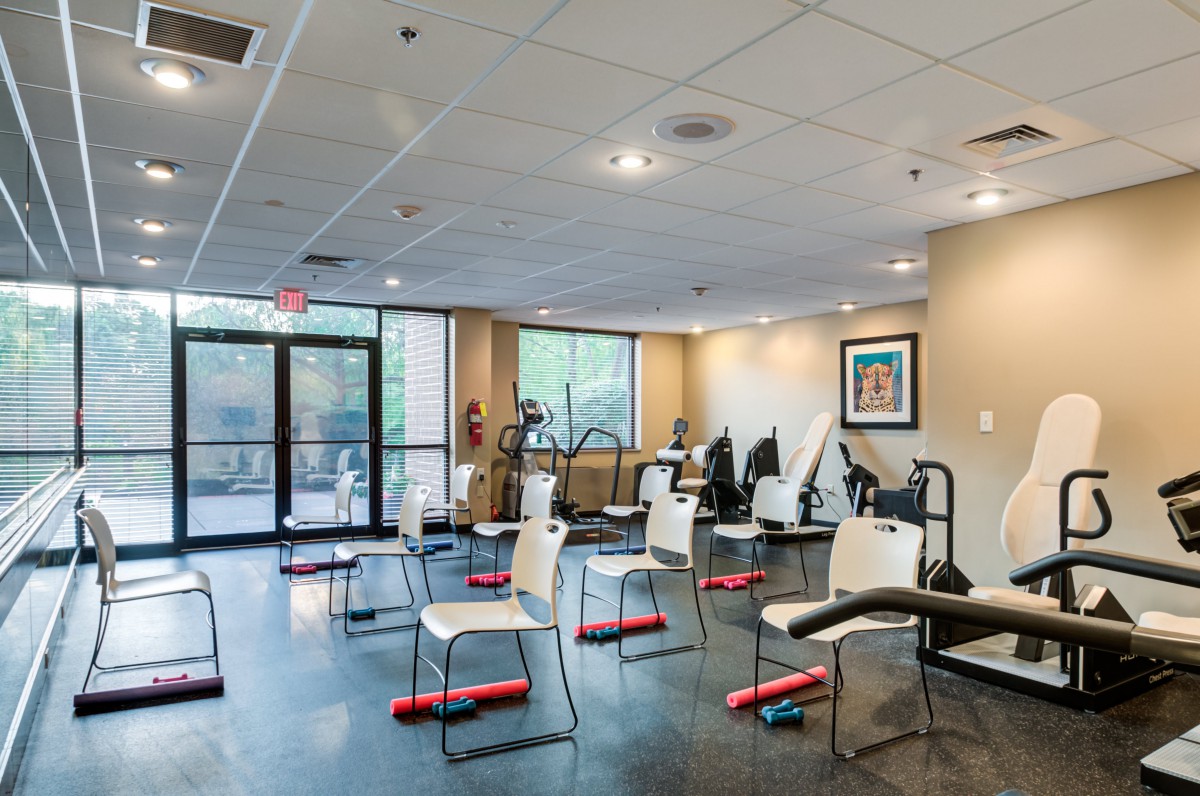
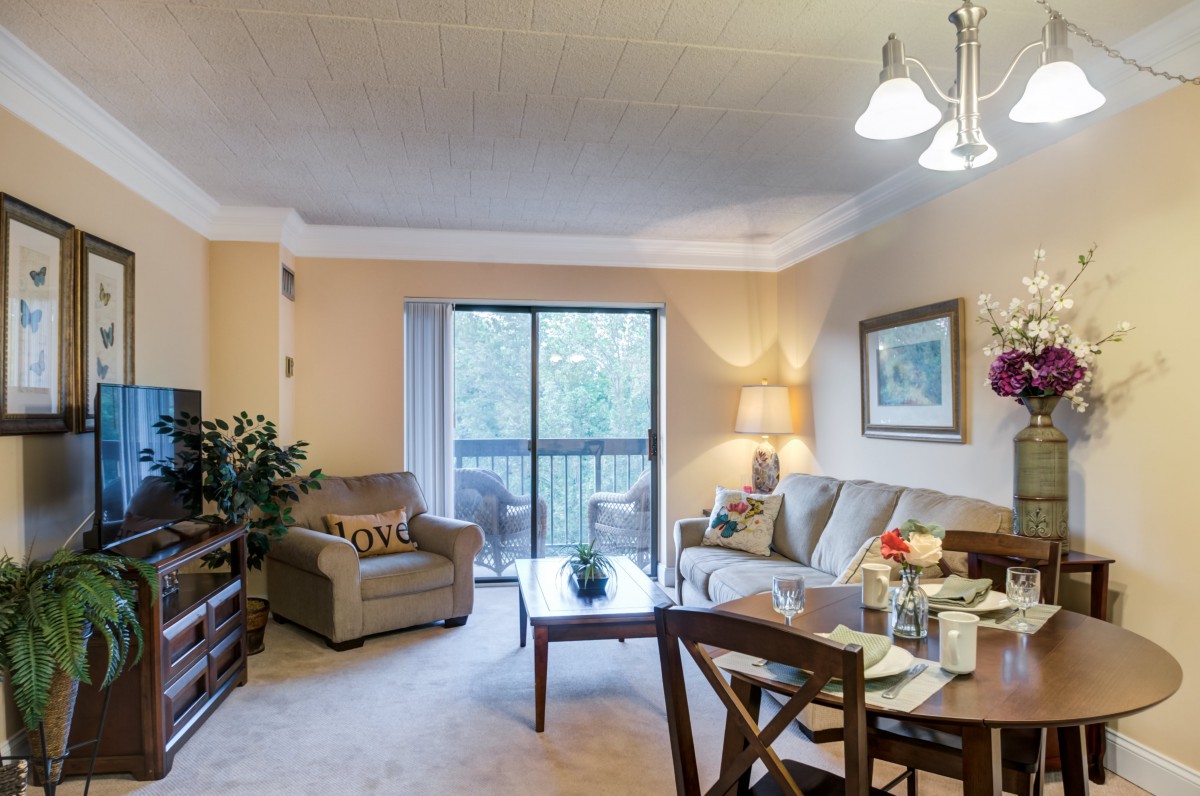
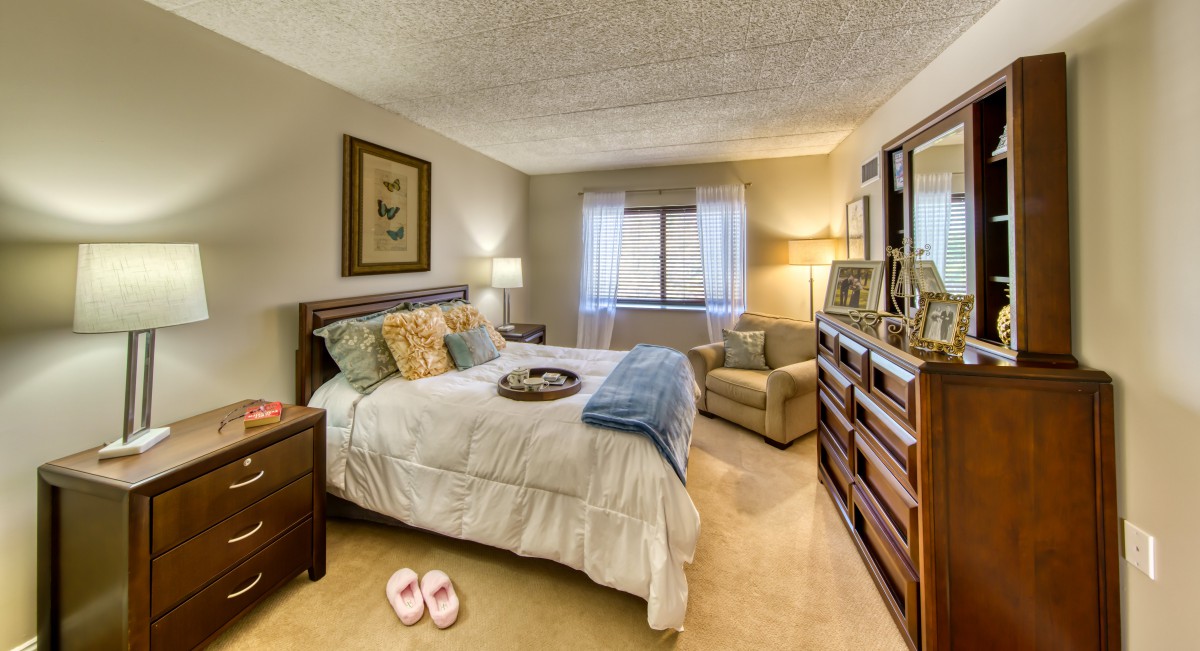
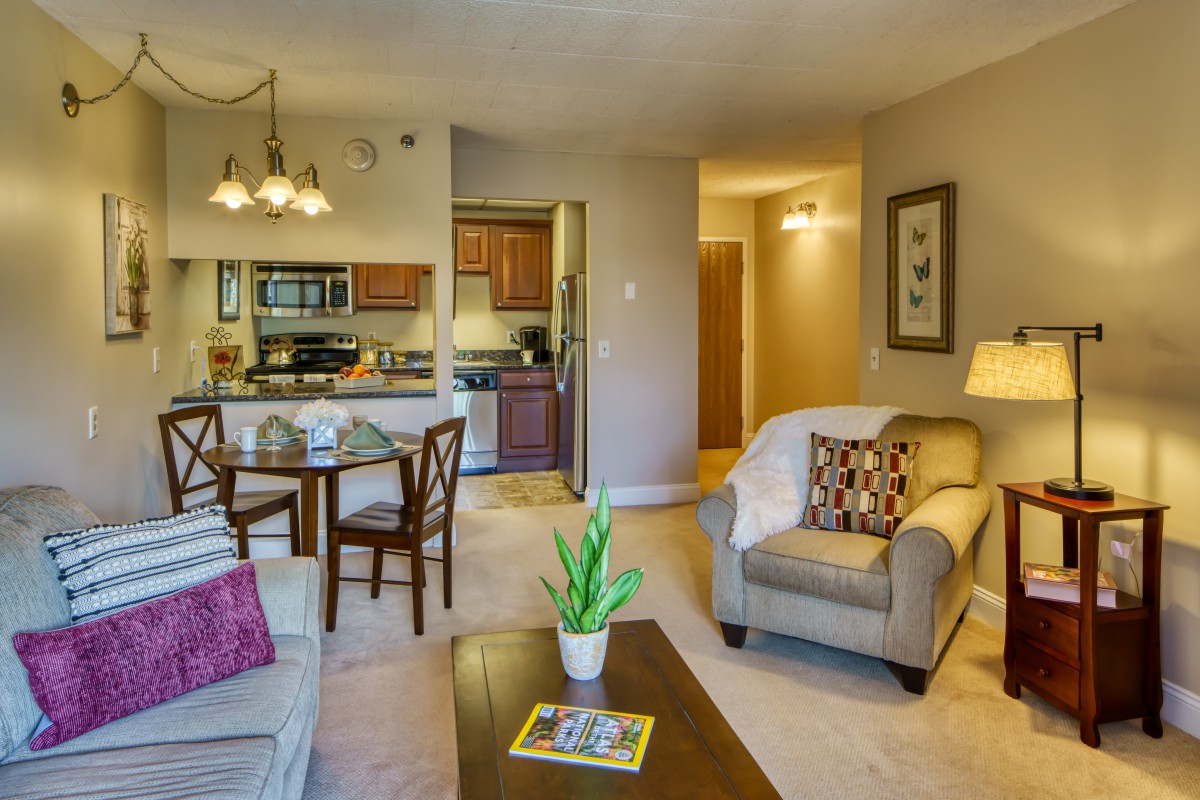
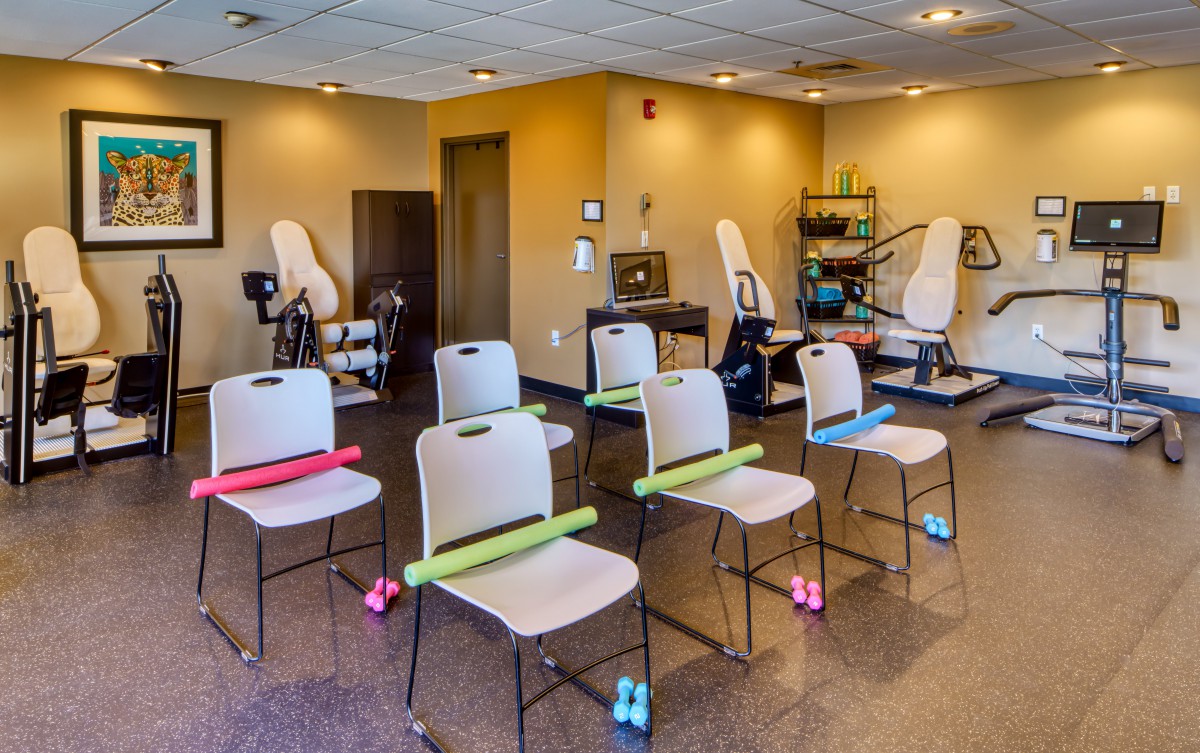
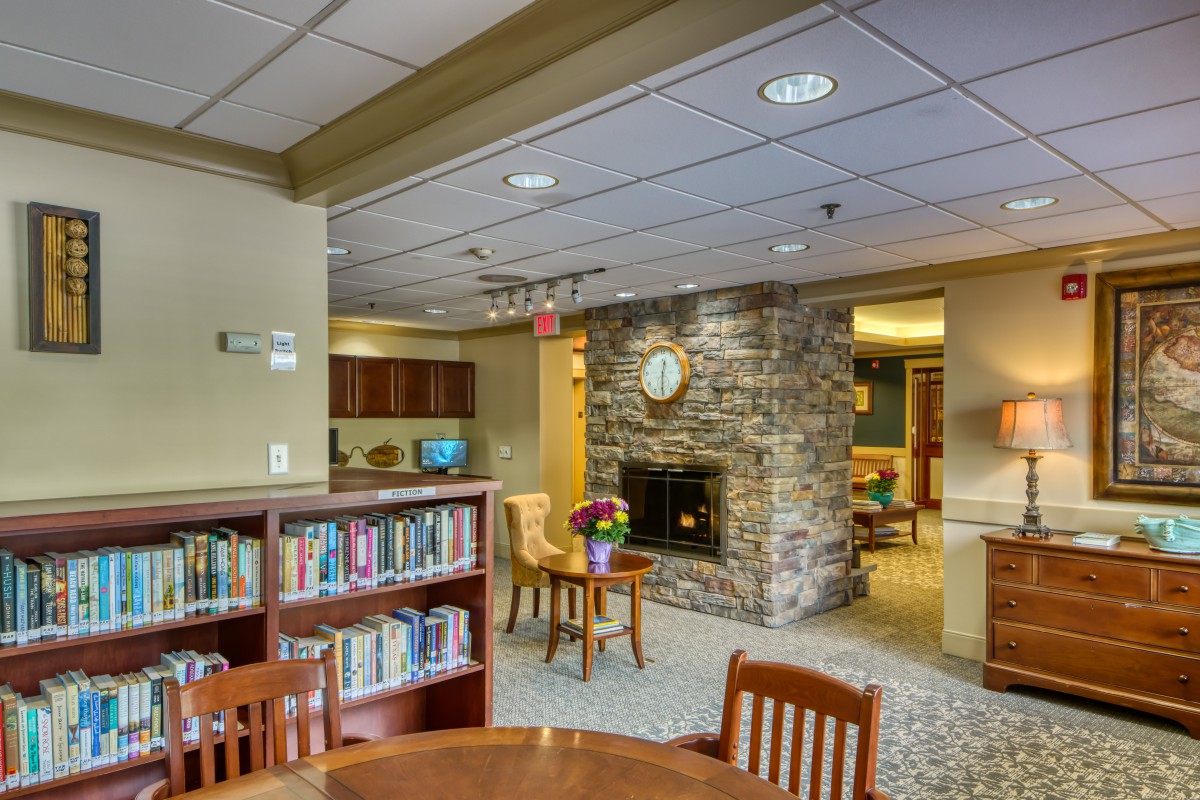
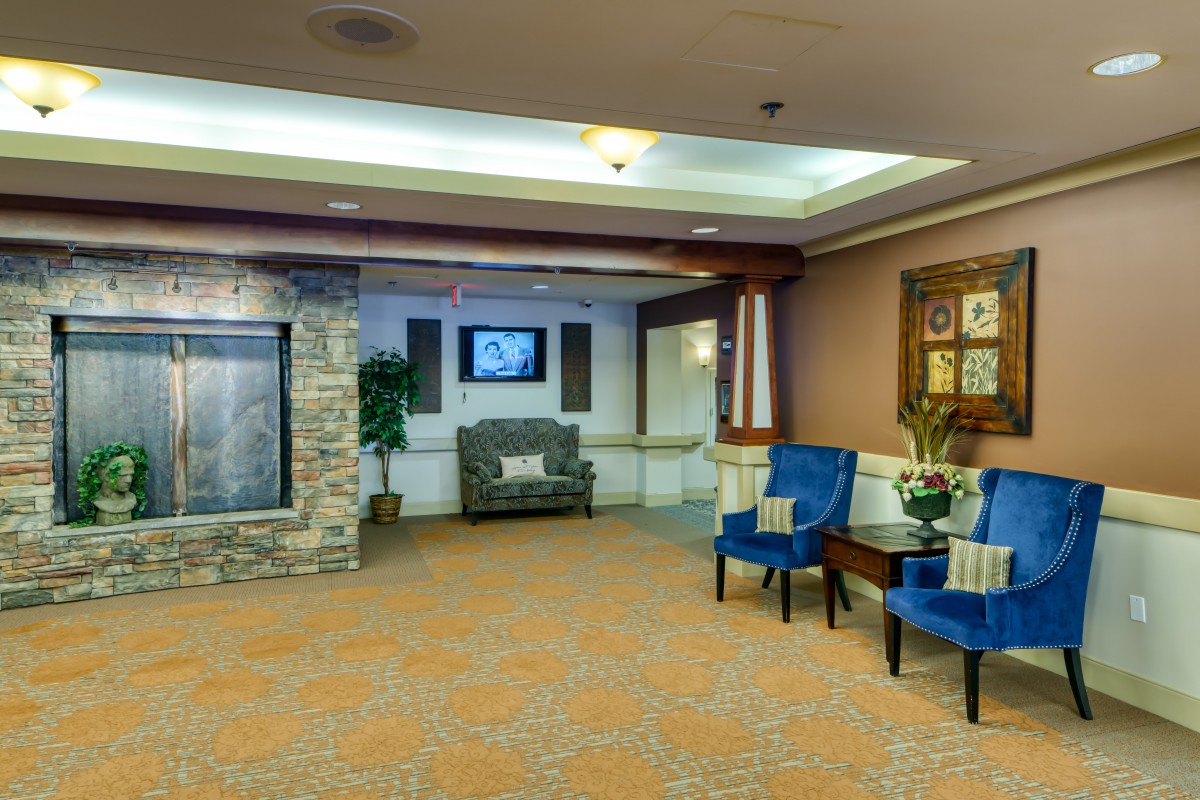
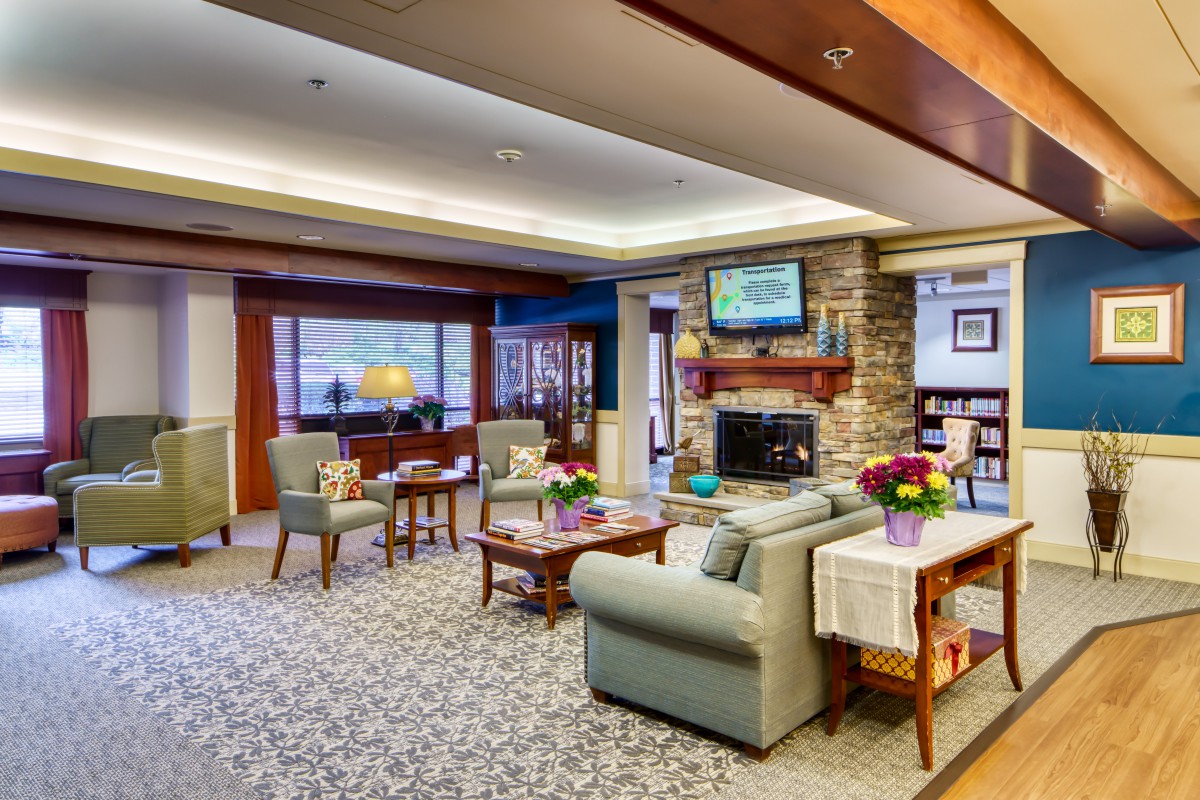
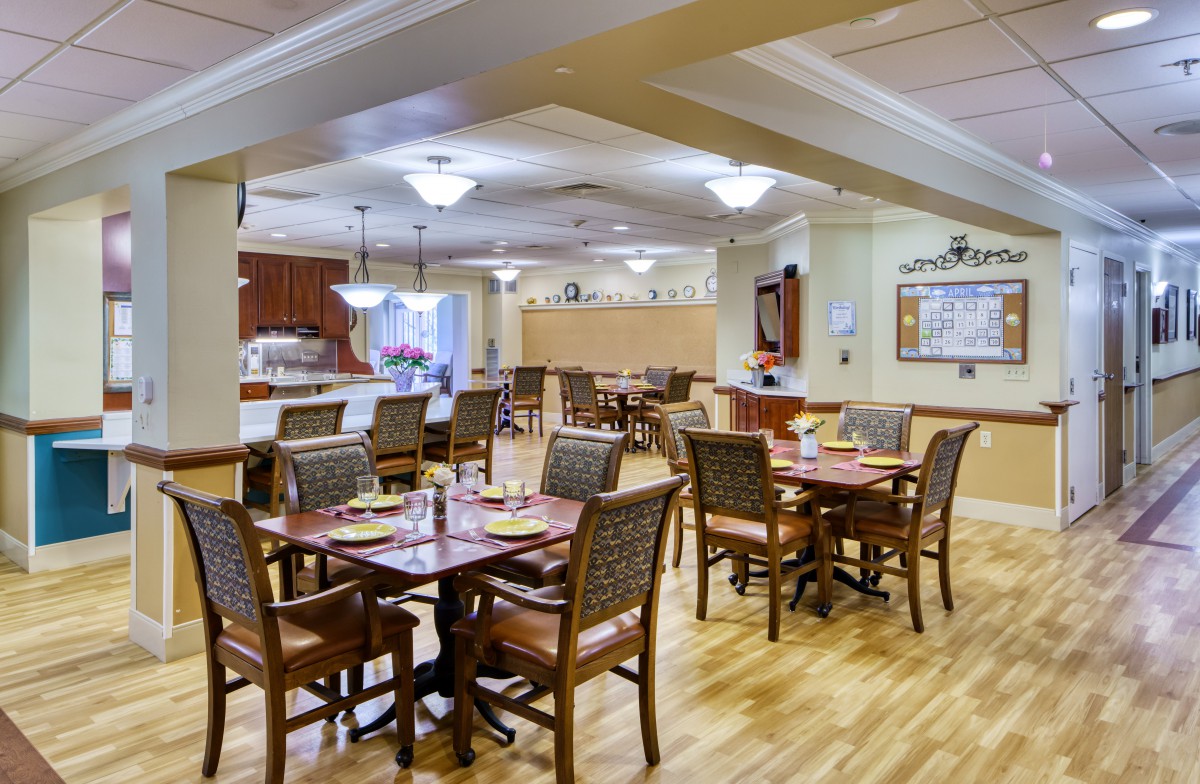
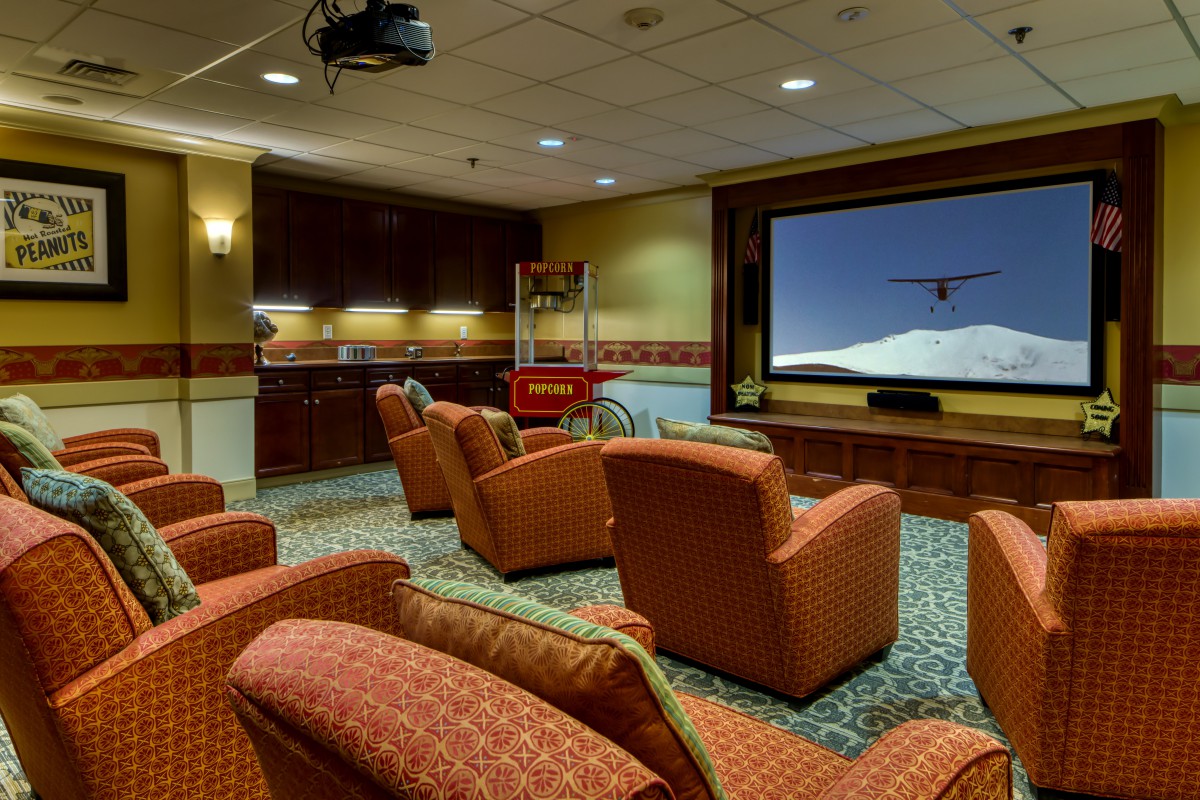
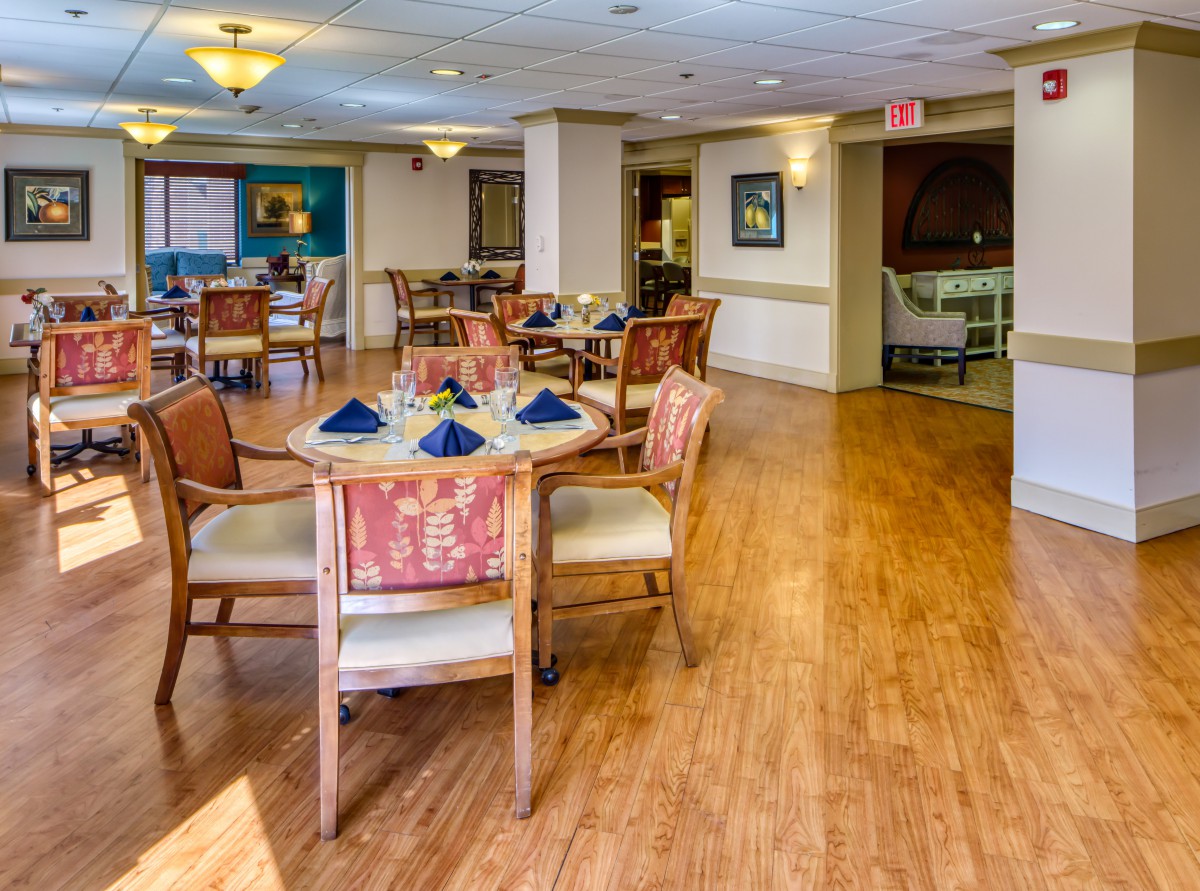
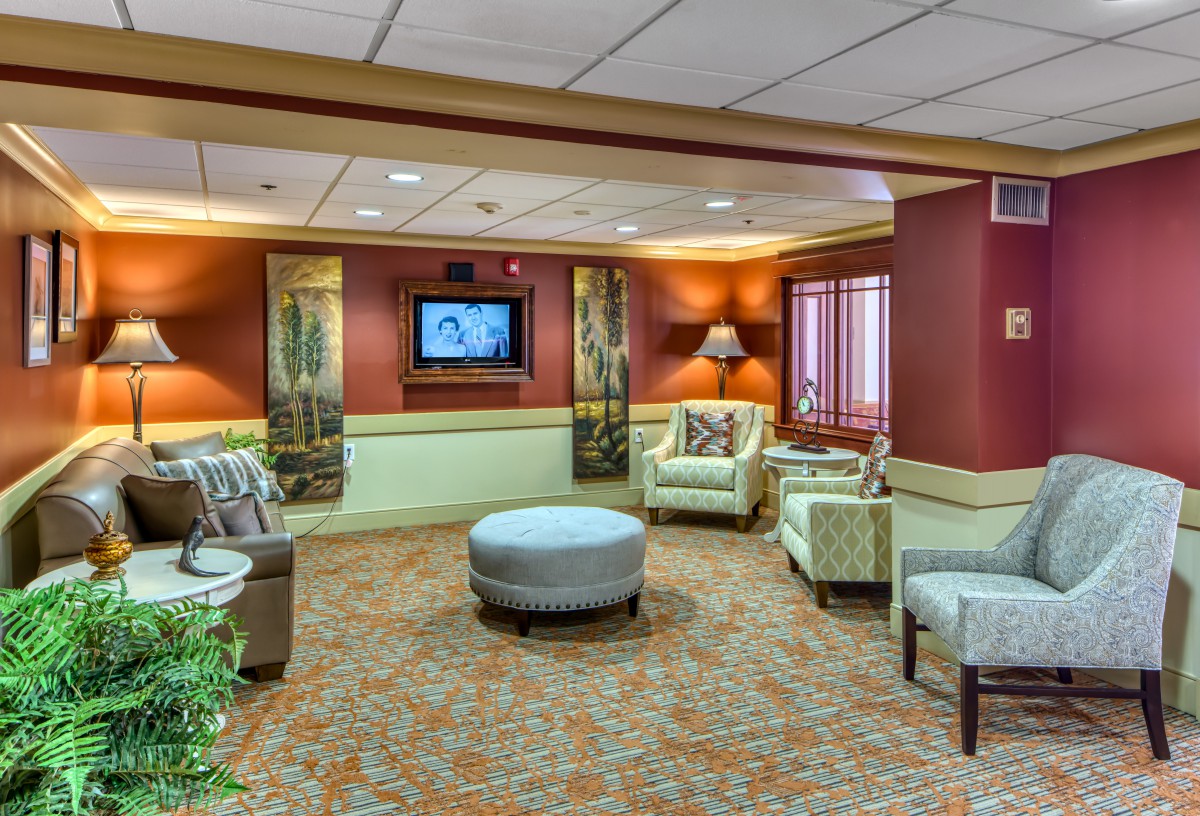
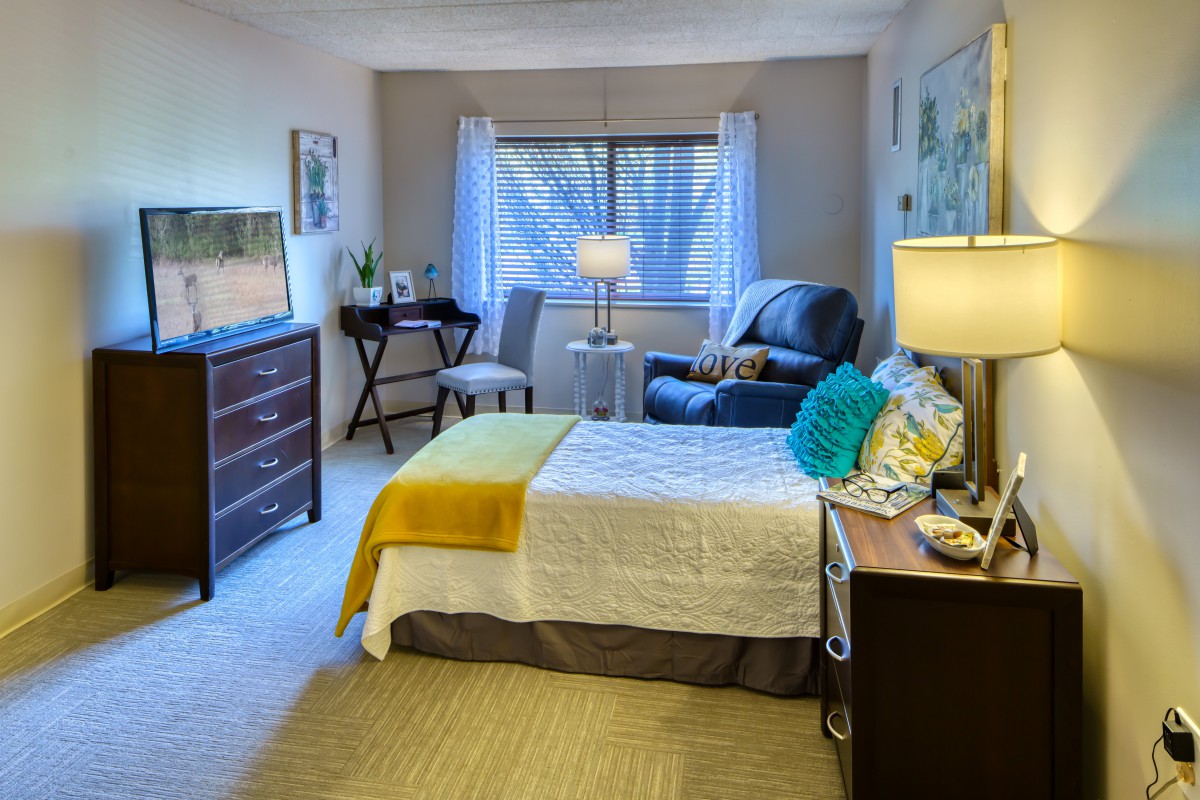
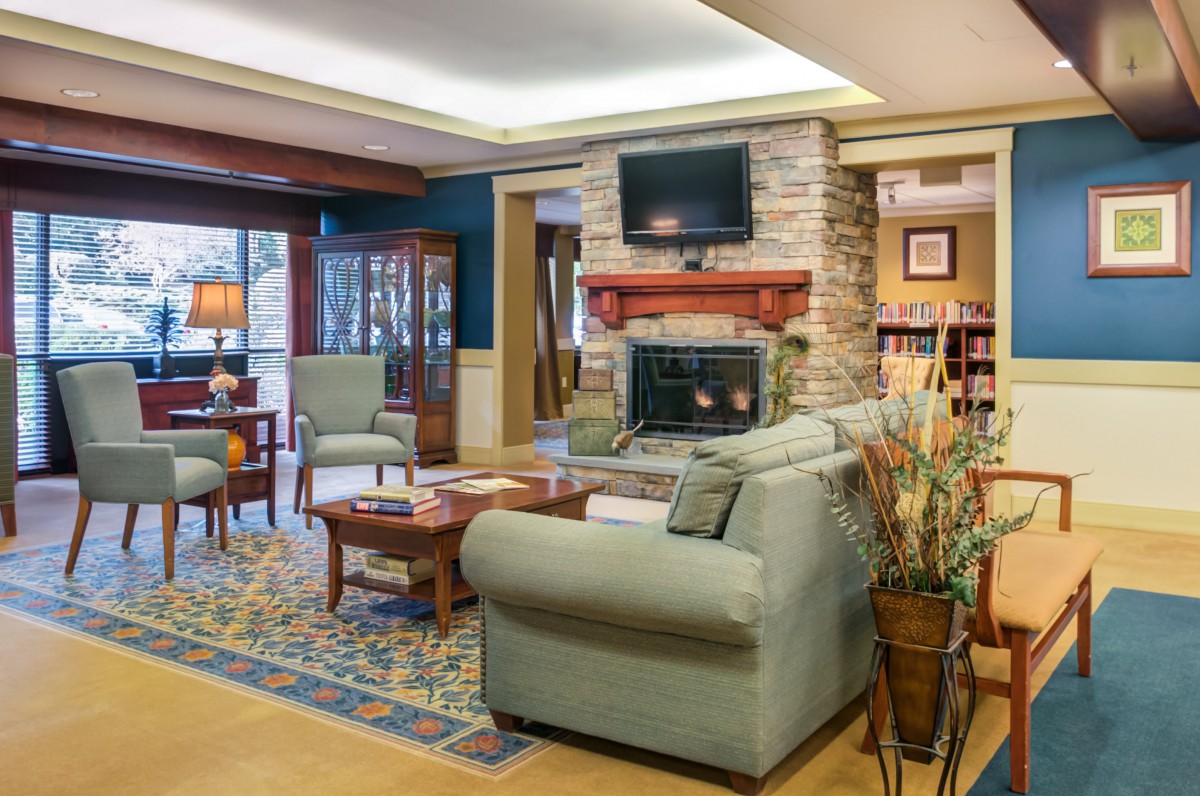
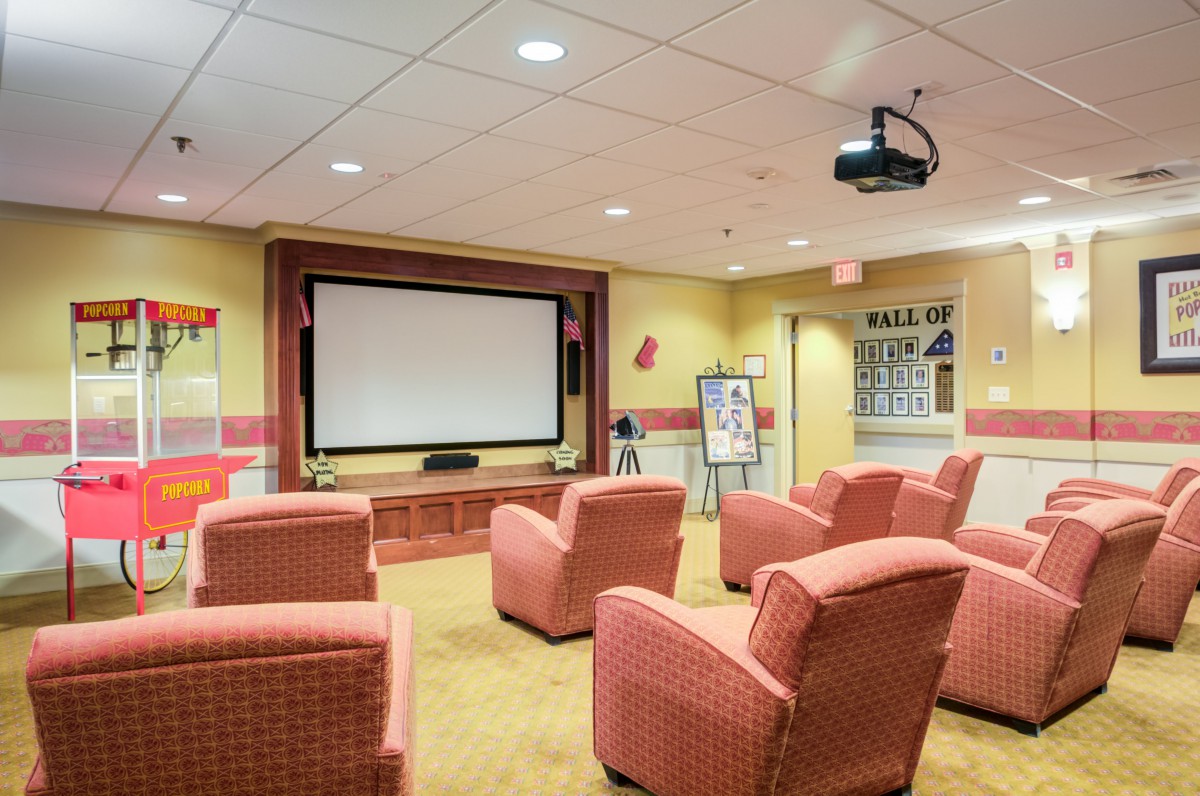
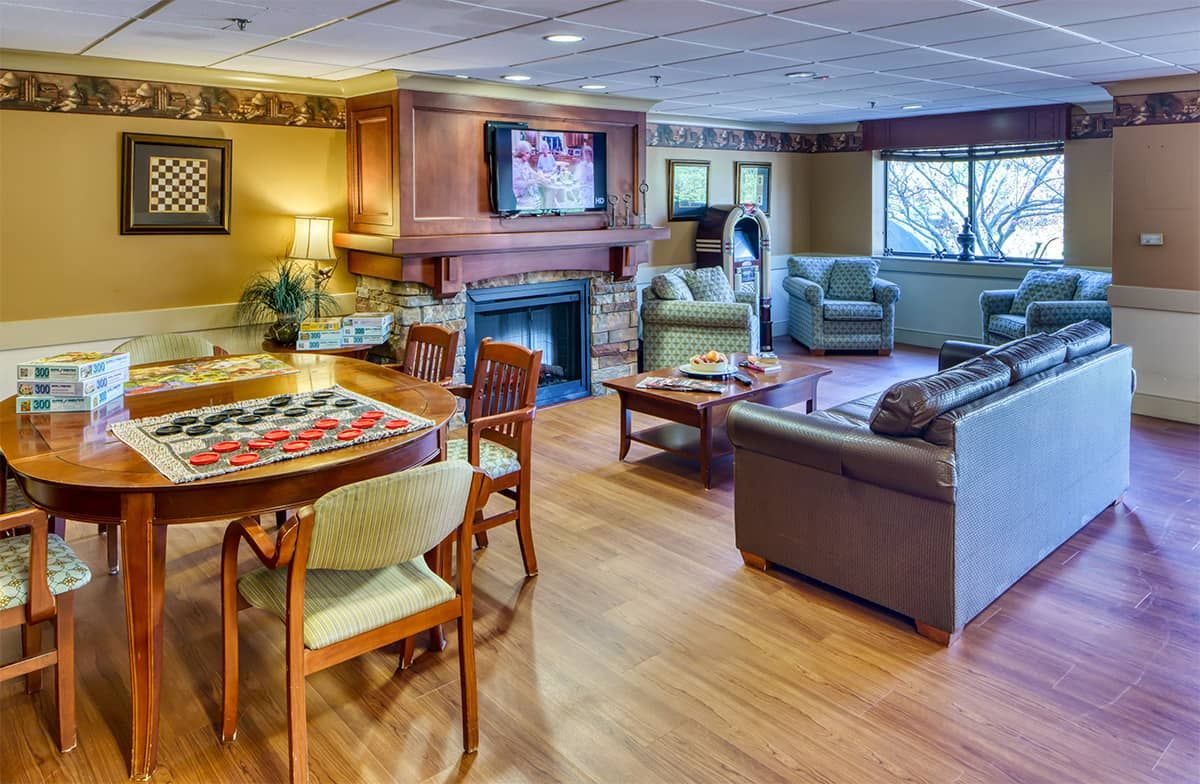
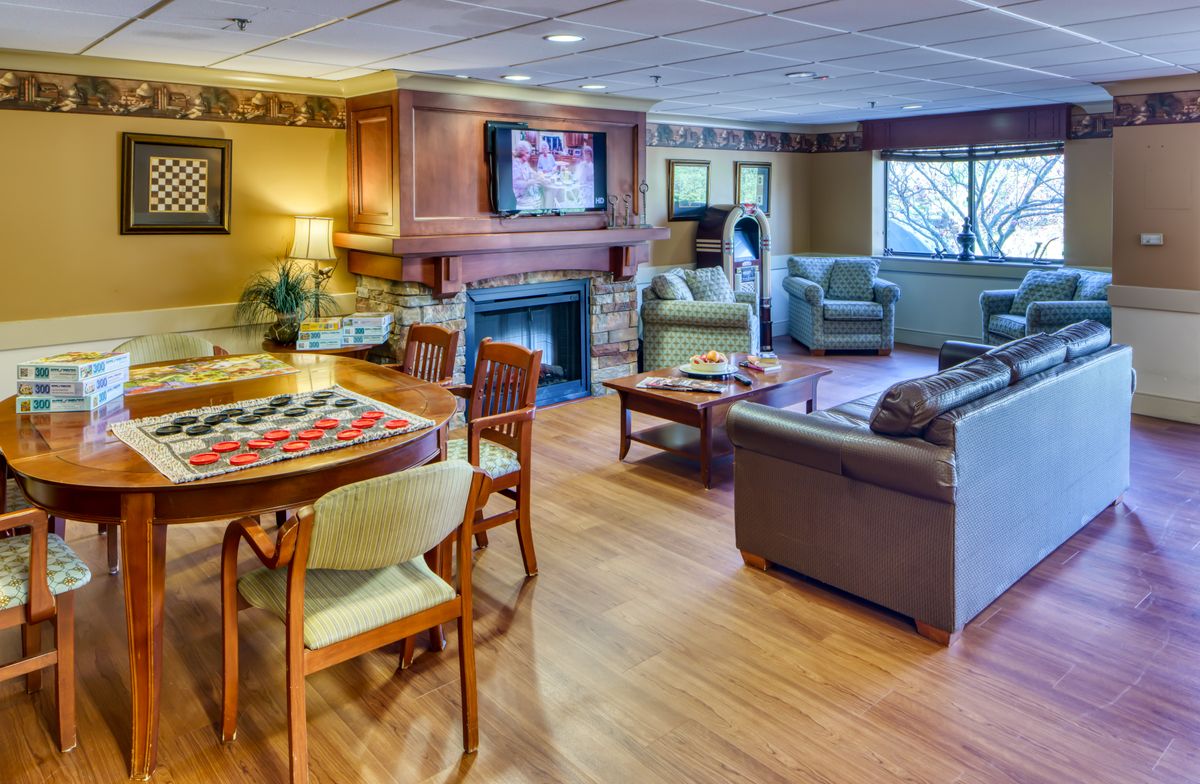
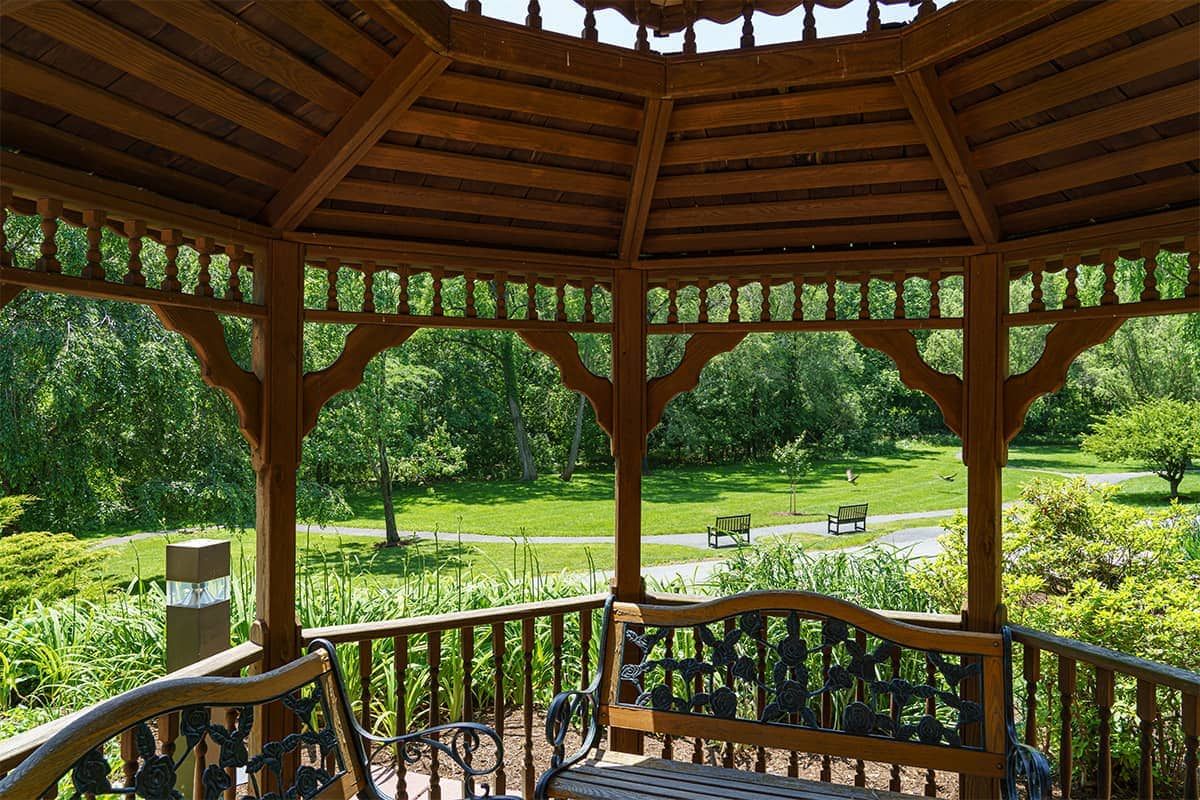
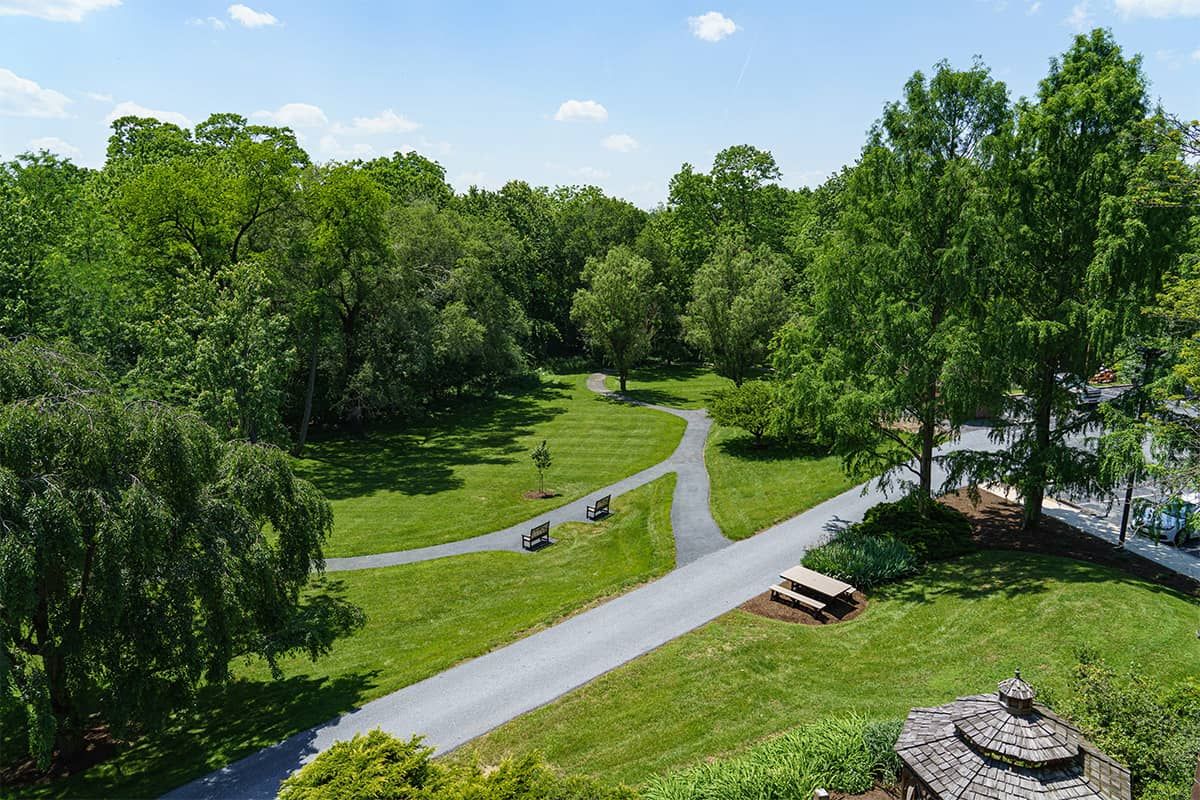
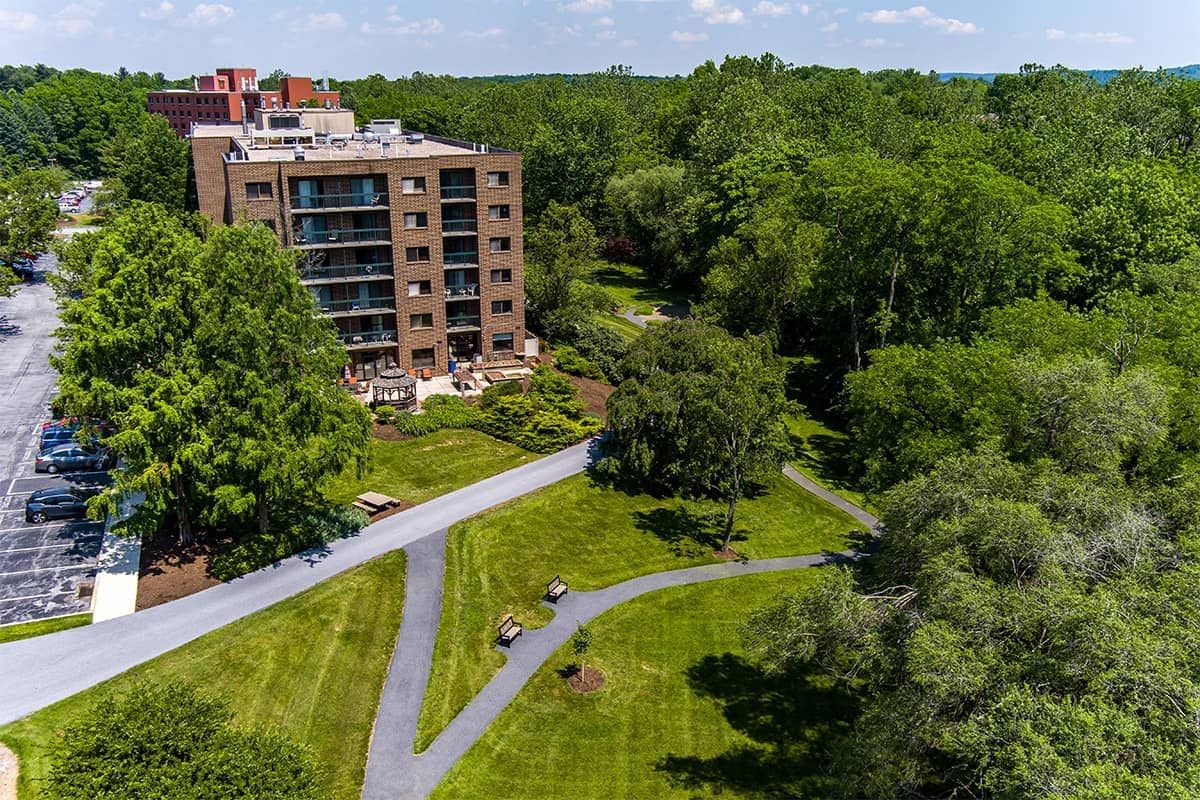
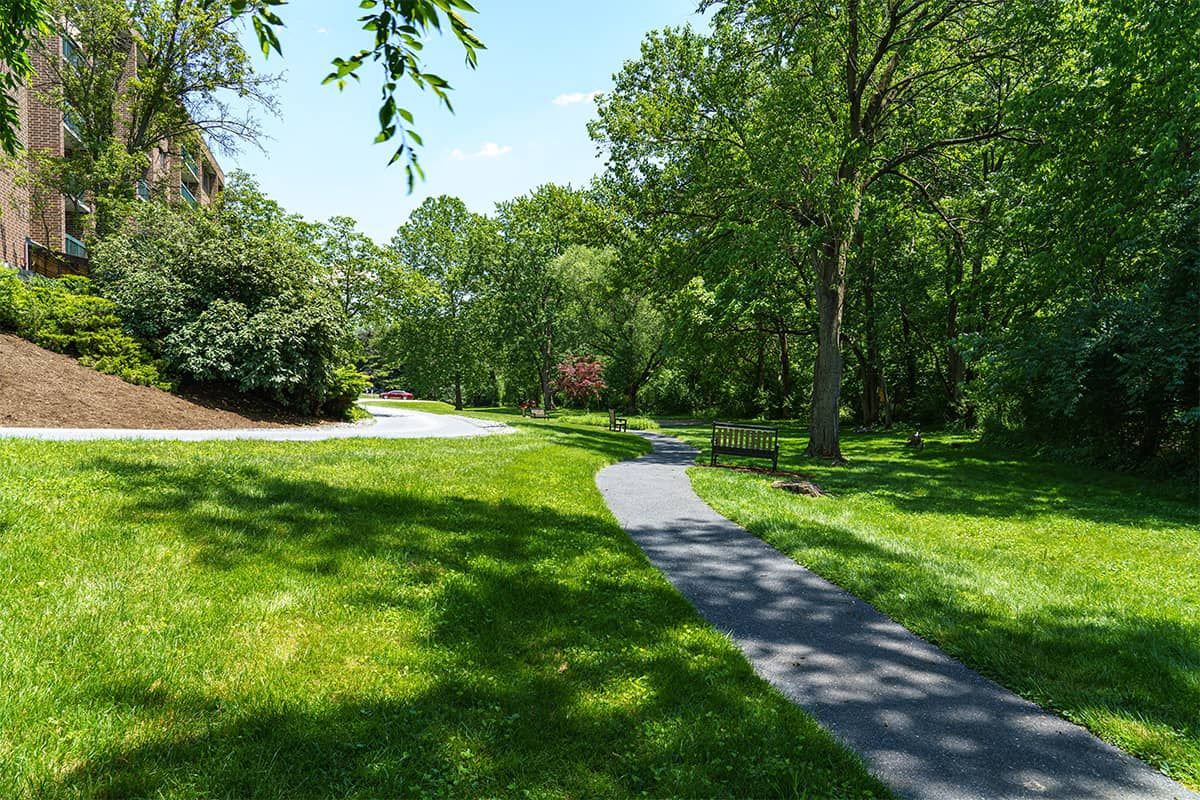
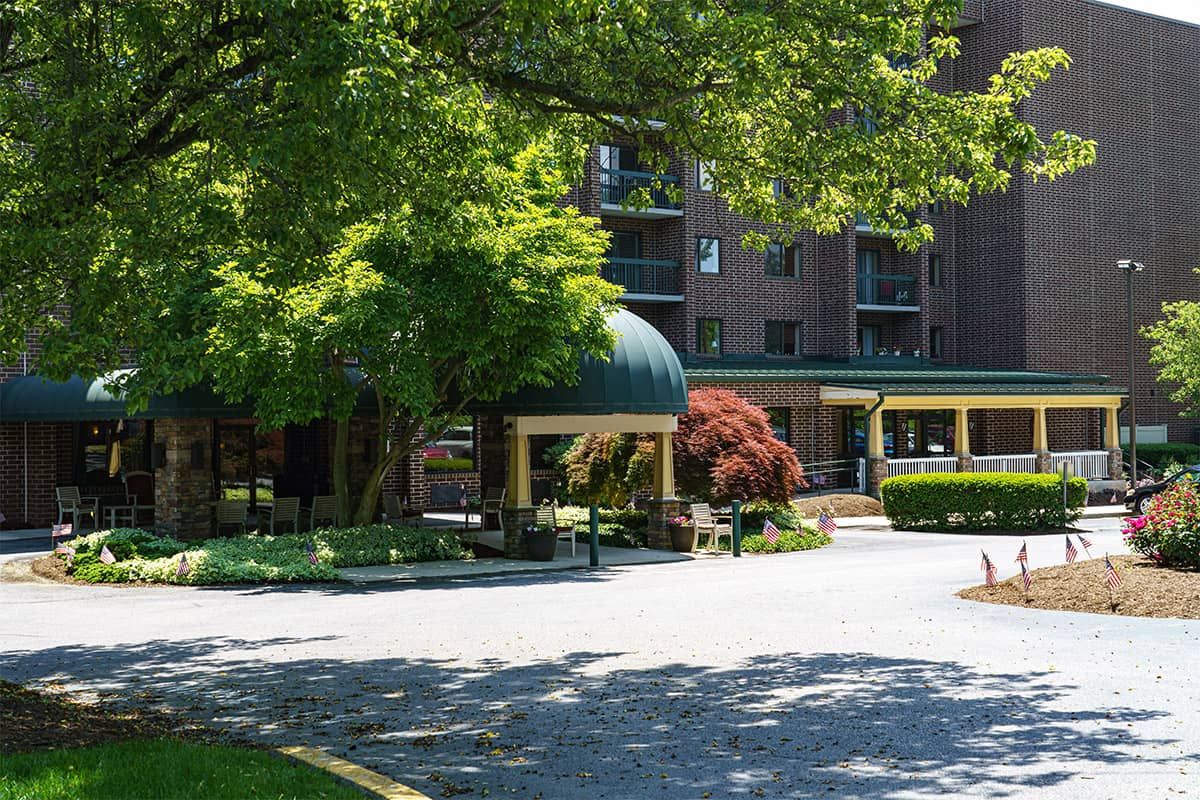
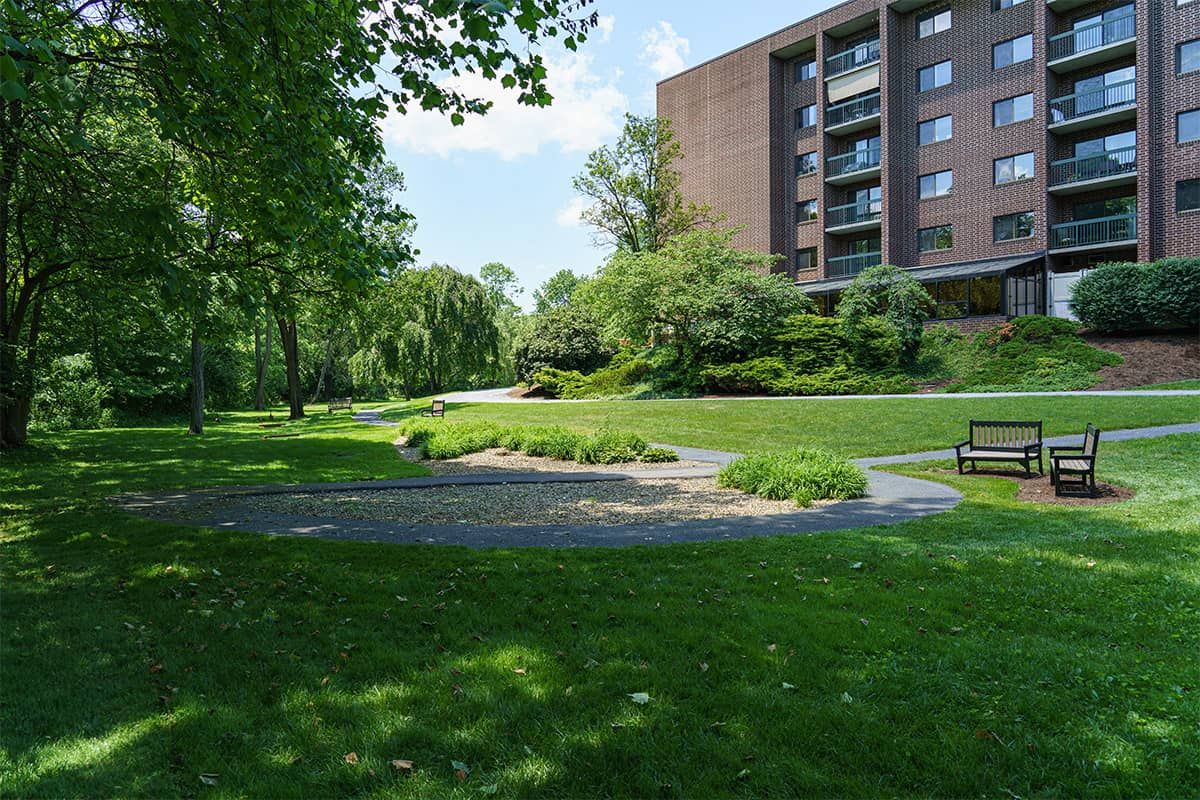
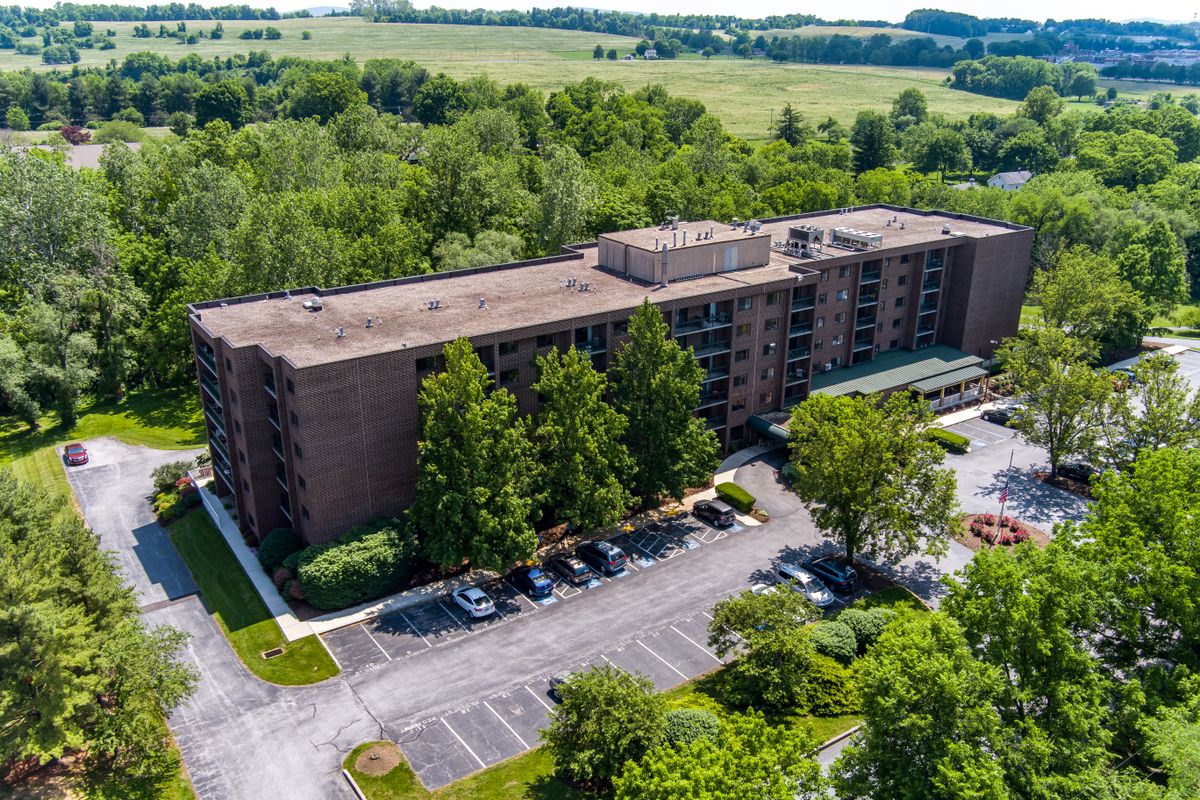
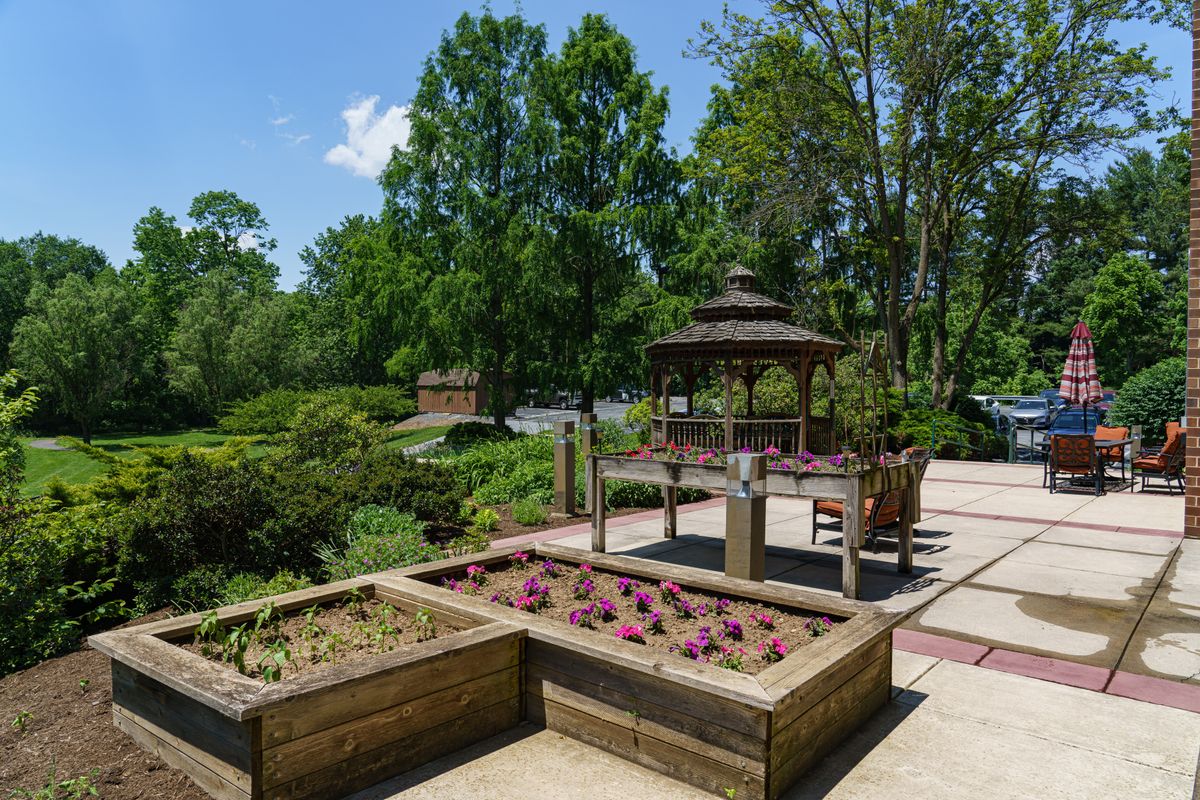
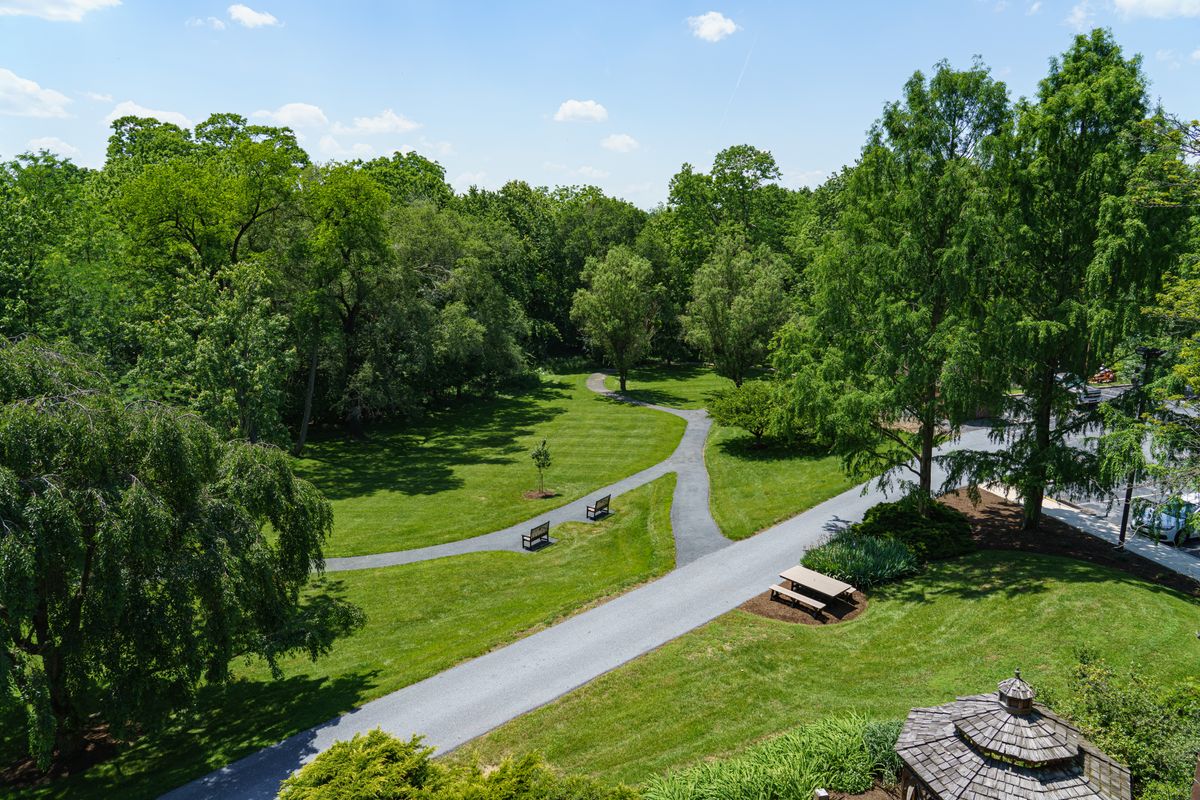
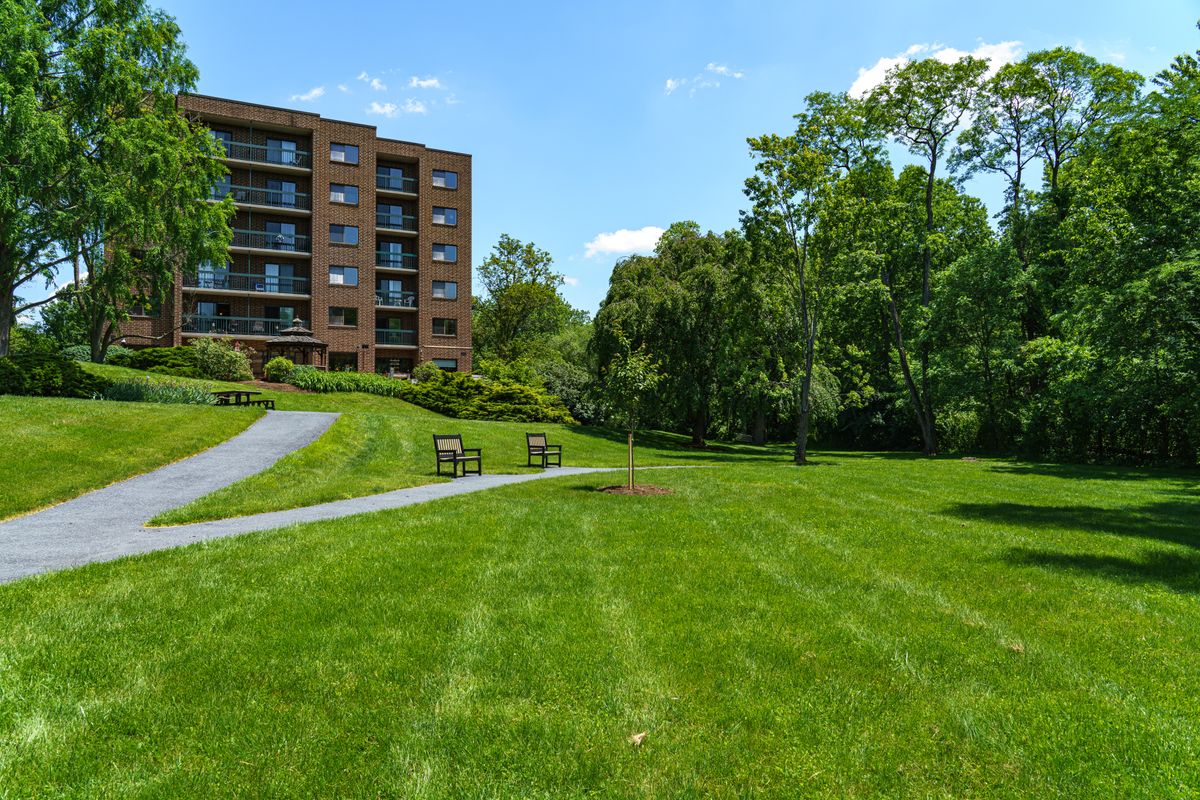
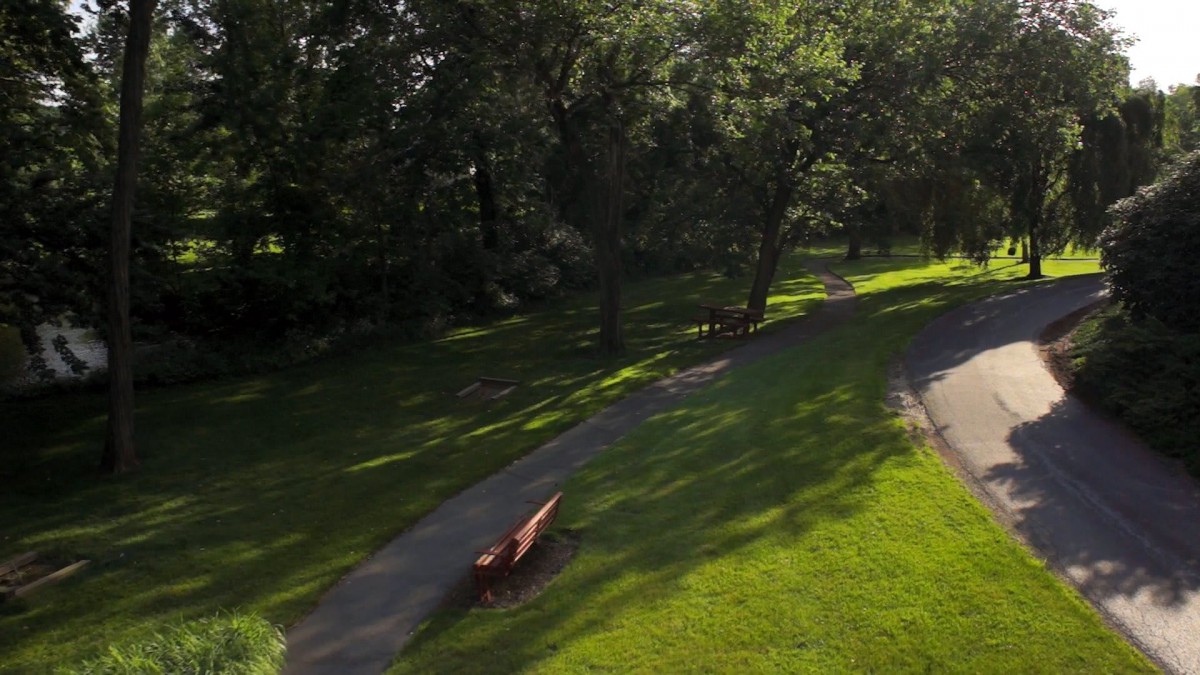
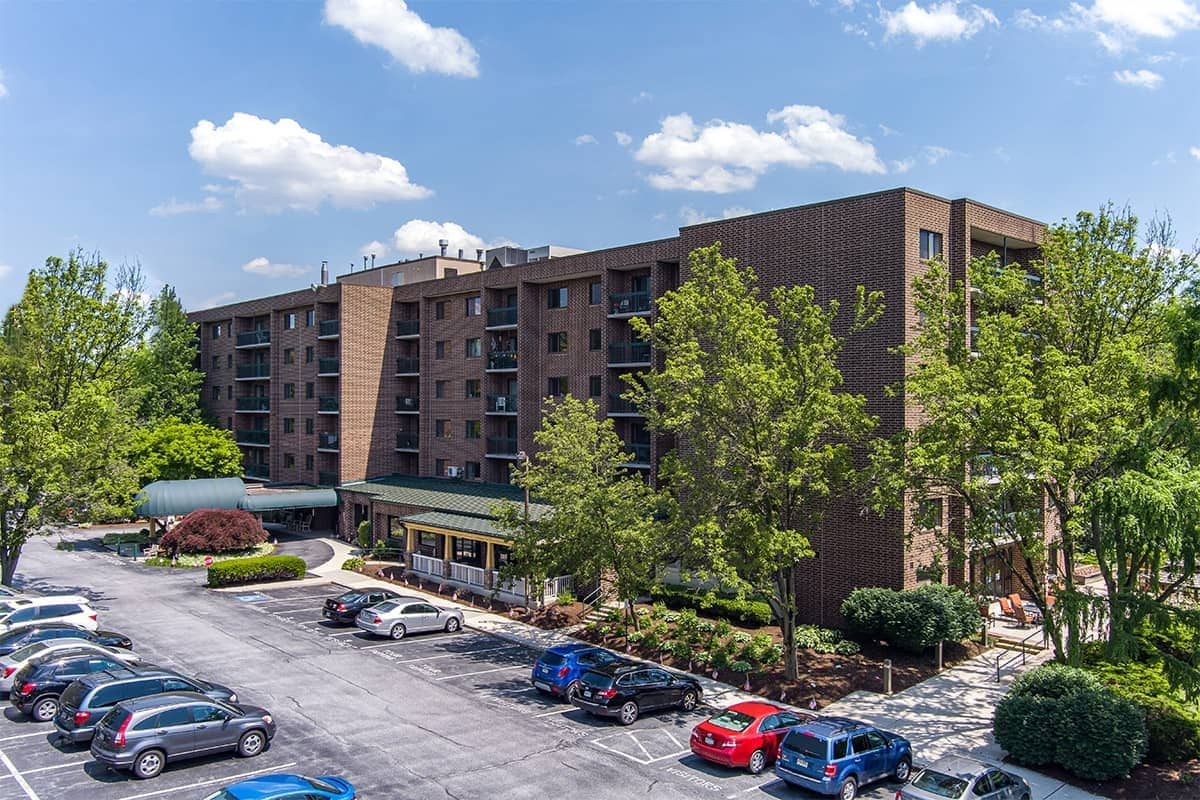
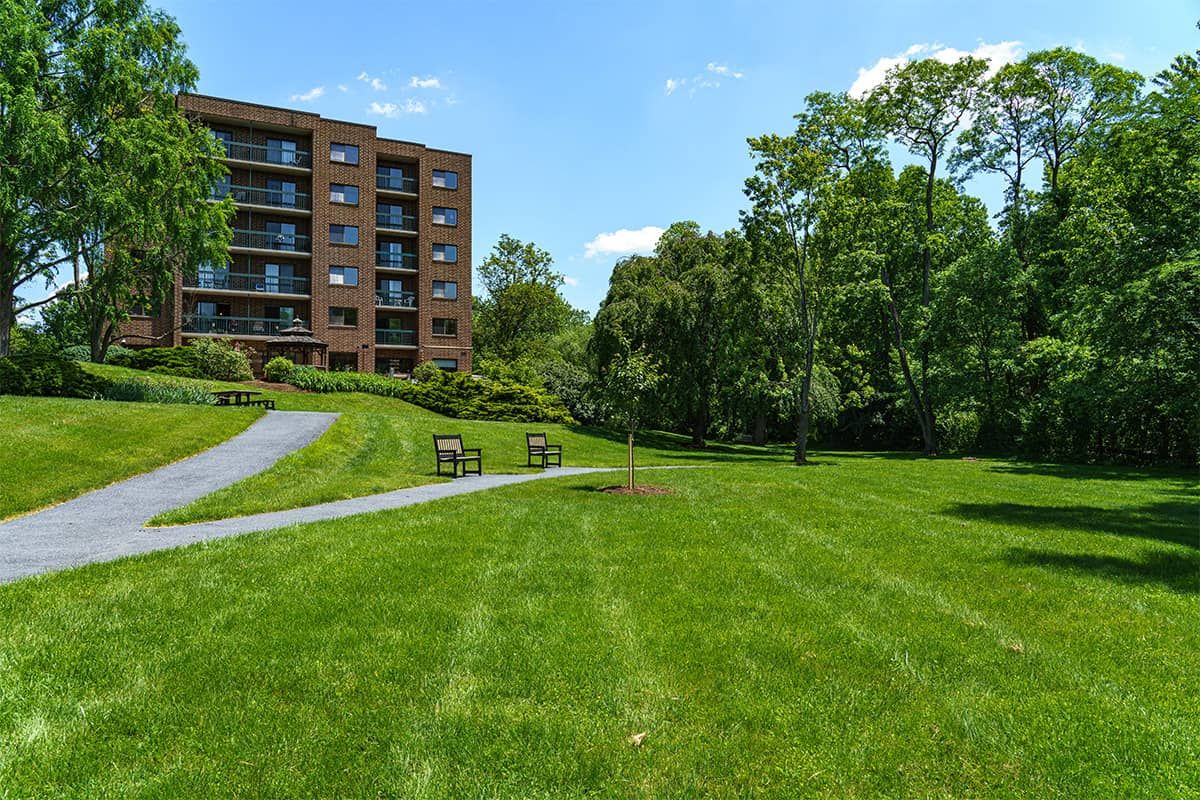
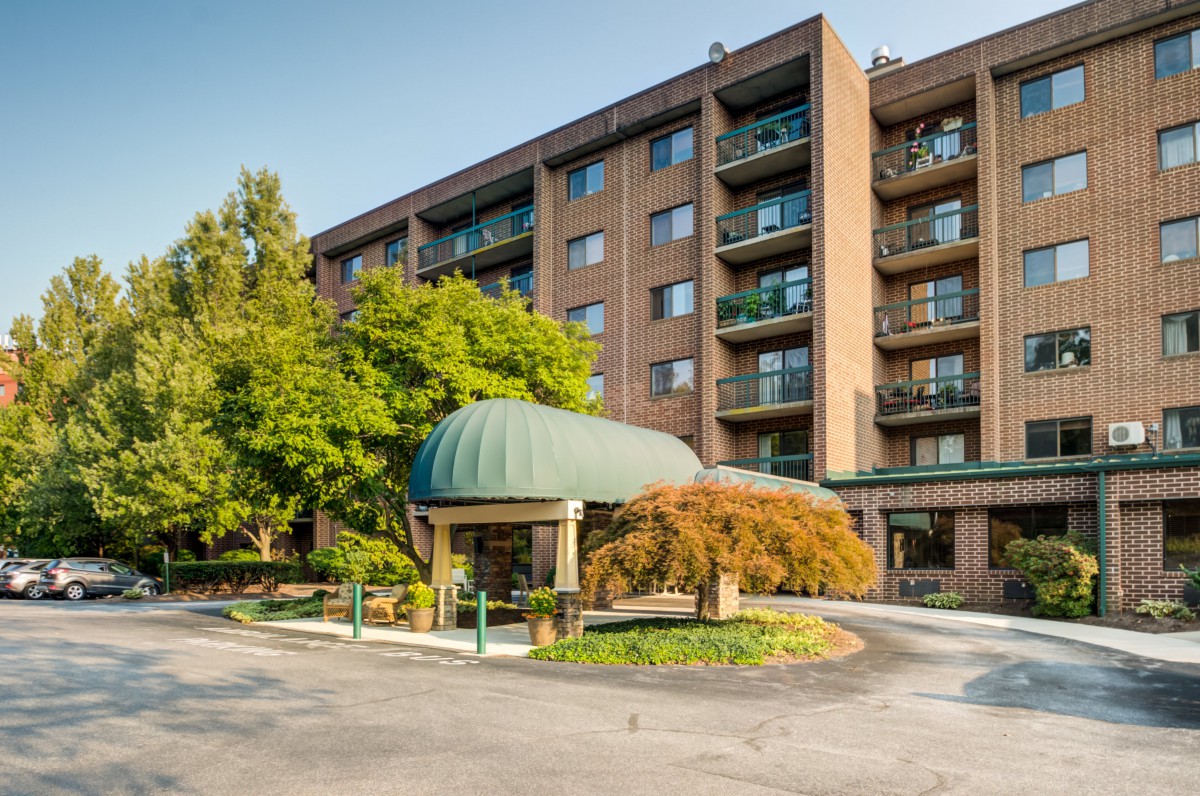
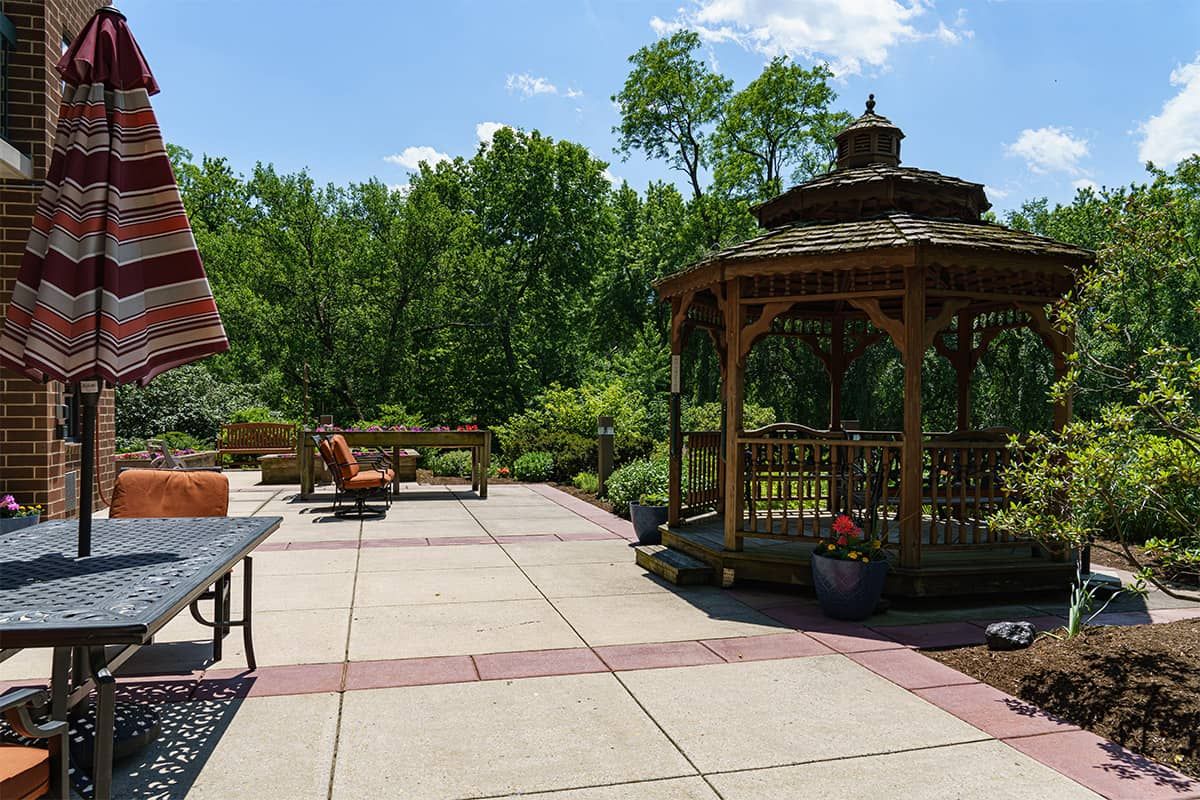
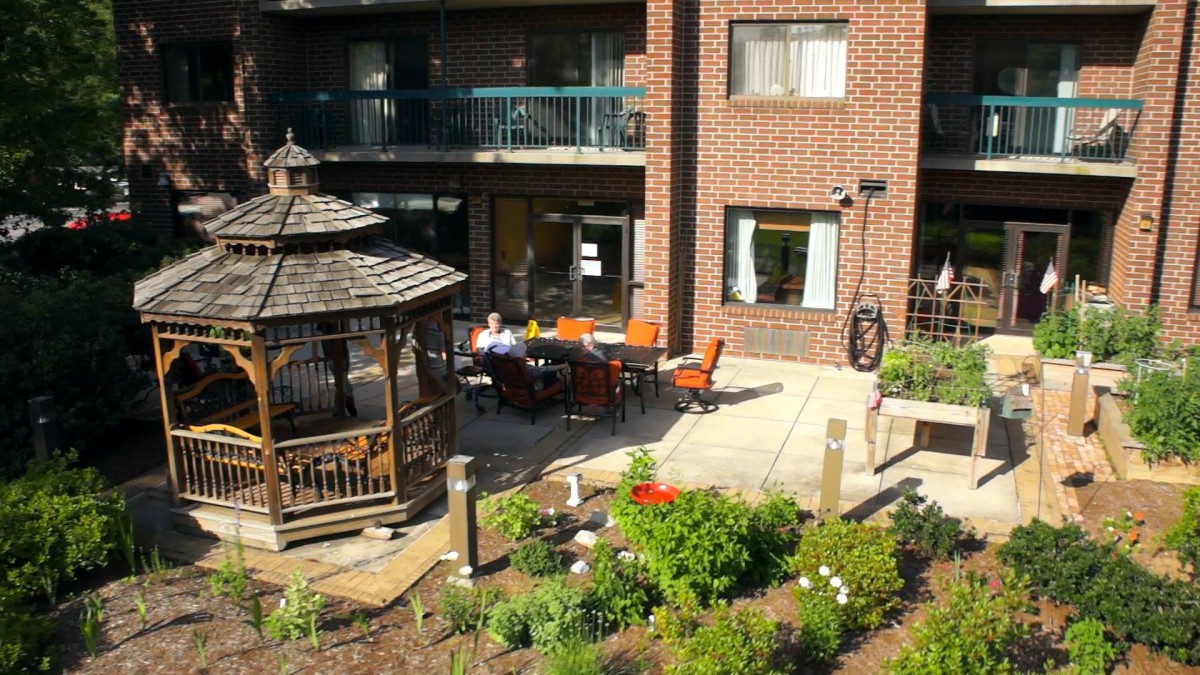
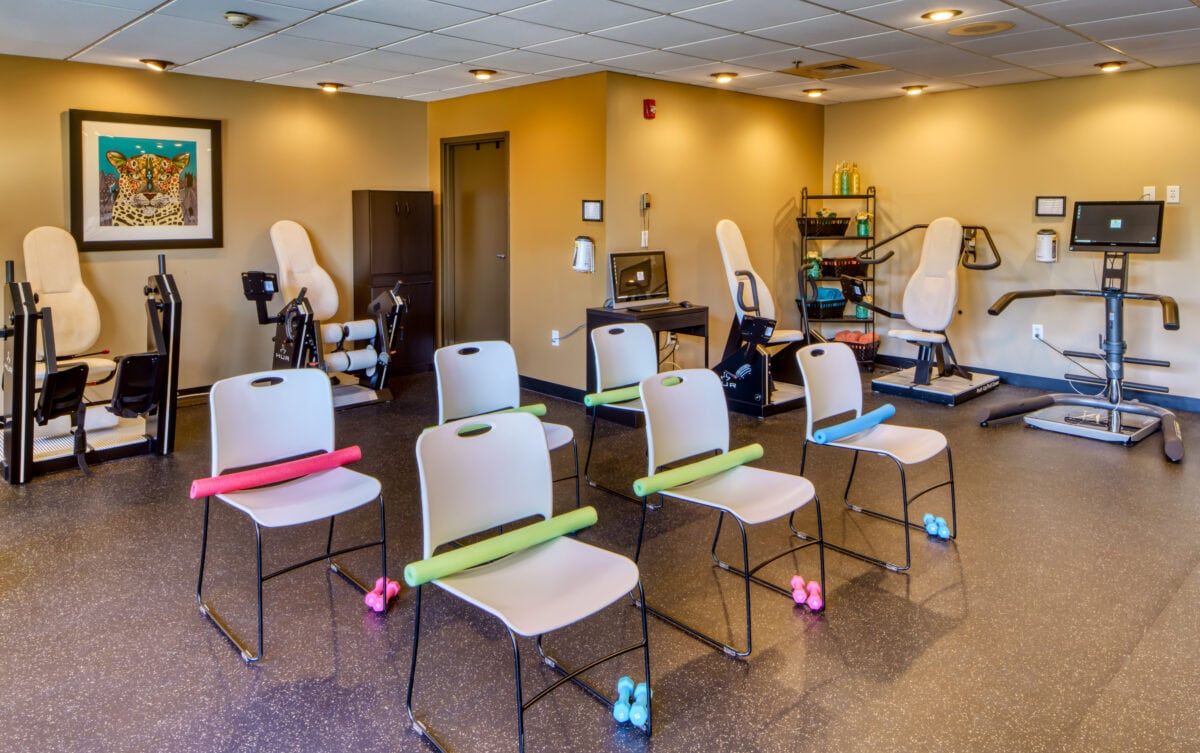
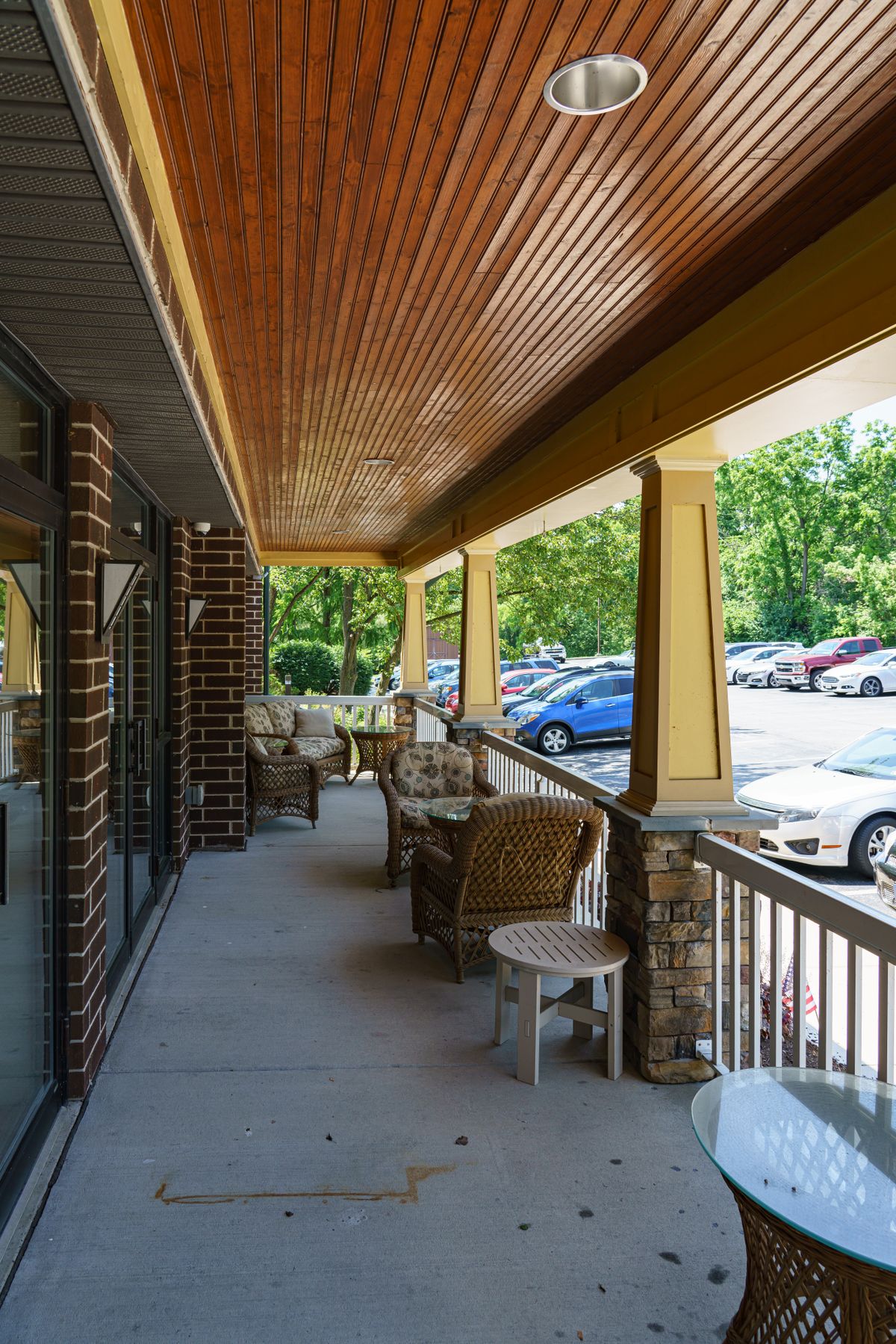
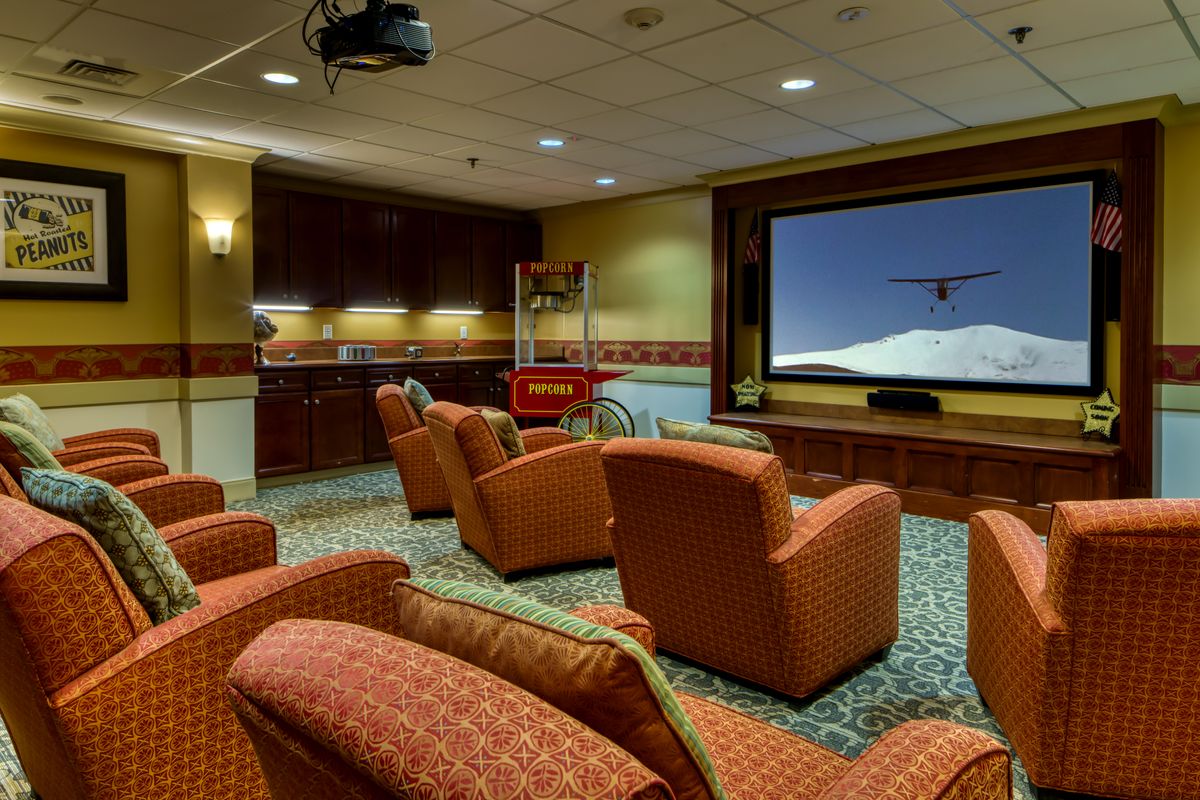
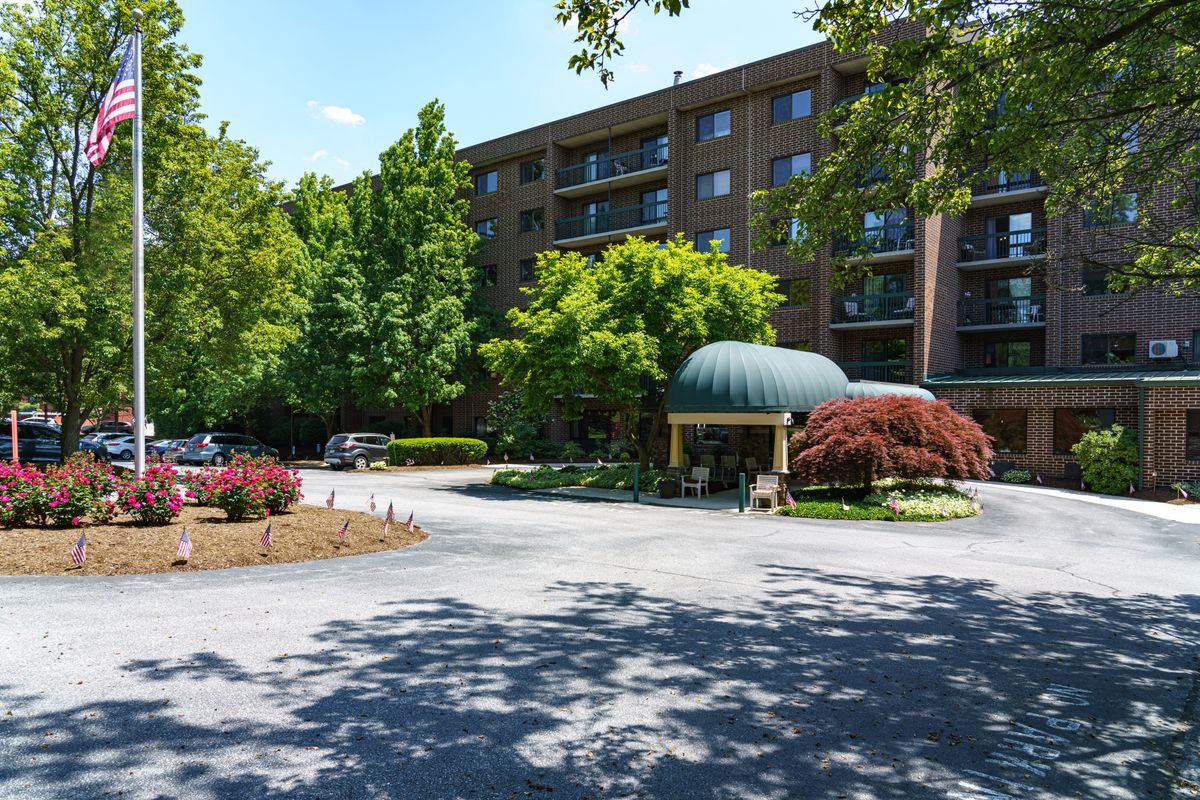
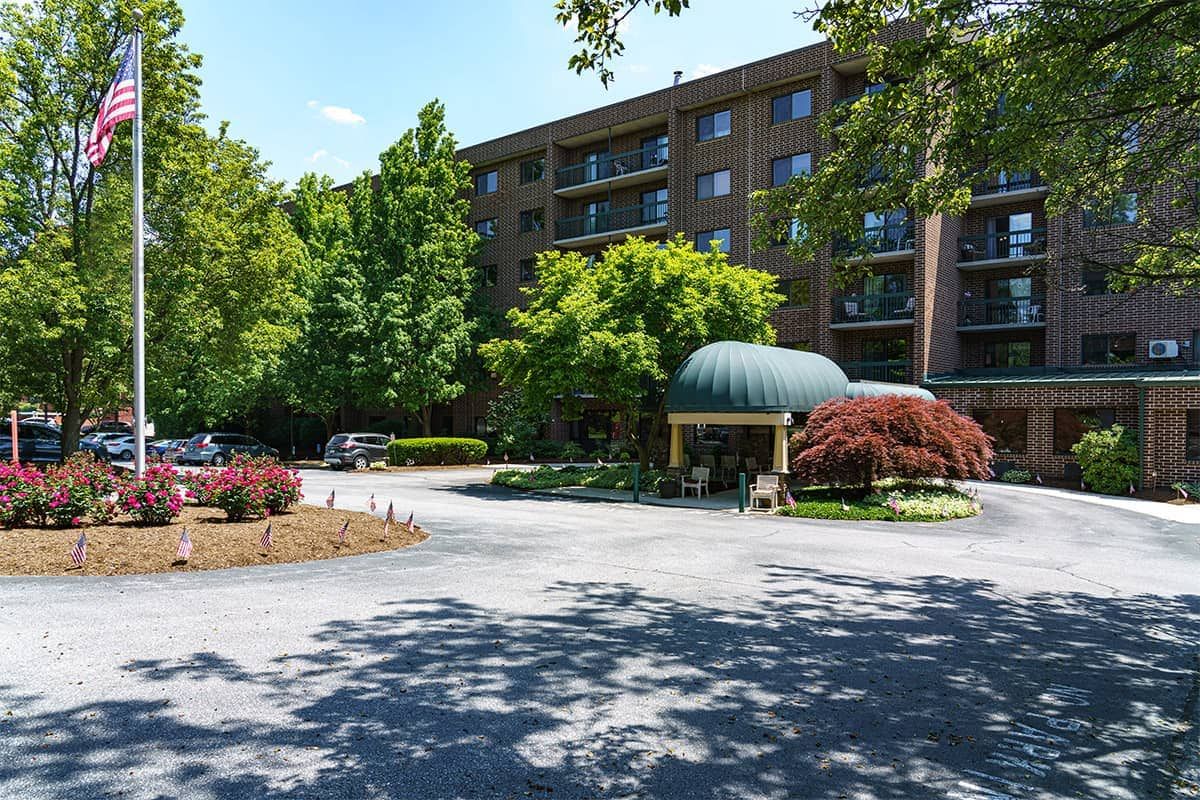
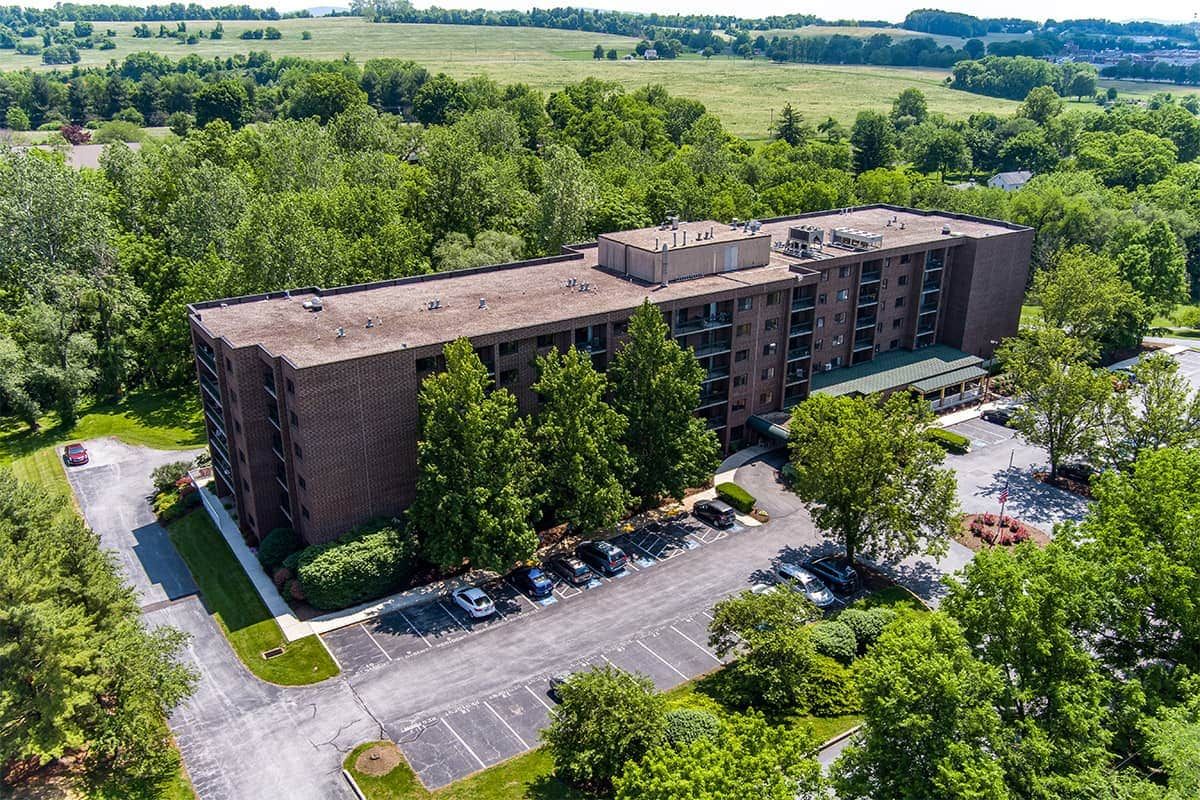
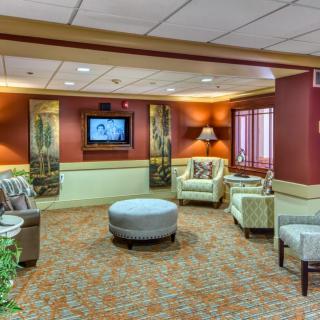
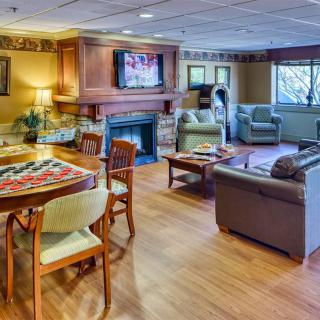
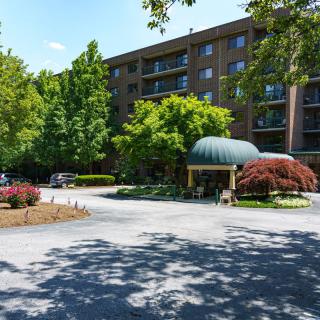
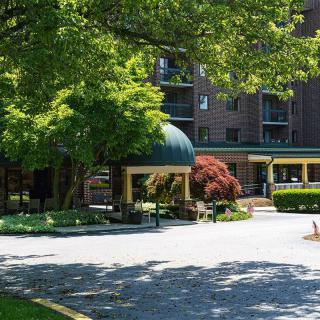
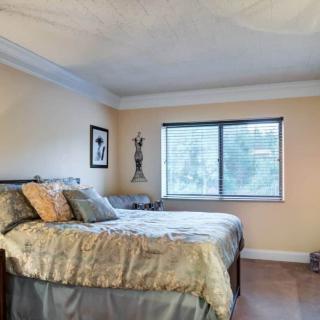
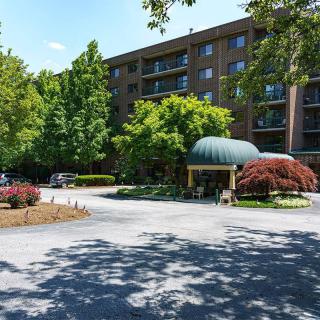
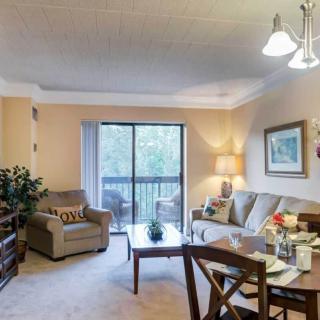
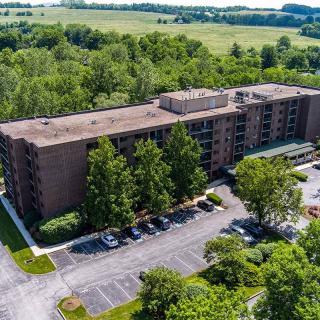
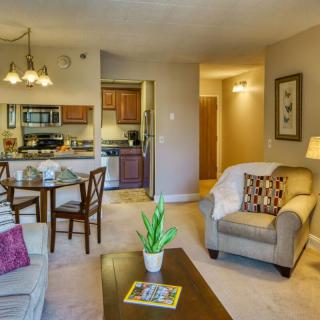
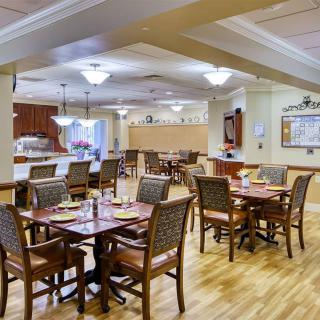
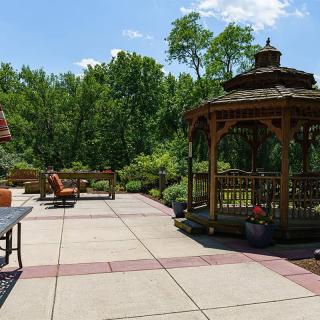
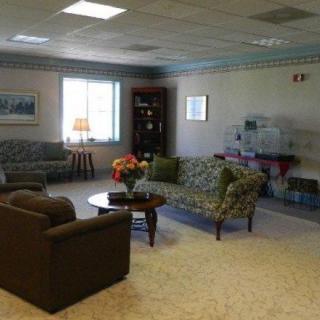
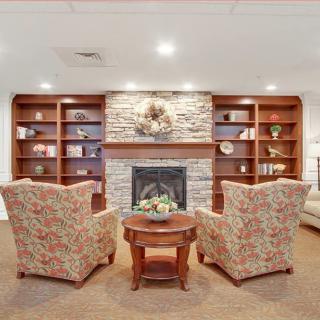
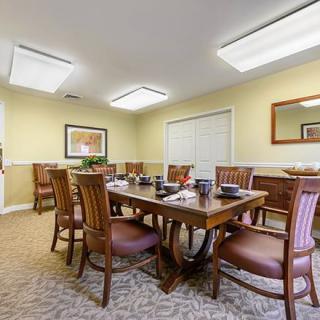
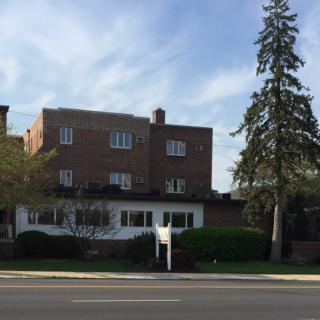
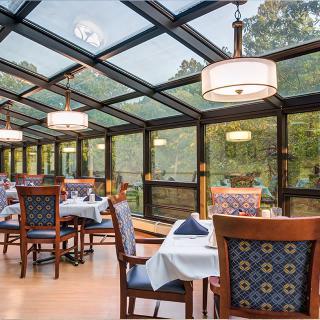
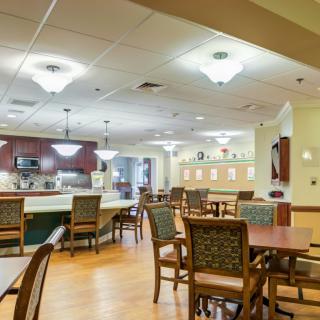
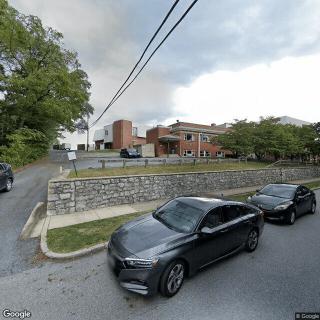
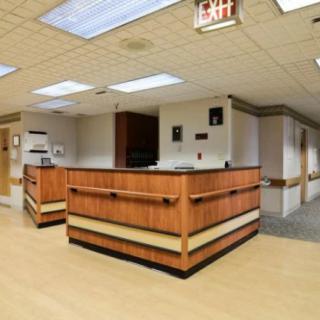
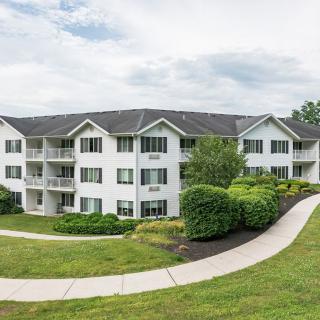
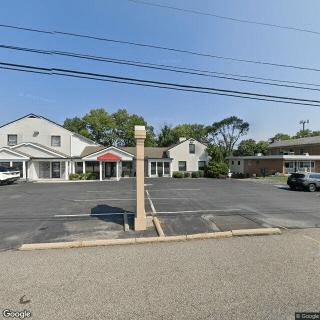
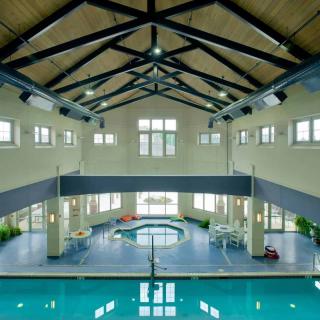
The Woods at Cedar Run on seniors.fyi includes 77 photos including images showing interior, dining, landscaping, trees, decor, living room, building, seating area, and more.
Nearby Communities
Mallard Run Apartments
Camp Hill, PA
3.8 from 13 reviews
$4,000 / month
Competitive $4,000/month rate for private accommodations, lower than York County and PA averages.
Dementia affects memory and cognitive function in older adults, presenting challenges for caregivers due to behavioral changes such as confusion and mood swings. Compassionate, person-centered care that considers individual history and preferences, along with effective communication and environmental modifications, is essential for supporting both patients and their caregivers.
Dementia leads to cognitive impairment and can cause emotional and behavioral changes, including aggression that arises from frustration, confusion, or fear. Effective coping strategies for caregivers include understanding dementia's nature, recognizing triggers, using empathetic communication, and employing non-pharmacological interventions like music and art therapy.
Dementia causes cognitive decline and challenging behaviors that caregivers must manage, necessitating an understanding of the neurological basis of these issues. Effective strategies and self-care for caregivers can enhance support for those with dementia and improve their daily lives.
Get PricingAsk A QuestionSchedule A TourContact Senior Advisor
By clicking submit, you agree to our Partner's Terms of Use. You
also consent to receive calls and texts, which may be autodialed, from our Partner. Your consent is not a condition to
using our Partner's service. Please visit our Partner's Privacy Policy for information about their privacy practices.




 79 resident community capacity
 1-bedroom apartments
 Assisted Living
 Independent Living
 Memory Care
 Respite Care
 Cats allowed
 Dogs allowed
 Activities off-site
 Air-conditioning
 Bath tubs
 Beautician on-site
 Cable or satellite TV
 Cafe
Cafe Computer center
 Continuing learning programs
 Devotional services off-site
 Dining room
 Family education and support services
 Fitness room
 Full kitchen
 Fully furnished
 Gaming room
 Garden
 General store
 Handicap accessible
 Hiking trails
 Housekeeping services
 Indoor common areas
 Laundry
 Located close to restaurants
 Located close to shopping centers
 Move-in coordination
 Outdoor common areas
 Outdoor patio
 Overnight guests
 Pet friendly
 Private bathrooms
 Private patio, deck, or balcony
 Resident parking
 Restaurant-style dining
 Security gate
 Small library
 Telephone
 Wellness center
 Wi-Fi/high-speed internet available
 Harrisburg International (8 miles away)
 Community operated transportation
 12-16 hour nursing
 24-hour call system
 Accept incoming residents on hospice
 Ambulatory care
 Assistance with bathing
 Assistance with dressing
 Assistance with transfers
 Care with behavioral issues
 Diabetes diet
 Diabetic care
 Incontinence care
 Medication management
 Mental wellness program
 Physical therapy
 Preventative health screenings
 Same day assessments
 Special dietary restrictions
 Transportation arrangement (medical)
 Art classes
 Concierge services
 Cooking classes
 Day trips and outings
 Educational speakers / life long learning
 Games
Games Happy hour
 Karaoke
 Live dance or theater performances
 Live musical performances
 Wine tasting
 Competitive $4,000/month rate for private accommodations, lower than York County and PA averages.

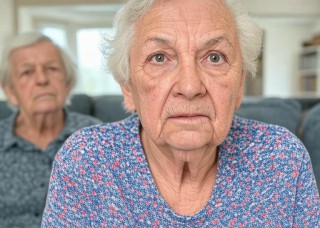
 Understanding Dementia Behaviors: Practical Insights and Strategies for Caregivers
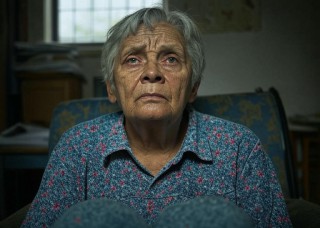
 When Dementia Sparks Anger and Aggression: Understanding the Connection and Ways to Cope
 Dementia Behaviors: In-Depth Understanding and Effective Coping Strategies