For more information about senior living options: (866) 208-4318
4.1 from 122 reviews
5 stars
75
4 stars
24
3 stars
2
2 stars
0
1 stars
21
Manorcare Health Services-Camp Hill Costs & Pricing
At Manorcare Health Services in Camp Hill, the monthly costs for accommodations are notably competitive when compared to the broader market in York County and across Pennsylvania. For a one-bedroom unit, residents can expect to pay $2,895, which is significantly lower than the county average of $3,266 and the state average of $4,006. Similarly, for those considering two-bedroom options, the price at Manorcare stands at $3,975 - again more affordable than both York County's average of $3,920 and Pennsylvania's state average of $4,242. This positioning not only reflects Manorcare's commitment to providing accessible care but also underscores its value for potential residents seeking quality services without compromising on financial feasibility.
Floor plans
Manorcare Health Services-Camp Hill
York County
Pennsylvania
1 Bedroom
$2,895
$3,266
$4,006
2 Bedrooms
$3,975
$3,920
$4,242
Skilled Nursing Facilities with a similar price nearby
Overall Review of Manorcare Health Services-Camp Hill
common22 reviews mention this
Staff is often described as caring
Staff compassion and helpfulness are repeatedly mentioned in reviews.
Across many reviews, families describe staff as caring, courteous, friendly, and responsive to questions. Several comments point to specific nurses, aides, therapists, and managers who helped with day-to-day needs and care coordination. A few reviewers also note that staff treated residents respectfully and made visits feel more confident.
common16 reviews mention this
Cleanliness varies by reviewer
Residents and visitors comment on cleanliness and odors in mixed ways.
Many reviews say the facility looks clean, tidy, and well kept, with some specifically noting no bad odors. Other reviews describe strong urine smell or urine-related concerns, along with cleanliness problems such as bed linens not being changed promptly. A couple of comments also mention facility upkeep issues in specific rooms.
caveat10 reviews mention this
Call bells and staffing draw complaints
Some reviews describe long waits and unmet needs between calls.
Several reviewers say they had trouble getting timely help when using call buttons, including delays when residents needed bathroom assistance or pain medicine. A few comments connect the problem to being understaffed, describing shifts with insufficient coverage. Other reviews counter that they received quick help and access to staff, but the waiting concerns appear often enough to be a recurring theme.
differentiator12 reviews mention this
Therapy is a frequent bright spot
Rehabilitation progress and encouraging therapy teams are repeatedly mentioned.
Many reviews credit therapy for helping residents make progress, especially with strength, mobility, transfers, and comfort going home. Several commenters single out occupational and physical therapy as encouraging, skilled, and focused on goals. A few reviews are more negative about care consistency, but positive therapy experiences show up frequently in the overall feedback.
common7 reviews mention this
Food quality comes up often
Residents and visitors frequently mention the food positively.
Multiple reviews describe the food as good, decent, or satisfying, and one mentions dining that felt more like a diner or at home. Another review credits care plans that include diet-related needs, such as diabetes or special dietary restrictions, though most comments focus on taste and satisfaction rather than meal format. A few reviews criticize meals as part of broader dissatisfaction, but overall dining feedback is more often favorable.
differentiator2 reviews mention this
Memory care gets focused feedback
Memory care reviews emphasize communication and engagement.
A couple of reviews specifically mention the Arcadia memory care area and describe staff as kind, attentive, and able to support late-stage needs. These reviewers also highlight regular updates to families and structured activities for residents. The themes are distinct from general facility reviews because they focus on memory care routines and family communication.
How we summarize
Counts show how many written reviews mention each theme; a review can touch several themes, and only frequently mentioned themes are displayed.
Features
Housing
123 resident community capacity
Types of Care
Skilled Nursing Facility
Amenities
Air-conditioning
Beauty salon
Cable or satellite TV
Computer center
Dining room
Fitness room
Fully furnished
Gaming room
Garden
Housekeeping services
Kitchenette
Move-in coordination
Outdoor space
Private bathrooms
Restaurant-style dining
Small library
Telephone
Wellness center
Wi-Fi/high-speed internet available
Transportation
Harrisburg International (9 miles away)
Community operated transportation
Transportation arrangement
Transportation arrangement (non-medical)
Transportation to doctors appointments
Care Services
12-16 hour nursing
24-hour call system
24-hour supervision
Activities of daily living assistance
Assistance with bathing
Assistance with dressing
Assistance with transfers
Diabetes diet
Meal preparation and service
Medication management
Mental wellness program
Special dietary restrictions
Dining
Diabetes diet
Special dietary restrictions
Activities
Community-sponsored activities
Concierge services
Fitness programs
Planned day trips
Resident-run activities
Scheduled daily activities
Nearby Places of Interest
Pharmacies
Rite Aid (0.3 miles)
Rite Aid (1.2 miles)
GIANT Pharmacy (1.2 miles)
County of Dauphin (2.1 miles)
Medicine Shoppe (2.6 miles)
Rite Aid (2.9 miles)
Rite Aid (3 miles)
Restaurants
The Watershed Pub (0.4 miles)
Brewhouse Grille (0.6 miles)
Grateful Goat Brewing & Provisions (0.8 miles)
Vito's Italian Ristorante (0.9 miles)
First Watch (1.1 miles)
The Koop (1.5 miles)
Bonefish Grill (1.5 miles)
Physicians
Orthopaedic Surgeons of Central Pennsylvania (0.6 miles)
Miracle-Ear Hearing Aid Center (0.7 miles)
Dr. James F. Rich, MD (0.8 miles)
Jackson Siegelbaum Gastroenterology (0.8 miles)
Charan's Family Medicine (1.1 miles)
Pennsylvania Gastroenterology (1.1 miles)
Penn State Health Camp Hill Outpatient Center Cardiothoracic Surgery (1.2 miles)
Hospitals
Penn State Health Holy Spirit Outpatient Center Urgent Care (0.9 miles)
Holy Spirit Hospital- Medical Arts Building (1.1 miles)
At Manorcare Health Services in Camp Hill, the monthly costs for accommodations are notably competitive when compared to the broader market in York County and across Pennsylvania. For a one-bedroom unit, residents can expect to pay $2,895, which is significantly lower than the county average of $3,266 and the state average of $4,006. Similarly, for those considering two-bedroom options, the price at Manorcare stands at $3,975 - again more affordable than both York County's average of $3,920 and Pennsylvania's state average of $4,242. This positioning not only reflects Manorcare's commitment to providing accessible care but also underscores its value for potential residents seeking quality services without compromising on financial feasibility.
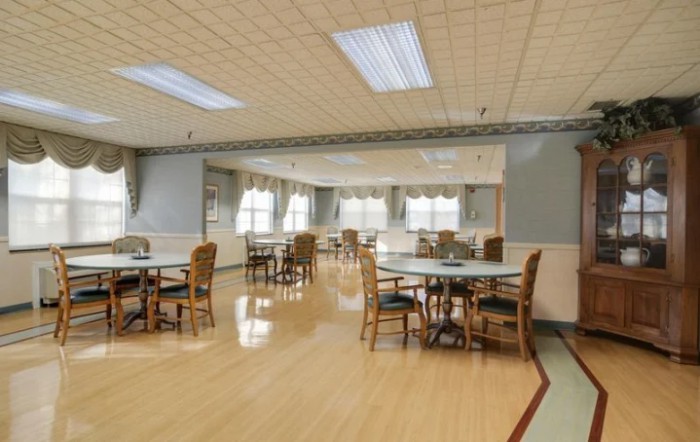
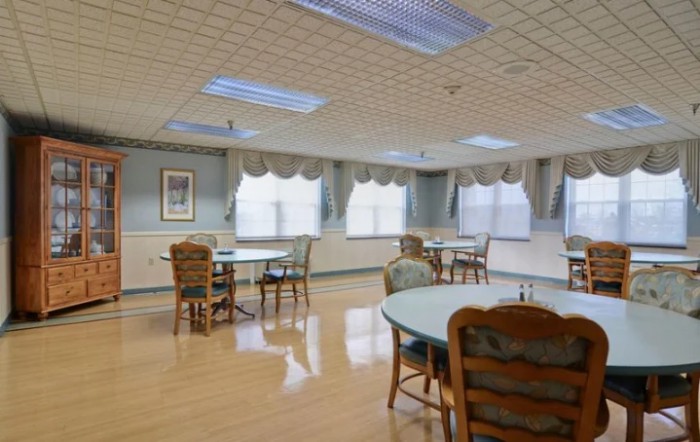
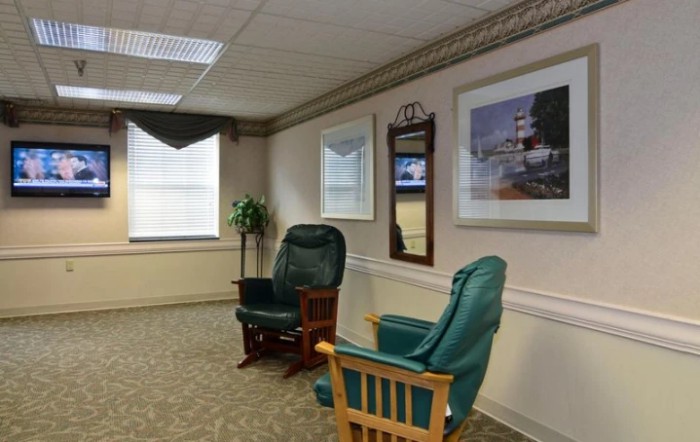
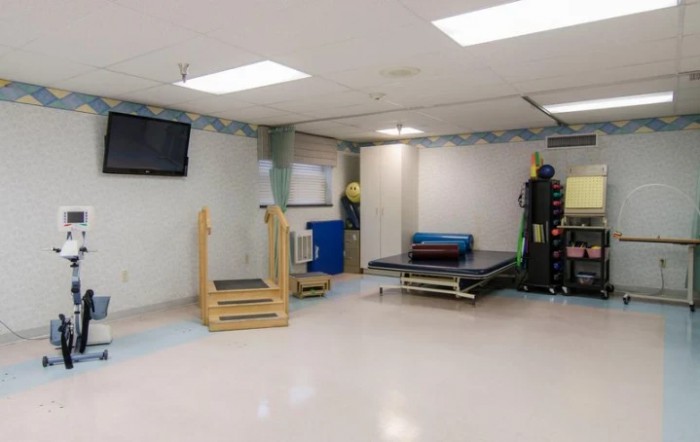
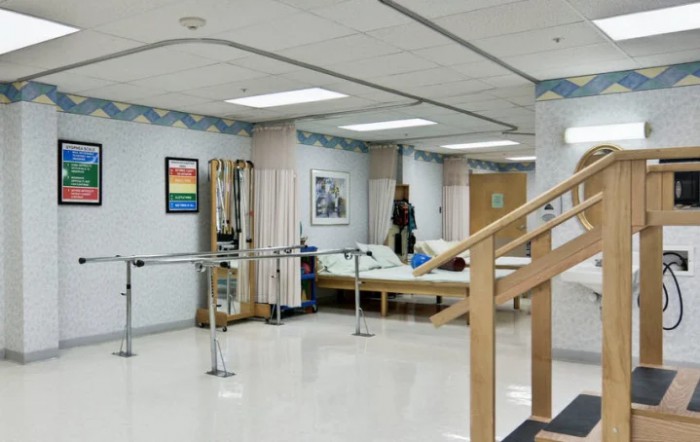
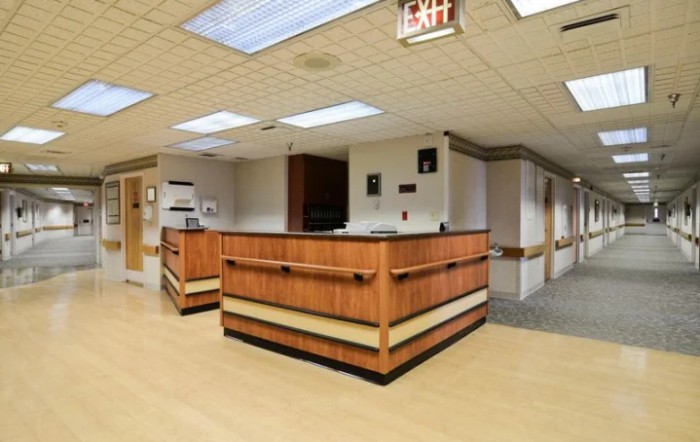
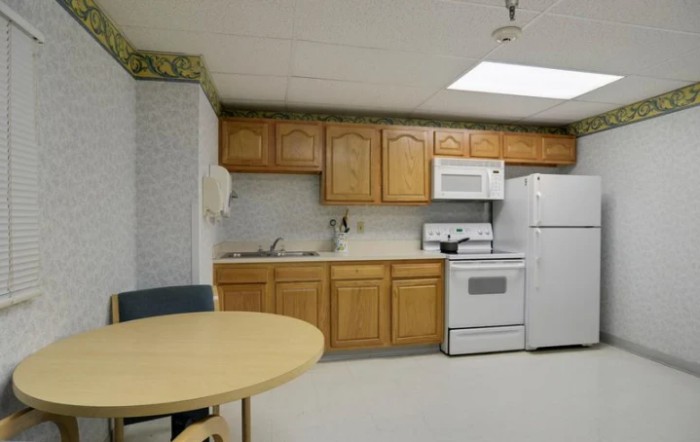
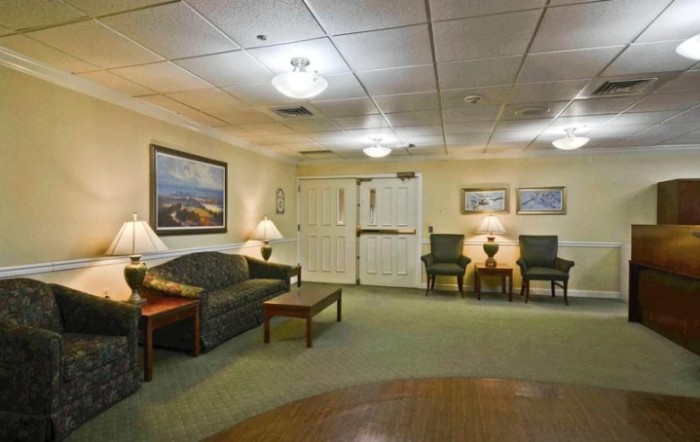
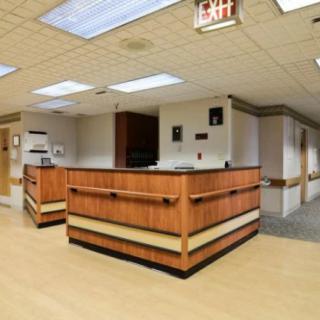
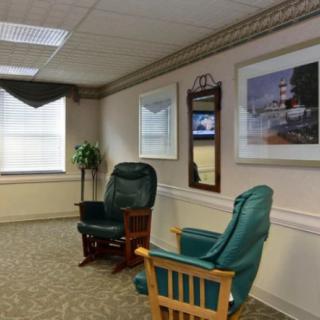
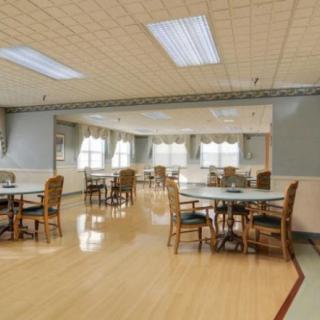
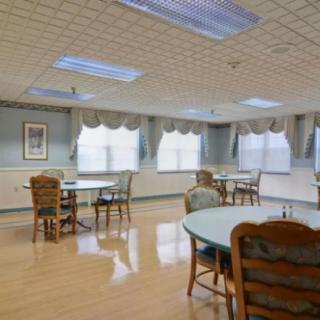
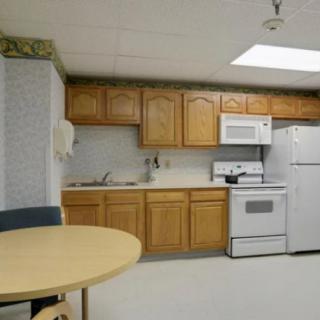
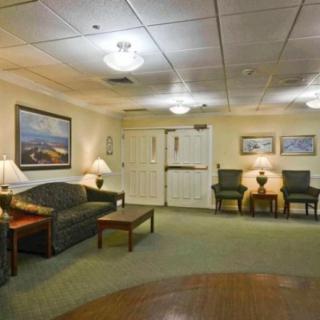
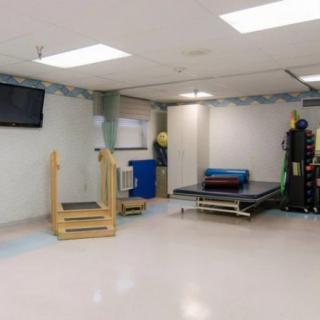
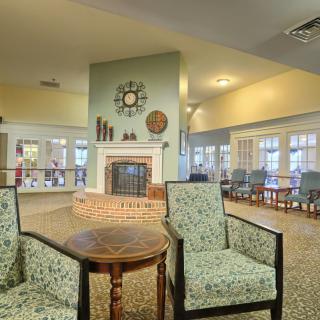
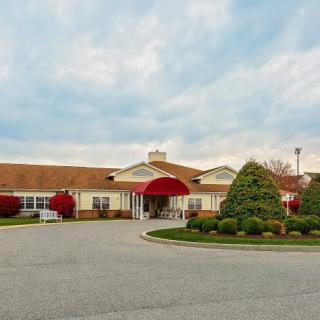
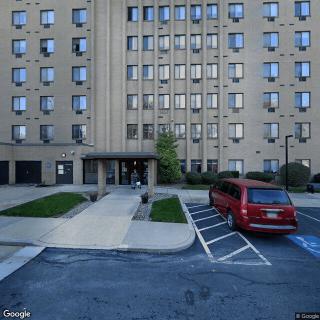
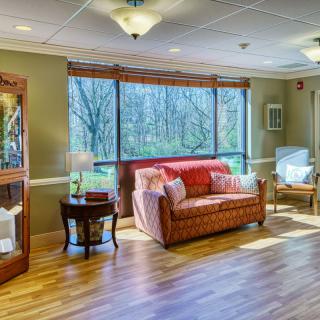
Manorcare Health Services-Camp Hill on seniors.fyi includes 10 photos including images showing interior, exercise equipment, paintings, dining, windows, decor, physical therapy, reception area, and more.
Nearby Communities
ProMedica Camp Hill
Camp Hill, PA
4.3 from 100 reviews
Round-the-clock diabetic care with social/activities options.
Artis Senior Living Of West Shore
Lemoyne, PA
4.6 from 63 reviews
Strong memory-care focus with attentive staff, engaging activities, a clean, welcoming environment, and solid family communication.
Holiday Essex House
Lemoyne, PA
4.4 from 149 reviews
$2,439 to $4,319 / month
Caring staff with engaging activities and on-site services.
Kelly Assisted Living Svc
Lemoyne, PA
4.8 from 36 reviews
Very convenient with abundant nearby amenities and healthcare options.
Linda's caregiving journey for her elderly mother, Joan, is marked by deep love and challenges as she navigates health changes, emotional support, and practical arrangements while learning to prioritize self-care and utilize community resources. Their evolving relationship highlights resilience and the universal themes of empathy and preparedness in caregiver experiences.
The article clarifies common misconceptions about Powers of Attorney (POA), highlighting the necessity of the principal's consent, the limitations on an agent's authority, and the importance of mental capacity when signing. It also distinguishes between various types of POAs, addresses concerns about potential abuse, and emphasizes the need for legal consultation to ensure valid and up-to-date documents.
Senior move management provides specialized support for older adults relocating by assisting with logistics, emotional challenges, and downsizing decisions to ensure a smooth transition to new living environments. These services address the unique needs of seniors and have become increasingly important as baby boomers retire and seek to downsize.
Kitchen, Appliances, Cabinets, Refrigerator, and Stove
Lighting
Exercise Equipment
Healthcare
Physical Therapy and Staircase
Lights and Reception Area
Paintings
Additional Photos
Get PricingAsk A QuestionSchedule A TourContact Senior Advisor
By clicking submit, you agree to our Partner's Terms of Use. You
also consent to receive calls and texts, which may be autodialed, from our Partner. Your consent is not a condition to
using our Partner's service. Please visit our Partner's Privacy Policy for information about their privacy practices.




 123 resident community capacity
 Skilled Nursing Facility
 Air-conditioning
 Beauty salon
 Cable or satellite TV
 Computer center
 Dining room
 Fitness room
 Fully furnished
 Gaming room
 Garden
 Housekeeping services
 Kitchenette
 Move-in coordination
 Outdoor space
 Private bathrooms
 Restaurant-style dining
 Small library
 Telephone
 Wellness center
 Wi-Fi/high-speed internet available
 Harrisburg International (9 miles away)
 Community operated transportation
 12-16 hour nursing
 24-hour call system
 Activities of daily living assistance
 Assistance with bathing
 Assistance with dressing
 Assistance with transfers
 Diabetes diet
 Medication management
 Mental wellness program
 Special dietary restrictions
 Concierge services
 Planned day trips
 Round-the-clock diabetic care with social/activities options.

 Nurturing Our Elders: Linda's Journey of Supporting Her Mother
 A Comprehensive Exploration of Common Misunderstandings about Powers of Attorney
 Senior Move Management: Understanding the Role, Value, and Associated Costs