
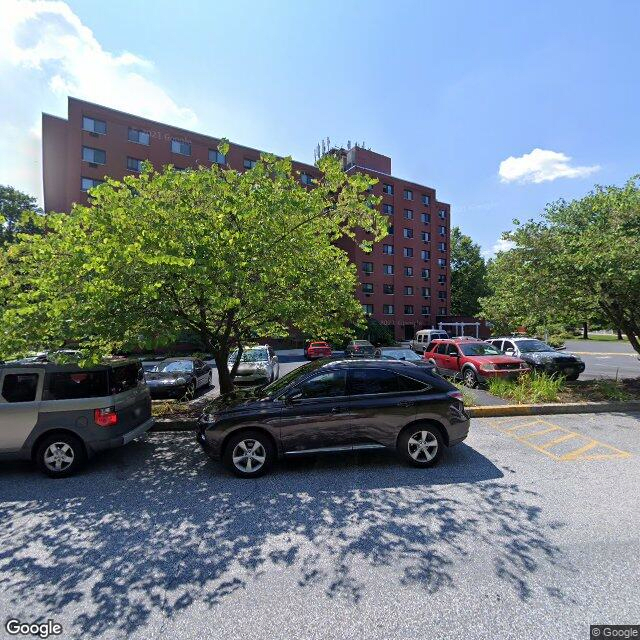
820 Lisburn Rd, Camp Hill, PA 17011
To contact a resident: (717) 761-5414
For more information about senior living options: (866) 208-4318
Mallard Run Apartments Costs & Pricing
Mallard Run Apartments offers a competitive monthly rate of $4,000 for private accommodations, positioning it favorably against both the county and state averages. In York County, the typical cost for similar private living arrangements is approximately $4,937, while the broader state average in Pennsylvania stands at around $4,890. This significant difference reflects not only the affordability of Mallard Run Apartments but also its commitment to providing value without compromising on quality or amenities. Residents can enjoy a more economical option while still benefitting from the comforts and conveniences that come with apartment living in a desirable location.
| Floor plans | Mallard Run Apartments | York County | Pennsylvania |
|---|---|---|---|
| Private | $4,000 | $4,937 | $4,890 |
Senior living communities with a similar price nearby
-
About the same
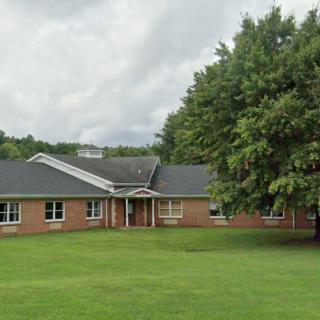
Fairview Retirement Community
$3,916 to $5,090 / month6.2 miles away -
from -$500 / mo
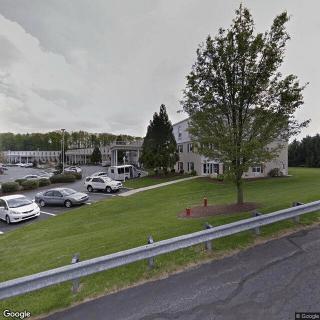
Country Meadows of York - South
$3,500 to $4,000 / month24.6 miles away -
About the same
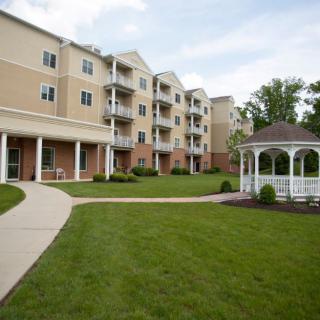
Normandie Ridge Senior Living Community
$4,000 / month18.0 miles away -
from -$290 / mo
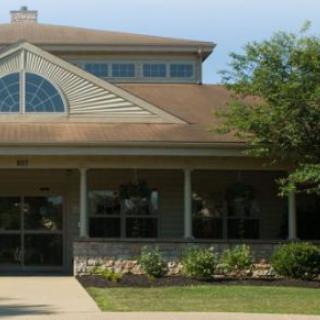
Juniper Village at Mount Joy
$3,710 to $6,320 / month22.5 miles away -
from +$700 / mo
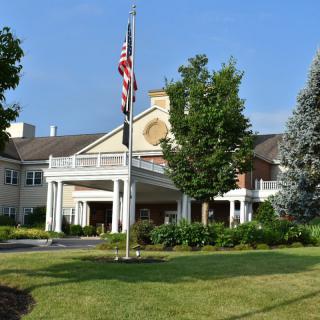
Bridges of Bent Creek
$4,700 to $6,560 / month6.7 miles away
Overall Review of Mallard Run Apartments
Pros
 The maintenance team is friendly and prompt to repair issues.
 - The office staff is friendly and approachable.
- There is a free tenants association that often provides morning coffee and dinners.
- The Better Tomorrows social services coordinator is wonderful and runs regular programs for information and fun.
- Rent is based on annual income, with assistance available for food, rent rebates, and LIHEAP.
- Moved mom in there and it's been a great experience for her.
Cons
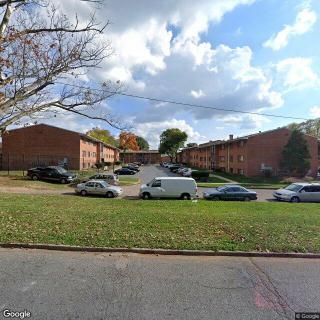
 It is remote and segregated, built on the outskirts of civilization in the middle of nowhere, surrounded by a forest.
- It is described as a very sad place to spend one’s last day.
- The reviewer would die of sadness there, seeing nothing but jungle.
- It is noted as sad how the elderly are treated in this country, in some localities.
- Mallard Run is criticized for lacking a consistent van service as advertised.
- Residents report letters about lease violations for hanging out in public areas, and office doors are often closed.
- There is no comprehensive social services program with well-informed staff, and programs have changed with no van service for seniors who don’t drive.
- The facility lacks proper climate control and ventilation: no air vents in bathrooms, a wall-unit AC that doesn’t cool, poor hallway airflow, and carpeting that smells, indicating a very low quality of living.
Review
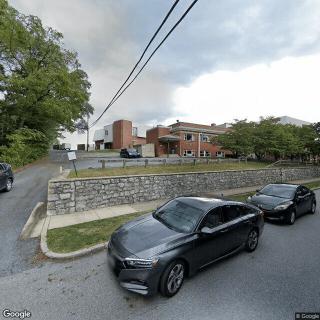
Mallard Run Senior Apartments in Camp Hill is best suited for independent seniors who want affordable, low-maintenance apartment living with a basic level of community programming and friendly on-site staff. It works for residents who can navigate aging in place with limited on-site assistance, minimal need for daily care, and comfort with a quieter, more self-directed environment. Those who crave robust on-site medical support, regular transportation to appointments, or a highly active social calendar may eventually feel underserved here. The location’s relative isolation makes sense for some, but for others it can be a significant drawback that colors every daily routine.
On the upside, the property benefits from a maintenance team that is responsive and approachable, with office staff described as friendly and accessible. A tenants association is active enough to host coffee meetups and dinners, fostering informal connections among residents. The Better Tomorrows social services coordinator stands out as a meaningful asset, delivering information and programs that promote engagement, even if offerings are not as expansive as in full-service senior communities. Rent being tied to income, plus LIHEAP and related assistance, is a practical affordability feature that can ease long-term budgeting for eligible seniors. For many who downsize, the space and monthly obligations align with expectations and provide a stable home base.
The negatives, however, are real and persistent. The strongest liability is the location itself: described as remote or “outskirts of civilization,” which translates to limited nearby amenities, fewer spontaneous social options outside the building, and a sense of isolation that can wear on residents over time. Transportation gaps keep getting raised, an unreliable van service and mixed experiences with transit to appointments, undermining independence for seniors who do not drive. Other long-standing concerns include reports of limited comprehensive on-site social services, and mixed management practices that have led to frustrations with lease communications and service access. Physical conditions also garner criticism: bathrooms without dedicated air vents and inadequate cooling from wall-unit AC, poor hallway airflow, and carpeting with noticeable odors; combined, these issues detract from daily comfort and perceived quality.
Those pros and cons must be weighed against one another to determine fit. The affordability story and the presence of structured social programming offset some isolation by providing predictable activities and a sense of community, yet they do not fully compensate for transportation gaps or the desire for stronger on-site care and more robust, centralized social resources. Maintenance reliability and a friendly on-site presence do help when issues arise, but they cannot completely mask HVAC shortcomings or the fatigue that can come from living in a space that feels dated or less breathable. In short, Mallard Run rewards residents who prize straightforward, budget-conscious living with a light social mix and do-it-yourself independence, but it struggles to meet the needs of those who require regular outings, medical coordination, or a more central, activity-rich setting.
Alternatives deserve strong consideration for seniors who place a premium on access, mobility, and comprehensive services. If reliable door-to-door transportation, higher-grade amenities, and a more spacious, modern environment are non-negotiable, seek options with robust van programs and full-service programming. For households targeting two-bedroom units, be prepared for potential wait times and confirm current availability, as those configurations are not always open. Prospective residents should evaluate current programming calendars, confirm transportation schedules, and tour several days to observe how staff handle common concerns and how residents interact with one another. A candid conversation with current residents about noise, odors, and overall satisfaction can reveal patterns that the brochure cannot.
The bottom line is practical: Mallard Run can be a smart choice for independent seniors who value affordability, a degree of community engagement, and a friendly local team, provided expectations align with a quieter, self-directed lifestyle and limited on-site services. For anyone who relies on consistent transportation, regular social programming, or enhanced comfort and modernization, it is wise to compare alternatives that prioritize mobility, care coordination, and more contemporary amenities. A disciplined due diligence process, tourting, inspecting units, and speaking with residents, will clarify whether Mallard Run truly meets anticipated needs or if another option better protects peace of mind and daily quality of life.
 Active Adult Communities (55+)
 Harrisburg International (8 miles away)

 Urinary Tract Infections in Older Adults: Comprehensive Insights on Symptoms, Treatment, and Prevention
 California's Form 602A: An In-Depth Examination of Senior Care Assessment
 Comprehensive Look at Senior Blood Pressure Charts: Normal and Elevated Levels by Age