Chestnut Knoll offers competitive pricing for its accommodations, though it does stand out in comparison to both Montgomery County and the broader state of Pennsylvania. For a semi-private room, Chestnut Knoll's monthly rate is $4,294, which is lower than the county average of $4,587 but higher than the state average of $3,542. The cost for a studio unit at Chestnut Knoll reaches $6,000, significantly exceeding both local and state averages of $4,393 and $3,737 respectively. Lastly, their one-bedroom unit commands a price of $7,398 - again surpassing Montgomery County's rate of $4,619 and Pennsylvania's average of $4,006. These figures suggest that while Chestnut Knoll may offer unique benefits or amenities that justify its higher prices for studios and one-bedrooms, it remains competitively priced for semi-private accommodations when viewed against county standards.
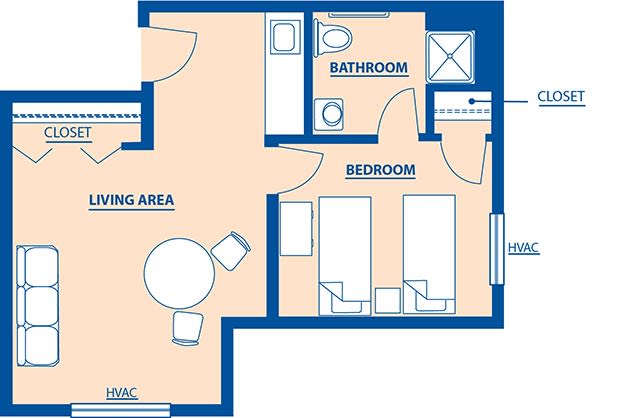
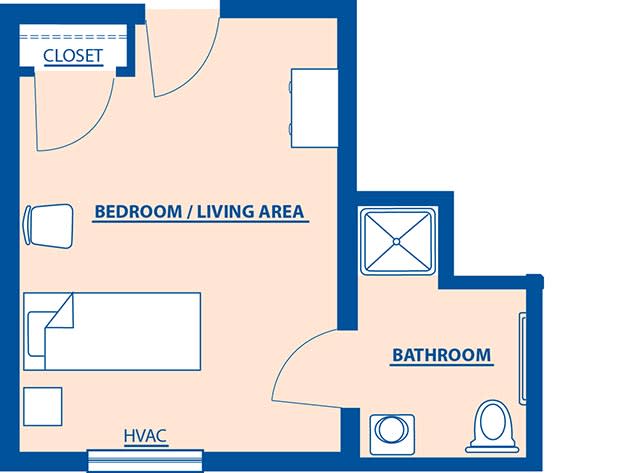
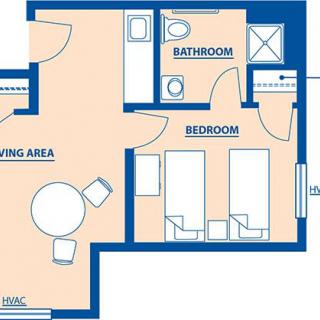
Floor plans
Chestnut Knoll
Montgomery County
Pennsylvania
Semi-Private
$4,294
$4,587
$3,542
Studio
$6,000
$4,393
$3,737
1 Bedroom
$7,398
$4,619
$4,006
Skilled Nursing Facilities with a similar price nearby
Residents and families describe staff who step in quickly and treat people like family.
Across many reviews, residents and families say the staff is kind, compassionate, and attentive, with a strong emphasis on safety. Several describe fast help during urgent situations like dementia-related transitions, admissions, or crises. A number of reviewers also mention supportive communication and follow-through when questions come up. Even where families had concerns, they often still described staff members as helpful and responsive.
differentiator26 reviews mention this
Memory care feels prepared
Multiple reviews highlight memory care that supports dementia progression with a calm, consistent approach.
Memory care is a recurring focus, with reviewers describing relief from fear and uncertainty once their loved one was admitted. Several mention that staff understand dementia behaviors and continue working with residents as needs change. Families also describe an environment that feels structured and safe, including transitions and encouragement to participate. A few reviewers raise serious negatives about memory care cleanliness and care quality, but positive memory care experiences are repeatedly described by others.
differentiator19 reviews mention this
Therapy and rehab stand out
Residents and families frequently connect progress to on-site therapy and an active rehab program.
Reviews commonly mention Fox therapy or exercise programming, with families describing physical therapy support after falls or surgery and regular rehab-focused activities. Some reviewers say their loved ones became more engaged over time and even regained or maintained abilities. The community also emphasizes keeping residents active, and several reviews tie that activity level to quality of life. Where residents declined to join in, reviewers still describe the availability of programming and classes.
common18 reviews mention this
Food and dining are consistent
Dining comes up often, with reviews praising meal quality and how meals fit daily routines.
Food quality is mentioned repeatedly, including comments that meals are very good or home-like and that residents enjoy breakfast, lunch, and dinner. Several reviews describe dining as an experience rather than a basic routine, and some connect good food to appetite and weight goals. There are also mentions of helpful meal service details like clean dining spaces and efficient support. A small number of reviewers said they were unsure about dining during the visit period, but most comments about food are positive.
common33 reviews mention this
Activities keep residents engaged
Reviews describe a steady stream of activities, classes, and outings that keep residents involved.
Many reviewers say the community keeps residents engaged with a full calendar of events, exercise classes, and games. Families also mention social activities, crafts, religious or devotional activities, and off-site trips like bus rides and outings. Multiple reviews add that residents are encouraged to join even when they are reluctant at first. A few reviewers note that some residents personally chose not to participate, but they still described available programming.
caveat6 reviews mention this
Cost and care consistency vary
A small portion of reviews raise concerns about costs, communication, or care consistency.
While many reviews are positive, a few negative ones describe high costs and disagreements about additional care charges. There are also complaints about responsiveness and communication during difficult situations, including claims about being pressured around care decisions. Separately, at least one reviewer describes cleanliness and dignity issues in memory care, and another describes the facility feeling dark or dated on tour. These concerns appear in a minority of reviews compared with the more common praise.
How we summarize
Counts show how many written reviews mention each theme; a review can touch several themes, and only frequently mentioned themes are displayed.
Features
Housing
1-bedroom apartments
Studio apartments
Types of Care
Assisted Living
Memory Care
Skilled Nursing Facility
Pets
Cats allowed
Dogs allowed
Amenities
Activities on-site
Air-conditioning
Beautician on-site
Cable or satellite TV
Devotional services off-site
Devotional services on-site
Dining room
Financing advice
Garden
Guasts at mealtime
Guest parking
Handicap accessible
Housekeeping services
Indoor common areas
Kitchenette
Laundry
Outdoor common areas
Overnight guests
Party space
Private cleaning services
Resident parking
Respite or short term stays offered
Security gate
TV room
VA Benefits Consultation
Wi-Fi/high-speed internet available
Transportation
Lehigh Valley International (24 miles away)
Transportation & parking
Care Services
Ambulatory care
Diabetic care
High acuity care
Hospice care
Incontinence care
Medication management
Physical therapy
Dining
Meals provided
Restaurant style dining
Special dining programs
Activities
Activities off-site
Art classes
Arts and crafts
Cooking classes
Day trips and outings
Devotional activities offsite
Devotional activities on-site
Educational speakers / life long learning
Fitness programs
Games
Gardening club
Happy hour
Karaoke
Live musical performances
Live well programs
Religious services
Stories
Visiting chaplain or priest
Wii bowling
Wine tasting
Languages Spoken
English
Nearby Places of Interest
This part of Boyertown, Pennsylvania offers a variety of amenities that may appeal to seniors looking for a peaceful and convenient place to live. The area boasts a range of dining options, from traditional taverns and breweries to casual cafes. There are also several healthcare facilities nearby, including family practices, eye care centers, and rehabilitation hospitals. Pharmacies are easily accessible for medication needs. For spiritual enrichment, there are various places of worship within a reasonable distance. Parks provide opportunities for outdoor activities and relaxation, while the proximity to hospitals ensures easy access to medical care when needed. Overall, this neighborhood offers a balanced mix of services and recreational opportunities that could enhance the quality of life for seniors considering living in this area.
Restaurants
Spunktown Tavern (1.3 miles)
Sly Fox Brewery & Tastin' Room (5.1 miles)
Yellow House Hotel (6.2 miles)
Ice House Steaks & Pizza (6.2 miles)
The Blue Elephant (6.3 miles)
Landis Store Hotel (6.4 miles)
McDonald's (6.5 miles)
Physicians
Complete Family Eyecare (3.3 miles)
Stowe Family Practice (6.1 miles)
Performance Spine and Sports Physicians, PC (6.5 miles)
Tri-County Neurology (6.6 miles)
Pmsi (6.8 miles)
Healthsouth Rehabilitation Pottstown (6.9 miles)
Eye Consultants of Pennsylvania, PC (7 miles)
Pharmacies
CVS Pharmacy (3.8 miles)
Walmart Pharmacy (5.8 miles)
Rite Aid (6.3 miles)
CVS Pharmacy (6.5 miles)
CVS Pharmacy (7 miles)
Rite Aid (7 miles)
CVS Pharmacy (7.2 miles)
Places of Worship
Hope Community Church (4 miles)
St Catherine of Siena Roman Catholic Church (10.3 miles)
Royersford Baptist Church (12.1 miles)
Cafes
Shorty's Sunflower Cafe (4.7 miles)
Starbucks (4.9 miles)
Starbucks (11.1 miles)
Starbucks (11.5 miles)
Parks
Pottstown Riverfront Park (6.4 miles)
Green Lane Park (8.9 miles)
Upper Salford Park (11.4 miles)
Fleetwood Park (12.7 miles)
Macungie Memorial Park (13.2 miles)
Egelman Park (13.6 miles)
Upper Schuylkill Valley Park (13.8 miles)
Hospitals
Pottstown Memorial Medical Center (6.6 miles)
Berks Family Care (6.9 miles)
Physicians Care Surgical Hospital (9.4 miles)
Reading Hospital and Medical Center Radiologymgng Sts (14.1 miles)
Chestnut Knoll offers competitive pricing for its accommodations, though it does stand out in comparison to both Montgomery County and the broader state of Pennsylvania. For a semi-private room, Chestnut Knoll's monthly rate is $4,294, which is lower than the county average of $4,587 but higher than the state average of $3,542. The cost for a studio unit at Chestnut Knoll reaches $6,000, significantly exceeding both local and state averages of $4,393 and $3,737 respectively. Lastly, their one-bedroom unit commands a price of $7,398 - again surpassing Montgomery County's rate of $4,619 and Pennsylvania's average of $4,006. These figures suggest that while Chestnut Knoll may offer unique benefits or amenities that justify its higher prices for studios and one-bedrooms, it remains competitively priced for semi-private accommodations when viewed against county standards.
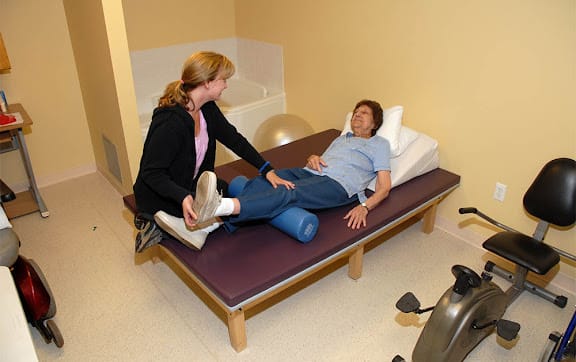
Chestnut Knoll's incontinence care ensures that residents receive compassionate and respectful assistance, promoting dignity while addressing a common challenge faced by individuals with dementia or Alzheimer's disease. This support alleviates anxiety and enhances comfort, allowing residents to focus on engagement and social interaction. The medication management system meticulously oversees each individual's prescriptions, ensuring timely administration and adherence to treatment plans, which is crucial for maintaining overall health and mitigating symptoms associated with cognitive decline. Additionally, physical therapy is integrated into daily routines, fostering mobility and strength while also offering cognitive stimulation through structured activities. This holistic approach not only supports physical well-being but also enriches mental engagement, ultimately improving the quality of life for those in care.
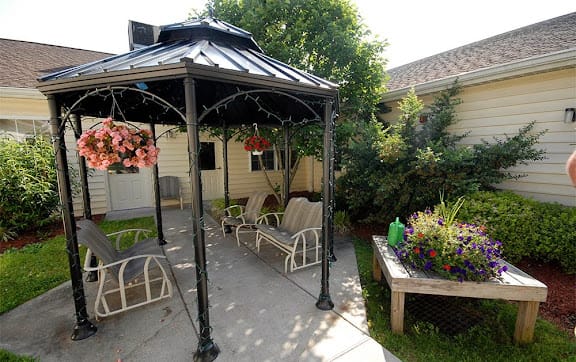
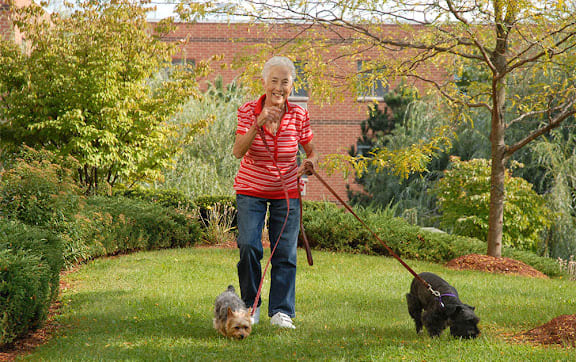
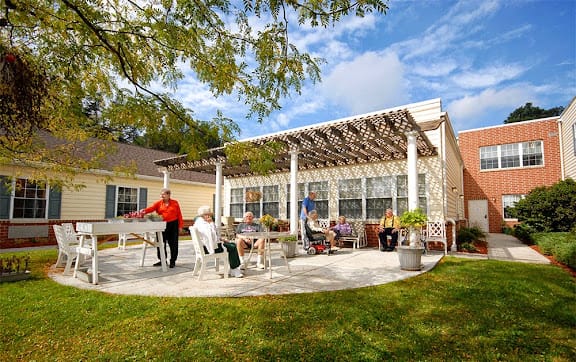
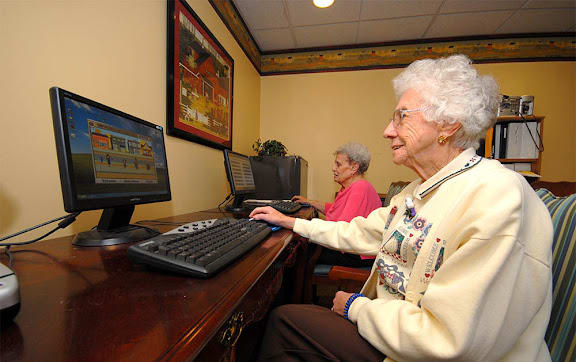
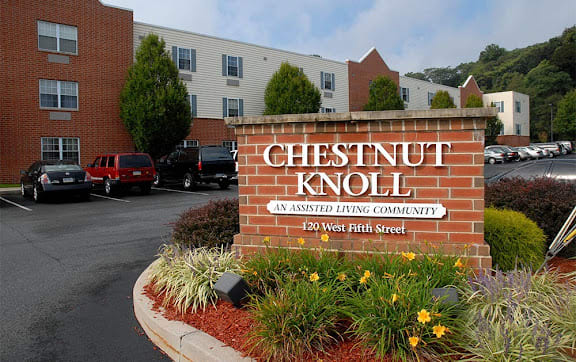
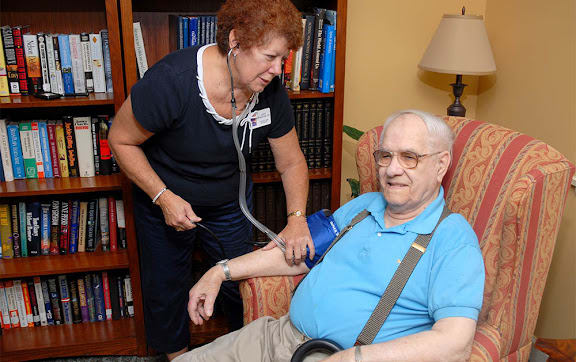
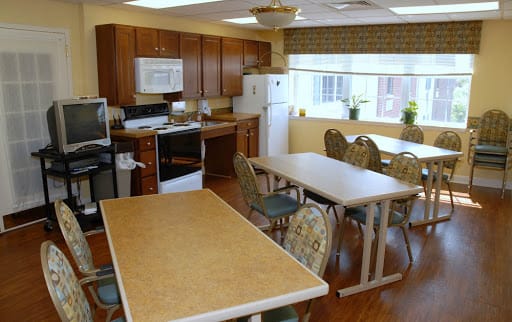
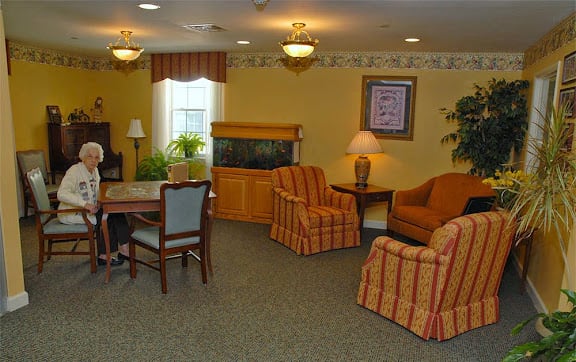
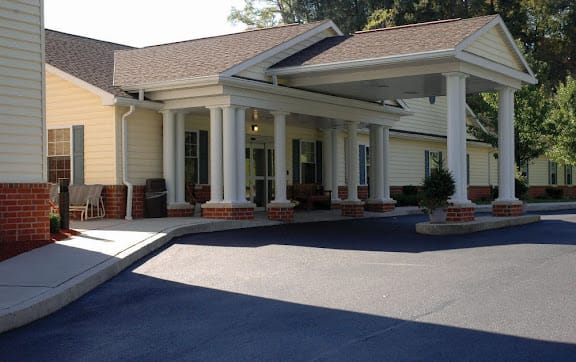
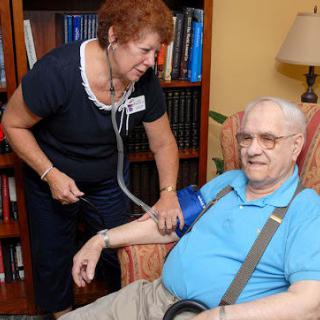
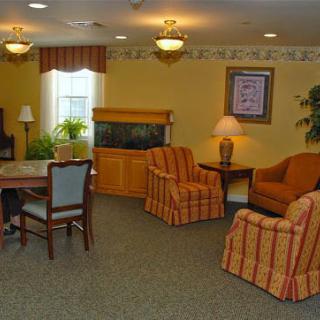
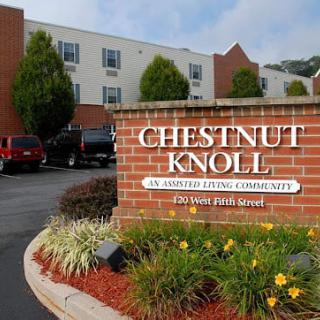
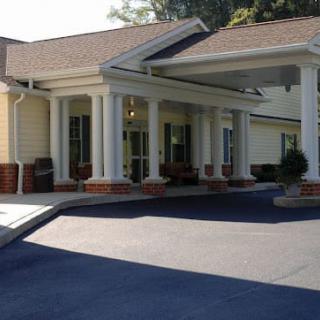
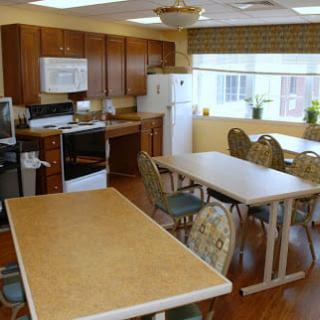
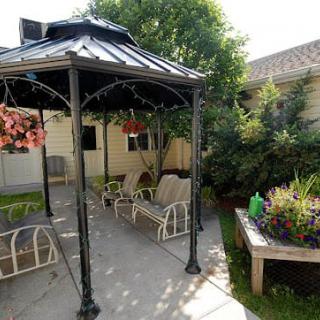
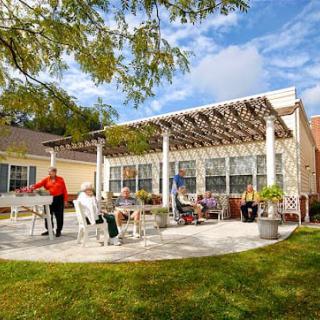
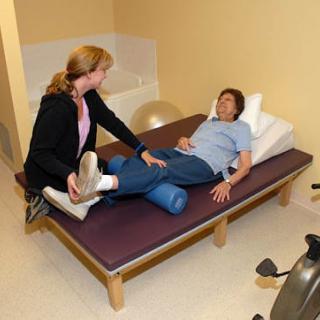
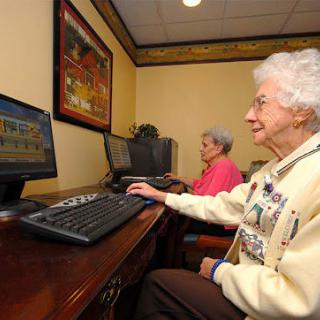
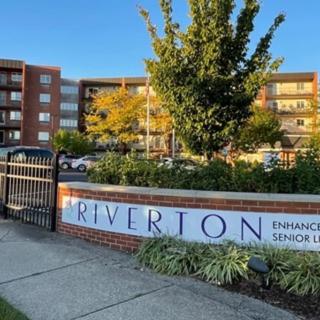
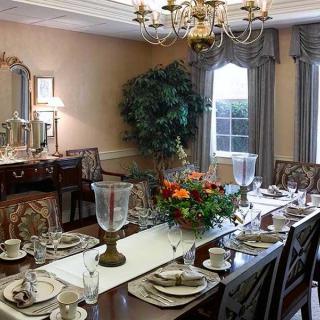
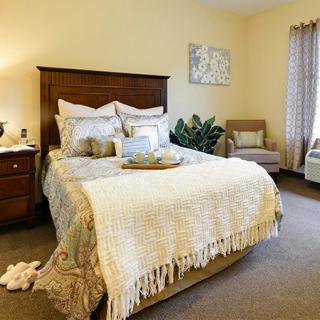
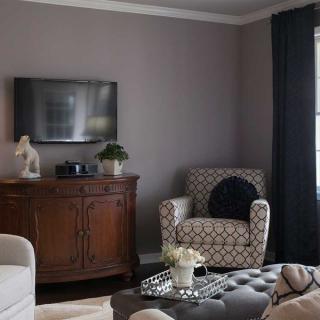
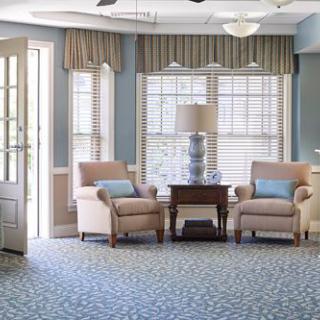
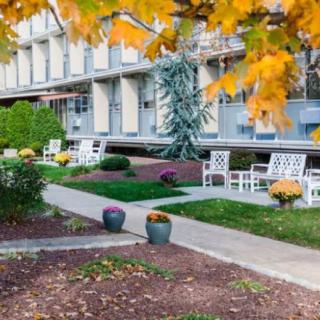
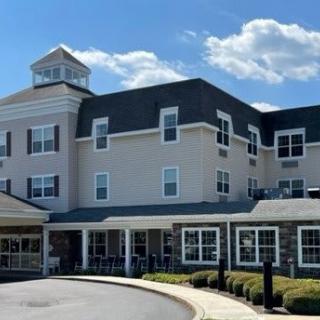
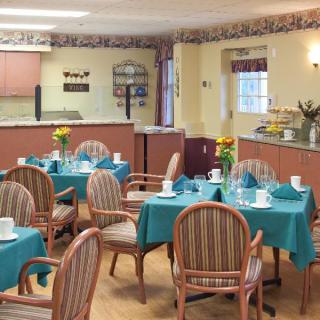
Chestnut Knoll on seniors.fyi includes 13 photos including images showing floor plan, interior, garden, studio apartment, building, landscaping, trees, healthcare, and more.
Nearby Communities
Holiday Walnut Woods
Boyertown, PA
4.5 from 107 reviews
$3,029 to $4,279 / month
Clean, inviting facility with friendly staff, good meals, and engaging activities in a spacious setting.
St Luke Knolls Inc
Gilbertsville, PA
5 from 1 review
Specialized diabetic care with on-site social spaces
Dorcas Home Care LLC
Gilbertsville, PA
Peaceful neighborhood with convenient access to pharmacies, doctors, cafes, a hospital, and places of worship.
Manorcare Health Services - Pottstown
Pottstown, PA
3.9 from 119 reviews
Extensive amenities and personalized care (private suites, restaurant-style dining, wellness programs, and transport assistance).
Manatawny Village
Pottstown, PA
Small, intimate assisted living (capacity 6) enabling personalized attention.
Frederick Living Magnolia House
Frederick, PA
4.3 from 52 reviews
Memory care and diabetic care with indoor social spaces.
Douglass Village
Douglassville, PA
3.8 from 25 reviews
Intimate, personalized care with dietary accommodations and reliable connectivity.
Keystone Villa at Douglassville Independent Living
Douglassville, PA
4.5 from 116 reviews
$2,600 to $5,100 / month
Caring staff and a strong sense of community
Sanatoga Center
Pottstown, PA
3.9 from 129 reviews
Caring staff in a clean, well-maintained facility.
Reminiscence therapy is a structured method for older adults, especially those with dementia, to share life stories using prompts and sensory cues, fostering emotional well-being, social engagement, and self-identity. It aims to improve quality of life by enhancing interpersonal connections and cognitive stimulation while requiring careful facilitation to avoid distressing memories.
Dementia, particularly Lewy body dementia, often involves hallucinations that can significantly distress both patients and caregivers due to disruptions in sensory processing and neurotransmitter imbalances. Effective management includes compassionate communication, environmental adjustments, and a multidisciplinary approach to care while addressing the emotional needs of caregivers.
Alzheimer’s disease is a progressive neurological disorder that significantly impacts memory and cognitive functions, accounting for 60-80% of dementia cases, with early diagnosis being crucial yet challenging. It involves brain changes like beta-amyloid plaques and tau tangles, influenced by genetic and lifestyle factors, and while there is no cure, symptom management and support for caregivers are essential.
Dining, Windows, Kitchen, Appliances, and Cabinets
Living Room and Aquarium
Landscaping
Floor Plan
Building
Architecture and Entrance
Bathroom
Trees
Garden
Outdoor and Pergola
Patio
Outdoors and Grass
Outdoor Seating and Gazebo
Healthcare
Studio Apartment
Rehabilitation, Physical Therapy, and Exercise
Computers
Design
Nurse
Get PricingAsk A QuestionSchedule A TourContact Senior Advisor
By clicking submit, you agree to our Partner's Terms of Use. You
also consent to receive calls and texts, which may be autodialed, from our Partner. Your consent is not a condition to
using our Partner's service. Please visit our Partner's Privacy Policy for information about their privacy practices.







 1-bedroom apartments
 Assisted Living
 Memory Care
 Skilled Nursing Facility
 Cats allowed
 Dogs allowed
 Activities on-site
 Air-conditioning
 Beautician on-site
 Cable or satellite TV
 Devotional services off-site
 Dining room
 Financing advice
 Garden
 Guest parking
 Handicap accessible
 Housekeeping services
 Indoor common areas
 Kitchenette
 Laundry
 Outdoor common areas
 Overnight guests
 Party space
 Respite or short term stays offered
 Security gate
 Wi-Fi/high-speed internet available
 Lehigh Valley International (24 miles away)
 Transportation & parking
 Ambulatory care
 Diabetic care
 High acuity care
 Hospice care
 Incontinence care
 Medication management
 Physical therapy
 Meals provided
 Art classes
 Cooking classes
 Day trips and outings
 Educational speakers / life long learning
 Fitness programs
 Games
Games Happy hour
 Karaoke
 Live musical performances
 Live well programs
 Stories
 Visiting chaplain or priest
 Wii bowling
 Wine tasting
 English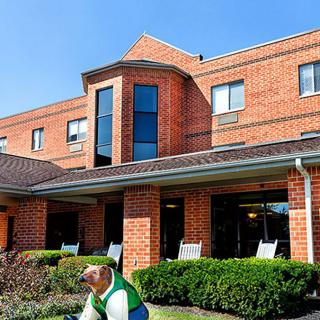
 Clean, inviting facility with friendly staff, good meals, and engaging activities in a spacious setting.
 An In-Depth Look at Reminiscence Therapy in Dementia Care
 Dementia-Related Hallucinations: Causes, Experiences, and Practical Approaches
 Illuminating Insights About Alzheimer's Disease: Ten Crucial Realities