Overall Review of Terwilliger Terrace Alf
common
7 reviews mention this
Dining is a consistent highlight
Dining quality and the day-to-day food experience come up often in residents’ feedback.
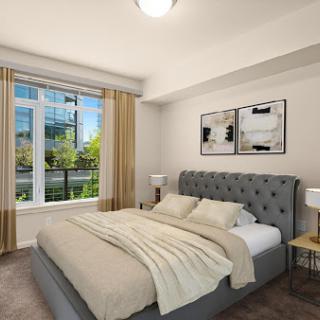
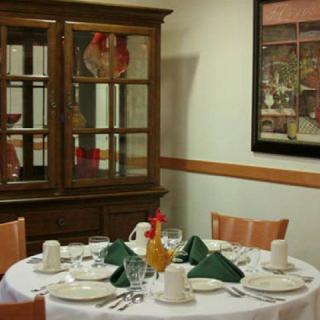
Several residents describe consistently good food and dining service, including meals they single out as a strong part of daily life. Others add that they like having choices in how they eat, including an optional meal plan and the ability to cook for themselves in some units. Families also mention the dining room as a nice setting with good food.
common
9 reviews mention this
Activities and wellness feel built-in
Residents describe a busy schedule of activities, exercise options, and wellness programming.
Reviews repeatedly point to organized exercise programs, fitness classes, and other scheduled activities that give residents something to do most days. Residents also mention enrichment beyond fitness, like music, educational events, lectures, movies, and interest groups. The community’s activity emphasis lines up with the amenities and care services focused on daily support and wellness-oriented offerings.
common
10 reviews mention this
Staff support drives trust
Across reviews, residents and families highlight caring, capable staff who respond to needs.
Many reviewers say staff members are friendly and supportive, including caregivers, servers, and people involved in day-to-day care and transitions. One resident describes a physical therapist recognizing symptoms and helping connect them to urgent care, which they credit with a good outcome. At the same time, there are negative comments about staff interactions at the front desk, specifically describing an unwelcoming experience during visits.
differentiator
7 reviews mention this
Self-governance shapes the community
Self-governance is a defining feature that residents say affects how the community runs.
Multiple residents describe the self-governing model as a meaningful part of life here, including residents being engaged and able to influence community decisions. Reviews also mention thoughtful resident involvement through committees, groups, and resident-led structures, rather than everything being controlled from outside. This emphasis matches the community’s approach to organized resident participation and ongoing daily programming.
caveat
2 reviews mention this
Memory care is a serious concern
Reviews raise concerns about how memory-care needs are handled.
One negative review describes a difficult experience after dementia signs appeared, including what the family felt was limited support during transitions and being unable to keep the person in their home. Another review notes that there is not a memory care unit while the community plans for future expansion, and says staff are trained to work with residents with dementia. Taken together, residents express confidence in some training and planning, but families with memory-care needs report gaps when problems arise.
caveat
2 reviews mention this
Cost tradeoffs show up in reviews
Some reviews describe significant up-front or meal-related cost tradeoffs.
A negative review references a hefty buy-in fee and argues the arrangement did not hold up when memory-related needs emerged. A positive review contrasts this by saying taking meals in the dining room is optional rather than required, which the resident says helps keep living costs down. Overall, reviews suggest value depends on how your needs change over time.
common
3 reviews mention this
Location supports easy outings
Residents describe nearby access to downtown, transit, and common destinations.
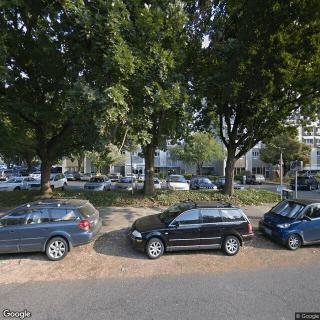
Several reviews mention being close to downtown and being able to walk to popular cultural and shopping destinations. Residents also highlight getting around using public transportation options and nearby stops. The nearby area includes parks and local dining options within about a mile, which aligns with the outings residents say they enjoy.
How we summarize
Counts show how many written reviews mention each theme; a review can touch several themes, and only frequently mentioned themes are displayed.

 64 resident community capacity
 Assisted Living
 Air-conditioning
 Beauty salon
 Cable or satellite TV
 Computer center
 Dining room
 Fitness room
 Fully furnished
 Gaming room
 Garden
 Housekeeping services
 Kitchenette
 Move-in coordination
 Outdoor space
 Private bathrooms
 Restaurant-style dining
 Small library
 Telephone
 Wellness center
 Wi-Fi/high-speed internet available
 Portland International (7 miles away)
 Community operated transportation
 24-hour call system
 Activities of daily living assistance
 Assistance with bathing
 Assistance with dressing
 Assistance with transfers
 Diabetes diet
 Medication management
 Special dietary restrictions
 Concierge services
 Planned day trips
 Comprehensive CCRC with 24/7 supervision and many amenities.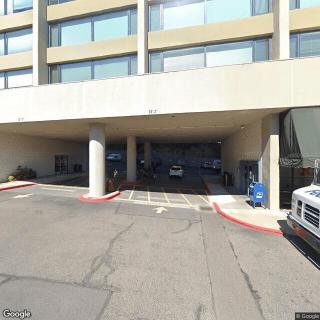
 Assisted Living and Memory Care: Understanding Their Core Differences
 Beyond the Bingo Hall: 50+ Enriching Activities for Seniors in Assisted Living
 Understanding the Distinctions: Assisted Living and Memory Care Explained