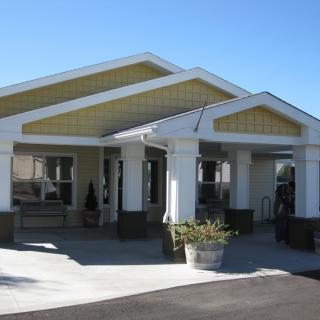
Prairie House Assisted Living and Memory Care in La Pine, OR

Save

Prairie House Assisted Living and Memory Care in La Pine, OR

51485 Morson St, La Pine, OR 97739

For more information about senior living options: (844) 490-3973

4.1 from 29 reviews
5 stars
20
4 stars
2
3 stars
1
2 stars
1
1 stars
5

Assisted Living Memory Care

Prairie House Assisted Living and Memory Care Costs & Pricing

Prairie House Assisted Living and Memory Care offers competitive pricing when compared to both Klamath County and the broader state of Oregon. For a studio room, residents can expect to pay $3,295 per month, which is significantly lower than the county average of $3,777 and the statewide average of $3,815. Similarly, the cost for a one-bedroom unit at Prairie House is $3,995, providing an appealing alternative to Klamath County's higher average of $4,474 while still being slightly above Oregon's overall average of $3,904. The semi-private room option is priced at $4,320 per month - slightly above the Klamath County rate of $4,198 but competitively positioned against Oregon's average of $4,457. Overall, Prairie House stands out as an attractive choice for those seeking quality assisted living and memory care services without straining their budgets.

Floor plansPrairie House Assisted Living and Memory CareKlamath CountyOregon
Studio$3,295$3,777$3,815
1 Bedroom$3,995$4,474$3,904
Semi-Private$4,320$4,198$4,457

Overall Review of Prairie House Assisted Living and Memory Care

Pros

  • pro Prairie House is a wonderful assisted living facility.
  • pro The staff at Prairie House has become like family and takes care of residents with genuine care.
  • pro Prairie House loves their residents and provides amazing activities that enhance their lives.
  • pro The crew at Prairie House feels like family and delivers attentive, compassionate care.
  • pro This facility is welcoming, family-friendly, and encourages personal growth and support.
  • pro The Prairie House environment allows residents to personalize their apartments and even have a live-in pet, making it feel like home.
  • pro The administration and memory care staff provide loving care and strong support for residents and their families.
  • pro The staff are professional, warm and caring, contributing to residents' well-being.
  • pro Prairie House is praised as absolutely the best regarding caregivers, employees, residents, and executives.

Cons

  • pro Prairie House failed to pay the contractor for five months after the job was completed.
  • pro The staff were rude and dismissive toward residents and their families.
  • pro Front desk staff gave short, curt responses when asked questions.
  • pro The food served did not resemble what was advertised and was described as slop.
  • pro Residents were kept in soiled clothing for days, not bathed, and rooms were dirty with trash.
  • pro The director hung up on family members and claimed there was no time.
  • pro Prairie House refused to release a patient from hospital care on weekends, citing inconvenience.
  • pro The reviewer would not recommend Prairie House to anyone.

Review

Prairie House Senior Living in La Pine is best suited for families seeking a small, home-like community where caregivers can form real, ongoing relationships with residents and memory-care routines feel integrated into daily life. The setting is intimate, with a feel of a deeply connected, family-oriented team that remembers residents' preferences and histories. For seniors who don't require aggressive medical oversight but value predictable routines, steady company, and the comfort of familiar faces, this facility can deliver a genuinely warm, engaging environment. It is particularly appealing for couples or individuals who appreciate the opportunity to personalize their living space and, in memory care, to have consistent staff interactions that feel supportive rather than procedural.

Those who may want to consider alternatives include families prioritizing ironclad safety, rigorous hygiene, and proactive medical management. A notable portion of feedback highlights friction, rough communication, and occasional neglect concerns - ranging from delayed hygiene to rooms that smell or show clutter, and front-desk or leadership interactions described as curt or evasive. Weekend and after-hours responsiveness, a few episodes where immediate medical attention appeared delayed, and disputes over operational control also emerge in the landscape of reviews. For families with critical needs around aggressive medical coordination, high staffing oversight, or transparent, consistently proactive administration, a larger, more standardized community may offer stronger assurances.

The strongest positives center on the human element. Residents tend to report a compassionate, family-like staff culture, with caregivers who are described as loving, patient, and consistently present. The memory-care team, in particular, receives praise for taking time with residents and creating a supportive, reassuring atmosphere. Families frequently note the atmosphere as homey and welcoming, with opportunities to personalize apartments and even keep a live-in pet, which helps ease transitions. Activity programming and social engagement are highlighted as meaningful, contributing to a sense of belonging and purpose for many residents. When staffing feels stable and aligned with residents' rhythms, the daily experience can be deeply gratifying for both seniors and their families.

However, a cluster of significant concerns cannot be ignored. Multiple reviews cite neglectful lapses in basic care - outfits and linens not changed promptly, inadequate bathing, odor, trash in living spaces, and a sense that staff are overwhelmed or under-resourced. Interactions at the front desk and with leadership are occasionally described as terse or dismissive, and there is at times a troubling disconnect between families' well-being concerns and administrative responsiveness. A particularly troubling pattern in some narratives involves hospitalizations or medical episodes where discharge decisions and on-site monitoring appeared constrained by scheduling or gatekeeping. A vendor payment dispute further underscores a risk signal about financial governance and due process. Taken together, these issues raise legitimate safety and reliability questions for anyone with high medical needs or who expects consistently flawless daily operations.

Balancing these elements means understanding Prairie House as a high-hope, high-personal-contact option that can offset many social and emotional needs when things run smoothly, but which can pose material risk if operational pressures or leadership gaps surface. For residents who thrive in a close-knit team environment and whose care needs are moderate, the pros - genuine warmth, memory-care continuity, programmatic engagement, and a homelike setting - often outweigh the benefits of more impersonal, larger facilities. For those with complex or rapidly changing medical needs, or for families who require unwavering assurance about hygiene, immediate problem-solving, and transparent governance, exploring alternatives is prudent.

To move from consideration to confident choice, conduct a thorough, in-person assessment. Request to meet with the administrator and the head of memory care, tour both assisted-living and memory-care areas, and observe a meal service and activity period. Ask for current staffing ratios by shift, turnover rates, and how quickly aides and caregivers respond to call bells. Review the latest state licensing records and ask for recent inspection notes. Have meals and activities sampled during the visit, and request a written care plan that reflects resident preferences, triggers for medical intervention, and a clear path for escalations. Finally, speak with multiple families currently living there or recently relocated - preferably those with residents in similar care levels - and compare Prairie House's answers, tone, and responsiveness with nearby options. The right decision will hinge on whether the community's warmth and familiarity can reliably coexist with robust, transparent operations that consistently safeguard daily life.

Features

Housing

  • 1-bedroom apartments 1-bedroom apartments1-bedroom apartments are important for seniors because they provide a sense of independence, privacy, and autonomy while still offering the necessary space for comfortable living. These apartments allow seniors to maintain their own personal space and lifestyle preferences in a supportive community setting.
  • Studio apartments Studio apartmentsStudio apartments are important for seniors because they offer a smaller, more manageable living space that is easier to navigate and maintain as physical abilities decline. Additionally, studio apartments provide seniors with independence and privacy while still being part of a community that offers support and social opportunities.

Types of Care

  • Assisted Living Assisted LivingAssisted living facilities provide crucial support and care for seniors who may need help with daily tasks such as medication management, bathing, and meal preparation. These communities offer a safe and comfortable environment where seniors can maintain their independence while receiving the assistance they need to thrive in their golden years.
  • Memory Care Memory CareMemory care is crucial for seniors as it provides specialized support and services for individuals with dementia or Alzheimer's disease. These programs offer a safe and secure environment where residents receive personalized care, cognitive stimulation, and help with daily activities. Memory care helps seniors maintain their independence, quality of life, and dignity while also providing peace of mind for their families.

Pets

  • Cats allowed Cats allowed"Pet friendly" senior living communities are important for seniors because pets provide companionship, reduce feelings of loneliness and depression, promote physical activity and mental stimulation, and offer a sense of purpose and responsibility. Pets can improve overall well-being and quality of life for seniors in many ways.
  • Dogs allowed Dogs allowed"Pet friendly" senior living communities are important for seniors because pets provide companionship, reduce feelings of loneliness and depression, promote physical activity and mental stimulation, and offer a sense of purpose and responsibility. Pets can improve overall well-being and quality of life for seniors in many ways.

Amenities

  • Activities off-site Activities off-siteEngaging in off-site activities is crucial for seniors to maintain social connections, stay active, and stimulate their minds. It promotes overall well-being and helps combat feelings of isolation and loneliness.
  • Activities on-site Activities on-siteActivities on-site are important for seniors because they provide opportunities for socialization, mental stimulation, physical activity, and overall well-being. Engaging in activities can help seniors stay active, maintain their independence, and improve their quality of life.
  • Air-conditioning Air-conditioningAir conditioning is important for seniors as they are more vulnerable to heat-related illnesses and may have underlying health conditions that make it difficult for them to regulate their body temperature. It helps to keep them comfortable, safe, and healthy in hot weather.
  • Beautician on-site Beautician on-siteHaving a beautician on-site at a senior living community is important for seniors as it allows them to easily access grooming and personal care services, boosting their self-esteem and overall well-being. It also provides convenience and helps seniors maintain their sense of independence and personal style.
  • Devotional services off-site Devotional services off-siteDevotional services off-site are important for seniors as they provide spiritual nourishment, social engagement, and a sense of community outside of the senior living facility. This can enhance overall well-being and help combat feelings of isolation and loneliness often experienced by older adults.
  • Ground floor units Ground floor unitsGround floor units are important for seniors because they provide easy accessibility, reduced risk of falls and injuries, and convenience for those with mobility issues. Seniors can avoid climbing stairs or using elevators, making daily tasks and activities more manageable and enjoyable.
  • Indoor common areas Indoor common areasIndoor common areas are crucial for seniors as they provide a space for socialization, recreation, and community engagement, promoting overall well-being and reducing feelings of isolation and loneliness.
  • Kitchenette KitchenetteKitchenettes are important for seniors living in senior living communities because they provide the convenience and independence of being able to prepare simple meals and snacks in the comfort of their own living space. This can help promote a sense of autonomy and well-being for seniors, allowing them to maintain some level of control over their dietary choices and daily routines.
  • Outdoor common areas Outdoor common areasOutdoor common areas are important for seniors as they provide a space for socialization, physical activity, and relaxation. Being outside in nature can improve mood and overall well-being, while also encouraging movement and engagement with others. These spaces can help combat feelings of isolation and promote a sense of community among residents.
  • Respite or short term stays offered Respite or short term stays offeredRespite or short term stays provide seniors with a temporary solution when their regular caregiver is unavailable, offering them the opportunity to receive additional care and support during times of need, while also giving caregivers a chance to rest and recharge.
  • Wheelchair accessible showers Wheelchair accessible showersWheelchair accessible showers are crucial for seniors as they provide a safe and independent bathing option for those with mobility challenges. These showers help prevent falls and allow seniors to maintain their dignity and autonomy while ensuring they can bathe comfortably.

Care Services

  • Ambulatory care Ambulatory care"Ambulatory care services provide essential medical support and treatment to seniors without requiring hospitalization, allowing them to maintain their independence and quality of life while managing chronic conditions or receiving routine medical care."
  • Diabetic care Diabetic careDiabetic care is crucial for seniors as they are more susceptible to developing diabetes due to aging and other health conditions. Proper management of diabetes can help prevent complications such as heart disease, vision loss, and nerve damage, improving the overall quality of life for seniors in senior living communities.
  • Incontinence care Incontinence careIncontinence care is essential for seniors to maintain their dignity, hygiene, and overall quality of life. By addressing incontinence issues promptly and effectively, seniors can enjoy a sense of independence and comfort in their daily activities.
  • Medication management Medication managementMedication management is crucial for seniors to ensure they are taking the right medications at the correct dosages and times. This helps prevent adverse drug interactions, reduces the risk of medication errors, and promotes overall health and well-being. Proactive management also allows for adjustments as needed based on changing health conditions or new prescriptions.

Dining

  • Gluten-free Gluten-freeGluten-free options are important for seniors as they are more prone to digestive issues and dietary sensitivities. Offering gluten-free meal choices in senior living communities can help improve their overall health and well-being.
  • Guest meals Guest mealsGuest meals are important for seniors living in senior living communities because they provide an opportunity for socialization and companionship. Sharing a meal with friends, family, or new acquaintances can help combat feelings of loneliness and isolation, promote a sense of community, and enhance overall well-being. Additionally, guest meals allow seniors to enjoy delicious food in a comfortable setting without the hassle of cooking or cleaning up, making dining a pleasurable and stress-free experience.
  • Low / no sodium Low / no sodiumLow/no sodium options are important for seniors because excessive sodium intake can lead to high blood pressure, heart disease, and other health issues commonly experienced by older adults. By choosing low/no sodium foods, seniors can better manage their health and reduce their risk of developing these conditions.
  • Meals provided Meals provided"Meals provided" are crucial for seniors in assisted living communities as it ensures they have access to nutritious, balanced meals without the stress of meal planning and preparation. This can help promote overall health and well-being for seniors who may have limited mobility or cognitive abilities.
  • No Sugar No SugarNo sugar diets are important for seniors because they can help prevent or manage chronic conditions such as diabetes, heart disease, and obesity. Sugar can also contribute to cognitive decline and inflammation in the body, so reducing sugar intake can lead to overall improved health and well-being in older adults.
  • Restaurant style dining Restaurant style diningRestaurant style dining is important for seniors as it offers them a social and enjoyable dining experience, promotes healthy eating habits, and provides personalized menu options to cater to their dietary needs and preferences. This type of dining setting can enhance their overall quality of life and create a sense of community within the senior living facility.

Activities

  • Activities off-site Activities off-siteEngaging in off-site activities is crucial for seniors to maintain social connections, stay active, and stimulate their minds. It promotes overall well-being and helps combat feelings of isolation and loneliness.
  • Activities on-site Activities on-siteActivities on-site are important for seniors because they provide opportunities for socialization, mental stimulation, physical activity, and overall well-being. Engaging in activities can help seniors stay active, maintain their independence, and improve their quality of life.
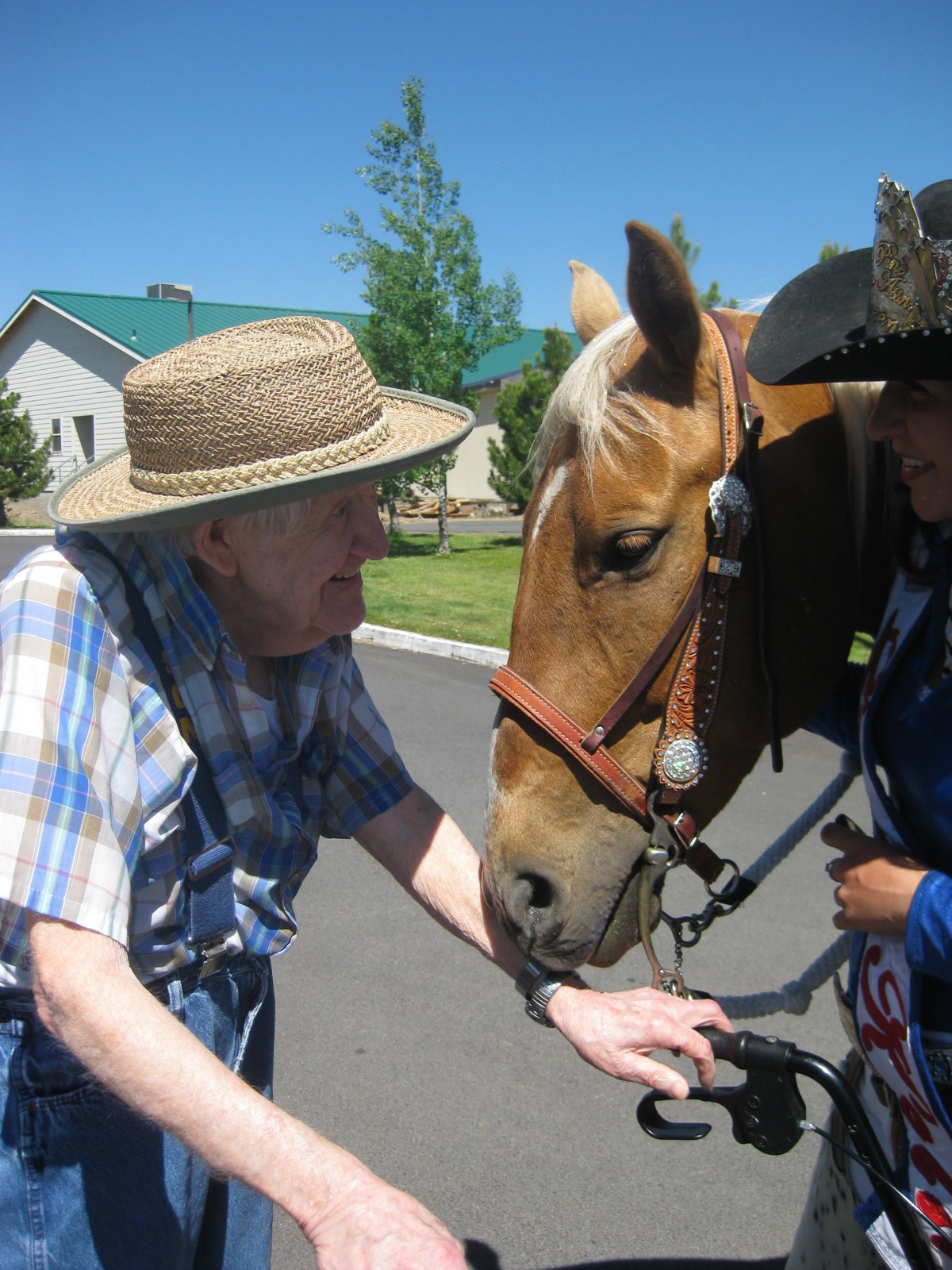
  • BBQs or picnics BBQs or picnicsBBQs or picnics provide seniors with social interaction, enjoyment of the outdoors, and a sense of community, contributing to their overall well-being and quality of life.
  • Day trips and outings Day trips and outingsDay trips and outings are important for seniors as they provide opportunities for socialization, mental stimulation, physical activity, and a break from daily routines. These experiences can enhance overall well-being and quality of life for older adults living in senior communities.
  • Devotional activities offsite Devotional activities offsiteDevotional activities offsite are important for seniors because they provide social engagement, spiritual growth, and a sense of community outside of their living environment. This can improve overall well-being, mental health, and combat feelings of isolation or loneliness.
  • Gardening club Gardening clubGardening clubs are important for seniors because they provide a sense of community, promote physical activity and mental well-being, and offer opportunities for socialization and connection with nature. Gardening can also improve cognitive function and overall quality of life for seniors.
  • Happy hour Happy hourHappy hour is important for seniors as it provides a social activity that promotes camaraderie and reduces feelings of loneliness or isolation. It also offers an opportunity for older adults to relax, unwind, and enjoy some drinks or snacks in a fun and welcoming atmosphere.
  • Karaoke KaraokeKaraoke provides seniors with a fun and social activity that can boost mood, confidence, and cognitive function. It encourages social interaction, physical movement, and creative expression, making it an important form of entertainment for senior living communities.
  • Live musical performances Live musical performancesLive musical performances can provide seniors with a sense of joy, nostalgia, and connection. Music has the power to evoke emotions and memories, improve mood and cognitive function, and foster social interaction among seniors. It can also serve as a form of therapy and stress relief for older adults, making it an important activity to include in senior living communities.
  • Stretching classes Stretching classesStretching classes are important for seniors because they help improve flexibility, reduce the risk of injury, and promote overall health and well-being. Regular stretching can also help alleviate joint pain and stiffness, enhance balance and coordination, and increase range of motion.
  • Wine tasting Wine tastingWine tasting can be a fun and social activity for seniors, allowing them to engage their senses, learn about different varieties of wine, and potentially meet new friends. It also offers health benefits such as improved cognitive function and reduced risk of heart disease when consumed in moderation.

Description

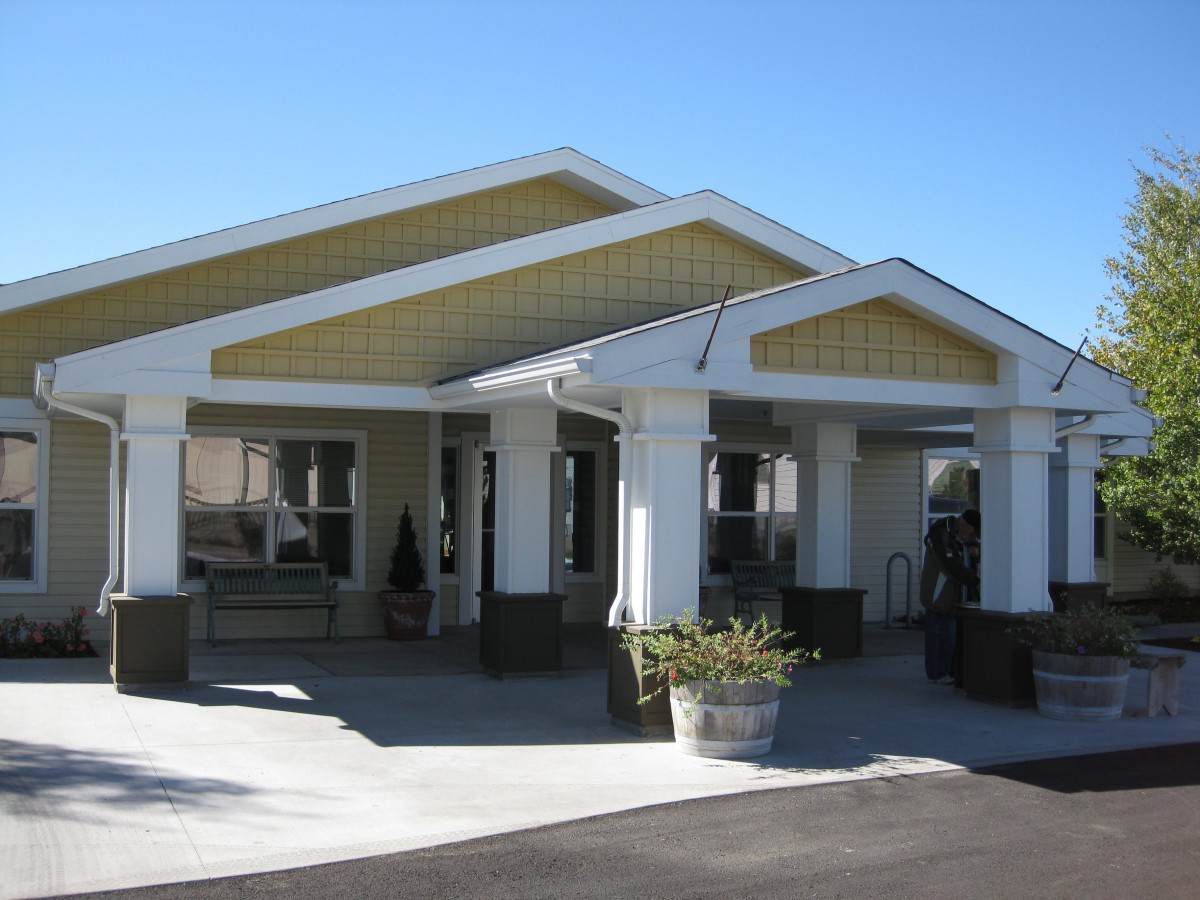
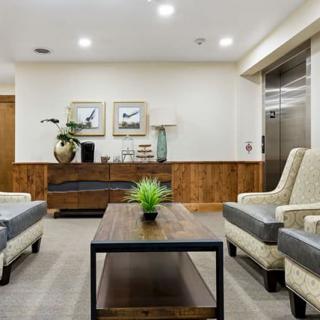
Prairie House Assisted Living and Memory Care is a senior living community located in the serene town of La Pine, OR. Our community offers studio apartments as housing options, ensuring privacy and comfort for our residents. We specialize in providing exceptional memory care services to seniors who require assistance with their daily activities.

To enhance the quality of life for our residents, we offer a variety of amenities and services. Our on-site activities keep our residents engaged and entertained, while our air-conditioned indoor common areas provide a comfortable space for socializing. Residents can also enjoy the beautiful outdoor common areas and indulge in various outdoor activities. Our ground-floor units are designed to be wheelchair accessible, including the showers.

At Prairie House Assisted Living and Memory Care, we prioritize the well-being of our residents by providing comprehensive care services. This includes specialized diabetic care and management, as well as personalized assistance with incontinence care. Our dedicated staff is trained to administer medications efficiently to ensure seniors receive their prescribed treatments safely.

Our dining experience is second to none, offering restaurant-style dining where meals are provided with specific dietary requirements in mind. We cater to seniors with low sodium or no sodium needs and also offer options free from sugar. Additionally, we accommodate guest meals for resident's loved ones who wish to join them occasionally.

Keeping our residents active and engaged is important at Prairie House. We organize various activities such as BBQs, picnics, day trips, outings, devotional activities offsite,and gardening club. For those who enjoy music and entertainment, happy hour events and live musical performances are all part of our exciting social calendar. Stretching classes promote physical wellness while wine tasting events create opportunities for relaxation.

Conveniently located near two parks, pharmacies, restaurants, physicians' offices,and places of worship ensures easy access for residents' needs and preferences. Transportation options are readily available for those requiring assistance with commuting.

At Prairie House Assisted Living and Memory Care, we strive to provide a warm and caring environment where seniors can flourish. Our dedicated staff and comprehensive services ensure that residents receive the support they need while maintaining their independence and quality of life.

Nearby Places of Interest

This area of La Pine, Oregon offers a variety of amenities and services that would be beneficial for seniors looking to settle down in a quiet community. With several places of worship nearby such as the Pentecostal Church of God and Calvary Chapel Lapine, residents have access to spiritual support and community connections. There are also a number of restaurants including Harvest Depot and Casetta Di Pasta for convenient dining options. For outdoor recreation, Fort Rock State Park and Frontier Heritage Park are within walking distance for leisurely strolls or picnics. Additionally, there are healthcare facilities like Paulina Peak Family Health Care and pharmacies like Drug Mart and Walgreens nearby for any medical needs. Transportation is easily accessible with U-Haul Neighborhood Dealers located close by for convenience. Overall, this neighborhood in La Pine provides a peaceful and accessible environment for seniors to enjoy their retirement years.

Places of Worship

  • Pentecostal Church of God (0 miles)
  • CrossPoint PCG (0.1 miles)
  • Calvary Chapel Lapine (0.4 miles)
  • La Pine Community Church (0.5 miles)
  • Whispering Pines Baptist Church (0.6 miles)
  • Faith Lutheran Church-Missouri Synod (2.2 miles)
  • Crescent Creek Church (2.2 miles)

Restaurants

  • Harvest Depot (0.1 miles)
  • Cinco De Mayo Lapi (0.2 miles)
  • Lapine Inn (0.2 miles)
  • Coach's Drive In (0.2 miles)
  • Casetta Di Pasta (0.2 miles)
  • Shop Smart (0.3 miles)
  • Lucky Fortune (0.3 miles)

Parks

  • Fort Rock State Park (0.2 miles)
  • Frontier Heritage Park (0.3 miles)

Physicians

  • Paulina Peak Family Health Care (0.2 miles)
  • Walkabout (11.3 miles)

Pharmacies

  • Drug Mart (0.4 miles)
  • Walgreens (0.5 miles)

Transportation

  • U-Haul Neighborhood Dealer (0.4 miles)
  • U-Haul Neighborhood Dealer (1.6 miles)

Frequently Asked Questions

How much does it cost to live at Prairie House Assisted Living and Memory Care in La Pine, OR?
What floor plans and room types does Prairie House Assisted Living and Memory Care offer?
Where is Prairie House Assisted Living and Memory Care?
Does Prairie House Assisted Living and Memory Care provide care for residents with dementia or Alzheimer's disease?
Does Prairie House Assisted Living and Memory Care allow residents to have pets?
What photos are available for Prairie House Assisted Living and Memory Care in La Pine, Oregon?

Nearby Communities

  • Prairie House Memory Care Community

    Prairie House Memory Care Community

    La Pine, OR


    pro Small, memory-care-focused community with personalized care, 24-hour supervision, specialized memory programming, and transportation to medical appointments.


  • Prairie House Assisted Living Community

    Prairie House Assisted Living Community

    La Pine, OR


    pro 24/7 supervision with broad amenities and personalized care

  • Around The Clock Home Services Oregon

    Around The Clock Home Services Oregon

    La Pine, OR

    3.1 from 22 reviews
     

    pro Reliable, compassionate in-home care with punctual staff.

  • Widgi Creek

    Widgi Creek

    Bend, OR


    pro Intimate, small-scale community with personalized care

  • The Lodge

    The Lodge

    Bend, OR


    pro Board-and-care home with ample shared spaces and outdoor areas.

  • Cottage Care Adult Family Home

    Cottage Care Adult Family Home

    Bend, OR

     
    $6,500 / month

    pro Prime Bend location with easy access to cafes, parks, pharmacies, physicians, restaurants, places of worship and theaters.

  • Touchmark at Mount Bachelor Village

    Touchmark at Mount Bachelor Village

    Bend, OR

    4.2 from 44 reviews
    $2,500 to $3,775 / month

    pro Beautiful, resort-like setting with attentive staff and engaging activities.

  • Mill View Memory Care

    Mill View Memory Care

    Bend, OR

    4.7 from 39 reviews
    $4,400 to $4,700 / month

    pro Loving, family-like atmosphere with well-maintained, welcoming premises and engaging activities.

  • Pilot Butte Rehabilitation Center

    Pilot Butte Rehabilitation Center

    Bend, OR

    3.3 from 31 reviews
     

    pro Caring, attentive staff prioritizes patient comfort and dignity.

Related Resources

  • dementia stagesUnderstanding Dementia Through Its Seven Stages: A Comprehensive Look at Progression and Expectations

    Dementia encompasses a range of cognitive impairments characterized by types such as Alzheimer's and vascular dementia, and follows a seven-stage progression model known as the Global Deterioration Scale (GDS), highlighting varying symptoms and decline timelines. Early detection allows for lifestyle adjustments to potentially slow progression, while caregivers need support and resources to manage the challenges involved in caring for affected individuals.

  • dementia careA Holistic Dementia Care Guide: Effective Strategies for Memory Support

    The guide on holistic dementia care outlines the complexity of dementia and stresses the need for individualized caregiver strategies that include medical treatment, psychological support, and environmental adaptations, while emphasizing early detection, various therapeutic options, and caregiver support to enhance quality of life and maintain dignity.

  • dementia careMemory Care Pathways: A Holistic Guide to Dementia Support

    "Memory Care Pathways: A Holistic Guide to Dementia Support" outlines the complexities of dementia and its various types, emphasizing early detection, patient-centered care strategies, caregiver support, and long-term care options while addressing legal and financial considerations to enhance the quality of life for individuals with dementia and their families.