For more information about senior living options: (866) 208-4318
4.7 from 44 reviews
5 stars
38
4 stars
2
3 stars
1
2 stars
1
1 stars
2
Mill View Memory Care Costs & Pricing
Mill View Memory Care offers competitive pricing for its services in comparison to both Deschutes County and the broader state of Oregon. For a semi-private room, residents can expect to pay $4,400 per month, which is notably lower than the county's average of $5,098, while remaining slightly above the state average of $4,457. When it comes to studio accommodations, Mill View charges $4,700 per month, which surpasses both Deschutes County's rate of $4,373 and the state average of $3,815. This positioning reflects Mill View's commitment to providing quality memory care while remaining mindful of regional market trends.
Floor plans
Mill View Memory Care
Deschutes County
Oregon
Semi-Private
$4,400
$5,098
$4,457
Studio
$4,700
$4,373
$3,815
Memory care communities with a similar price nearby
Residents and families most often describe caregivers who are caring, attentive, and respectful.
Across many reviews, people describe the staff as kind and personable, with caregivers who take time to get to know residents as individuals. Several reviewers also point to communication and follow-through, saying they feel kept informed and supported. A few reviews are sharply critical about missed care or unresponsiveness, but even those accounts describe expecting better day-to-day attention from the team.
common18 reviews mention this
Clean, secure environment
Reviews frequently mention a clean, safe, and secure setting for memory care.
Many reviews describe the building as clean and calm, with a layout and design that feels easy to navigate. Multiple residents’ families also use language like “safe” and “secure” when describing the environment and daily experience. One negative review reports ongoing cleanliness and showering issues and even mentions odors, but most feedback returns to cleanliness as a consistent positive.
common6 reviews mention this
Activities keep residents engaged
Residents are commonly described as staying engaged through structured activities.
Several reviews highlight resident engagement, describing thoughtful activities and time away from rooms. Families also mention the community’s efforts to support well-being beyond basic care, including activities designed for people with memory needs. Reviews also reference outings or day-to-day engagement in the community, which aligns with the calendar-style activities it offers.
common3 reviews mention this
Kitchen support and diet attention
Dining experiences and diet support come through in resident stories.
Reviewers mention the kitchen and diet support when describing daily care, including warm, attentive food-related interactions. One reviewer specifically credits a dietitian with responsiveness to requests and improvements to meal offerings. Residents also reference occasions like community meals, with staff involvement showing up alongside dining.
caveat2 reviews mention this
Concerns about staffing response
Some reviews raise concerns about staffing levels and slow responses.
While most reviews are positive, a couple of reviewers report problems related to staffing availability and response time. One account describes missed hygiene needs and poor follow-up, while another notes not enough staff for the number of residents and slower responses. These reviews suggest that getting timely attention during day-to-day care may not always meet expectations.
How we summarize
Counts show how many written reviews mention each theme; a review can touch several themes, and only frequently mentioned themes are displayed.
Features
Housing
36 resident community capacity
Types of Care
Memory Care
Amenities
Activities off-site
Activities on-site
Air-conditioning
Bath tubs
Beautician on-site
Beauty salon
Cable or satellite TV
Devotional services off-site
Devotional services on-site
Dining room
Fully furnished
Garden
Handicap accessible
Housekeeping services
Indoor common areas
Kitchenette
Move-in coordination
Outdoor common areas
Outdoor space
Respite or short term stays offered
Telephone
Wheelchair accessible showers
Wi-Fi/high-speed internet available
Transportation
Roberts (17 miles away)
Care Services
24-hour call system
24-hour supervision
Activities of daily living assistance
Ambulatory care
Assistance with bathing
Assistance with dressing
Assistance with transfers
Coordination with health care providers
Diabetes diet
Diabetic care
Incontinence care
Meal preparation and service
Medication management
Mental wellness program
Mild cognitive impairment
Special dietary restrictions
Specialized memory care programming
Transportation arrangement (medical)
Transportation to doctors appointments
Dining
Diabetes diet
Guest meals
Meals provided
Professional chef
Restaurant style dining
Special dietary restrictions
Activities
Art classes
Catholic services
Community-sponsored activities
Cooking classes
Day trips and outings
Devotional activities offsite
Devotional activities on-site
Jewish services
Karaoke
Live musical performances
Mormon/LDS services
Other religious services
Protestant services
Resident-run activities
Scheduled daily activities
Visiting chaplain or priest
Nearby Places of Interest
This part of Bend, Oregon offers a variety of amenities that cater to senior living. With several parks within close proximity, residents can enjoy outdoor activities and beautiful scenery. Pharmacies are conveniently located for easy access to medications and healthcare needs. Physicians and healthcare facilities are also nearby, ensuring quality medical care. A selection of cafes provides opportunities for socializing and enjoying a cup of coffee. Restaurants offer a range of dining options, including Vietnamese, Chinese, and Italian cuisine. Additionally, a theater is available for entertainment. The presence of a church provides spiritual support for those seeking a place of worship. Overall, this area provides a well-rounded community with convenient access to essential services for seniors looking to settle in Bend.
Parks
Blakely Park (0.2 miles)
Riverbend Dog Park (0.5 miles)
Riverbend Park (0.6 miles)
Farewell Bend Park (0.7 miles)
McKay Park (1.1 miles)
Columbia Park (1.3 miles)
Overturf Park (1.7 miles)
Pharmacies
Fred Meyer Pharmacy (0.3 miles)
Cascade Custom Pharmacy (0.4 miles)
Walmart Pharmacy (0.8 miles)
Rite Aid (0.9 miles)
Albertsons Pharmacy (1 miles)
Safeway Pharmacy (1.1 miles)
Walgreens (1.6 miles)
Physicians
Coffman Vision Clinic (0.4 miles)
St Charles Health System (0.7 miles)
Donald DeLisi DMD (0.8 miles)
Deschutes Dermatology Center (0.9 miles)
Bend Dental Health (1 miles)
Krueger & Lenox Oral and Maxillofacial Surgery (1 miles)
Mill View Memory Care offers competitive pricing for its services in comparison to both Deschutes County and the broader state of Oregon. For a semi-private room, residents can expect to pay $4,400 per month, which is notably lower than the county's average of $5,098, while remaining slightly above the state average of $4,457. When it comes to studio accommodations, Mill View charges $4,700 per month, which surpasses both Deschutes County's rate of $4,373 and the state average of $3,815. This positioning reflects Mill View's commitment to providing quality memory care while remaining mindful of regional market trends.
Mill View Memory Care offers a range of tailored services that are essential in supporting residents with dementia or Alzheimer's disease. Assistance with dressing and bathing ensures that residents maintain personal hygiene and dignity, which can be challenging for those experiencing cognitive decline. Medication management is critical in ensuring adherence to prescribed regimens, thus addressing both health needs and safety concerns. Meal preparation and service provide nutritious options designed specifically for the dietary requirements of individuals with memory impairments, while transportation arrangements facilitate access to medical appointments, promoting continuity of care. The coordination with healthcare providers enhances communication and comprehensive care management. Activities of daily living assistance helps residents engage meaningfully with their environment, fostering a sense of independence. With 24-hour supervision, residents receive constant support and reassurance, minimizing the risk of accidents. Specialized programming addresses cognitive challenges through tailored activities that stimulate mental wellness, while incontinence care provides dignified assistance as needed. Collectively, these features create a nurturing atmosphere conducive to the well-being and quality of life for those facing memory-related challenges.
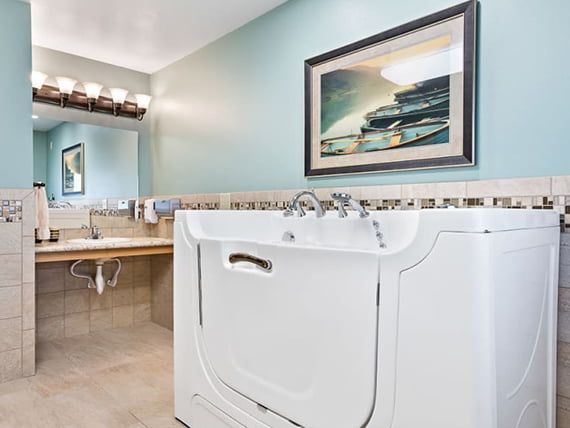
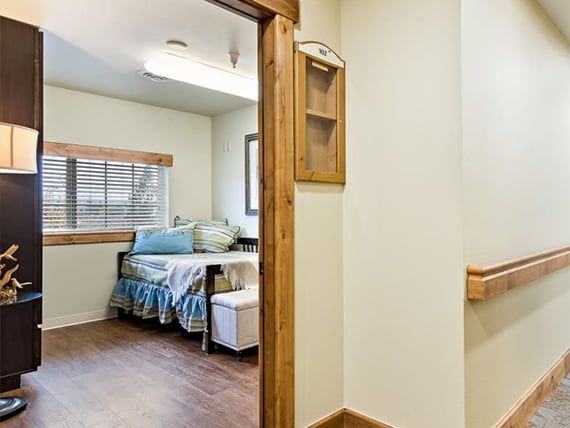
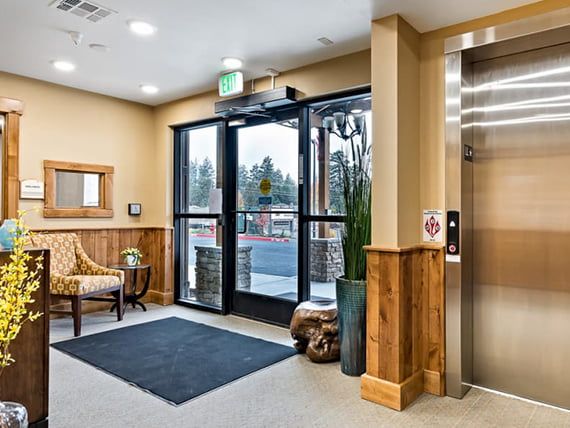
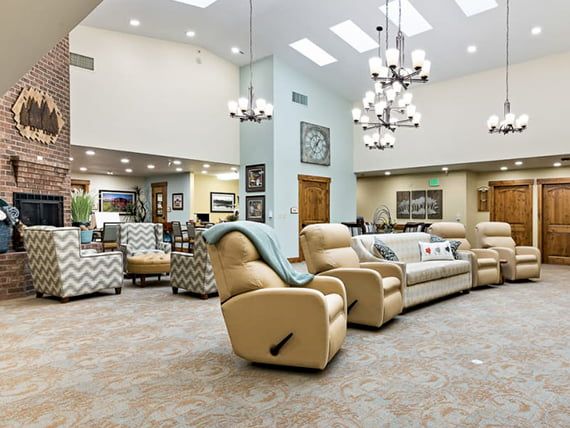
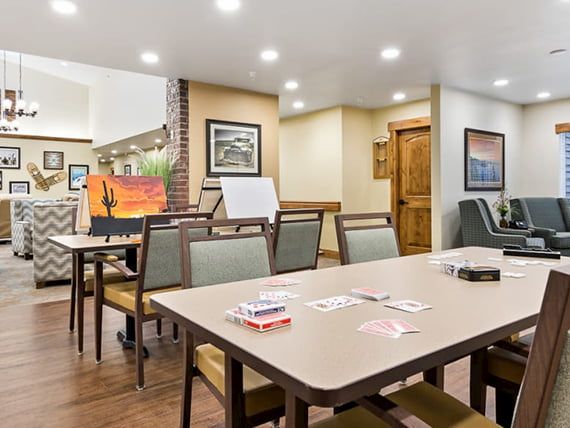
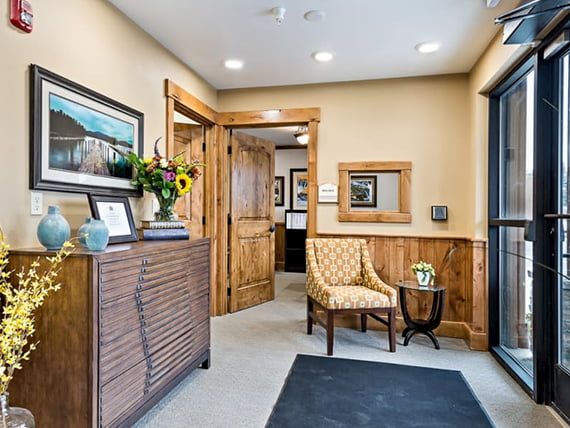
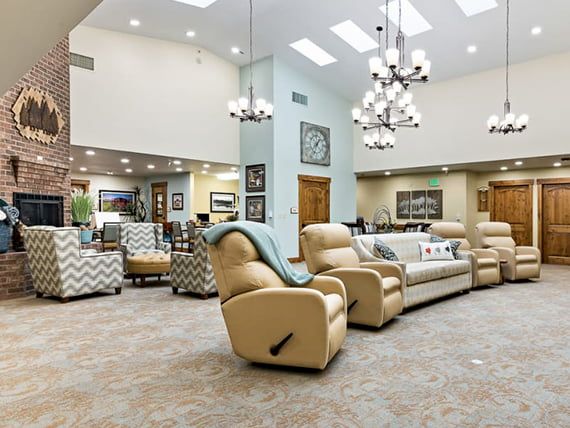
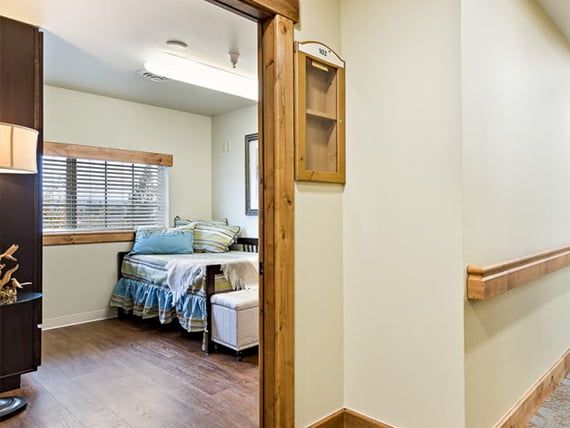
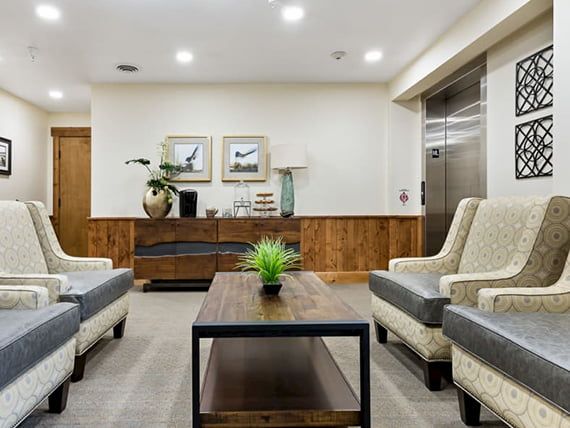
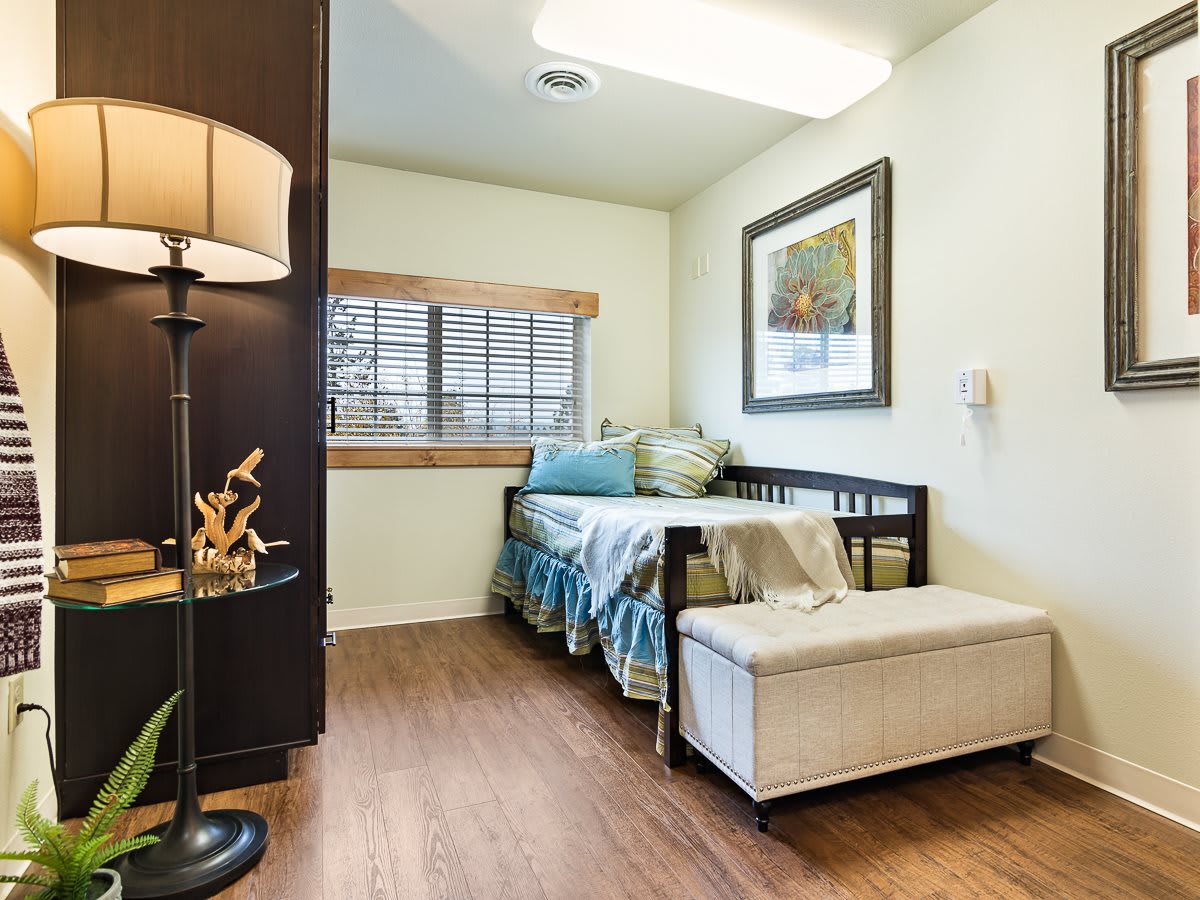
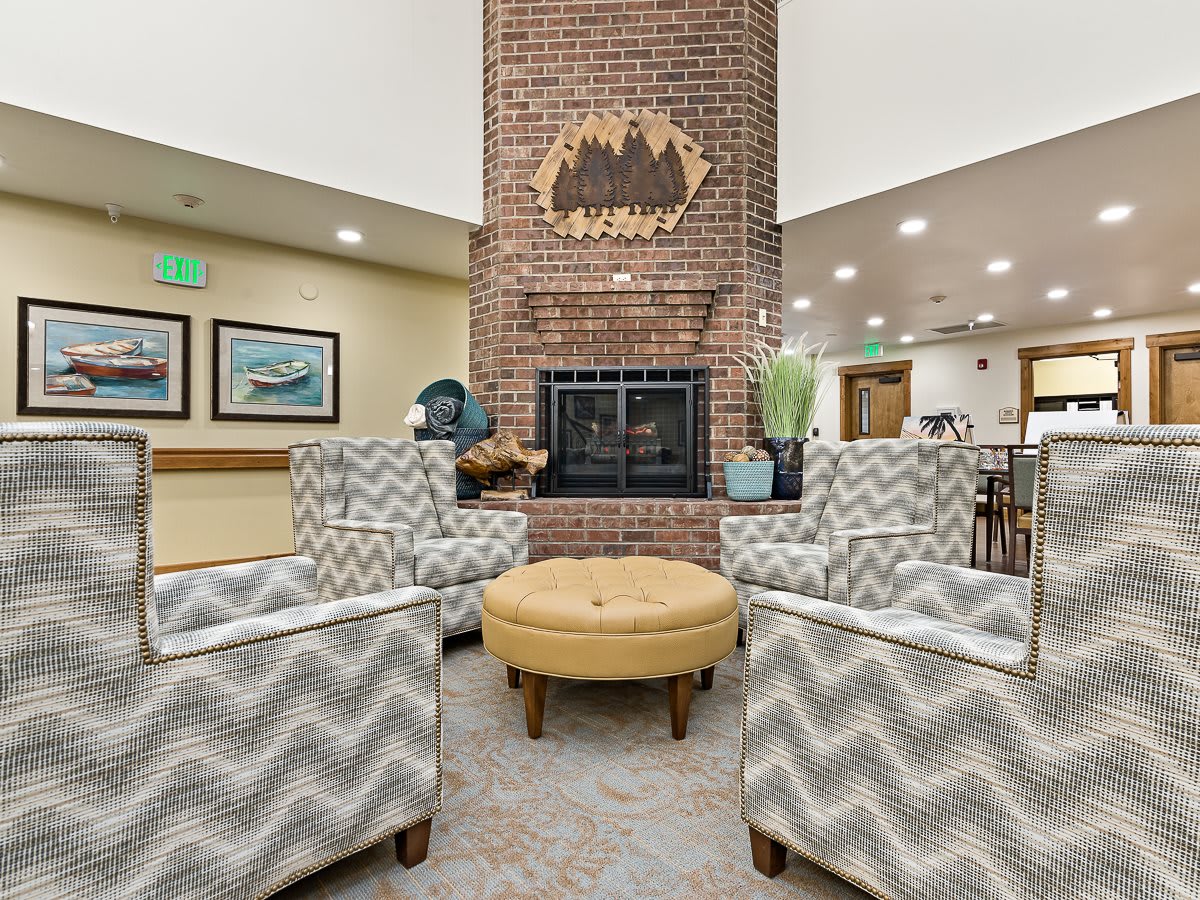
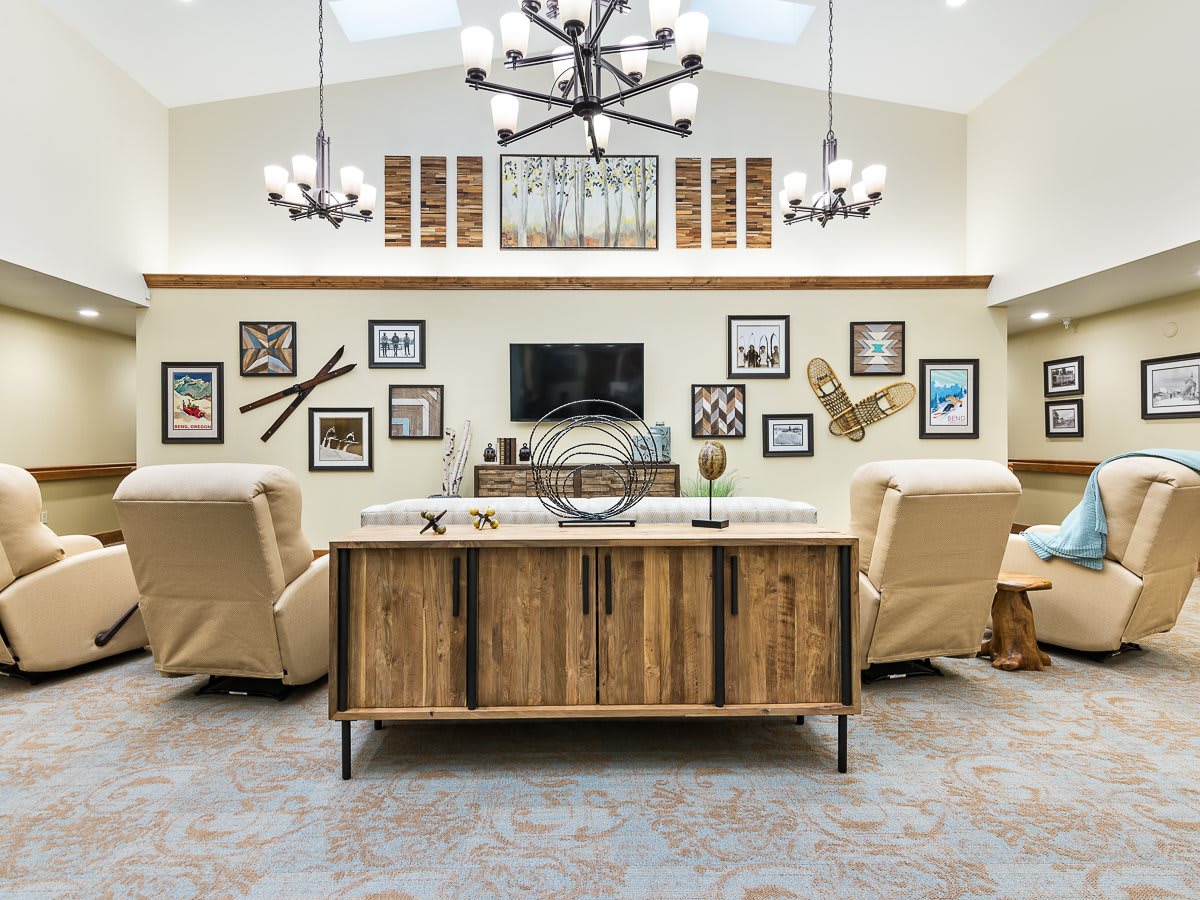
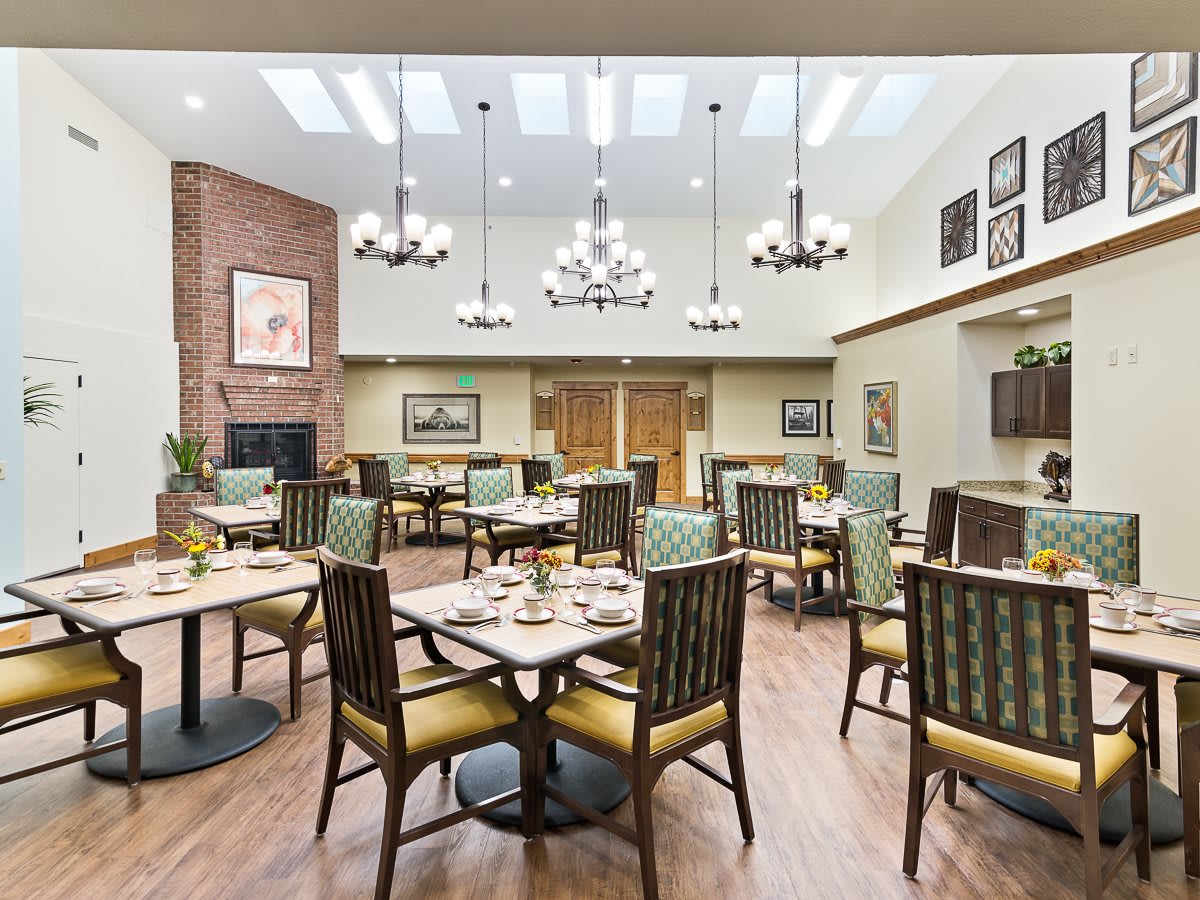
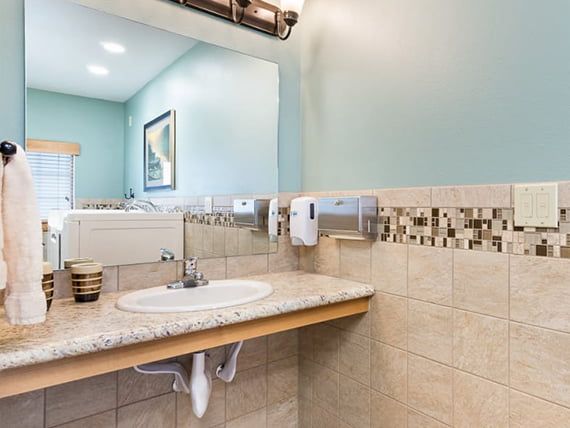
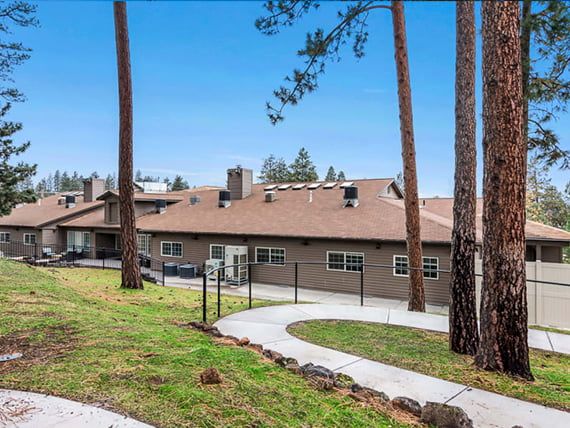
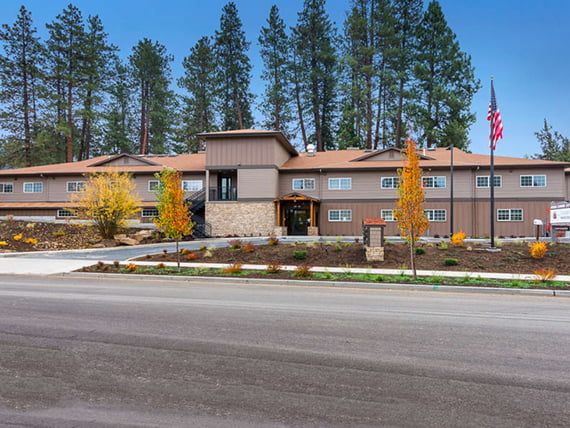
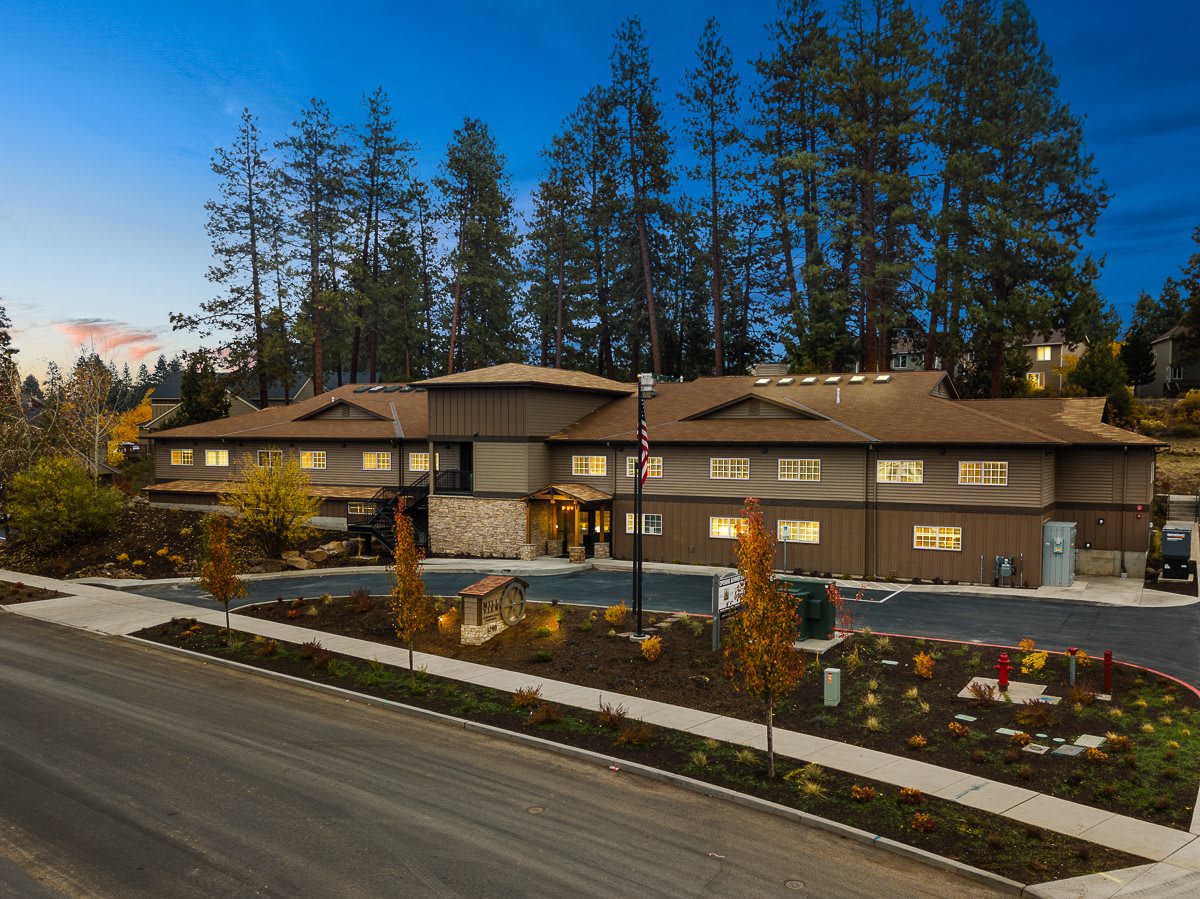
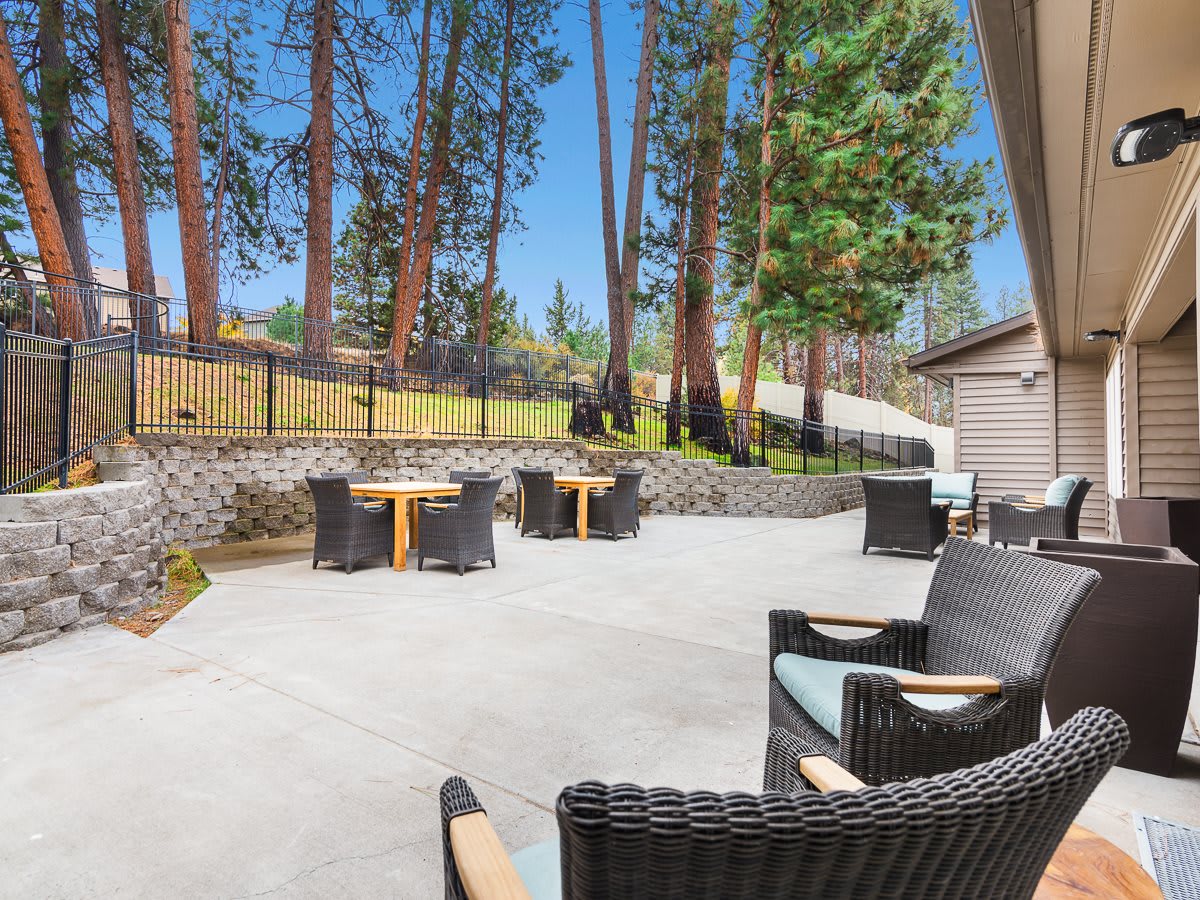
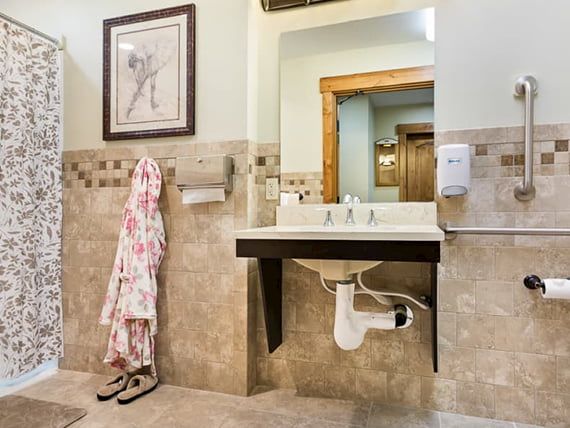
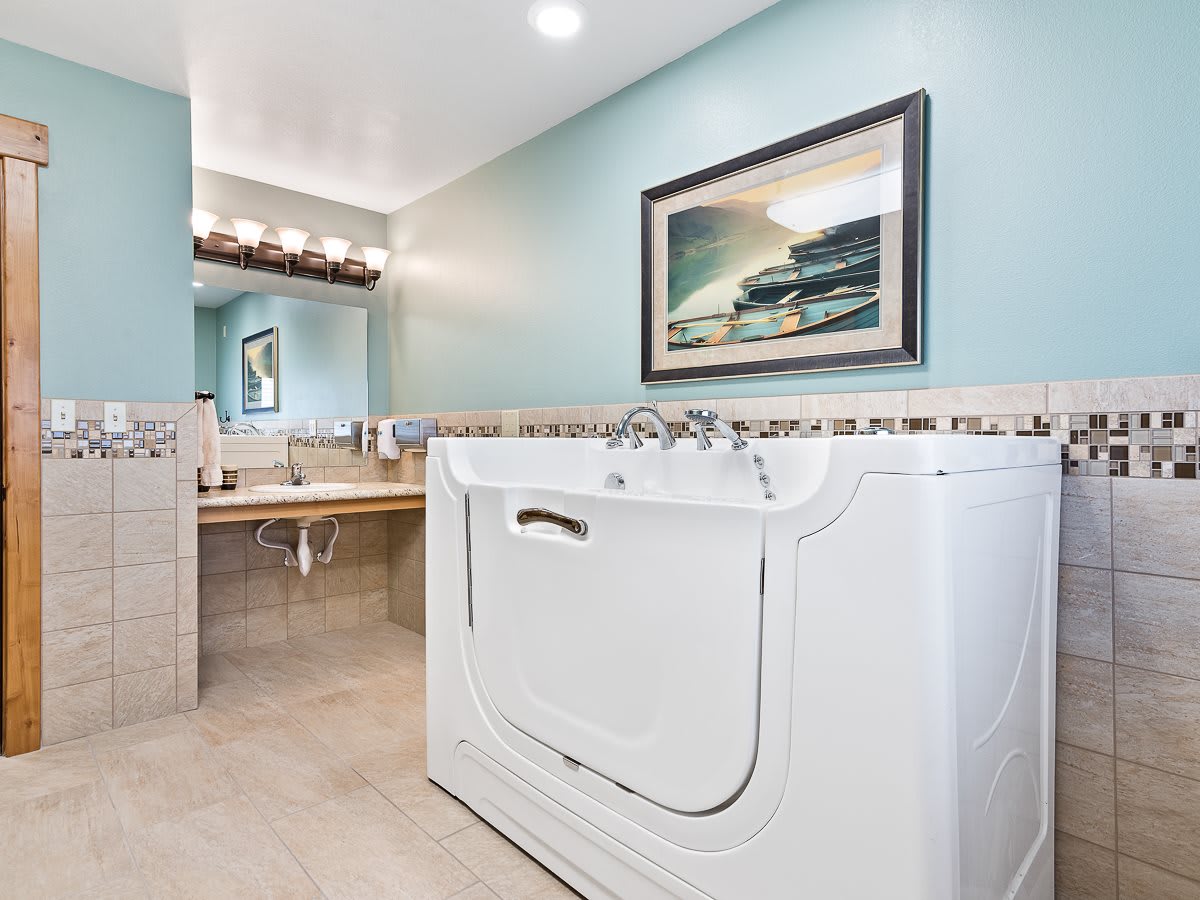
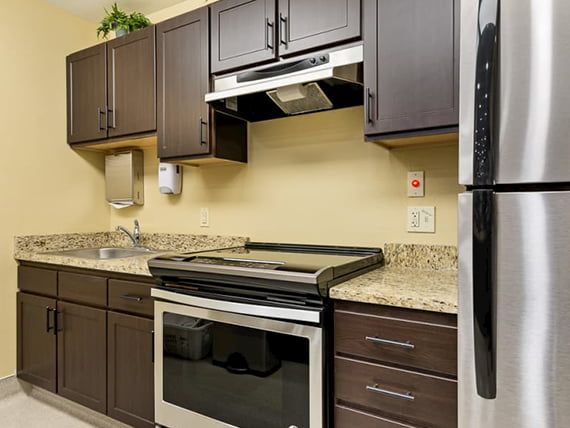
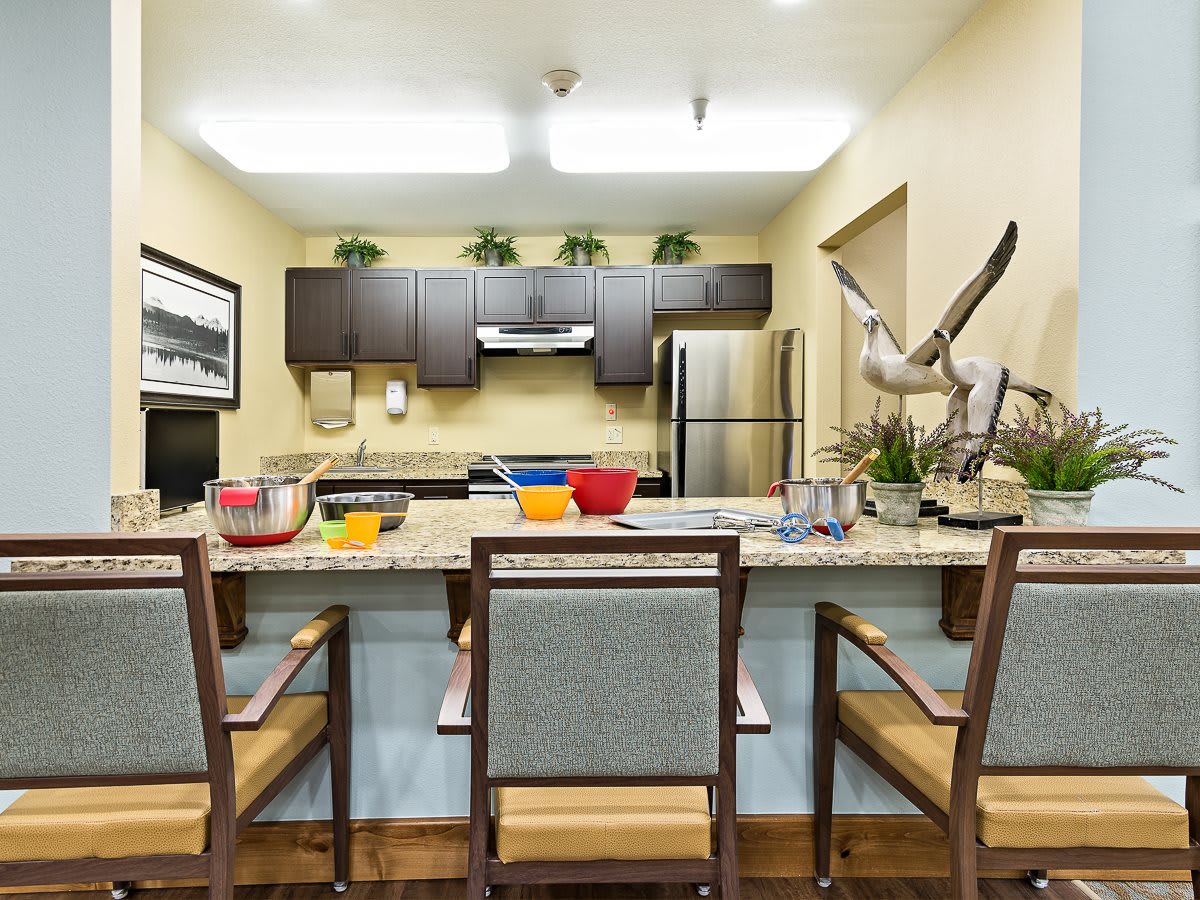
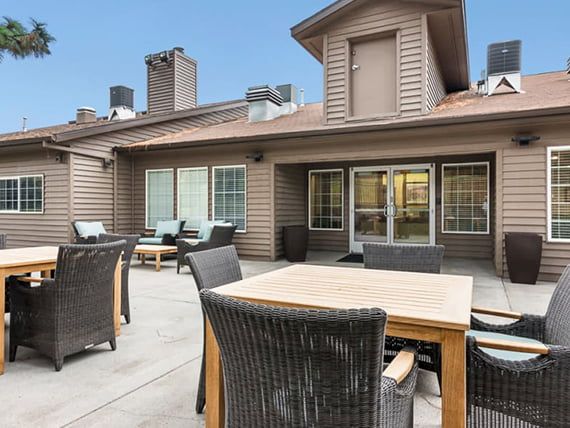
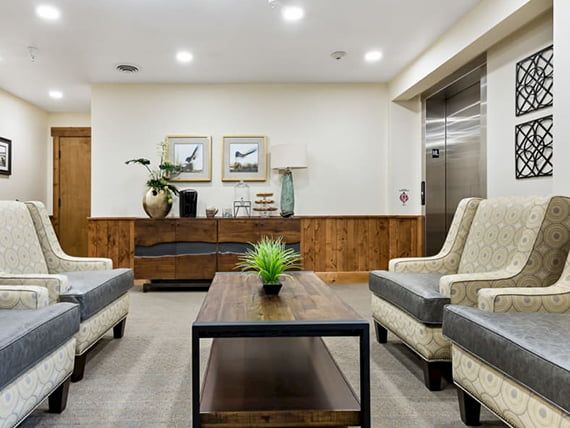
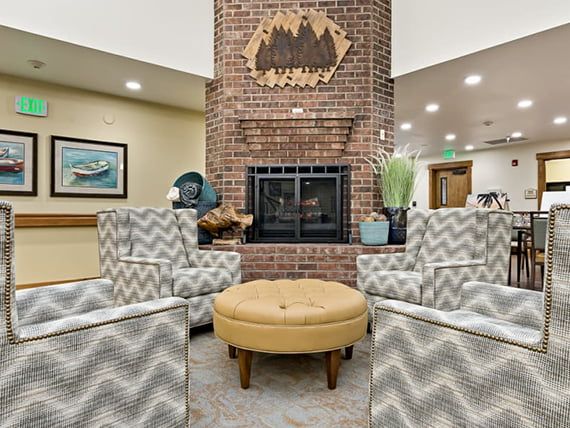
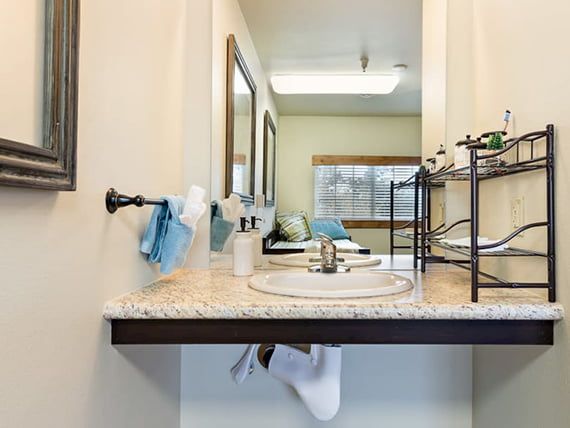
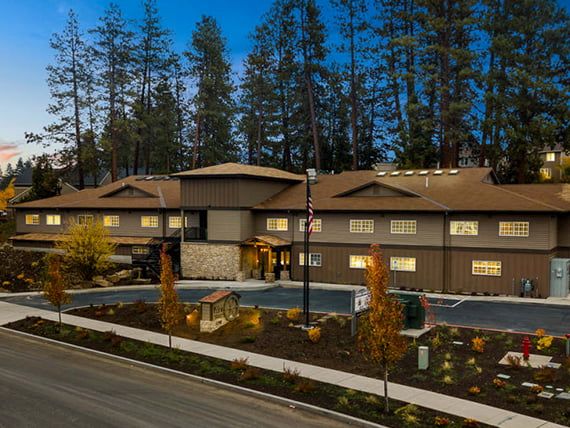
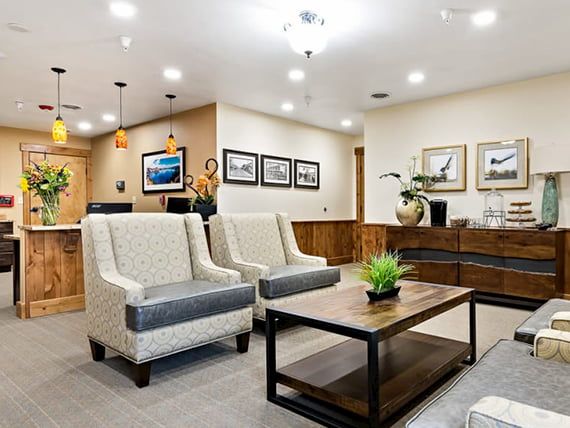
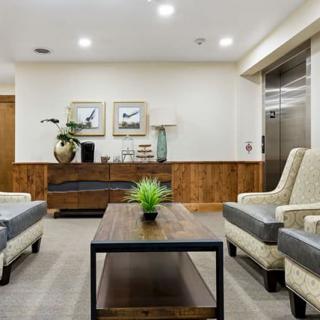
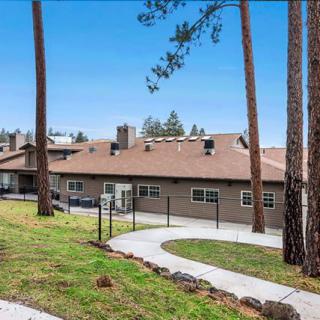
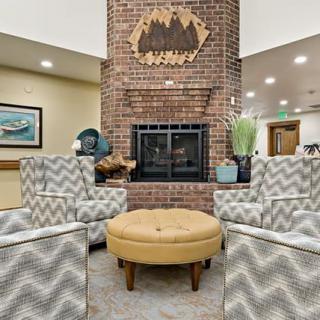
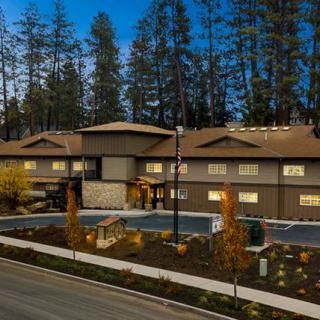
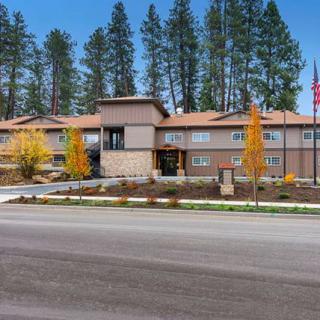
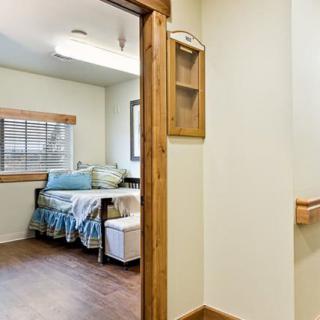
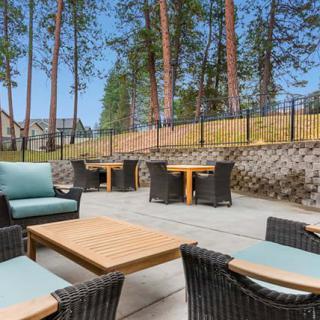
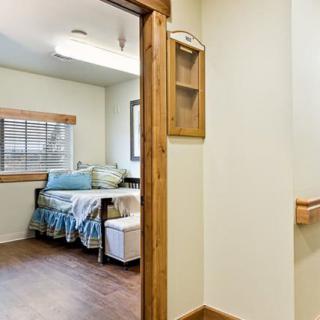
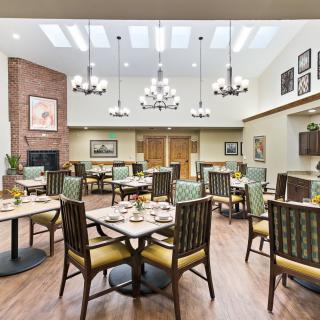
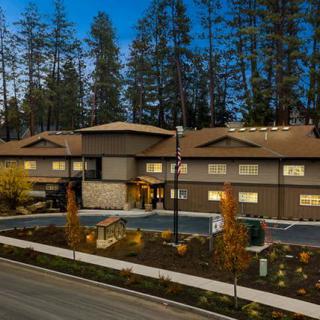
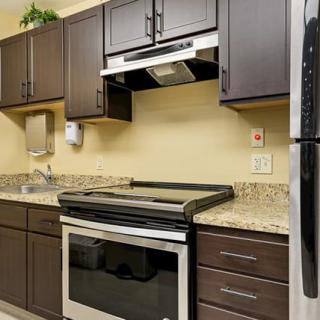
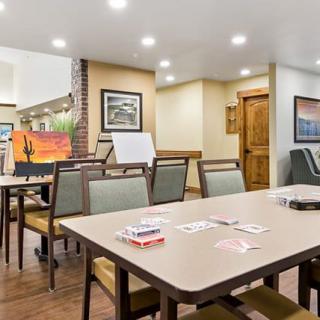
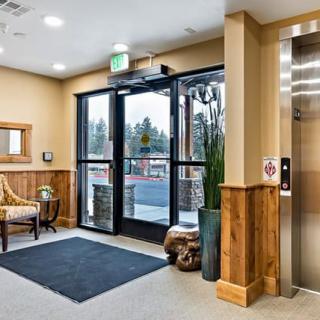
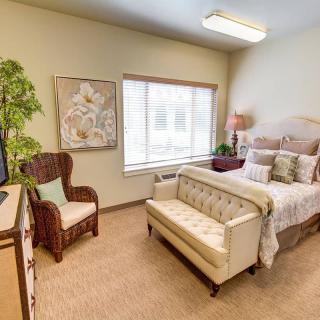
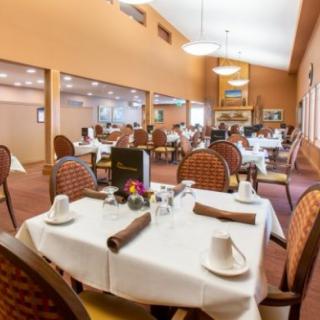
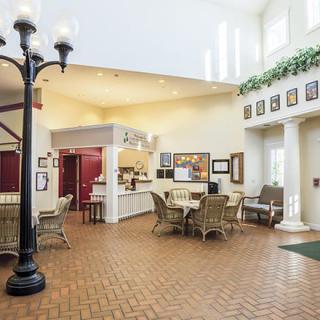
Mill View Memory Care on seniors.fyi includes 33 photos including images showing interior, decor, trees, landscaping, bathroom, building, wall art, bedroom, and more.
Nearby Communities
Mt. Bachelor Assisted Living and Memory Care
Bend, OR
4.3 from 90 reviews
$4,720 to $6,765 / month
Caring staff in a bright, well-kept community with engaging activities.
Mt. Bachelor Memory Care
Bend, OR
4.4 from 22 reviews
$6,765 to $8,855 / month
Caring, attentive staff with engaging memory-care activities in a clean, inviting setting.
Touchmark at Mount Bachelor Village
Bend, OR
4.4 from 61 reviews
$2,500 to $3,775 / month
Beautiful, resort-like setting with attentive staff and engaging activities.
Regency Care of Central Oregon
Bend, OR
4.1 from 9 reviews
Comprehensive memory care and skilled nursing with 24/7 supervision and daily living support.
Cascade View Nursing Center
Bend, OR
3.4 from 9 reviews
Top-rated memory care and skilled nursing with personalized care and abundant nearby amenities.
Regency Village at Bend
Bend, OR
4.4 from 38 reviews
$3,257 to $5,900 / month
Friendly staff with personalized care in a clean, engaging environment.
Pilot Butte Rehabilitation Center
Bend, OR
3.1 from 37 reviews
Caring, attentive staff prioritizes patient comfort and dignity.
Cascades of Bend
Bend, OR
4.4 from 5 reviews
$4,000 to $5,250 / month
Comprehensive care options (independent living and memory care) with extensive on-site amenities, dining, and transportation.
Brookdale Bend
Bend, OR
4.1 from 107 reviews
$5,575 to $7,160 / month
Compassionate staff with proactive communication, especially for memory care.
Alzheimer’s disease is a progressive neurological disorder that significantly impacts memory and cognitive functions, accounting for 60-80% of dementia cases, with early diagnosis being crucial yet challenging. It involves brain changes like beta-amyloid plaques and tau tangles, influenced by genetic and lifestyle factors, and while there is no cure, symptom management and support for caregivers are essential.
Dementia, influenced by aging and certain medications, may be exacerbated by drug classes such as anticholinergics, benzodiazepines, and antipsychotics, which are associated with cognitive impairment. Regular medication reviews by healthcare professionals are crucial for older adults to manage risks and optimize cognitive health.
Dementia often results in disrupted sleep patterns, leading to excessive daytime sleeping due to factors like brain damage affecting circadian rhythms, medication side effects, and lack of structure in daily activities. Caregivers must monitor these changes closely, as oversleeping can increase risks such as malnutrition or dehydration, and provide necessary support and routines to enhance patient engagement and well-being.
Get PricingAsk A QuestionSchedule A TourContact Senior Advisor
By clicking submit, you agree to our Partner's Terms of Use. You
also consent to receive calls and texts, which may be autodialed, from our Partner. Your consent is not a condition to
using our Partner's service. Please visit our Partner's Privacy Policy for information about their privacy practices.


 36 resident community capacity
 Memory Care
 Activities off-site
 Air-conditioning
 Bath tubs
 Beautician on-site
 Cable or satellite TV
 Devotional services off-site
 Dining room
 Fully furnished
 Garden
 Handicap accessible
 Housekeeping services
 Indoor common areas
 Kitchenette
 Move-in coordination
 Outdoor common areas
 Respite or short term stays offered
 Telephone
 Wheelchair accessible showers
 Wi-Fi/high-speed internet available
 Roberts (17 miles away)
 24-hour call system
 Ambulatory care
 Assistance with bathing
 Assistance with dressing
 Assistance with transfers
 Diabetes diet
 Diabetic care
 Incontinence care
 Meal preparation and service
 Medication management
 Mental wellness program
 Special dietary restrictions
 Transportation arrangement (medical)
 Transportation to doctors appointments
 Art classes
 Catholic services
 Cooking classes
 Day trips and outings
 Jewish services
 Karaoke
 Live musical performances
 Caring staff in a bright, well-kept community with engaging activities.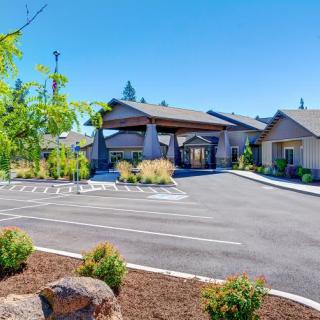


 Illuminating Insights About Alzheimer's Disease: Ten Crucial Realities
 A Thorough Discussion of Medications Potentially Linked to Dementia Risk
 Why Do Dementia Patients Sleep So Much? Understanding Oversleeping, Stages, and Care Approaches