Touchmark at Mount Bachelor Village Costs & Pricing
At Touchmark at Mount Bachelor Village, the costs for apartment living are notably competitive compared to both Deschutes County and the broader state of Oregon. For instance, a one-bedroom unit is available for $2,500 per month, significantly lower than the county's average of $4,059 and Oregon's average of $3,904. Studio apartments are priced at $2,900, which again provides a substantial savings compared to Deschutes County's rate of $4,373 and a slight advantage over Oregon's average of $3,815. Those seeking more space will find two-bedroom apartments at Touchmark priced at $3,775 per month - still more affordable than both the county's average of $4,539 and the state's average of $4,436. Overall, Touchmark offers an attractive blend of quality living arrangements with cost-efficiency that stands out in comparison to local market trends.
Floor plans
Touchmark at Mount Bachelor Village
Deschutes County
Oregon
1 Bedroom
$2,500
$4,059
$3,904
Studio
$2,900
$4,373
$3,815
2 Bedrooms
$3,775
$4,539
$4,436
Memory care communities with a similar price nearby
Overall Review of Touchmark at Mount Bachelor Village
common12 reviews mention this
Staff warmth and responsiveness
Residents and families repeatedly describe staff as genuinely welcoming and helpful.
Many reviews focus on how easy it feels to interact with the team—people describe friendly smiles, a responsive front desk, and staff who follow through on residents’ needs. Caregivers and families also mention staff being caring and professional, including support during the transition to community living. In memory care, reviewers specifically describe staff treating residents with dignity and keeping families informed during the first week.
common9 reviews mention this
Lots to do on campus
Residents say there’s consistently something scheduled to participate in.
Reviews describe an active daily life with events and social gatherings, plus programs like fitness and access to personal trainers. Several reviewers mention outings and transportation for things like shopping and appointments, and others bring up entertainment such as movies and game nights. A few also describe having staff help coordinate care around appointments and errands so residents can stay engaged.
caveat5 reviews mention this
Dining feels mixed, with complaints
Dining is a recurring point of praise, but food quality and value also draw complaints.
Some residents and families praise the restaurant-style experience and say meals are good, with choices and a dining room they enjoy using. Others raise concerns that food quality declines, portions are small, or menus feel repetitive, including one review that ties the lowest rating to food allowance rules and low-quality meals. Even among overall positive diners, at least one review notes meals can feel expensive for guests paying separately.
caveat4 reviews mention this
High price and fee concerns
Price is a clear sticking point, with reviews calling out high cost and extra charges.
Multiple reviews describe Touchmark as very expensive, with some mentioning hidden fees. Several comments connect the cost to what is included—such as food allowance expectations, limited in-unit kitchen features, and items like Wi‑Fi/cable and meals not matching the price for some families. One review also suggests the overall experience and food quality do not match the premium price being charged.
common6 reviews mention this
Clean, well-kept grounds
Reviews often mention the community looks clean, well-maintained, and updated.
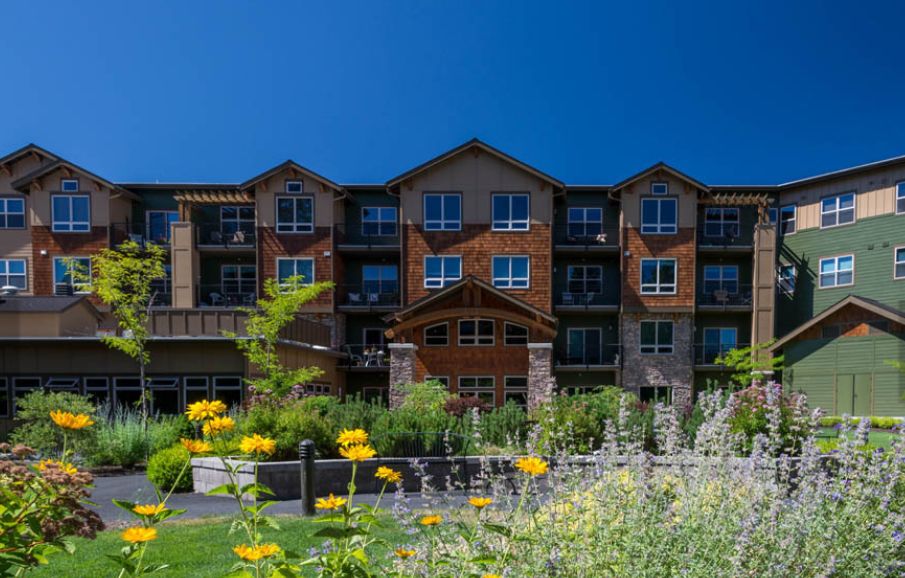
A number of reviewers describe the buildings and grounds as immaculate, clean, and well-kept, with one comparing the appearance to a resort-like setting. Families also mention seeing maintenance and housekeeping support, and several describe apartments as comfortable or nice. Even a more critical review acknowledges that the facility and atmosphere are attractive, even while calling out problems with food or staffing experience.
How we summarize
Counts show how many written reviews mention each theme; a review can touch several themes, and only frequently mentioned themes are displayed.
Features
Housing
95 resident community capacity
Types of Care
Assisted Living
Independent Living
Memory Care
Respite Care
Amenities
Activities on-site
Air-conditioning
Beauty salon
Cable or satellite TV
Computer center
Devotional services off-site
Dining room
Fitness room
Fully furnished
Gaming room
Garden
Housekeeping services
Indoor common areas
Kitchenette
Move-in coordination
Outdoor space
Private bathrooms
Restaurant-style dining
Small library
Telephone
Wellness center
Wi-Fi/high-speed internet available
Transportation
Roberts (17 miles away)
Community operated transportation
Transportation arrangement
Transportation arrangement (non-medical)
Transportation to doctors appointments
Care Services
12-16 hour nursing
24-hour call system
24-hour supervision
Activities of daily living assistance
Ambulatory care
Assistance with bathing
Assistance with dressing
Assistance with transfers
Coordination with health care providers
Dementia waiver
Diabetes diet
Hospice waiver
Meal preparation and service
Medication management
Mental wellness program
Mild cognitive impairment
Special dietary restrictions
Specialized memory care programming
Transportation arrangement (medical)
Transportation to doctors appointments
Dining
Diabetes diet
Meals provided
Special dietary restrictions
Activities
Activities on-site
Community-sponsored activities
Concierge services
Devotional activities offsite
Fitness programs
Planned day trips
Resident-run activities
Scheduled daily activities
Nearby Places of Interest
Physicians
Donald DeLisi DMD (0.2 miles)
Bend Dental Health (0.2 miles)
Krueger & Lenox Oral and Maxillofacial Surgery (0.3 miles)
Wisco Oliver J DO Oliver J Wisco, DO FAAD FACMS Dermatology Health Specialists (0.4 miles)
Leffel Linda, MD - The Leffel Center (0.5 miles)
Straumfjord Marianne MD Bend Psychiatric Offices (0.6 miles)
At Touchmark at Mount Bachelor Village, the costs for apartment living are notably competitive compared to both Deschutes County and the broader state of Oregon. For instance, a one-bedroom unit is available for $2,500 per month, significantly lower than the county's average of $4,059 and Oregon's average of $3,904. Studio apartments are priced at $2,900, which again provides a substantial savings compared to Deschutes County's rate of $4,373 and a slight advantage over Oregon's average of $3,815. Those seeking more space will find two-bedroom apartments at Touchmark priced at $3,775 per month - still more affordable than both the county's average of $4,539 and the state's average of $4,436. Overall, Touchmark offers an attractive blend of quality living arrangements with cost-efficiency that stands out in comparison to local market trends.
Touchmark at Mount Bachelor Village offers a comprehensive range of features designed to enhance the quality of life for residents with dementia or Alzheimer's disease. Assistance with dressing, bathing, and transfers ensures that residents maintain dignity while receiving the necessary support for daily activities, fostering a sense of independence. Medication management and coordination with healthcare providers safeguard against medication errors and ensure that medical needs are promptly addressed. Meal preparation and service cater to dietary requirements, promoting nutrition and enjoyment during mealtimes. Transportation arrangements facilitate access to medical appointments, while 24-hour supervision provides a secure environment where residents feel safe. Specialized memory care programming and mental wellness initiatives support cognitive health, addressing the unique challenges associated with mild cognitive impairment and more advanced stages of dementia. Together, these features create a nurturing atmosphere tailored to meet the distinct needs of individuals with memory impairments.
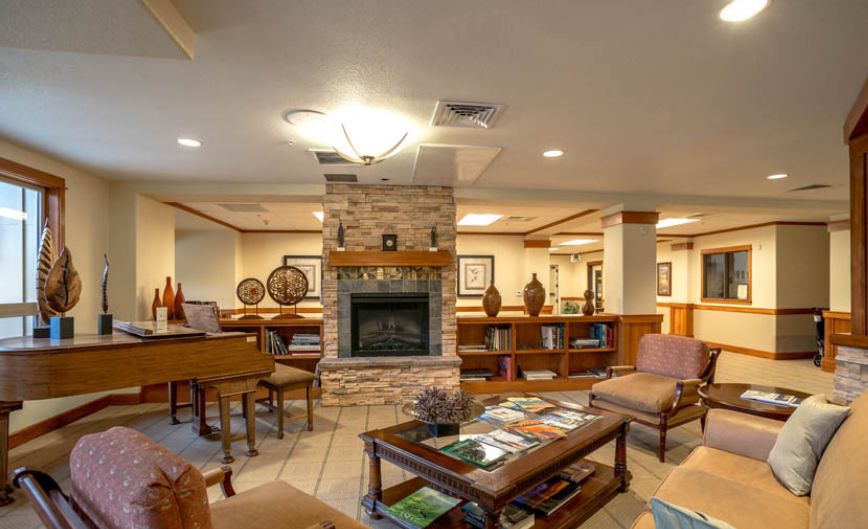
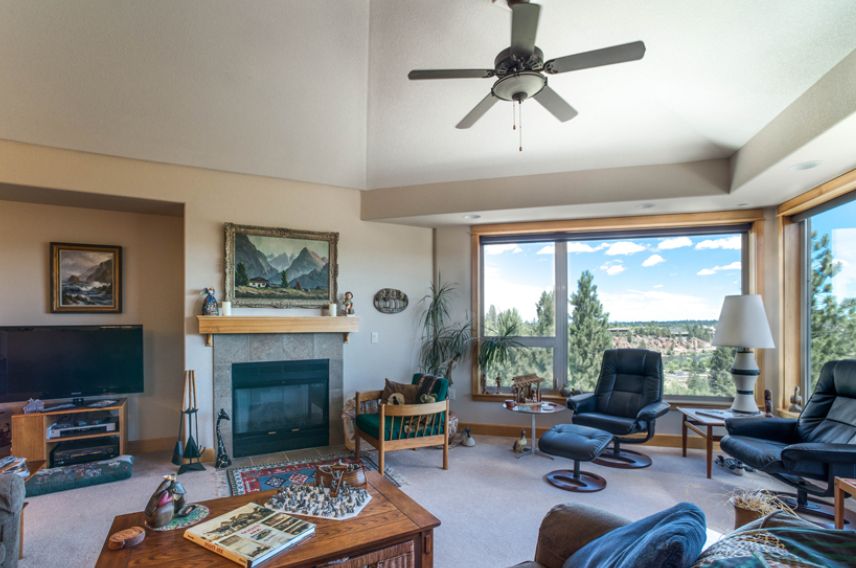
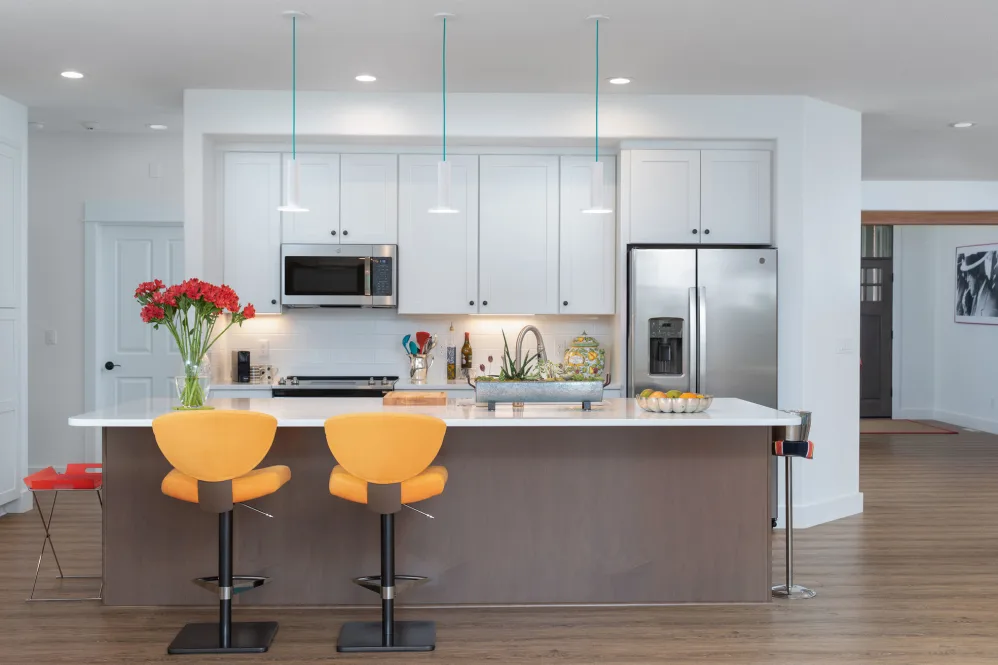
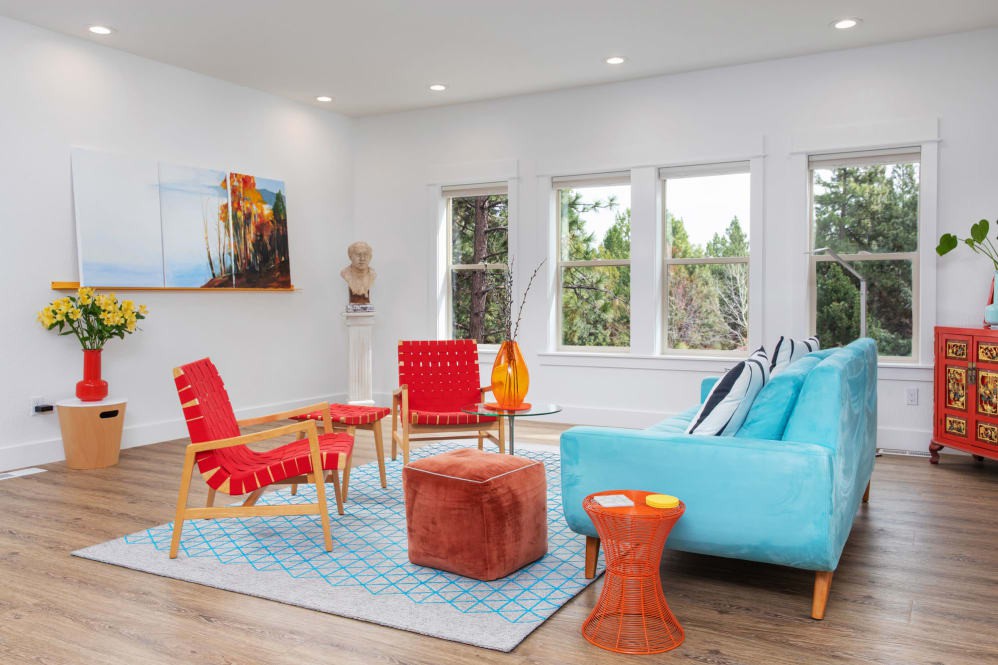
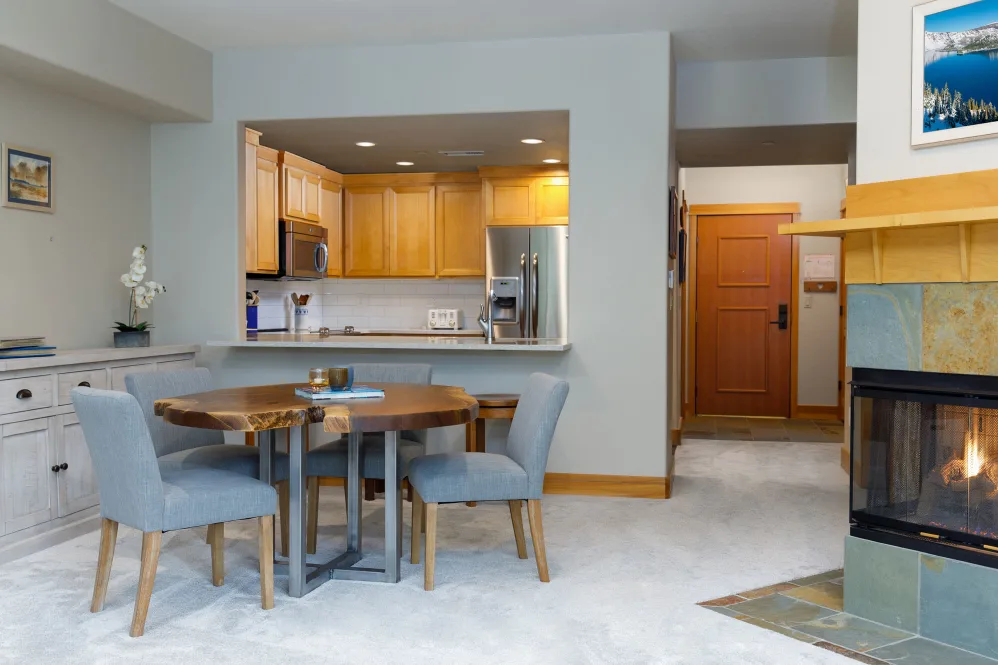
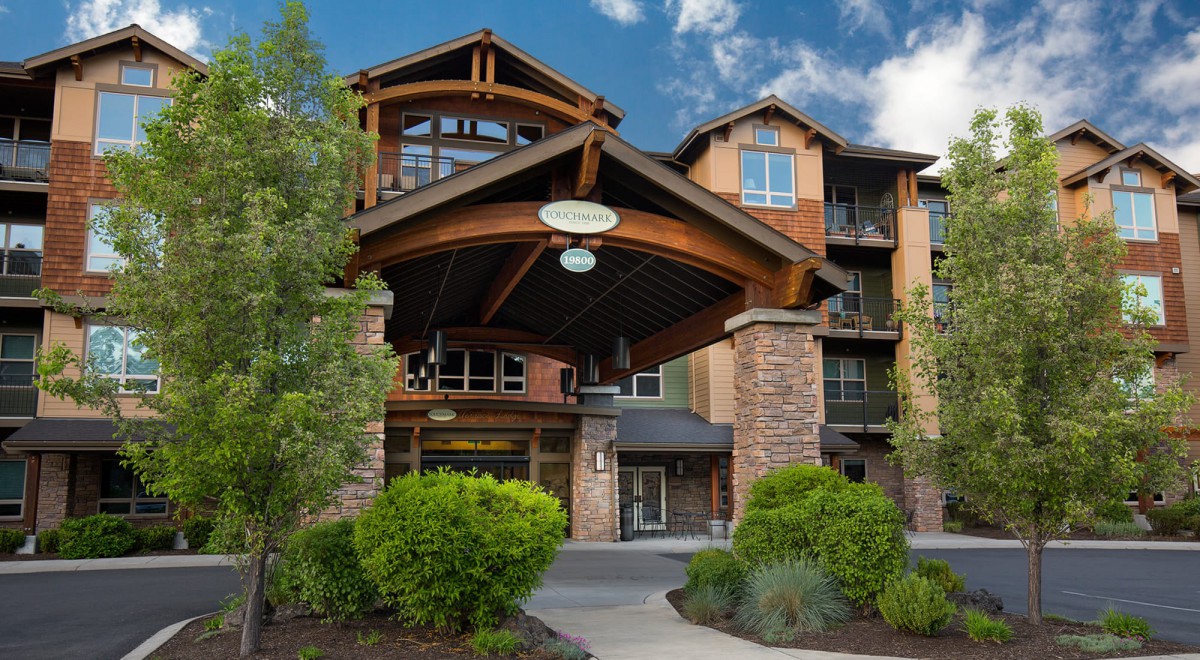
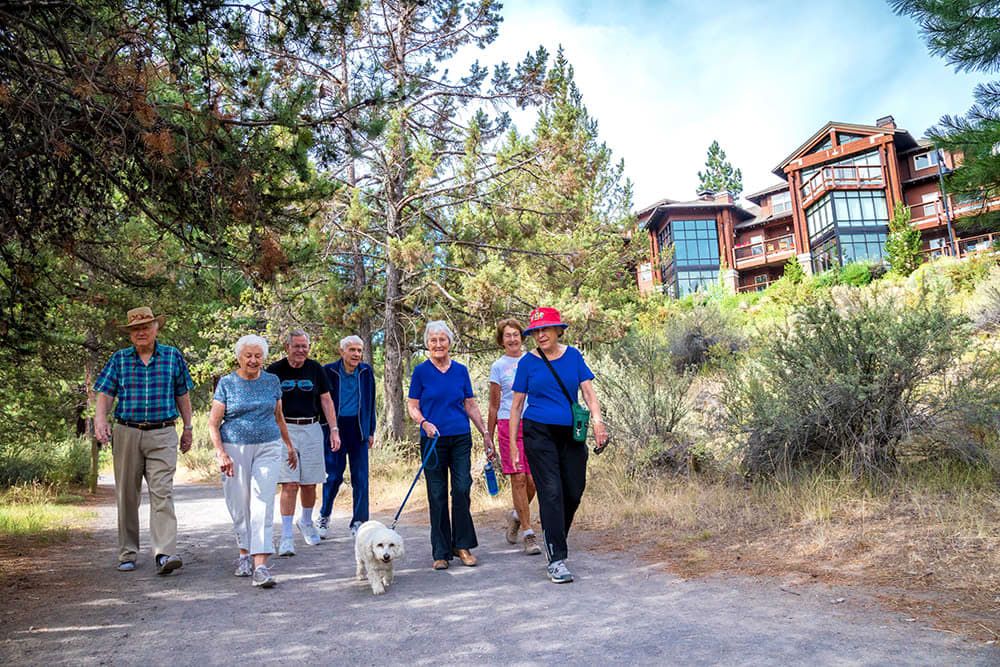
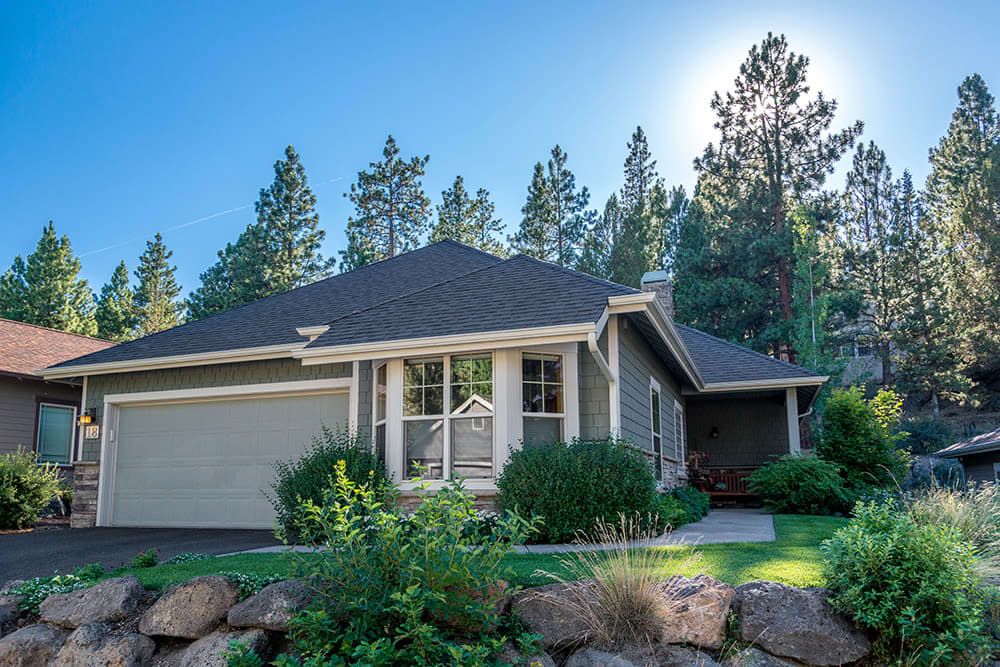
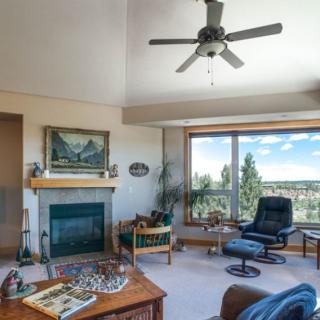
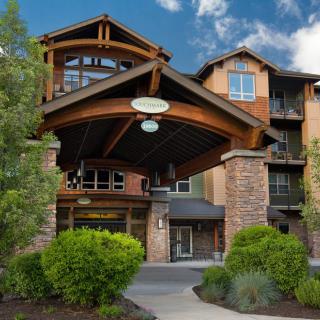
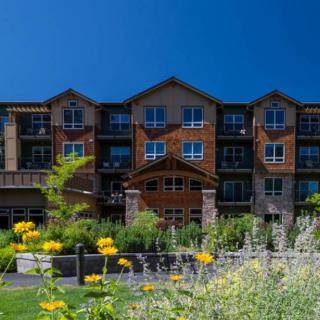
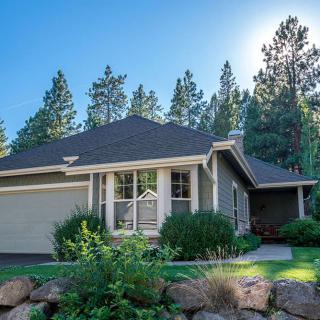
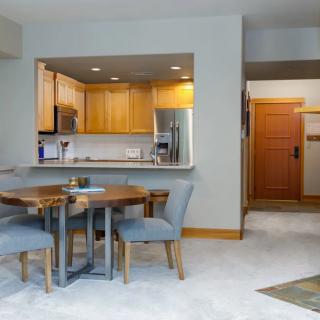
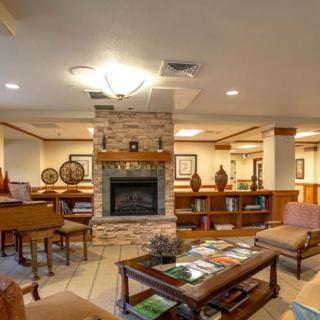
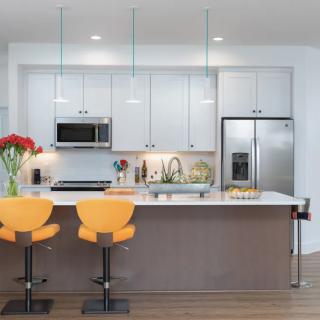
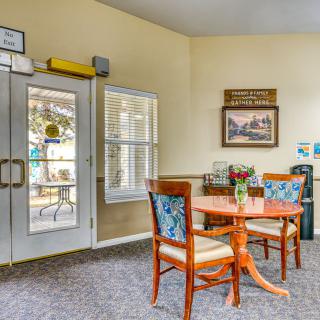
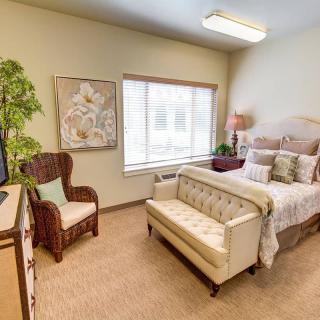
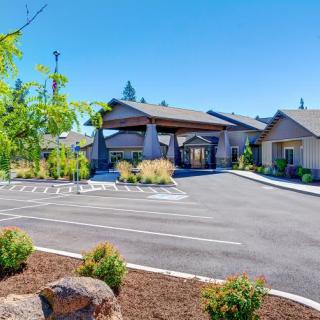
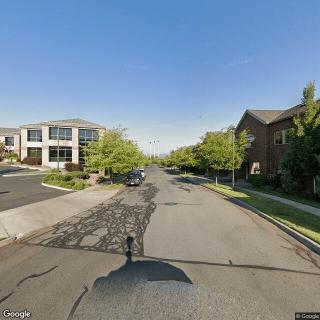
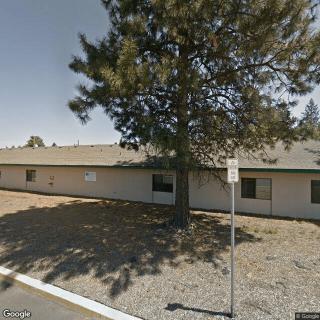
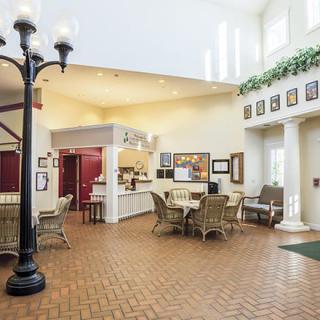
Touchmark at Mount Bachelor Village on seniors.fyi includes 13 photos including images showing interior, decor, dining, trees, nature, outdoors, kitchen, lounge, and more.
Nearby Communities
Open Arms - Bend
Bend, OR
4.3 from 15 reviews
Peaceful senior living with convenient access to dining, healthcare, and entertainment nearby.
Mill View Memory Care
Bend, OR
4.7 from 44 reviews
$4,400 to $4,700 / month
Loving, family-like atmosphere with well-maintained, welcoming premises and engaging activities.
Mt. Bachelor Assisted Living and Memory Care
Bend, OR
4.3 from 90 reviews
$4,720 to $6,765 / month
Caring staff in a bright, well-kept community with engaging activities.
Evergreen In-Home Care
Bend, OR
3.4 from 5 reviews
In-home care with convenient access to nearby healthcare, dining, and parks.
Mt. Bachelor Memory Care
Bend, OR
4.4 from 22 reviews
$6,765 to $8,855 / month
Caring, attentive staff with engaging memory-care activities in a clean, inviting setting.
Regency Care of Central Oregon
Bend, OR
4.1 from 9 reviews
Comprehensive memory care and skilled nursing with 24/7 supervision and daily living support.
Pilot Butte Rehabilitation Center
Bend, OR
3.1 from 37 reviews
Caring, attentive staff prioritizes patient comfort and dignity.
Cascades of Bend
Bend, OR
4.4 from 5 reviews
$4,000 to $5,250 / month
Comprehensive care options (independent living and memory care) with extensive on-site amenities, dining, and transportation.
Brookdale Bend
Bend, OR
4.1 from 107 reviews
$5,575 to $7,160 / month
Compassionate staff with proactive communication, especially for memory care.
Memory care activities are essential for improving the quality of life of seniors with cognitive impairments, as they stimulate cognitive function, promote well-being, and encourage social interaction through tailored strategies. These activities combine structured exercises with spontaneous tasks, sensory engagement, physical workouts, creative pursuits, and intergenerational interactions to enhance emotional connection and a sense of purpose.
Transitioning from assisted living to memory care is driven by an individual's cognitive decline and specific needs, requiring careful evaluation of indicators like increased confusion and wandering. The process involves consulting medical professionals, researching suitable communities, considering financial and legal aspects, and ensuring effective communication for personalized care plans.
The article differentiates between assisted living and memory care, explaining that assisted living supports seniors with daily activities while promoting independence, whereas memory care provides specialized services for individuals with dementia, focusing on secure environments and cognitive support. It also addresses staff training, safety considerations, costs, family involvement, and transition strategies for families navigating these care options.
Get PricingAsk A QuestionSchedule A TourContact Senior Advisor
By clicking submit, you agree to our Partner's Terms of Use. You
also consent to receive calls and texts, which may be autodialed, from our Partner. Your consent is not a condition to
using our Partner's service. Please visit our Partner's Privacy Policy for information about their privacy practices.









 95 resident community capacity
 Assisted Living
 Independent Living
 Memory Care
 Respite Care
 Activities on-site
 Air-conditioning
 Beauty salon
 Cable or satellite TV
 Computer center
 Devotional services off-site
 Dining room
 Fitness room
 Fully furnished
 Gaming room
 Garden
 Housekeeping services
 Indoor common areas
 Kitchenette
 Move-in coordination
 Outdoor space
 Private bathrooms
 Restaurant-style dining
 Small library
 Telephone
 Wellness center
 Wi-Fi/high-speed internet available
 Roberts (17 miles away)
 Community operated transportation
 12-16 hour nursing
 24-hour call system
 Ambulatory care
 Assistance with bathing
 Assistance with dressing
 Assistance with transfers
 Diabetes diet
 Hospice waiver
 Medication management
 Mental wellness program
 Special dietary restrictions
 Transportation arrangement (medical)
 Concierge services
 Planned day trips
 Peaceful senior living with convenient access to dining, healthcare, and entertainment nearby.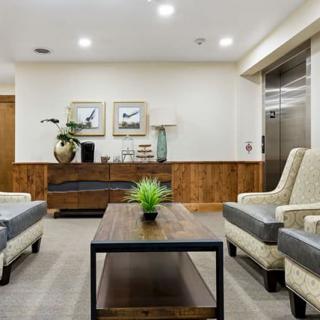


 Engaging Memory Care Activities That Enhance Quality of Life
 When to Transition from Assisted Living to Memory Care: Key Indicators, Steps, and Finding the Right Community
 Understanding the Distinctions: Assisted Living and Memory Care Explained