
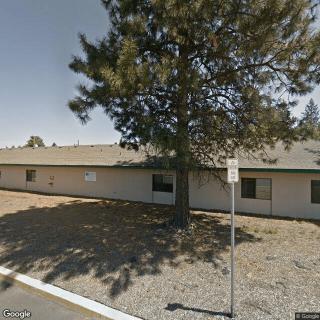
119 Se Wilson Ave, Bend, OR 97702
To contact a resident: (541) 382-7161
For more information about senior living options: (866) 208-4318
Overall Review of Cascade View Nursing Center
Pros
 The facility is comforting and caring with amazing staff.
- RCCO is clearly committed to providing great care for all residents, with a supportive team across direct caregivers, management, kitchen, and housekeeping.
- Regency is a wonderful establishment that, being smaller, creates a warm, home-like community for both residents and staff.
- Regency does its best and is always striving to improve, showing a strong dedication to quality care.
- The staff are exceptionally kind and make residents feel valued, sometimes described as feeling like royalty in their last days.
- The staff are friendly and engaging, fostering positive interactions among residents.
Cons
 The facility is extremely understaffed, and management is well-meaning but disorganized.
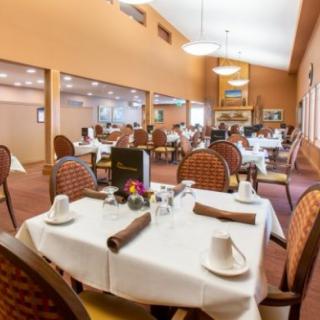
- The meals are plentiful, if a bit bland.
- Dr. Thacker's actions were extremely inhumane.
- The staff essentially ignored certain bedridden residents and let their call lights go for hours on end, leaving residents to cry out for help.
- They left a patient to use a walker that was too narrow, causing him to fall and then blaming the meds.
- The reviewer notes that his uncle on Medicaid was treated as if at the bottom of the totem pole for health care services.
Review
Cascade View Nursing Center in Bend, Oregon is best suited for families seeking a small, home-like setting where residents are known by name and care comes with a visible, personal touch. This community rewards those who value warmth, steady companionship from caregivers, and a sense that residents are part of a close-knit “family” atmosphere. It is less ideal for seniors who require constant, high-intensity monitoring, swift response to critical needs, or highly structured clinical oversight and fast, predictable interventions every hour.
The strongest in-house advantage is the staff and the culture. Reviews consistently praise the people who work there, caregivers, kitchen staff, housekeeping, and management, describing them as supportive and genuinely invested in residents’ well-being. The smaller footprint creates a home-like environment where residents and staff can form meaningful relationships, and where family-like bonds seem to flourish. This translates into moments of reassurance for families who want to feel their loved one is treated with warmth and respect day after day.
Yet, the same small scale highlights the facility’s recurring operational fault lines. The most frequent concerns center on understaffing and disorganization at the administrative level, which can lead to delays in assistance, missed call lights, and uneven staffing coverage across shifts. Meals are noted as plentiful but sometimes bland, and there are credible accounts of residents not receiving timely help when they need it most. A particularly troubling review recounts a painful experience tied to pain-management decisions that left a patient uncomfortable and dependent on limited mobility aids. Taken together, these issues point to a real risk that urgent needs won’t be met consistently when staffing is stretched thin or when processes are not tightly managed.
Despite those drawbacks, the pro-team ethos buys significant real-world value. When staff are available and procedures are clear, the care level can feel surprisingly attentive and responsive, offsetting some of the fragility created by staffing gaps. Families prioritizing companionship and daily reassurance may tolerate occasional delays because the culture emphasizes dignity, kindness, and resident-centered interactions. In practice, the “home-like” benefit is not cosmetic; it translates into more individualized attention and a sense of belonging for many residents, which can be especially meaningful for seniors who fear isolation when living away from home.
For families weighing alternatives, Cascade View may not be the first choice for residents who rely on constant, rapid-response care or require tight clinical governance. If a resident needs aggressive pain control, immediate assistance around the clock, or highly predictable staffing levels, larger facilities with more robust staffing ratios and formalized care protocols may better align with those expectations. Similarly, those who want consistently varied activities, transparent accountability, and streamlined management processes may find other communities more reliable in day-to-day operations.
The prudent path to a confident decision is a disciplined on-site assessment coupled with direct questions about staffing and clinical oversight. Schedule visits during multiple shifts to observe response times and call-light handling, and request candid conversations with current residents and families about daily experiences. Inquire specifically about pain-management policies, physician oversight, and how decisions are communicated to families. Compare how Cascade View documents and enforces care plans against alternatives with stronger staffing metrics. With clear expectations and firsthand observation, families can determine whether the home-like warmth and devoted staff at Cascade View outweigh the potential risks associated with understaffing and organizational gaps, or whether a different community better fits the required level of ongoing clinical support.
 Memory Care
 Skilled Nursing Facility
 Roberts (16 miles away)
 High acuity care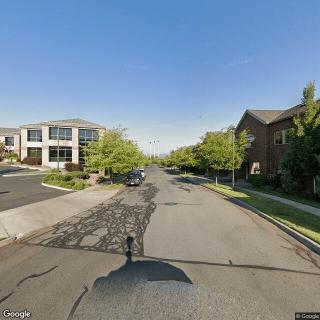



 5 Early Indicators of Dementia and What You Can Do
 8 Important Indicators That Memory Care May Be Necessary
 Delving into the Inner World of Dementia: Insights into Thoughts and Awareness