





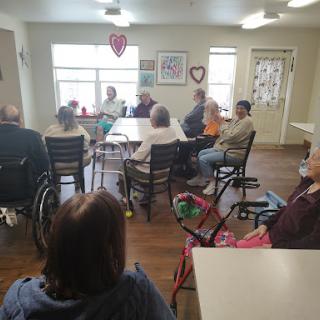
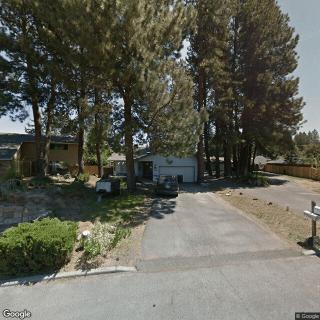
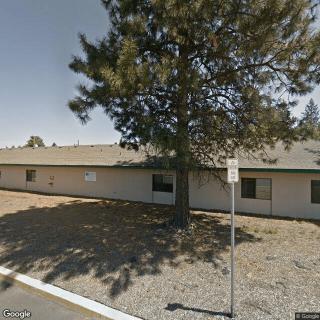
51485 Morson Street, La Pine, OR 97739
For more information about senior living options: (866) 208-4318
Overall Review of Prairie House Assisted Living Community
Pros
 The memory care staff at Prairie House provide loving care to residents.
- The administration and memory care teams offer loving support to families.
- Prairie House creates a welcoming environment where visitors feel loved.
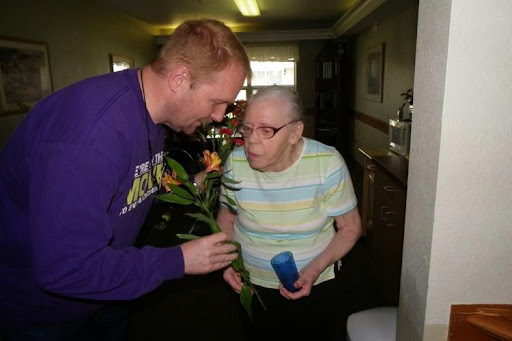
- The facility makes residents feel at home and part of a big, caring family.
- The overall care received is described as heartfelt and loving by those who interact with the staff.
Cons
 Prairie House failed to pay the contracted amount five months after the job was completed.
- The staff were rude and dismissive toward residents and their families.
- Residents were left in soiled clothes for days and not bathed, with rooms dirty and odor present.
- The food served did not match the posted advertisements and was of poor quality.
- The director and staff cut off conversations, and one staff member hung up on a family member.
- The facility displayed neglect and unsafe conditions, including trash on the floor and unaddressed medical needs.
- Hospital discharge was blocked on weekends, suggesting unsafe or uncaring management.
- The reviewer would not recommend Prairie House to others.
Review
Prairie House Assisted Living Community in La Pine is best suited for families with a loved one who needs memory-care support and who value a warm, caregiver‑to‑resident feel. The Memory Care unit has earned praise for genuine, attentive caregiving and for administration that appears supportive of its staff and residents. That sense of belonging and personalized attention in memory care stands out, offering a heartfelt option for families seeking emotional warmth in a difficult transition.
However, serious caveats exist that push many families to consider alternatives, especially if daily safety, cleanliness, and responsive communication are nonnegotiable. The broader facility bears credibility gaps in routine operations that can undermine comfort and trust. Prospective residents and their families should be prepared to scrutinize daily care practices, housekeeping standards, and the consistency of staff responsiveness across units, not just in memory care.
The strongest positive attributes center on memory-care staff and administration. Families report a noticeable, compassionate tone from caregivers and a sense of “home” when visiting Memory Care, with some reviewers describing real emotional support and a welcoming environment. If a loved one needs memory-support services and a benevolent, familiar face at the door matters most, these elements can be meaningful and persuasive. Yet these benefits are isolated to a specific unit and do not automatically extend to the rest of the campus.
The most troubling feedback runs through everyday care and facility maintenance. Reviews describe residents left in soiled clothing for days, rooms with odor and trash, and inadequate bathing or personal hygiene. Front-desk interactions are cited as curt or dismissive, and at least one administrator reportedly hung up during a family call. More troubling still, there are accounts of medical neglect concerns, including delayed responses to urgent needs and resistance to hospital discharges. These patterns create real safety and dignity risks, and they cannot be dismissed as isolated incidents.
Despite the troubling reports, the memory-care environment offers an undeniable counterweight: the potential for a nurturing, affectionate atmosphere where a loved one may feel seen and cared for. That contrast is not accidental, caregivers in that unit are described as attentive and relational, and families find solace in the personal connections formed there. The question is whether those strong, positive experiences can be reliably replicated campus‑wide and sustained over time, especially under weekend or high‑demand pressures.
For families weighing options, the practical conclusion is clear. Prairie House can deliver exceptional, loving care within Memory Care and may offer a welcoming community for residents who fit that unit’s profile. Yet the rest of the campus carries significant red flags that can compromise safety and dignity even for long‑time residents. Prospective residents should approach with a rigorous due‑diligence mindset: arrange multiple visits at different times, request direct conversations with care coordinators, review current incident history and staff ratios, and verify how the facility handles hygiene, medication, and escalating needs. If the family cannot accept the risk of inconsistent daily care and the potential for communication breakdowns, it is prudent to explore other communities where housekeeping, responsive care, and administrative follow‑through are demonstrably stronger. In short, Prairie House may serve well for memory-care–focused care under careful oversight, but alternatives warrant serious consideration for anyone prioritized on broad safety, cleanliness, and dependable frontline responsiveness.
 46 resident community capacity
 Assisted Living
 Beauty salon
 Cable or satellite TV
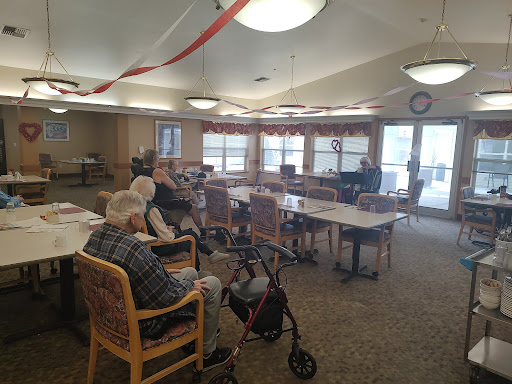
 Dining room
 Fully furnished
 Garden
 Housekeeping services
 Kitchenette
 Move-in coordination
 Outdoor space
 Restaurant-style dining
 Small library
 Telephone
 Wi-Fi/high-speed internet available
 24-hour call system
 Activities of daily living assistance
 Assistance with bathing
 Assistance with dressing
 Assistance with transfers
 Diabetes diet
 Medication management
 Mental wellness program
 Special dietary restrictions



 Funding and Affording Assisted Living: A Thorough Overview
 Assisted Living Expenses and Long-Term Care Insurance: A Comprehensive Exploration
 Securing Financial Support for Assisted Living: A Comprehensive Overview