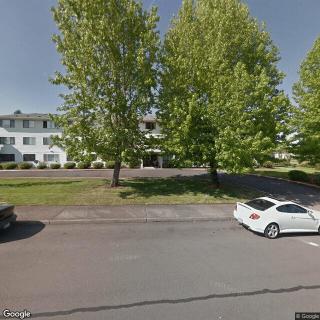
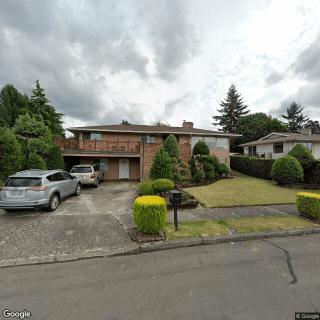
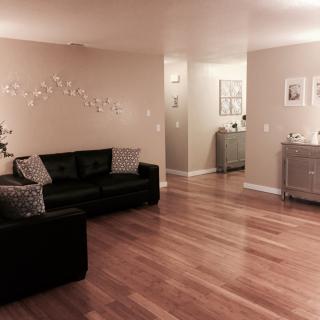
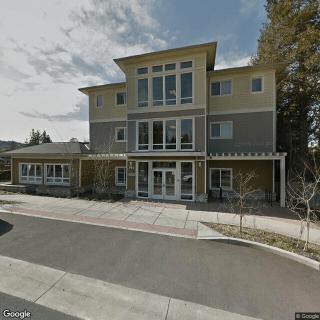
Farmington Square - Gresham

Save

  • Interior

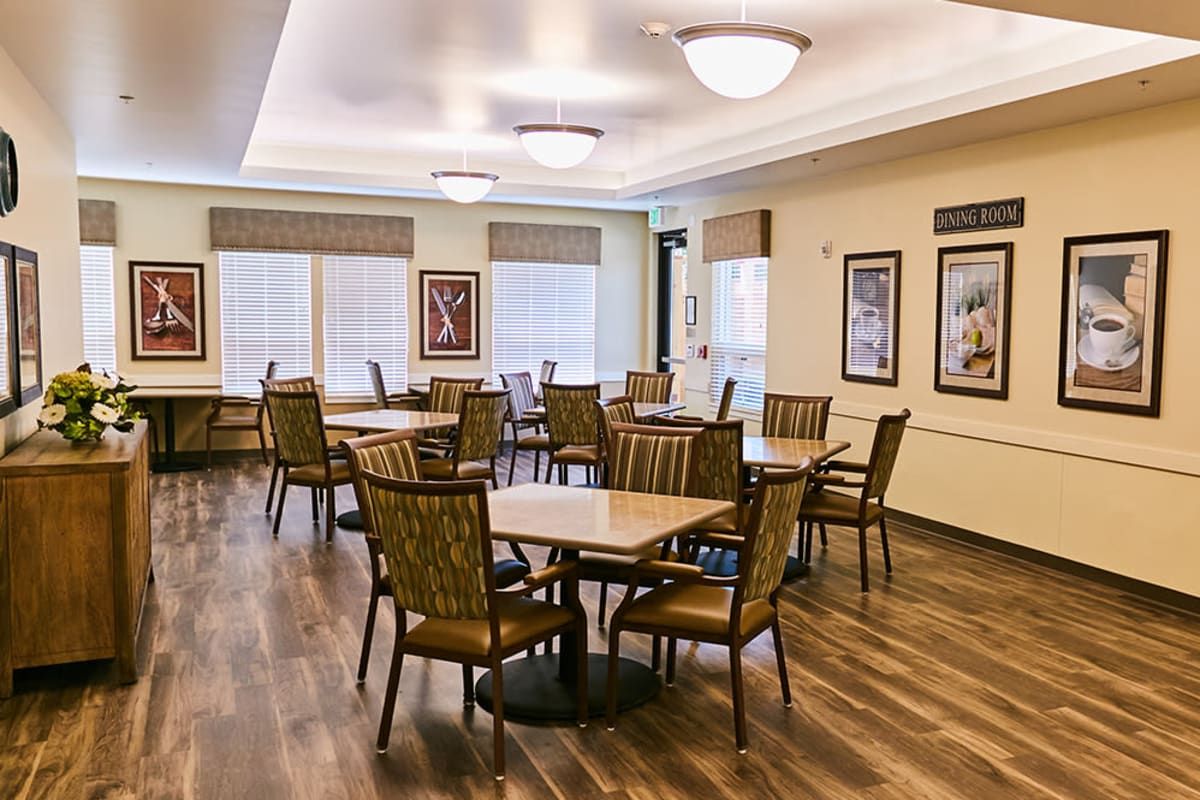
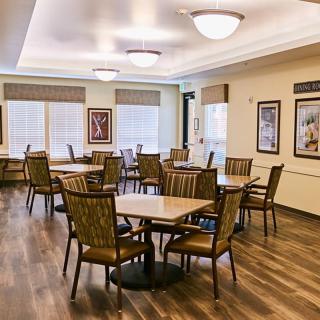
    A well-lit dining room with multiple tables and chairs arranged on a wooden floor.
  • Decor

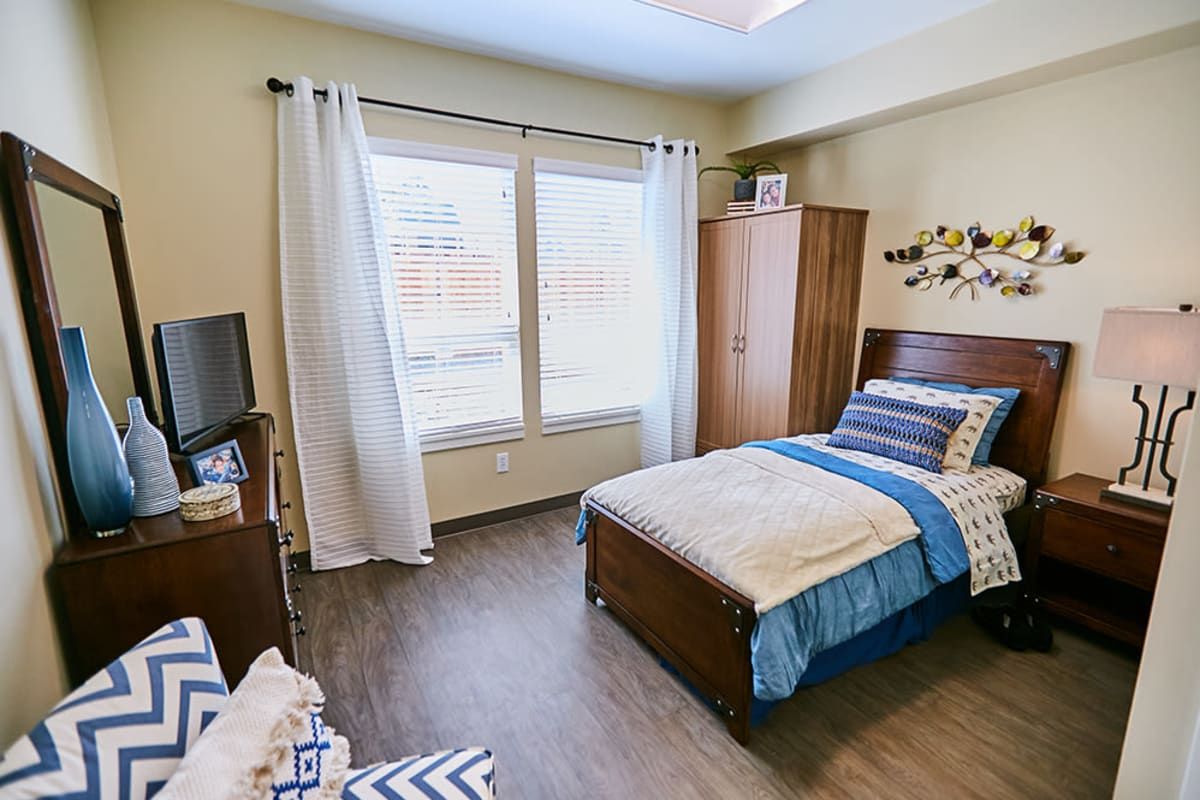
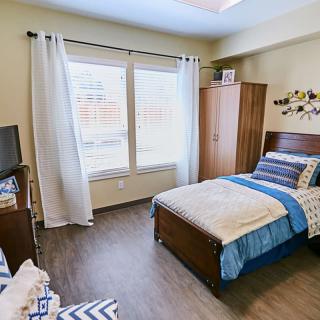
    A cozy, well-lit bedroom with a single bed and modern decor.
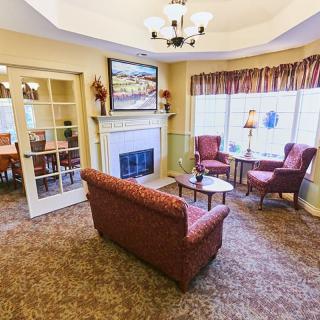
  • Living Room

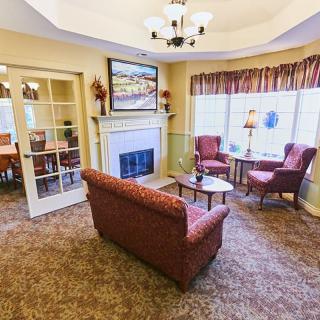
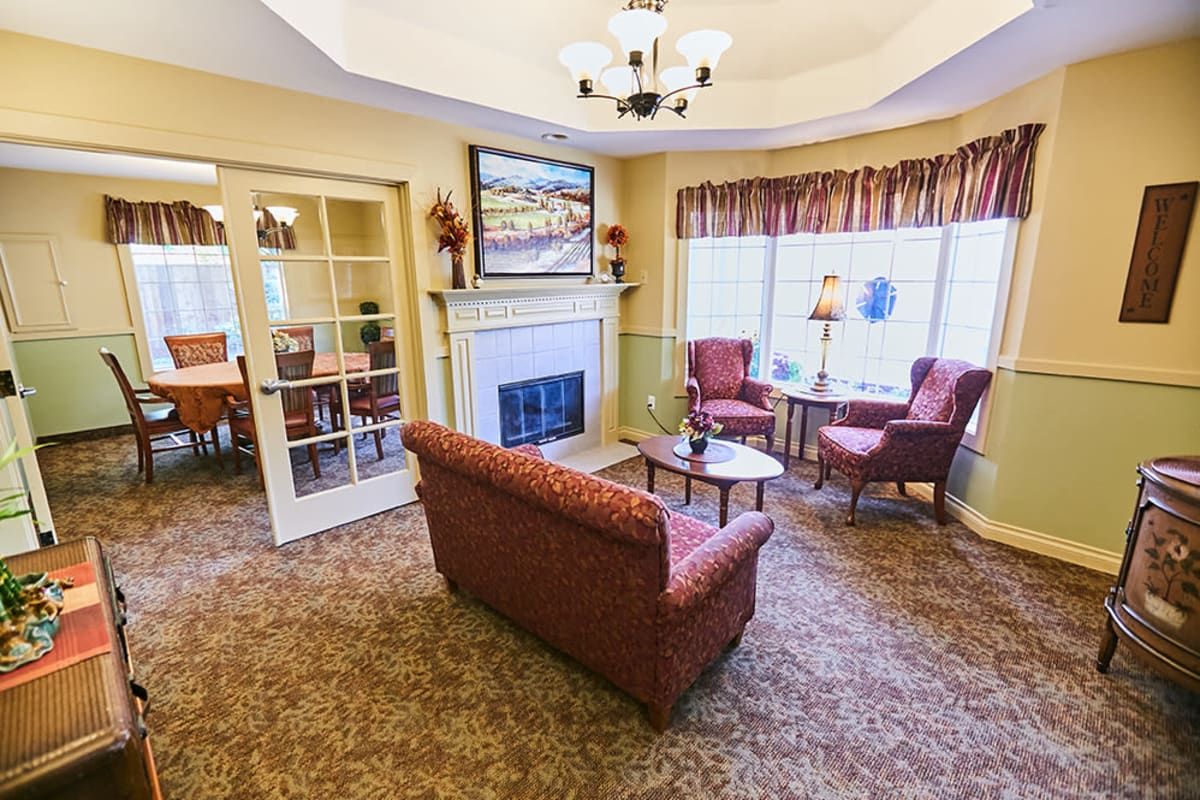
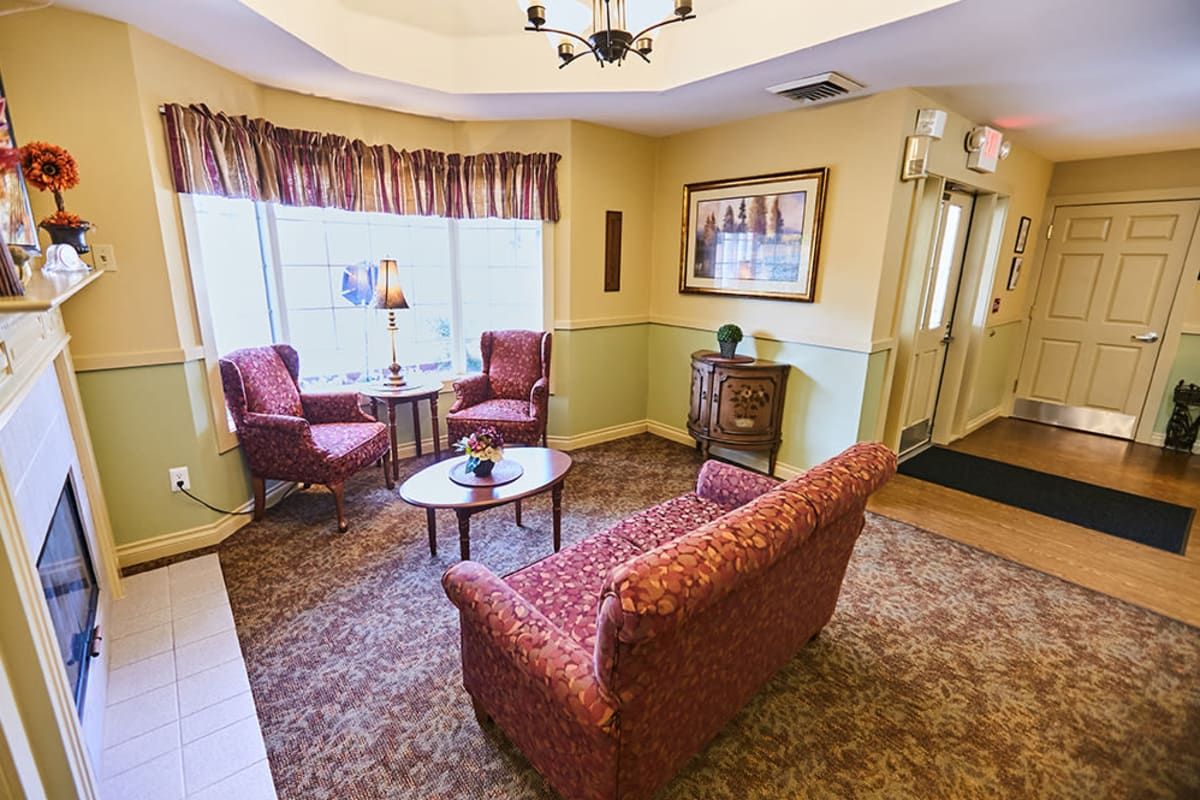
    Cozy living room with a fireplace, sofa, and chairs near large windows.
  • Building

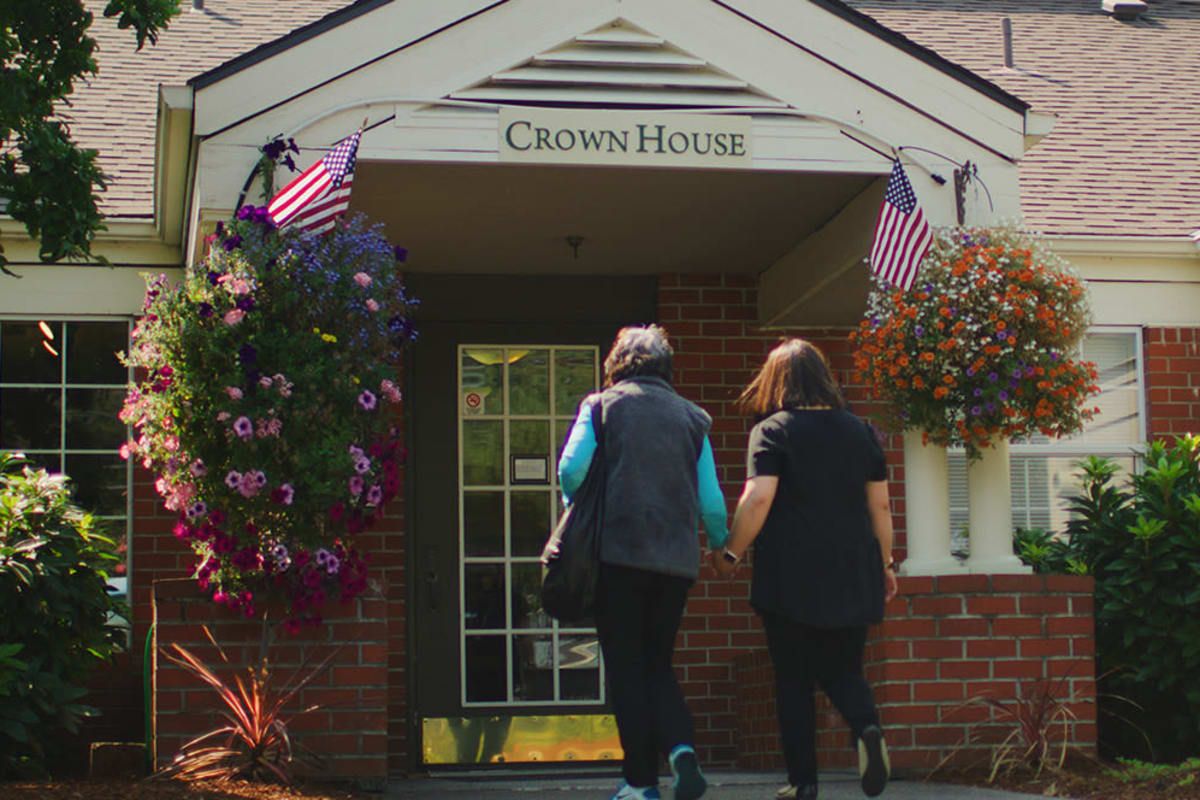
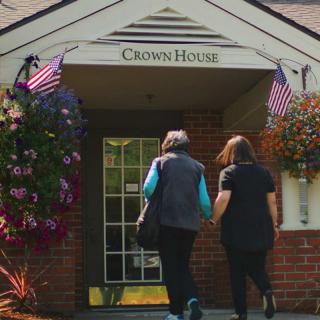
    Two people walking towards the entrance of Crown House, adorned with flowers and flags.
  • Architecture

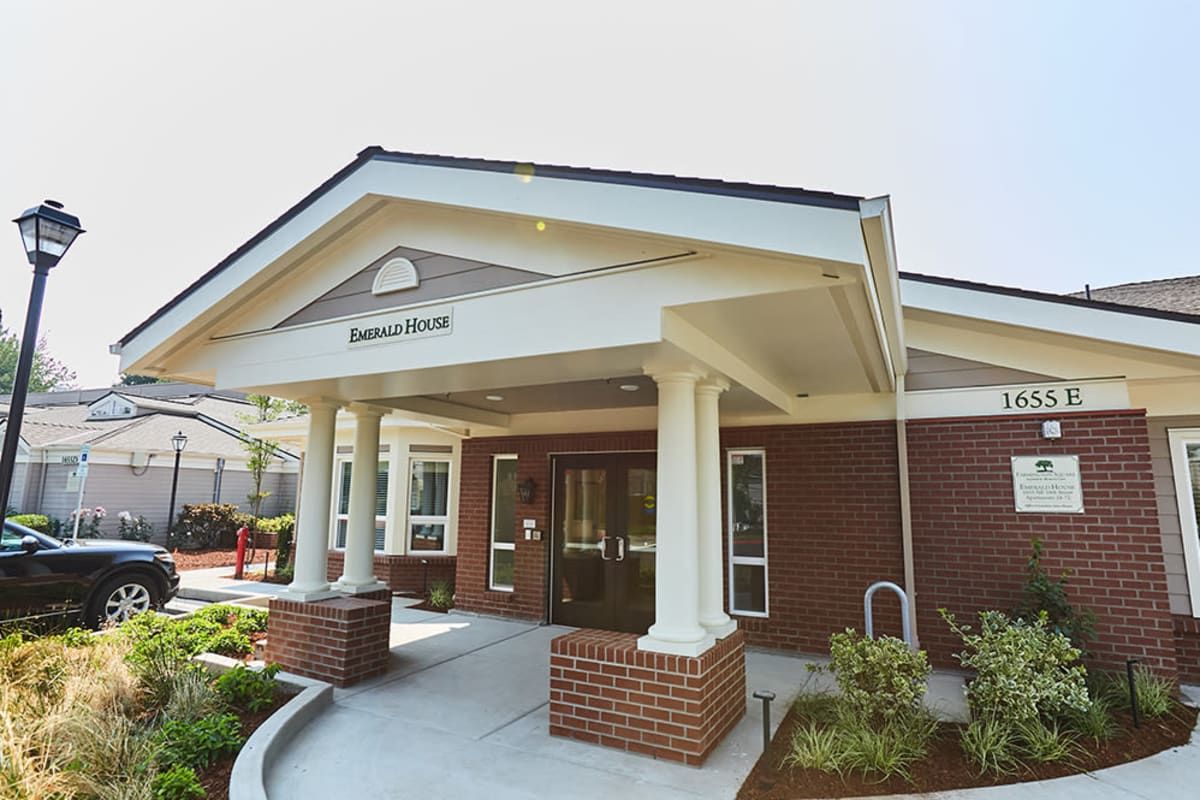
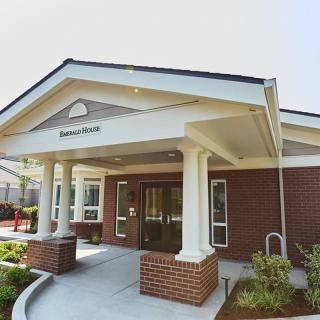
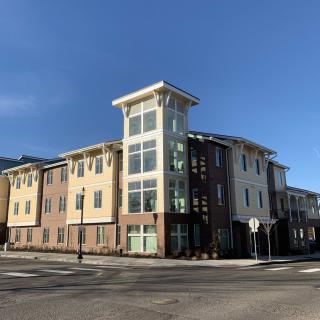
    A building entrance with white columns and brick facade, captured during the daytime.
  • Windows

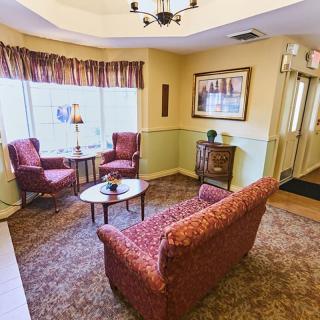
    A cozy living room with comfortable seating and warm decor.
  • Dining

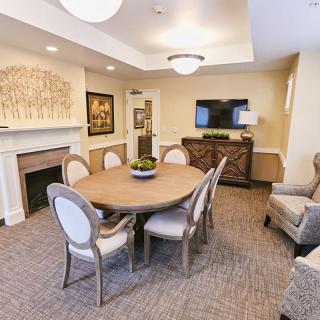
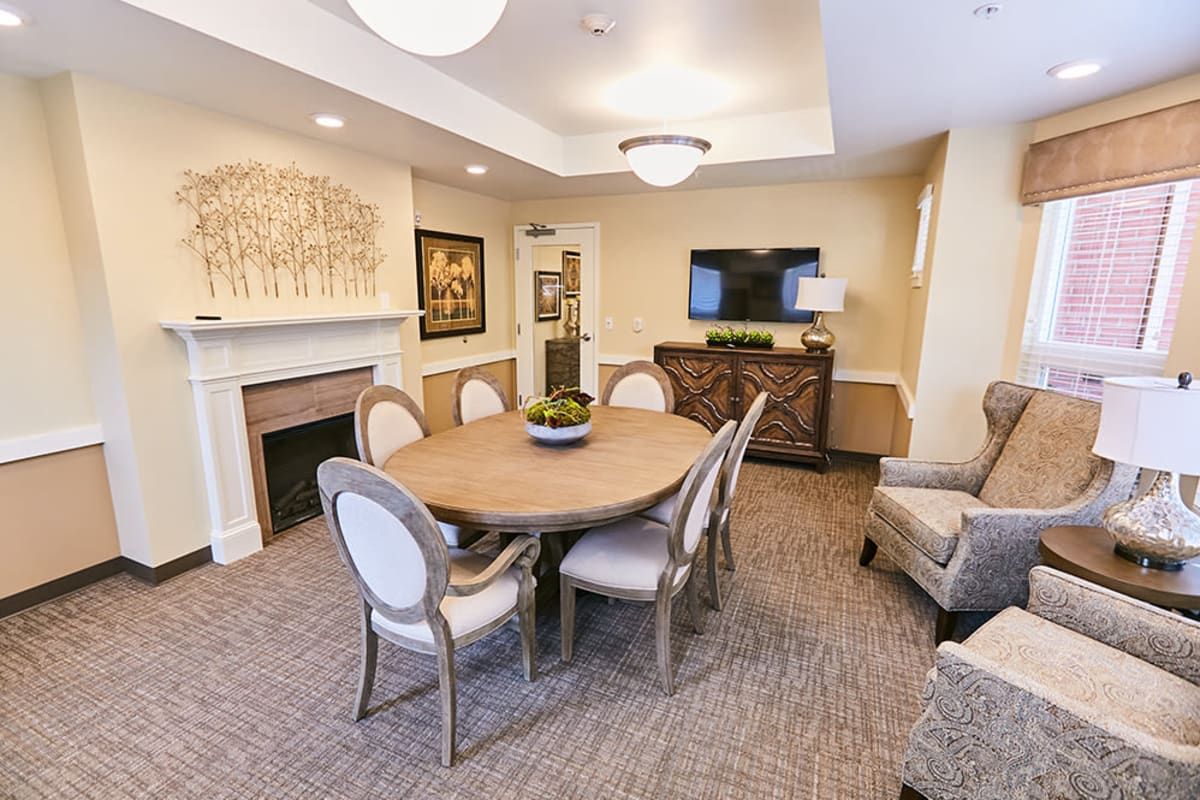
    A cozy dining room with a round table, elegant chairs, and a fireplace, adorned with stylish decor and art.
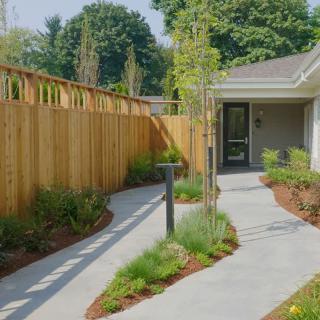
  • Landscaping

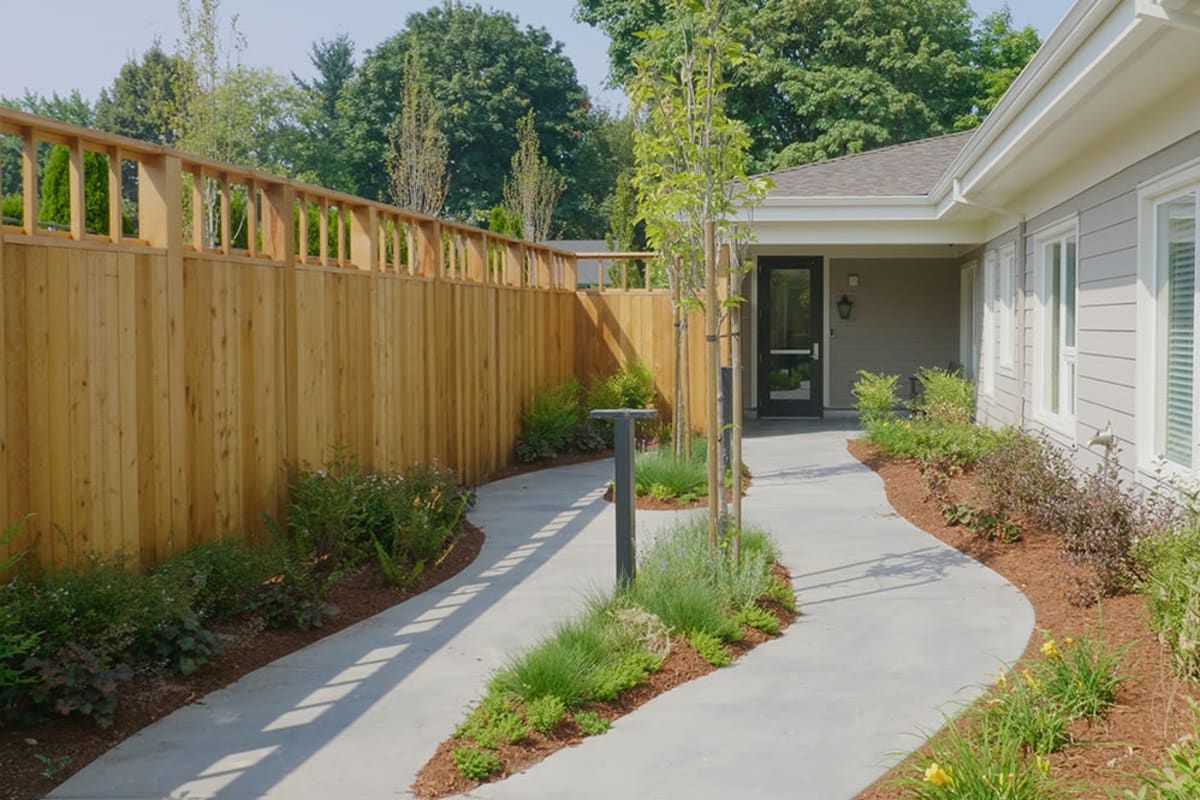
    A landscaped garden pathway leads to a house entrance, bordered by a wooden fence and lush greenery.
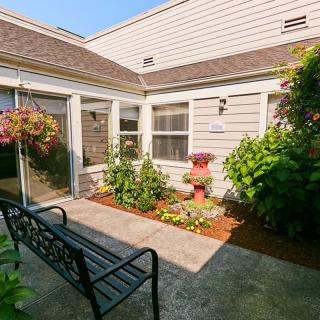
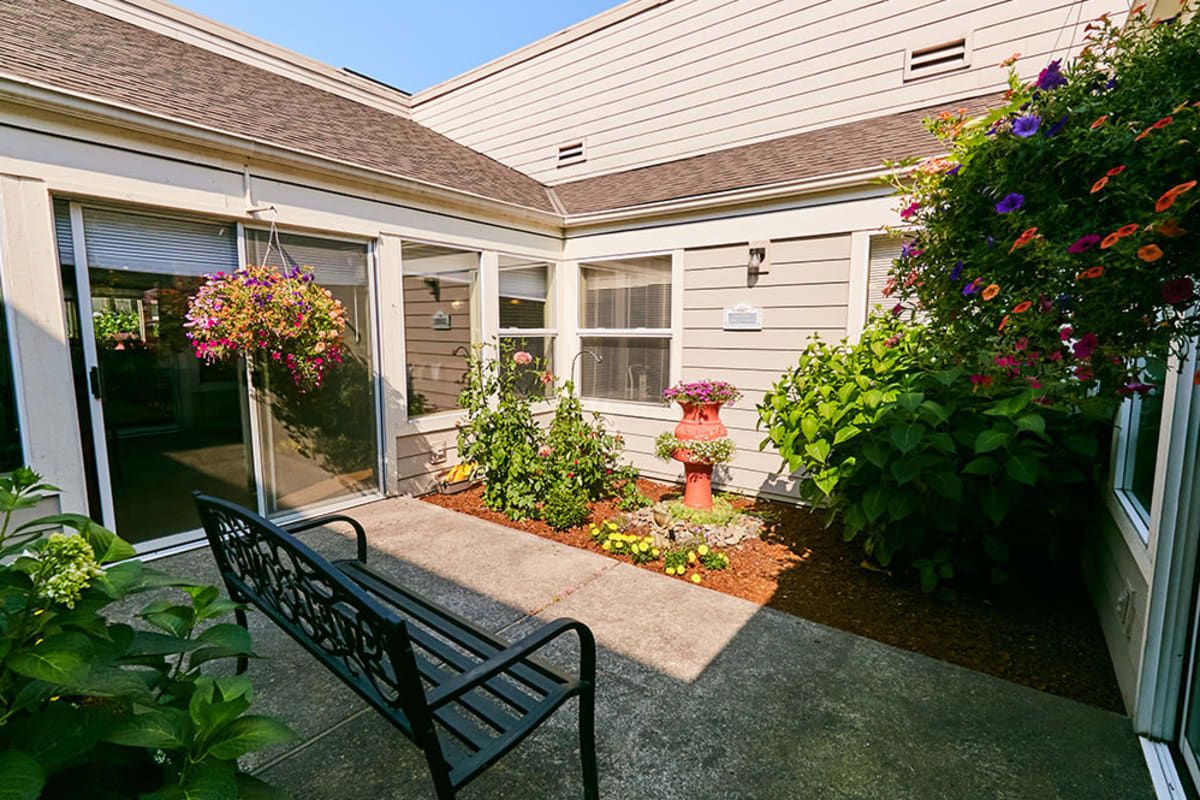
  • Garden

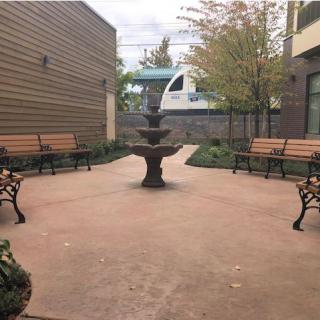
    A sunny courtyard garden with a bench surrounded by lush plants and colorful flowers.
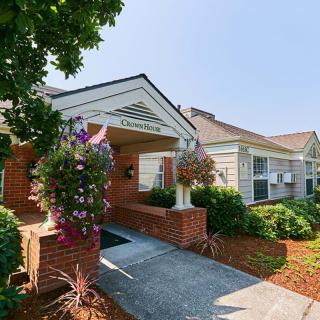
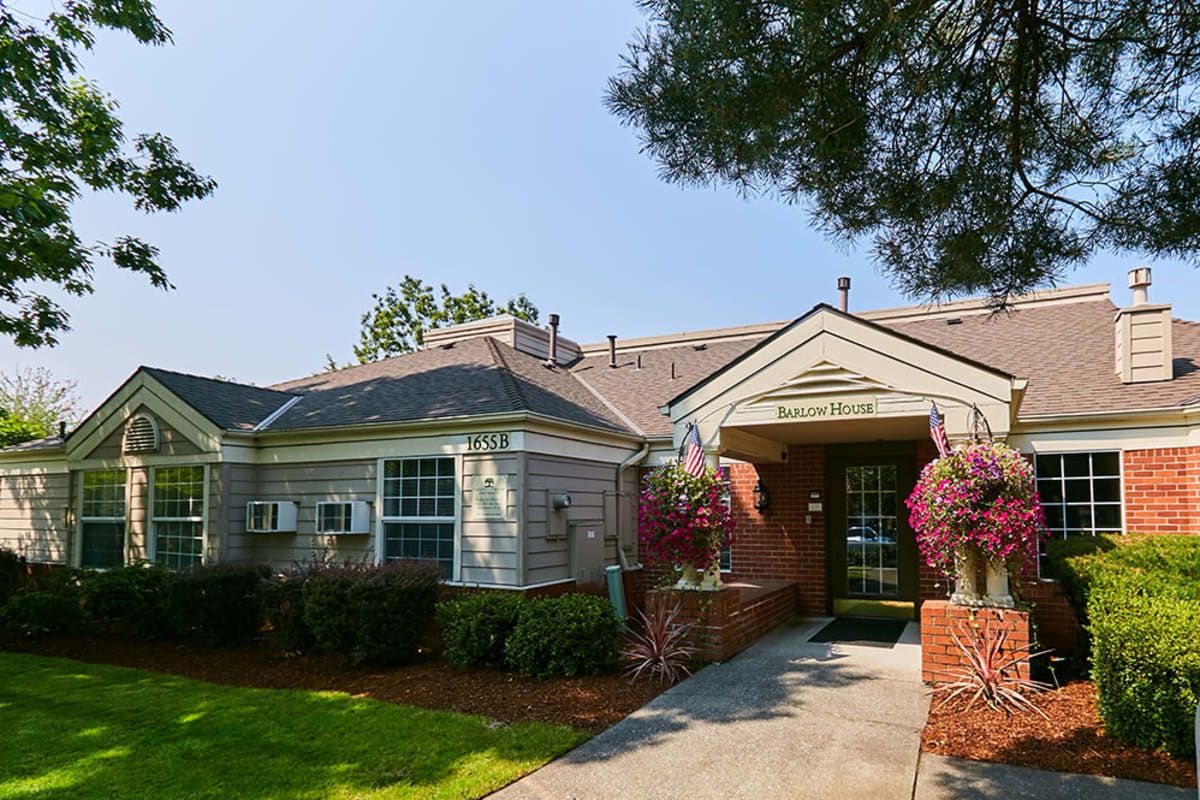
  • Entrance

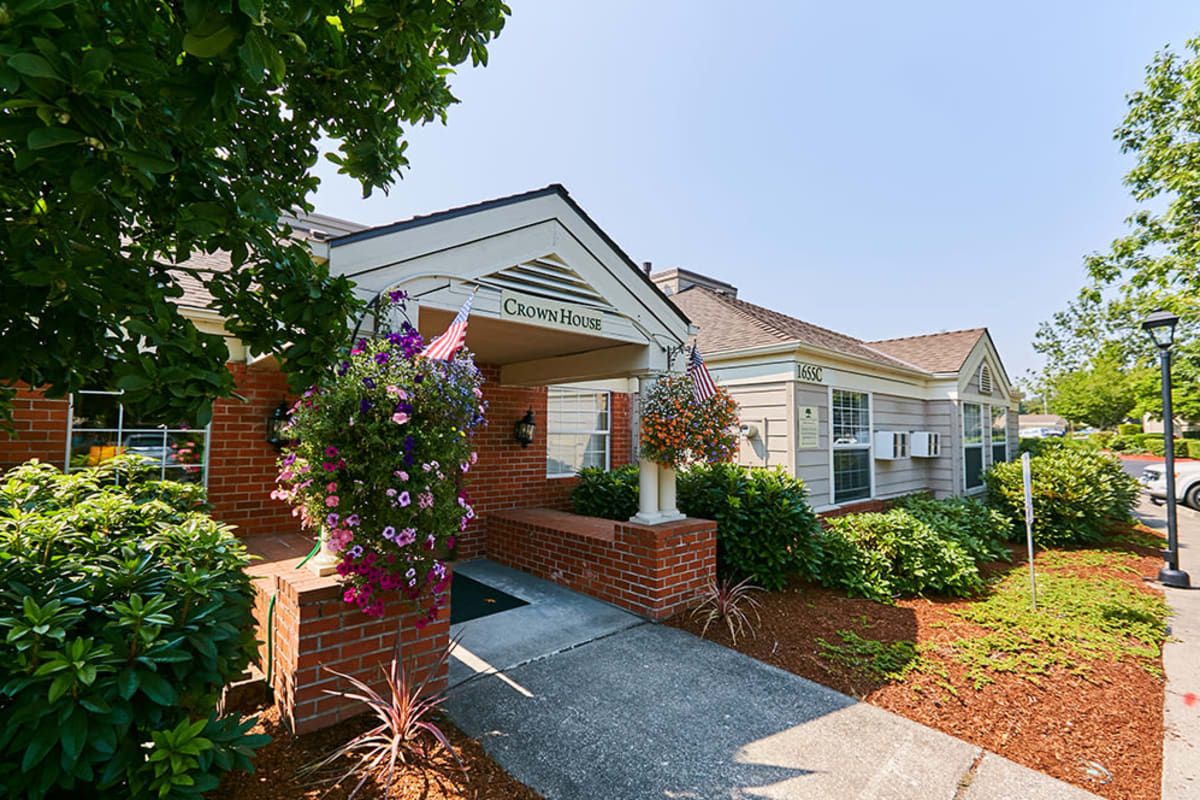
    A charming building entrance adorned with floral arrangements and well-maintained landscaping.
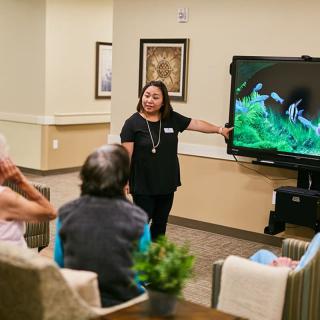
  • Television

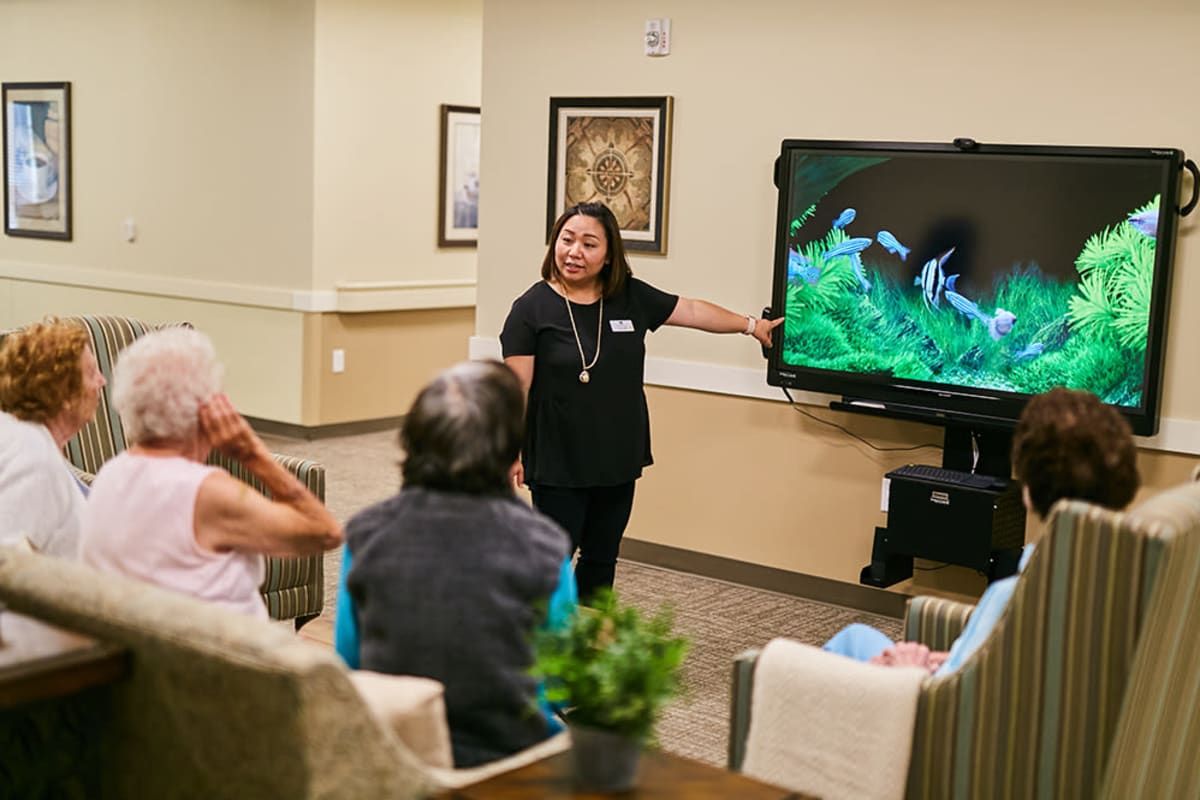
    A woman giving a presentation to a small group using a television screen.
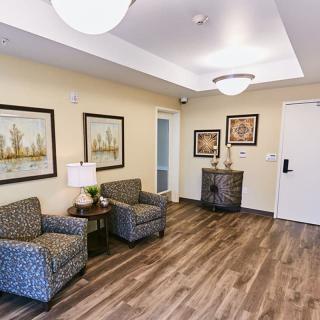
  • Lobby

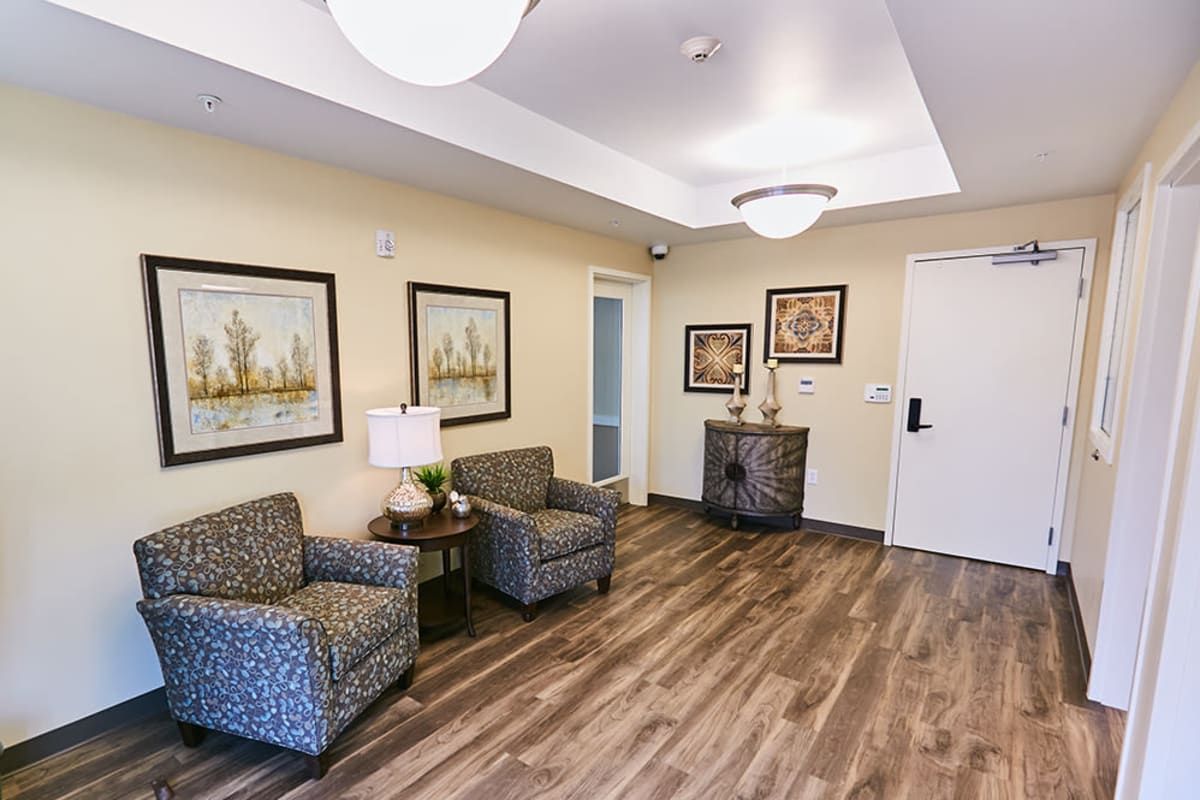
    A cozy lobby area with chairs, paintings, and wood flooring.
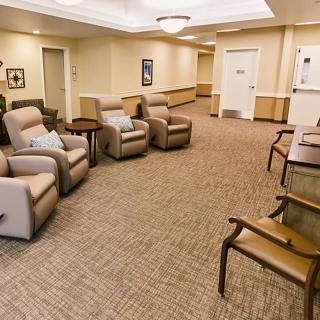
  • Seating

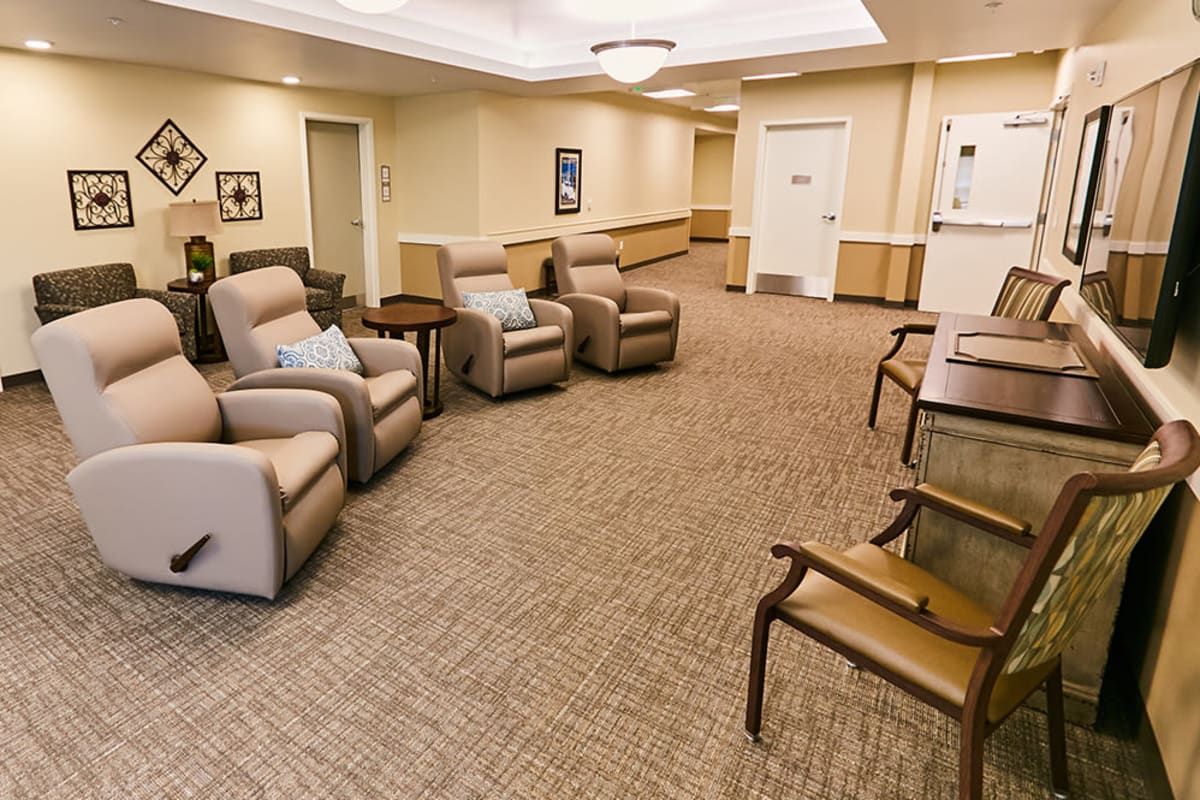
    A cozy waiting room with several recliner chairs and a carpeted floor.
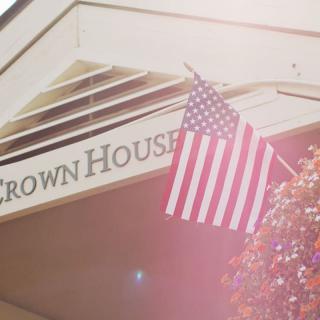
  • Flag

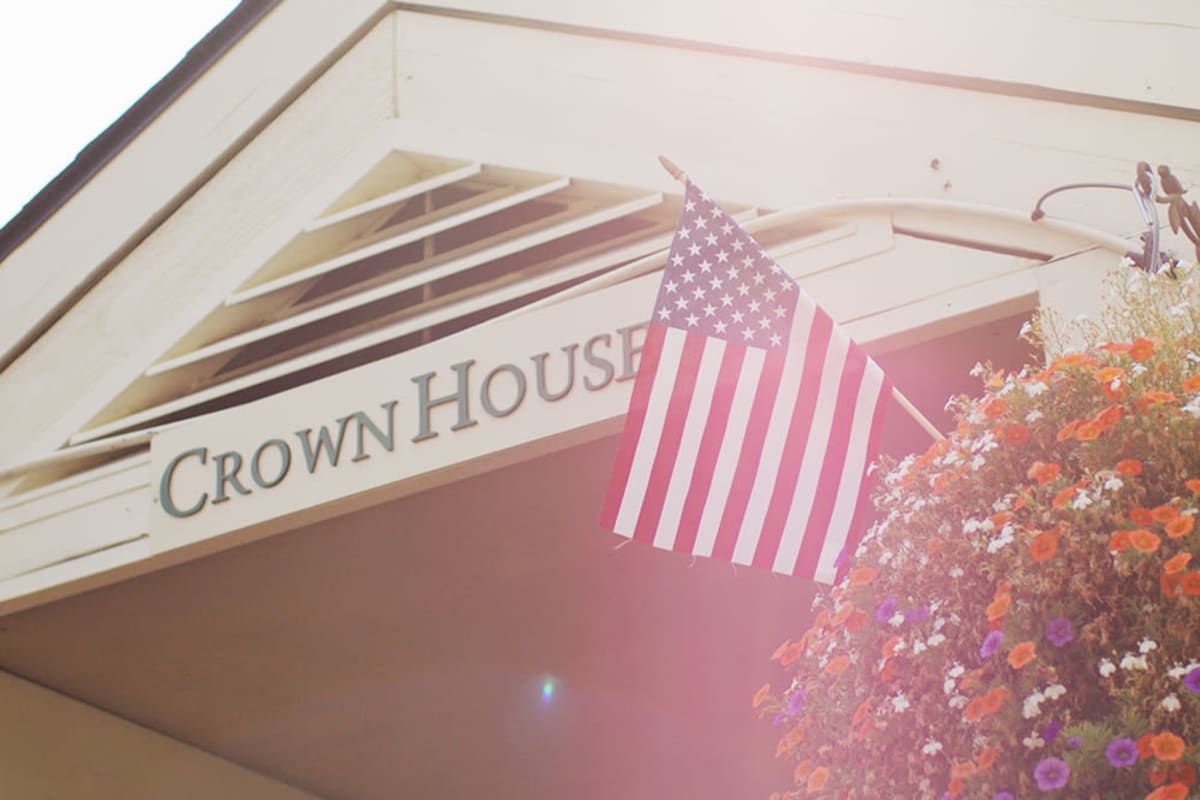
    An American flag waves proudly in the sunlight outside a building marked 'Crown House'.

Farmington Square - Gresham

1655 North East 18Th, Gresham, OR 97030

For more information about senior living options: (844) 490-3973

3.8 from 55 reviews
5 stars
33
4 stars
5
3 stars
3
2 stars
1
1 stars
13

Assisted Living Memory Care

Overall Review of Farmington Square - Gresham

Pros

  • pro The staff are very friendly and helpful, and the facility is impressively clean.
  • pro The care team is described as loving, kind, and highly communicative with families.
  • pro Perla and Stephanie are noted for doing an awesome job and helping families during placements, leaving residents feeling safe.
  • pro Melissa and Perla are praised for their professionalism, warmth, and accommodating approach during transitions.
  • pro Farmington Square Gresham feels like home, with a cozy, homey atmosphere.
  • pro The building layout is light-filled and easy to navigate for wheelchair users, with separate cottages that create small-community living.
  • pro Residents participate in outings and activities, and staff stay long-term and know the residents well.
  • pro The staff provide exceptional, heartfelt care and show genuine affection for residents.
  • pro The transition process for moving loved ones in is smooth, with staff providing clear communication and support.

Cons

  • pro The ground is sticky; rooms are dusty and dirty with ants; the food is served cold; walking through the facility feels boring and empty.
  • pro Communication is poor; notices of cost increases arrive with little to no warning; housekeeping is inadequate; residents are found on leftover food with dirty dishes; bedding and clothing are infrequently washed; staff turnover is high and disruptive.
  • pro The place is depressing and boring; some staff have bad attitudes toward family members; rent payment processes are unclear and employees are nagged about payments.
  • pro The facility refused to let a resident return to her room after an ER visit; there was no one on duty at night; residents can be locked out; medication records are not kept properly.
  • pro Farmington Square Gresham is described as one of the worst facilities; abuse or neglect has been reported; residents are left in their own feces; bedsores go unmanaged; medications go missing; management is seen as lazy and uncaring; staffing is inadequate.
  • pro Rooms feel dated and underwhelming for the price; amenities are lacking.
  • pro Activities are scarce; residents mostly sit and watch TV; outdoor spaces are limited.
  • pro Bed bugs were observed in one house, raising safety concerns.
  • pro Overall care is described as awful and under-staffed, with delays in assistance and concerns about nutrition and safety.
  • pro Do not move a loved one here; not recommended due to poor care and safety concerns.

Review

Farmington Square - Gresham is best suited for families seeking a small, home-like memory-care oriented community where compassionate staff and a personable, hands-on approach can make a difficult transition feel manageable. The four cottage-type neighborhoods within a single campus create a sense of intimacy and privacy that many families prize, especially for residents who benefit from secure spaces and routine. It is a strong fit for dementia or memory-care needs where loved ones require steady, attentive oversight and the family can stay engaged, ask questions, and coordinate care with a responsive team. Those needing hospital-grade acuity, a large campus, or a consistently flawless, hands-off experience may want to explore alternatives.

On the upside, the staff consistently emerges as Farmington Square's strongest asset. Families repeatedly cite genuine warmth, clear communication from dedicated team members, and a willingness to go the extra mile during transitions. The community's leadership and nursing-adjacent caregivers - names like Perla and Melissa surface as standout coordinators - are praised for helping families navigate complex moves, align with state requirements, and establish a sense of safety and belonging for residents. The memory-care environment is described as secure and approachable, with residents sharing meals together and participating in activities that help them stay engaged. When the operations click, the result is a warm, home-like atmosphere where residents and families feel known and valued.

But the picture is not uniformly rosy. A spectrum of concerns runs through the reviews, centering on inconsistencies in communication and daily operations. Several accounts describe price increases or changes in care terms without timely notice, and housekeeping or room cleanliness is flagged as uneven. There are troubling reports of delays in assistance, lapses with medications or hygiene, and in some cases serious management questions that would give any family pause. A handful of reviews cross into more alarming territory - claims of bed bugs, perceptions of unsafe conditions, and assertions that residents were not always treated with the urgency or respect expected from a long-term care environment. Taken together, these red flags suggest that reliability and accountability can vary by shift, unit, or leadership moment.

Despite these tensions, the core strengths can - when consistently executed - offset the downsides for the right family. The small, semi-private ecosystem fosters familiarity and belonging, allowing staff to know residents well and respond with personalized care. Families frequently report that the community is clean, welcoming, and conducive to social engagement, with outings, activities, and meaningful routines that can help residents settle in more quickly. The ability to move in with help from experienced coordinators, plus the presence of multiple small buildings on one campus, can reduce the sense of overwhelm for new residents and encourage family involvement rather than distance. In end-of-life and long-term care moments, several reviews describe compassionate, deeply supportive staff who stood by families when it mattered most.

Prospective residents should verify several practical fundamentals before deciding. Tour the memory-care cottages and observe staffing at different times of day to gauge consistency and responsiveness. Request a current, transparent price schedule with anticipated increases and any ancillary fees, so expectations match reality. Review incident logs, cleanliness audits, and safety measures - especially around medication handling, bathroom assistance, and pest control. Speak with multiple residents or families to gauge consistency of care and the reliability of call-button response. Finally, check regulatory records and any formal complaints to separate anecdotal impressions from verified practice. This diligence helps separate genuine strengths from episodic issues and ensures a match with family expectations.

For families prioritizing a warm, intimate environment with a demonstrated commitment to memory care and a track record of compassionate staff, Farmington Square - Gresham can be a compelling choice - provided due diligence is conducted and clear assurances are secured. It is less suitable for those who require a uniformly flawless operation with consistently high staffing ratios, or for anyone unwilling to engage actively in assessing care quality over time. When planning a visit, insist on tangible assurances: a coherent care plan, steady nighttime staffing, and documented improvements in housekeeping and safety. If those boxes are checked, the path to a stable, dignified setting for a loved one becomes clearer, and the decision can rest on a foundation of real-world, lived experience rather than hopeful expectations.

Features

Housing

  • 102 resident community capacity 102 resident community capacity
  • 1-bedroom apartments 1-bedroom apartments1-bedroom apartments are important for seniors because they provide a sense of independence, privacy, and autonomy while still offering the necessary space for comfortable living. These apartments allow seniors to maintain their own personal space and lifestyle preferences in a supportive community setting.
  • Studio apartments Studio apartmentsStudio apartments are important for seniors because they offer a smaller, more manageable living space that is easier to navigate and maintain as physical abilities decline. Additionally, studio apartments provide seniors with independence and privacy while still being part of a community that offers support and social opportunities.

Types of Care

  • Assisted Living Assisted LivingAssisted living facilities provide crucial support and care for seniors who may need help with daily tasks such as medication management, bathing, and meal preparation. These communities offer a safe and comfortable environment where seniors can maintain their independence while receiving the assistance they need to thrive in their golden years.
  • Memory Care Memory CareMemory care is crucial for seniors as it provides specialized support and services for individuals with dementia or Alzheimer's disease. These programs offer a safe and secure environment where residents receive personalized care, cognitive stimulation, and help with daily activities. Memory care helps seniors maintain their independence, quality of life, and dignity while also providing peace of mind for their families.

Amenities

  • Air-conditioning Air-conditioningAir conditioning is important for seniors as they are more vulnerable to heat-related illnesses and may have underlying health conditions that make it difficult for them to regulate their body temperature. It helps to keep them comfortable, safe, and healthy in hot weather.
  • Beauty salon Beauty salonBeauty salons are important for seniors because they provide a space for them to feel pampered, socialize, and maintain their personal grooming and hygiene. Regular visits to a beauty salon can help boost seniors' self-esteem and overall well-being.
  • Cable or satellite TV Cable or satellite TVCable or satellite TV is important for seniors because it provides entertainment, news, and companionship, helping to combat loneliness and boredom. It also offers a wide range of programming options tailored to different interests and preferences.
  • Computer center Computer centerA computer center is essential for seniors as it provides access to technology, communication tools, and resources that can enhance their daily lives. It allows them to stay connected with loved ones, engage in online activities, and learn new skills, ultimately promoting socialization and mental stimulation.
  • Dining room Dining roomDining rooms are important for seniors as they provide a space for socialization, connection, and nutritious meals. They offer opportunities for residents to bond over shared meals, foster a sense of community, and promote healthy eating habits. Dining rooms also ensure that seniors have access to well-balanced meals tailored to their dietary needs and preferences.
  • Fitness room Fitness roomHaving a fitness room in a senior living community is essential for seniors to stay active, maintain their physical health, and improve their overall well-being. Regular exercise can help prevent falls, reduce the risk of chronic diseases, and promote mental sharpness. It also provides social opportunities for residents to connect with others and enjoy a sense of community.
  • Fully furnished Fully furnishedFully furnished senior living communities are important for seniors because they provide convenience, comfort, and a hassle-free moving experience. Seniors can easily settle into their new living space without the stress of having to buy and move furniture. This allows them to focus on enjoying their new home and community.
  • Gaming room Gaming roomGaming rooms are important for seniors as they provide a fun and engaging environment for socializing, cognitive stimulation, and physical activity. Games can improve memory, problem-solving skills, and overall mental well-being while fostering friendships and reducing feelings of isolation.
  • Garden GardenGardens are important for seniors as they provide a peaceful and therapeutic environment for relaxation, physical activity, and socialization. Being in nature has been shown to reduce stress, improve mood, and promote overall well-being. Gardens also offer opportunities for seniors to engage in gardening activities, which can improve mobility, flexibility, and cognitive function. Additionally, gardens create a sense of community and connection with others who share a passion for plants and outdoor spaces.
  • Guasts at mealtime Guasts at mealtime"Guests at mealtime" offer seniors the opportunity for social interaction, companionship, and a sense of community during meals, which can help combat feelings of loneliness and isolation commonly experienced in senior living environments. It can also enhance their overall dining experience and improve their mental and emotional well-being.
  • Housekeeping services Housekeeping servicesHousekeeping services are important for seniors because they help maintain a clean and safe living environment, promote independence, and reduce the risk of accidents or illnesses. Additionally, having assistance with household chores can alleviate physical strain and allow seniors to focus on other aspects of their well-being.
  • Kitchenette KitchenetteKitchenettes are important for seniors living in senior living communities because they provide the convenience and independence of being able to prepare simple meals and snacks in the comfort of their own living space. This can help promote a sense of autonomy and well-being for seniors, allowing them to maintain some level of control over their dietary choices and daily routines.
  • Laundry LaundryLaundry services are important for seniors as they may have difficulty with physical tasks such as bending, lifting, or carrying heavy loads. Having access to laundry services can help seniors maintain personal hygiene, cleanliness, and independence in their daily lives.
  • Move-in coordination Move-in coordinationMove-in coordination is important for seniors because it helps ease the transition into their new living environment. It ensures that all logistics, such as packing, organizing movers, and setting up utilities are taken care of, allowing seniors to focus on settling in and adjusting to their new home. Having a smooth move-in process can alleviate stress and anxiety, making the transition smoother and more enjoyable for seniors.
  • Outdoor space Outdoor spaceOutdoor spaces are important for seniors as they provide opportunities for physical activity, social interaction, exposure to natural light and fresh air, and a sense of connection to nature. Having access to outdoor spaces can improve overall well-being and quality of life for older adults living in senior communities.
  • Party space Party spaceHaving access to party space is important for seniors as it provides opportunities for socialization, connection, and enjoyment. These spaces allow seniors to celebrate special occasions, host gatherings with friends and family, and participate in community events, enhancing their overall well-being and quality of life.
  • Private bathrooms Private bathroomsPrivate bathrooms are important for seniors in senior living communities because they provide independence, dignity, and comfort. Having a private bathroom allows seniors to maintain their personal hygiene routines without the need for assistance, promoting a sense of autonomy and privacy. Additionally, private bathrooms help prevent the spread of infections and provide a safe and clean environment for seniors to navigate safely.
  • Respite or short term stays offered Respite or short term stays offeredRespite or short term stays provide seniors with a temporary solution when their regular caregiver is unavailable, offering them the opportunity to receive additional care and support during times of need, while also giving caregivers a chance to rest and recharge.
  • Restaurant-style dining Restaurant-style diningRestaurant-style dining is important for seniors because it allows them to enjoy delicious, nutritious meals in a social and upscale setting. This enhances their dining experience, promotes healthy eating habits, and fosters socialization with fellow residents, ultimately contributing to their overall well-being and quality of life.
  • Small library Small librarySmall libraries are important for seniors as they provide access to a variety of reading materials, including books, newspapers, and magazines. This can help stimulate their minds, keep them engaged, and provide a sense of community through book clubs and other social activities. Additionally, reading has been shown to improve cognitive function and overall mental well-being in older adults.
  • Telephone TelephoneTelephones are important for seniors as they provide a lifeline for communication with loved ones, emergency services, and healthcare providers. They offer a sense of security and independence, enabling seniors to stay connected and access assistance when needed.
  • Wellness center Wellness centerWellness centers are important for seniors because they offer a variety of programs and services that promote physical, mental, and emotional well-being. These centers provide opportunities for exercise, socialization, education, and relaxation, helping seniors maintain their overall health and quality of life.
  • Wi-Fi/high-speed internet available Wi-Fi/high-speed internet availableWi-Fi/high-speed internet is important for seniors to stay connected with loved ones, access online resources, and participate in virtual activities to combat feelings of loneliness and isolation. It also allows them to easily manage healthcare needs, access entertainment, and engage in lifelong learning opportunities.

Transportation

  • Portland International (10 miles away) Portland International (10 miles away)
  • Community operated transportation Community operated transportationCommunity operated transportation is crucial for seniors as it provides them with the means to access essential services, social activities, and medical appointments. It allows seniors to maintain their independence and quality of life by ensuring they can participate in activities outside of their homes. Additionally, community-operated transportation services offer a safe and reliable way for seniors to travel without having to rely on family or friends for assistance.
  • Transportation & parking Transportation & parkingTransportation and parking are vital for seniors as they offer access to essential services, activities, and social interactions. Reliable transportation options can help seniors maintain independence, stay connected within their community, and enjoy a higher quality of life. Additionally, convenient parking facilities ensure that seniors can easily access necessary resources and amenities without added stress or difficulty.
  • Transportation arrangement Transportation arrangementTransportation arrangements are crucial for seniors as they may face challenges with driving, mobility, or access to public transportation. Having reliable transportation services ensures that seniors can easily attend appointments, social activities, and maintain their independence and quality of life.

Care Services

  • 24-hour call system 24-hour call system24-hour call systems are important for seniors because they provide peace of mind and immediate assistance in case of emergencies. This technology ensures that help is always available, promoting safety and security for elderly individuals living alone or in assisted living facilities.
  • 24-hour supervision 24-hour supervision24-hour supervision is important for seniors to ensure their safety, well-being, and access to immediate assistance in case of emergencies or health issues. This constant support provides peace of mind for both seniors and their loved ones, allowing them to age in place with dignity and security.
  • Activities of daily living assistance Activities of daily living assistanceActivities of daily living assistance are important for seniors because they provide essential support with tasks such as eating, bathing, dressing, and mobility. This assistance helps seniors maintain their independence, dignity, and overall quality of life as they age.
  • Assistance with bathing Assistance with bathingAssistance with bathing is crucial for seniors as it helps maintain personal hygiene, prevents infections, and ensures their overall well-being and comfort. It also provides a sense of dignity and independence for seniors who may struggle with this task on their own.
  • Assistance with dressing Assistance with dressingAssistance with dressing is important for seniors because it helps maintain their independence, promotes personal hygiene, prevents accidents and injuries, and improves overall quality of life. This service ensures that seniors can continue to dress comfortably and confidently, despite any physical limitations they may have.
  • Assistance with transfers Assistance with transfersAssistance with transfers is crucial for seniors as it helps prevent falls and injuries, maintains their independence, and ensures they can safely navigate their living environment. It also provides peace of mind for both seniors and their loved ones.
  • Diabetes diet Diabetes dietA diabetes diet is crucial for seniors as it helps manage blood sugar levels, reduce risks of complications, and improve overall health and well-being. By following a balanced and nutritious diet tailored to their specific needs, seniors can better control their diabetes and enhance their quality of life.
  • Meal preparation and service Meal preparation and serviceMeal preparation and service are crucial for seniors as they may have limited mobility or energy to cook nutritious meals. Having access to healthy and convenient food options can ensure they are getting the proper nutrition needed to maintain their overall health and well-being.
  • Medication management Medication managementMedication management is crucial for seniors to ensure they are taking the right medications at the correct dosages and times. This helps prevent adverse drug interactions, reduces the risk of medication errors, and promotes overall health and well-being. Proactive management also allows for adjustments as needed based on changing health conditions or new prescriptions.
  • Mental wellness program Mental wellness programMental wellness programs are essential for seniors as they promote cognitive stimulation, emotional support, and social engagement. These programs help prevent isolation, depression, and cognitive decline, ultimately enhancing the overall quality of life for older adults.
  • Mild cognitive impairment Mild cognitive impairment"Mild cognitive impairment" is important for seniors because it is an early stage of cognitive decline that can potentially progress to more severe conditions such as dementia. Recognizing and addressing mild cognitive impairment can help seniors receive appropriate care and support to maintain their quality of life and independence for as long as possible.
  • Special dietary restrictions Special dietary restrictionsSpecial dietary restrictions are important for seniors because age-related changes in metabolism and health conditions can make it difficult for their bodies to process certain foods. By following a diet tailored to their specific needs, seniors can maintain their overall health and well-being, manage chronic conditions, and reduce the risk of complications such as malnutrition or food interactions with medications.
  • Specialized memory care programming Specialized memory care programmingSpecialized memory care programming is crucial for seniors with cognitive impairments such as dementia or Alzheimer's disease. These programs provide a safe and supportive environment tailored to the unique needs of individuals with memory loss, helping them maintain their independence, dignity, and quality of life.
  • Walking wheelchair assistance Walking wheelchair assistanceWalking wheelchair assistance is vital for seniors as it helps them maintain their independence and mobility. It provides support and stability, allowing them to safely navigate their surroundings and engage in daily activities without fear of falling or injury. This assistance can significantly improve their quality of life and overall well-being.

Dining

  • Diabetes diet Diabetes dietA diabetes diet is crucial for seniors as it helps manage blood sugar levels, reduce risks of complications, and improve overall health and well-being. By following a balanced and nutritious diet tailored to their specific needs, seniors can better control their diabetes and enhance their quality of life.
  • Special dietary restrictions Special dietary restrictionsSpecial dietary restrictions are important for seniors because age-related changes in metabolism and health conditions can make it difficult for their bodies to process certain foods. By following a diet tailored to their specific needs, seniors can maintain their overall health and well-being, manage chronic conditions, and reduce the risk of complications such as malnutrition or food interactions with medications.

Activities

  • Activities off-site Activities off-siteActivities off-site are crucial for seniors as they provide opportunities for socialization, mental stimulation, and physical activity outside of their usual routine. This helps combat feelings of isolation and boredom, promotes overall well-being, and allows seniors to remain engaged in the community.
  • Community-sponsored activities Community-sponsored activitiesCommunity-sponsored activities are important for seniors as they provide opportunities for social interaction, mental stimulation, and physical activity. These activities can help improve overall well-being, combat loneliness and isolation, and promote a sense of belonging and purpose among older adults.
  • Concierge services Concierge servicesConcierge services are essential for seniors as they provide assistance with daily tasks and errands, enhance their quality of life by offering convenience and personalized care, and promote a sense of safety and security.
  • Fitness programs Fitness programsFitness programs are crucial for seniors as they help improve strength, flexibility, balance, and overall well-being. Staying active can reduce the risk of chronic diseases, improve mental health, and enhance quality of life in older adults.
  • Planned day trips Planned day tripsPlanned day trips are important for seniors because they offer opportunities for socialization, mental stimulation, and physical activity. They provide a change of scenery and help seniors stay engaged and connected to their community, promoting overall well-being and quality of life.
  • Religious services Religious servicesReligious services provide seniors with a sense of community, support, and spiritual fulfillment, which can improve their overall well-being and mental health. It also offers them opportunities for socialization and connection with others who share their beliefs.
  • Resident-run activities Resident-run activitiesResident-run activities are important for seniors as they encourage social interaction, creativity, and a sense of autonomy. These activities empower seniors to stay engaged and active in their community while fostering meaningful connections with their peers.
  • Scheduled daily activities Scheduled daily activitiesScheduled daily activities are important for seniors because they provide structure, socialization, mental stimulation, and physical activity. Engaging in regular activities can improve overall well-being and quality of life for seniors living in a community setting.

Languages Spoken

  • English EnglishEnglish is important for seniors as it allows them to communicate effectively with healthcare providers, understand important information related to their health and medications, stay connected with loved ones, and engage in social activities within their communities. It also opens up opportunities for lifelong learning and intellectual stimulation.

Description

Farmington Square - Gresham is a memory care community located in Gresham, OR. Our focus is on providing exceptional care and support for individuals with memory impairments, such as Alzheimer's or dementia.

Our studio apartments offer a comfortable and safe living environment for our residents. They are fully furnished and equipped with private bathrooms, kitchenettes, and cable or satellite TV.

We take pride in providing a wide range of amenities to enhance the quality of life for our residents. They can enjoy various activities in our gaming room, fitness room, and small library. We also have a beauty salon where residents can pamper themselves. Our outdoor spaces include a beautiful garden for relaxation and enjoyment.

Our dedicated staff provides 24-hour supervision and assistance with activities of daily living, including bathing, dressing, and transfers. Medication management is also available to ensure the well-being of our residents. We offer specialized memory care programming to cater to the unique needs of individuals with cognitive impairments.

At Farmington Square - Gresham, dining is an important aspect of our resident's daily lives. We accommodate special dietary restrictions to ensure they receive proper nutrition and delicious meals served restaurant-style in our dining room.

We believe that staying socially active is crucial for mental wellness. That's why we organize community-sponsored activities, fitness programs, planned day trips, religious services, resident-run activities, and scheduled daily activities.

Convenience is also a priority at Farmington Square - Gresham. We are situated close to cafes, parks, pharmacies, physicians' offices, restaurants, places of worship, and hospitals.

Overall, at Farmington Square - Gresham, we provide a nurturing environment that promotes physical well-being while offering the necessary support for individuals with memory impairments.

Nearby Places of Interest

Physicians

  • Rose City Urgent Care & Family Practice (0.4 miles)
  • Buckman Christy R MD MD (0.5 miles)
  • Eastside Periodontics (0.6 miles)
  • Mt Hood Women's Health (0.6 miles)
  • Gresham Internal Medicine Clinic (0.6 miles)
  • Cascade Physicians (0.6 miles)
  • Legacy Medical Group-Neurosurgery (0.7 miles)

Restaurants

  • Heidi's Restaurant And Bakery (0.4 miles)
  • Subway (0.5 miles)
  • Long John Silver's (0.8 miles)
  • Del Taco (0.9 miles)
  • Olive Garden (1 miles)
  • Burger King (1 miles)
  • Jazzy Bagels (1.2 miles)

Hospitals

  • Legacy Mount Hood Medical Center (0.6 miles)
  • Adventist Medical Center (7 miles)
  • Kaiser Sunnyside Medical Center (8.9 miles)

Cafes

  • Black Rock Coffee Bar (0.7 miles)
  • Dutch Bros Coffee (0.9 miles)
  • Starbucks (6.6 miles)
  • Starbucks (6.9 miles)
  • Panera Bread (7.6 miles)
  • Dutch Bros. Coffee (9.1 miles)

Pharmacies

  • Walgreens (0.7 miles)
  • Walgreens (1 miles)
  • Walgreens (1.4 miles)
  • Rite Aid (3.1 miles)
  • Walgreens (3.2 miles)
  • Rite Aid (3.8 miles)
  • Walgreens (6 miles)

Places of Worship

  • East Hill Kid City (1 miles)
  • St Henry Catholic Church (1.3 miles)

Parks

  • Tsuru Island (1.2 miles)
  • Imagination Station (1.3 miles)
  • Gresham Main City Park (1.3 miles)
  • Dabney State Park (3.1 miles)
  • Crown Park (5.5 miles)
  • Happy Valley Park (6.6 miles)
  • Heritage Park (7.3 miles)

Theaters

  • Century 16 Eastport Plaza (7.8 miles)

Frequently Asked Questions

What floor plans and room types does Farmington Square - Gresham offer?
Where is Farmington Square - Gresham?
Does Farmington Square - Gresham provide care for residents with dementia or Alzheimer's disease?
What photos are available for Farmington Square - Gresham in Gresham, Oregon?

Nearby Communities

  • Farmington Square Gresham

    Farmington Square Gresham

    Gresham, OR

    3.9 from 39 reviews
     

    pro Comprehensive memory care and 24/7 support with on-site amenities and transportation.
  • Farmington Square at Gresham

    Farmington Square at Gresham

    Gresham, OR

    4.3 from 88 reviews
    $3,095 to $3,990 / month

    pro Kind, caring staff with good family communication and engaging activities.

  • Prestige Senior Living Huntington Terrace

    Prestige Senior Living Huntington Terrace

    Gresham, OR

    4.5 from 51 reviews
    $4,600 to $5,505 / month

    pro Attentive staff, clean/cheerful environment, and engaging activities with strong family communication.

  • Mattie Younkin Manor

    Mattie Younkin Manor

    Gresham, OR

    3.8 from 10 reviews
     

    pro Welcoming atmosphere with caring staff.

  • We Care Adult Care Home

    We Care Adult Care Home

    Gresham, OR

    4.4 from 7 reviews
     

    pro Excellent proximity to cafes, parks, pharmacies, physicians, restaurants, places of worship, and a hospital.

  • Grace Care Adult Foster Home

    Grace Care Adult Foster Home

    Gresham, OR

    4.9 from 11 reviews
    $3,500 / month

    pro Compassionate, personalized care from staff in a clean, well-maintained setting with tailored meals.

  • Adara Oaks Manor

    Adara Oaks Manor

    Gresham, OR

    3.6 from 21 reviews
    $3,400 / month

    pro Comprehensive memory care with 24/7 supervision, medication management, and memory-focused programming; on-site, restaurant-style dining with customizable diets.

  • Liberty Pointe

    Liberty Pointe

    Gresham, OR

    2.4 from 13 reviews
    $4,700 / month

    pro Comprehensive memory care with 24-hour supervision and a broad range of on-site amenities.

  • Whitewood Gardens at City Center

    Whitewood Gardens at City Center

    Gresham, OR

    4.6 from 22 reviews
    $5,050 / month

    pro Specialized memory care with high-acuity support and engaging activities

Related Resources

  • does my mom have dementia quiz5 Early Indicators of Dementia and What You Can Do

    The content outlines five key early indicators of dementia, including significant memory loss and confusion about time and place, while emphasizing the need for professional evaluation and emotional support for both individuals showing symptoms and their caregivers. It encourages family members to monitor these signs closely and use online quizzes for initial awareness.

  • when should someone with dementia go into a care home8 Important Indicators That Memory Care May Be Necessary

    The article highlights eight indicators that a loved one with dementia may require specialized memory care, emphasizing the emotional and logistical challenges families encounter in this decision. It discusses signs such as difficulties with daily tasks, safety concerns, and caregiver burnout, suggesting that memory care facilities can provide the necessary support and structured environments for those experiencing cognitive decline.

  • what do dementia patients think aboutDelving into the Inner World of Dementia: Insights into Thoughts and Awareness
    Dementia, primarily caused by Alzheimer's disease but also linked to other conditions, leads to cognitive decline impacting memory and daily functioning, with individuals experiencing varied awareness of their impairments. Despite memory loss, emotional connections persist, enabling responses to familiar stimuli, highlighting the need for caregivers to provide compassionate support that recognizes both limitations and retained emotional depth.