
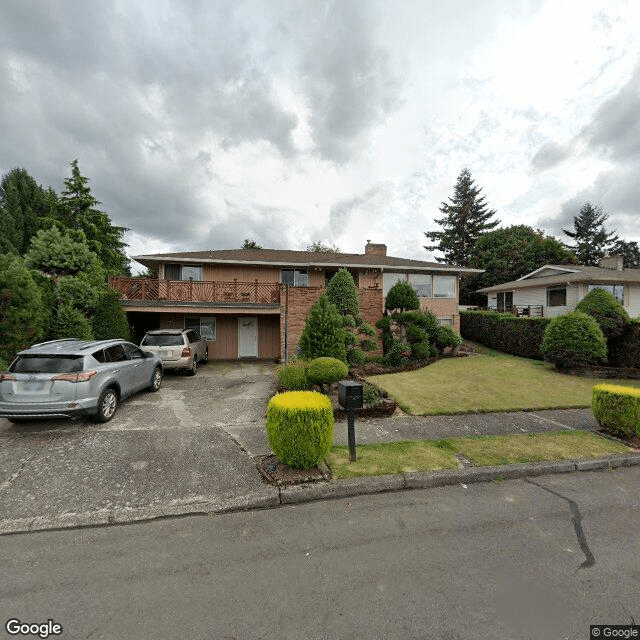
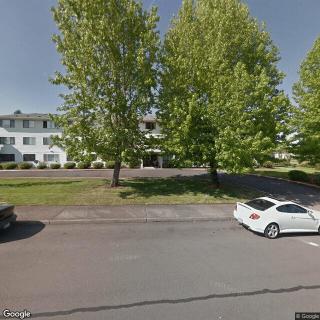
2700 NE 17th St, Gresham, OR 97030
For more information about senior living options: (866) 208-4318
Overall Review of We Care Adult Care Home
Pros
 The staff are very friendly and care for everyone's well-being.
- They provide all the attention residents need while promoting independence.
- The caregivers, residents, and the owner have a great relationship and take good care of residents.
- The environment is hospitable and welcoming to residents and visitors.
- The owner is compassionate and sincerely cares for the residents' well-being.
- The caregivers are highly trained professionals with excellent nursing know-how, making the home a wonderful foster-care setting.
Cons
 Petros has a temper and treats some of his clients not good.
- They use the cheapest quality of food and the caregivers don’t cook good.
- Wilted lettuce and they keep adding catchup on white rice.
- The caregivers do not have manners.
- The clients didn’t know much stroke, nonverbal and hard cases.
- Put up a Nannie camera.
Review
We Care Adult Care Home in Gresham is best suited for older adults who want a small, home-like setting with deeply personal attention. The reviews describe a staff that is friendly, caring, and invested in residents’ well-being, and an owner who is compassionate and hands-on. Residents reportedly receive ample attention while still preserving independence, a combination that works well for individuals who thrive on daily interactions, a warm social environment, and a sense of belonging rather than a clinical feel. This is not a large institutional facility; it’s a foster-like home where relationships matter and staff-to-resident time is meaningful. Families should value that intimate, neighborly atmosphere when deciding on care.
Those needing steady, highly predictable medical routines or specialized dietary programs may want to consider alternatives. One review raises red flags about food quality and respect, and a perception that certain requests were ignored. Temperament concerns about the owner and inconsistent responsiveness to residents’ preferences could create a stressful environment for someone who is sensitive to tone or who requires strict adherence to routines. For residents with more complex medical needs, or anyone seeking a facility with formal dementia or memory-care programming, a larger, more structured setting may be a better fit.
On the positive side, the strongest asset is the caregiving team’s current performance. The staff are described as genuinely caring, professional, and attentive, with an emphasis on safety and resident autonomy. The owner is repeatedly portrayed as compassionate and deeply involved, creating a hospitable environment for residents and visitors alike. Several accounts highlight excellent nursing know-how and a capable caregiving cadre, suggesting the home can support a range of needs within a family-style framework. The sense of community, where residents and staff know each other well, adds stability and reassurance for families.
Nevertheless, the single negative review cannot be dismissed. It paints a picture of rushed or inattentive staff in practice, with poor meal quality and some hygiene lapses, and even claims of miscommunication. While one account is not a consensus, it signals that not every resident will experience the same level of satisfaction. Prospective families should probe directly about meals, menu planning, and dietary accommodations, as well as daily hygiene practices and routines after tasks. The credibility of the care team in handling complaints and making timely adjustments should be tested before placing a loved one here.
The key question becomes whether the solid caregiving culture can offset the potential downsides. If a resident thrives on a close-knit, home-like routine and benefits from staff who know them well, the positive dynamics may outweigh the concerns, as long as there is clear communication about expectations and a plan to address issues quickly. The reported nursing competence is a meaningful counterweight for families with moderate medical needs, but verification is essential. Families should seek to confirm the level of medical supervision, the availability of a registered nurse on site, and the ability to tailor meals and activities to individual preferences.
Decision-makers should act deliberately: arrange a tour with questions focused on meal quality, daily schedule, medical oversight, and incident handling; request references from current families; observe a mealtime and check for respectful interactions. Ask about staff turnover and how conflicts are resolved; review the contract for care levels, inclusion of medications, and any add-ons; and explore a trial stay if possible. If what matters most is a warm, personalized home environment with a devoted staff and a compassionate owner, this community deserves a careful look. If more formal oversight, consistent nutrition, or dementia-specific programming is non-negotiable, explore alternatives that align more tightly with those priorities.
 Board and Care Home
 Portland International (11 miles away)



 Comprehensive Insights into Palliative Home Care: What It Is and What to Expect
 Skilled Nursing Facilities vs. Nursing Homes: Making Sense of the Differences
 A Detailed Examination of Nursing Home Costs Across the U.S.