

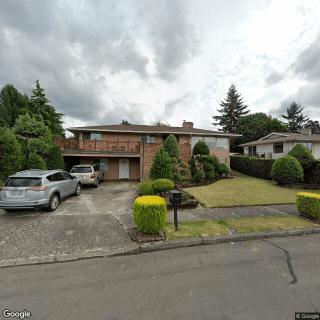
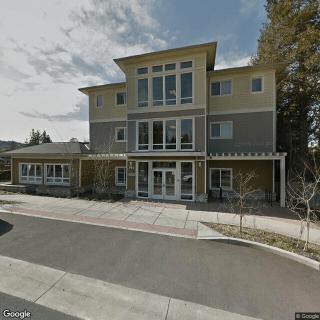
1510 NE Hacienda Avenue, Gresham, OR 97030
To contact a resident: (503) 328-6491
For more information about senior living options: (866) 208-4318
Compassionate Living ACH 1 Costs & Pricing
At Compassionate Living ACH 1, the monthly costs for accommodation present a compelling value when compared to both Multnomah County and the broader state of Oregon. For instance, a private room at this facility is priced at $2,500, which stands significantly lower than the county average of $3,227 and the state average of $3,424. Similarly, their one-bedroom option is available for $2,800, again showcasing affordability against the county's average of $3,402 and Oregon's average of $3,904. This pricing strategy not only underscores Compassionate Living ACH 1's commitment to accessibility but also positions it as an attractive choice for individuals seeking quality care within a more budget-friendly framework.
| Floor plans | Compassionate Living ACH 1 | Multnomah County | Oregon |
|---|---|---|---|
| Private | $2,500 | $3,227 | $3,424 |
| 1 Bedroom | $2,800 | $3,402 | $3,904 |
Memory care communities with a similar price nearby
-
About the same
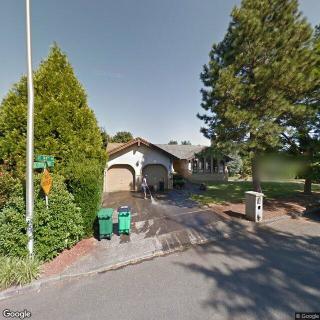
A Gentle Care Home
$2,500 / month6.5 miles away -
from +$300 / mo
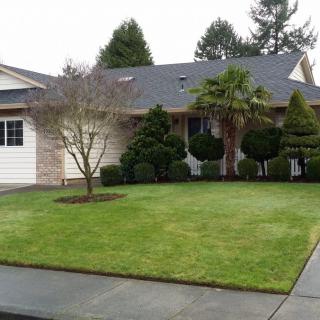
Aging Gracefully Family Home
$2,800 to $3,500 / month11.4 miles away -
from +$150 / mo
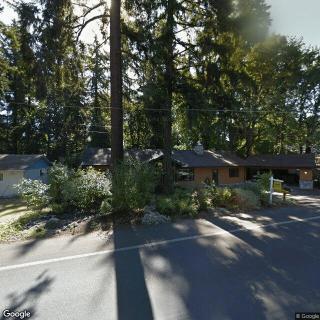
Cedar Lodge Care Home
$2,650 to $3,000 / month15.2 miles away -
from +$100 / mo
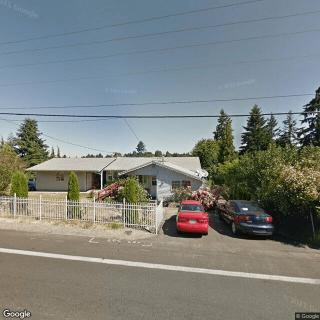
Golden Lane Adult Care Home
$2,600 / month14.9 miles away -
from +$95 / mo

Highgate Senior Living
$2,595 to $3,095 / month18.3 miles away
Overall Review of Compassionate Living ACH 1
Pros
 They were overwhelmed by the great love and relaxed, honest conversation and attitude of the operators.
- Their heart soared from the warmth of the interaction.
- They were inspired to help a family member join this wonderful place called home.
- They left with a strong sense of welcome and care.
Review
Compassionate Living ACH 1 in Gresham is best suited for families seeking a warm, home-like atmosphere where staff interaction feels sincere, relaxed, and deeply personal. The community appears to excel at creating an environment that prioritizes emotional safety, open conversation, and genuine warmth from the operators. It is especially compelling for seniors who fear the clinical coldness of some facilities and who value straightforward, compassionate communication that makes families feel heard and valued. In short, this is a setting where residents are welcomed as people first and care partners second.
Those weighing alternatives should consider whether a more formalized, medically oriented environment is needed. If high-acuity care, extensive memory-care programming, or highly visible staffing metrics are essential, other communities with explicit care ladders and pricing transparency may serve better. Families also should verify whether the level of clinical oversight, therapeutic activities, and daily structure align with the resident’s current and anticipated needs. For individuals seeking rigorous, data-driven planning and a clearly mapped continuum of care, some options may offer a more predictable framework.
The strongest pros, the evident warmth, the “relaxed honest conversation,” and the operators’ attentive attitude, play a decisive role in comfort and trust. The staff’s demeanor translates into a sense that this is not merely a facility, but a place that treats residents with dignity and families with respect. That emotional foundation can offset uncertainties about specific services by making expectations easier to surface and address collaboratively. When a family member feels genuinely listened to, care goals tend to align quickly, reducing the friction that often accompanies transitions and ongoing decisions about daily routines, med management, and preferred activities.
Another notable positive cue is the home-like rhythm that accompanies daily life there. The mention of a brioche and the overall hospitality tone signals an environment that emphasizes normalcy and relational warmth alongside essential care. This kind of ambiance can ease the anxiety of move-in, support better mood stability, and encourage residents to engage more willingly with staff and programs. Yet these strengths should be weighed against the absence of detailed public information about programming breadth, dining options, and structured activity calendars, which are often pivotal for sustaining long-term satisfaction as needs evolve.
Given that only one glowing experience is documented, the practical course for families is to approach with a structured due-diligence plan. Seek a formal tour, observe how staff interactions unfold during a routine day, and request candid conversations with an administrator about care planning, emergency protocols, and escalation procedures. Ask for a sample care plan, current resident mix, staffing ratios, and a transparent outline of monthly costs plus what is included versus optional add-ons. Collect resident testimonials and speak with current families to gauge consistency of care and whether the warmth described persists across shifts and days.
Ultimately, Compassionate Living ACH 1 should be high on the list for families prioritizing heartfelt, person-centered engagement and a low-key, welcoming environment. It is less suited for those who require explicit clinical frameworks, precise cost accounting, or highly structured programming from dawn to night. The core value appears to be the relational bond between staff, residents, and visiting families, a foundation that can transform the experience of care into something more like a community of chosen family. If that mission aligns with the resident’s temperament and care trajectory, this community is worth a serious look; otherwise, it is prudent to compare rivals that foreground medical oversight and transparent, scalable care options.
 Board and Care Home
 Memory Care
 Activities off-site
 Devotional services off-site
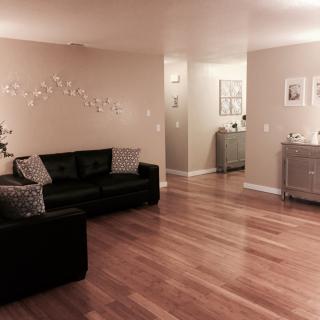
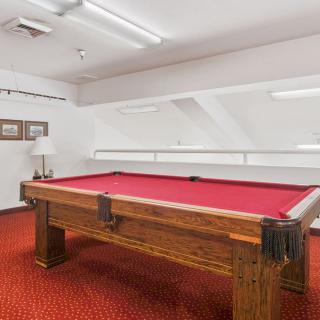
 Indoor common areas
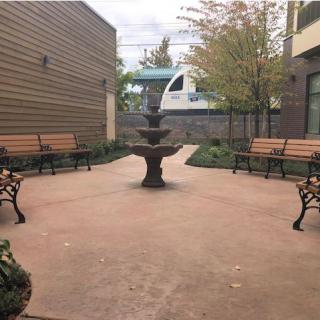
 Outdoor common areas
 Private
 Private bathrooms
 Respite or short term stays offered
 Wheelchair accessible showers
 Portland International (11 miles away)
 High acuity care
 Incontinence care
 Medication management
 Meals provided
 Delirium and Dementia: Unraveling the Key Differences
 Are Dementia and Alzheimer's Disease Lethal? A Comprehensive Exploration
 Exploring the Power of Reminiscence Therapy for Individuals With Dementia