

1150 NE Cochran Dr, Gresham, OR 97030
To contact a resident: (503) 442-0288
For more information about senior living options: (866) 208-4318

Grace Care Adult Foster Home Costs & Pricing
Grace Care Adult Foster Home offers competitive pricing for its services, providing a comfortable living environment at $3,500 per month for private, semi-private, and studio room types. When compared to Multnomah County and the broader state of Oregon, Grace Care's rates showcase notable value. For instance, the average cost in Multnomah County for a private room is $3,227, while semi-private accommodations are pricier at $4,011. Similarly, Oregon's statewide averages are higher across all categories: $3,424 for a private room and $4,457 for semi-private options. This places Grace Care in a favorable position within the market, offering residents both quality care and financial accessibility amidst rising costs in the surrounding areas.
| Floor plans | Grace Care Adult Foster Home | Multnomah County | Oregon |
|---|---|---|---|
| Private | $3,500 | $3,227 | $3,424 |
| Semi-Private | $3,500 | $4,011 | $4,457 |
| Studio | $3,500 | $3,455 | $3,815 |
Memory care communities with a similar price nearby
-
About the same

American Living Adult Family Home LLC
$3,500 / month12.1 miles away -
from -$500 / mo
Elder Garden Care Home, LLC
$3,000 / month2.6 miles away -
About the same

Northwest Home Health
$3,500 to $3,700 / month9.9 miles away -
from -$500 / mo

Rivercrest Adult Care
$3,000 to $3,700 / month14.8 miles away -
from +$500 / mo
The Finest Care AFH, LLC
$4,000 to $5,500 / month11.1 miles away
Overall Review of Grace Care Adult Foster Home
Pros
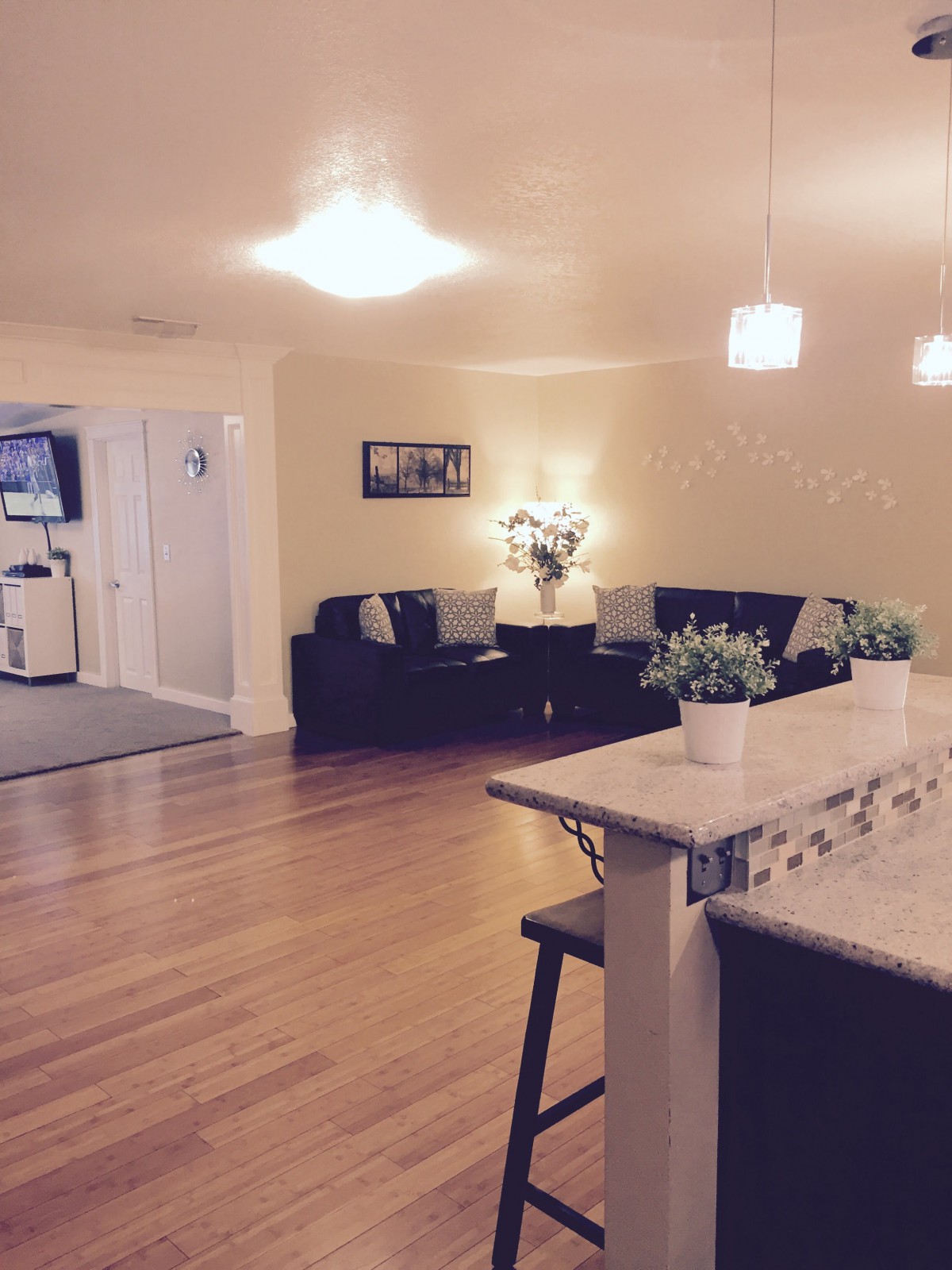
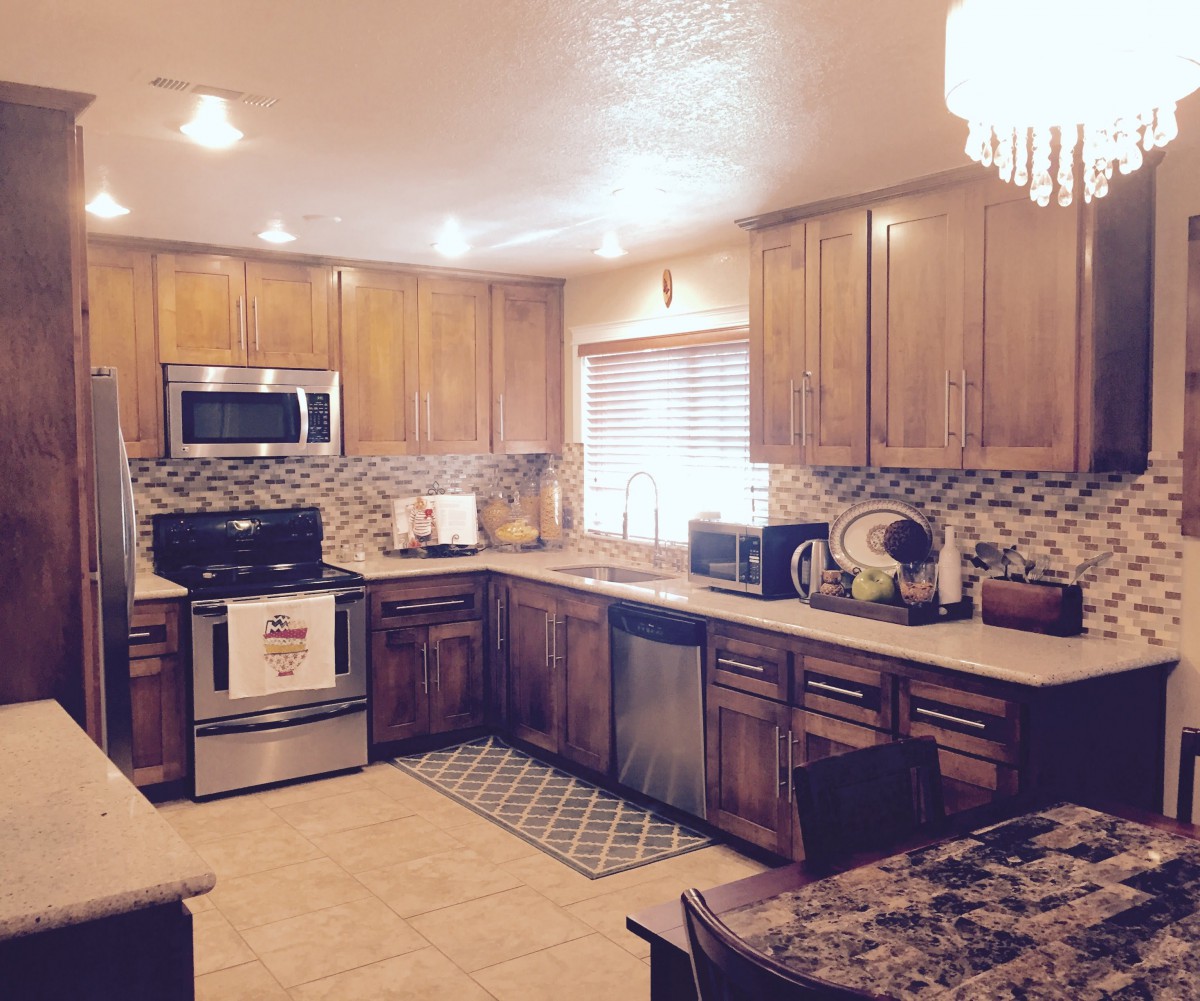
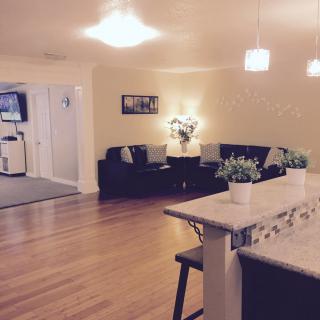
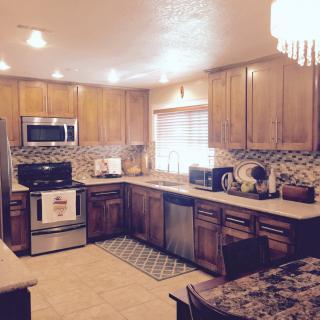
 The facility is beautiful, clean, and the owner is exceptionally caring.
- The staff provided great care for a resident's father for three years.
- The staff are very caring and go out of their way to provide the needed care.
- The community is clean and well maintained.
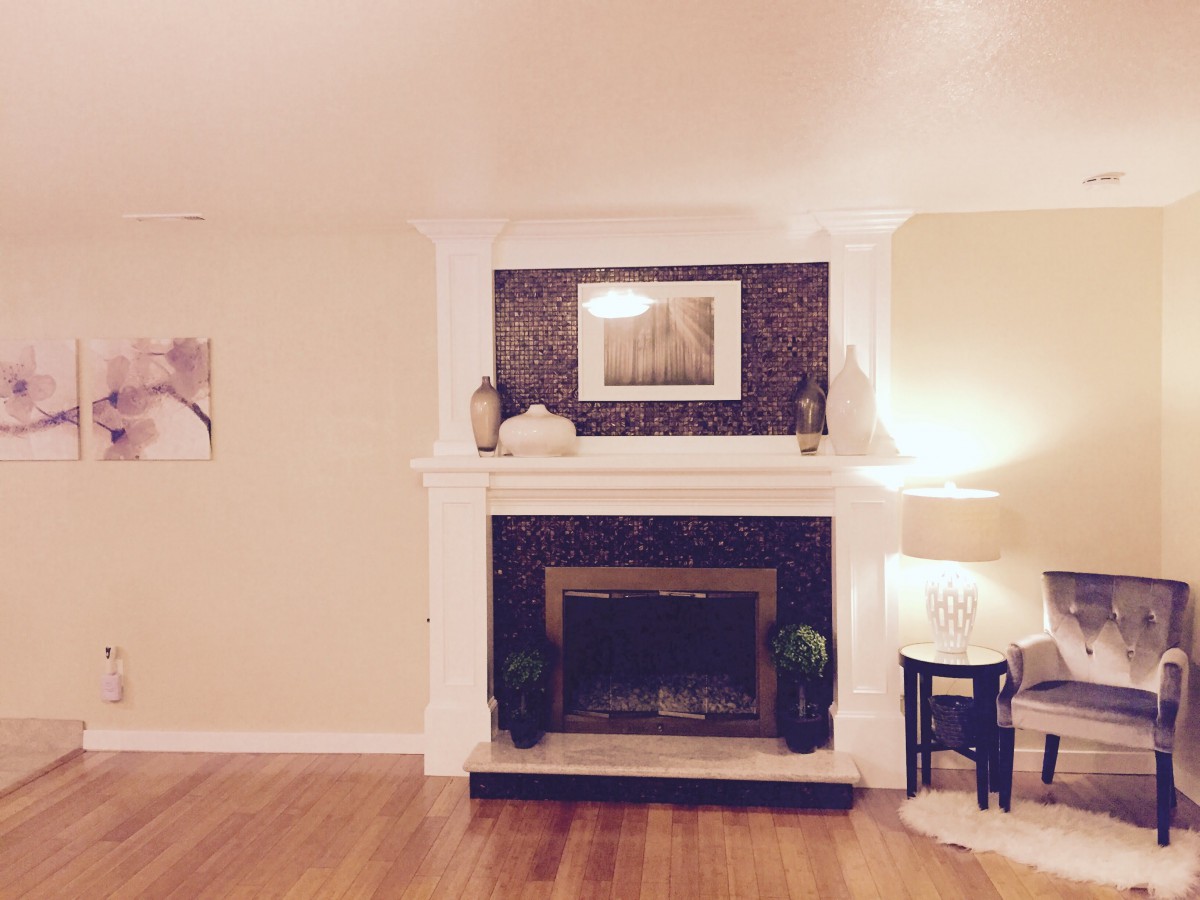
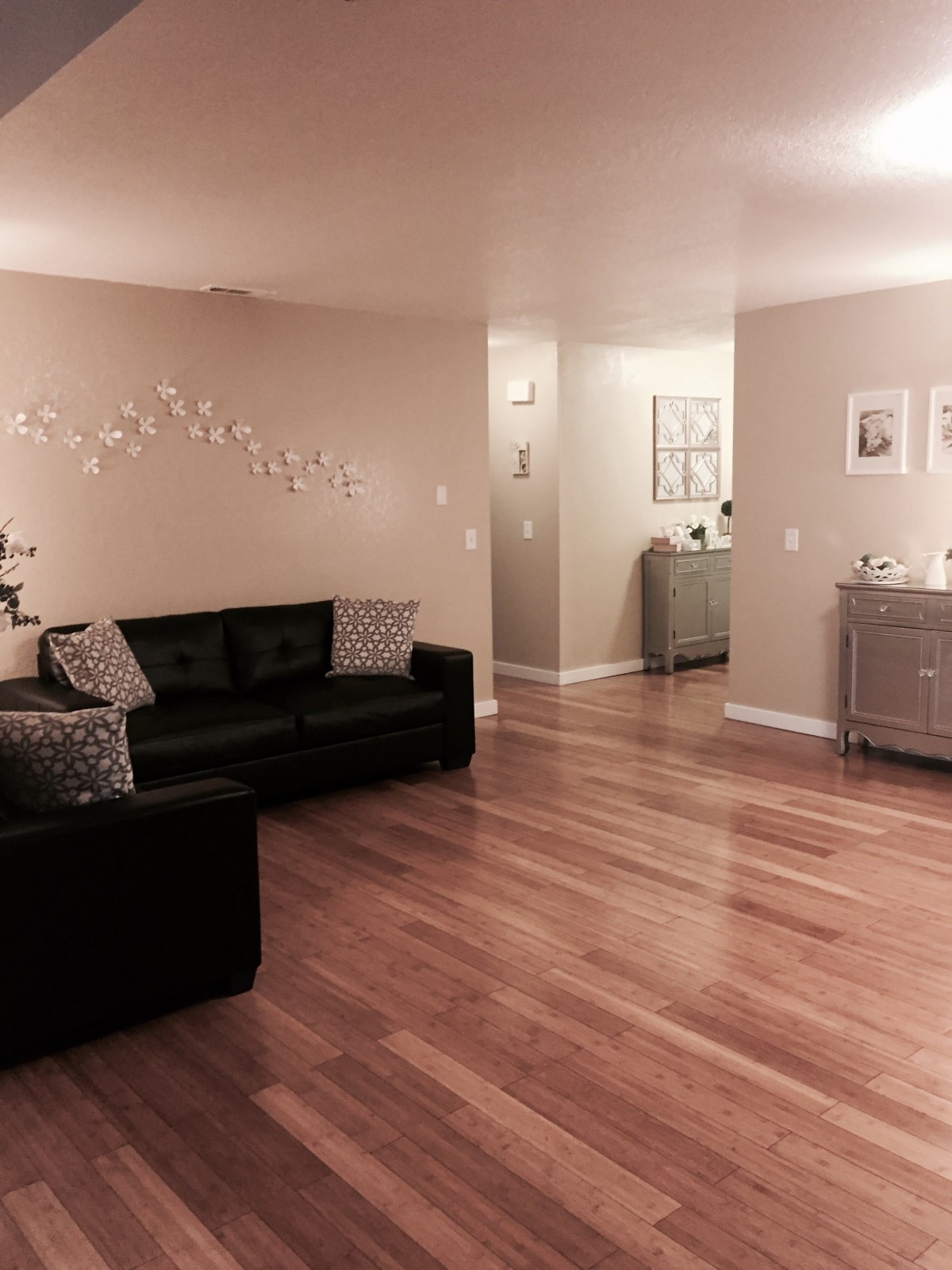
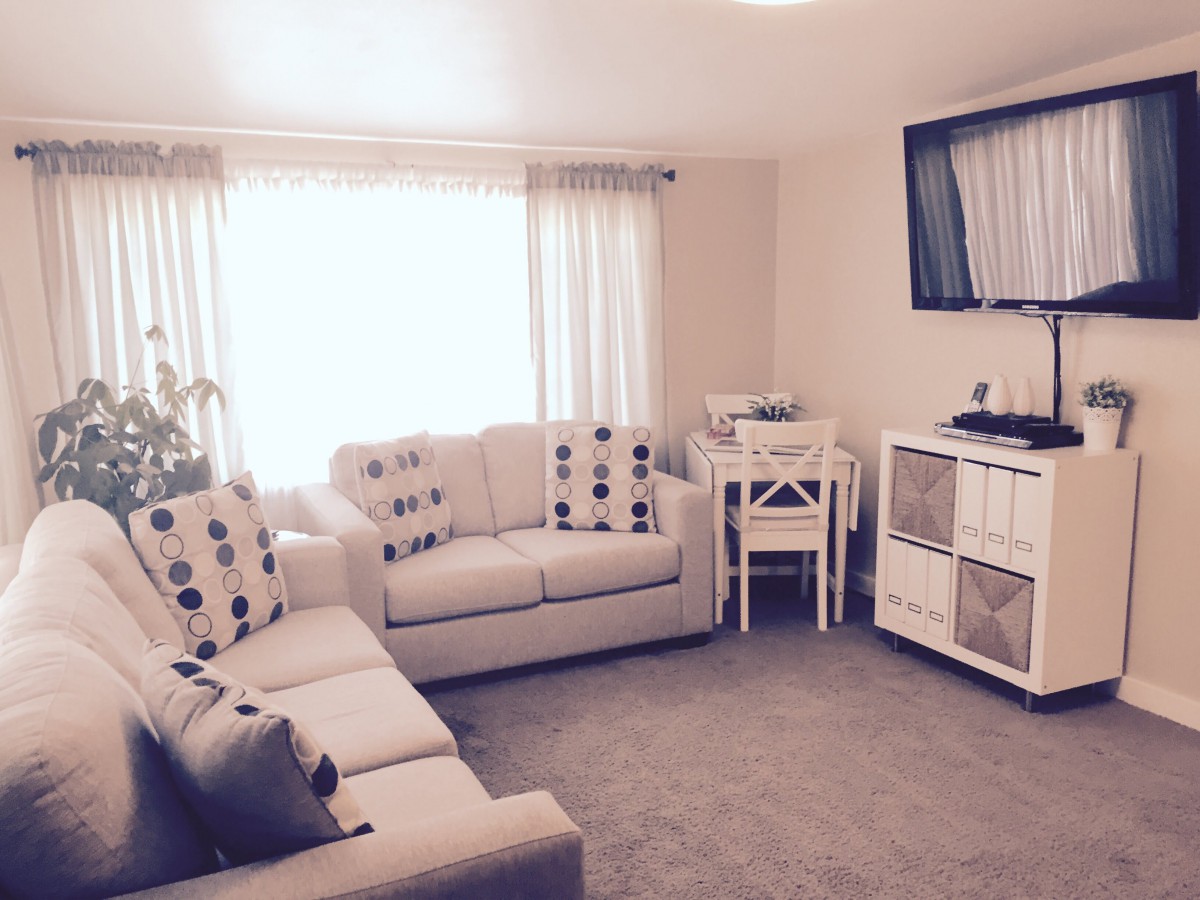
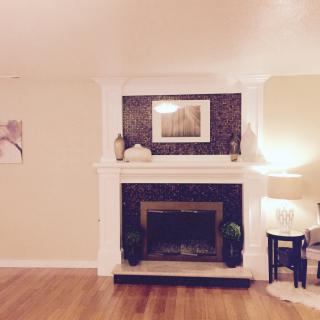
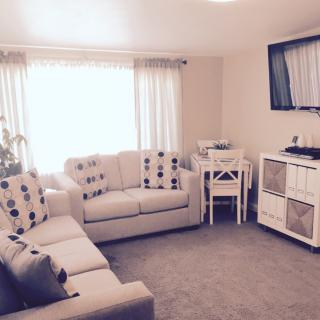
- The new location is beautifully decorated, spacious, and clean.
- Caregivers ensure residents receive meals they like.
- The home feels like a true home and is highly recommended for families and loved ones.
- The care provided is excellent.
Cons
 They offer limited activities.
Review
Grace Care Adult Foster Home in Gresham is best suited for seniors who want a small, home-like environment with highly attentive, stable caregiving. This community excels when a resident’s well-being depends on a personal touch: a caregiver team that feels like family, predictable routines, and a setting that prioritizes warmth over a campus-style bustle. The owner-operated model shines through in numerous accounts of compassionate, individualized care, with families noting that residents are treated with genuine kindness, meals are thoughtfully prepared, and visitors are welcomed warmly. For a senior who values consistency, privacy, and a dignified, homelike daily rhythm, Grace Care delivers a particularly strong fit.
Those evaluating alternatives should consider options if the priorities include robust activity programs, extensive social scheduling, or dementia-specific memory care. Reviews consistently point to limited activities in this setting, which can leave more active or socially oriented residents seeking more structured engagement. For residents with complex medical needs that require on-site nursing oversight or specialized memory-care protocols, a larger assisted-living community or a dedicated memory-care facility may serve better. Families seeking a highly formalized campus atmosphere with a wide array of group outings and on-call medical staffing might prefer other providers.
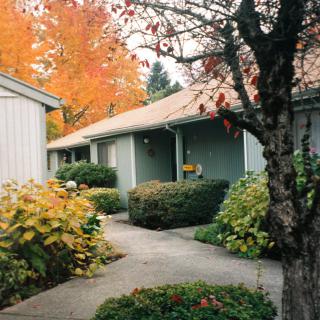
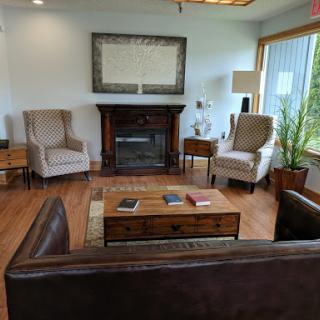
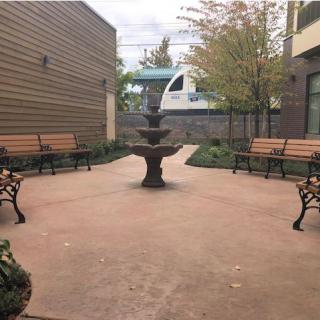
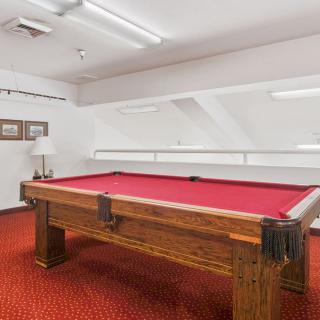
The strongest positives are clear and repeatedly demonstrated. Cleanliness and a home-like atmosphere stand out, with caregivers who are described as genuinely compassionate and responsive to individual preferences, down to meals and daily routines. The staff’s willingness to accommodate likes and dislikes, and to involve residents in decisions about meals, underscores a level of personalized attention that’s rare in larger settings. The new location reinforces these strengths: it’s beautifully decorated, spacious, and easy to navigate, with practical features like laminate floors for easy upkeep, and a backyard area with a paved walkway that invites safe outdoor time. These elements collectively foster a sense of security and belonging that families consistently report cherishes.
The main drawbacks are modest but real, and they should be weighed against the core strengths. The limited activity slate can dampen engagement for residents who crave variety and frequent social stimulation. Yet the heightened level of caregiver presence, the intimate setting, and the ability to tailor daily life around preferences can mitigate this concern for many families. The tight-knit environment also means fewer formal programming structures, which might slow the pace for some, but it simultaneously reduces the sense of turnover and impersonality that can accompany larger communities. In essence, the gains in trust, continuity, and daily attentiveness offset a slower, lighter activities calendar for residents who prioritize a peaceful, respectful home atmosphere.
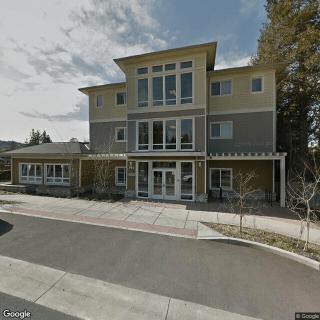
The updated, well-kept facility matters. The new location’s thoughtful presentation, clean lines, ample space, and welcoming outdoor access, addresses practical concerns about upkeep and comfort that matter to families evaluating ongoing living arrangements. The combination of proven care and upgraded surroundings creates a persuasive case for those who want reassurance that care quality won’t slip as needs evolve. It also signals the operator’s commitment to maintaining high standards, even as the home grows or relocates. This blend of steadiness and refinement makes Grace Care a viable choice for residents who want assurance of reliable caregiving within a homelike setting.
For families deciding on care, Grace Care Adult Foster Home represents a strong option when intimate attention, a nurturing home atmosphere, and dependable caregiving are the top criteria. It is less suitable for those requiring extensive programming, dementia-specific protocols, or campus-style medical oversight. The advantages, personalized meals, attentive staff, and a family-like environment, often offset the fewer activities and smaller scale. Prospective residents should arrange a visit, observe how staff interact with residents, discuss meal flexibility and opportunities for outdoor time, and directly inquire about the level of medical support available on-site. When the goal is a warm, respectful, home-centered approach to senior living, Grace Care deserves serious consideration.
 Board and Care Home
 Memory Care
 Activities on-site
 Air-conditioning
 Cable or satellite TV
 Devotional services off-site
 Ground floor units
 Indoor common areas
 Outdoor common areas
 Private
 Private bathrooms
 Respite or short term stays offered
 Wheelchair accessible showers
 Wi-Fi/high-speed internet available
 Portland International (11 miles away)
 Diabetic care
 High acuity care
 Incontinence care
 Medication management
 Gluten-free
 BBQs or picnics
 Birthday parties
 Live dance or theater performances
 Live musical performances
 Visiting chaplain or priest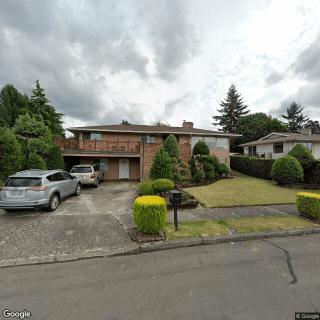



 When to Transition from Assisted Living to Memory Care: Key Indicators, Steps, and Finding the Right Community
 Understanding the Distinctions: Assisted Living and Memory Care Explained
 How to Communicate with a Loved One Living with Dementia: 10 Supportive Strategies