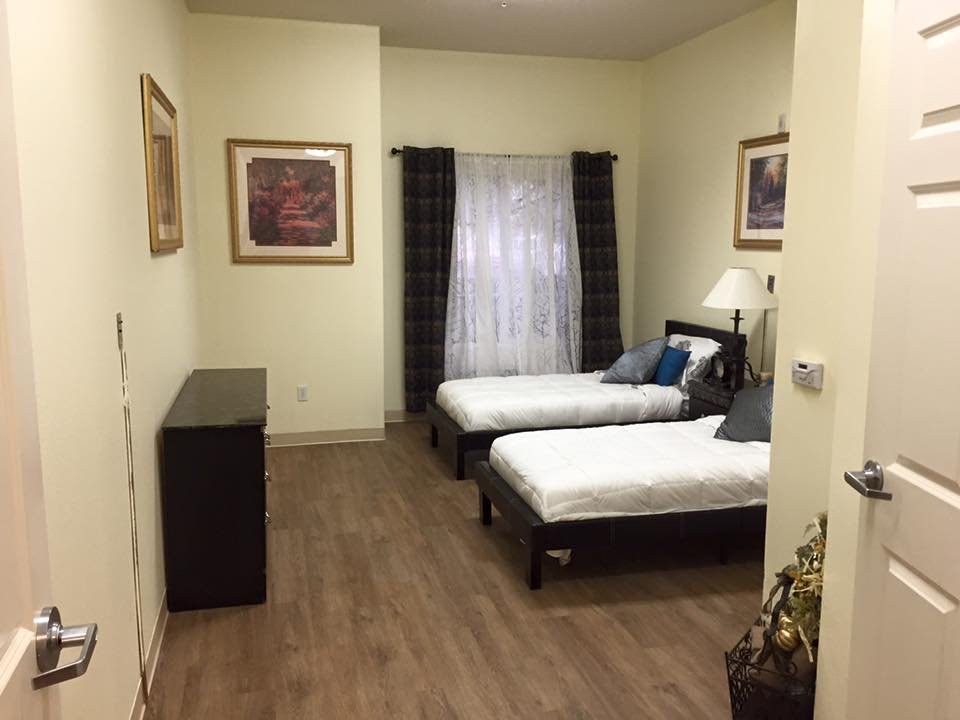
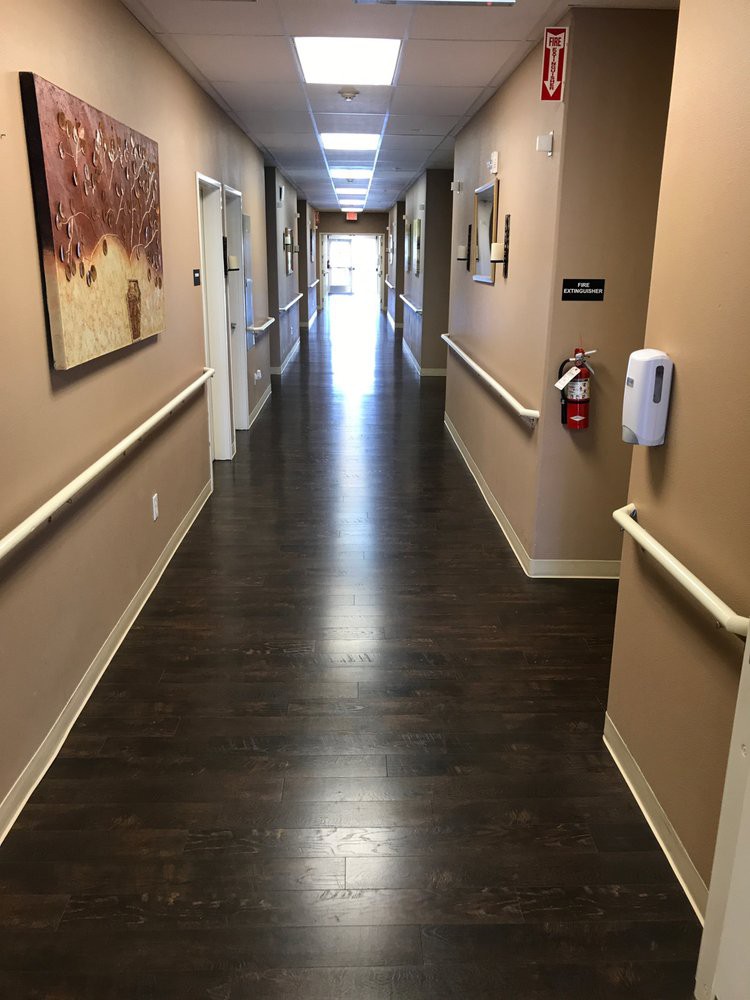
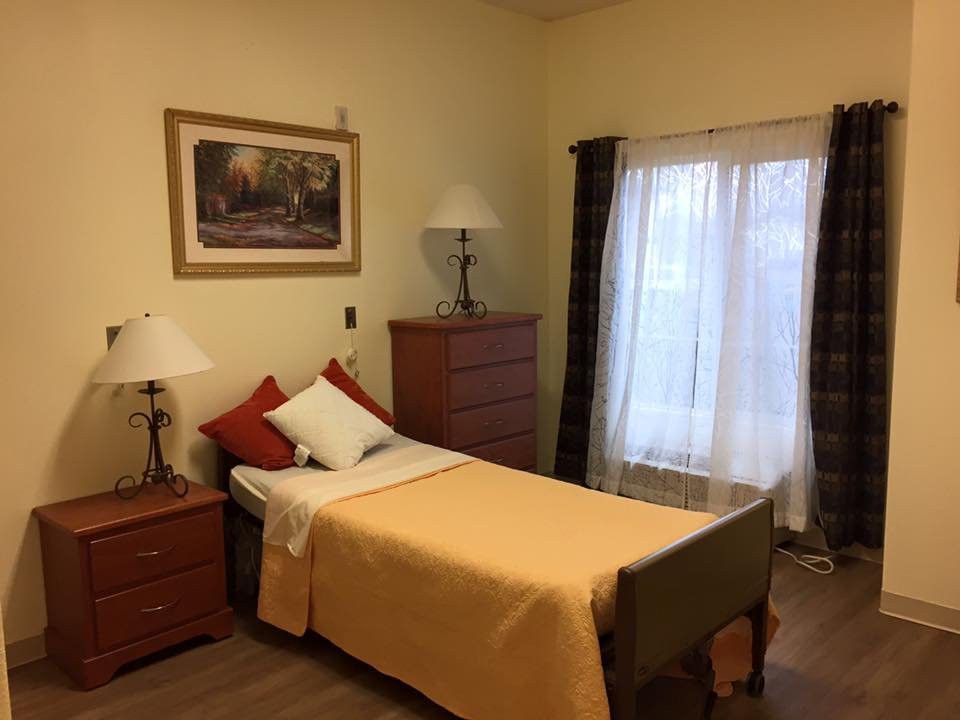
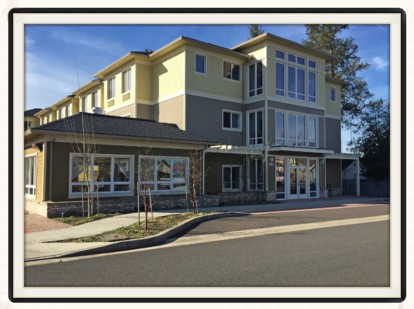
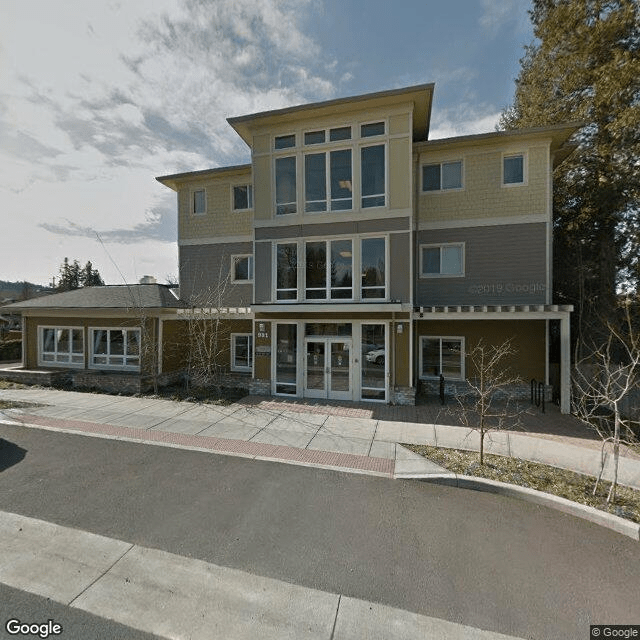
931 North East Linden Avenue, Gresham, OR 97030
For more information about senior living options: (866) 208-4318
Adara Oaks Manor Costs & Pricing
Adara Oaks Manor offers a competitive monthly cost for its studio accommodations at $3,400, which is slightly below the average for Multnomah County at $3,455 and significantly more affordable than the statewide average of $3,815 in Oregon. This positioning makes Adara Oaks Manor an attractive option for individuals seeking quality care in a comfortable environment while being mindful of their budget. The pricing reflects a commitment to providing excellent services and amenities tailored to the needs of residents, ensuring that they receive both value and quality in their living experience.
| Floor plans | Adara Oaks Manor | Multnomah County | Oregon |
|---|---|---|---|
| Studio | $3,400 | $3,455 | $3,815 |
Memory care communities with a similar price nearby
-
About the same

American Living Adult Family Home LLC
$3,500 / month11.9 miles away -
from -$400 / mo
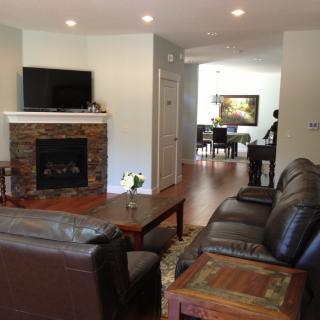
Elder Garden Care Home, LLC
$3,000 / month1.9 miles away -
About the same

Northwest Home Health
$3,500 to $3,700 / month9.0 miles away -
from -$400 / mo

Rivercrest Adult Care
$3,000 to $3,700 / month14.2 miles away -
from +$600 / mo
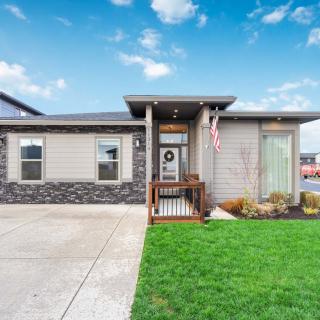
The Finest Care AFH, LLC
$4,000 to $5,500 / month10.7 miles away
Overall Review of Adara Oaks Manor
Pros
 The staff were friendly and helpful.
- Residents are treated with compassion and respect.
- Visiting a partner is a beautiful experience.
- Holly is the best caregiver on the day shift and goes above and beyond her duties.
- Olga is a strong, caring presence for residents.
- Ona is amazing and always there to listen.
- Deyi cooks with her heart and clearly loves her work.
- Diane consistently supports the staff and advocates for them.
- The building has made amazing progress and shows positive changes.
- The building provides great service to the growing geriatric population.
- The staff provides the best possible care for residents.
- The staff were extremely nice to residents.
- The facility is an amazing place to work.
- The building is wonderful.
- Adara Oaks Manor offers an assisted living experience that allows residents to live life to the fullest.
Cons
 They report medical negligence and multiple medication mistakes, including a grandmother not receiving a prescribed medication for six days.
- They state that nurses, aides, and owners do not care about residents’ welfare.
- They say residents are charged $18 per day for meals delivered to their rooms.
- They claim medications are often not given on time when residents cannot get to the dining room.
- They describe the facility as poor in care and the food as worse, noting pools of grease on plates.
- They cite poor communication and ongoing drama between staff and management.
- They warn others to look elsewhere and plan to move their grandparents.
Review
Adara Oaks Manor in Gresham is best suited for seniors who prize a warm, relationship-driven atmosphere where front-line caregivers demonstrate genuine devotion to residents. It works for families seeking daily demonstrations of compassion and personalized attention, and for residents who can thrive with supportive, hands-on staff who know them by name. The community may feel especially welcoming to veterans or residents who benefit from a homey, human-centered environment. Those who require highly predictable medical oversight, strict medication safety protocols, or rigorous governance should consider other options, since consistency and formal safeguards appear to be uneven at times.
On the strength side, the strongest argument for Adara Oaks is the frontline caregiving culture. Visitors and residents alike describe staff as friendly, caring, and willing to go the extra mile. Specific caregivers are repeatedly praised for going above and beyond, clear signals that when a resident’s trust is earned, staff responsiveness can be meaningful and reassuring. The sense that management is listening and making improvements is another frequent takeaway, with an emphasis on cultivating teamwork and reducing friction between caregivers and leadership. The building’s progress over time also matters: the facility has shown a trajectory of positive development that some staff and families view as genuine, visible improvement.
Yet the cons are difficult to ignore and can overwhelm the positives for residents with higher acuity. A number of reviews paint a troubling picture of care gaps that include medication mismanagement, delays in giving prescribed medicines, and what are described as medical-negligence-type concerns. One family recounts a specific incident of a medication not being administered for days, while others cite frequent delays and a lack of timely response. In addition, there are reports of sharp changes under new ownership, including increased charges for meals delivered to rooms and disagreements about meal service, issues that can compound the stress of living in uncertain care environments. The most alarming notes point to unsafe practices and a breakdown in consistent, reliable care, which understandably push families to question staying long-term.
Given that landscape, the key pros offset some but not all of the main cons, at least for certain residents. For those who place a premium on warmth, personal connections, and the daily presence of caring staff, Adara Oaks offers a meaningful, almost familial environment that can soften the sting of imperfect operations. The risk, however, is real: even a single medication error or a missed dose can have serious consequences, particularly for seniors with delicate health needs. The positive staffing culture helps, but it cannot fully compensate for systemic lapses in medication safety or for persistent gaps in communication and governance that seem connected to ownership changes. Prospective residents should weigh the emotional wealth of a supportive community against the tangible safety and efficiency concerns that appear in several accounts.
From a decision-making standpoint, prospective families should take a structured, thorough approach. Observe multiple shifts to gauge consistency, and speak directly with front-line caregivers as well as supervisory staff to understand how medication rounds and daily routines are actually managed. Request copies of the facility’s medication administration policy, incident logs, and treatment plans to assess how well risk is mitigated in practice. Ask about current staffing levels, turnover, and whether ownership changes introduced new costs or altered service expectations. If choosing Adara Oaks, insist on concrete expectations for med safety, regular care conferences, and clear escalation paths for concerns, along with transparent billing practices regarding meals and ancillary charges. Visitors should also compare these factors against nearby communities with stronger, documented medication-safety records and more predictable pricing.
In the end, Adara Oaks Manor presents a clear dichotomy: a community where heartfelt care and personal connections can flourish, paired with legitimate concerns about medical safety and operational consistency. For families who value the human touch and are prepared to actively monitor care, advocate for transparent communication, and insist on top-tier medication safety, the community can be a good fit, perhaps even a welcome home. For anyone whose loved one requires rigorous medical oversight, flawless administration of medications, or a predictable cost structure, alternatives should be explored with equal vigor. The choice hinges on balancing the emotional rewards of a caring staff against the practical imperatives of safety, reliability, and clear governance.
 60 resident community capacity
 Assisted Living
 Memory Care
 Respite Care
 Cats allowed
 Dogs allowed
 Activities off-site
 Air-conditioning
 Bath tubs
 Beauty salon
 Cable or satellite TV
 Computer center
 Devotional services off-site
 Dining room
 Fitness room
 Fully furnished
 Gaming room
 Garden
 Housekeeping services
 Indoor common areas
 Kitchenette
 Move-in coordination
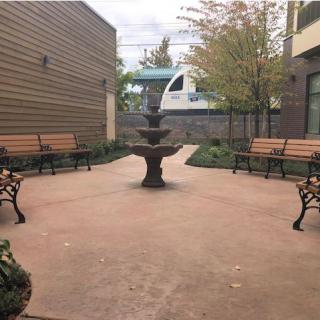
 Outdoor common areas
 Private bathrooms
 Restaurant-style dining
 Small library
 Telephone
 Wellness center
 Wheelchair accessible showers
 Wi-Fi/high-speed internet available
 Portland International (10 miles away)
 Community operated transportation
 12-16 hour nursing
 24-hour call system
 Assistance with bathing
 Assistance with dressing
 Assistance with transfers
 Diabetes diet
 Diabetic care
 Incontinence care
 Medication management
 Mental wellness program
 Special dietary restrictions
 Catholic services
 Concierge services
 Planned day trips





 Delirium and Dementia: Unraveling the Key Differences
 Are Dementia and Alzheimer's Disease Lethal? A Comprehensive Exploration
 Exploring the Power of Reminiscence Therapy for Individuals With Dementia