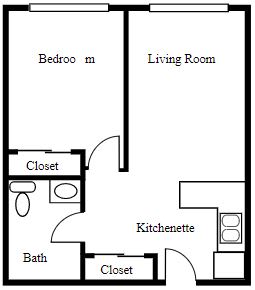
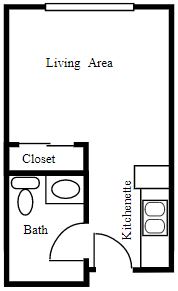
Avamere at Chestnut Lane offers competitive pricing for its various room types when compared to the broader landscape of Multnomah County and the state of Oregon. For a semi-private room, residents can expect to pay $3,467, which is notably lower than both the county average of $4,011 and the state average of $4,457. However, when it comes to studio and one-bedroom options, Avamere's pricing shifts; the studio rate is set at $4,856 - significantly higher than the county's average of $3,455 and slightly above the state average of $3,815. The one-bedroom accommodation stands at $5,319, which again exceeds both Multnomah County's average price of $3,402 and Oregon's overall average of $3,904. This pricing structure reflects Avamere's positioning within the market as it seeks to balance quality care with affordability while catering to a diverse range of resident needs.
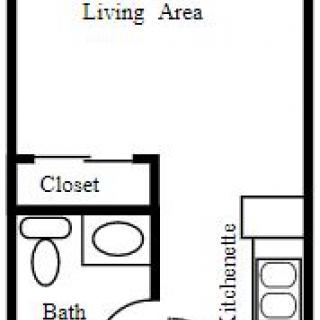
Floor plans
Avamere at Chestnut Lane
Multnomah County
Oregon
Semi-Private
$3,467
$4,011
$4,457
Studio
$4,856
$3,455
$3,815
1 Bedroom
$5,319
$3,402
$3,904
Assisted Living communities with a similar price nearby
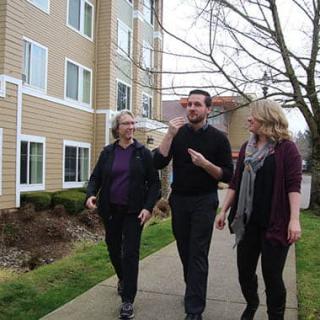
The program and community setup are described as tailored to deaf and deaf-blind residents.
Several residents and visitors describe a community shaped around deaf and deaf-blind residents, including programs and a structure that supports deaf needs. One reviewer specifically mentions the building and programs being set up to cater to deaf residents, and another highlights sign language support for residents who are not deaf. In a separate family experience, the reviewer says the community is mainly for deaf/blind people and describes ongoing ways residents can communicate and participate through sign language and activities.
common3 reviews mention this
Dining receives mixed-to-positive mentions
Meals are described as decent and better in some residents’ experiences.
Food quality comes up in both positive and neutral terms. One reviewer calls the food decent, while another says the meals are good. A family member also describes better food and a chef-led approach in their experience with the community.
caveat2 reviews mention this
Cleanliness and smells vary
Residents describe both very clean conditions and persistent odor or cleaning issues.
One reviewer says the facility was very clean, not worn or dated, and describes a pleasant smell and bright environment. Another reviewer reports stained carpets that need more cleaning and says there is an ongoing urine smell in at least one area of the building.
caveat2 reviews mention this
Staffing coverage is a concern
Multiple reviews raise concerns about staffing when residents need more support.
Some reviewers suggest the community may not work well for residents who require a lot of assistance, describing situations where workers would ignore someone even in an emergency. Another reviewer echoes a staffing issue by describing chronic understaffing and too many residents to keep up with daily care.
caveat2 reviews mention this
Families report communication gaps
Reviewers describe moments when families were not contacted during urgent events.
A family member says their mother was having a heart attack in the hospital and that the facility did not bother to call them. The same concern is repeated in a similar account, along with broader mixed feelings about the overall experience.
How we summarize
Counts show how many written reviews mention each theme; a review can touch several themes, and only frequently mentioned themes are displayed.
Features
Housing
78 resident community capacity
Types of Care
Assisted Living
Pets
Cats allowed
Dogs allowed
Amenities
Activities on-site
Air-conditioning
Beautician on-site
Beauty salon
Cable or satellite TV
Computer center
Devotional services off-site
Dining room
Fitness room
Fully furnished
Gaming room
Garden
Ground floor units
Handicap accessible
Housekeeping services
Indoor common areas
Kitchenette
Move-in coordination
Outdoor common areas
Outdoor space
Private bathrooms
Respite or short term stays offered
Restaurant-style dining
Small library
Telephone
Wellness center
Wi-Fi/high-speed internet available
Transportation
Portland International (11 miles away)
Community operated transportation
Transportation arrangement
Transportation arrangement (non-medical)
Transportation to doctors appointments
Care Services
12-16 hour nursing
24-hour call system
24-hour supervision
Activities of daily living assistance
Assistance with bathing
Assistance with dressing
Assistance with transfers
Coordination with health care providers
Diabetes diet
Diabetic care
Incontinence care
Meal preparation and service
Medication management
Mental wellness program
Physical therapy
Special dietary restrictions
Transportation arrangement (medical)
Transportation to doctors appointments
Walking wheelchair assistance
Dining
Diabetes diet
Gluten-free
Guest meals
International cuisine
Kosher
Low / no sodium
Meals provided
No Sugar
Restaurant style dining
Room service
Special dietary restrictions
Vegan
Vegetarian
Activities
Activities on-site
Art classes
Brain fitness
Community-sponsored activities
Concierge services
Cooking classes
Day trips and outings
Devotional activities offsite
Educational speakers / life long learning
Fitness programs
Gardening club
Holiday parties
Planned day trips
Resident-run activities
Scheduled daily activities
Stretching classes
Trivia games
Yoga / chair yoga
Languages Spoken
American sign language
English
Videos
Nearby Places of Interest
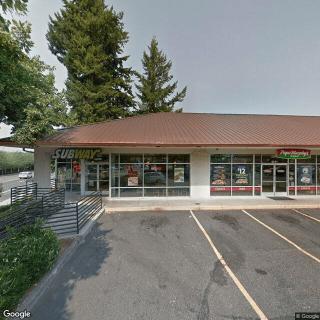
Located in Gresham, Oregon, this neighborhood offers convenient access to a variety of amenities essential for senior living. With multiple physicians, pharmacies, and urgent care facilities nearby, residents have easy access to healthcare services. Additionally, the abundance of cafes and restaurants such as Subway, Olive Garden, and Black Rock Coffee Bar provide plenty of dining options. The proximity to parks like Gresham Main City Park and Tsuru Island offer opportunities for outdoor recreation and relaxation. For those interested in cultural or religious activities, there are also places of worship like St Henry Catholic Church and East Hill Kid City nearby. Overall, this neighborhood provides a well-rounded environment for seniors looking for a comfortable and convenient place to live.
Physicians
Eastside Periodontics (0.3 miles)
Jon Wesley Crew (0.4 miles)
Rose City Urgent Care & Family Practice (0.5 miles)
Avamere at Chestnut Lane offers competitive pricing for its various room types when compared to the broader landscape of Multnomah County and the state of Oregon. For a semi-private room, residents can expect to pay $3,467, which is notably lower than both the county average of $4,011 and the state average of $4,457. However, when it comes to studio and one-bedroom options, Avamere's pricing shifts; the studio rate is set at $4,856 - significantly higher than the county's average of $3,455 and slightly above the state average of $3,815. The one-bedroom accommodation stands at $5,319, which again exceeds both Multnomah County's average price of $3,402 and Oregon's overall average of $3,904. This pricing structure reflects Avamere's positioning within the market as it seeks to balance quality care with affordability while catering to a diverse range of resident needs.
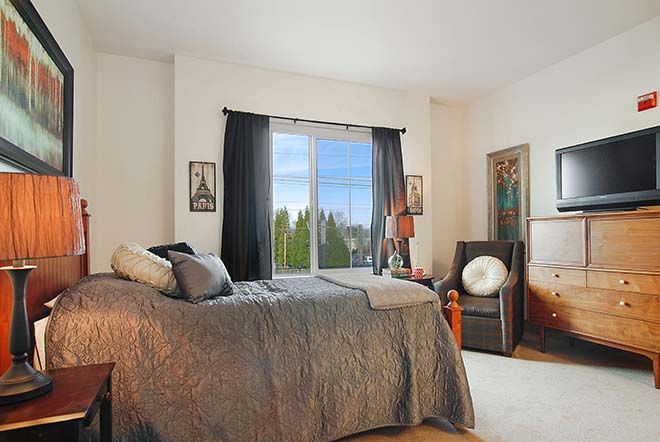
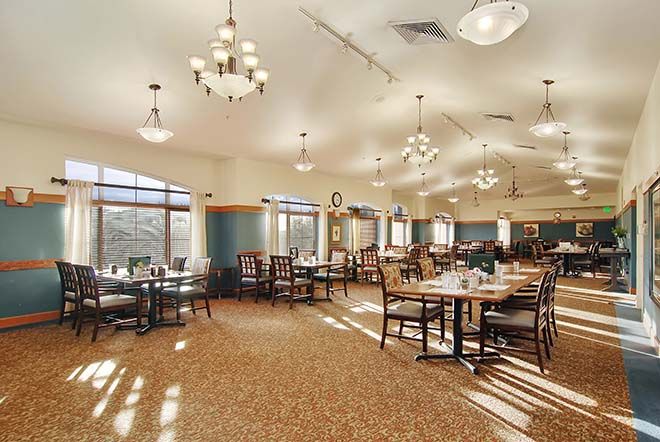
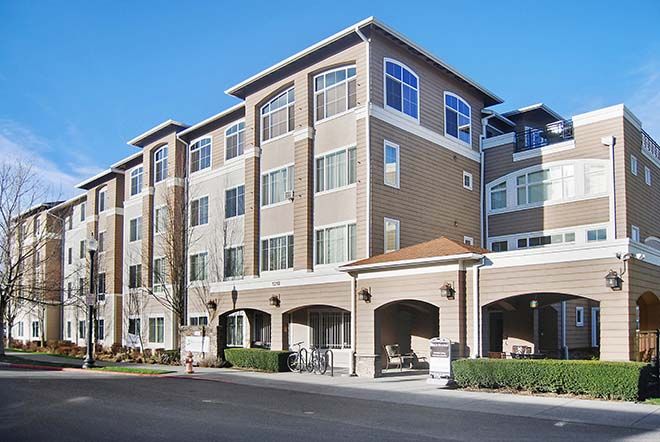
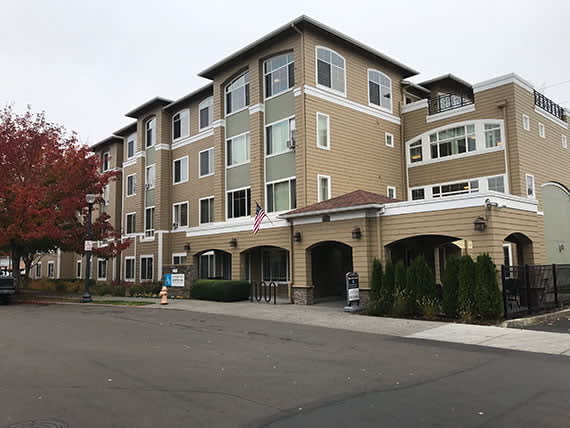
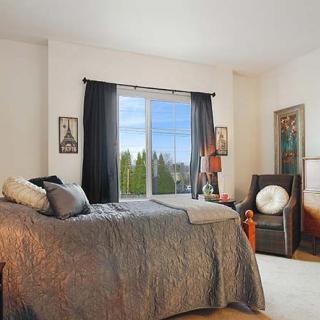
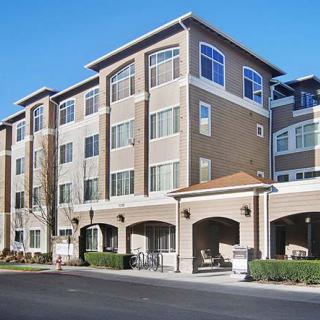
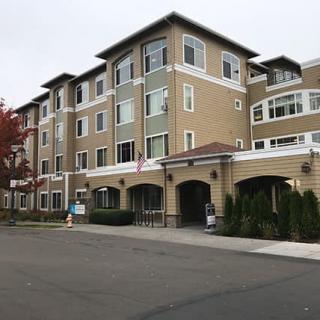
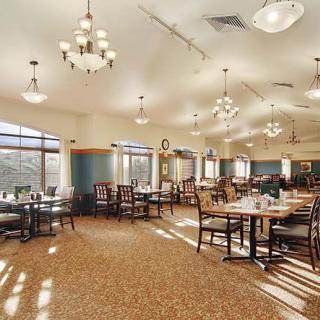
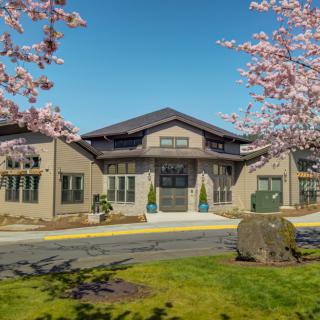
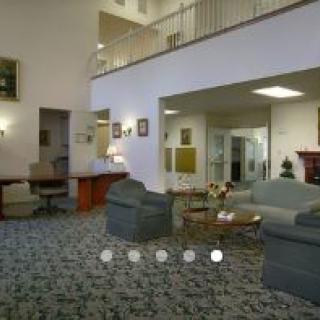
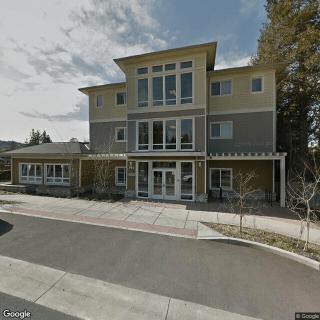
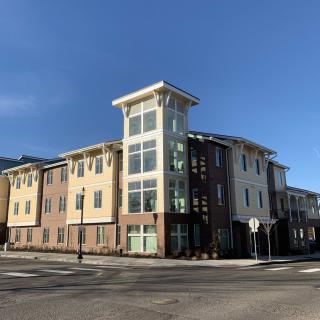
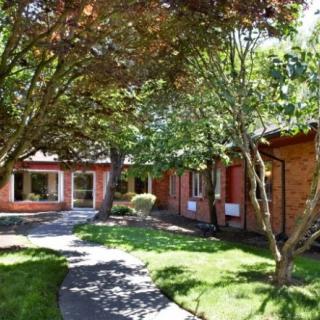
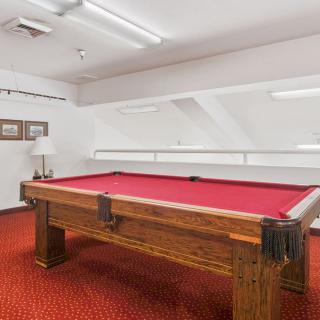
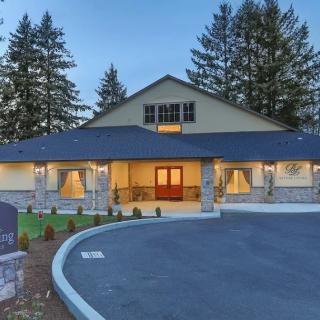
Avamere at Chestnut Lane on seniors.fyi includes 8 photos including images showing floor plan, interior, building, architecture, bedroom, windows, exterior, urban, and more.
Nearby Communities
Liberty Pointe
Gresham, OR
2.5 from 14 reviews
$4,700 / month
Comprehensive memory care with 24-hour supervision and a broad range of on-site amenities.
Caring Hearts Adult Foster Care, Inc.
Gresham, OR
$2,500 / month
Private rooms at $2,500/mo, lower than local county and state averages, with extensive on-site amenities.
Adara Oaks Manor
Gresham, OR
3.7 from 22 reviews
$3,400 / month
Comprehensive memory care with 24/7 supervision, medication management, and memory-focused programming; on-site, restaurant-style dining with customizable diets.
Visiting Angels
Gresham, OR
4.9 from 59 reviews
Convenient, amenity-rich location with nearby parks, pharmacies, doctors, dining, places of worship, and a hospital.
Whitewood Gardens at City Center
Gresham, OR
4.6 from 29 reviews
$5,050 / month
Specialized memory care with high-acuity support and engaging activities
Gresham Post Acute Care And Rehabilitation
Gresham, OR
2.6 from 54 reviews
Broad range of amenities and 24/7 safety features for daily living and social engagement.
Holiday Gresham Manor
Gresham, OR
4.2 from 114 reviews
$2,049 to $3,899 / month
Friendly staff, engaging on-site activities, and comfortable, well-maintained apartments in a safe setting.
Village Retirement Center
Gresham, OR
4.6 from 41 reviews
$565 to $782 / month
Well-maintained, clean facilities with friendly staff.
Better Living Rcf
Portland, OR
5 from 2 reviews
Intimate 19-bed community with comprehensive care (ADL support, diabetes diet, medication management), plus on-site dining, housekeeping, and a garden.
The article compares assisted living and skilled nursing facilities, detailing their differing levels of assistance, medical support, cost structures, and day-to-day experiences. It emphasizes that assisted living is for those needing help with daily activities while maintaining independence, whereas skilled nursing facilities provide intensive medical care with 24-hour staff supervision.
The transition from assisted living to skilled nursing care is often prompted by complex medical needs that assisted living cannot meet, with key indicators including frequent health declines, increased falls, severe memory issues, and caregiver burnout. Families should recognize these signs early to discuss options with healthcare providers and prepare for the emotional and logistical aspects of moving to a facility that offers comprehensive medical support.
Vibrant Senior Living emphasizes active senior living communities that promote independence and engagement through diverse amenities and activities, fostering wellness and social interaction among older adults. These communities range from independent to assisted living, with a focus on personal growth, family involvement, financial planning, and leveraging technology to enhance residents' experiences.
Bathroom, Kitchenette, Closet, Living Area, and Studio
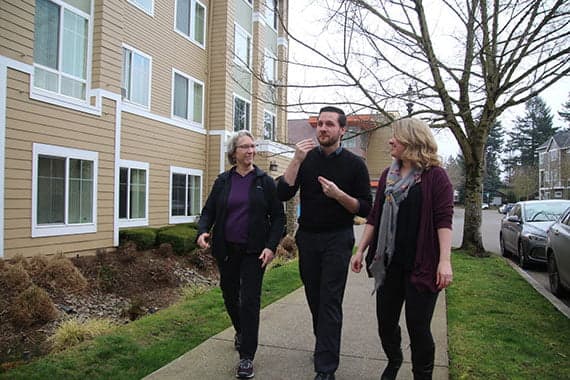
Trees and Outdoors
Exterior and Urban
Get PricingAsk A QuestionSchedule A TourContact Senior Advisor
By clicking submit, you agree to our Partner's Terms of Use. You
also consent to receive calls and texts, which may be autodialed, from our Partner. Your consent is not a condition to
using our Partner's service. Please visit our Partner's Privacy Policy for information about their privacy practices.





 78 resident community capacity
 Assisted Living
 Cats allowed
 Dogs allowed
 Activities on-site
 Air-conditioning
 Beautician on-site
 Cable or satellite TV
 Computer center
 Devotional services off-site
 Dining room
 Fitness room
 Fully furnished
 Gaming room
 Garden
 Ground floor units
 Handicap accessible
 Housekeeping services
 Indoor common areas
 Kitchenette
 Move-in coordination
 Outdoor common areas
 Private bathrooms
 Respite or short term stays offered
 Restaurant-style dining
 Small library
 Telephone
 Wellness center
 Wi-Fi/high-speed internet available
 Portland International (11 miles away)
 Community operated transportation
 12-16 hour nursing
 24-hour call system
 Assistance with bathing
 Assistance with dressing
 Assistance with transfers
 Diabetes diet
 Diabetic care
 Incontinence care
 Medication management
 Mental wellness program
 Physical therapy
 Special dietary restrictions
 Transportation arrangement (medical)
 Art classes
 Brain fitness
 Concierge services
 Cooking classes
 Day trips and outings
 Educational speakers / life long learning
 Holiday parties
 Trivia games
 American sign language
 English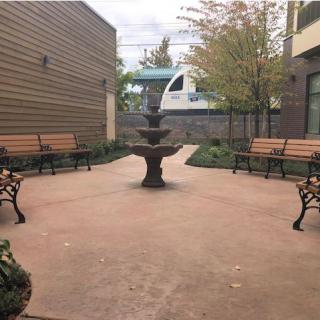
 Comprehensive memory care with 24-hour supervision and a broad range of on-site amenities.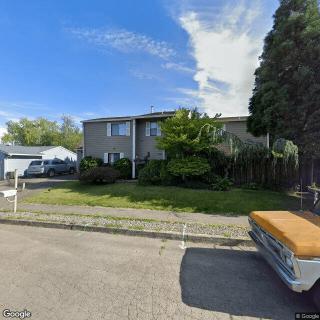

 Exploring the Contrasts Between Assisted Living and Skilled Nursing
 8 Key Indicators That Suggest It May Be Time to Transition from Assisted Living to Skilled Nursing Care
 Vibrant Senior Living: A Comprehensive Guide for Active Older Adults