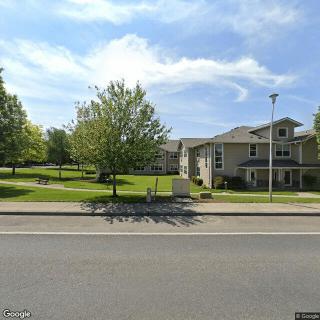
Countryside Living South in Canby, OR

406 North West 2nd Avenue, Canby, OR 97013

For more information about senior living options: (844) 490-3973

4.1 from 26 reviews
5 stars
19
4 stars
1
3 stars
1
2 stars
0
1 stars
5

Assisted Living Board and Care Home Memory Care

What level of care are you interested in?

Assisted Living

Memory Care

Independent Living

Skilled Nursing Facility

Continuing Care Retirement Community (CCRC)CCRC

Other


Request a tour at Countryside Living South

    Overall Review of Countryside Living South

    Pros

    • pro Countryside Memory Care provides the best care, with residents treated with dignity and genuine concern.
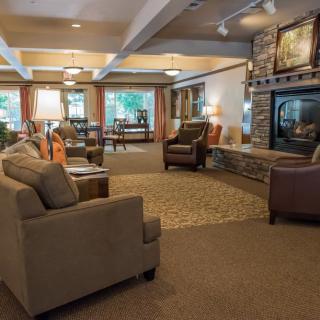
    • pro The facility offers clean, homey surroundings, good food, and regular entertainment including beach outings.
    • pro The staff are professional, caring, and consistently attentive to residents' needs.
    • pro Hospice support at Countryside is high quality.
    • pro It is highly recommended for memory care.
    • pro The community is wonderful and cozy, with loving staff that make residents feel cared for.
    • pro The administrator and staff are kind-hearted, and residents are happy, with the interior beautifully designed.

    Cons

    • pro There isn't enough staff to sufficiently care for 20 or 35 residents.
    • pro The management is immature and never listens when residents need specific care.
    • pro The facility is very unprofessional, and staff often ignore phone calls.
    • pro The fees and level of care are unclear, and when hospice is called, the level of care drops while costs don't.
    • pro Deposits credits are difficult to obtain, and there is no middle ground.
    • pro It is inappropriate for memory care to post pictures online of residents, as it invades privacy and goes against HIPAA laws.

    Review

    Countryside Living South in Canby is best suited for families seeking a memory-care environment where care emphasis rests on dignity, daily engagement, and a warm, home-like atmosphere. The community shines for residents who benefit from structured activities, regular outings, and consistently attentive staff. Families that prioritize meals they hear praised, clean surroundings, and ongoing social programming will find the overall experience aligns with those values. The positive blowback from families about the care team's compassion, and the evident investment in resident happiness, makes it a strong choice for long-term memory care where relational quality is the anchor.

    Those weighing alternatives should consider how critical staffing stability and administrative responsiveness are to daily peace of mind. Several reviews flag that staff levels can be strained for the size of the population, which means those needing very high-touch supervision or around-the-clock vigilance may want to compare other options. Additionally, some families express concern about how quickly concerns or questions are addressed by leadership. For families with tight budget considerations or a preference for crystal-clear fee structures, the landscape here can feel opaque, particularly around deposits, credits, and the relationship between hospice-related care and ongoing costs.

    On the plus side, the community consistently earns praise for genuine warmth and respect. Residents appear clean, well cared-for, and engaged, with caregivers who treat them with dignity. The environment is described as welcoming and homelike, not institutional, with design elements that feel thoughtful and comforting. Food quality receives frequent kudos, and activities - ranging from beach trips to fishing outings and regular entertainment - provide meaningful rhythm to days. The presence of a well-regarded administrator, highlighted for kindness, underpins a culture where staff appear aligned in supporting residents' happiness. The combination of these strengths can offset some of the practical frictions that surface elsewhere.

    The strongest offset to the stated drawbacks lies in the daily lived experience of care. When the care team is generous with attention, residents show improved mood, reduced agitation, and a sense of belonging that more clinical settings struggle to achieve. The documented coordination with hospice services, paired with family reports of responsive medical support when needed, speaks to a level of integrated care that matters as needs evolve. A homey interior, the companionship of a resident-friendly dog, and opportunities for beach or outdoor excursions can translate into a richer quality of life that often supersedes occasional service gaps. In short, for memory-care residents who value relational care and an engaging environment, the positive institutional ethos can substantially soften the impact of staffing and administrative concerns.

    Prospective families should go in with a clear set of practical checks. Verify current staffing ratios on the specific unit you're considering and request a concrete care plan that outlines who handles what shifts. Ask for a transparent explanation of all fees, including how hospice-related changes in care level affect billing, and what deposits or credits are actually refundable. Discuss privacy and consent policies regarding resident photographs to avoid any HIPAA-related concerns, and request a written policy on how communications are prioritized when calls are not answered. Finally, plan to observe a few hours firsthand, speak with several staff members, and - if possible - spend a day or two with a prospective roommate or family member to gauge whether the tone and tempo of the community match the resident's needs.

    In the end, Countryside Living South earns its strong places in memory care by delivering genuine warmth, clean and welcoming spaces, and aktivnosti-driven days that keep residents involved and valued. It is an option worth serious consideration for families who can tolerate modest concerns around staffing levels and administrative responsiveness, provided expectations are anchored in clear costs and transparent policies. For those who want a nurturing, engaging environment where a resident's dignity rides alongside robust programming, Countryside Living South can feel like a true home - especially when the fit is measured against other communities on staffing, pricing clarity, and the responsiveness of leadership. The right choice hinges on a candid assessment of these factors, paired with a thorough on-site visit that confirms the feel of daily life aligns with the loved one's needs.

    Features

    Housing

    • 20 resident community capacity 20 resident community capacity

    Types of Care

    • Assisted Living Assisted LivingAssisted living facilities provide crucial support and care for seniors who may need help with daily tasks such as medication management, bathing, and meal preparation. These communities offer a safe and comfortable environment where seniors can maintain their independence while receiving the assistance they need to thrive in their golden years.
    • Board and Care Home Board and Care HomeBoard and care homes provide a smaller, more intimate setting for seniors who require assistance with daily tasks but do not need the level of care offered by a nursing home. They offer personalized care, meals, and social activities in a homelike environment, ensuring that seniors receive individualized attention and support in their golden years.
    • Memory Care Memory CareMemory care is crucial for seniors as it provides specialized support and services for individuals with dementia or Alzheimer's disease. These programs offer a safe and secure environment where residents receive personalized care, cognitive stimulation, and help with daily activities. Memory care helps seniors maintain their independence, quality of life, and dignity while also providing peace of mind for their families.

    Amenities

    • Beauty salon Beauty salonBeauty salons are important for seniors because they provide a space for them to feel pampered, socialize, and maintain their personal grooming and hygiene. Regular visits to a beauty salon can help boost seniors' self-esteem and overall well-being.
    • Cable or satellite TV Cable or satellite TVCable or satellite TV is important for seniors because it provides entertainment, news, and companionship, helping to combat loneliness and boredom. It also offers a wide range of programming options tailored to different interests and preferences.
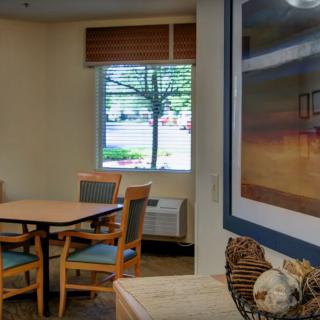
    • Dining room Dining roomDining rooms are important for seniors as they provide a space for socialization, connection, and nutritious meals. They offer opportunities for residents to bond over shared meals, foster a sense of community, and promote healthy eating habits. Dining rooms also ensure that seniors have access to well-balanced meals tailored to their dietary needs and preferences.
    • Fully furnished Fully furnishedFully furnished senior living communities are important for seniors because they provide convenience, comfort, and a hassle-free moving experience. Seniors can easily settle into their new living space without the stress of having to buy and move furniture. This allows them to focus on enjoying their new home and community.
    • Garden GardenGardens are important for seniors as they provide a peaceful and therapeutic environment for relaxation, physical activity, and socialization. Being in nature has been shown to reduce stress, improve mood, and promote overall well-being. Gardens also offer opportunities for seniors to engage in gardening activities, which can improve mobility, flexibility, and cognitive function. Additionally, gardens create a sense of community and connection with others who share a passion for plants and outdoor spaces.
    • Housekeeping services Housekeeping servicesHousekeeping services are important for seniors because they help maintain a clean and safe living environment, promote independence, and reduce the risk of accidents or illnesses. Additionally, having assistance with household chores can alleviate physical strain and allow seniors to focus on other aspects of their well-being.
    • Kitchenette KitchenetteKitchenettes are important for seniors living in senior living communities because they provide the convenience and independence of being able to prepare simple meals and snacks in the comfort of their own living space. This can help promote a sense of autonomy and well-being for seniors, allowing them to maintain some level of control over their dietary choices and daily routines.
    • Move-in coordination Move-in coordinationMove-in coordination is important for seniors because it helps ease the transition into their new living environment. It ensures that all logistics, such as packing, organizing movers, and setting up utilities are taken care of, allowing seniors to focus on settling in and adjusting to their new home. Having a smooth move-in process can alleviate stress and anxiety, making the transition smoother and more enjoyable for seniors.
    • Outdoor space Outdoor spaceOutdoor spaces are important for seniors as they provide opportunities for physical activity, social interaction, exposure to natural light and fresh air, and a sense of connection to nature. Having access to outdoor spaces can improve overall well-being and quality of life for older adults living in senior communities.
    • Telephone TelephoneTelephones are important for seniors as they provide a lifeline for communication with loved ones, emergency services, and healthcare providers. They offer a sense of security and independence, enabling seniors to stay connected and access assistance when needed.
    • Wi-Fi/high-speed internet available Wi-Fi/high-speed internet availableWi-Fi/high-speed internet is important for seniors to stay connected with loved ones, access online resources, and participate in virtual activities to combat feelings of loneliness and isolation. It also allows them to easily manage healthcare needs, access entertainment, and engage in lifelong learning opportunities.

    Transportation

    • Portland International (23 miles away) Portland International (23 miles away)

    Care Services

    • 24-hour call system 24-hour call system24-hour call systems are important for seniors because they provide peace of mind and immediate assistance in case of emergencies. This technology ensures that help is always available, promoting safety and security for elderly individuals living alone or in assisted living facilities.
    • 24-hour supervision 24-hour supervision24-hour supervision is important for seniors to ensure their safety, well-being, and access to immediate assistance in case of emergencies or health issues. This constant support provides peace of mind for both seniors and their loved ones, allowing them to age in place with dignity and security.
    • Activities of daily living assistance Activities of daily living assistanceActivities of daily living assistance are important for seniors because they provide essential support with tasks such as eating, bathing, dressing, and mobility. This assistance helps seniors maintain their independence, dignity, and overall quality of life as they age.
    • Assistance with bathing Assistance with bathingAssistance with bathing is crucial for seniors as it helps maintain personal hygiene, prevents infections, and ensures their overall well-being and comfort. It also provides a sense of dignity and independence for seniors who may struggle with this task on their own.
    • Assistance with dressing Assistance with dressingAssistance with dressing is important for seniors because it helps maintain their independence, promotes personal hygiene, prevents accidents and injuries, and improves overall quality of life. This service ensures that seniors can continue to dress comfortably and confidently, despite any physical limitations they may have.
    • Assistance with transfers Assistance with transfersAssistance with transfers is crucial for seniors as it helps prevent falls and injuries, maintains their independence, and ensures they can safely navigate their living environment. It also provides peace of mind for both seniors and their loved ones.
    • Coordination with health care providers Coordination with health care providersCoordination with health care providers is crucial for seniors to ensure proper medical care, medication management, and overall well-being. This collaboration helps prevent overlapping treatments, track progress more effectively, and provide comprehensive support tailored to individual needs.
    • Dementia waiver Dementia waiverDementia waivers are essential for seniors as they provide critical protections and accommodations for those experiencing cognitive decline. These waivers ensure individuals with dementia receive appropriate care, support, and resources to maintain their quality of life and dignity as they navigate the challenges of this progressive condition.
    • Diabetes diet Diabetes dietA diabetes diet is crucial for seniors as it helps manage blood sugar levels, reduce risks of complications, and improve overall health and well-being. By following a balanced and nutritious diet tailored to their specific needs, seniors can better control their diabetes and enhance their quality of life.
    • Hospice waiver Hospice waiverHospice waivers are important for seniors because they allow individuals to receive specialized end-of-life care and support at home or in a hospice facility. This waiver ensures that seniors can access the necessary resources and services to maintain comfort and dignity during their final days.
    • Meal preparation and service Meal preparation and serviceMeal preparation and service are crucial for seniors as they may have limited mobility or energy to cook nutritious meals. Having access to healthy and convenient food options can ensure they are getting the proper nutrition needed to maintain their overall health and well-being.
    • Medication management Medication managementMedication management is crucial for seniors to ensure they are taking the right medications at the correct dosages and times. This helps prevent adverse drug interactions, reduces the risk of medication errors, and promotes overall health and well-being. Proactive management also allows for adjustments as needed based on changing health conditions or new prescriptions.
    • Mental wellness program Mental wellness programMental wellness programs are essential for seniors as they promote cognitive stimulation, emotional support, and social engagement. These programs help prevent isolation, depression, and cognitive decline, ultimately enhancing the overall quality of life for older adults.
    • Mild cognitive impairment Mild cognitive impairment"Mild cognitive impairment" is important for seniors because it is an early stage of cognitive decline that can potentially progress to more severe conditions such as dementia. Recognizing and addressing mild cognitive impairment can help seniors receive appropriate care and support to maintain their quality of life and independence for as long as possible.
    • Special dietary restrictions Special dietary restrictionsSpecial dietary restrictions are important for seniors because age-related changes in metabolism and health conditions can make it difficult for their bodies to process certain foods. By following a diet tailored to their specific needs, seniors can maintain their overall health and well-being, manage chronic conditions, and reduce the risk of complications such as malnutrition or food interactions with medications.
    • Specialized memory care programming Specialized memory care programmingSpecialized memory care programming is crucial for seniors with cognitive impairments such as dementia or Alzheimer's disease. These programs provide a safe and supportive environment tailored to the unique needs of individuals with memory loss, helping them maintain their independence, dignity, and quality of life.
    • Transportation arrangement (medical) Transportation arrangement (medical)Transportation arrangements for medical purposes are essential for seniors as they may have difficulty driving themselves to appointments or accessing public transportation. Having reliable and safe transportation options ensures that seniors can receive timely medical care and maintain their health and well-being.
    • Transportation to doctors appointments Transportation to doctors appointmentsTransportation to doctors' appointments is crucial for seniors as it ensures they have access to necessary medical care and support for their health needs. Without reliable transportation, seniors may struggle to attend important appointments, leading to potential delays in treatment and health complications. Providing transportation services helps seniors maintain their overall well-being and quality of life.
    Dining

    • Diabetes diet Diabetes dietA diabetes diet is crucial for seniors as it helps manage blood sugar levels, reduce risks of complications, and improve overall health and well-being. By following a balanced and nutritious diet tailored to their specific needs, seniors can better control their diabetes and enhance their quality of life.
    • Special dietary restrictions Special dietary restrictionsSpecial dietary restrictions are important for seniors because age-related changes in metabolism and health conditions can make it difficult for their bodies to process certain foods. By following a diet tailored to their specific needs, seniors can maintain their overall health and well-being, manage chronic conditions, and reduce the risk of complications such as malnutrition or food interactions with medications.

    Activities

    • Community-sponsored activities Community-sponsored activitiesCommunity-sponsored activities are important for seniors as they provide opportunities for social interaction, mental stimulation, and physical activity. These activities can help improve overall well-being, combat loneliness and isolation, and promote a sense of belonging and purpose among older adults.
    • Scheduled daily activities Scheduled daily activitiesScheduled daily activities are important for seniors because they provide structure, socialization, mental stimulation, and physical activity. Engaging in regular activities can improve overall well-being and quality of life for seniors living in a community setting.

    Description

    Countryside Living South in Canby, OR is an assisted living community that offers a variety of care services to meet the needs of its residents. With a focus on board and care home as well as memory care, this community provides the support and assistance necessary for individuals with memory impairments.

    The amenities at Countryside Living South are designed to make residents feel comfortable and at ease. Each room is fully furnished and includes cable or satellite TV, telephone, Wi-Fi/high-speed internet access, and a kitchenette for convenience. The dining room serves meals prepared by staff who can accommodate special dietary restrictions. Housekeeping services ensure that the living spaces remain clean and tidy.

    Residents can enjoy spending time outdoors in the garden or outdoor space provided. Activities are scheduled daily to keep residents engaged and entertained. Additionally, transportation arrangements are available for medical appointments.

    The care services at Countryside Living South include 24-hour supervision from staff members who assist with activities of daily living such as bathing, dressing, and transfers. Medication management is provided along with coordination with healthcare providers to ensure comprehensive care. A mental wellness program is also offered to support residents' emotional well-being.

    For those with specific memory care needs, specialized programming is available to help individuals maintain cognitive function. The community also offers a dementia waiver and mild cognitive impairment support.

    Located in Canby, OR, Countryside Living South benefits from its convenient proximity to several cafes, parks, pharmacies, physicians, restaurants, and transportation options.

    Overall, Countryside Living South provides a supportive environment where seniors can receive personalized care while enjoying a range of amenities and activities tailored to their needs.

    Nearby Places of Interest

    Restaurants

    • Backstop Bar & Grill (0.1 miles)
    • El Chilito (0.1 miles)
    • McDonald's (0.3 miles)
    • Taco Bell (0.3 miles)
    • FOB Taproom (0.6 miles)
    • The Wild Hare Saloon Cafe (0.6 miles)
    • Green Burrito (1.1 miles)

    Physicians

    • First Avenue Clinic (0.1 miles)
    • Pacific Medical Group (0.6 miles)
    • Canby Medical Clinic (0.6 miles)
    • Trent B. Warren, M.D. - Family Practice (1 miles)
    • Dr Warrens Office (1 miles)
    • Sanders Hand Therapy (1 miles)
    • Legacy Medical Group-Canby (1 miles)

    Pharmacies

    • Parsons Canby Pharmacy (0.1 miles)
    • Dave's Prescription Shop (0.4 miles)
    • Walgreens (0.5 miles)
    • Fred Meyer Pharmacy (4.5 miles)
    • Walgreens (4.6 miles)
    • CVS Pharmacy (5.9 miles)
    • Sav-On Pharmacy (7.6 miles)

    Cafes

    • The Human Bean Canby, SW 1st Ave (0.1 miles)
    • Starbucks (0.5 miles)
    • Starbucks (4.4 miles)
    • Starbucks (6 miles)
    • Starbucks (7.3 miles)
    • Dutch Bros Coffee (7.7 miles)
    • Dutch Bros Coffee (8.1 miles)

    Parks

    • Wait Park (0.1 miles)
    • Canby Community Park (0.8 miles)
    • Molalla River State Park (2.2 miles)
    • Memorial Park (4.1 miles)
    • Wilsonville Memorial Park (4.6 miles)
    • Safe And Hound (5 miles)
    • Chapin Park (6.4 miles)

    Transportation

    • Enterprise Rent-A-Car (0.2 miles)

    Hospitals

    • Hand Reconstructive Surgery NW (6.2 miles)
    • West Linn Clinic - US Department of Veterans Affairs (6.5 miles)
    • Legacy Meridian Park Hospital (8.3 miles)

    Theaters

    • Regal Hilltop Cinema (7.1 miles)

    Frequently Asked Questions

    Where is Countryside Living South?
    Does Countryside Living South provide care for residents with dementia or Alzheimer's disease?

    Nearby Communities

    • Countryside Living of Canby

      Countryside Living of Canby

      Canby, OR

      4.1 from 26 reviews
      $6,724 to $7,430 / month

      pro Small, intimate community with comprehensive care (including memory care) and diverse dining and activities.

    • Countryside Living - South

      Countryside Living - South

      Canby, OR

      4.1 from 27 reviews
      $6,724 to $7,430 / month

      pro Personalized care with attentive staff and engaging activities

    • J & L Homecare

      J & L Homecare

      Canby, OR

      1 from 1 review
      $2,200 / month

      pro Competitive private room pricing ($2,200/month).

    • Rackleff Place

      Rackleff Place

      Canby, OR

      4.5 from 20 reviews
      $3,150 to $3,450 / month

      pro Intimate, well-maintained community with attentive staff and delicious dining.

    • Marquis Hope Village

      Marquis Hope Village

      Canby, OR

      4.2 from 12 reviews
       

      pro Friendly, caring staff and a bright, airy dining area with ample activities.

    • Marquis Hope Village ALF

      Marquis Hope Village ALF

      Canby, OR

      5 from 2 reviews
       

      pro Diabetic care and devotional services in a warm, social setting.

    • SpringRidge at Charbonneau

      SpringRidge at Charbonneau

      Wilsonville, OR

      4.4 from 116 reviews
      $4,245 to $6,355 / month

      pro Vibrant community with active activities, attentive staff, and appealing dining.

    • Marquis Wilsonville

      Marquis Wilsonville

      Wilsonville, OR

      2.6 from 19 reviews
      $3,461 to $4,390 / month

      pro Individualized, around-the-clock care with a strong rehabilitation focus.

    • The Springs at Wilsonville

      The Springs at Wilsonville

      Wilsonville, OR

      4 from 52 reviews
      $4,175 to $6,150 / month

      pro Warm, inviting atmosphere with attentive staff and robust activities and dining.

    Related Resources

    • can you die from dementiaAre Dementia and Alzheimer's Disease Lethal? A Comprehensive Exploration

      Dementia, including Alzheimer’s disease, is often mischaracterized in terms of lethality as it leads to complications that can be fatal rather than being a direct cause of death; it causes a progressive decline in cognitive and physical health, making patients vulnerable to infections and other health crises. Effective management of nutrition, hydration, and communication is crucial in patient care, with palliative care becoming vital in advanced stages to enhance comfort and quality of life while caregivers play a key role amidst the challenges posed by the disease.

    • reminiscence therapyExploring the Power of Reminiscence Therapy for Individuals With Dementia

      Reminiscence therapy helps individuals with dementia recall past memories through structured discussions and meaningful objects, enhancing mood, relationships, and sense of identity while celebrating their lives. It can be practiced in formal settings or at home, requiring sensitivity to personal histories and cultural backgrounds.

    • reminiscence therapyAn In-Depth Look at Reminiscence Therapy in Dementia Care

      Reminiscence therapy is a structured method for older adults, especially those with dementia, to share life stories using prompts and sensory cues, fostering emotional well-being, social engagement, and self-identity. It aims to improve quality of life by enhancing interpersonal connections and cognitive stimulation while requiring careful facilitation to avoid distressing memories.


    Get Pricing Ask A Question Schedule A Tour Contact Senior Advisor