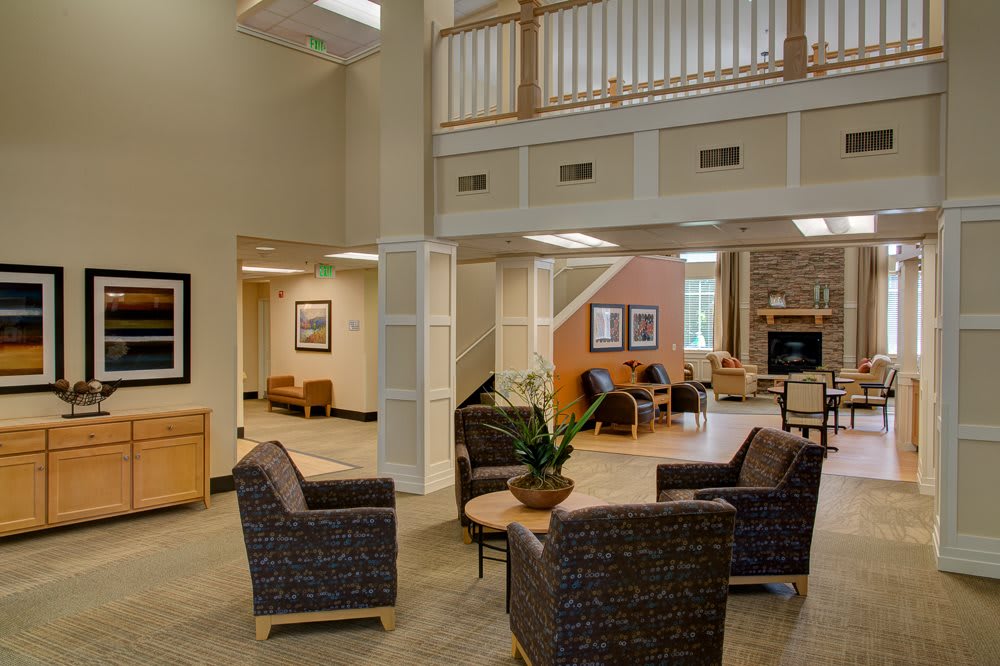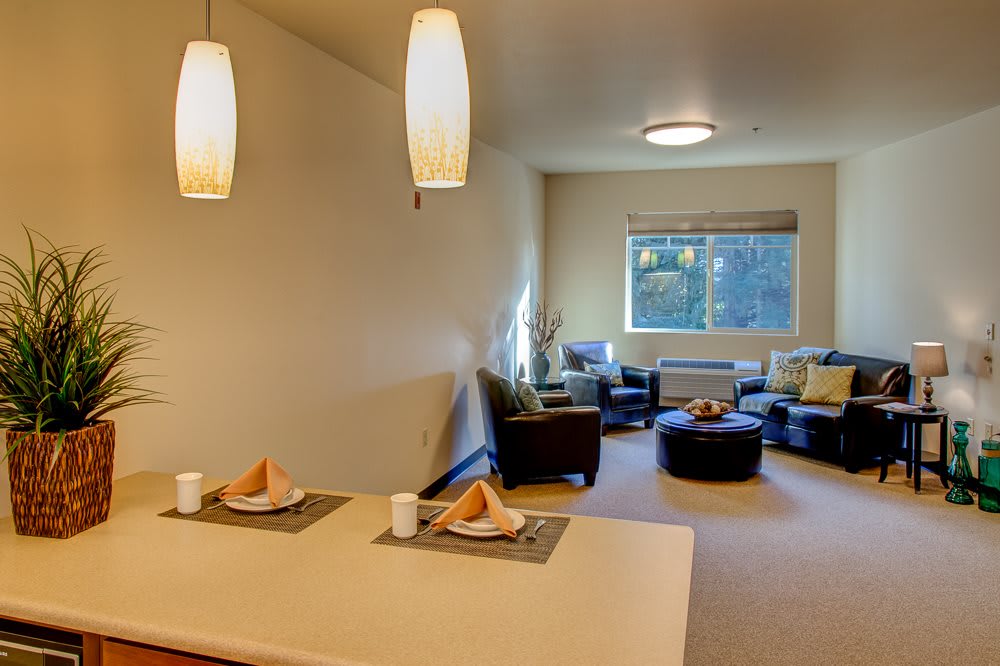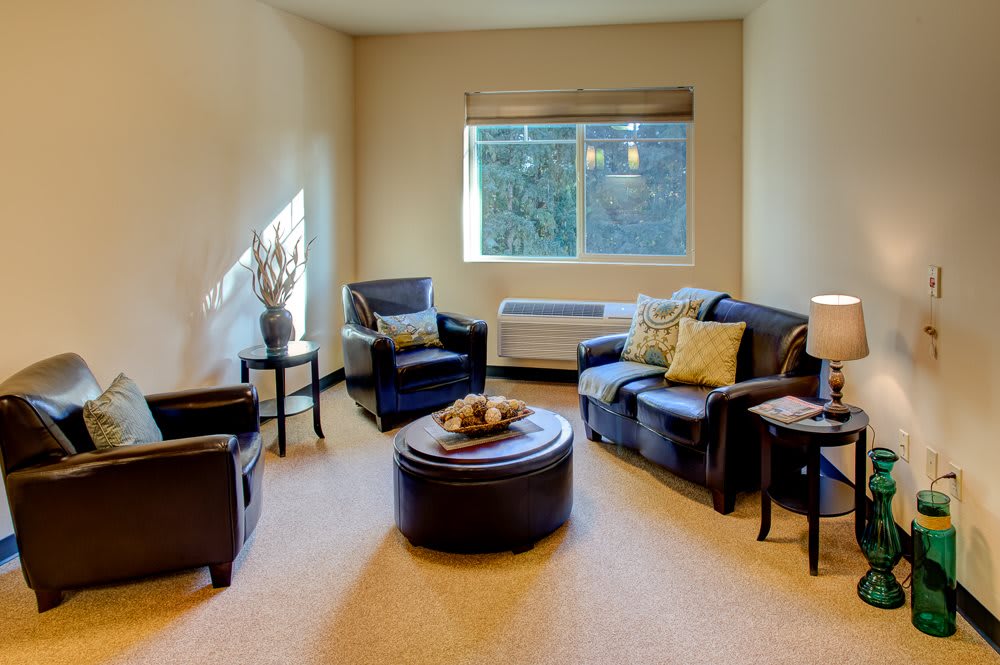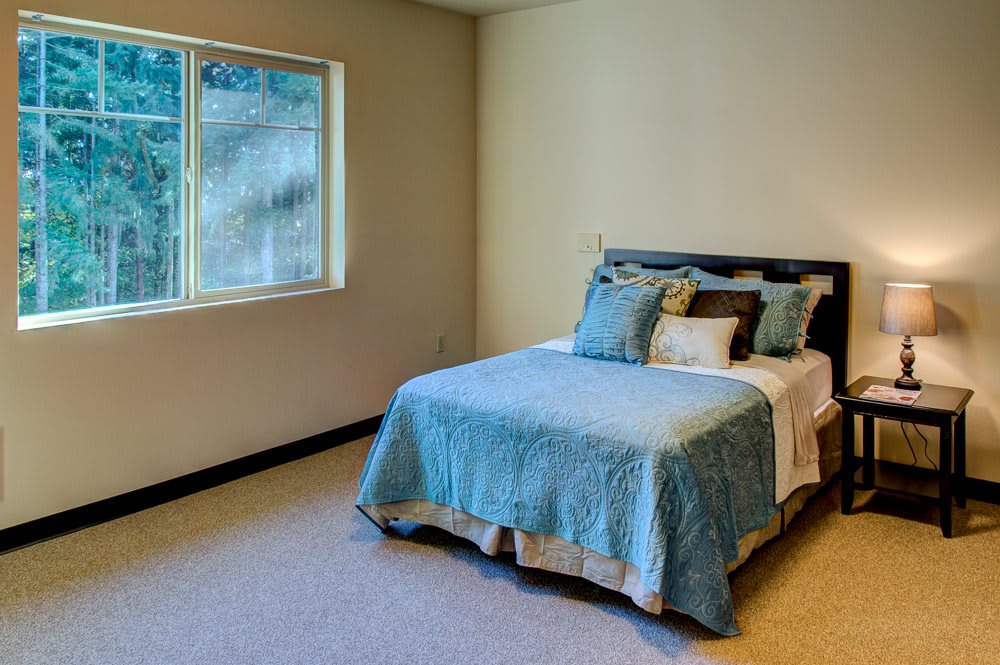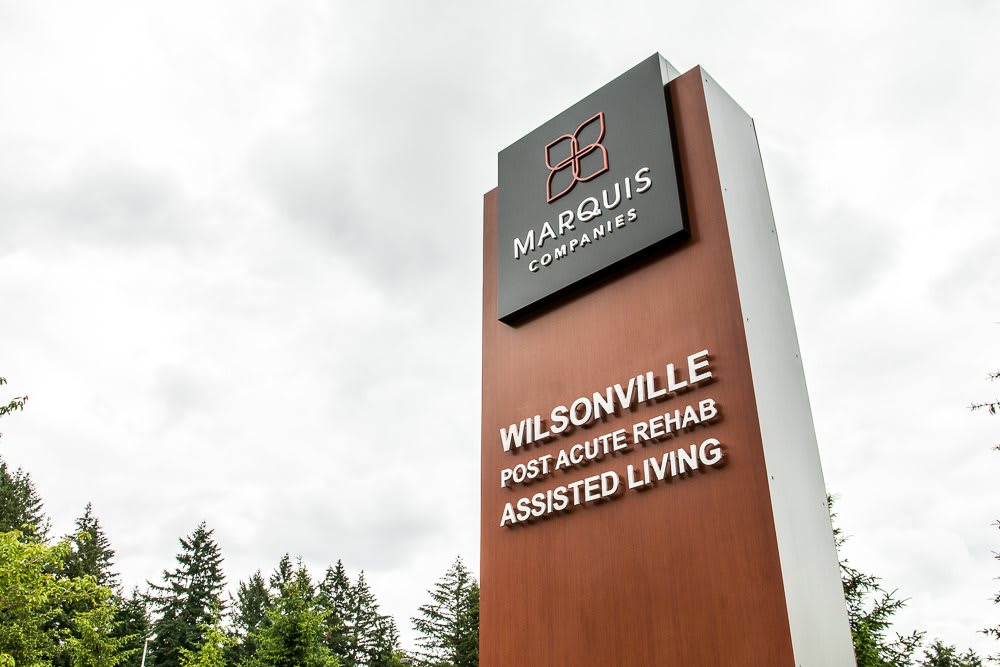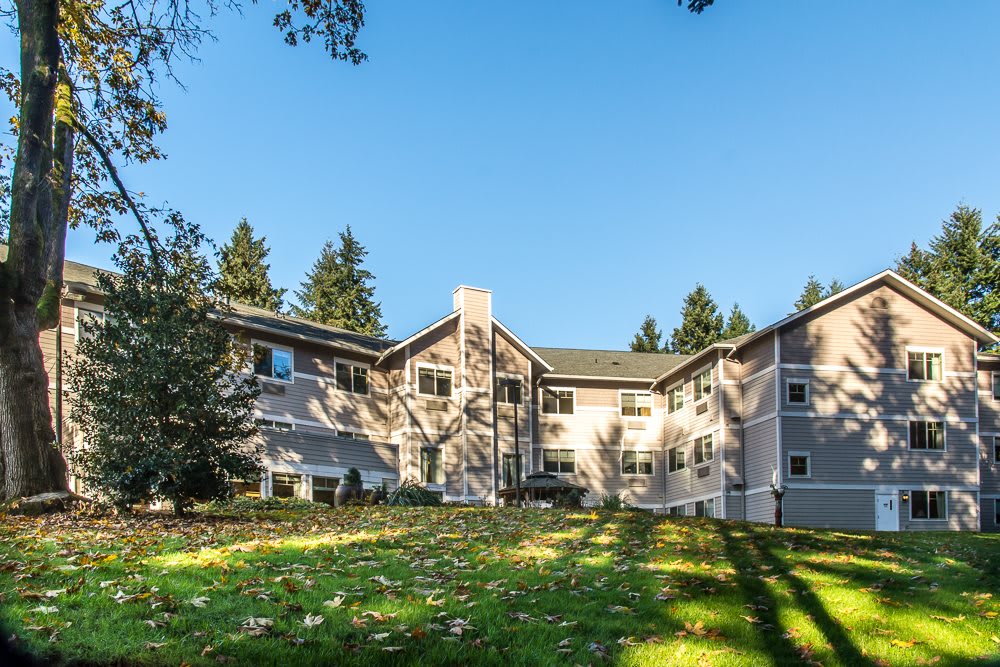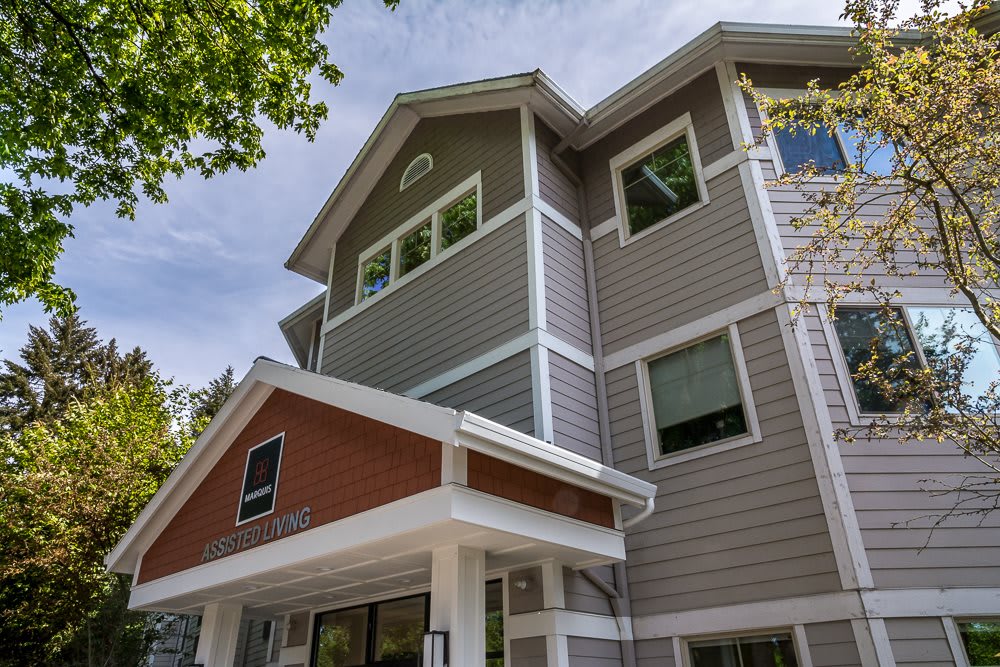
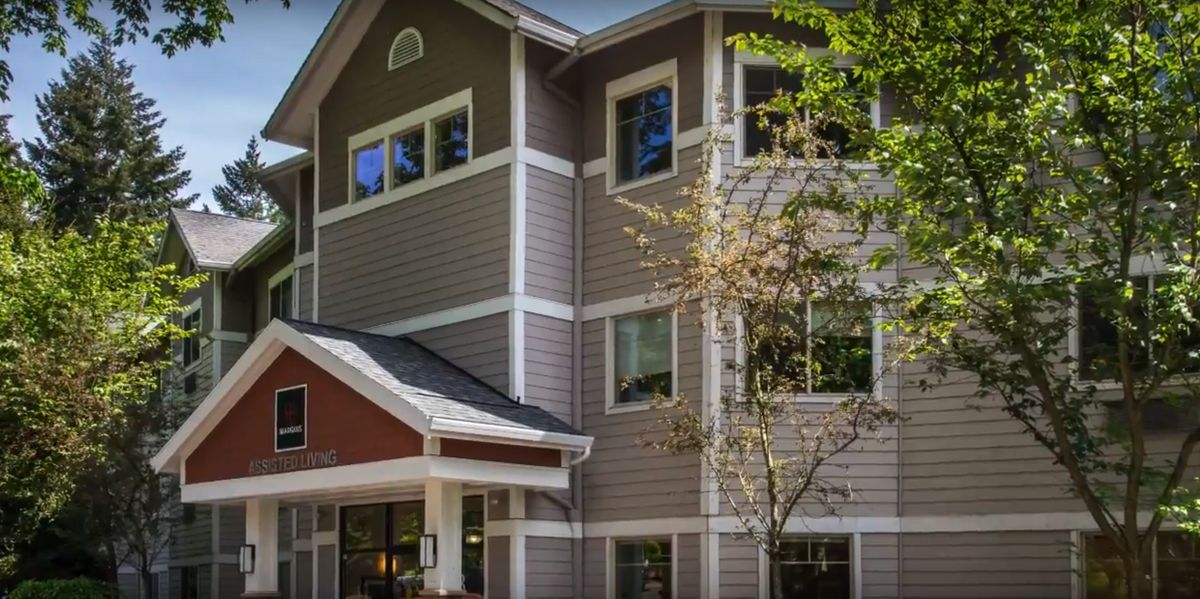


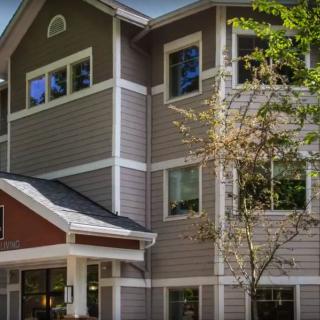



30900 SW Parkway Ave, Wilsonville, OR 97070
To contact a resident: (503) 682-2330
For more information about senior living options: (866) 208-4318
Marquis Wilsonville Costs & Pricing
At Marquis Wilsonville, the monthly costs for housing options reflect a competitive pricing structure compared to the broader market in Washington County and the state of Oregon. For studio apartments, residents at Marquis Wilsonville pay $3,461, which is notably lower than both the county average of $3,909 and the state average of $3,815. When considering one-bedroom units, Marquis Wilsonville's rate of $4,390 slightly exceeds the county's average of $4,082 but remains higher than the state average of $3,904. Overall, these figures suggest that while some offerings are priced above local averages, especially for one-bedroom units, Marquis Wilsonville provides an appealing option for individuals seeking affordability in a desirable community setting.
| Floor plans | Marquis Wilsonville | Washington County | Oregon |
|---|---|---|---|
| Studio | $3,461 | $3,909 | $3,815 |
| 1 Bedroom | $4,390 | $4,082 | $3,904 |
Assisted Living communities with a similar price nearby
-
from +$339 / mo

Miracle Heights
$3,800 to $4,300 / month14.4 miles away -
About the same
Davenport Place
$3,496 to $3,983 / month19.8 miles away -
from +$413 / mo

Hearthstone of Beaverton
$3,874 to $7,500 / month11.9 miles away -
from +$139 / mo

Woodland Heights
$3,600 to $3,750 / month8.5 miles away -
from -$546 / mo
Emerald Gardens of Woodburn
$2,915 to $4,160 / month11.3 miles away
Overall Review of Marquis Wilsonville
Pros
 Trista R is truly one of a kind, welcoming visitors with a smile every time.
- The Marquis Assistant Living facility in Wilsonville has caretakers and staff who truly care about residents, coming from a place of yes to make them feel loved and taken care of.
- The staff are helpful, with a pleasant attitude, and the facility provides nice surroundings and good food and service.
- The nursing and office staff have bent over backwards to help with residents’ transitions, showing kindness and delivering high-quality care.
- Marquis delivers individualized, thorough care that helps residents thrive, with around-the-clock staffing and supportive hospice and caregiving to keep loved ones safe.
- The rehab team has been extremely helpful for residents recovering from falls.
Cons
 They would avoid Marquis Wilsonville because discharge is difficult, the doctor is off-site and not reachable on weekends, and some higher-ups are not empathetic.
- The facility is described as a horrible place where a loved one worsened and staff did not care, and it should be shut down.
- They caution to avoid this place, noting waits of up to three hours for assistance, food that is subpar, and high charges for the service.
- Administration is said not to follow instructions, the food was harmful, and staff blamed the patient for problems.
- The staff are described as disrespectful and rude, with patients denied basic needs like water, and the experience depicted as horrific.
- If a loved one is medically fragile, this is not the place; health declined to ICU, with incidents like leaving a patient in the shower.
- Care is minimal and food has been mediocre.
Review
Marquis Wilsonville is best suited for seniors who prioritize a warm, personal touch from frontline staff and who can rely on families to stay actively engaged with administration. This community can feel like a good fit for residents who are not medically fragile and who benefit from approachable caregivers, a welcoming environment, and a facility that is easy to warm up to socially. It is not the right choice for someone with complex medical needs or a high risk of needing immediate, around-the-clock assistance. Families considering alternatives should look at communities with stronger, more consistent staffing patterns and clearer protocols for urgent medical requests, especially in Wilsonville and the surrounding area where options exist with deeper medical oversight and faster response times.
Pros that recur in positive experiences include staff who truly seem to care and approach care with a “yes” mindset, a facility atmosphere that many families find pleasant, and some caregivers who go above and beyond during transitions, for example, individuals who welcome family members warmly and coordinate with hospice or external caregivers to craft a cohesive plan. Several residents or families report that administration is willing to listen and fix problems when they arise. There is also a sense that, when care is aligned, the combination of attentive aides, a predictable routine, and a supportive environment can yield meaningful improvements in daily quality of life. These strengths, while real, are unevenly distributed across shifts and departments, which colors the overall impression.
The cons that recur with troubling consistency pull hard against those strengths. Multiple accounts describe long waits for assistance, with some reviewers reporting hours-long delays that undermine safety and dignity. Strong feelings exist about disrespectful or inattentive treatment from certain staff, and there are credible reports of safety incidents and medical fragility being mishandled. Food quality appears inconsistent, with some reviews labeling meals mediocre to poor, while others note acceptable dining experiences. Perhaps most concerning are stories of inadequate supervision, communication gaps with families, and situations where residents were not promptly or adequately cared for, including one severe account of a patient’s health deteriorating and being neglected. These are not abstract concerns; they reflect patterns that can dramatically affect outcomes for a vulnerable population.
How the positives stack up against the negatives depends heavily on the resident’s profile and the family’s capacity to supervise care. When staff are proactive, compassionate, and coordinated with external caregivers, the facility can deliver a stable, personable living experience that feels safer and more supportive than expected. Yet the gaps, especially in response time, consistency of care, and safety culture, meaningfully offset those gains for anyone who requires reliable, timely assistance or medically complex oversight. In practical terms, Marquis Wilsonville may deliver decent living and moments of genuine kindness, but the risk of under-response in critical moments remains a real concern for prospective residents.
Who should consider alternatives? Tie this decision to the resident’s medical trajectory and independence level. Medically fragile residents, post-acute rehab patients, or those with high fall risk or chronic care needs should explore facilities with stronger nurse-to-resident ratios and more predictable emergency protocols. Families who cannot visit frequently or who require a facility to independently manage complex medications, wound care, or rapid escalation of concerns may find this community insufficient. Even families who appreciate the warmth of some staff should weigh the likelihood that the same level of care won’t be consistently available across all shifts.
For a deliberate, well-informed choice, approach Marquis Wilsonville with concrete questions and a critical eye. Schedule multiple visits at different times, including evenings and weekends, to observe responsiveness and staffing. Request a current, itemized care plan for potential residents and audit incident logs, medication management processes, and discharge procedures. Compare with nearby communities that emphasize higher staffing levels and evidenced safety outcomes, and seek references from current families who have no vested interest in presenting a glossy picture. If proceeding, set up explicit, written expectations on response times, care coordination, and safety checks, and insist on a trial period or clearly defined milestones to confirm that the positives can reliably outweigh the concerns.
 72 resident community capacity
 Assisted Living
 Respite Care
 Cats allowed
 Dogs allowed
 Activities off-site
 Air-conditioning
 Beautician on-site
 Cable or satellite TV
 Computer center
 Devotional services off-site
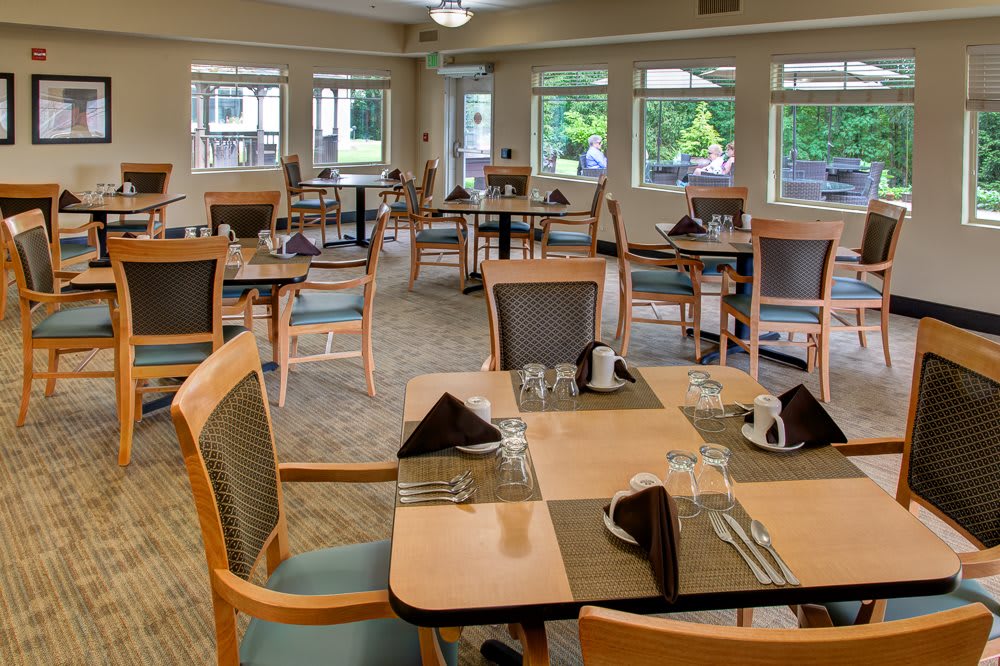
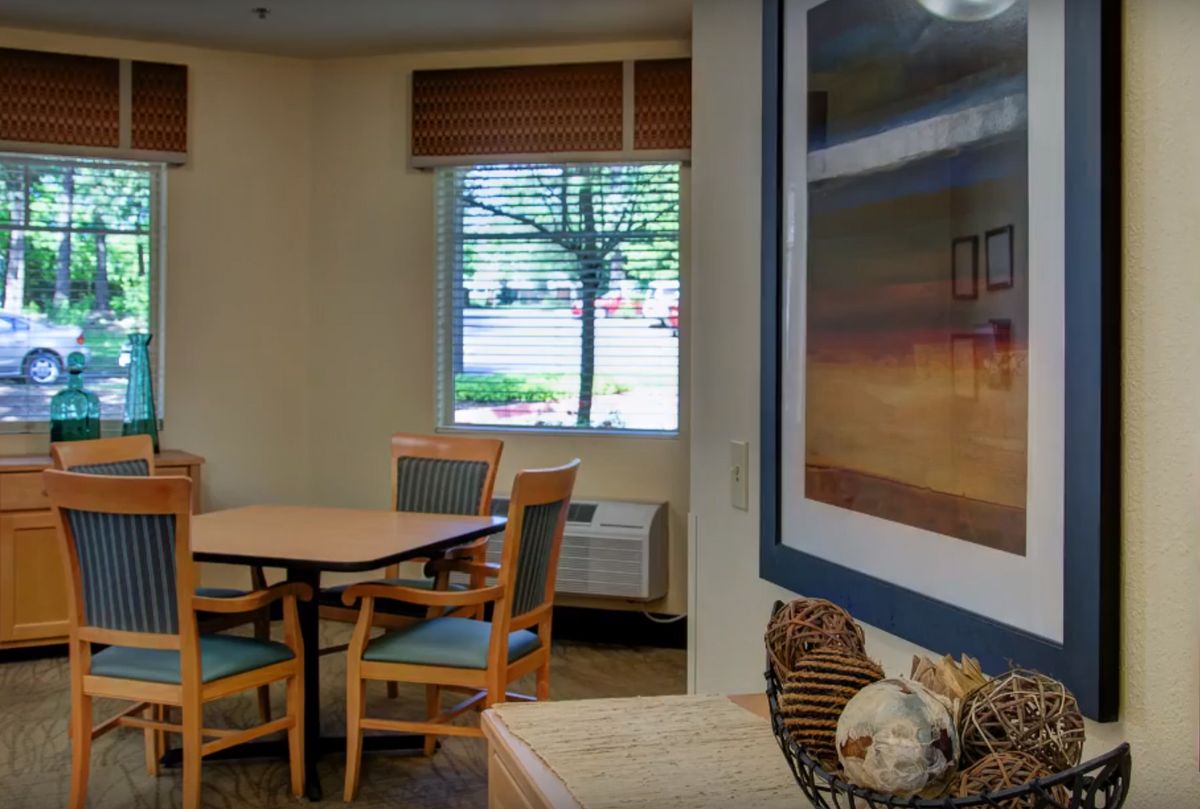
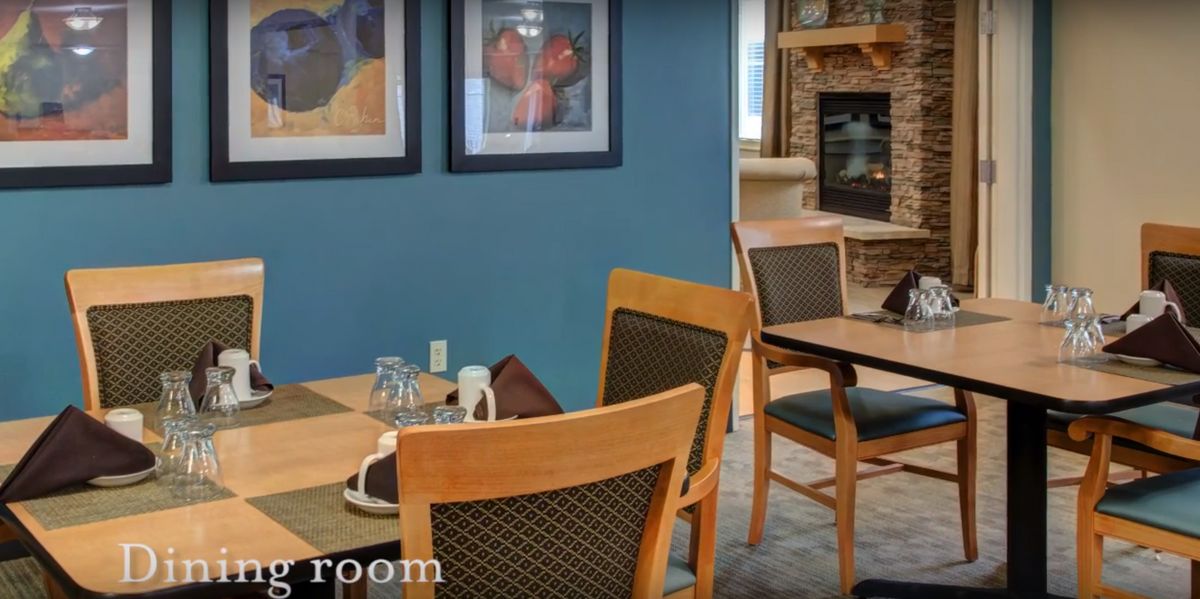
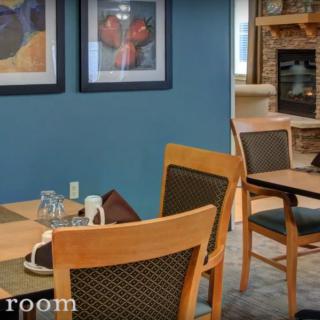
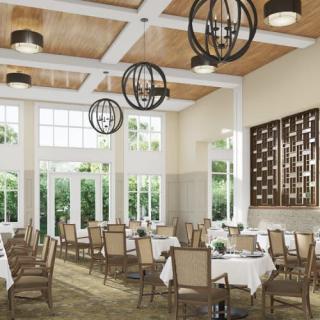
 Dining room
 Fitness room
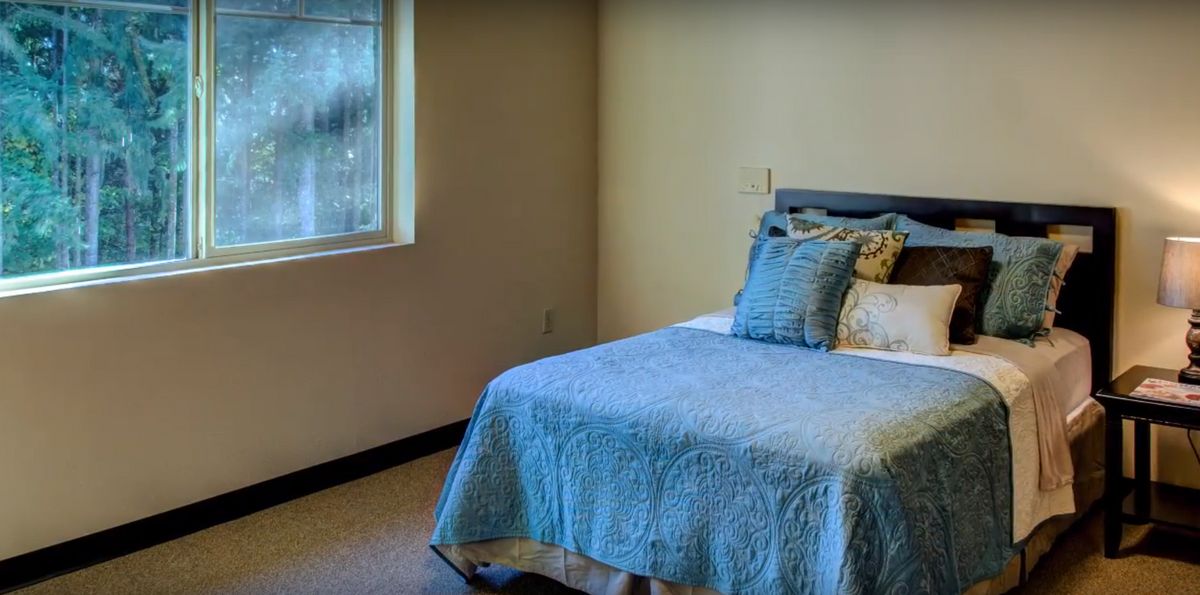
 Fully furnished
 Gaming room
 Garden
 Handicap accessible
 Housekeeping services
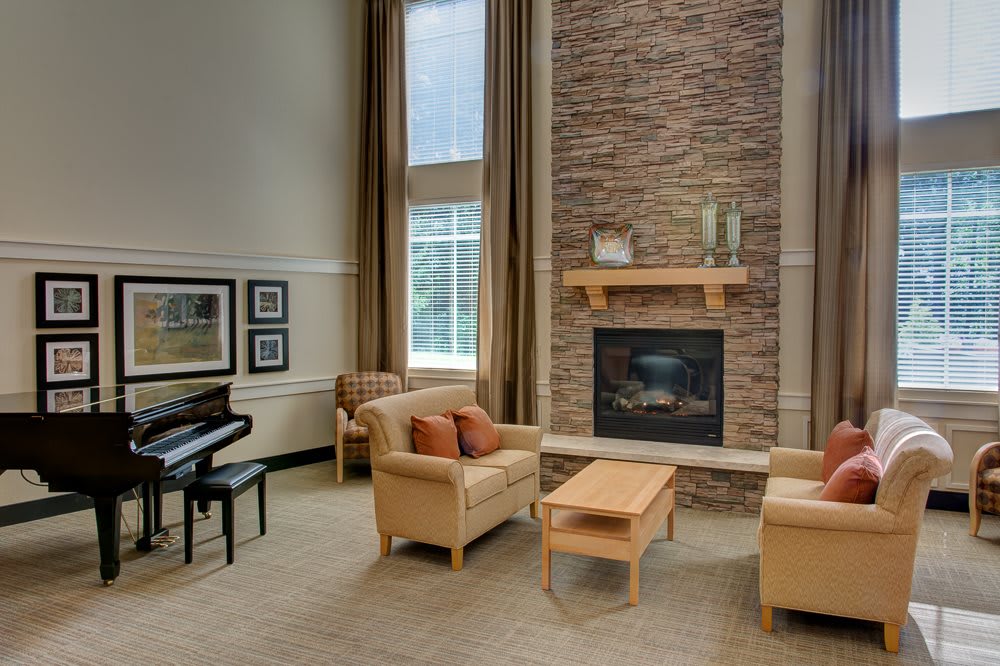
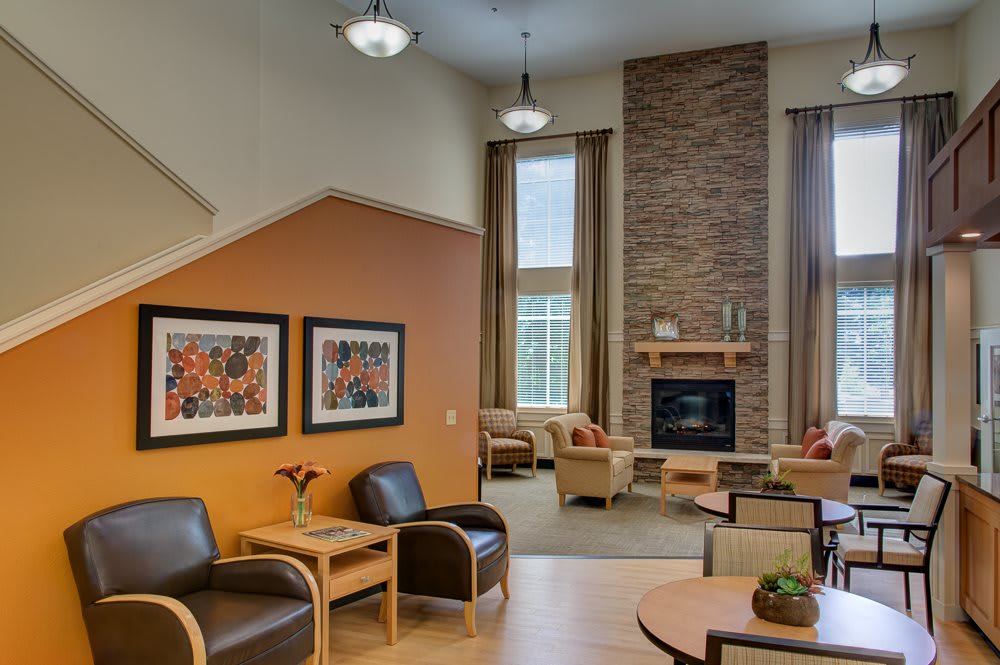
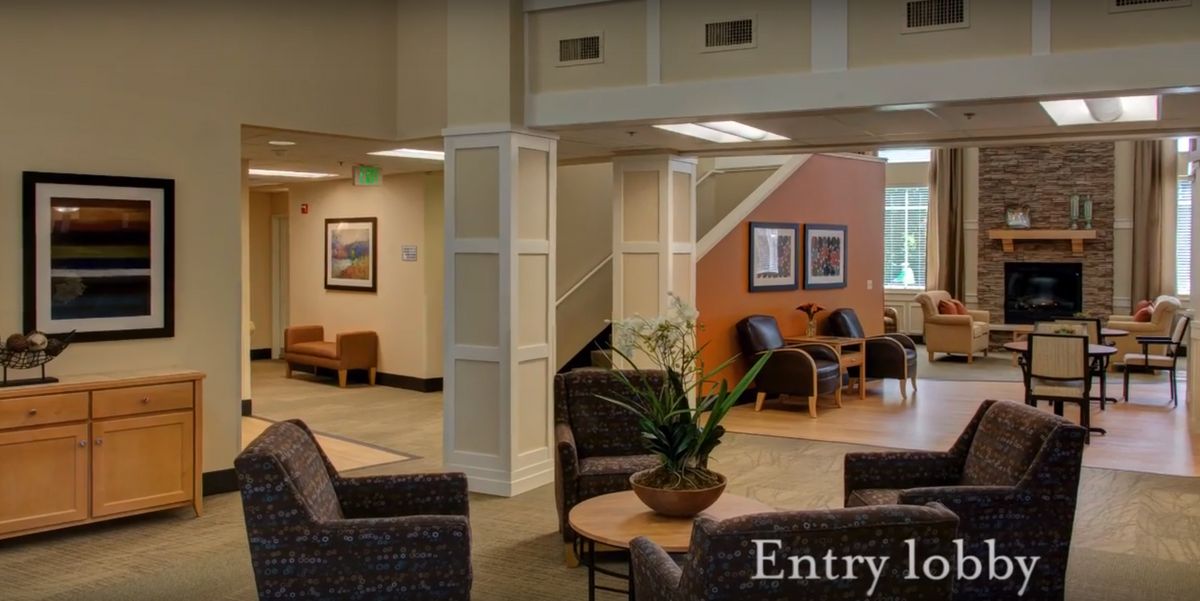
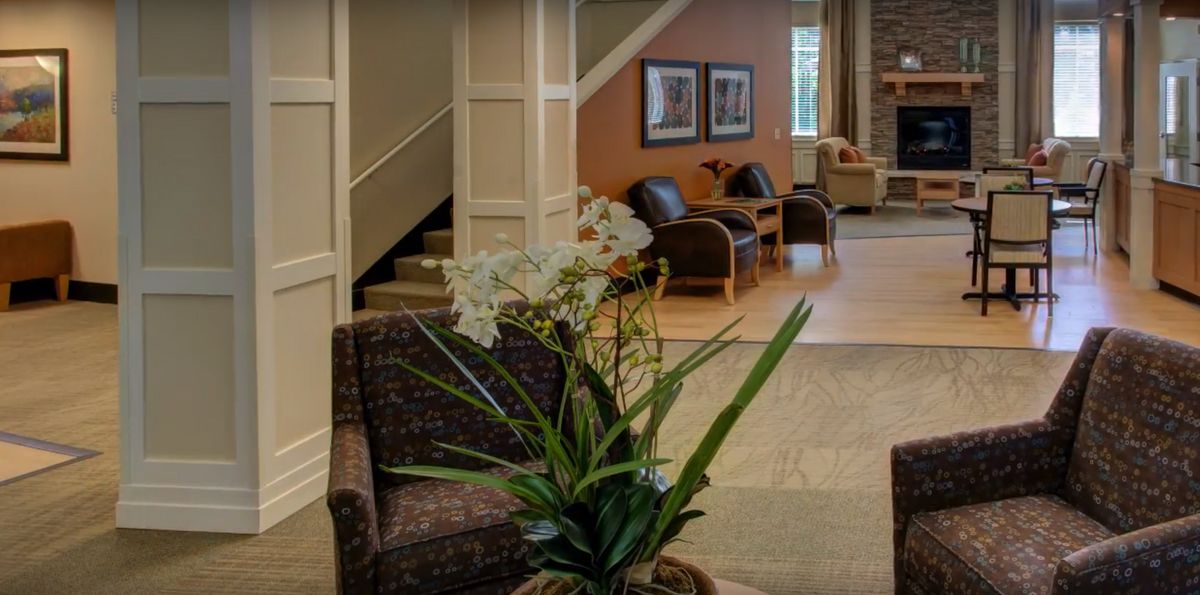
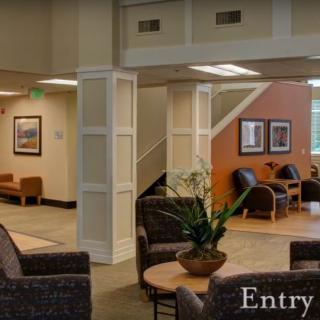
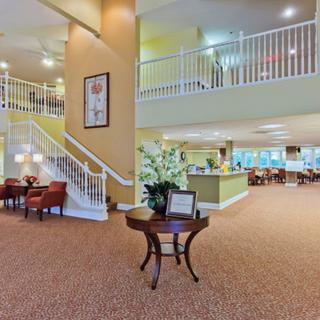
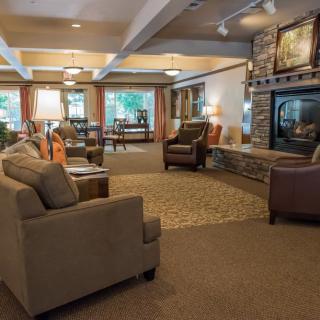
 Indoor common areas
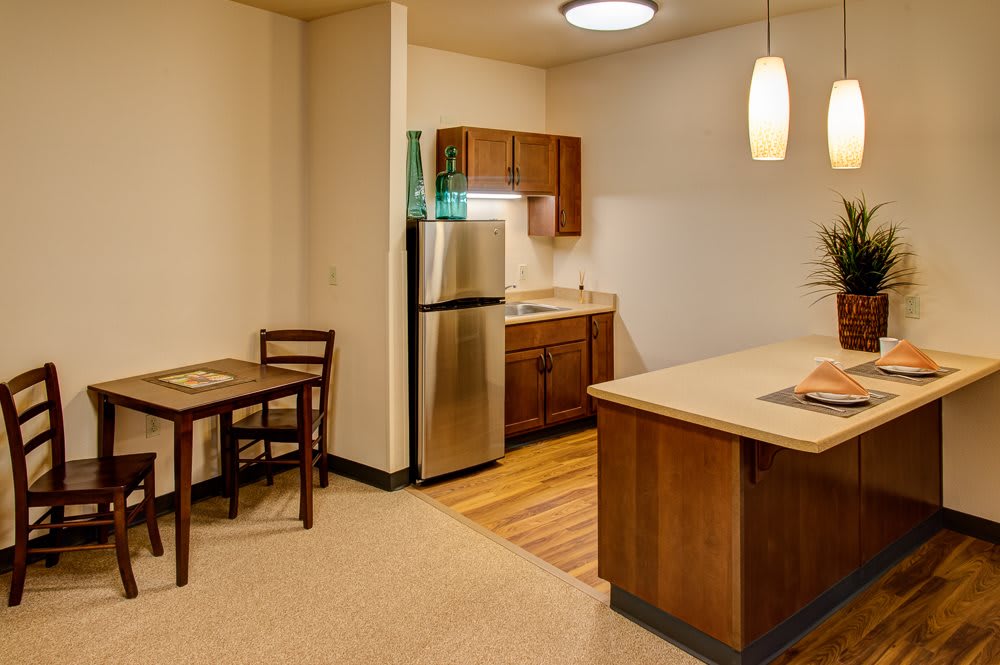
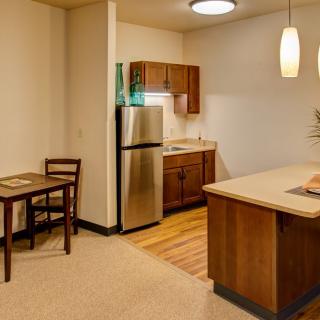
 Kitchenette
 Move-in coordination
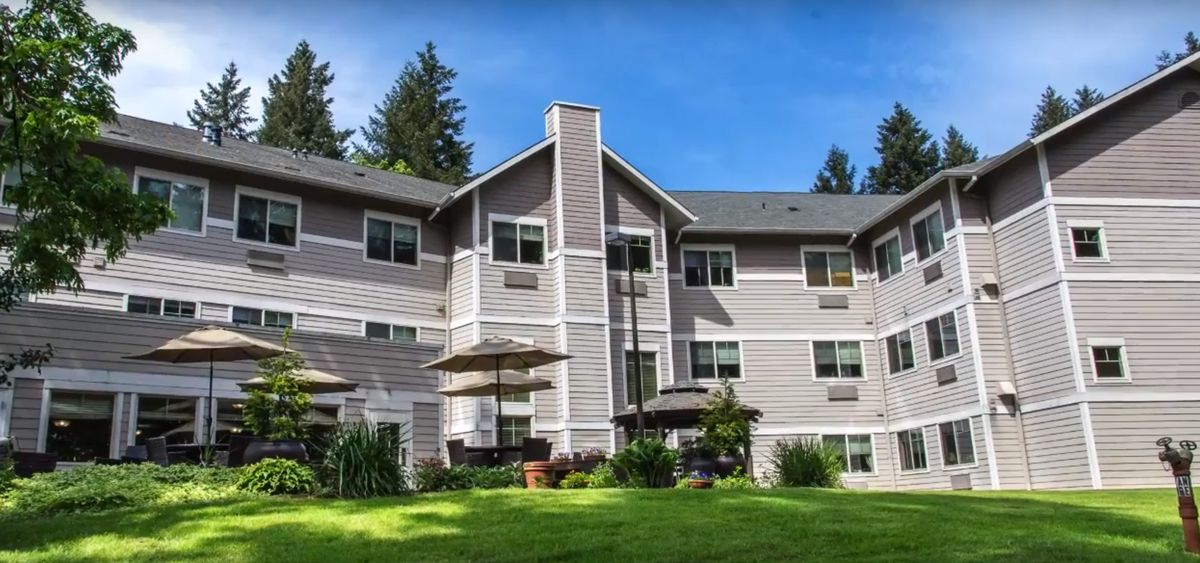
 Outdoor common areas
 Private bathrooms
 Restaurant-style dining
 Small library
 Telephone
 Wellness center
 Wheelchair accessible showers
 Wi-Fi/high-speed internet available
 Portland International (22 miles away)
 Community operated transportation
 12-16 hour nursing
 24-hour call system
 Ambulatory care
 Assistance with bathing
 Assistance with dressing
 Assistance with transfers
 Diabetes diet
 Diabetic care
 Incontinence care
 Medication management
 Mental wellness program
 Special dietary restrictions
 Art classes
 Catholic services
 Concierge services
 Cooking classes
 Day trips and outings
 Happy hour
 Live musical performances
 Trivia games
 Wii bowling
 Wine tasting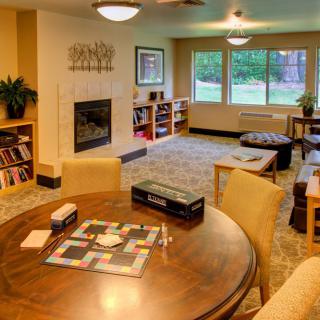





 Comprehensive Insights into Activities of Daily Living (ADLs) and Their Assessment
 Medicare Coverage for Assisted Living: An In-Depth Exploration
 Your Comprehensive Guide to Luxury Assisted Living: Elevated Facilities, Amenities, and Costs