


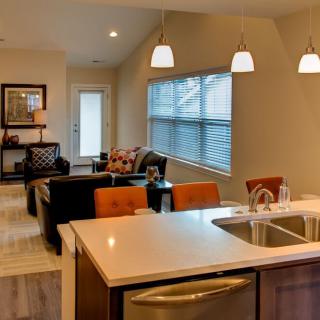
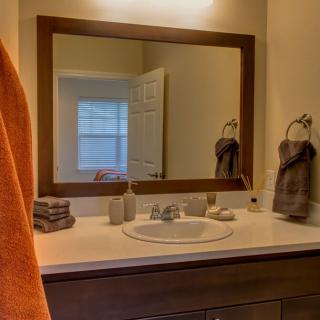

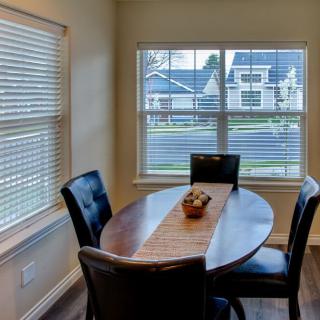
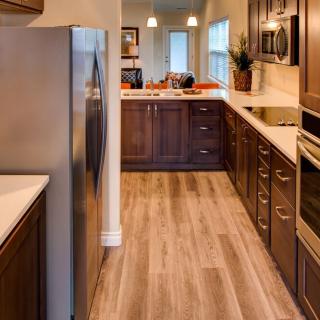
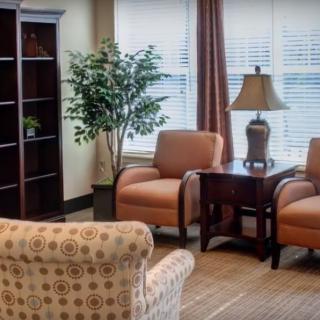
19945 SW Boones Ferry Rd, Tualatin, OR 97062
To contact a resident: (503) 612-5500
For more information about senior living options: (866) 208-4318
Marquis Tualatin Costs & Pricing
Marquis Tualatin offers competitive pricing for its living accommodations when compared to both Washington County and the broader Oregon state averages. For a studio, residents will find the monthly fee of $3,803 is slightly lower than the county average of $3,909 while remaining comparable to the state average of $3,815. In the case of one-bedroom apartments, Marquis Tualatin has a rate of $4,041, which is just below Washington County's average of $4,082 and higher than Oregon's statewide average of $3,904. The two-bedroom units at Marquis Tualatin are priced at $4,999, which stands above both the county's average of $4,801 and significantly exceeds Oregon's average of $4,436. Overall, these figures illustrate that while Marquis Tualatin remains competitive in certain categories, it tends to be on the higher end for larger spaces compared to regional averages.
| Floor plans | Marquis Tualatin | Washington County | Oregon |
|---|---|---|---|
| Studio | $3,803 | $3,909 | $3,815 |
| 1 Bedroom | $4,041 | $4,082 | $3,904 |
| 2 Bedrooms | $4,999 | $4,801 | $4,436 |
Skilled Nursing Facilities with a similar price nearby
-
from -$203 / mo
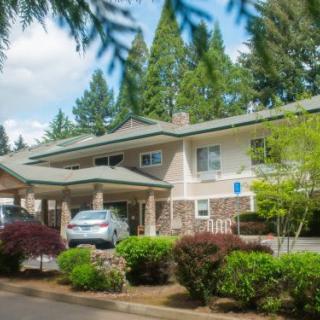
Woodland Heights
$3,600 to $3,750 / month2.9 miles away -
from +$647 / mo
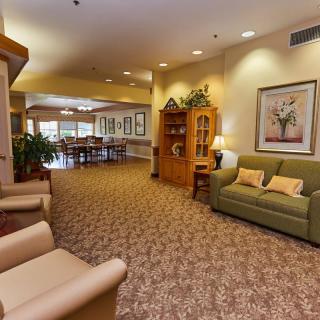
Jurgens Park Senior Living
$4,450 to $5,600 / month1.6 miles away -
from -$653 / mo

Rackleff Place
$3,150 to $3,450 / month9.3 miles away -
from -$732 / mo
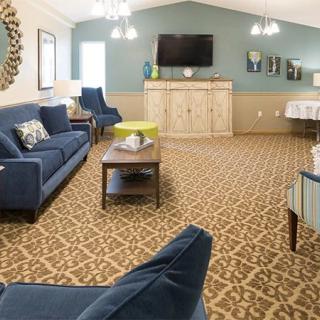
Kent Place
$3,071 to $3,983 / month22.7 miles away -
from +$122 / mo
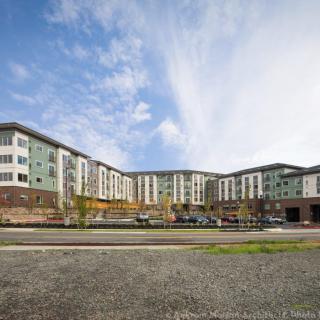
The Ackerly at Timberland
$3,925 to $6,250 / month10.1 miles away
Overall Review of Marquis Tualatin
Pros
 The staff is caring and committed.
- Kelly Burns coordinates care with a smile.
- The nurses and CNAs are patient and go out of their way to help residents feel better.
- The cooks and housekeeping provide an evident commitment to patient care.
- The building and staff are marvelous and take care of everything.
- CNAs are personable and care for residents beyond their medical needs.
- The program of activities is good and engaging.
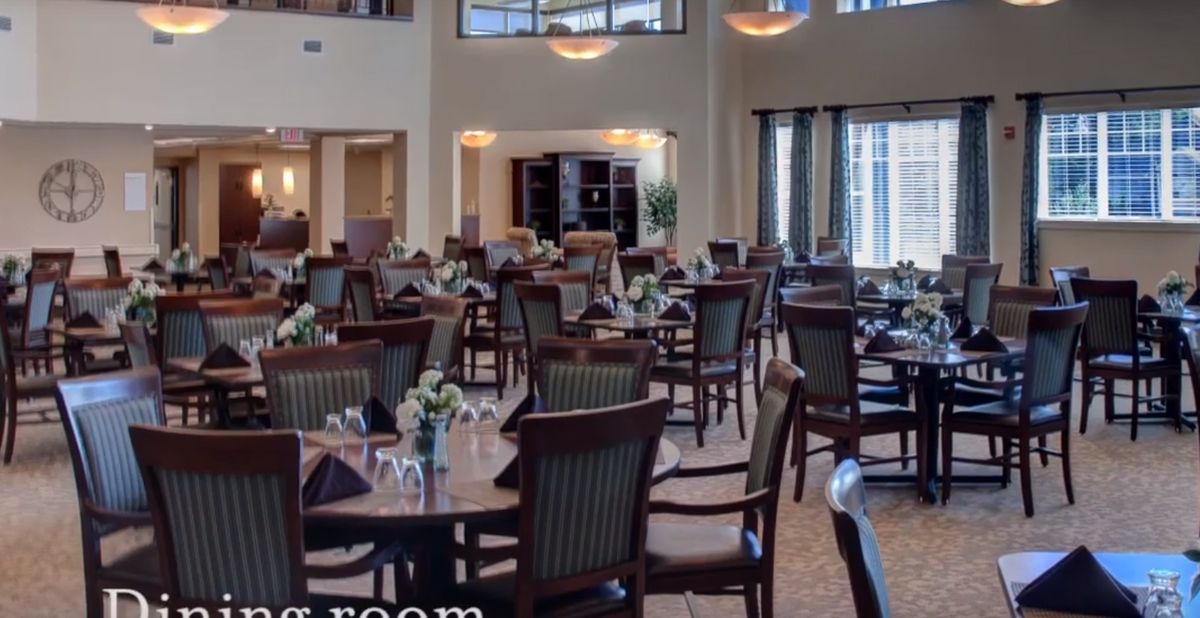
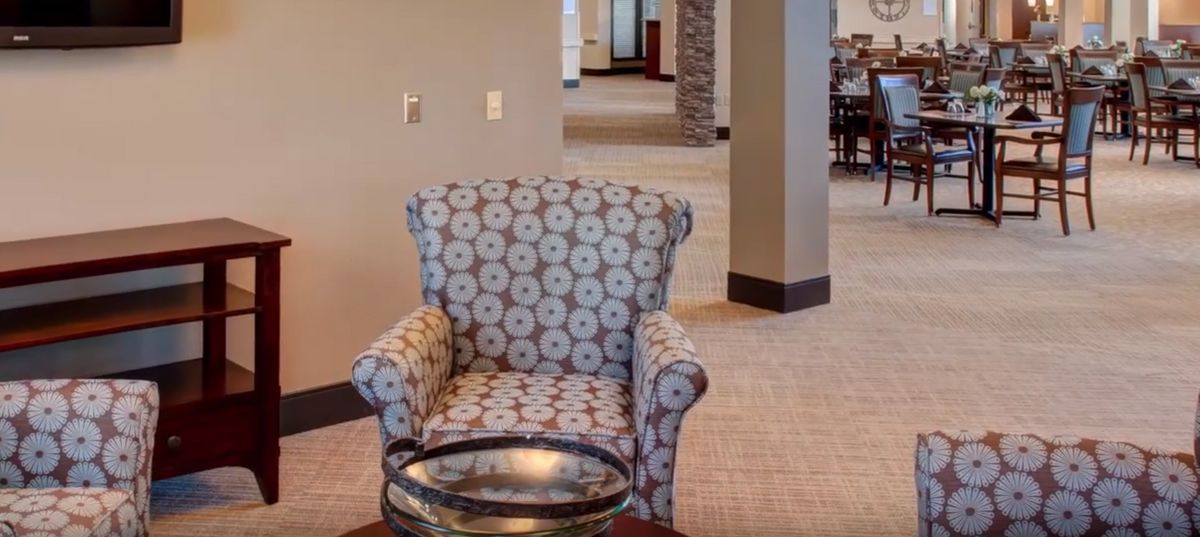
- The dining room is beautiful and meals are generally well received.
- The director is very nice and the community is clean.
- Families would recommend Marquis Tualatin to others.
Cons
 They reported that the caregivers sometimes have issues, and the food is not very good.
- One receptionist was grumpy and not kind.
- Some nursing staff berated her and rumors circulated that she was faking.
- They lied about there being no breaks.
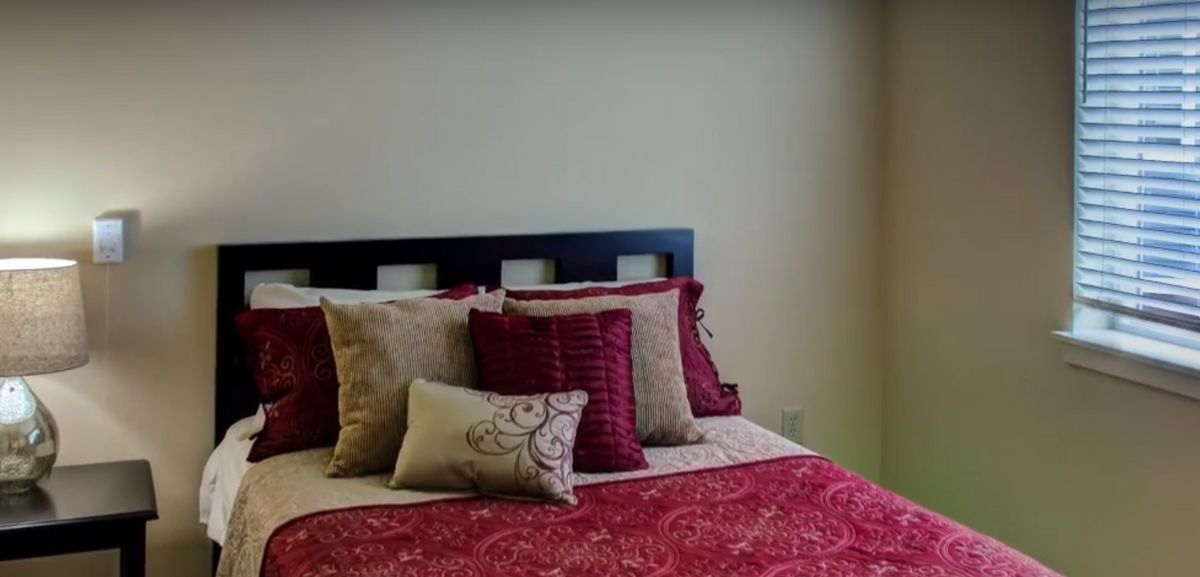
- The room was drab, with a dirty bedspread and a broken wheelchair.
- The food arrived cold and the meals were often criticized for poor quality.
- The facility had too much concrete with little greenery and the outdoor areas felt cold.
- The meals were high in carbs, low in protein, portions were small, and the food was cold.
- They pushed unneeded medications on him.
Review
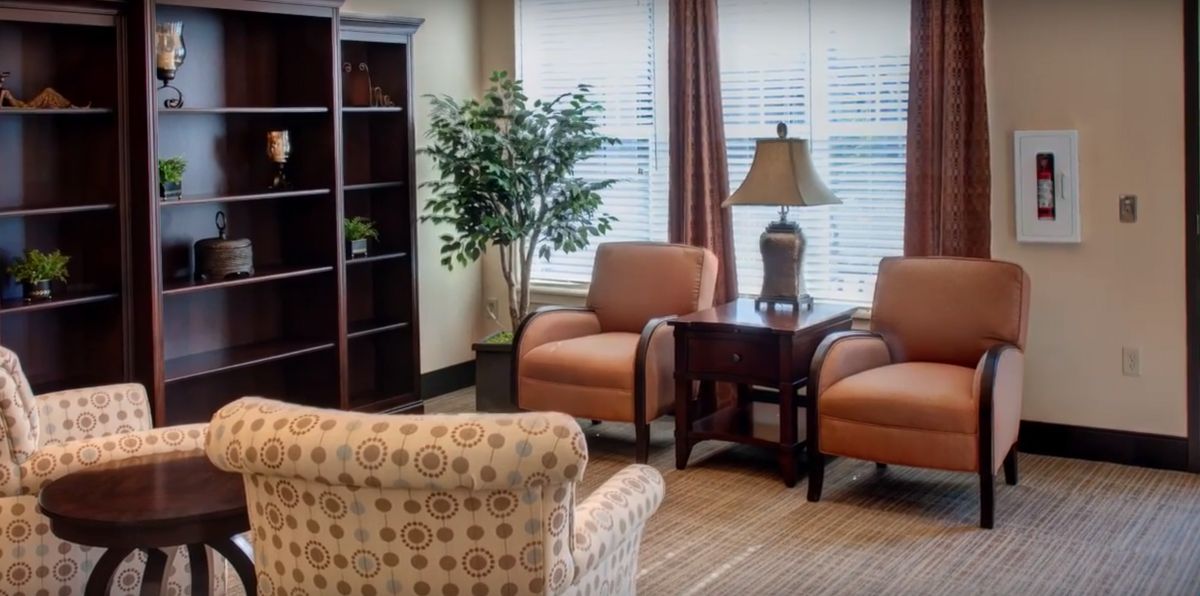
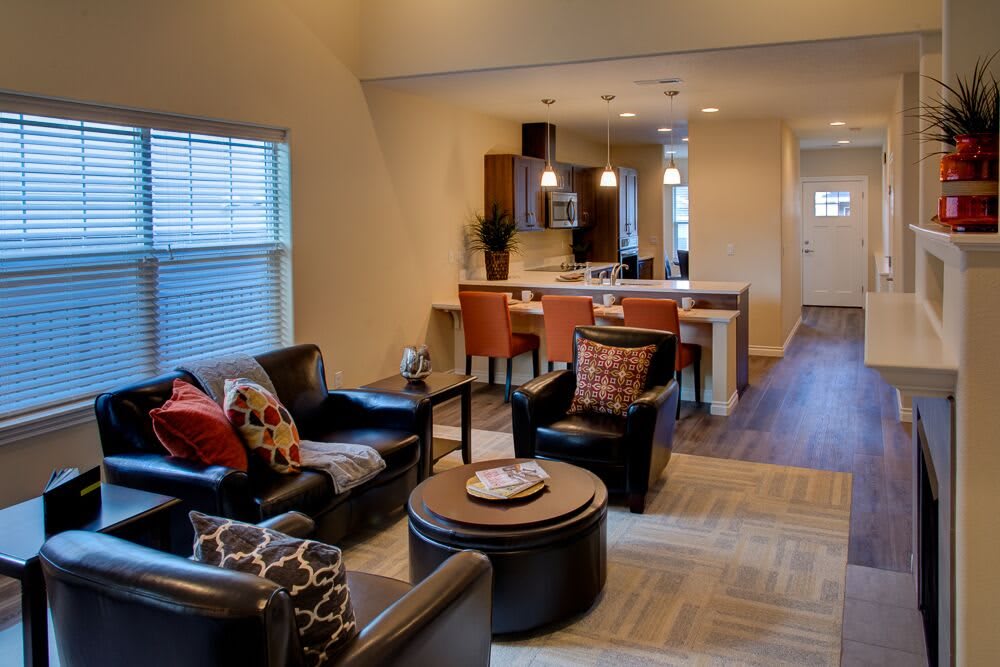
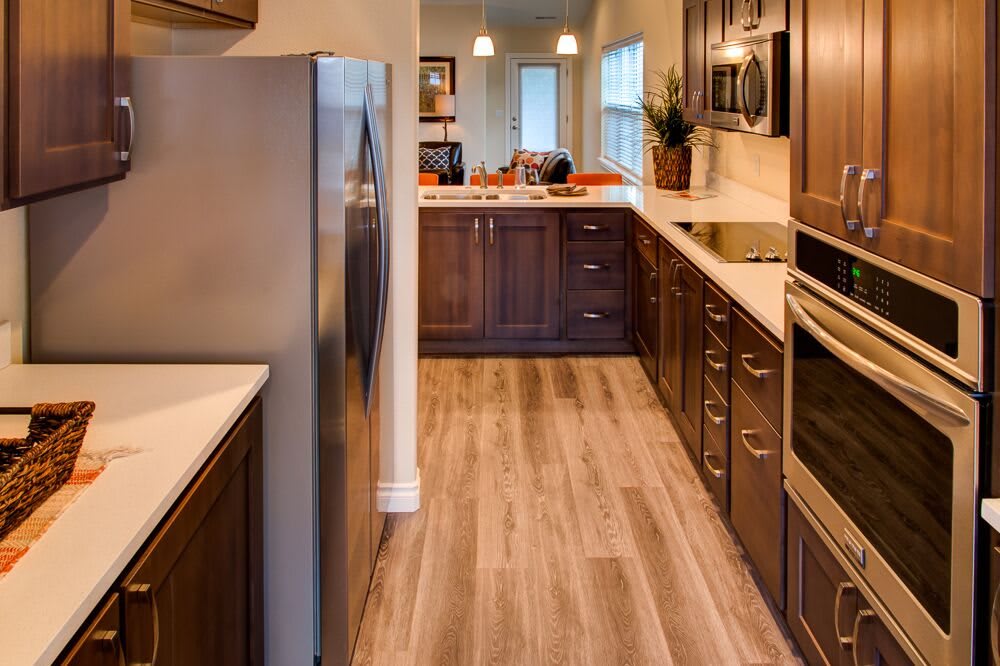
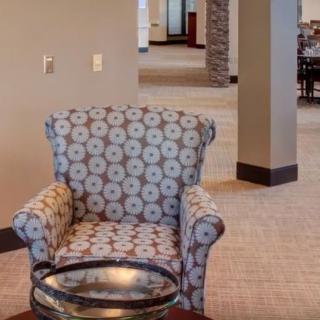
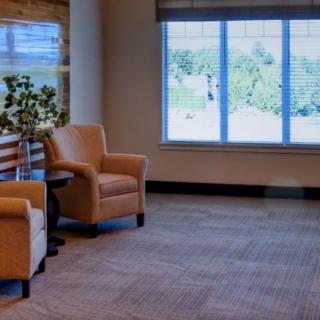
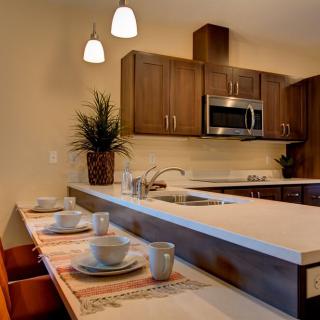
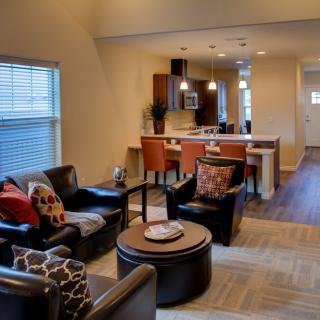
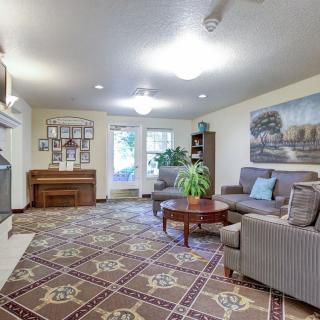
Marquis Tualatin is best suited for families seeking a hands-on, community-focused option where daily care and social engagement carry real weight. The strongest case for this community rests with the care team: CNAs and nursing staff described as patient, attentive, and willing to go the extra mile for residents recovering from surgery or navigating rehab. Programs that keep residents active, bingo, field trips, beach outings, and casino trips, offer tangible value for seniors who thrive on interaction and structured activities. The living spaces are typically clean, with bright rooms and a dining area that presents well, contributing to a sense of stability and home-like routine that many families prize.
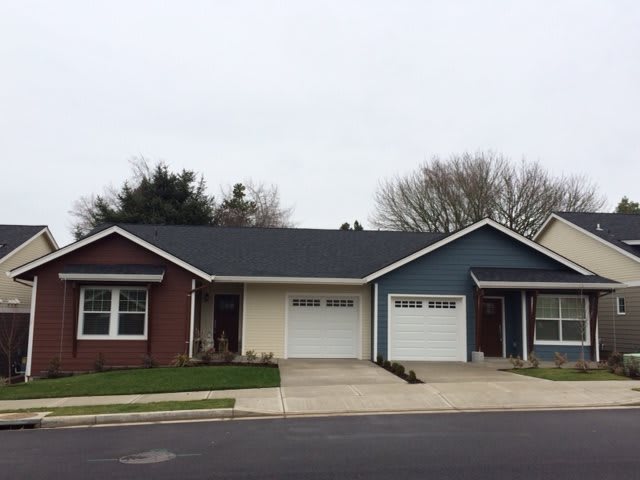
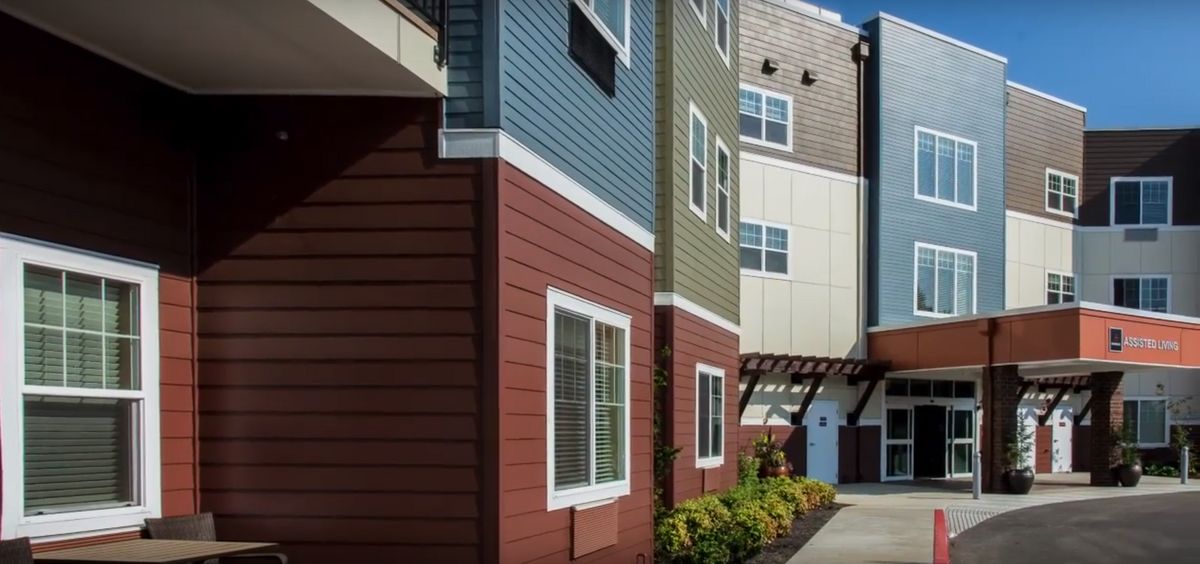
Still, this is not the place for those chasing a glossy, luxury experience or a dementia-first environment. Alternatives may be worth considering for families who place the highest premium on consistently exceptional food quality, unwavering staff training, and ironclad safety culture. If memory care needs, advanced fall prevention protocols, or highly specialized medical management are non-negotiable, other communities with more explicit dementia programming or more rigorous clinical oversight may serve better. The same holds for households prioritizing a warmer, more homey aesthetic and more expansive outdoor spaces; Marquis Tualatin’s concrete-heavy exterior and compact studio layouts can feel clinical to some residents and families.
The core strengths, the front-line caregiving, the willingness of staff to accommodate individual needs, and the active social calendar, often offset several notable drawbacks. Families repeatedly note that nursing and caregiving teams deliver consistent kindness and practical support, sometimes extending care beyond basic medical needs to include reassurance and companionship. The dining room’s presentation and the breadth of activities can compensate for moderate menu variability, especially when the resident values companionship and planned outings over gourmet dining. In short, the daily lived experience tends to be solid, with residents often thriving on routine, personal attention, and meaningful engagement.
Conversely, the cons that recur in reviews merit serious attention. There are credible concerns about variability in staff performance, with positive impressions tempered by reports of grumpy receptionists, miscommunications, and gaps in training when new caregivers join the team. Safety lapses have appeared in accounts of falls and inadequate use of safety devices, alongside complaints about delays or miscommunications around discharge planning and transportation. Food quality is inconsistent, some residents and families praise the dining room and menu options, while others describe meals as cold, lackluster, or ill-suited to dietary needs, an issue that can erode satisfaction if not addressed. Space can feel a bit restrictive too; studios are frequently described as small and the overall environment as more concrete than leafy, which can dampen the home-like ambiance some seek.
For families weighing the pros and cons, the real question becomes whether the care philosophy and social scaffolding align with their loved one’s priorities. Marquis Tualatin clearly delivers reliable personal care, accessible social programming, and a sense of community that keeps residents engaged and connected. Those who can tolerate and advocate for improvements in dining, communication, and safety protocols will likely find a workable fit here. The presence of a cooperative director and the ability to coordinate with doctors and specialists, highlighted in several reviews, are meaningful advantages when a smooth transition and integrated care are paramount.
Bottom line: Marquis Tualatin can be a strong choice for seniors who want hands-on caregiving, regular activities, and a supportive, sociable environment, particularly after surgery or for short- to mid-term rehabilitation where personal attention matters. Families should enter with clear expectations about dining consistency, staff training, and safety practices, and should actively engage administration to monitor progress in these areas. If gourmet meals, a warm, intimate home atmosphere, dementia-focused programming, or ironclad falls-prevention and medication-management protocols are non-negotiable, exploring alternatives will likely yield better alignment with those priorities. In the right match, Marquis Tualatin offers dependable care, meaningful activity, and a community where residents can feel known and cared for, day after day.
 87 resident community capacity
 Studio apartments
 Assisted Living
 Independent Living
 Respite Care
 Skilled Nursing Facility
 Cats allowed
 Dogs allowed
 Activities off-site
 Air-conditioning
 Bath tubs
 Beautician on-site
 Cable or satellite TV
 Computer center
 Devotional services on-site
 Dining room
 Fitness room
 Full kitchen
 Fully furnished
 Gaming room
 Garden
 Ground floor units
 Handicap accessible
 Housekeeping services
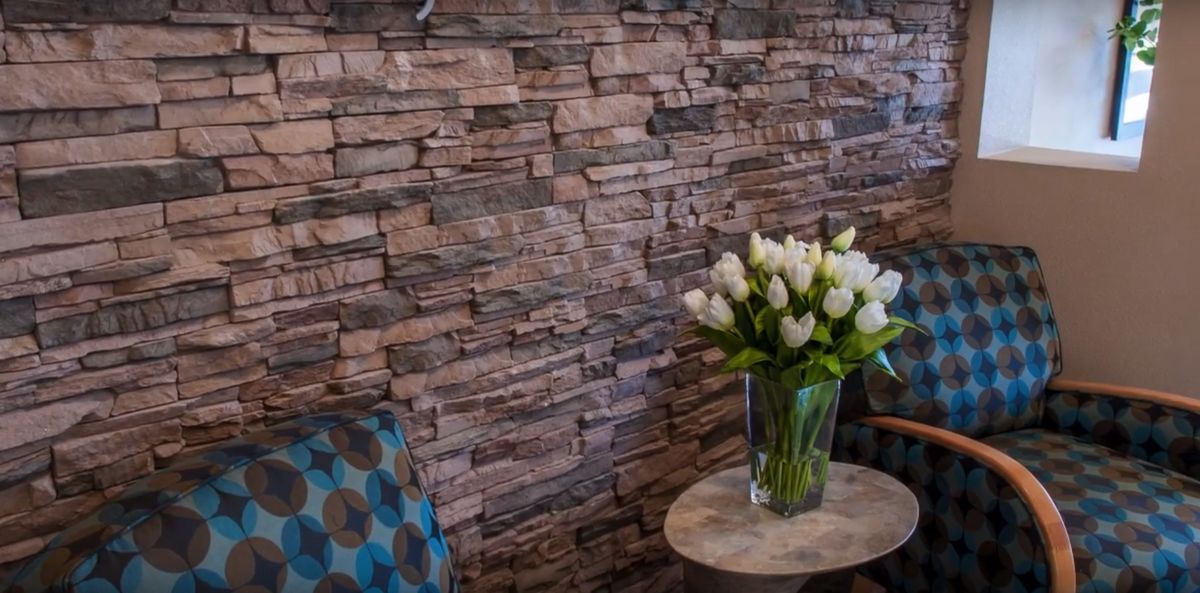
 Indoor common areas
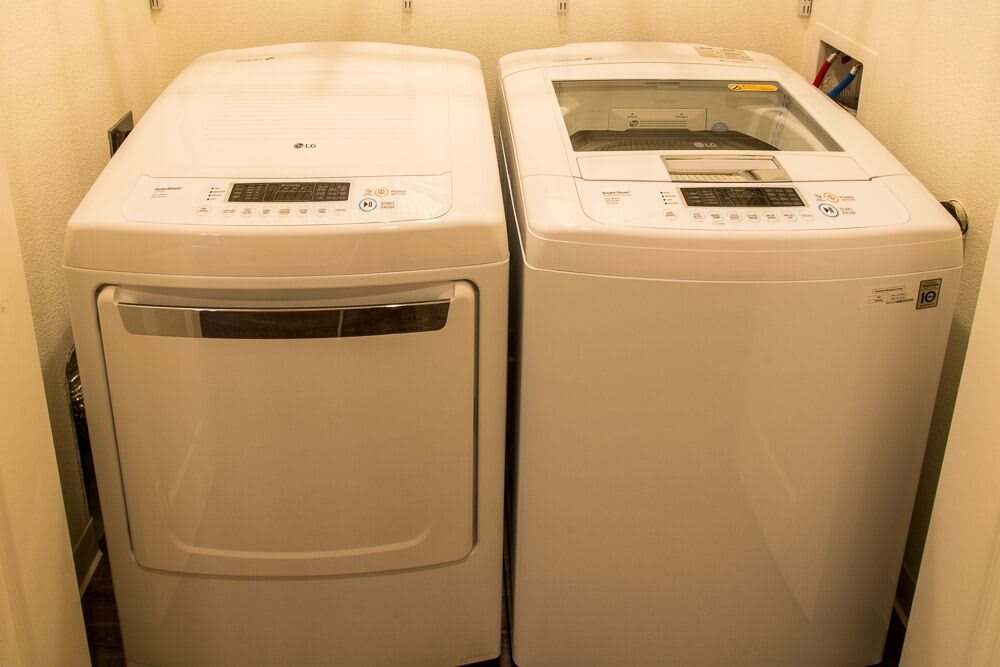
 Laundry
 Move-in coordination
 Outdoor common areas
 Private bathrooms
 Restaurant-style dining
 Small library
 Telephone
 Wellness center
 Wheelchair accessible showers
 Wi-Fi/high-speed internet available
 Portland International (17 miles away)
 Community operated transportation
 12-16 hour nursing
 24-hour call system
 Ambulatory care
 Assistance with bathing
 Assistance with dressing
 Assistance with transfers
 Diabetes diet
 Diabetic care
 Incontinence care
 Medication management
 Mental wellness program
 Special dietary restrictions
 Art classes
 Catholic services
 Concierge services
 Cooking classes
 Day trips and outings
 Educational speakers / life long learning
 Happy hour
 Live dance or theater performances
 Live musical performances
 Trivia games
 English

 8 Key Indicators That Suggest It May Be Time to Transition from Assisted Living to Skilled Nursing Care
 Vibrant Senior Living: A Comprehensive Guide for Active Older Adults
 When to Transition from Assisted Living to Memory Care: Key Indicators, Steps, and Finding the Right Community