
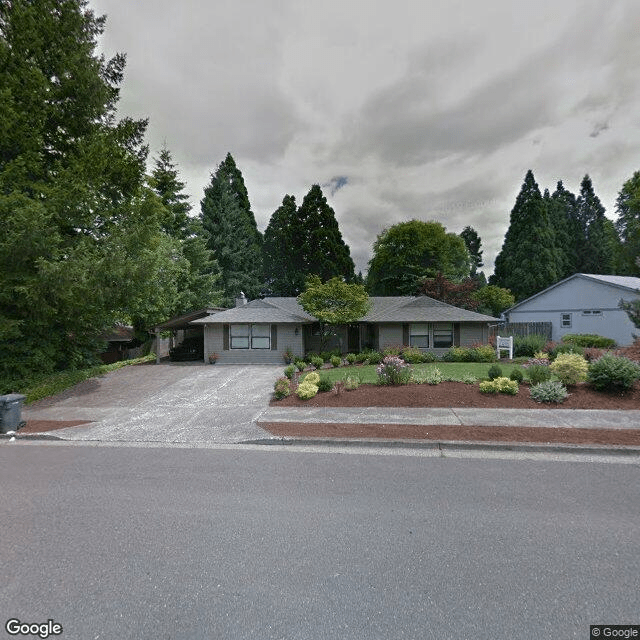
21552 SW 91st Ave, Tualatin, OR 97062
To contact a resident: (503) 482-5138
For more information about senior living options: (866) 208-4318
Tualatin Loving Care, LLC Costs & Pricing
Tualatin Loving Care, LLC offers competitive pricing for its private room accommodations at $2,900 per month, which is notably lower than both the county average of $3,261 and the state average of $3,424 in Oregon. This makes Tualatin Loving Care an attractive option for those seeking quality care without the higher costs typically associated with similar facilities in Washington County and across the state. Their commitment to providing excellent service at a more accessible price underscores their dedication to supporting residents and their families in the community.
| Floor plans | Tualatin Loving Care, LLC | Washington County | Oregon |
|---|---|---|---|
| Private | $2,900 | $3,261 | $3,424 |
Senior living communities with a similar price nearby
-
from +$100 / mo
A Piece of Heaven
$3,000 / month9.2 miles away -
from -$400 / mo

Mapleview Manor, LLC
$2,500 / month9.6 miles away -
from +$100 / mo
Yamhill Senior Care Home
$3,000 / month16.6 miles away -
from +$100 / mo
Peaceful Lighthouse Adult Care Home
$3,000 / month19.1 miles away -
from -$400 / mo
A Gentle Care Home
$2,500 / month14.2 miles away
Overall Review of Tualatin Loving Care, LLC
Pros
 The caring-ness of the staff was great.
- The owner was very present there.
- The mom really enjoys the staff there.
- Overall they were really great.
- They were very helpful, accommodating, and supportive when she passed.
Cons
 Two of the caregivers smoked, and there was a time when someone would call for help but they were outside for a smoke break and could not hear.
Review
Tualatin Loving Care, LLC in Tualatin, Oregon is best suited for families seeking a small, relationship-driven care setting where staff genuinely know residents and leadership is visibly engaged. The two reviews consistently highlight a warm, personal approach: staff who are caring, attentive, and involved, with the owner actively present and accessible. This creates an atmosphere of familiarity and trust, where a resident’s daily behavior, routines, and comfort levels are likely to be noticed and respected. For families valuing emotional connection, consistent smiling faces, and a home-like feel, this community stands out as a strong match.
Those who may want to consider alternatives are families prioritizing clinical rigidity or perfectly controlled safety systems. The reviews point to a notable caveat: caregiver smoking and its potential impact on responsiveness. There were occasions when staff were away on a smoke break, and a call for help went unheard. While the overall tone is positive, this detail matters for residents who require instantaneous attention or who are particularly vulnerable to even short delays in assistance. Prospective residents who require strictly non-smoking staff or guaranteed, immediate response should weigh other options.
The strongest pro is the unmistakable warmth and caring demonstrated by staff. Reviews describe the care team as genuinely thoughtful, with the owner’s presence reinforcing a sense of stability and accountability. This combination tends to translate into meaningful, day-to-day comfort for residents and reassurance for families. In moments of emotional strain, the team’s supportive posture is clear, the staff were described as accommodating and helpful when the resident’s family member passed, underscoring a depth of compassion and a real, hands-on approach to end-of-life moments.
Yet the main drawback hinges on safety timing rather than quality of interaction. The smoking habit among a portion of the caregiving staff disrupts the ability to hear calls for help at crucial moments. This specific weakness cannot be ignored by families who rely on rapid response, fall prevention, or the reassurance of immediate assistance in emergencies. The reviews do not claim a systemic failure, but they do reveal a vulnerability that can influence risk assessments, especially for residents with higher care needs or those who require constant monitoring.
Considering how the positives interact with the drawbacks, the care environment’s relational strengths do offset many concerns for residents who prioritize companionship, continuity, and personalized attention. The owner’s hands-on involvement and the staff’s evident dedication create a trustworthy, resident-centered culture that often translates into smoother daily living, better comfort with routines, and less resident stress. Families can reasonably expect a nurturing atmosphere that supports dignity, emotional well-being, and a supportive network during family transitions, including end-of-life moments.
Decision guidance: Tualatin Loving Care is a compelling fit for families seeking a home-like setting with deeply caring staff and visible leadership, where personal connections and emotional support are central. If immediate call-responsive safety is a non-negotiable priority, or if a strict non-smoking staff environment is essential, this may push toward exploring alternatives. Before committing, prospective families should seek clarity on current staffing practices, how call-bell responsiveness is managed across shifts, and whether there are arrangements to minimize any delays during caregiver breaks. If a trial period or a careful ramp-up is available, that step can provide invaluable first-hand insight into how the reality aligns with the promising warmth described in the reviews.
 Board and Care Home
 Activities on-site
 Bath tubs
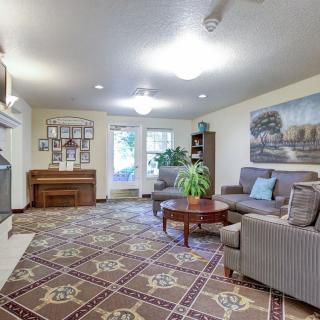
 Indoor common areas
 Outdoor common areas
 Private
 Respite or short term stays offered
 Wheelchair accessible showers
 Portland International (18 miles away)
 Ambulatory care
 Diabetic care
 High acuity care
 Incontinence care
 Kosher



 Financing Long-Term Nursing Home Care Through Social Security: A Thorough Exploration
 Essential Knowledge on Pneumonia in Older Adults
 Exploring Palliative Care in the Home: A Comprehensive Overview