







1589 South Ivy, Canby, OR 97013
For more information about senior living options: (866) 208-4318
Overall Review of Marquis Hope Village
Pros
 Marquis Assisted Living provides good meals, companionship, and activities that keep residents engaged.
- The staff at Marquis Assisted Living are described as great.
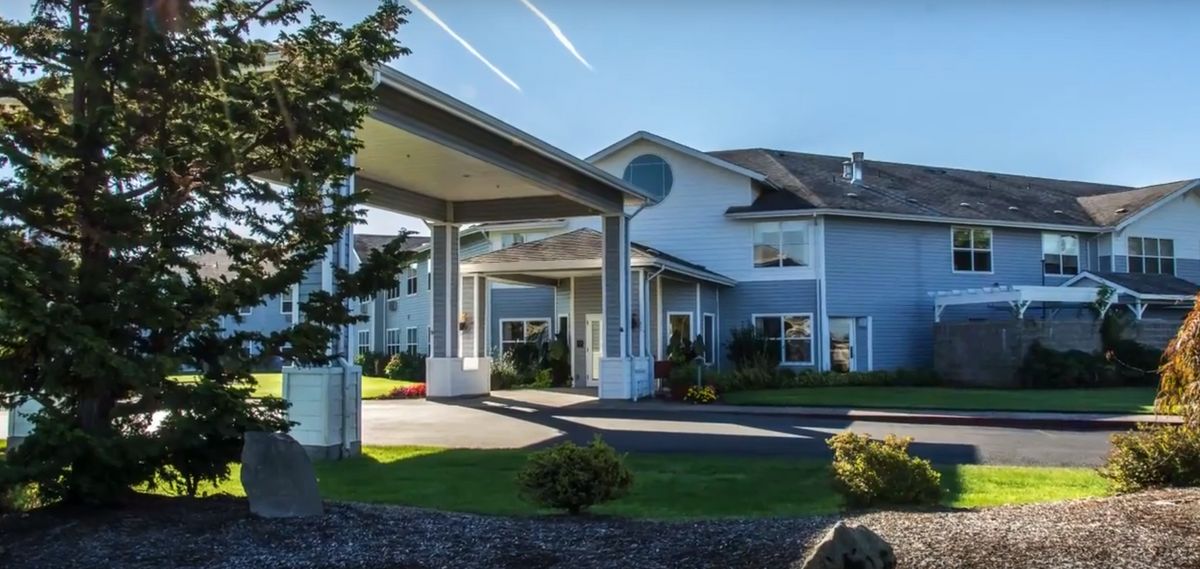
- Marquis Hope Village is a beautiful and wonderful place to live.
- The staff at Marquis Hope Village are amazing, and everyone is kind and friendly.
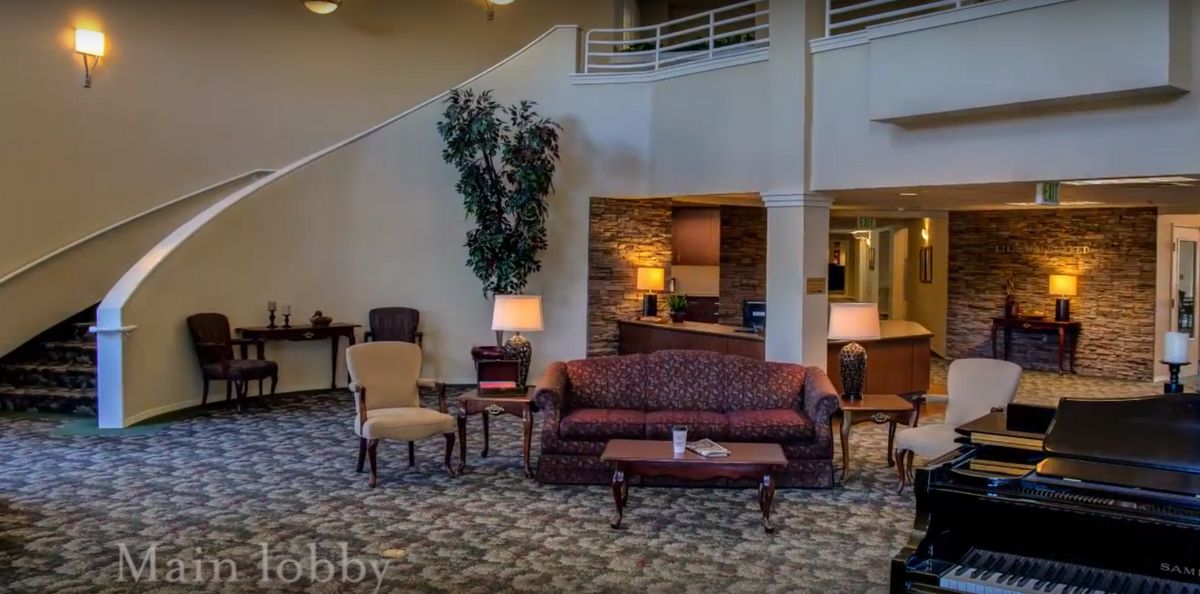
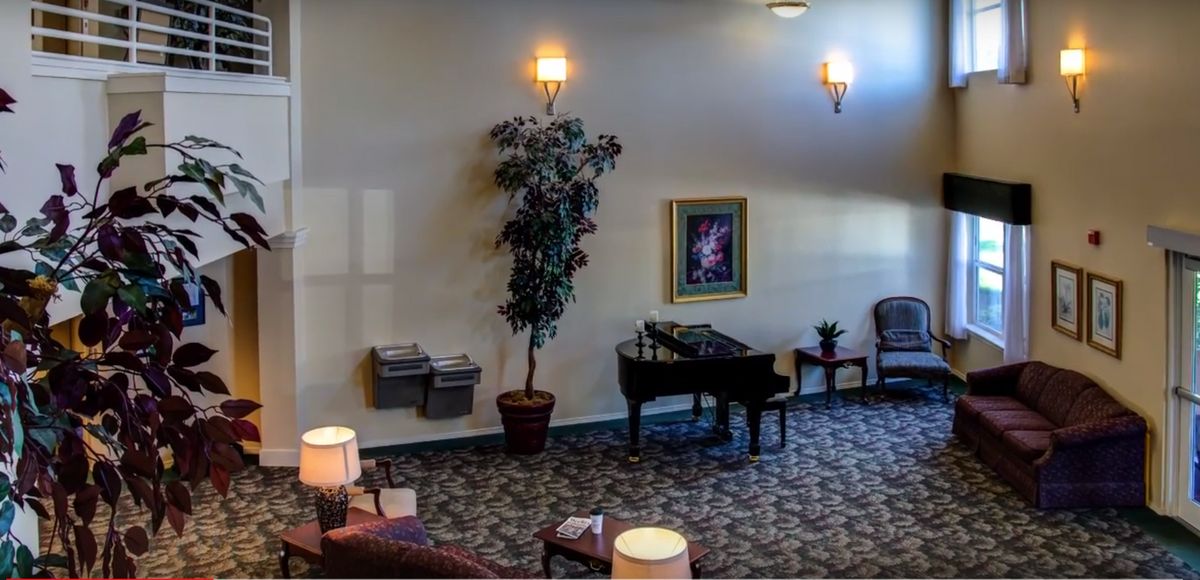
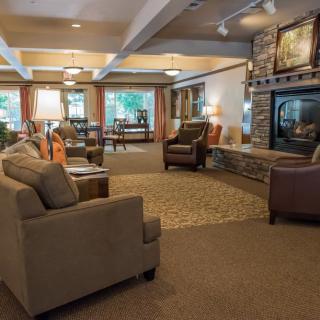
- The dining area at Marquis Hope Village is beautiful, open, airy, and friendly.
- Marquis Hope Village offers a wide range of activities, including country drives, weekly grocery trips, bingo, and Friday donuts and coffee.
Cons
 The food is boring and there are too many potatoes for anyone on a restrictive diet.
- It's a money maker for the Chinese who own it.
- There are way too many residents per staff member; the staff are stressed and residents have to wait too long to receive care.
- Nearly 75 residents per 1 med aide, which could be dangerous.
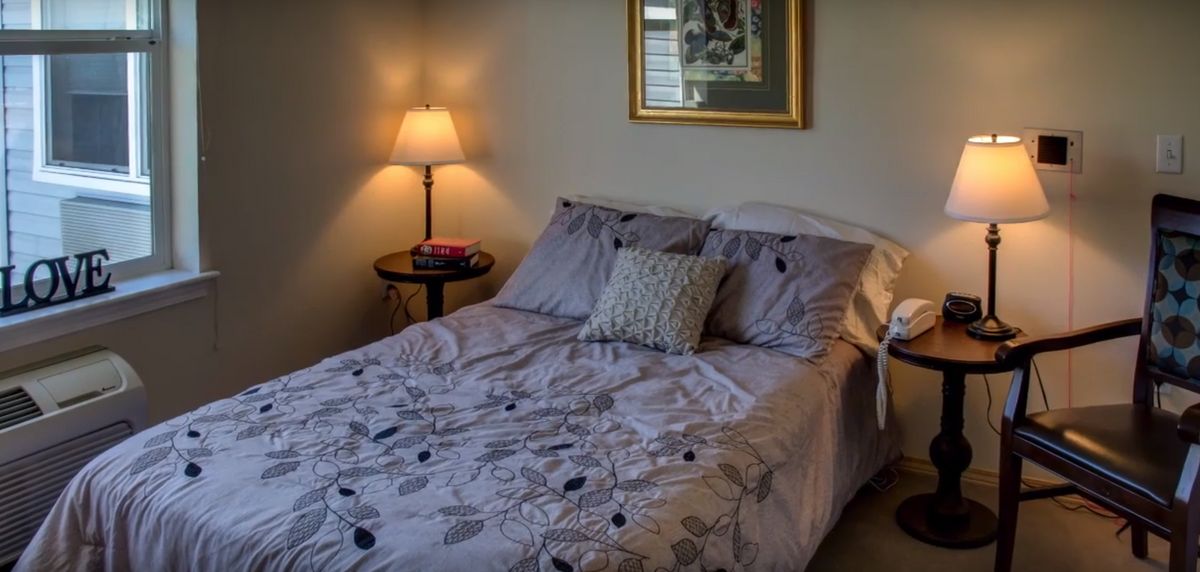
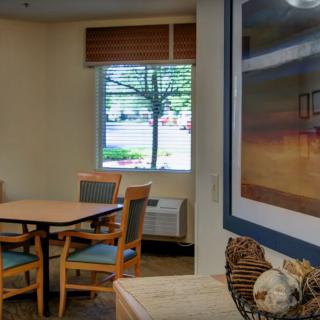
- The rooms and apartments are too small.
- It takes the residents too long before they can have dinner.
- The staff seemed sparse and rarely visible.
- The maintenance man was very rude to a grandmother with issues with her phone and television.
Review
Marquis Hope Village in Canby, Oregon is best suited for active, socially engaged seniors who want a welcoming, bustling community where companionship, accessible meals, and a full calendar of activities are the norm. The environment rewards participation and favors residents who value daily programs, outings, and friendly interaction with staff and peers. For families seeking a place with a strong emphasis on engagement, light to moderate assistance, and reliable social opportunities, Marquis Hope Village delivers, including a capable rehab component and a dining setting designed to feel open and inviting.
Those who may want to consider alternatives are mostly tied to care intensity and personal preferences about setting. Individuals needing high-touch medical attention with consistently rapid response times may fare better in a smaller, nurse-dense facility or a dedicated skilled-nursing environment. Families seeking more varied or gourmet-level dining week to week, or smaller, more intimate living spaces, may find the layout and meal options here less aligned with those priorities. Additionally, anyone prioritizing extremely quiet or ultra-private living arrangements might prefer a more intimate home-like setting or a smaller campus where staff-can-resident ratios feel less strained.
The strongest positives here, friendly, attentive staff; a genuine sense of community among residents; clean, safe surroundings; and a dining area described as open, airy, and attractive, tend to offset several potential drawbacks. The community’s vitality shows in daily and weekly activities: country drives, grocery trips, bingo, casual outings, a nail salon in-house, and daily opportunities to exercise or puzzle together. The rehab services earn praise, and the overall atmosphere often makes families comfortable that a loved one is socially engaged and well cared for, even if medical needs require occasional reminders to staff for prompt assistance. When the residents participate and staff remain approachable, the blend of companionship and programming makes the environment feel less like an institution and more like an active apartment community with care.
However, several meaningful concerns can’t be ignored. The resident-to-medical-staff ratio reported by families points to slower response times and a sense that help is not instantly at hand during peak periods. Instances of staff stress and infrequent visibility around the halls reinforce a perception that the care model relies heavily on proactive family advocacy to ensure timely attention. Food quality receives mixed grades: meals that are generally adequate can also feel repetitive or bland for residents with restricted diets, and some critics cite a monotone weekly menu. Rooms can feel small, especially for couples sharing a two-person unit, and the overall size and busyness of a large campus can give a sense of distance from the very staff who are supposed to be caretakers. Maintenance interactions occasionally land unfavorably, which undermines the otherwise polished appearance of the facility. While these factors are not uniformly crippling, they define real, practical limits on the level of hands-on support and daily comfort that can be expected.
To make a sound decision, families should approach Marquis Hope Village with a clear checklist. Schedule multiple visits at different times of day to observe how promptly aides respond to call bells, and to gauge staff presence during meals and activity periods. Request a tour of the rehab area and ask for recent examples of how care plans were adjusted in response to changing resident needs. Review sample menus and, if possible, taste a meal during a tour to assess whether dietary options align with health requirements and personal preferences. Inspect room sizes firsthand to determine suitability for couples or those who want more personal space. Inquire about current wait lists, occupancy rates, and the likelihood of private or semi-private rooms becoming available within a reasonable timeframe. Finally, verify transportation routines for outings and medical appointments, and clarify any additional costs beyond base rates that could impact long-term budgeting.
The practical takeaway is decisive. Marquis Hope Village offers a robust, socially rich environment that keeps residents mentally and physically active, anchored by friendly staff, a welcoming dining setting, and a diverse program slate. For families prioritizing engagement, social connectivity, and accessible amenities, it represents a strong, well-rounded option. For those whose priorities center on intimate, low-traffic settings or require highly rapid medical response and more varied, high-quality meals, alternative communities, smaller in scale or with a stronger nursing focus, may present a better risk-adjusted fit. In any case, a careful, time-invested tour, direct conversations with frontline caregivers, and a clear sense of how care needs will be met should guide the final choice. Marquis Hope Village stands as a capable, workable fit for many, but the decision hinges on aligning care expectations with the realities of staffing structure, room configuration, and dining variety.
 92 resident community capacity
 Assisted Living
 Respite Care
 Skilled Nursing Facility
 Air-conditioning
 Beautician on-site
 Cable or satellite TV
 Computer center
 Dining room
 Fitness room
 Fully furnished
 Gaming room
 Garden
 Housekeeping services
 Kitchenette
 Laundry
 Move-in coordination
 Outdoor space
 Private bathrooms
 Restaurant-style dining
 Small library
 Telephone
 Wellness center
 Wi-Fi/high-speed internet available
 Portland International (24 miles away)
 Community operated transportation
 12-16 hour nursing
 24-hour call system
 Activities of daily living assistance
 Assistance with bathing
 Assistance with dressing
 Assistance with transfers
 Diabetes diet
 Medication management
 Mental wellness program
 Special dietary restrictions
 Concierge services
 Planned day trips
 English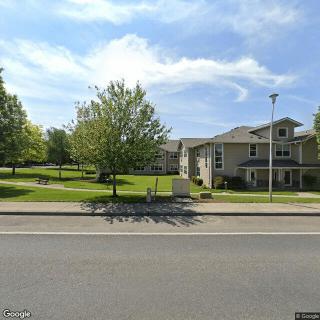





 8 Key Indicators That Suggest It May Be Time to Transition from Assisted Living to Skilled Nursing Care
 Vibrant Senior Living: A Comprehensive Guide for Active Older Adults
 When to Transition from Assisted Living to Memory Care: Key Indicators, Steps, and Finding the Right Community