Rackleff Place offers competitive pricing for its accommodations, particularly when compared to Clackamas County and the broader state of Oregon. For a studio, Rackleff Place charges $3,150 per month, which is notably lower than the county's average of $3,916 and the state's average of $3,815. Similarly, their one-bedroom units are priced at $3,450, providing a more affordable option compared to Clackamas County's average of $4,100 while still being aligned with Oregon's statewide average of $3,904. This positioning not only highlights Rackleff Place as an economical choice for residents but also underscores its commitment to providing quality housing that remains accessible within the regional market.
Floor plans
Rackleff Place
Clackamas County
Oregon
Studio
$3,150
$3,916
$3,815
1 Bedroom
$3,450
$4,100
$3,904
Skilled Nursing Facilities with a similar price nearby
Residents and families repeatedly describe attentive, compassionate care from the staff.
Many reviews focus on how kind and responsive the staff is day to day, including praise for quick attention to concerns and staff members learning residents and families by name. Several people specifically mention named team members and describe consistent support during the move-in period. One resident reviewer was less satisfied with certain aspects of the experience, but even that review still acknowledges the staff’s caring presence.
caveat7 reviews mention this
Food quality is a split point
Dining results are mixed, with some praising meals and at least one calling them poor.
Some reviews are very positive about the food, including home-style preparation, meals residents look forward to, and dessert being served regularly. Others describe the dining experience negatively, saying the food was horrible and that they complained about it more than once. Taken together, residents appear to have very different experiences with meal quality and freshness.
common5 reviews mention this
Activities help residents stay included
Residents mention ongoing activities that encourage participation.
Several reviews describe regular activities such as games, exercises, and daily programming, and they note that residents are included. Families also mention outings and community functions that residents enjoy. One review adds a caveat, saying they didn’t see a lot of activities at the time of their father’s stay.
differentiator3 reviews mention this
Safety during COVID is cited
Families specifically mention safe practices during the COVID period.
A few reviews highlight the community’s efforts to keep residents safe during COVID, including staff effectiveness in creating a safer environment. One reviewer also points to passing a state inspection as evidence of meeting expectations for care and training. These are specific, time-bound references, but they recur across multiple accounts.
How we summarize
Counts show how many written reviews mention each theme; a review can touch several themes, and only frequently mentioned themes are displayed.
Features
Housing
29 resident community capacity
1-bedroom apartments
Studio apartments
Types of Care
Assisted Living
Skilled Nursing Facility
Pets
Cats allowed
Dogs allowed
Amenities
Activities on-site
Beautician on-site
Beauty salon
Cable or satellite TV
Devotional services off-site
Dining room
Fully furnished
Garden
Guasts at mealtime
Housekeeping services
Indoor common areas
Kitchenette
Laundry
Move-in coordination
Outdoor space
Restaurant-style dining
Small library
Telephone
VA Benefits Consultation
Wi-Fi/high-speed internet available
Transportation
Portland International (24 miles away)
Transportation & parking
Care Services
24-hour call system
24-hour supervision
Activities of daily living assistance
Ambulatory care
Assistance with bathing
Assistance with dressing
Assistance with transfers
Diabetes diet
Diabetic care
Meal preparation and service
Medication management
Mental wellness program
Special dietary restrictions
Dining
Diabetes diet
Meals provided
Special dietary restrictions
Activities
Activities off-site
Activities on-site
Community-sponsored activities
Devotional activities offsite
Religious services
Resident-run activities
Scheduled daily activities
Languages Spoken
English
Nearby Places of Interest
This part of Canby, Oregon offers convenient access to various amenities essential for senior living. Within close proximity, there are multiple physicians' offices, pharmacies, cafes, and restaurants providing easy access to healthcare services and dining options. Additionally, the presence of parks such as Canby Community Park and Wait Park offers opportunities for outdoor recreation and leisure activities. For those who enjoy cultural or entertainment experiences, theaters like Regal Hilltop Cinema are just a short drive away. Overall, this area provides a mix of essential services and recreational opportunities in a well-connected neighborhood conducive to senior living.
Physicians
Pacific Medical Group (0.1 miles)
Canby Medical Clinic (0.1 miles)
First Avenue Clinic (0.7 miles)
Sanders Hand Therapy (1.2 miles)
Trent B. Warren, M.D. - Family Practice (1.3 miles)
Dr Warrens Office (1.3 miles)
Legacy Medical Group-Canby (1.5 miles)
Parks
Canby Community Park (0.3 miles)
Wait Park (0.8 miles)
Molalla River State Park (3 miles)
Memorial Park (4.6 miles)
Wilsonville Memorial Park (5.2 miles)
Safe And Hound (5.5 miles)
Chapin Park (7 miles)
Pharmacies
Dave's Prescription Shop (0.4 miles)
Walgreens (0.5 miles)
Parsons Canby Pharmacy (0.8 miles)
Fred Meyer Pharmacy (4.9 miles)
Walgreens (5.1 miles)
CVS Pharmacy (6.5 miles)
Sav-On Pharmacy (8.1 miles)
Cafes
Starbucks (0.4 miles)
The Human Bean Canby, SW 1st Ave (0.7 miles)
Starbucks (4.9 miles)
Starbucks (6.6 miles)
Starbucks (7.8 miles)
Dutch Bros Coffee (8.2 miles)
Dutch Bros Coffee (8.7 miles)
Restaurants
FOB Taproom (0.4 miles)
Taco Bell (0.4 miles)
McDonald's (0.5 miles)
The Wild Hare Saloon Cafe (0.5 miles)
El Chilito (0.6 miles)
Backstop Bar & Grill (0.8 miles)
Green Burrito (1.5 miles)
Transportation
Enterprise Rent-A-Car (0.6 miles)
Hospitals
Hand Reconstructive Surgery NW (6.8 miles)
West Linn Clinic - US Department of Veterans Affairs (7.2 miles)
Rackleff Place offers competitive pricing for its accommodations, particularly when compared to Clackamas County and the broader state of Oregon. For a studio, Rackleff Place charges $3,150 per month, which is notably lower than the county's average of $3,916 and the state's average of $3,815. Similarly, their one-bedroom units are priced at $3,450, providing a more affordable option compared to Clackamas County's average of $4,100 while still being aligned with Oregon's statewide average of $3,904. This positioning not only highlights Rackleff Place as an economical choice for residents but also underscores its commitment to providing quality housing that remains accessible within the regional market.
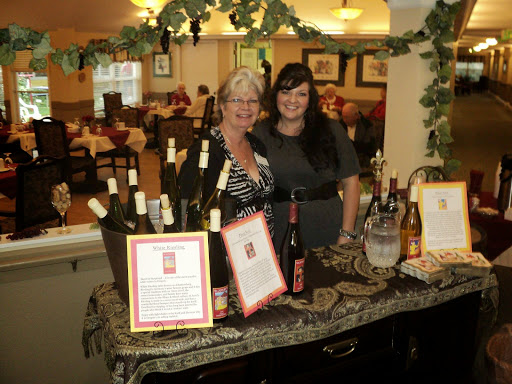
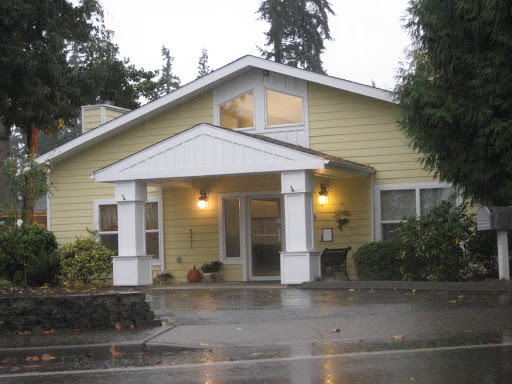
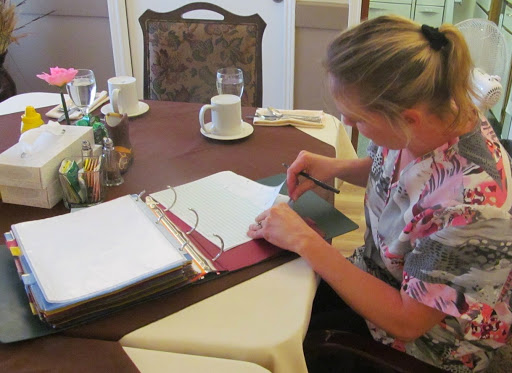
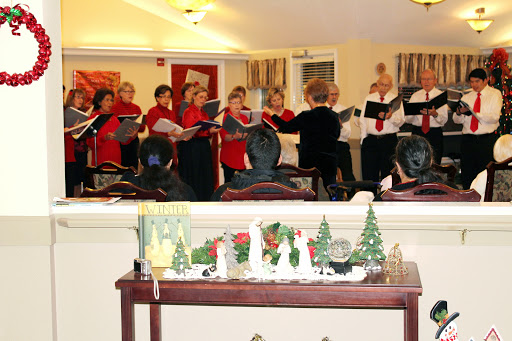
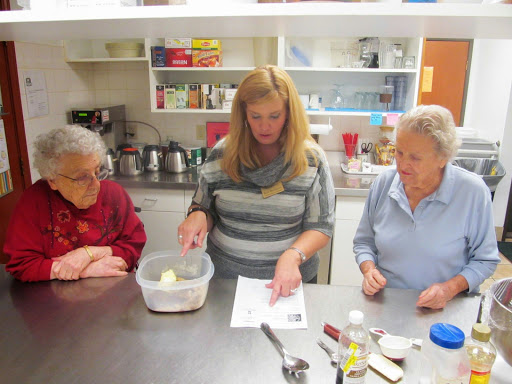
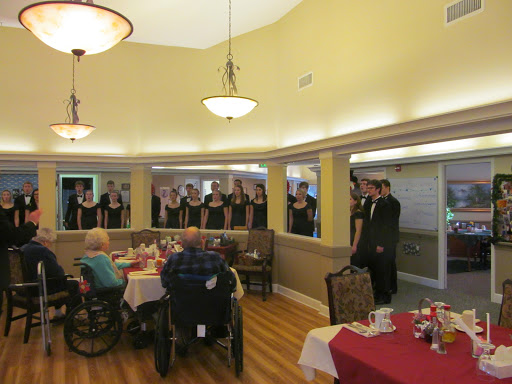
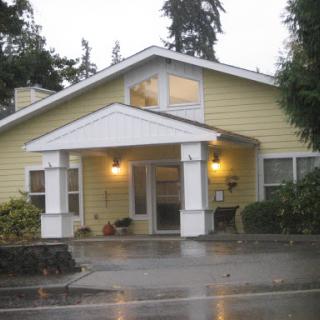
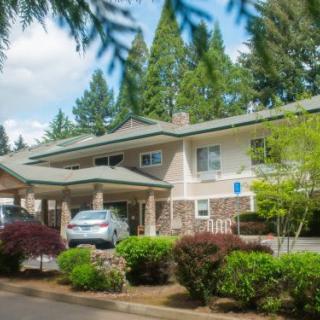
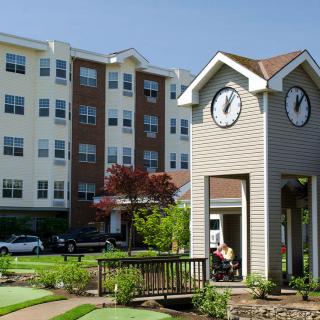
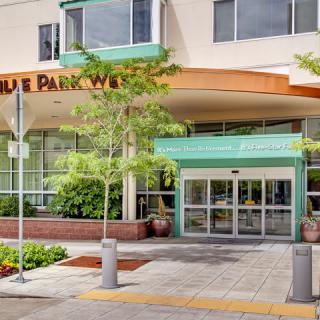
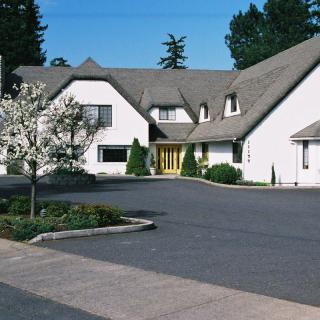
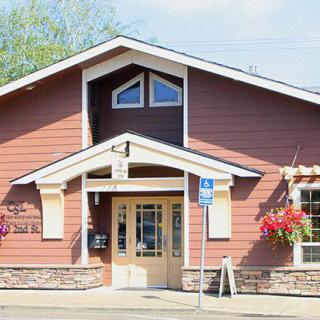
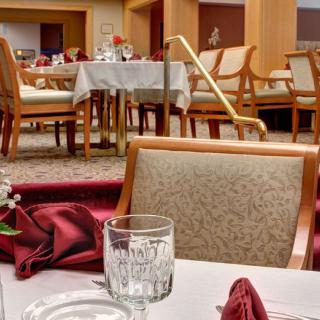
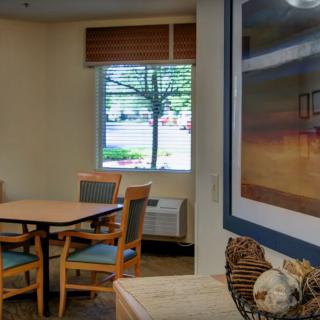
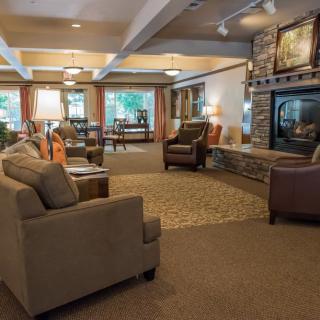
Rackleff Place on seniors.fyi includes 7 photos including images showing interior, dining, architecture, building, front porch, office, decor, cooking, and more.
Nearby Communities
J & L Homecare
Canby, OR
1 from 1 review
$2,200 / month
Competitive private room pricing ($2,200/month).
Marquis Hope Village ALF
Canby, OR
5 from 2 reviews
Diabetic care and devotional services in a warm, social setting.
Marquis Hope Village
Canby, OR
4.2 from 13 reviews
Friendly, caring staff and a bright, airy dining area with ample activities.
Marquis Hope Village
Canby, OR
3.9 from 28 reviews
Restaurant-style dining, on-site beauty salon, furnished apartments with kitchenette, and 24-hour supervision with activities and mental wellness.
Countryside Living South
Canby, OR
4.1 from 26 reviews
Small, personalized setting with memory care and comprehensive services.
Countryside Living of Canby
Canby, OR
4.2 from 28 reviews
$6,724 to $7,430 / month
Small, intimate community with comprehensive care (including memory care) and diverse dining and activities.
SpringRidge at Charbonneau
Wilsonville, OR
4.5 from 131 reviews
$4,245 to $6,355 / month
Vibrant community with active activities, attentive staff, and appealing dining.
Marquis Wilsonville
Wilsonville, OR
2.6 from 20 reviews
$3,461 to $4,390 / month
Individualized, around-the-clock care with a strong rehabilitation focus.
The Springs at Wilsonville
Wilsonville, OR
4 from 53 reviews
$4,175 to $6,150 / month
Warm, inviting atmosphere with attentive staff and robust activities and dining.
Activities of Daily Living (ADLs) are fundamental tasks vital for an individual's independence, particularly in older adults over 85, and include functions like bathing and dressing; assessing ADLs alongside Instrumental Activities of Daily Living (IADLs) helps determine the level of required assistance due to age-related health challenges. Tailored support plans, involving family and community resources, are essential for maintaining dignity and autonomy in assisted living environments.
Medicare does not cover assisted living costs, as it focuses on acute medical needs and short-term care, with exceptions for certain medically necessary services like physical therapy. Individuals must explore other options such as Medicaid, veterans' benefits, or long-term care insurance to manage these expenses effectively.
Choosing between assisted living and nursing homes involves evaluating emotional and financial factors, with assisted living offering independence and support for daily activities at a lower cost, while nursing homes provide intensive medical care for individuals with significant health needs. The decision is influenced by personal preferences, health status, cognitive function, and varying Medicaid coverage across states.
Get PricingAsk A QuestionSchedule A TourContact Senior Advisor
By clicking submit, you agree to our Partner's Terms of Use. You
also consent to receive calls and texts, which may be autodialed, from our Partner. Your consent is not a condition to
using our Partner's service. Please visit our Partner's Privacy Policy for information about their privacy practices.




 29 resident community capacity
 1-bedroom apartments
 Assisted Living
 Skilled Nursing Facility
 Cats allowed
 Dogs allowed
 Activities on-site
 Beautician on-site
 Cable or satellite TV
 Devotional services off-site
 Dining room
 Fully furnished
 Garden
 Housekeeping services
 Indoor common areas
 Kitchenette
 Laundry
 Move-in coordination
 Outdoor space
 Restaurant-style dining
 Small library
 Telephone
 VA Benefits Consultation
 Wi-Fi/high-speed internet available
 Portland International (24 miles away)
 Transportation & parking
 24-hour call system
 Ambulatory care
 Assistance with bathing
 Assistance with dressing
 Assistance with transfers
 Diabetes diet
 Diabetic care
 Medication management
 Mental wellness program
 Special dietary restrictions
 English
 Competitive private room pricing ($2,200/month).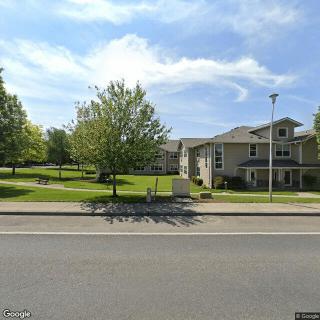


 Comprehensive Insights into Activities of Daily Living (ADLs) and Their Assessment
 Medicare Coverage for Assisted Living: An In-Depth Exploration
 Choosing the Right Senior Care: A Detailed Exploration of Assisted Living and Nursing Homes